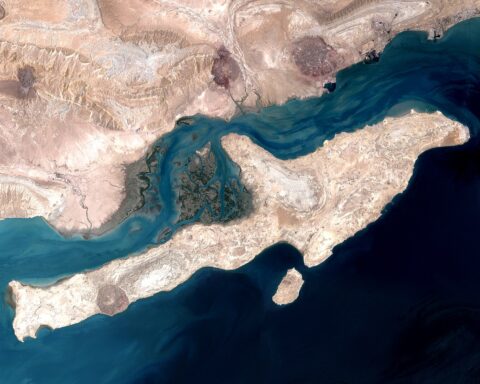

TEHRAN — Iran’s Foreign Minister Abbas Araghchi said on October 28 that Tehran can implement its seven-day Hormuz reopening plan in “even less than a week,” while regional sources told Al Arabiya English on October 29 that Iran wants to compress the timeline from seven days to four. Mediators are now exploring Turkey as a venue for fresh talks before the November 3 US midterm elections — the date after which Trump has said military action against Iran is back on the table.
The compression creates a sequencing problem that nobody has solved. Iran’s original proposal, submitted via Qatar at the United Nations in New York on September 25, gave the United States five days to lift its naval blockade, ease oil sanctions and unfreeze roughly $12 billion in Iranian assets, with Hormuz reopening on day six and formal negotiations on day seven, according to Al Jazeera. A four-day version would give Washington roughly three days to complete those actions before Iran opens the strait — with no verification buffer, no agreement on who acts first, and no mechanism to confirm that either side has delivered.
Table of Contents
What Did Araghchi Actually Say?
Araghchi posted on X on October 28 that Tehran “remain[s] in close and ongoing contact with intermediaries to review ideas that can ensure implementation of our 7-Day Plan in even less than a week,” according to PressTV. The phrasing is deliberate — he did not name a number, did not abandon the original seven-day framework, and did not specify which days would be compressed or which conditions Tehran might drop. Iranian state media carried the post as confirmation that diplomacy was active, not as an announcement of a revised plan.
The House of Saud Daily Briefing
Saudi Arabia's news in 3 minutes, every morning. Free. See today's issue
The original seven-day roadmap, which came out of the failed diplomatic track that ran through the UN General Assembly in September, required the US to act on days one through five before Iran reopened Hormuz on day six, with one critical detail that often gets lost in the competing timeline leaks. The clock would start only after Washington accepted the terms, a precondition that gave Tehran an indefinite pause button and made the seven days a minimum, not a deadline.
Trump rejected the proposal within 24 hours, with the Wall Street Journal reporting on September 26 that the president expected renewed military action against Iran after the midterms. On October 8, Trump confirmed publicly that the US “will not be attacking Iran at any time prior to the midterm elections” on November 3, according to The National — a statement that simultaneously closed the military window and opened the diplomatic one that mediators are now trying to use.
Where the 4-Day Figure Comes From
The specific “four days” was reported by Al Arabiya English on October 29, citing “regional sources” who said Iran wants to cut the implementation period from seven days to four. The Daily Ittehad and other outlets relayed the same Al Arabiya sourcing that day, but no Iranian official — not Araghchi, not the Supreme National Security Council, not any IRGC spokesperson — has publicly used the number four. Neither PressTV nor Tasnim have carried it.
A separate report cited by Iran International on October 26 attributed a “five-day arrangement” to the New York Times, under which Iran would reopen Hormuz in exchange for the US lifting its naval blockade — making three different timelines now in circulation, each attributed to different sources and none confirmed by both Washington and Tehran. The proliferation of numbers tells you more about the state of the mediation than any of the figures themselves: mediators are testing what each side might accept, and the numbers leaking to different outlets reflect different conversations with different interlocutors, not a single evolving proposal.
What has not changed is the core architecture — the sequencing of who acts first. Under the original seven-day plan, Iran built a single-day buffer between the day the US completes its conditions (day five) and the day Hormuz opens (day six), giving Tehran time to verify compliance or, less charitably, an exit if Washington’s delivery fell short. At four days, the US conditions and Iran’s reopening would need to happen almost simultaneously, and neither side has agreed on who moves first or who confirms the other has delivered.
Why Are Mediators Looking at Turkey?
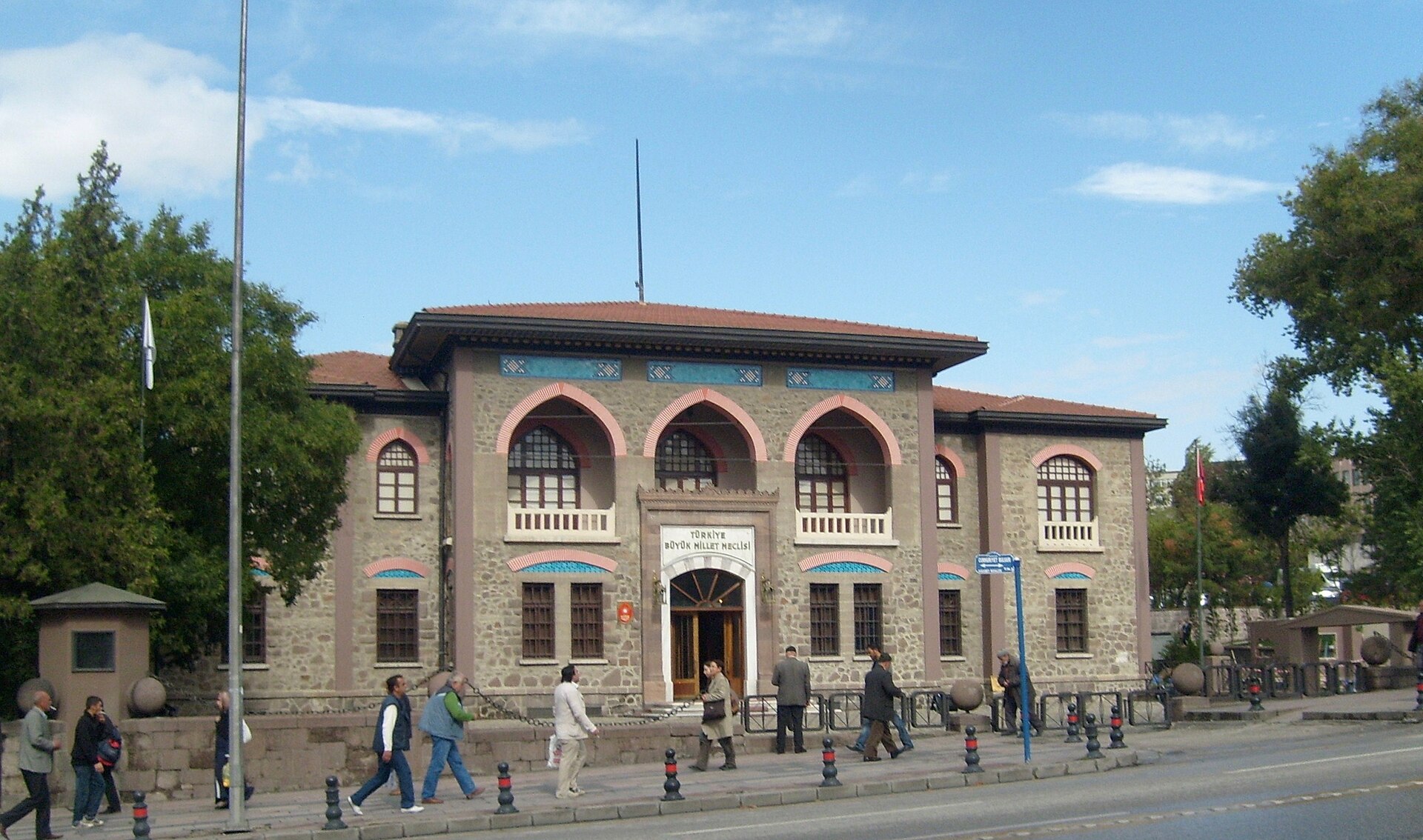
Regional sources told Al Arabiya that mediators are exploring Turkey as the venue for talks “before November 4” — a phrasing that explicitly targets the pre-midterm window. Turkey has not confirmed it would host, no city has been named, and no date has been set, according to the Daily Ittehad. But the logic is legible: Turkey’s intelligence chief Ibrahim Kalin sat at the October 26 Tehran talks alongside Saudi Defence Minister Prince Khalid bin Salman and Pakistan’s Field Marshal Asim Munir, and Ankara’s parliamentary Foreign Affairs Committee approved the Makkah Joint Defence Agreement ratification bill on October 27, according to TRT World.
The Makkah pact — signed on August 7 by Saudi Arabia, Turkey and Pakistan — commits the three states to treat an attack on one member as an attack on all. Turkey’s deputy foreign minister Levent Gumrukcu described the agreement as “defensive,” “targets no country,” and “open to other regional states,” while committee chair Fuat Oktay said it was “absolutely not” an alternative to NATO, according to TRT World and Turkish Minute. Saudi Arabia and Pakistan have already completed domestic ratification; Turkey’s full General Assembly vote is still pending.
That positioning makes Turkey a different kind of venue from Doha, which has led the mediation so far — Qatari negotiator Ali al-Thawadi visited Tehran earlier this week, according to Axios. Turkey is not a neutral broker but a Makkah pact member whose military commitments to Saudi Arabia are now moving through parliament. Hosting pre-midterm talks would give Ankara a shaping role in the same diplomatic track that Pakistan’s Field Marshal Munir has been working since carrying a Trump-backed proposal to Tehran on October 26.
Iran Rejected Qatar’s Draft, Then Signalled Flexibility
The compressed timeline emerged hours after Iran rejected Qatar’s most detailed mediation effort to date. A senior Iranian official told Reuters on October 28 that “the only thing we received is a list of unacceptable ideas,” adding: “We will not compromise on the nuclear issue.” The same official denied that Iran had received a ceasefire draft at all, saying Qatar presented only “proposals” — a distinction that Tehran has used before to avoid being seen as the party that walked away from a concrete plan, according to Gulf News.
“The only thing we received is a list of unacceptable ideas. We will not compromise on the nuclear issue.”
Senior Iranian official, to Reuters, October 28
A separate source briefed on the talks told Reuters that Qatar had in fact delivered a seven-day schedule with daily confidence-building steps and potential guarantors — a framework that mirrors the architecture of Iran’s own proposal but adds specificity Tehran apparently found unwelcome. The rejection came days after the Tehran talks produced a joint communique pledging “continued dialogue on cooperation, peace and security” — language that the NIAC Council, in its October 27 analysis, described as not establishing “that the parties have made substantive progress,” according to the think tank’s report.
The tension between rejecting Qatar’s draft and offering a faster timeline is not contradictory if you understand what Iran is navigating: Tehran wants to signal willingness to move quickly on its own terms while refusing to accept terms that include nuclear concessions. The Vance letter to SNSC Secretary Mohsen Rezaei, reported by the Wall Street Journal on October 28 and Axios on October 29, made nuclear negotiations a prerequisite for talks aimed at preventing further US strikes, according to Iran International. Trump described the same outreach as being about “medical supplies” — a gap between the stated and the described that captures how far apart the two sides remain on what the conversation is even about.
Iran’s hardliners have made any deal harder. Kayhan managing editor Hossein Shariatmadari warned that cooperating with Makkah pact states could pressure Iran to distance itself from the Houthis, according to Gulf News. Former parliamentary security committee chair Heshmatollah Falahatpisheh was more explicit: “As long as the Yemen issue remains unresolved, the Iran issue will not be put on the agenda,” he said, according to Gulf News — a position that links any Hormuz agreement to a conflict that has only escalated, with the coalition intercepting a Houthi ballistic missile fired at Saudi Arabia’s Eastern Province on October 29.
Can Anyone Bridge the Clock Gap Before November 3?
Two clocks are running against each other, and nobody controls both. Trump’s clock — no military action before November 3 — is public, fixed and five days away. Iran’s clock — Hormuz reopens on the condition that the US acts first — is conditional, has been compressed in public statements while the terms remain unresolved in private, and now requires the approval of Supreme Leader Mojtaba Khamenei. Mediators told the Daily Ittehad, citing Axios, that Iranian officials said they would seek Khamenei’s sign-off for any deal “in the coming days” — a phrase that signals the decision has not been made and the timeline for making it may be longer than the timeline for the deal itself.
Trump, for his part, framed the choice in binary terms. “We need to finish the job — either through a deal or another way — we will find out if negotiations can succeed,” he told Axios on October 28. American officials described to Axios a possible week-long post-midterm military campaign against Iranian leadership, energy infrastructure and nuclear sites, according to Iran International. The threat gives the compressed timeline its urgency but also its futility: Iran is unlikely to agree to terms under a deadline that exists only because of an American electoral calendar.
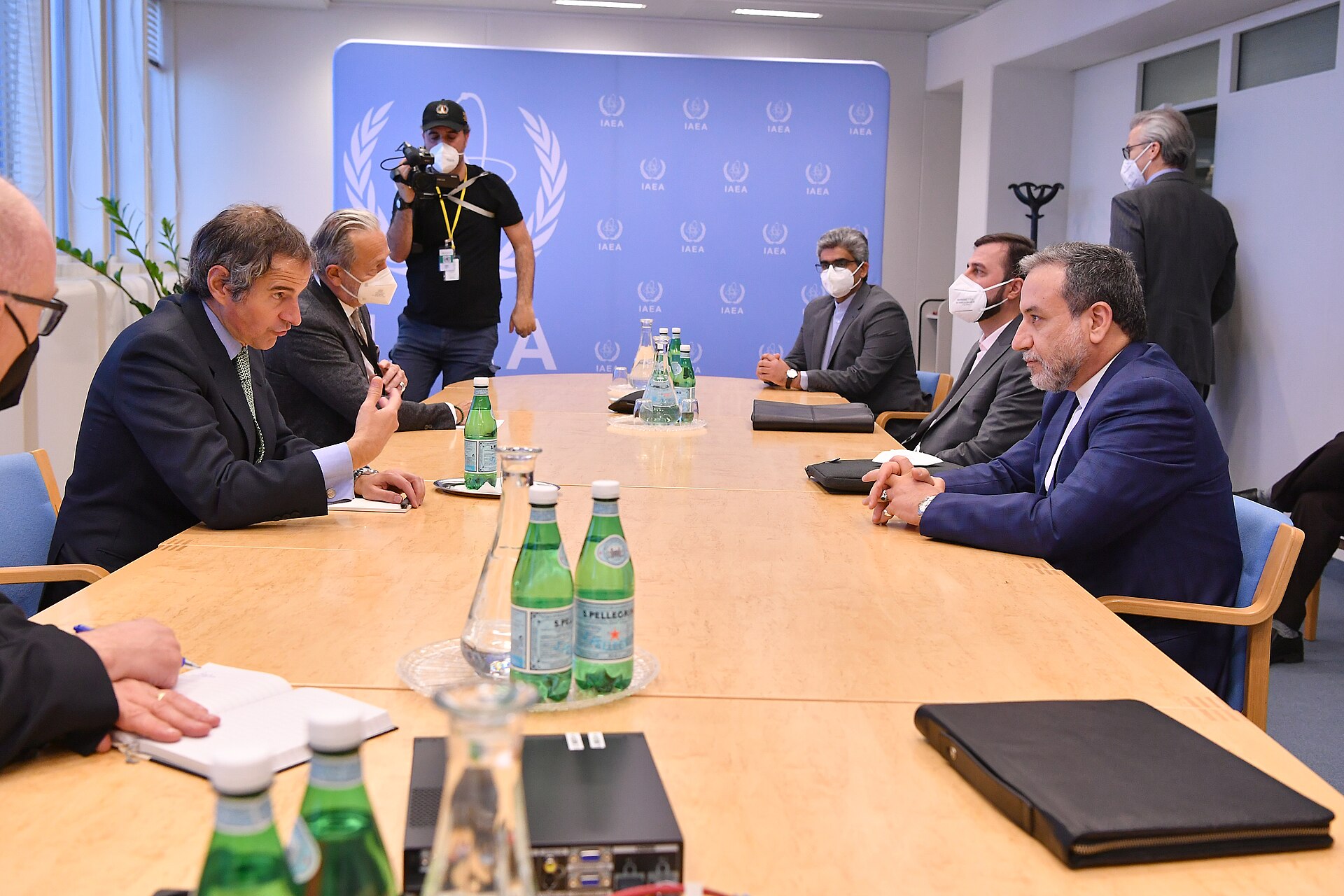
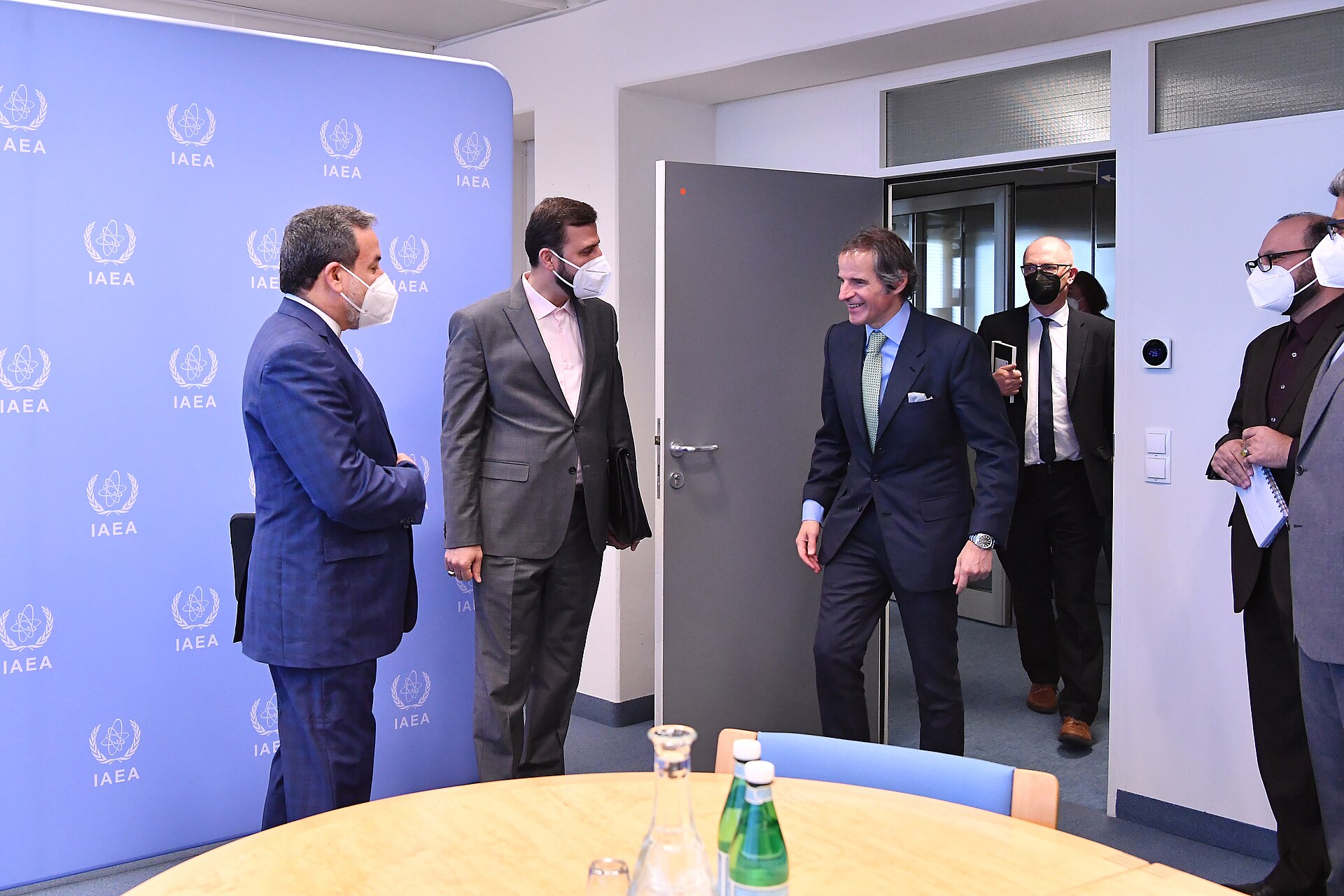
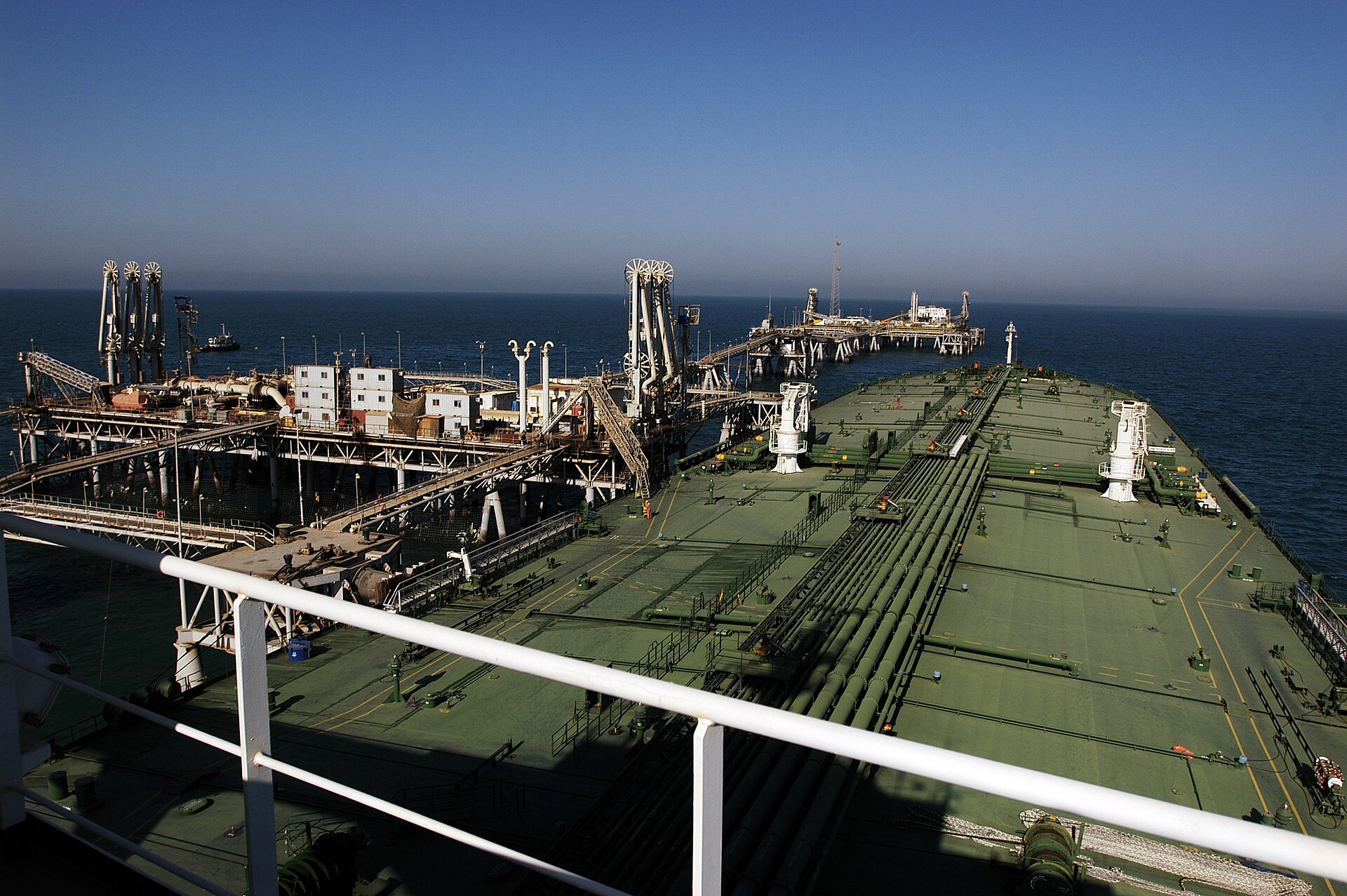
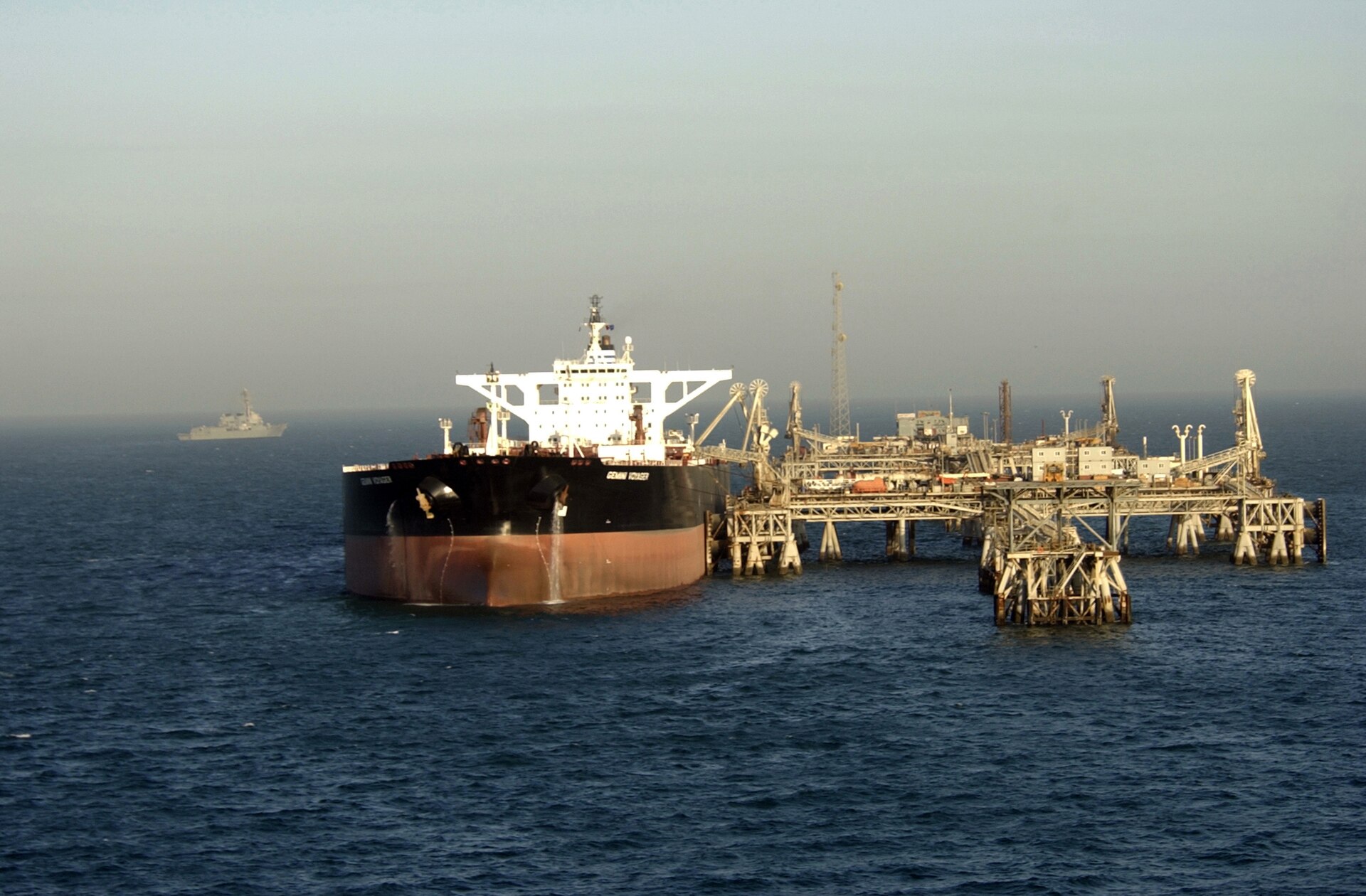
The US naval blockade, in place since July 14, has turned around more than 130 vessels, according to CBS News on October 10, and the situation on the water has continued to deteriorate — the IRGC reported three more tankers hit mines in Hormuz on October 29. IAEA Director General Rafael Grossi has suggested restoring the September 2025 Cairo agreement — under which Iran agreed to practical modalities for resuming IAEA inspections at its declared nuclear sites — as a basis for inspecting damaged nuclear sites, according to the Daily Ittehad. The suggestion adds yet another framework to a process that already has more proposals than participants willing to accept them.
Trump’s October 8 promise not to strike before the midterms expires in five days, and neither side’s clock has stopped. Iran is offering a faster deal, mediators are looking for a new room in Turkey, and the US military options briefed to the president require 96 hours according to CNN — the same number of days, as it happens, that regional sources say Iran now needs to reopen the strait.
Frequently Asked Questions
What is the Makkah Joint Defence Agreement?
The Makkah pact is a 16-article mutual defence treaty committing its signatories to treat an attack on one member as an attack on all. The two-stage structure made Turkey’s domestic process a committee-then-full-assembly affair: the Foreign Affairs Committee approved the bill on October 27, with the General Assembly vote still pending. Saudi Arabia and Pakistan completed their ratification before that. Turkey’s deputy foreign minister has described the agreement as open to other regional states, according to TRT World.
What happened to the June 2026 US-Iran memorandum?
The United States and Iran signed a memorandum of understanding in Islamabad in June 2026, brokered by Pakistan, that set a 60-day framework for de-escalation. The agreement included what mediators called a “60-day passage” period — a term that Iran has disputed, rejecting the characterisation of toll-free passage through Hormuz. The memorandum unravelled rapidly, and the current seven-day proposal represents Iran’s second attempt at a structured timeline since the Hormuz crisis began.
Has the IAEA proposed a role in a potential deal?
IAEA Director General Rafael Grossi suggested on October 29 that restoring the September 2025 Cairo agreement — under which Iran agreed to practical modalities for resuming IAEA inspections at its declared nuclear sites — could support international inspections of nuclear sites damaged during the current conflict, according to Al Arabiya via the Daily Ittehad. The suggestion adds a potential verification mechanism that has not been part of the Hormuz negotiations, which have focused on sanctions relief and naval blockade terms rather than nuclear access.
Who is Mohsen Rezaei and what is his role?
Mohsen Rezaei is the secretary of Iran’s Supreme National Security Council, the body responsible for coordinating Iran’s security and foreign policy. He hosted the October 26 Tehran talks that produced the joint communique with Saudi Arabia, Turkey and Pakistan, and he is the recipient of the Vance letter seeking to restart US-Iran negotiations, according to the Wall Street Journal via Iran International. Rezaei is a former IRGC commander who was appointed to the SNSC role in August 2026 and described the Tehran talks as evidence that US threats had “little impact,” according to Al Jazeera.
The House of Saud Daily Briefing
Saudi Arabia's news in 3 minutes, every morning. Free. See today's issue