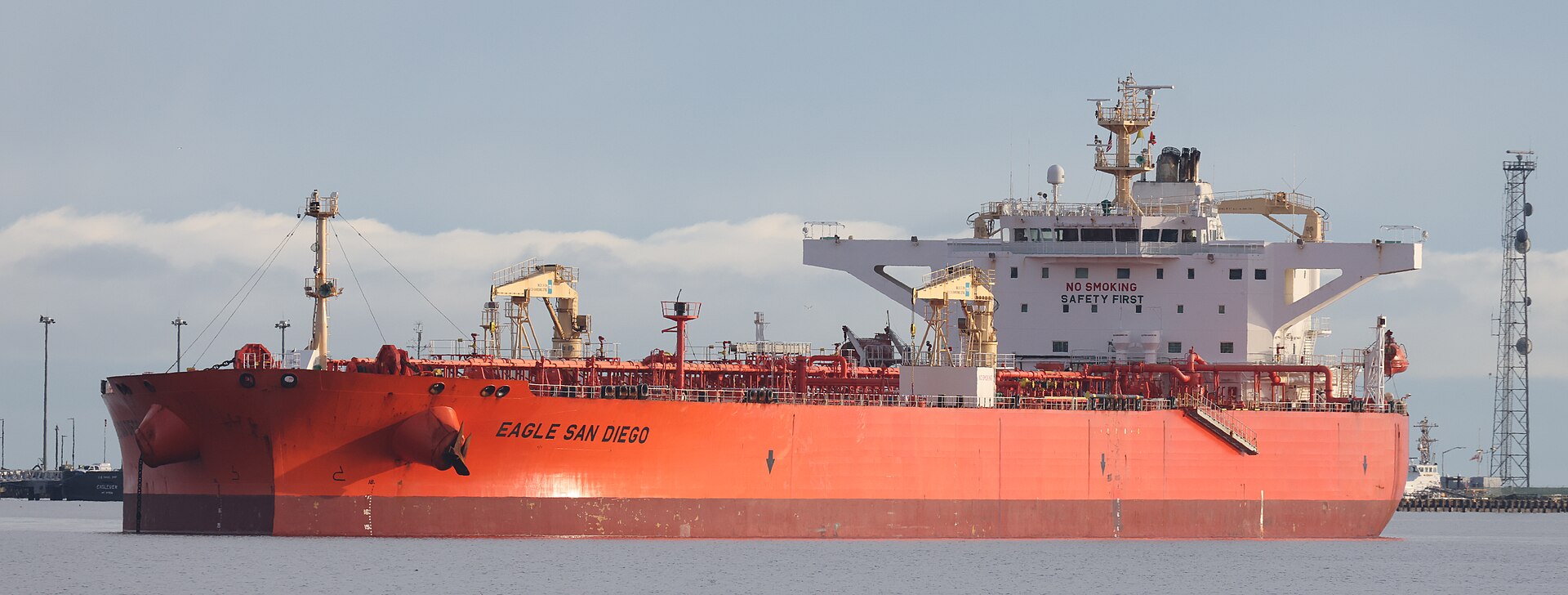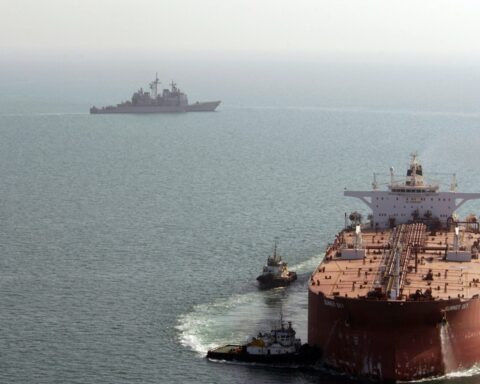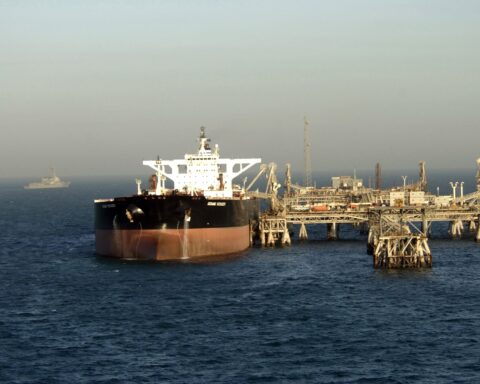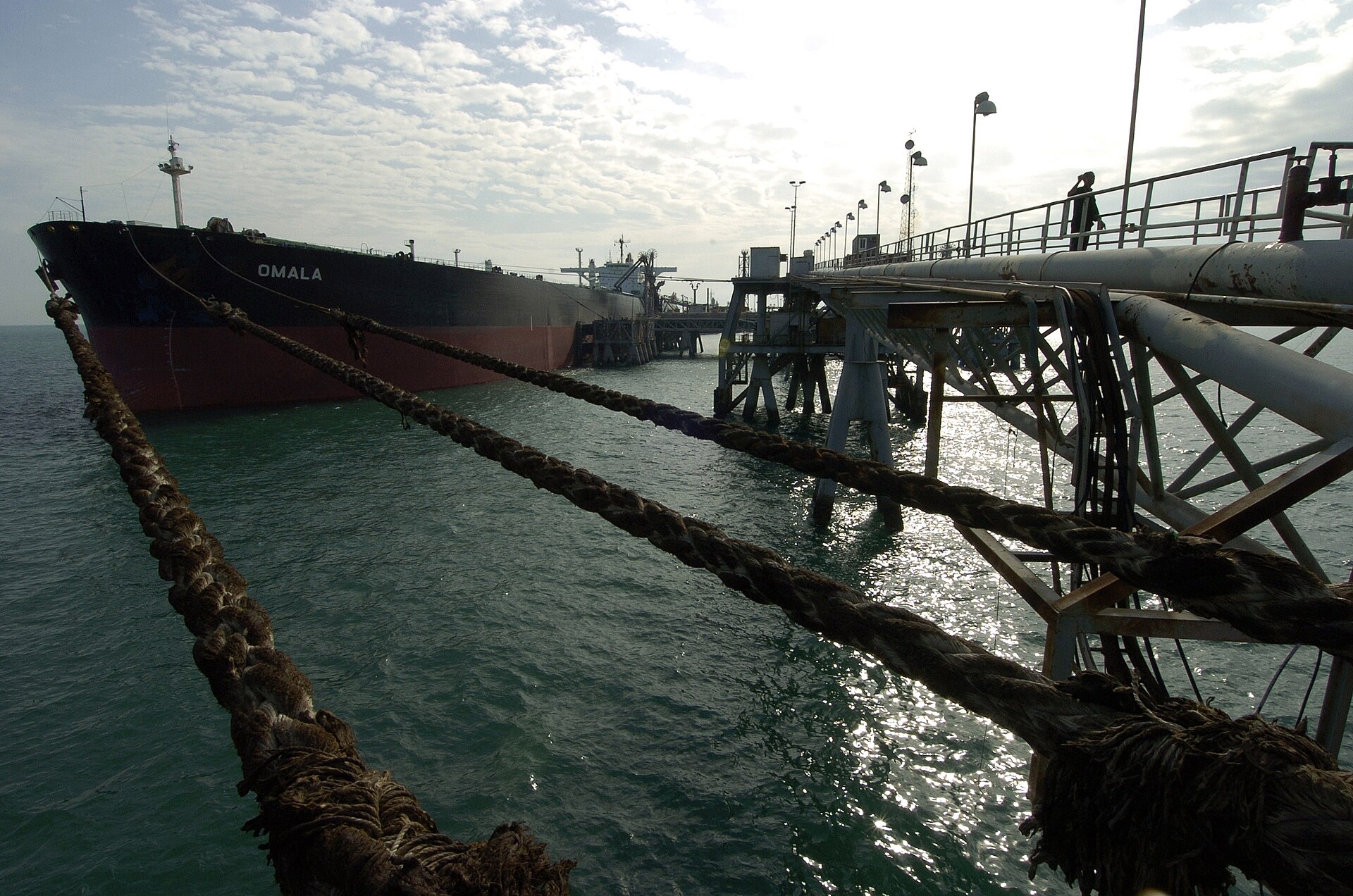

DUBAI — Iran said four oil tankers caught fire after hitting mines in the Strait of Hormuz on October 29 — the IRGC Navy counted three vessels, the Iranian Army added a fourth hours later — while US Central Command called the mine reports false and said the primary transit lanes were clear. The four-tanker total comes entirely from Iranian government statements, assembled from two separate military branches that issued independent reports on the same day.
Independent maritime monitors confirmed separate incidents off Khasab, Oman, on the same day — including one vessel that sank and another reported mostly submerged — but none confirmed mines as the cause or connected the events to one another, according to Riviera Maritime. The three-way contradiction between what Iran claims, what CENTCOM denies, and what the monitors can actually verify has left the shipping market pricing in the dark, and the price is at record levels: VLCC freight on the benchmark Saudi Arabia–China route hit $1.33 million per day, an all-time high according to Lloyd’s List, in a strait where commercial transits have fallen to single digits from a pre-war baseline of roughly 138 per day, according to the Joint Maritime Information Centre.
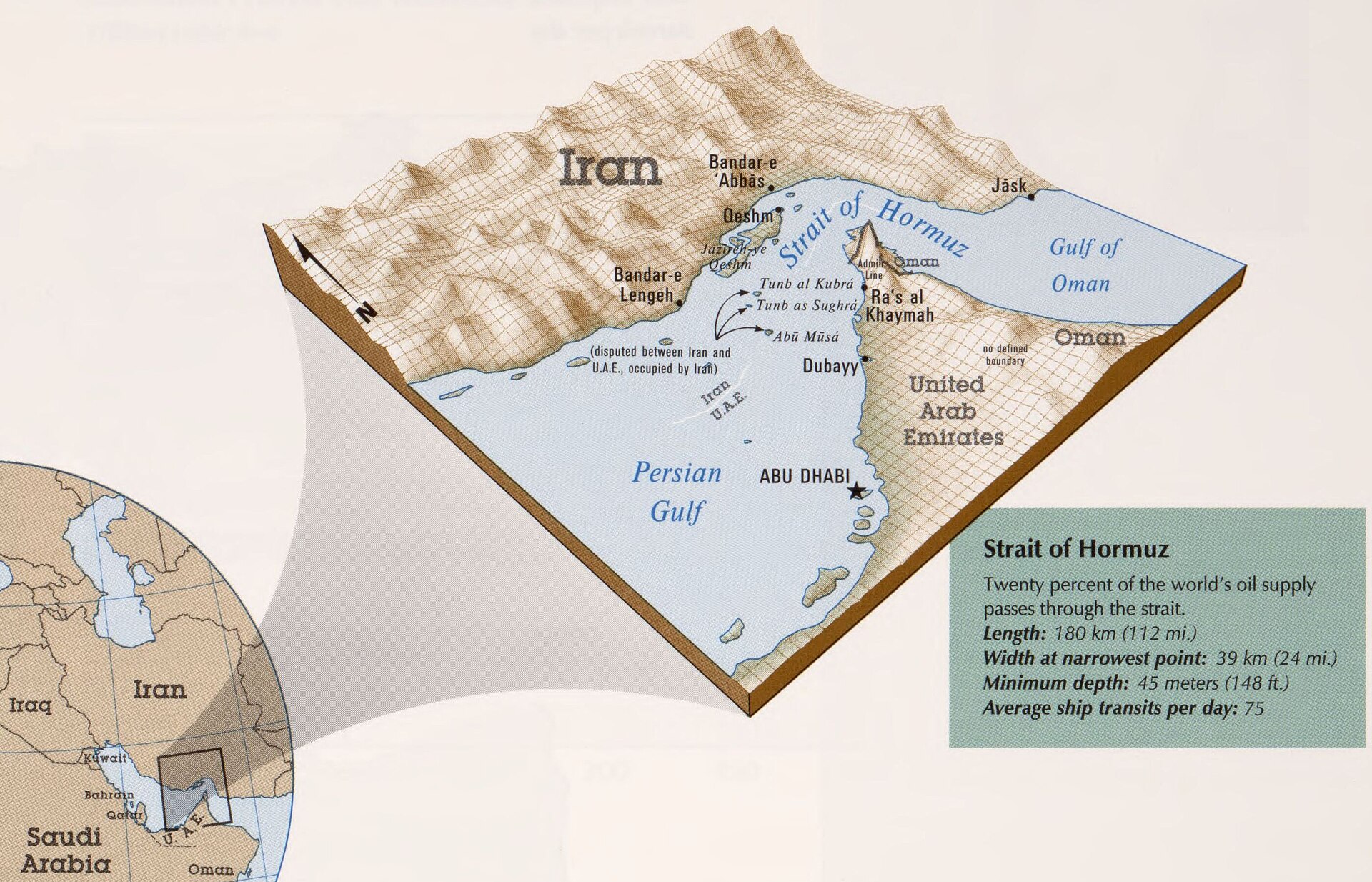
Table of Contents
What Did Iran Claim?
The four-tanker total emerged in stages. The IRGC Navy said on October 29 that three oil tankers had exploded and caught fire over the preceding 24 hours after hitting mines on an unauthorized southern route through the strait, describing the vessels as “violating” ships that had switched off their radar and navigation systems and ignored warnings, according to AFP.
The House of Saud Daily Briefing
Saudi Arabia's news in 3 minutes, every morning. Free. See today's issue
Hours later, the Iranian Army issued a separate statement reporting a fourth tanker on fire east of the strait after hitting a mine in what it called a “restricted and dangerous area,” leaving the vessel unable to move, AFP reported. Both statements framed the damage as self-inflicted — consequences, in Tehran’s telling, of crews that defied Iran’s designated navigation zones and sailed into waters they had been warned were mined.
That two separate military branches — the IRGC Navy, which controls Hormuz under Iran’s command structure, and the regular Army — issued independent statements on the same day without referencing each other’s claims makes reconstructing what actually happened from Iranian government sources alone exceptionally difficult. IRGC spokesman Hossein Mohebi escalated the dispute on X, challenging CENTCOM’s assertion that it had cleared primary routes of Iranian mines and demanding independent evidence rather than statements, according to AFP. Since the IRGC declared the Strait of Hormuz closed on October 26, Iran has treated every maritime incident in the strait as confirmation that its closure warnings should have been heeded, and every American reassurance about cleared transit lanes as a claim that puts commercial crews at risk.
What Did the Monitors Actually See?
The picture from independent monitors is fragmented — multiple agencies reported multiple incidents on October 29, with no agreed vessel count and no confirmed cause. Maritime security firm Marisks stated that “neither the cause nor the vessel’s identity” had been confirmed for the burning tanker, and that no connection between the various incidents had been established, Riviera Maritime reported.
The UK Maritime Trade Operations issued three separate advisories. The first placed a vessel on fire approximately 25 nautical miles northeast of Khasab, Oman, reporting that a small boat had approached and attached two explosive devices above the waterline; the resulting blasts caused an engine-room fire, though UKMTO later confirmed the fire extinguished and the crew safe, according to AFP. A second advisory concerned a tanker struck by an unknown projectile during an outbound transit, with no injuries and no environmental damage, according to Iran International. The third identified a vessel initially reported on fire near Khasab as a dhow — a traditional trading vessel, not an oil tanker — that caught fire and sank, with the crew safely evacuated, Riviera Maritime reported.
Ambrey, another maritime security firm, reported a tanker “foundering” approximately 9.7 nautical miles north of Khasab, linked to UKMTO advisory 185-26, with a passing vessel reporting a “violent explosion,” according to Riviera Maritime. Vanguard Tech separately reported a Panama-flagged tanker struck by an unknown projectile at approximately 0300 UTC on October 29, with the master describing the vessel as on fire and mostly submerged, Riviera Maritime reported.
The language across all five reports is consistent in what it avoids: UKMTO described explosive devices and unknown projectiles, not mines; Ambrey reported an explosion without naming a cause; Vanguard Tech cited an “unknown projectile.” The gap between what Iran claims — four mine strikes — and what the monitors documented — fires, explosions, and impacts whose origin remains undetermined — is the gap the shipping industry has been forced to price.
How Does CENTCOM Respond?
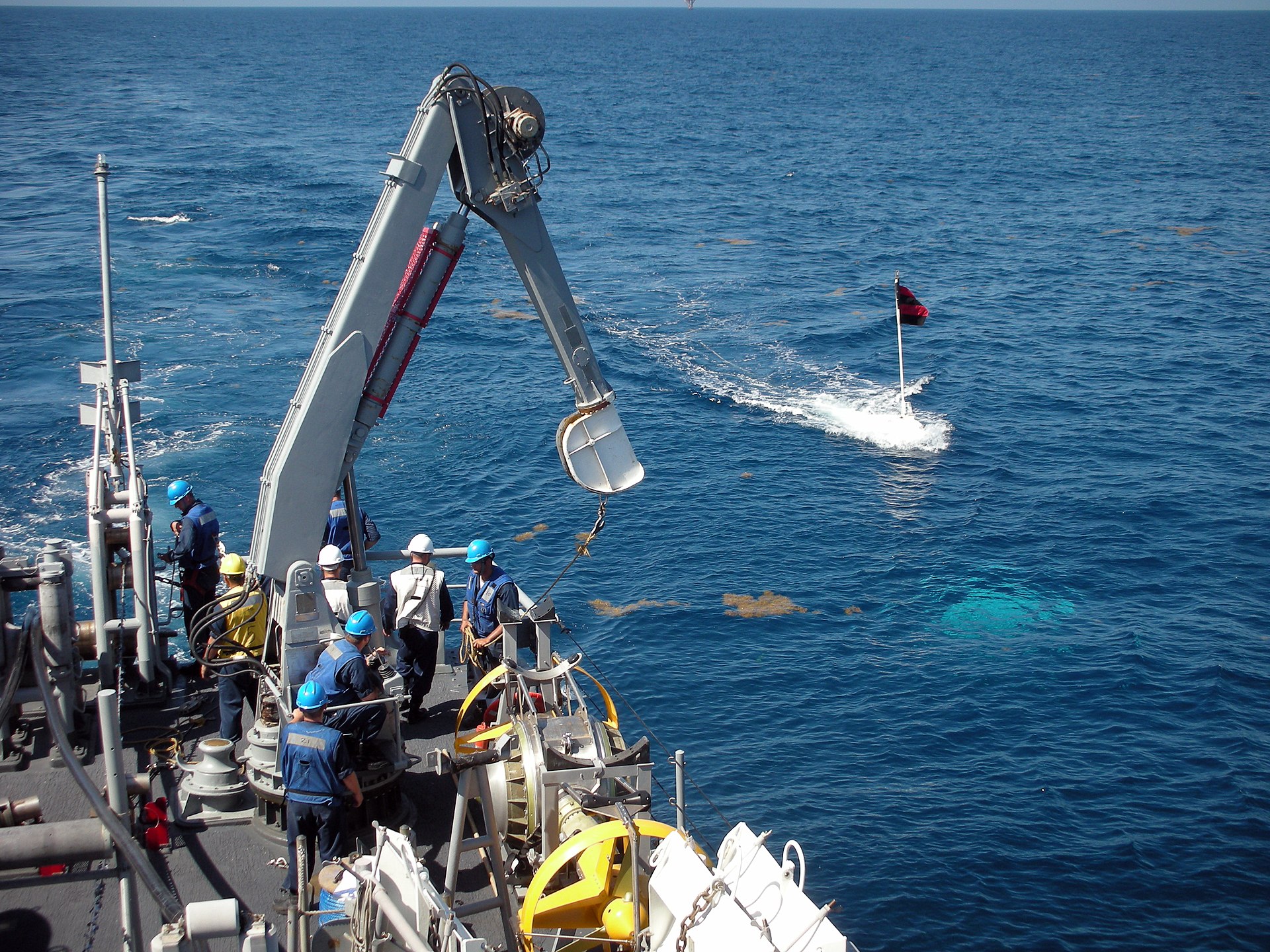
CENTCOM called Iran’s mine-strike reports false and said the recognised transit lanes remained cleared, according to SOFX. Admiral Brad Cooper stated on October 25 that primary transit routes through the strait were clear of Iranian mines — a position CENTCOM reaffirmed in an institutional statement on October 28 and one the US military has held publicly since it began managing an assisted-transit corridor through the strait. That assurance sat awkwardly alongside the monitor reports of vessels burning, sinking, or submerged within the strait on October 29, though the monitors’ own terminology — projectiles, explosive devices, undetermined cause — does not describe mine detonations, a distinction that technically supports CENTCOM’s specific claim about mines.
The distinction matters beyond semantics. Mines are passive weapons that threaten every vessel on a given route, which is why the International Maritime Organization warned on October 27 that it could not guarantee safe transit through the Hormuz traffic route. Explosive devices attached by small boats and projectiles fired at specific vessels imply targeted operations — a different threat model for insurers, a different set of countermeasures for navies, a different calculation for a captain deciding whether to attempt the strait.
For the shippers making that decision, whether the device that sets a tanker on fire was a mine laid weeks ago or an explosive charge attached overnight by a fast boat is, at the point of ignition, a distinction without a practical difference. The freight market on October 29 showed what that indifference costs.
How High Have Freight Rates Gone?
The benchmark VLCC rate for the Saudi Arabia–China route, designated TD3C, hit $1.33 million per day in October 2026 — a 10% increase that Lloyd’s List described as an all-time high. Suezmax rates spiked in parallel: the West Africa–Europe route reached $567,138 per day, up 145%, while the US Gulf–Europe rate hit $577,792 per day, up 150%, Lloyd’s List reported.
Erik Broekhuizen, head of tanker research at Poten & Partners, calculated that VLCC freight costs had risen from roughly 3% to roughly 27% of the delivered cost of crude — a shift he described as potentially unprecedented for crude shipping, according to Lloyd’s List.
Broekhuizen’s calculation captures a shift that raw rate numbers alone obscure. When freight accounted for 3% of the delivered cost of crude, choosing between suppliers was a question of quality grades and marginal price differentials; at 27%, every producer that does not need to ship through or around the Strait of Hormuz holds a built-in cost advantage that no spot discount on Saudi crude can easily offset. Each dollar added to the freight rate passes through to the refiner, the fuel distributor, and eventually the consumer, making the Hormuz dispute a direct input to energy prices in Asia and Europe — and making every contested incident in the strait, whether mine or missile or explosive device, a cost that lands in someone’s petrol bill.
War-risk insurance premiums for Hormuz transits are running at 6–10% of hull value per transit, according to brokers cited by the Financial Times in October 2026, and no Protection and Indemnity club has restored Gulf war-risk coverage since the major clubs cancelled it in March 2026. Rerouting via the Cape of Good Hope adds an estimated 10–14 additional days to each voyage, according to OilRoutes, and the combined cost of freight, insurance, and extended transit time is why Aramco has shifted European-bound crude to its Yanbu terminal on the Red Sea coast.
The Mine Stockpile and the Minesweeper Gap
Maritime analysts estimate Iran’s mine stockpile at between 2,000 and 6,000 devices, many produced domestically, including M-08 contact mines, Maham-2 bottom-influence mines, and reportedly Chinese-origin EM-52 rocket mines that sit on the seabed and launch a projectile at passing hulls, according to Al Jazeera. The EM-52 would be among the most difficult for sweepers to detect, because unlike a floating contact mine it is designed to sit dormant on the seabed until a vessel passes overhead — at which point the question of whether the route was “clear” becomes academic. Whether any of those mines have been laid in the strait, and if so in which channels, is what CENTCOM and Iran answer in opposite directions, with the monitors unable to adjudicate.
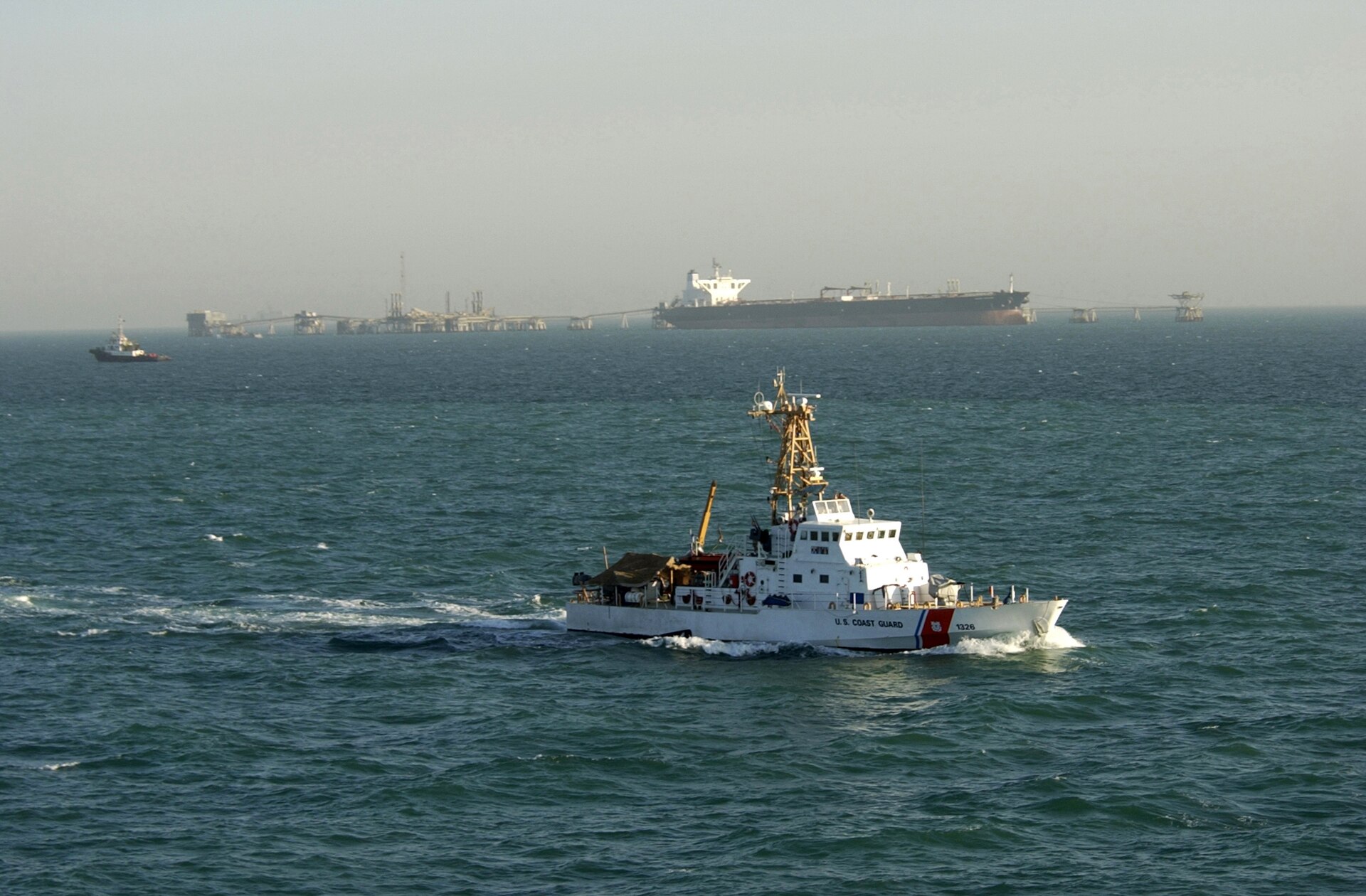
The US Navy’s capacity to settle that question has thinned since the Avenger-class mine countermeasures ships — the Navy’s dedicated minesweepers in the Gulf — were retired from Bahrain, leaving the USS Canberra, an Independence-class littoral combat ship fitted with MCM mission modules, as the primary mine-hunting asset in the region, according to Al Jazeera. Admiral Cooper’s assurance that primary routes are clear reflects confidence in the US-assisted transit corridor, through which roughly 30 vessels per day still move according to the JMIC, but that corridor covers a fraction of the strait’s navigable water, and several of the October 29 incidents occurred in areas outside it.
The cumulative toll is mounting regardless of whose mine account is closer to the truth. Noam Raydan of the Washington Institute for Near East Policy counted roughly 30 Iranian attacks on shipping since October 1 alone, SOFX reported — an average of one a day, each one adding to a body of incident data that insurers, flag states, and the IMO are using to assess whether the strait is transitable at any price. The International Maritime Organization said at least 24 seafarers had been killed since the conflict began on February 28, 2026. On October 13, the Singapore-flagged container ship GFS Pride sank after a strike, and the JMIC has maintained a SEVERE threat level since at least October 25, warning that further deliberate attacks were highly likely, according to Caracal Intelligence.
The four-tanker claim — building on the IRGC’s initial three-tanker report earlier on October 29 — extends a pattern that has cut commercial traffic through the strait to a fraction of its pre-war level. On the day Iran and CENTCOM traded competing claims about whether mines lay in the water, a dhow sank off Khasab and a tanker was reported mostly submerged, and the maritime monitors that documented both could not say why.
Frequently Asked Questions
Has any independent body confirmed that mines caused the October 29 incidents?
No independent maritime monitor confirmed mines as the cause of any October 29 incident. UKMTO’s most detailed advisory described a small boat attaching explosive devices above the waterline — a method of targeted attack distinct from the passive detonation that contact or influence mines produce. Ambrey and Vanguard Tech reported explosions and projectile strikes without attributing a specific cause, and Marisks stated that neither the cause nor the vessel’s identity had been confirmed. The mine attribution comes solely from two Iranian government bodies, the IRGC Navy and the Iranian Army.
How many vessels currently transit the Strait of Hormuz each day?
Commercial transits have fallen to single digits, according to the JMIC, from a pre-war baseline of roughly 138 per day. US-assisted traffic — vessels moving through designated corridors with naval coordination — has averaged roughly 30 transits per day, according to Riviera Maritime citing the JMIC. Iran has conditioned any reopening of the strait on the US lifting its naval blockade, a demand Washington has rejected, while Tehran’s proposed 7-day reopening plan has also been turned down by the US.
What alternative export routes does Saudi Arabia have?
Oil prices approaching $117 a barrel reflect the cumulative impact of the Hormuz closure. For the latest OPEC production data and oil price analysis, see Brent Hits $116 as OPEC Meets With Saudi Output 4.5 mb/d Below Quota.
The East-West pipeline, which runs from Abqaiq in the Eastern Province to Yanbu on the Red Sea coast, has a design capacity of roughly 7 million barrels per day, according to Saudi Gazette. Aramco has already moved European-bound spot cargoes to Yanbu. Saudi-flagged vessels have also rerouted via the Cape of Good Hope — 12 Saudi-flagged tankers rounded the Cape in the week of August 17, up from 8 the previous week, according to OilRoutes citing Windward data — but the Cape route adds 10–14 days to each voyage, with proportional increases in fuel, charter, and insurance costs.
The House of Saud Daily Briefing
Saudi Arabia's news in 3 minutes, every morning. Free. See today's issue