
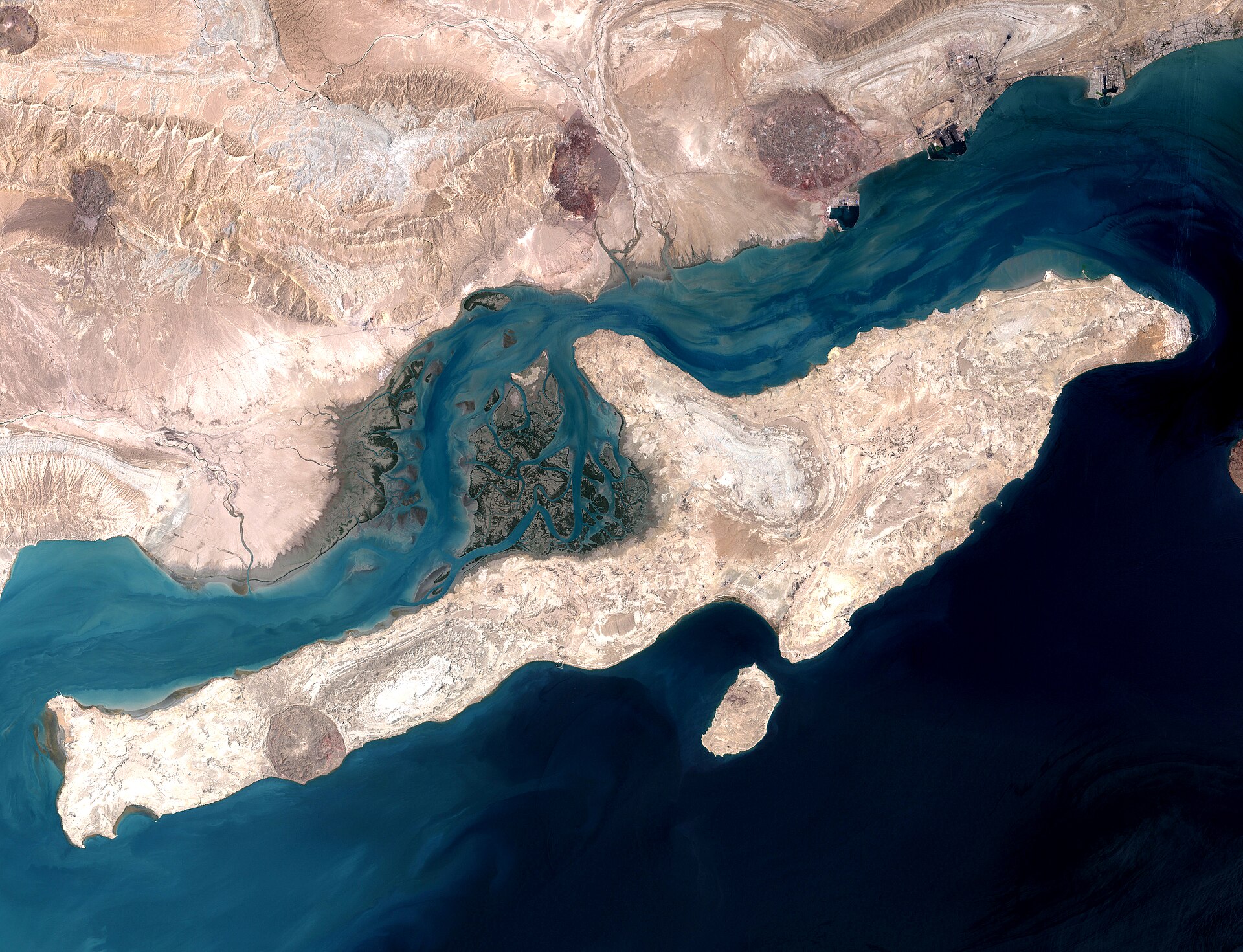
LONDON — The head of the International Maritime Organization said this month that the only internationally recognized shipping route through the Strait of Hormuz still has mines, and that the organization cannot guarantee any vessel attempting the transit will not be struck. Arsenio Dominguez, the IMO Secretary-General, told Fox News Digital that the traffic separation scheme adopted in 1968 — the sole corridor the IMO has ever approved — “is not clear of mines right now, so it’s not safe.”
The warning landed as daily transits through the strait collapsed from a pre-war baseline of roughly 85 to as few as 4 on October 18, according to IMF PortWatch and verified maritime data. Before the conflict, insuring a $100 million supertanker through Hormuz cost between $50,000 and $200,000 per transit; by late March, peak hull war-risk premiums had reached $7.5 million to $10 million for the same voyage, according to Tankerbrief and Howden Re. Dominguez said it plainly: “We cannot guarantee that a vessel that intends to transit that route will not be hit by a mine.”
Table of Contents
“Not Open for Business”
Dominguez was unambiguous. “Right now there’s only one route that was adopted back in 1968 that is approved and recognised for IMO,” he told Fox News Digital. “It is not clear of mines right now, so it’s not safe.” The strait, he added, is “not open for business in the way that it was before the conflict started” — a declaration by the head of the United Nations agency whose endorsement of the traffic separation scheme has underpinned commercial Hormuz transits for nearly six decades.
The House of Saud Daily Briefing
Saudi Arabia's news in 3 minutes, every morning. Free. See today's issue
Iran has submitted a proposed alternative corridor to the IMO — an IRGC-run lane routed through Iranian territorial waters — but Dominguez said the route had not gone through the organization’s formal approval process: “Any other route needs to actually be sent to the organization to go through the processes, and we have not received that.” Brent crude touched $110 on October 19, according to Oil and Gas Middle East, and Middle East oil exports have dropped at least 60 percent, EnergyNow reported on October 24. UKMTO data from October 22 to 24 showed 101 vessels transiting the strait over three days, roughly 34 per day against a 2025 average of approximately 138, according to UKMTO. Central Command has counted 135 ships turned around since the blockade began on July 14, according to CBS News.
How Do Sea Mines Close a Strait?
The mines themselves have not sunk most of the ships that stopped transiting. Iran’s Islamic Revolutionary Guard Corps has made multiple mine-strike claims since the blockade began, but the JMIC found “no substantiation” for the most prominent, and JMIC assessed the sinking of a cargo vessel in the strait in October was caused by an “unknown projectile,” not a mine. What mines do at scale is destroy the insurance framework that commercial shipping depends on.
The IMO’s traffic separation scheme is the reference standard the maritime insurance chain depends on — flag states use it to assess navigability, classification societies use it to certify vessels for specific routes, and underwriters use it to price hull war-risk cover. When the head of the IMO says that corridor has mines, the signal reaches every link in the chain. Dominguez’s words — “we cannot guarantee” — are the language underwriters read before they set a premium.
Hull war-risk insurance is priced per voyage by the London market. Before the conflict, premiums ran between 0.05 and 0.2 percent of hull value for a seven-day transit, according to Tankerbrief. By late March, rates for high-risk tonnage had climbed to 1.5 to 3 percent generally, up to 5 percent for vessels linked to the United States, United Kingdom, or Israel, and as high as 7.5 to 10 percent for the riskiest transits, according to Tankerbrief and Howden Re.
| Measure | Pre-Conflict | 2026 | Source |
|---|---|---|---|
| Daily Hormuz transits | ~85 | 4 (Oct 18) | IMF PortWatch; verified record |
| Hull war-risk premium (% hull value) | 0.05–0.2% | Up to 7.5–10% | Tankerbrief; Howden Re (late Mar) |
| Per-transit cost, $100M VLCC | $50K–$200K | $7.5M–$10M | Tankerbrief |
| JMIC confirmed incidents (since Mar 1) | — | 153 | gCaptain/JMIC, Oct 20 |
| IMO confirmed seafarer fatalities | — | 24 | IMO incidents page, Oct 22 |
| Seafarers trapped in Gulf | — | ~6,000 | IMO SG Dominguez, Oct 26 |
| Note: JMIC and IMO incident counts are independent datasets from different organizations with different geographic scope and classification criteria; the figures are not directly comparable. | |||
Lloyd’s Market Association addressed the availability question on March 23. Hull war cover “remains available within the Lloyd’s and London company market,” the LMA said, but conceded the real constraint: “It is a question of the risk to crew and vessel safety being assessed by the ship masters and owners as too high.”
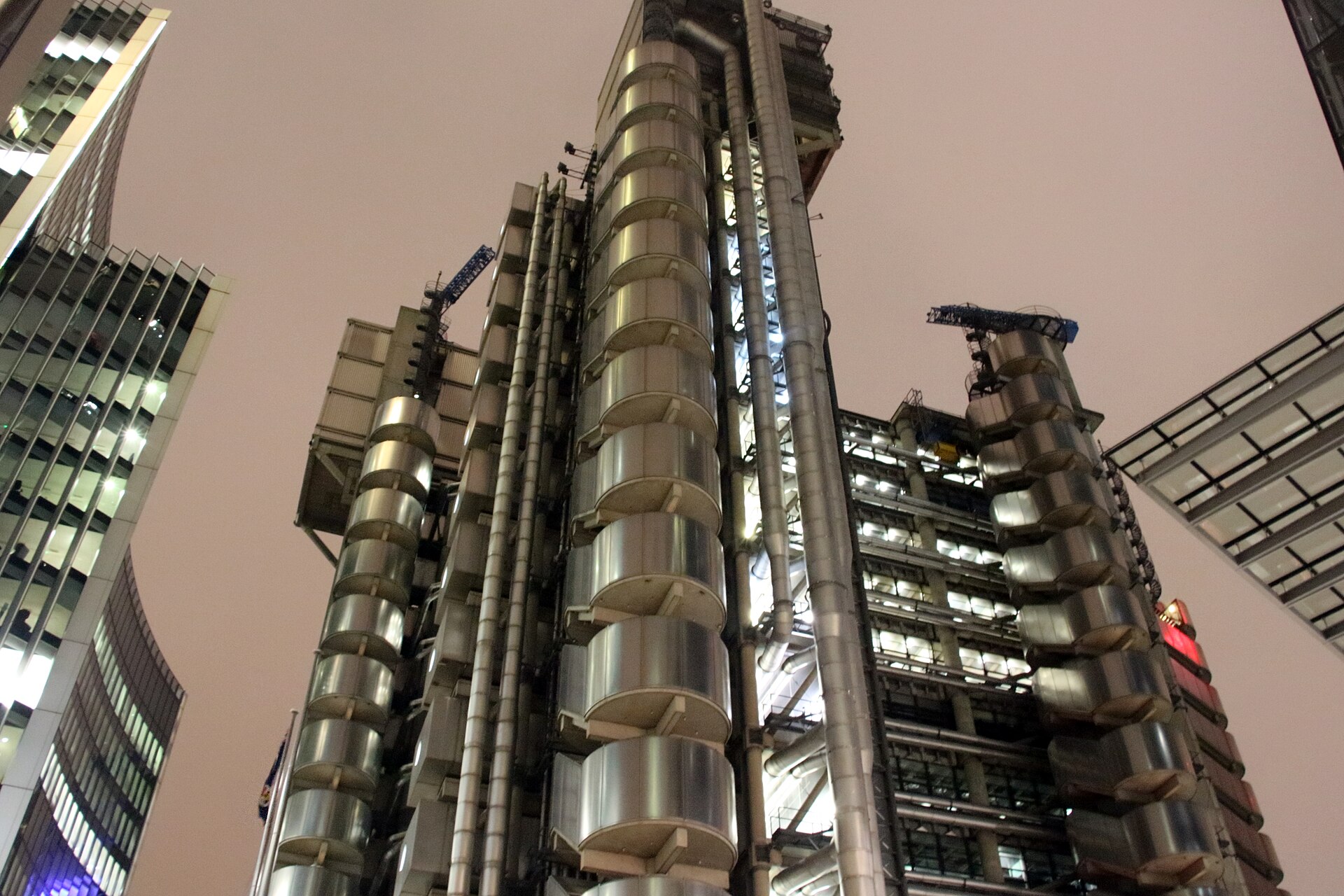
Six Protection and Indemnity clubs — Gard, Skuld, NorthStandard, London P&I, American Club, and Steamship Mutual — cancelled non-poolable charterers’-liability war-risk extensions on March 5, giving approximately 72 hours’ notice, according to club notices reported by Tankerbrief. Core poolable P&I entries, which cover third-party liabilities such as crew injury and pollution, remained in force and are non-cancellable mid-term. The charterers’ extensions — the policies that let a cargo owner hire a vessel into a war zone with liability cover — were gone in three days.
What Has the JMIC Found?
The Joint Maritime Information Centre has logged 153 confirmed maritime security incidents in the region since March 1, according to gCaptain, spanning mines, missiles, drones, and at least one cruise missile fired at a vessel in the strait. The IMO’s own highlighted-incidents page, updated October 22, records 120 confirmed incidents and 24 confirmed seafarer fatalities. JMIC’s October 25 advisory maintained a SEVERE threat level, calling further deliberate attacks “highly likely.”
The IRGC has made multiple mine-strike claims since the blockade began, but JMIC’s assessments have undermined the most prominent. The centre’s October 18 advisory found “there is no substantiation” for the October 17 claims that two supertankers struck mines and caught fire, as reported by Al Jazeera and Asharq Al-Awsat. Iran said one vessel was carrying over 2 million barrels, according to WION, but no independent confirmation followed.
JMIC’s October 25 advisory, in addition to its SEVERE threat level, flagged “possible renewed mining activity” — language indicating the centre could not rule out that new mines had been laid since the blockade began. Oil and Gas Middle East had reported on October 19 that two tankers struck mines in the strait.
An earlier incident exposed a direct contradiction. A cargo vessel sank in the strait around October 14 to 15 — Iran said it hit a naval mine and broadcast images, according to Benzinga — but JMIC’s October 15 advisory assessed that the vessel, identified as the GFS Pride, was struck by “an unknown projectile.”
Iran’s Corridor Has No IMO Standing
Iran’s legal position on the strait rests on a minority reading of the United Nations Convention on the Law of the Sea. Tehran argues that Hormuz is subject to innocent passage — which would require vessels to notify and obtain authorization — rather than transit passage, which allows free navigation through international straits and is the standard the United States and most major flag states apply. Under the Persian Gulf Security Architecture the IRGC has imposed, vessels must register, obtain clearance, use an IRGC-designated corridor through Iranian territorial waters, and pay tolls.
When ships are struck, the IRGC assigns blame to the crews. The vessels were “on an unauthorised southern route” and had “turned off their positioning and radar,” according to IRNA, as cited by Fox News.
Iran’s Foreign Minister Abbas Araghchi said Tehran had submitted a proposal through Qatar that would reopen the strait and restore normal traffic “within seven days” if accepted. Mohsen Rezaei, secretary of Iran’s Supreme National Security Council, called Washington’s latest response “insufficient,” according to Reuters. Mark Nevitt, an associate professor of law at Emory University, wrote in Just Security that reporting suggests Iran mined the strait haphazardly, failed to record mine locations, and lacks the capacity to conduct effective clearance operations — a continuing breach of Hague Convention VIII.
For commercial operators, Iran’s framework creates a double bind. Vessels that comply with IRGC routing requirements forfeit any claim to IMO-endorsed passage, leaving their insurers without the institutional basis normally used to price transit cover. Vessels that use the recognized traffic separation scheme face the mines Dominguez confirmed are present, on a route the IMO will not certify as safe.
The 1980s Tanker War
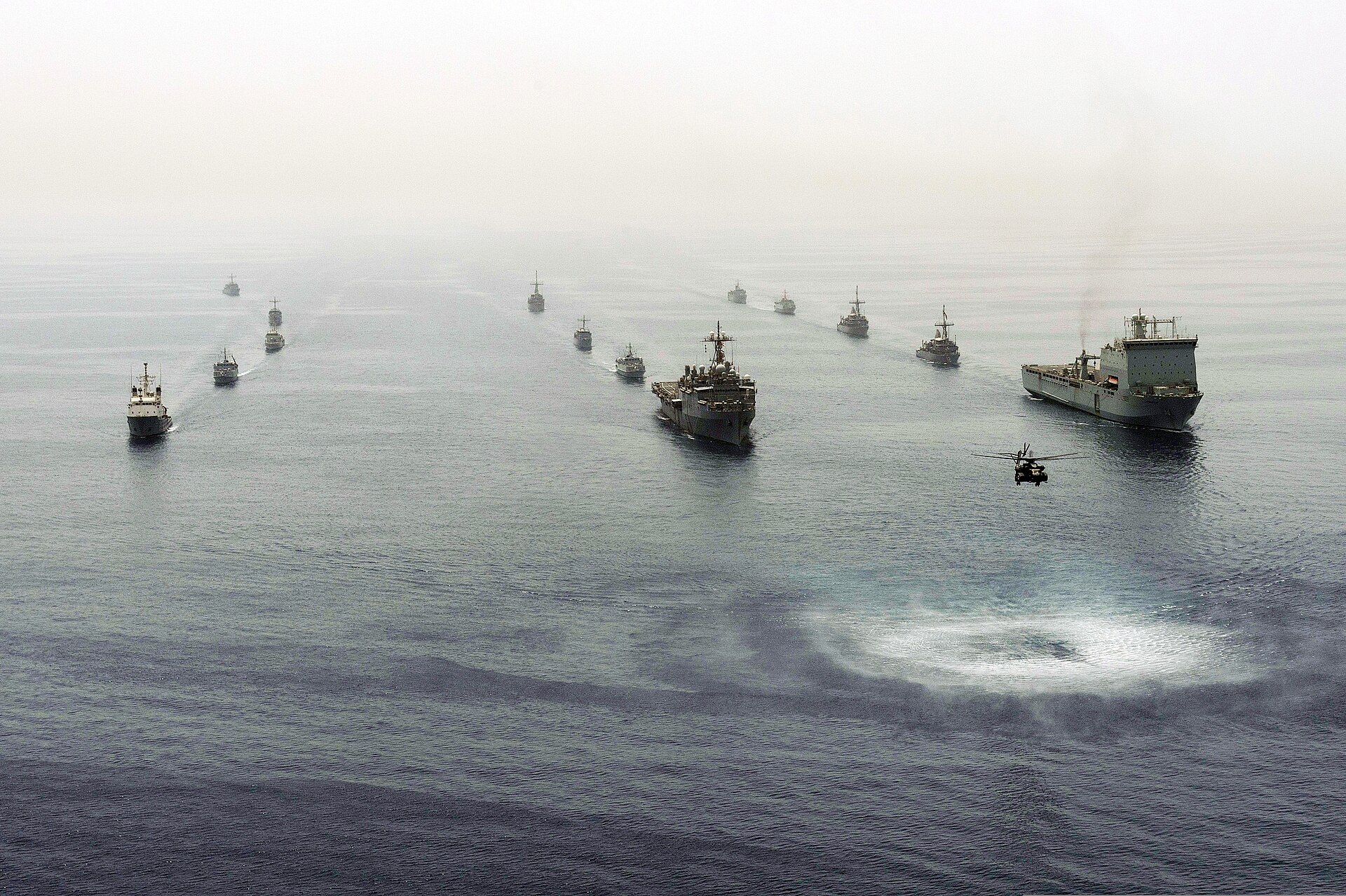
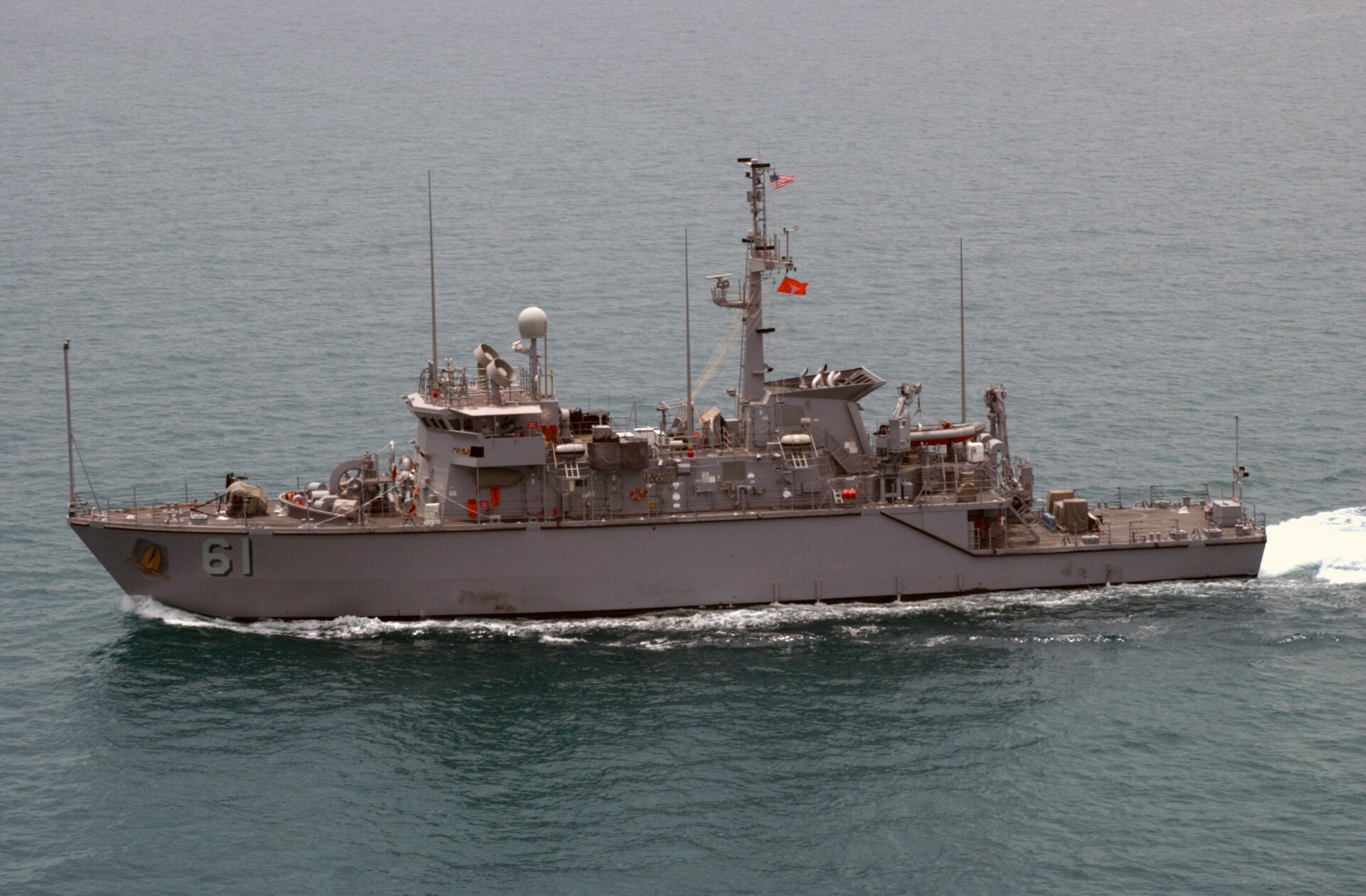
The Strait of Hormuz has been mined before. During the 1980 to 1988 Iran-Iraq War, the two sides attacked more than 400 commercial vessels in total. War-risk premiums surged, and the United States launched Operation Earnest Will in 1987, reflagging Kuwaiti tankers under the American flag and providing naval escorts through the mining zone. The strait remained open throughout the eight-year conflict.
The 2026 crisis is structurally different. During the 1980s, the IMO never declared the Hormuz traffic separation scheme compromised by mines — the route retained its institutional endorsement throughout the Tanker War, and insurers priced a calculable risk rather than an open-ended one. Dominguez’s statement that the sole recognized corridor “is not clear of mines” appears to have no precedent in the organization’s handling of the strait.
6,000 Seafarers Trapped
Approximately 6,000 seafarers remain trapped inside the Persian Gulf, Dominguez said on October 26, as reported by Safety4Sea. The IMO Council has called for “the urgent establishment of a safe maritime framework” to evacuate the trapped vessels — a call that acknowledged the organization’s inability to certify the route those seafarers would need to exit through. Al Jazeera reported on October 25 that an oil slick from a mine-struck tanker had washed up on UAE beaches, prompting closures.
The trapped crews — on tankers, container ships, and bulk carriers that entered the Gulf before the blockade hardened — have no IMO-certified route out. Araghchi’s proposal for a seven-day reopening through Qatar has not been accepted, and a Defense Intelligence Agency assessment cited by Tankerbrief concluded that Iran can sustain the mine blockade for one to six months through mines alone, without additional missile or drone attacks.
Diplomatic efforts have produced no ceasefire, and the OPEC+ meeting on November 1 will convene with Saudi Arabia unable to fill its quota. The kingdom’s overland alternative — the East-West Pipeline to Yanbu — is under Houthi drone attack, and the strait the IMO once certified is mined. Nevitt concluded that the path forward requires “a coordinated, multinational mine clearance operation at scale.”
Frequently Asked Questions
What is the Hormuz traffic separation scheme?
The traffic separation scheme is a set of designated inbound and outbound shipping lanes adopted in 1968 through the narrowest section of the Strait of Hormuz. It is the sole navigation corridor the International Maritime Organization has officially approved and recognized for the strait, and it forms the basis on which flag states, classification societies, and insurers assess transit safety. Any vessel using an alternative route — including the IRGC’s proposed corridor — operates outside any internationally endorsed framework.
How does hull war-risk insurance differ from P&I cover?
Hull war-risk insurance covers physical damage to a vessel from acts of war and is priced per voyage by London-market underwriters — it is this cover whose premiums surged to as high as 10 percent of hull value by late March. Protection and Indemnity cover handles third-party liabilities such as crew injury, pollution, and cargo loss, and is pooled among club members on a mutual basis, making it non-cancellable mid-term. The six P&I clubs’ March 5 cancellation applied to separate, non-poolable charterers’-liability war-risk extensions — not to core P&I entries — meaning cargo owners lost the ability to hire vessels into the Gulf with charterers’ war-risk liability cover.
Can the mines be cleared without Iran’s cooperation?
The Hague Convention VIII, the primary international law governing sea mine use, requires belligerents to notify neutral shipping of mine locations and to remove mines when hostilities end. Nevitt’s assessment that Iran failed to record mine locations raises the possibility that Tehran cannot produce a mine chart even in a negotiated settlement, and his finding that Iran lacks the capacity to conduct effective clearance operations suggests it could not remove the mines unilaterally. No multinational mine clearance operation has been announced as of late October 2026.
What would reopen Hormuz to commercial shipping?
The mines on the IMO-recognized traffic separation scheme would need to be cleared and the route verified mine-free by an authority underwriters trust, restoring the institutional basis for commercially viable hull war-risk pricing. Flag states would then need to lift any transit advisories, and the insurance market would require a sustained period without incident before premiums fell to levels the industry can absorb. Araghchi’s proposal for a seven-day reopening through Qatar addresses the first condition in principle, but the IRGC’s corridor is not the IMO-recognized route and carries no international standing.
The House of Saud Daily Briefing
Saudi Arabia's news in 3 minutes, every morning. Free. See today's issue