RIYADH — Saudi Arabia is planning a coordinated military assault on Houthi positions in Yemen to break the militia’s chokehold on the Red Sea, with options ranging from a narrow coastal push around the Bab el-Mandeb strait to a synchronized multi-front offensive across four provinces, according to Reuters, which cited six people with knowledge of the planning. The assault plan gained new weight on October 26 when Egypt’s parliament voted by a two-thirds majority to authorize President Abdel Fattah el-Sisi to deploy military support to Saudi Arabia — a move that transforms the campaign from a Saudi-Yemeni operation into a widening multi-state coalition effort.
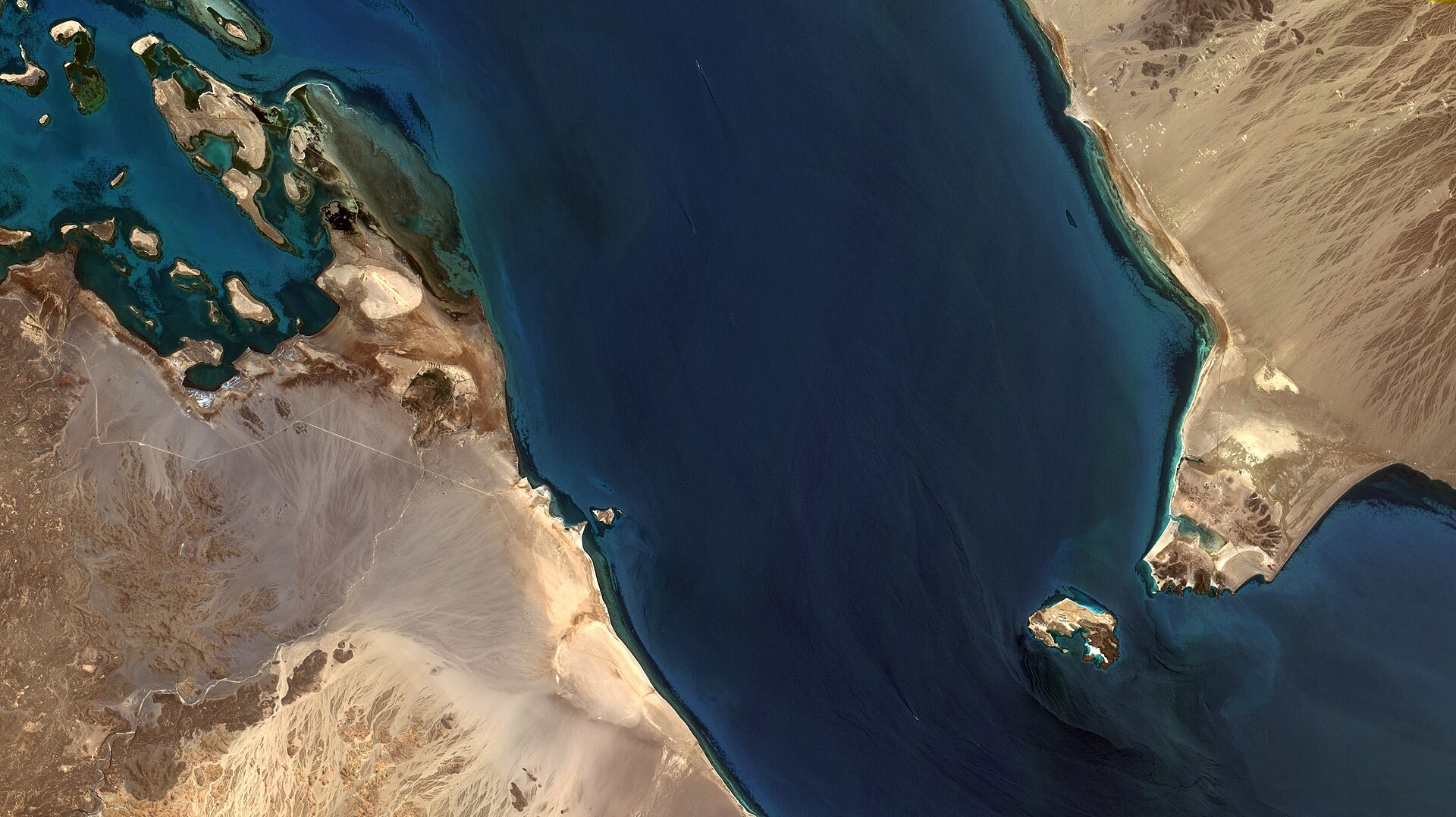
The stakes are direct. Hormuz and Bab el-Mandeb together account for more than one quarter of daily global seaborne petroleum shipments and roughly one third of world maritime trade, according to Euronews. The Houthis seized roughly 150 km of Yemen’s Red Sea coastline in a single week in September, including the port city of Mocha and access to the strait itself, according to ACLED. Oil prices crossed $100 a barrel the day Mocha fell. What follows is an assessment of the assault plan’s scope, the coalition it has assembled, and why Egypt’s carefully circumscribed authorization may prove the most consequential — and unpredictable — variable.
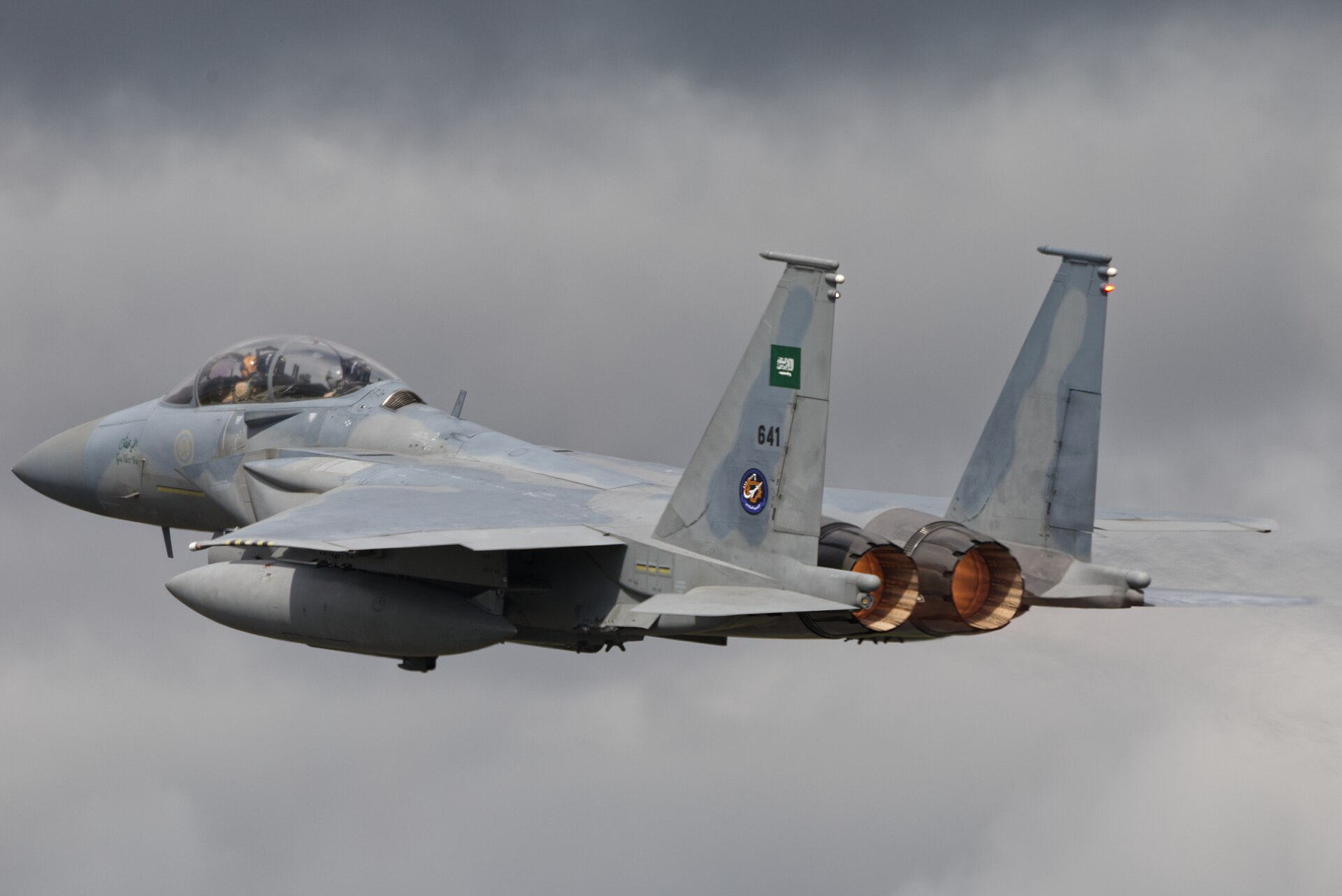
Table of Contents
- What Are Saudi Arabia’s Two Assault Options?
- Operation Dawn of Yemen and the Front Lines
- Why Did Egypt’s Parliament Authorize Military Support?
- What Can Egypt Do — and What Has Sisi Ruled Out?
- The Multi-State Coalition: Who Does What
- What Have the Houthis Threatened in Response?
- Does the Timeline Depend on US Midterm Elections?
- FAQ
What Are Saudi Arabia’s Two Assault Options?
Reuters reported on October 2, citing six people with knowledge of the planning, that Saudi Arabia has two operational concepts under consideration. Option A is a narrow coastal operation focused on Bab el-Mandeb to restore shipping routes. Option B is a synchronized multi-front assault across Al-Bayda, Marib, Taiz and Al-Jawf provinces. In both cases, Yemeni government ground forces would lead the fighting, with Saudi Arabia providing air power. Saudi allies were “not expected to take a direct combat role,” Reuters reported.
The House of Saud Daily Briefing
Saudi Arabia's news in 3 minutes, every morning. Free. See today's issue
Michael Ratney, a former US ambassador and Yemen analyst, described the proposed campaign to Reuters as a “fairly limited operation” to retake coastal areas — suggesting the narrow Bab el-Mandeb option carries greater support among planners. Ali Shihabi, a Saudi analyst, told Reuters that “the priority so far has been to defend the positions on the ground and stabilize the front,” adding that outcomes depend on ground-force performance.
The broader option could involve more than 100,000 Yemeni troops, Reuters reported, depending on whether the multi-front variant is selected. The timeline cited by officials ranged from “within a week” to “after the US midterm elections” on November 5. No precise launch date was confirmed at the time of the report.
Whether Saudi ground forces are involved directly remains disputed. Pakistan’s defence minister said combat “is practically being conducted by Saudi Arabia’s own forces,” according to Al Jazeera on October 6. CNN reported on October 11 that Riyadh had stopped “short of any major deployment of its own troops.” Both accounts stand in the record; independent verification of who is fighting on the front lines has been limited.
Operation Dawn of Yemen and the Front Lines
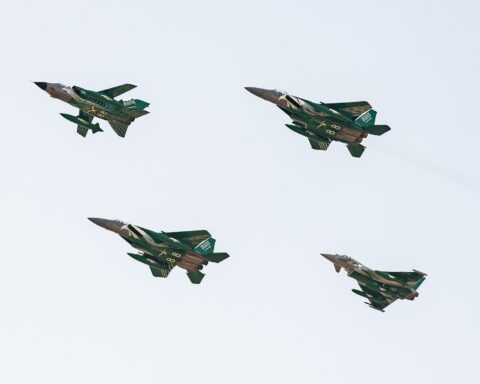
The planning bore fruit on October 5 when the Presidential Leadership Council announced Operation Dawn of Yemen. Coalition spokesman Turki al-Maliki said 100 fighter jets took part in the opening wave, according to the Oman Observer. The stated goal was to reverse all Houthi territorial gains, including retaking Sanaa.
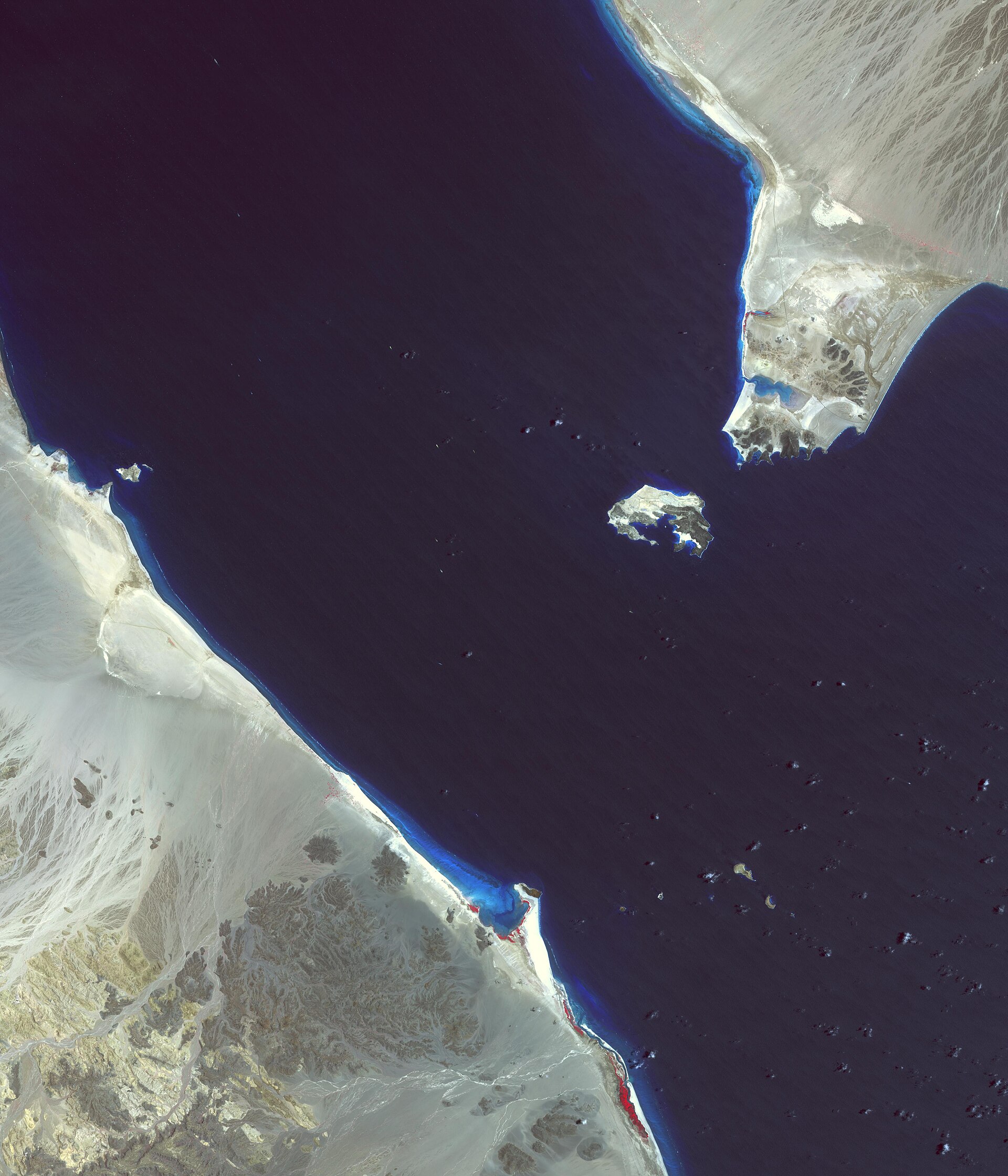
In the operation’s first days, Yemeni government forces claimed to have recaptured the Dhubab district at the mouth of the Bab el-Mandeb strait and to have reached the outskirts of Mocha, according to Al-Monitor on October 5. Saudi Arabia said it struck “hundreds of targets” to provide air cover. The Houthis denied the gains. Reuters said it “could not independently verify the extent” of the advances.
On October 26, al-Maliki confirmed the coalition had struck four ballistic missile launchers, five missile storage tunnels and a missile depot, aimed at “cutting off Houthi militia supply lines,” according to Al Jazeera. On October 28, government forces again claimed to have captured territory from Houthis near the strait, according to the CFR Global Conflict Tracker. These remain government claims, unverified by independent parties.
The humanitarian toll has mounted alongside the military campaign. The UN migration agency reported 184,000 Yemeni civilians displaced since the war resumed, according to Al-Monitor on October 5. The Houthi-run Health Ministry said at least 83 civilians had been killed and 146 wounded since the offensive began — figures CNN reported it could not verify.
Why Did Egypt’s Parliament Authorize Military Support?
On October 26, Egypt’s parliament voted to authorize Sisi “to take the necessary measures to support the Kingdom of Saudi Arabia,” according to France24. The vote formalized a commitment that had been building for weeks. Crown Prince Mohammed bin Salman met Sisi in Cairo on September 15; Egypt’s presidency said Saudi and Gulf security is “inseparable” from Egypt’s, according to Asharq Al-Awsat.
Egypt’s economic incentive is the most direct of any coalition partner. Cairo lost approximately $7 billion in Suez Canal revenue between 2023 and 2024 as a result of the Houthi Red Sea campaign, according to Al Jazeera. The Houthis’ September seizure of coastline near Bab el-Mandeb threatened the canal’s southern approaches — the same waterway that underwrites a significant share of Egypt’s hard-currency earnings.
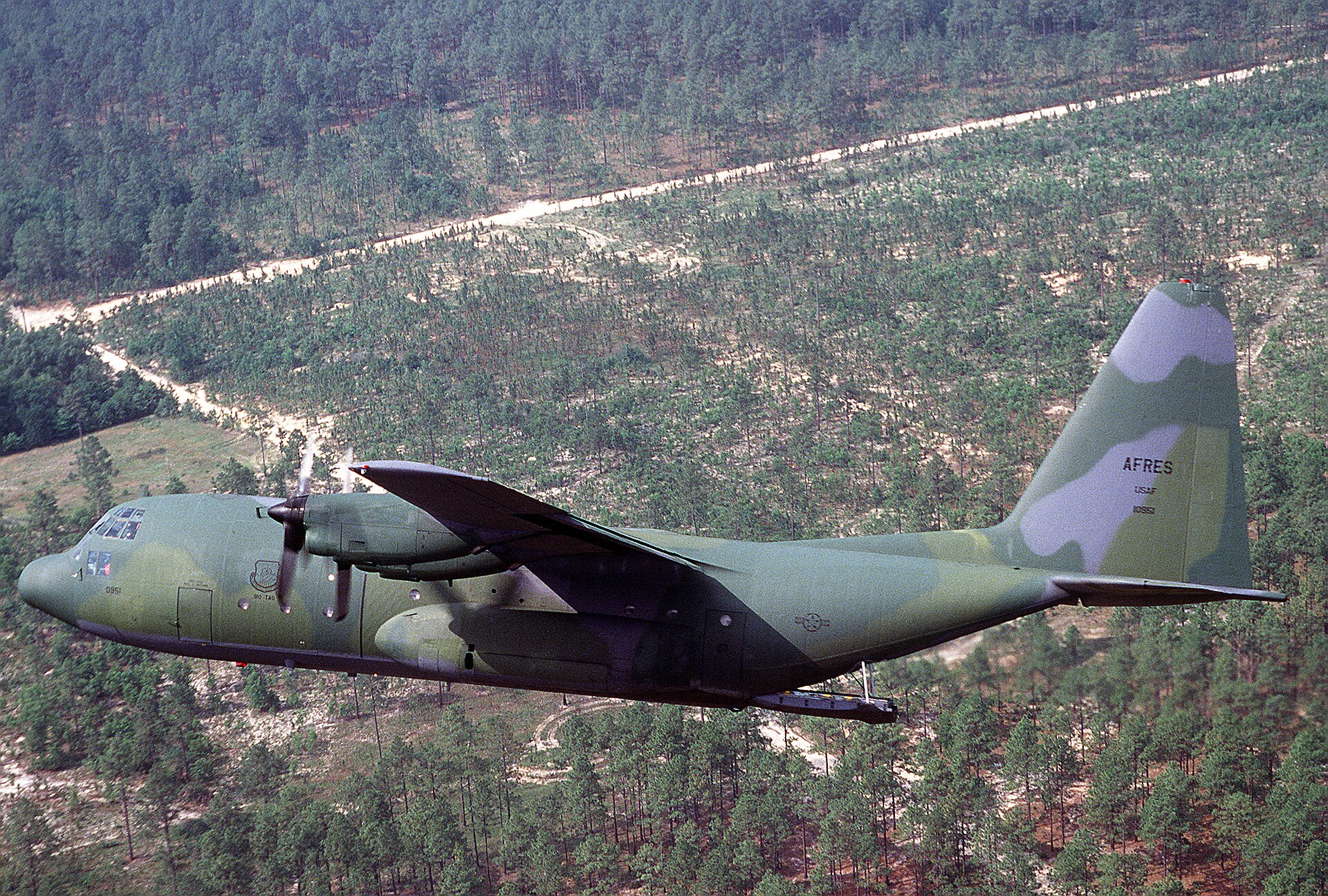
Signs of operational preparation preceded the parliamentary vote. At least two Egyptian C-130H transport aircraft landed at King Fahd Air Base in Taif around October 18, according to Kurdistan 24 and JFeed. Official Egyptian confirmation of the flights has not been found. Egypt had already joined Saudi Arabia’s Multinational Maritime Defense Coalition when it was formed on July 30, according to Al Jazeera.
On October 11, Saudi Arabia, Egypt, Pakistan and Turkey issued a joint statement calling the Houthi attacks “a blatant violation of international law,” according to CBS News. The communiqué signalled a coordinated diplomatic front. A broader four-nation joint communiqué followed from Tehran on October 26, though its focus was Iranian nuclear and Hormuz issues rather than Yemen specifically.
What Can Egypt Do — and What Has Sisi Ruled Out?
Sisi has drawn his line in public. “We do not want to fight or attack anyone. We will only defend Saudi Arabia,” the Egyptian president said, according to MEPEI. He stated explicitly that the support “does not include an attack on Yemen,” according to France24.
Thomas Bonnie James, a Gulf studies expert, told Al Jazeera on October 18 that Egypt is moving “from a multilateral maritime framework to a bilateral military commitment.” He added that Egypt will not want to send troops into Yemen. Alexandru Hudisteanu, a military defence analyst, told Al Jazeera that counter-drone and anti-missile support from Egypt is “highly probable if authorised,” calling the deployment “a deterrence move.”
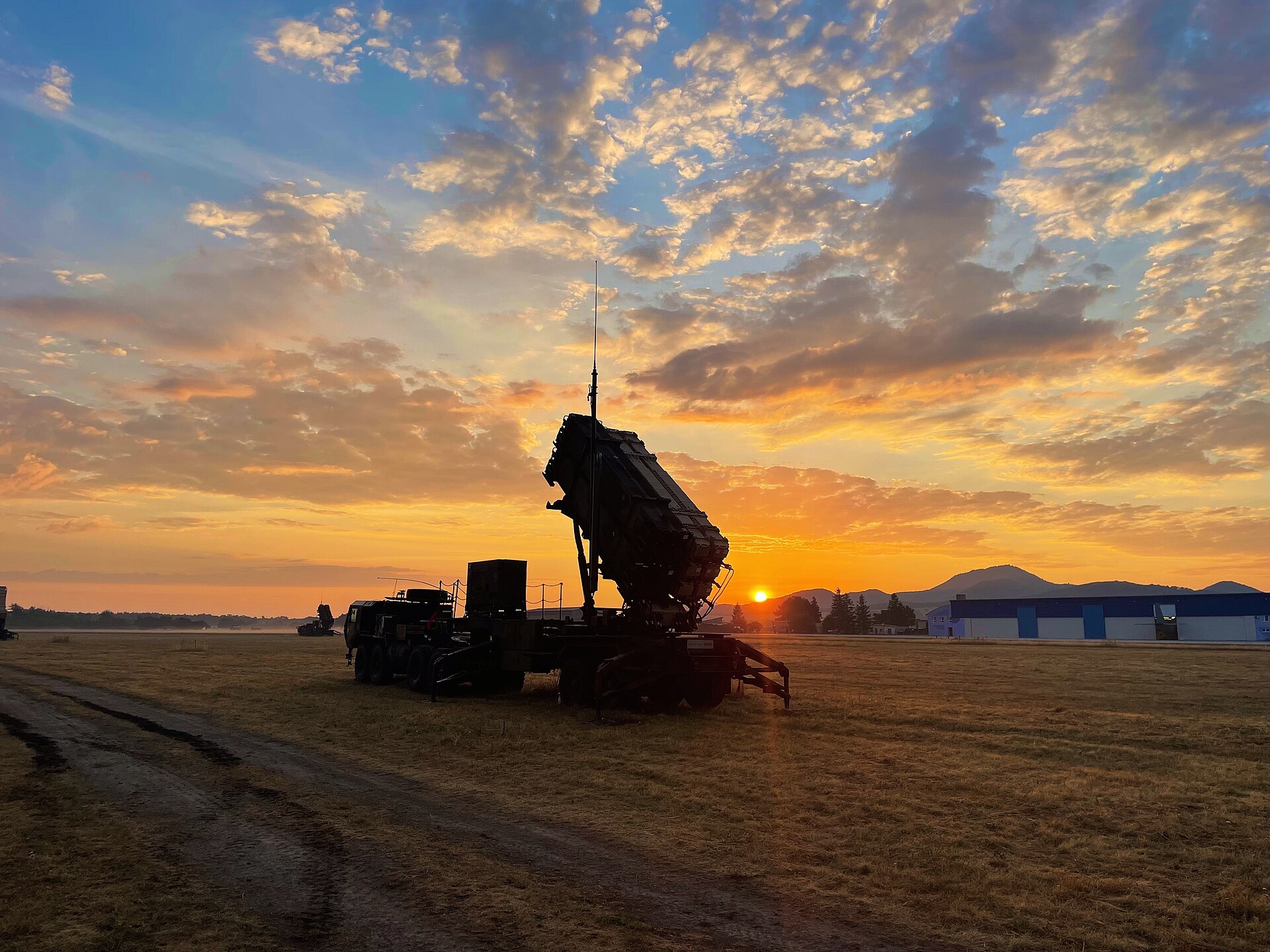
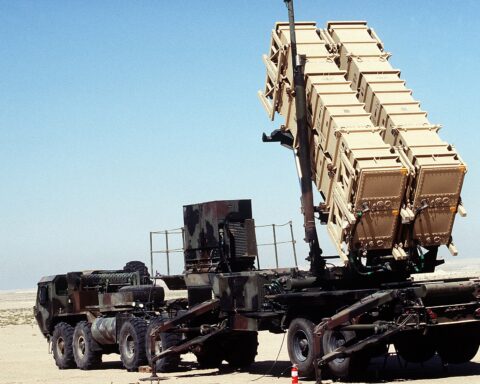
The gap between defensive posture and operational reality is where the analysis turns. Ahmad Mohee of the Middle East Policy and Education Institute described Egypt’s mobilization as “conditional defensive deterrence,” not a prelude to ground war. But Mohee flagged the risk of “mission creep” — since defending against missile salvos may require strikes on launch sites inside Yemen. A Patriot battery in Taif that tracks an incoming ballistic missile to its launch point creates a targeting chain that does not respect the distinction between defence and offence.
Iran’s Foreign Minister Abbas Araghchi reportedly phoned Egypt’s foreign minister to discourage Egyptian intervention in Yemen, according to the Soufan Center on October 26. The call underscored Tehran’s concern that Egypt’s entry — even on paper, even as defensive — changes the coalition’s weight class.
The Multi-State Coalition: Who Does What
The coalition assembled around Saudi Arabia operates in distinct layers, each with different mandates and constraints.
| Partner | Role | Mandate | Source |
|---|---|---|---|
| Saudi Arabia | Air power, coalition command | 100 jets in opening wave; strikes on missile infrastructure | Oman Observer, Oct 5; Al Jazeera, Oct 26 |
| Yemeni government forces | Ground offensive | Lead combat role in all assault options | Reuters via Defense News, Oct 2 |
| Pakistan | Border defense, missile interception | About 8,000 troops deployed; will not cross into Yemen | Reuters, May 2026; Pakistan Foreign Office |
| Turkey | Defensive support | Parliamentary committee approved Makkah pact ratification Oct 27; offensive operations ruled out | TRT World, Oct 27; Foreign Policy, Oct 8 |
| Egypt | Defensive military support, maritime coalition | Parliament authorized Oct 26; Sisi ruled out attack on Yemen | France24, Oct 26 |
| France | Air defense, base protection | Troops, radars and air defences deployed to Yanbu | Al Jazeera, Sept 25 |
Pakistan’s position illustrates the complexity. About 8,000 Pakistani troops are deployed in Saudi Arabia for border defense and drone and missile interception, according to Reuters. Pakistan’s Foreign Office has stated its forces “will not cross into Yemen.” The mutual defence pact signed in September 2025 allows up to 80,000 Pakistani troops, according to Reuters, but the deployed figure remains far below that ceiling. A Western official told Foreign Policy on October 8 that Pakistani personnel are already in southern Yemen, though whether they serve under the Pakistani or Saudi military is unknown.
Turkey activated the Makkah Pact — signed on August 7 and treating an attack on one member as an attack on all — but Foreign Minister Hakan Fidan ruled out participation in offensive operations, according to Foreign Policy. Turkey’s parliamentary Foreign Affairs Committee approved the Makkah pact ratification bill on October 27, according to TRT World. A full assembly vote remains pending.
Prince Khalid bin Salman announced on October 5 that the Mecca pact committee had agreed to “activate collective deterrence measures… in response to the attacks and all those responsible for them,” according to Al Jazeera. April Longley Alley of the Washington Institute told Foreign Policy that the Houthis “pose an existential threat to Saudi Arabia,” and called the pact’s activation a signal that “the pact has real meaning,” though she noted its bylaws had “barely been agreed to.”
What Have the Houthis Threatened in Response?
The Houthis have responded to the coalition’s widening with both military escalation and political threats. On October 29, the Houthi military claimed six simultaneous operations targeting Ras Tanura, Abqaiq, King Khalid International Airport in Riyadh, King Fahd International Airport in Dammam, the Rabigh refinery and Najran military headquarters, according to Newsquawk. The Saudi-led coalition confirmed intercepting only two missiles aimed at Riyadh. The remaining five claims are unconfirmed.
The same day, the Houthis fired three ballistic missiles at Saudi Arabia, with eight explosions heard in Riyadh. The coalition intercepted a ballistic missile fired at the Eastern Province on October 29.
Yahya al-Rai, speaker of the Houthi-controlled Sanaa parliament, called Egypt’s parliamentary authorization a “declaration of war” and said Egyptian involvement would “pose a grave danger to its national security and internal stability,” according to Israel Hayom on October 27. The threat carries a specific edge: the Houthis have the capacity to target Egyptian-linked shipping through the Suez Canal and the SUMED pipeline, which would compound Cairo’s existing revenue losses.
Iran’s stated position has been to encourage diplomacy. Araghchi told his Saudi counterpart Iran was ready to provide assistance to facilitate dialogue between Saudi Arabia and the Houthis, according to Al Jazeera and other outlets on October 11. Uzair Younus, a Pakistan analyst, told Foreign Policy that Pakistan views the Houthi escalation at Bab el-Mandeb as “a core national security threat, since the strait carries oil to Pakistan.”
“Defense of the kingdom, with or without the Mecca pact, is going to happen.”— Uzair Younus, Pakistan analyst, Foreign Policy, October 8
Does the Timeline Depend on US Midterm Elections?
The Reuters planning report cited officials giving timelines that ranged from “within a week” — which would have meant early October — to “after the US midterm elections” on November 5. Operation Dawn of Yemen launched on October 5, suggesting the narrower timeline prevailed for the initial phase. Whether a broader multi-front expansion awaits the midterm outcome remains an open question.
The United States is providing intelligence and targeting data but has declined direct strikes. Axios reported on September 11 that Crown Prince Mohammed bin Salman made two appeals to President Trump for US air strikes on the Houthis; both were declined. Trump, asked about the strikes after the October 10 airport attack — Al Jazeera reported 12 killed; a subsequent Al Jazeera report put the toll at 13 after an Indian victim died of injuries — said: “We may. We’re going to look at it,” and “They’re able to defend. The Saudis are good fighters,” according to CNN.
Washington’s contribution has taken other forms. The US approved a possible $24.3 billion sale of 48 F-35A fighter jets to Saudi Arabia on September 17, according to The Aviationist. Secretary of State Marco Rubio said “we intend to live by” the US-Saudi defence agreement, according to The National on October 5. Trump called the Turkish and Pakistani deployments “good,” according to Gulf News on October 7.
Six days separate today from the midterm vote. The Houthis’ escalating attacks and the coalition’s accumulating partners suggest the military trajectory is set regardless of the US election calendar. But the scope of what comes next — whether the assault stays coastal or expands into a four-province ground war — may depend on what happens in Washington as much as what happens on the front lines around the Strait of Hormuz and Bab el-Mandeb.
FAQ
Has any country committed ground troops to fight inside Yemen?
No coalition partner has publicly committed ground forces for combat inside Yemen. Yemeni government forces lead the ground offensive. Pakistan has explicitly stated its troops “will not cross into Yemen.” However, a Western official told Foreign Policy on October 8 that Pakistani personnel are already present in southern Yemen, with their chain of command unclear. Turkey’s Foreign Minister Hakan Fidan separately ruled out offensive operations. The distinction between border defense and cross-border combat has grown blurred as the front lines shift.
What role has France played in Saudi Arabia’s defense?
France confirmed on September 25 that it had deployed troops, radars and air defence systems to protect the Yanbu industrial complex on the Red Sea coast, according to Al Jazeera. Yanbu is Saudi Arabia’s primary western export terminal after the Hormuz blockade forced a Red Sea pivot, making it a high-value target. France’s contribution is the only confirmed Western military deployment on Saudi soil for this conflict.
What happened to Red Sea shipping before the assault was planned?
Between July and late August, the Houthis attacked 10 commercial ships in the Red Sea, successfully striking six of them, according to ACLED. Four crew members were killed aboard the vessel Tihama on August 11. The attacks, combined with Houthi seizure of the coastline in September, caused a collapse in commercial traffic through Bab el-Mandeb. Saudi Arabia responded by forming the Multinational Maritime Defense Coalition on July 30, with 43 of 51 invited countries attending and 15 signing the declaration by August 13, according to Al Jazeera.
Could the UAE rejoin the Yemen conflict?
The UAE did not sign Saudi Arabia’s July 30 maritime coalition declaration. However, Financial News reported on October 18 that the UAE had agreed to re-engage in the Yemen war. Crown Prince Mohammed bin Salman received UAE Vice President Sheikh Mansour bin Zayed in Riyadh on September 29, with Defence Minister Prince Khalid bin Salman present, according to The National. The extent of any UAE re-engagement remains unconfirmed by Abu Dhabi.
What is the Makkah Pact?
The Makkah Pact, signed on August 7, is a collective defence agreement that treats an attack on one member as an attack on all, according to Kuwait Times and AFP. Saudi Arabia activated it against the Houthi threat in October, making the current conflict its first operational test. How the pact translates activation into binding action — with Turkey ruling out offensive operations and Pakistan refusing cross-border deployment — remains the central open question for the coalition.
The House of Saud Daily Briefing
Saudi Arabia's news in 3 minutes, every morning. Free. See today's issue