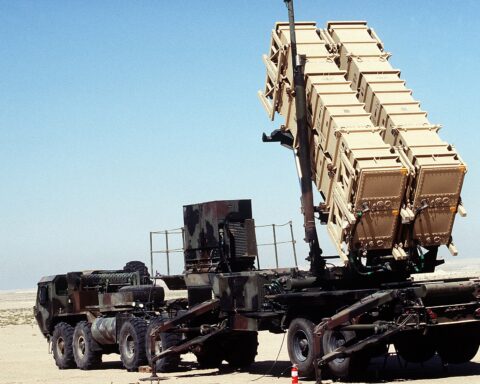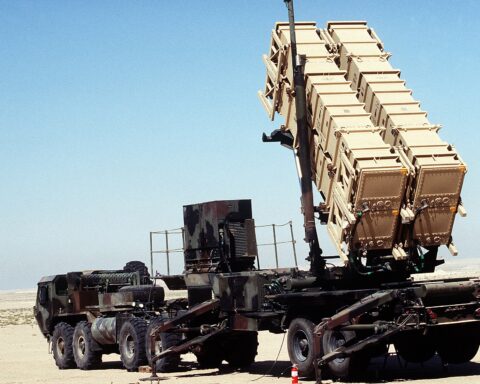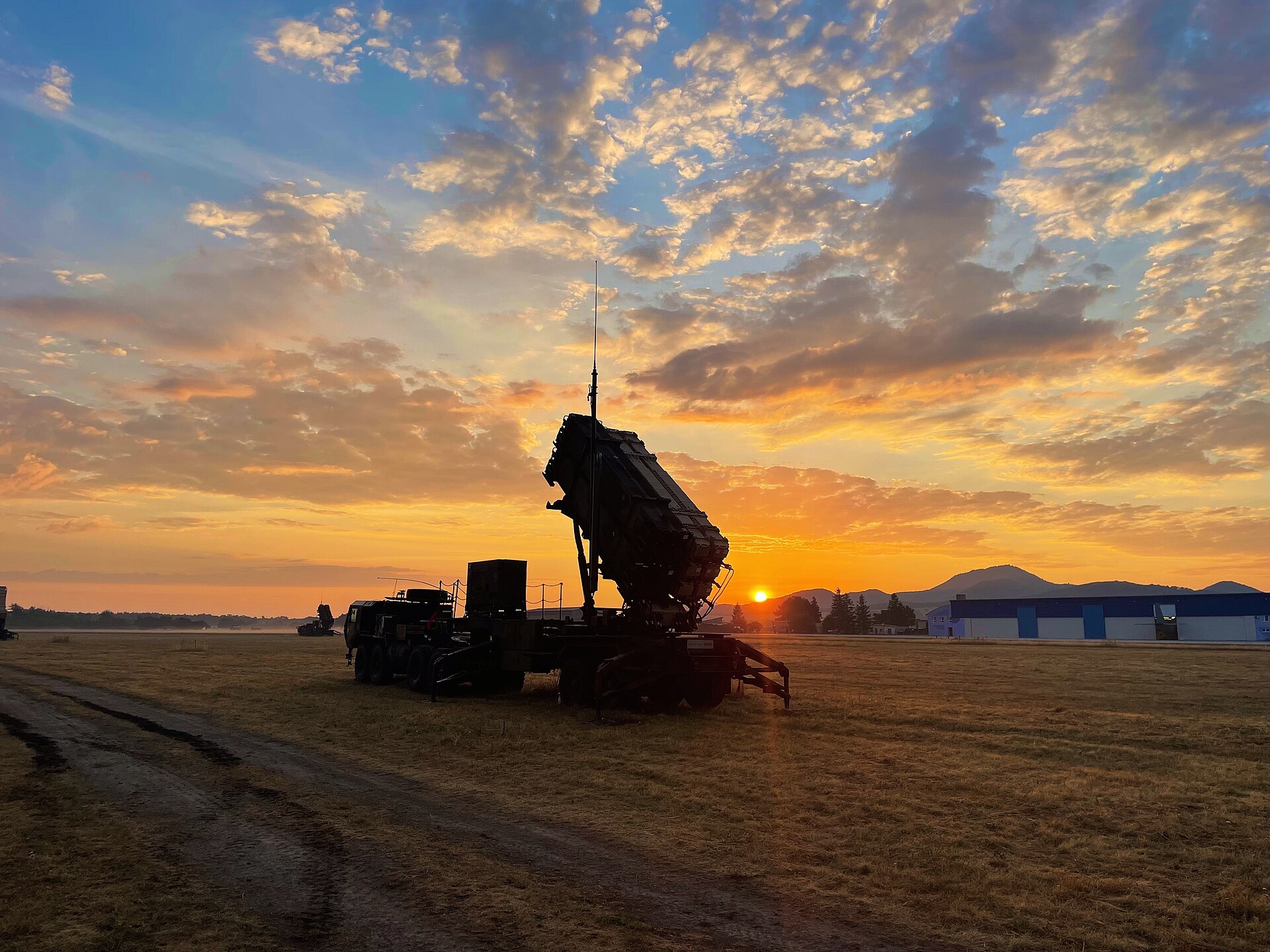

JEDDAH — Saudi Arabia’s coalition intercepted and destroyed a Houthi drone heading toward the Makkah region on Thursday, the second time in 44 days that the kingdom’s air defences have shot down an unmanned aircraft near Islam’s holiest city. Coalition spokesperson Maj. Gen. Turki al-Malki announced the interception on X, describing the aircraft as a hostile weapon launched by the Terrorist Houthi Militia and warning that the security of the Two Holy Mosques and pilgrims is a “red line,” according to TRT World and Pakistan’s Tribune newspaper.
The Houthis denied the operation. Military spokesperson Yahya Saree said in an X post that Houthi forces target “Saudi oil facilities and military bases” — not holy sites — and called the coalition’s Makkah claim “fabrications and lies,” Al Jazeera and the Associated Press reported. But denials do not change geography: for the second time since September 16, Saudi air defences engaged a hostile drone in the airspace around the city where Muslims worldwide face to pray five times a day.
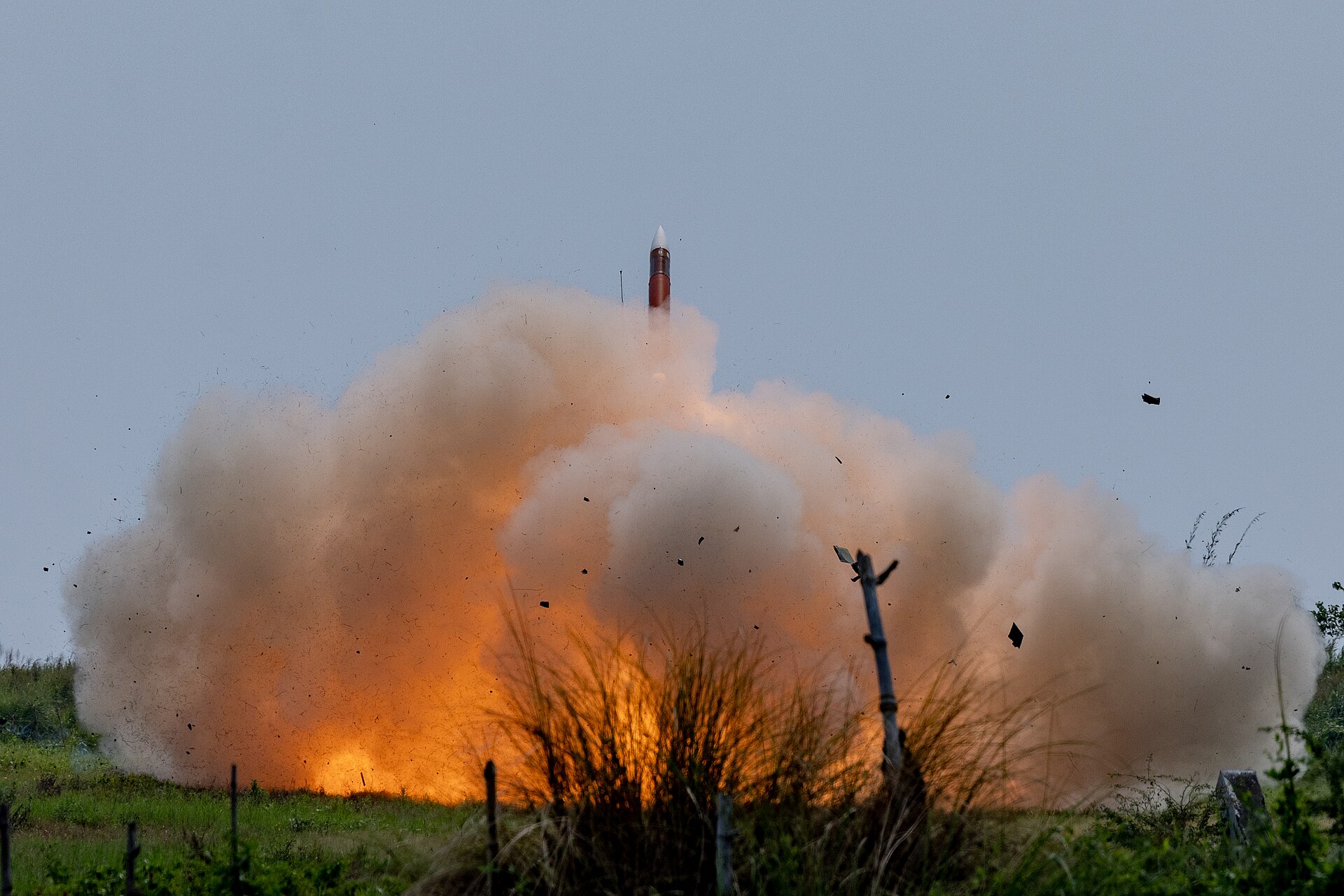
Table of Contents
What Happened Over Makkah on October 30
The coalition said it intercepted and destroyed the drone before it could reach its target in the Makkah region, Al Jazeera and the Associated Press reported. No casualties or damage were reported on the ground. The drone type was not specified in any public statement; the coalition described it only as “hostile,” according to TRT World.
The House of Saud Daily Briefing
Saudi Arabia's news in 3 minutes, every morning. Free. See today's issue
In a separate engagement the same day, coalition forces also intercepted and destroyed a Houthi cruise missile targeting western Saudi Arabia, Al Jazeera and AP reported. The two incidents underscore the breadth of Thursday’s Houthi operations, which followed an overnight wave in which Saree claimed six simultaneous attacks on Saudi refineries, airports, and a military base.
That distinction matters. The six-attack wave named Ras Tanura, Abqaiq, King Khalid International Airport in Riyadh, King Fahd International Airport in Dammam, Rabigh refinery, and Najran military headquarters as targets. Makkah was not among them. The drone intercepted near the holy city on Thursday appears to be a separate operation — one the Houthis have not claimed and actively deny.
Al-Malki framed the interception in explicitly religious terms. The coalition spokesperson said the security of the Two Holy Mosques and their pilgrims constitutes a “red line” — language that Saudi officials have used consistently since a previous drone was intercepted near Makkah on September 16, according to TRT World.
Houthis Deny Any Operation Against Holy Cities
Saree’s denial followed a pattern established since the September 16 interception. On each occasion, Houthi spokespeople have declined to acknowledge operations near the holy cities, pointing instead to Saudi economic and military installations as their stated targets, according to Al Jazeera and the Associated Press. The Houthis did not acknowledge launching any drone toward the Makkah region on Thursday.
The denial carries political logic. The Houthis have positioned themselves as defenders of the Palestinian and broader Islamic cause throughout the war, and any acknowledgement of targeting Islam’s holiest city would undermine that narrative at its core. In their public messaging, the Houthis consistently portray their strikes as aimed at Saudi economic and military infrastructure — the refineries, pipelines, and airports that sustain the kingdom’s war effort — not at religious sites, according to Al Jazeera.
Saudi Arabia and its allies reject those denials outright. The Foreign Ministry and King Salman both issued condemnations after the September 16 interception — the first of a consistent pattern of high-level statements that has continued with every subsequent incident, according to the Saudi Press Agency and Khaleej Times.
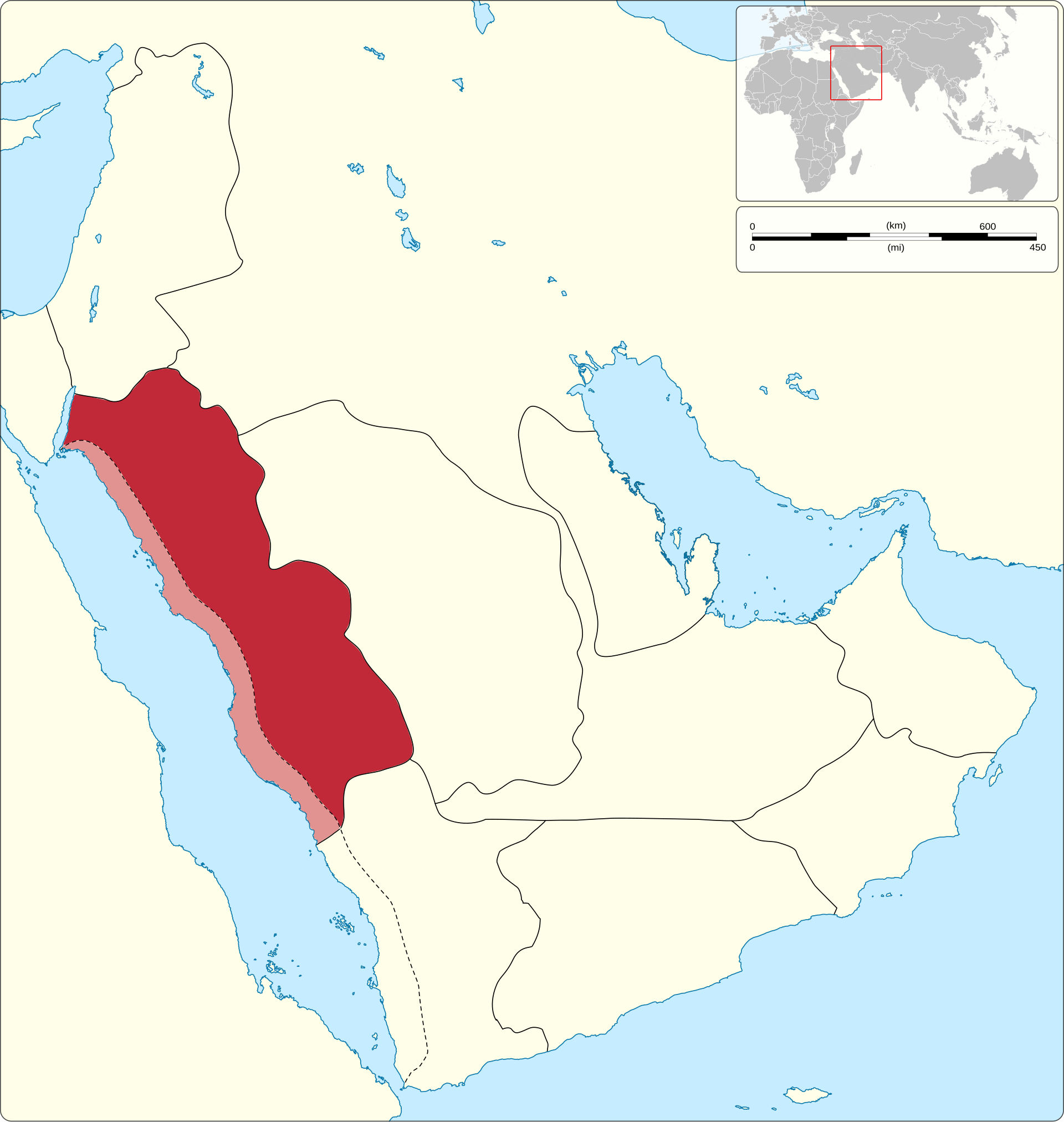
The question of intent is central to the dispute, but it may also be irrelevant. Even if a drone was aimed at a military target elsewhere and strayed off course, the fact that it entered Makkah’s airspace before being destroyed carries the same weight for the millions of Muslims who regard the city as inviolable. The political and religious damage is the same whether the targeting was deliberate or reckless.
Why Does a Second Drone Near Makkah Change the Calculus?
When coalition forces shot down a Houthi drone heading toward Makkah on September 16, the coalition described it as the second Houthi attempt to target Makkah — the first having been a ballistic missile in 2017 — marking the first such incident in nearly a decade, multiple outlets reported. The last confirmed ballistic missile fired toward Mecca before 2026 dated to July 27, 2017, according to TRT World. That nine-year gap created a perception — widely held in Riyadh and across the Muslim world — that even the Houthis would not cross the line of threatening Islam’s holiest site.
That perception is now gone. Two drone interceptions near Makkah in 44 days, combined with a Houthi drone that knocked out a transformer at a Medina power station serving the Prophet’s Mosque on October 1, according to the Gulf Daily News, establishes a pattern rather than an anomaly. The holy cities are no longer a de facto safe zone in this war.
“Any attack on Makkah or Madinah is a red line for Pakistan — a line that must not be crossed.”
— Prime Minister Shehbaz Sharif, UN General Assembly, September 25, 2026
For Saudi Arabia’s rulers, this is not merely a military problem — it is an existential political one. The title Custodian of the Two Holy Mosques is the foundation of the kingdom’s claim to leadership in the Islamic world, and Crown Prince Mohammed bin Salman and King Salman have staked their domestic legitimacy and international standing on the promise that the holy cities will be protected. Every drone that reaches Makkah’s outskirts before being stopped chips away at that promise, even when the interception succeeds.
The Saudi Council of Senior Scholars — the kingdom’s highest religious authority — praised the air defences for thwarting what it called “an alleged plot to target people visiting the Grand Mosque in Makkah and the Prophet’s Mosque in Madinah” and urged “all Muslims to condemn” attacks on sacred places, Arab News reported. The language framed the Makkah threat as an attack on Islam itself, not merely on Saudi territory.
How Have Muslim Nations Responded?
The international Muslim response has sharpened with each incident. When debris from intercepted Houthi ballistic missiles fell in Wadi Al-Mughammas in Mecca province, as well as in Jeddah, Taif, and Rabigh on October 25, the condemnations came fast and from the highest levels of Islamic institutional authority, Al Jazeera reported.
GCC Secretary-General Jasem Mohamed AlBudaiwi condemned the Houthi missile threat to Makkah as a serious escalation that endangered regional security and praised Saudi air defences for intercepting the missiles, according to Asharq Al-Awsat. OIC Secretary-General Ismail Ould Cheikh Ahmed “strongly condemned” the Houthi attacks targeting Makkah, Madinah, Taif, and Jeddah and called for “urgent international action,” Radio Pakistan reported the same day.
Pakistan has gone further than rhetoric. Prime Minister Shehbaz Sharif told the United Nations General Assembly on September 25 that any attack on Makkah or Madinah is a “red line” for Pakistan — “a line that must not be crossed,” Arab News, The National News, and Al-Monitor reported. That language carries weight beyond diplomacy: Pakistan, Saudi Arabia, and Turkey are signatories to the Makkah mutual defence pact, and Turkey’s parliamentary Foreign Affairs Committee approved the pact’s ratification bill on October 27, according to TRT World.
Egypt moved beyond words entirely. On October 25, Egypt’s parliament authorised President Abdel Fattah el-Sisi to deploy military support to defend Saudi Arabia, Al Jazeera reported. The authorisation followed the barrage that scattered intercepted missile debris across Mecca province and marked a shift from diplomatic statements to concrete security commitments.
The Muslim World League’s Secretary-General Mohammed Al-Issa condemned Houthi conduct as “a violation of divine sanctities” after the September 16 incident, according to the Saudi Gazette. The breadth of condemnation — spanning the GCC, OIC, MWL, and governments from Pakistan to Egypt — reflects a rare consensus in a region that seldom agrees on anything.
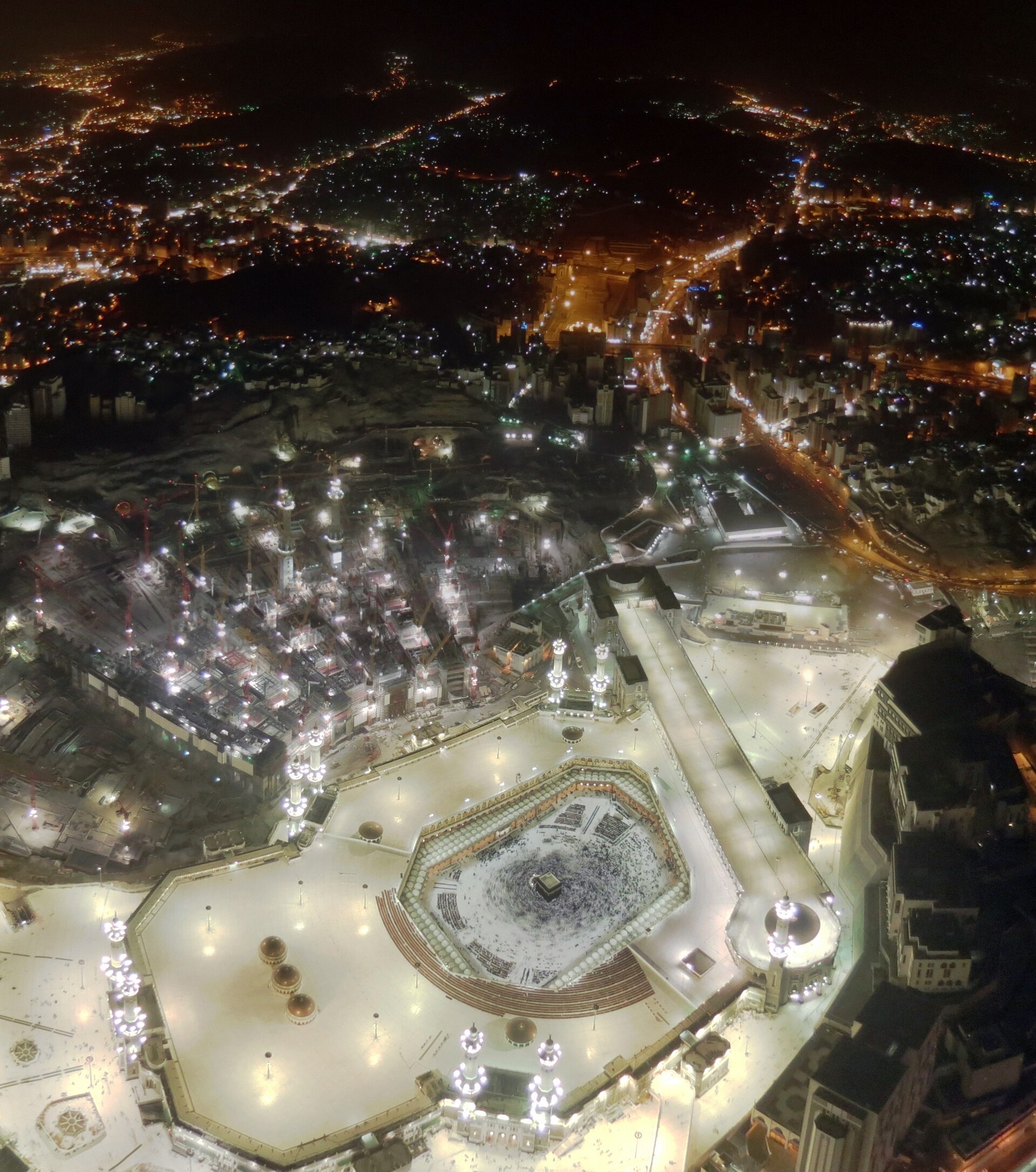
Six Weeks of Escalation Toward the Holy Cities
The October 30 drone interception does not exist in isolation. Since mid-September, Houthi operations have repeatedly brought the war closer to Saudi Arabia’s most sacred geography, and the pattern has accelerated week by week.
On September 16, coalition forces destroyed a drone heading toward Makkah — the first such incident in nearly a decade, CNN reported. Wreckage fell south of the city. The Saudi Foreign Ministry called it “an affront to Muslims worldwide,” according to SPA, and King Salman condemned “the Houthi terrorist militia’s attempt to repeat its targeting of Makkah,” Khaleej Times reported on September 22.
On October 1, a Houthi drone knocked out a transformer at a Medina power station that serves the Prophet’s Mosque, the Gulf Daily News reported. The strike did not damage the mosque itself, but it demonstrated that Houthi drones could reach the infrastructure that keeps Madinah functioning — the power systems that pilgrims depend on every day.
On October 25, a Houthi barrage sent intercepted missile debris across Mecca province. Saudi Civil Defence reported debris in Wadi Al-Mughammas, Jeddah, Taif, and Rabigh, according to Al Jazeera. The debris — from missiles that were intercepted, not from direct hits — brought the physical reality of war to Makkah’s doorstep. Saudi air defences intercepted multiple Houthi missiles and drones on October 27, the day after the Tehran talks ended without a ceasefire.
Then came October 28 and 29. Houthi missile debris damaged a Riyadh building on October 28. On October 29, three ballistic missiles struck toward Saudi Arabia as Riyadh residents heard eight explosions, and a separate missile was intercepted over the Eastern Province. What was unprecedented in September has become routine by the end of October.
The Custodianship Under Fire
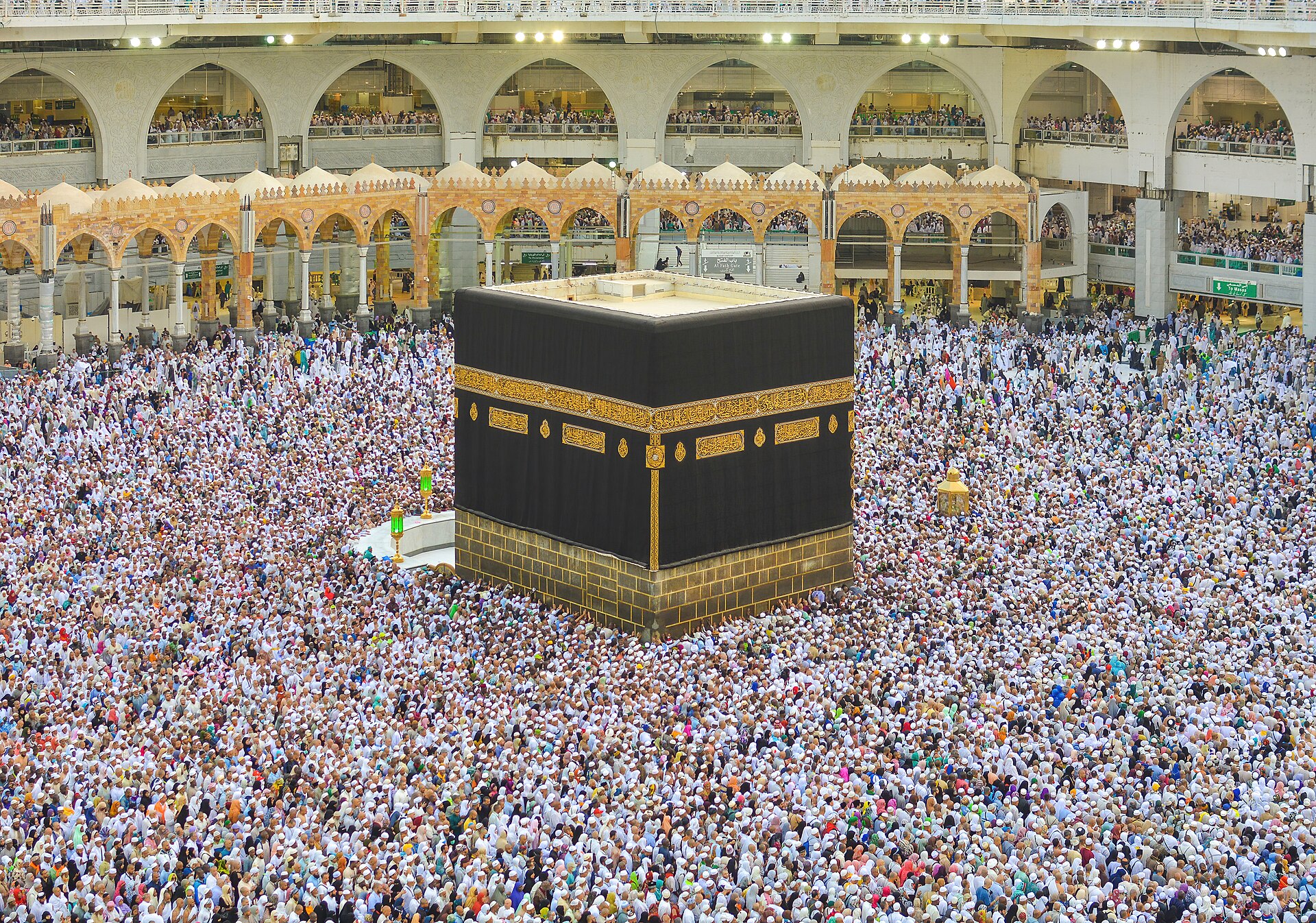
The title Custodian of the Two Holy Mosques has been Saudi Arabia’s most powerful political asset for decades. It is the reason Muslim-majority nations from Southeast Asia to West Africa maintain close ties with Riyadh regardless of policy disagreements, and the reason the kingdom hosts millions of pilgrims each year. A drone near Makkah — even one successfully intercepted — generates a political crisis that a drone near an oil refinery does not.
Saudi Arabia’s response has operated on multiple tracks simultaneously. Militarily, the coalition has intercepted every confirmed drone and missile heading toward the holy cities — a perfect record that carries enormous pressure, because one failure would be catastrophic. Diplomatically, the joint communiqué signed on October 26 in Tehran by Saudi Arabia, Iran, Turkey, and Pakistan was partly driven by the urgency of halting attacks on sacred sites. Religiously, the mobilisation of the Council of Senior Scholars, the MWL, and the OIC has framed the Houthi campaign as an assault on Islam rather than a bilateral military dispute.
“A serious escalation threatening regional security.”
— GCC Secretary-General Jasem Mohamed AlBudaiwi, October 25, 2026, on the Houthi missile threat to Makkah (Asharq Al-Awsat)
For pilgrims, the calculus is more personal. The Grand Mosque in Makkah receives visitors year-round, and Umrah brings travellers from across the Muslim world in every season. Whether a drone was aimed at the mosque, at nearby infrastructure, or at a target beyond Makkah matters less to a family from Jakarta or Lagos deciding whether to book flights to Jeddah for Umrah. What matters is that Saudi air defences are now regularly shooting down projectiles in the vicinity of the place they intend to pray.
Two intercepts in six weeks is a pattern. The Houthis deny it, Saudi Arabia condemns it, and Muslim governments worldwide are being forced to choose where they stand. The coalition’s air defences have held so far, but the margin between a successful interception and a strike on the most revered ground in Islam is measured in seconds, and the Houthis show no sign of slowing down.
Background
The Houthis have launched thousands of drones, ballistic missiles, and cruise missiles at Saudi Arabia since the Saudi-led coalition intervened in Yemen’s civil war in 2015. For most of that period, the attacks targeted military installations and oil infrastructure — most famously the September 2019 strikes on Abqaiq and Khurais, which caused the largest disruption to Saudi oil output in decades.
The holy cities were largely spared. The last confirmed ballistic missile launched toward Mecca before 2026 dated to July 27, 2017, according to TRT World. That restraint, whether by Houthi choice or capability limitation, ended on September 16, 2026, when CNN reported the interception of a drone heading toward Makkah as the first such incident in nearly a decade.
The escalation toward the holy cities has coincided with a broader intensification of the war. Houthi missiles and drones have struck across Saudi Arabia, from Riyadh to the Eastern Province to the Red Sea coast. The Tehran talks on October 26 ended without a ceasefire, and the diplomatic track has failed to produce a halt to hostilities. The Makkah mutual defence pact — binding Saudi Arabia, Pakistan, and Turkey to collective response — remains the most concrete international commitment to defending the holy cities, but it has not yet been tested by an attack that Saudi air defences could not handle alone.
Frequently Asked Questions
Has any Houthi projectile ever struck the Grand Mosque or Prophet’s Mosque?
No. As of October 30, 2026, no Houthi drone, missile, or other projectile has struck the Grand Mosque in Makkah or the Prophet’s Mosque in Madinah. All confirmed incidents near the holy cities have involved interceptions or impacts on surrounding areas. The closest physical impact on holy city infrastructure was the October 1 drone strike on a Medina power station that serves the Prophet’s Mosque, reported by the Gulf Daily News.
What was the July 2017 Makkah missile incident?
On July 27, 2017, a ballistic missile was launched toward Mecca and intercepted by Saudi air defences, according to TRT World. That attack was the last confirmed Houthi attempt to target Makkah before the September 16, 2026, drone interception — a gap of more than nine years.
What is the Makkah mutual defence pact?
Saudi Arabia, Pakistan, and Turkey signed a mutual defence agreement in Makkah stipulating that an attack on one signatory is treated as an attack on all. Turkey’s parliamentary Foreign Affairs Committee approved the pact’s ratification bill on October 27, 2026, according to TRT World. Pakistan Prime Minister Shehbaz Sharif invoked the pact’s spirit at the UN General Assembly on September 25, calling any attack on the holy cities “a line that must not be crossed,” according to Arab News.
Are Hajj and Umrah pilgrimages still operating?
Saudi Arabia has not suspended Hajj preparations or Umrah as of October 30, 2026. King Khalid International Airport in Riyadh reopened Terminals 1 and 2 on October 25 after a temporary closure. However, multiple airlines have suspended or delayed Saudi flights due to the broader security situation — Emirates resumed Jeddah-only service on October 30, while Etihad flights remain suspended until at least November 5.
Has Egypt committed troops to defend Saudi Arabia?
Egypt’s parliament authorised President Abdel Fattah el-Sisi to deploy military support to defend Saudi Arabia on October 25, Al Jazeera reported. The scope and timeline of any deployment have not been publicly detailed. The authorisation followed the Houthi barrage that scattered intercepted missile debris across Mecca province.
The House of Saud Daily Briefing
Saudi Arabia's news in 3 minutes, every morning. Free. See today's issue