
RIYADH — Saudi Arabia faces four distinct outcomes when President Trump’s self-imposed moratorium on striking Iran expires after the 3 November midterm elections, each carrying a different cost in oil revenue, military exposure, and diplomatic credibility. The kingdom enters this window holding three positions that cannot coexist: a signatory to the Tehran communiqué of 26 October committing it to a diplomatic path with Iran, the assembler of a four-nation military coalition with Egypt, Turkey, and Pakistan, and the economy most exposed to every version of what comes next in the Strait of Hormuz — running a revised 2026 deficit of 245 billion riyals, according to Reuters.
Brent crude closed above $117 on 30 October after a limpet attack on a tanker in the strait. Iran rejected Qatar’s revised peace draft the same day, an Iranian official telling Reuters it amounted to “a list of unacceptable ideas, not an offer.” The US and Israel have developed strike plans targeting Iran’s energy infrastructure and nuclear facilities, Time magazine reported on 22 October citing the New York Times, though Trump has not approved them. Riyadh has issued no public statement on any of it.
Table of Contents
- The Three Tracks That Cannot Converge
- What Happens If Trump Orders Strikes on Iran After the Midterms?
- What Does Extending the Diplomatic Pause Mean for Saudi Revenue?
- Could Iran Accept a Revised Deal?
- Indefinite Hormuz Escalation Without US Action
- Four Scenarios, Four Price Tags
- What Did the 2019 Abqaiq Response Teach Riyadh?
- The Coalition Saudi Arabia Built for a War Washington May Not Fight
- Frequently Asked Questions
The Three Tracks That Cannot Converge
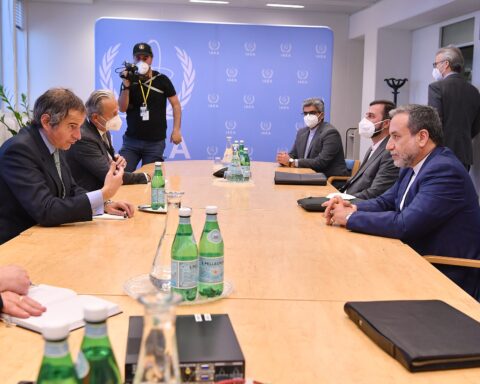
Eight days separate the Tehran communiqué from the US midterms. Riyadh signed a joint statement with Iran, Turkey, and Pakistan on 26 October calling for a diplomatic resolution to the Hormuz crisis and the broader US-Iran confrontation. The same week, Egypt’s parliament authorised troop deployments to defend Saudi Arabia, and Turkey’s Foreign Affairs Committee approved the Makkah joint defence pact ratification bill — though the full assembly has not yet voted, according to TRT World on 27 October.
The House of Saud Daily Briefing
Saudi Arabia's news in 3 minutes, every morning. Free. See today's issue
Field Marshal Asim Munir of Pakistan carried a Trump-backed diplomatic proposal to Tehran before the communiqué was signed. Approximately 8,000 Pakistani troops are already stationed in Saudi Arabia, according to Reuters. Saudi Arabia is planning a multi-front assault on Houthi positions with Egyptian military support, and the coalition’s October statements have made that preparation public.
Saudi Arabia’s OPEC+ quota for November stands at 10.478 million barrels per day, unchanged since September, per the 4 October OPEC press release. Actual output is approximately 4.5 million barrels per day below that quota — a gap that represents foregone revenue on an enormous scale while the kingdom runs its largest deficit in years. The pre-budget statement projected the 2026 deficit at 245 billion riyals, up from a budgeted 165 billion, with real GDP forecast to fall 3.6 percent on a 21.8 percent drop in oil activities, according to Reuters via Zawya on 30 September.
What happens after Tuesday depends on Washington, and each path reshapes the balance between Riyadh’s three tracks in ways the kingdom cannot control from its side of the Gulf.
What Happens If Trump Orders Strikes on Iran After the Midterms?
A US strike on Iran would be the scenario most likely to collapse Saudi Arabia’s diplomatic track while simultaneously raising the risk to its own energy infrastructure. CNN reported on 27 October that the US military could execute strikes within 96 hours of a presidential order. An Elrisala report on 30 October, citing US sources, said a top admiral briefed Trump on Iran war efforts as momentum built for expanded operations after the midterms.
Time magazine, citing the New York Times on 22 October, reported that US and Israeli planners have identified three categories of targets: Iran’s energy infrastructure, its nuclear facilities, and its missile and drone arsenal. Analysts at the Middle East Forum assessed a large-scale strike as “probable before year’s end, with or without US participation.” The Washington Institute recommended “limited strikes” on Iran’s missile arsenal combined with sustained economic pressure, arguing that “a limited but intense campaign would accelerate Iran’s economic collapse and make it more willing to negotiate.”
For Saudi Arabia, the fiscal arithmetic cuts both ways. A strike that damages Iran’s energy infrastructure could push Brent well beyond current levels — Bank of America warned in September, according to CNBC on 22 September, that prices could skyrocket past $150 a barrel or more if supply disruptions continue into next spring or if oil infrastructure suffers further damage. But higher prices are worthless if Saudi Arabia cannot export. Iran’s Supreme Leader Mojtaba Khamenei stressed on 27 October that Iran would maintain “continued management of the Strait of Hormuz,” Bloomberg reported, and Iranian retaliation against Saudi oil facilities is not a theoretical risk — September 2019 demonstrated what is possible.
Modern Diplomacy identified the specific danger on 18 October: if the US launches strikes from or through Saudi facilities, Tehran may treat the Makkah pact members as co-belligerents, collapsing the distinction between Riyadh’s diplomatic and military tracks. The Tehran communiqué, five days old, would become evidence of bad faith rather than a commitment to peace. Iran’s security official Mohsen Rezaei told Mehr News Agency on 27 October that Tehran “prefers diplomacy, but if the war continues, Iran has the necessary tools to continue responding.”
Trump told a Kansas City radio station on 30 October that the Iran conflict would end soon, Arab News reported. On 22 October, he told Time that he believed the war would end immediately after the election. Riyadh’s silence on both statements suggests it cannot commit to either reading — a strike or a deal — without foreclosing one of its three tracks.
What Does Extending the Diplomatic Pause Mean for Saudi Revenue?
An extension of Trump’s pre-midterm restraint into a broader diplomatic pause would preserve the Qatar negotiating channel but lock Saudi Arabia into its current revenue constraint: producing far below quota while oil prices remain elevated but largely unreachable. This is the status quo that Mojtaba Khamenei named on 27 October when he called for conditions to be met to end the “neither war nor peace” situation, as Bloomberg reported.
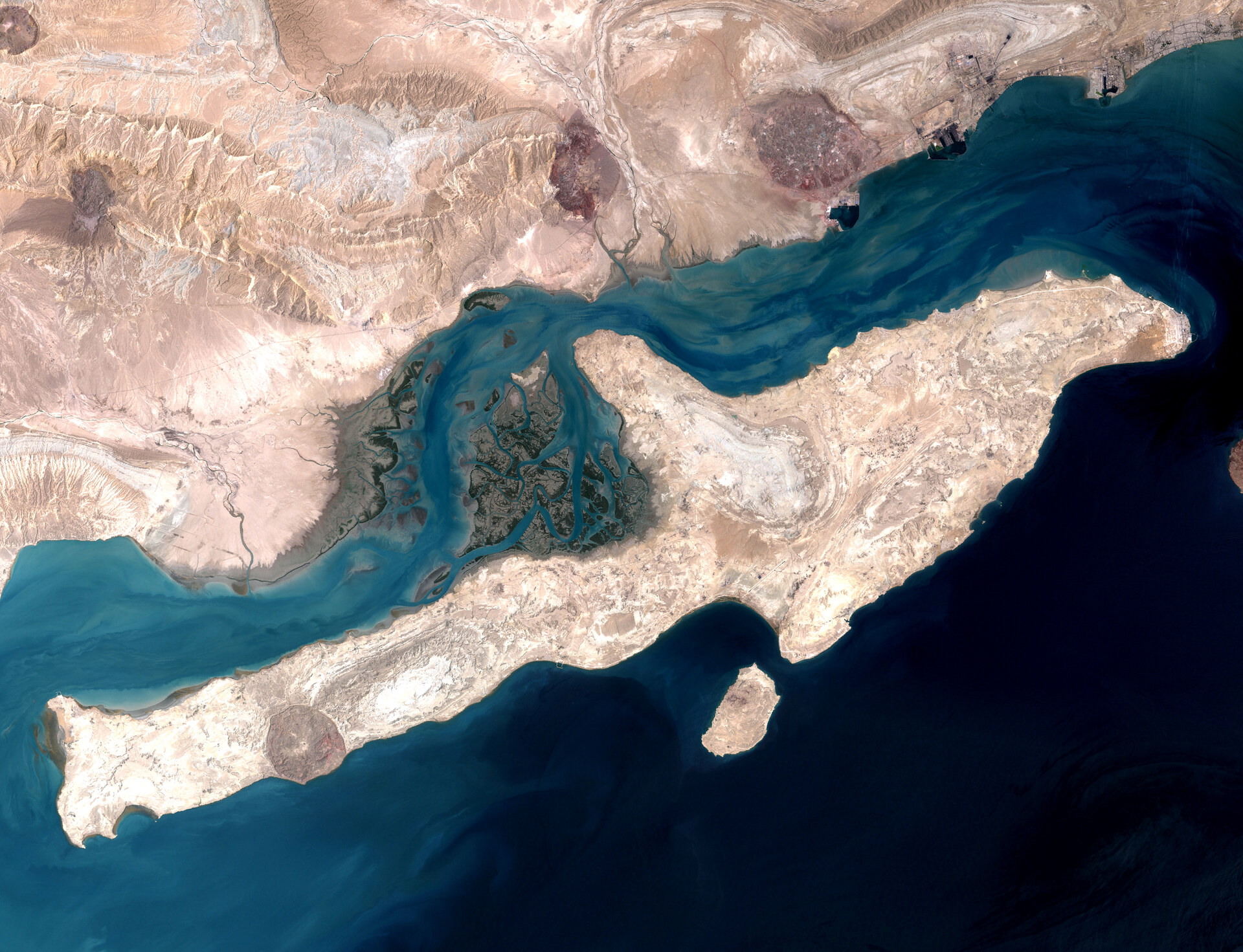
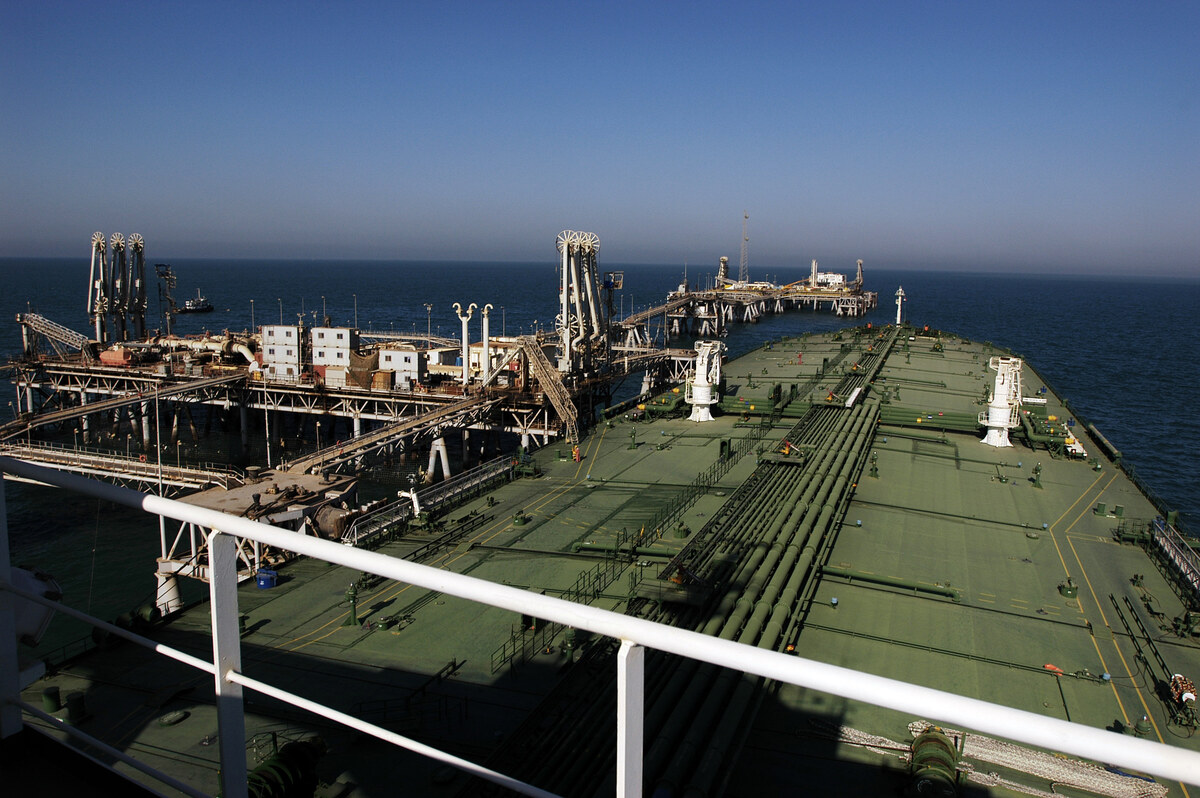
The revenue problem is physical, not political. Hormuz transit volumes have fallen from a pre-war baseline of 138 ships per day — the figure from the Joint Maritime Information Centre’s March 2026 advisory — to single digits. The East-West pipeline, with a design capacity of approximately 7 million barrels per day, restarted on 22 September after an 11-day shutdown, but full capacity could take six weeks or more, Reuters reported via Baird Maritime. Brent at $116 or $117 sounds like a windfall. It is not, if you cannot load the tankers.
Bloomberg Economics estimated Saudi Arabia’s pre-crisis fiscal breakeven at approximately $96 per barrel, rising to approximately $113 when off-budget spending on Vision 2030 projects by the Public Investment Fund is included. At current production volumes, neither price delivers sufficient revenue, because the calculation depends on barrels sold as well as price received. JPMorgan estimated Brent’s fair value at approximately $94 in October, against a market price near $114 — a gap that represents a risk premium Saudi Arabia is absorbing but not converting into export earnings.
The Qatar channel survived Iran’s 30 October rejection, at least formally. Arab News reported the same day that mediators remained in discussions, while Ynet described the process as stuck. Qatar’s goal, according to Iran International citing Axios on 28 October, was to persuade Tehran to grant UN nuclear inspectors access to damaged facilities in exchange for partial US sanctions relief. Iran called that insufficient. Abbas Araghchi, Iran’s foreign minister, maintained that his own 25 September roadmap — Hormuz reopens in return for the US lifting its blockade, sanctions waivers, and the release of approximately $12 billion in frozen assets — remains active, Iran International reported on 30 October.
For Riyadh, an extended pause means the Houthi campaign continues without a ceasefire mechanism and without Iranian pressure to stop it. The coalition intercepted a Houthi drone near Makkah on 30 October, the second such intercept in 44 days. On 29 October, Houthi spokesman Yahya Saree claimed six simultaneous attacks on Saudi refineries, airports, and a military base — targeting Ras Tanura, Abqaiq, KKIA in Riyadh, KFIA in Dammam, Rabigh, and Najran military headquarters. The Saudi coalition confirmed only two Riyadh missile intercepts from that wave.
Could Iran Accept a Revised Deal?
Iran’s current negotiating position has widened since September, not narrowed. Tehran demands the US lift its naval blockade, release frozen assets, and waive sanctions before making any nuclear concessions. Iran added a $24-billion reserves demand on 28 October, and its 30 October rejection of the Qatar draft leaves little diplomatic space for agreement before year’s end.
The gap between the two positions is structural. The US demands nuclear concessions first; Iran demands the blockade end first. Mojtaba Khamenei told security chief Mohsen Rezaei on 27 October that Iran’s conditions for ending the situation were not negotiable, Bloomberg reported. Araghchi’s counter-offer — the seven-day roadmap he submitted at UN sideline talks on 25 September — requires the US to lift its blockade, issue sanctions waivers, and release frozen assets simultaneously. The escalating financial demands suggest Tehran is pricing itself out of a deal, whether by design or by internal political pressure from the supreme leader’s office.
If a deal materialised despite these obstacles, the oil market response would be severe in the opposite direction. Citi projected crude could fall toward $60 as Hormuz flows normalise. Morgan Stanley forecast Brent near $75 through year’s end with a possible surplus of approximately 5 million barrels per day in 2027 if shipping recovers. HSBC was more cautious, projecting only a gradual recovery in shipping flows even after a political agreement.
A price crash to $75 would push Saudi Arabia below both the IMF and Bloomberg Economics breakeven estimates. But it would also restore export volumes, and actual revenue depends on the speed of the price decline versus the speed of production recovery. The OPEC+ meeting scheduled for 1 November — two days before the midterms — adds another variable: any signal of output restraint to defend prices would limit Saudi Arabia’s ability to recapture lost volume once shipping resumes.
Tom Barrack, the US special envoy, explicitly credited Qatar, Pakistan, Saudi Arabia, and Turkey as mediating parties on 30 October, Arab News reported. A deal would validate that investment. The Washington Institute, however, assessed that Iran is “unlikely to make concessions on missiles, proxies, or domestic matters” through diplomacy alone — meaning any agreement would likely be narrow, covering nuclear access and some sanctions relief while leaving the Houthi war and Iran’s missile programme unaddressed.
Indefinite Hormuz Escalation Without US Action
The fourth scenario most closely resembles October’s reality: Hormuz remains effectively closed, the US maintains its blockade but does not strike Iran, Houthi attacks on Saudi territory continue, and no diplomatic breakthrough occurs. This is the scenario Iran has labelled “continued management” of the strait and the one Saudi Arabia is least equipped to sustain over months.
Iran said on 30 October that four oil tankers struck mines in the strait on the IMO-approved shipping route — the US called the claims false. The IRGC separately claimed it had halted two tankers; CENTCOM denied any Iranian presence, with Admiral Cooper speaking from an aircraft flying over the strait. Whether the mines are real or the claims are information warfare, the effect on shipping confidence — and insurance premiums — is the same.
BMI forecast Brent at $107 in the fourth quarter of 2026 and $112 in the first quarter of 2027, assuming continued disruption. For Saudi Arabia, these prices generate strong per-barrel revenue but constrained total revenue because the barrels cannot reach buyers at the volume the kingdom needs. The East-West pipeline provides an alternative route to Yanbu on the Red Sea, but Houthi forces have already targeted Yanbu-area facilities, and the pipeline alone cannot replace what once transited Hormuz.
Without US strikes on Iran, the Saudi-led coalition’s task expands beyond the Houthis. It must simultaneously defend against daily missile and drone attacks — which have struck airports, refineries, and residential areas across the kingdom — and deter further Iranian escalation in the strait, all without the military action that would resolve the Hormuz blockade. The Aramco headquarters fire in Dhahran, which damaged five floors according to Reuters sources reported on 30 October, is the kind of attrition that accumulates when the war has no endpoint.
Saudi Arabia’s competitors — Iraq, the UAE, and producers outside the Gulf with access to alternative shipping routes — can sell at these elevated prices without the Hormuz constraint. Each month of disruption shifts market share away from the kingdom at the moment its fiscal position demands the opposite. The pre-budget statement’s projection of 12.8 percent real GDP growth in 2027 assumed a recovery in oil activities, according to Reuters via Zawya on 30 September, and none of the four scenarios guarantees that recovery on the timeline the budget requires.
In this scenario, the Tehran communiqué becomes a liability rather than an asset. Iran signed it while simultaneously claiming to mine the strait and halt tankers. If escalation continues without US action, the communiqué offers Iran diplomatic cover — it can claim to be negotiating while maintaining pressure — while binding Riyadh to a process that delivers nothing. The Qatar mediation channel, which Tom Barrack described as operating “in full coordination with the US administration” according to Arab News on 30 October, has no leverage if Washington is not prepared to act on either the military or the diplomatic track.
Four Scenarios, Four Price Tags
| Scenario | Brent Price Range | Saudi Revenue Effect | Diplomatic Impact | Military Implication |
|---|---|---|---|---|
| US strikes Iran | $117–150+ (BofA upside) | High per-barrel price; export disruption risk from Iranian retaliation | Tehran communiqué collapses; co-belligerent trap risk | Coalition shifts to Iran deterrence; Saudi facilities become targets |
| Diplomatic pause extended | $107–117 (BMI, current market) | High price, low volume; output ~4.5 mb/d below OPEC quota | Qatar channel survives but stalls | Coalition fights Houthis; Hormuz blockade unresolved |
| Iran accepts deal | $60–75 (Citi, Morgan Stanley) | Volume recovers; price crashes below fiscal breakeven | Validates Riyadh’s mediation investment | Coalition rationale weakens; Houthi war may persist separately |
| Indefinite escalation without US action | $107–112 (BMI Q4 2026–Q1 2027) | High price, constrained volume; competitors benefit | Communiqué becomes cover for continued Iranian pressure | Coalition defends on multiple fronts without US kinetic support |
Every scenario carries a different combination of price signal and volume constraint. The strike scenario produces the highest potential prices but the greatest risk to Saudi infrastructure. The deal scenario restores volume but eliminates the price premium that has kept per-barrel revenue elevated. The two middle scenarios — diplomatic extension and indefinite escalation — differ mainly in duration and in the progressive erosion of Saudi Arabia’s fiscal position, as each month of constrained production widens the gap between the deficit Riyadh has already acknowledged and what the final figure will be. No scenario returns Saudi Arabia to its pre-crisis export capacity quickly — even the deal scenario, which theoretically reopens Hormuz, carries HSBC’s assessment that the strait is “structurally impaired,” meaning shipping insurance and tanker routing may take months to normalise after any political agreement.
What Did the 2019 Abqaiq Response Teach Riyadh?
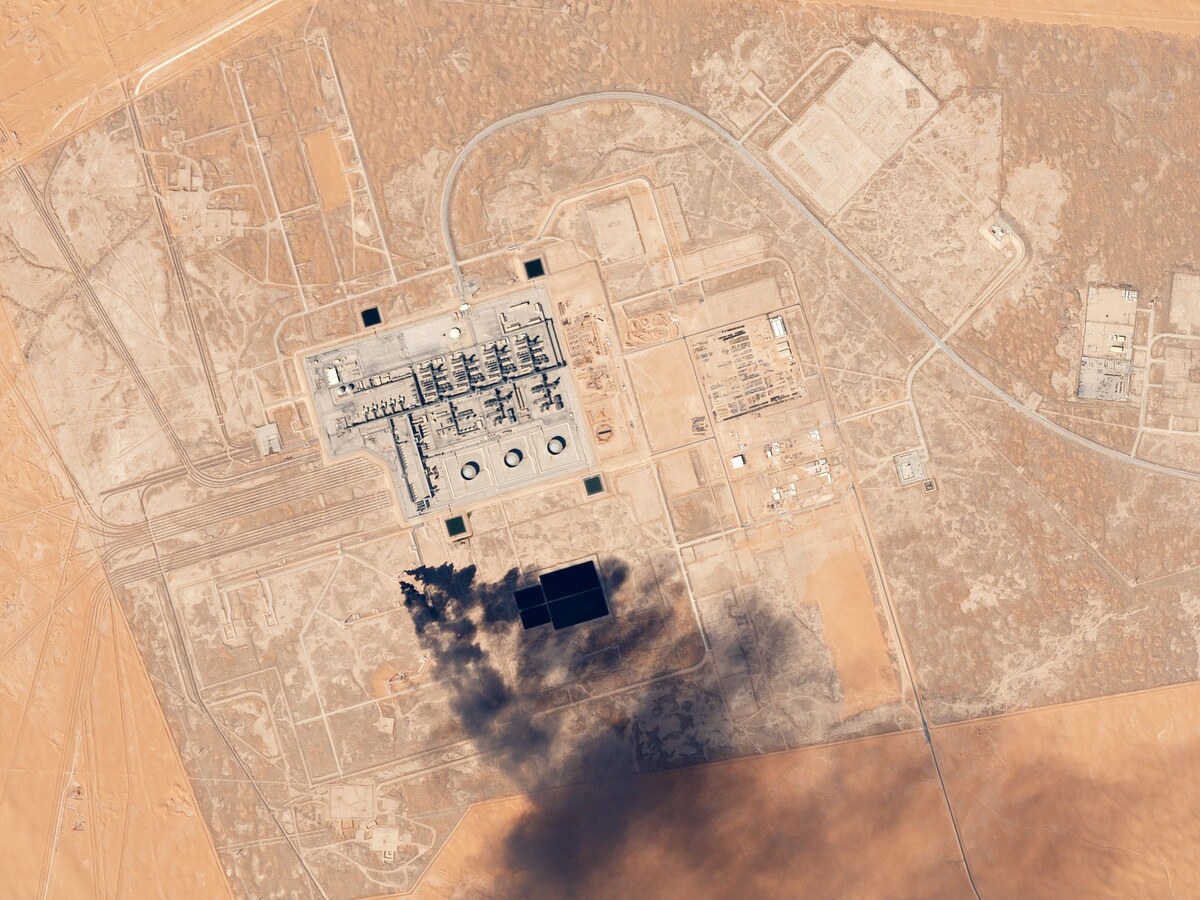
The September 2019 drone and missile attack on Aramco’s Abqaiq processing facility temporarily halved Saudi oil output, and the US did not retaliate militarily. That non-response reshaped Saudi Arabia’s strategic assumptions about American security guarantees and directly informed the decision to build the coalition that exists today.
The episode revealed “a profound change in the US approach to Gulf security and the limits of its commitment.”
Doha Institute, 2019, on the US response to the Abqaiq attack
Trump said at the time he was in “no rush” to respond. Critical Threats, the American Enterprise Institute’s project, warned that American inaction would “solidify the belief in Riyadh and Abu Dhabi that the US will not defend front-line states.” The warning proved prescient — not in the sense that the belief solidified, but in the sense that Riyadh acted on it.
Foreign Policy described the result in July 2026: Saudi Arabia had built “a new Saudi-led axis with Qatar, Turkey, Pakistan, and Egypt — but not the UAE.” CNN reported that Riyadh ended its partnership with Abu Dhabi “late last year” over the UAE’s backing of a rival Yemeni force. The current coalition is a direct product of 2019 — a hedge against the possibility that Washington might again choose restraint when Saudi facilities are burning.
If Trump extends his pause or takes no action after the midterms, Riyadh faces a more dangerous version of 2019. The threat is no longer a single strike on one facility but a sustained campaign across multiple fronts — airports, refineries, the strait itself — with no clear end date. The coalition was built for exactly this scenario, but it has not yet been tested in a major combined engagement.
The Coalition Saudi Arabia Built for a War Washington May Not Fight
The coalition’s order of battle is public but operationally untested. Egypt’s parliamentary authorisation covers troop deployment to Saudi Arabia, but no source has disclosed an operational arrival timeline. Turkey’s ratification bill cleared its parliamentary committee on 27 October; the full assembly has not yet voted.
Modern Diplomacy’s assessment of 18 October was direct: “Saudi Arabia is buying allies, not an alliance.” The analysis flagged Egypt’s hesitance, weak institutional cohesion, and the absence of a unified command structure. Al Jazeera’s opinion pages argued in August that “the post-American Middle East is beginning to take shape.” Haaretz assessed in the same month that the Saudi-Turkey-Pakistan bloc “may sideline the US and bring Iran closer to a diplomatic deal.”
Parliamentary authorisation is not the same as deployed brigades. Egypt’s troops have not arrived. Turkey’s ratification is incomplete. Pakistan’s soldiers are positioned for base security, not offensive operations against Houthi launch sites in Yemen’s northern highlands. The coalition is a political fact but not yet a military one, and the next 72 hours will determine whether its purpose is to fight the Houthis, to deter Iran, or to give Riyadh leverage at a negotiating table that has produced nothing but rejected drafts.
The China-mediated normalisation of 2023 proved that Saudi Arabia could maintain adversarial and diplomatic relationships with Tehran simultaneously — for a time. The communiqué represents the diplomatic side of that ledger. The coalition represents the adversarial side. Whether both survive the same week depends on what happens in Washington on Tuesday.
Frequently Asked Questions
Has Saudi Arabia responded to Trump’s statement that the Iran conflict would end soon?
No Saudi government statement responding to Trump’s 30 October remark — made on a Kansas City radio station and reported by Arab News — has been found in any source as of 31 October. Riyadh’s last major public diplomatic position was the Tehran communiqué of 26 October. Saudi Foreign Minister Prince Faisal bin Farhan had separately asked the UN Security Council to act against the Houthis earlier in October, according to Al Jazeera on 9 October, but the kingdom has not publicly interpreted what Trump meant by the conflict ending soon.
When is the next OPEC+ meeting and what could it decide?
The next OPEC+ meeting is 1 November — two days before the US midterms on 3 November, the same day Trump’s pre-election strike moratorium expires. The group’s 4 October decision left Saudi Arabia’s quota unchanged at 10.478 million barrels per day. JPMorgan estimated a roughly $20 war premium in Brent prices in October — the gap between its fair-value estimate of approximately $94 and the market price near $114. For OPEC+ ministers meeting in Vienna that day, the core question is whether to formalise output cuts to defend that premium or hold steady and accept a price correction if diplomacy advances. Saudi Arabia’s position is unusual: it is already producing far below quota because Hormuz is closed, not because of a voluntary cut. A formal cut would compound that constraint, leaving Riyadh with neither the price premium nor the export volumes it needs to close its revised 245-billion-riyal deficit.
How does the Saudi-UAE rift affect coalition operations?
CNN reported that Saudi Arabia ended its military partnership with the UAE “late last year” over Abu Dhabi’s backing of a rival Yemeni force. The UAE is absent from the Makkah pact coalition, though it declared “full solidarity” with Saudi Arabia after the 10 October airport strike that killed 12, according to CBS News on 11 October. Foreign Policy described the Saudi-led axis as deliberately built without the UAE — a configuration that reflects the Yemen rift and Abu Dhabi’s preference for its own bilateral security arrangements with Washington.
What airlines have suspended or limited Saudi Arabia flights?
As of 31 October, flydubai extended its Saudi suspension to 1 November, according to Gulf Today on 29 October. Emirates resumed Jeddah-only service on 30 October, with Riyadh and Dammam routes delayed to 8 November. Etihad suspended Saudi services to 5 November. The flight disruptions reflect both the direct security risk from Houthi missile attacks and the broader insurance and operational costs of flying into contested airspace. For updated status information, see the Saudi Arabia travel and flight status tracker.
The House of Saud Daily Briefing
Saudi Arabia's news in 3 minutes, every morning. Free. See today's issue