
RIYADH — Houthi military spokesman Yahya Saree announced on Tuesday that the group had carried out two operations against Saudi Arabia’s Asir region — a drone targeting Abha International Airport and a ballistic missile aimed at Khamis Mushait Air Base, approximately 25 kilometres away. The claims, made via Telegram at around 13:00 UTC, came on the day Donald Trump’s self-imposed moratorium on attacking Iran expired, and roughly two hours after Saree himself had publicly denied conducting any operations toward Saudi territory that day.
Saudi authorities had not issued a public statement on the Asir claims as of 19:00 UTC. The Saudi-led coalition confirmed it intercepted and destroyed a drone over the Makkah region on Tuesday, but made no specific reference to Abha or Khamis Mushait, leaving the Houthi claims unverified by any independent or official Saudi source.
Table of Contents
What Did the Houthis Claim on November 3?
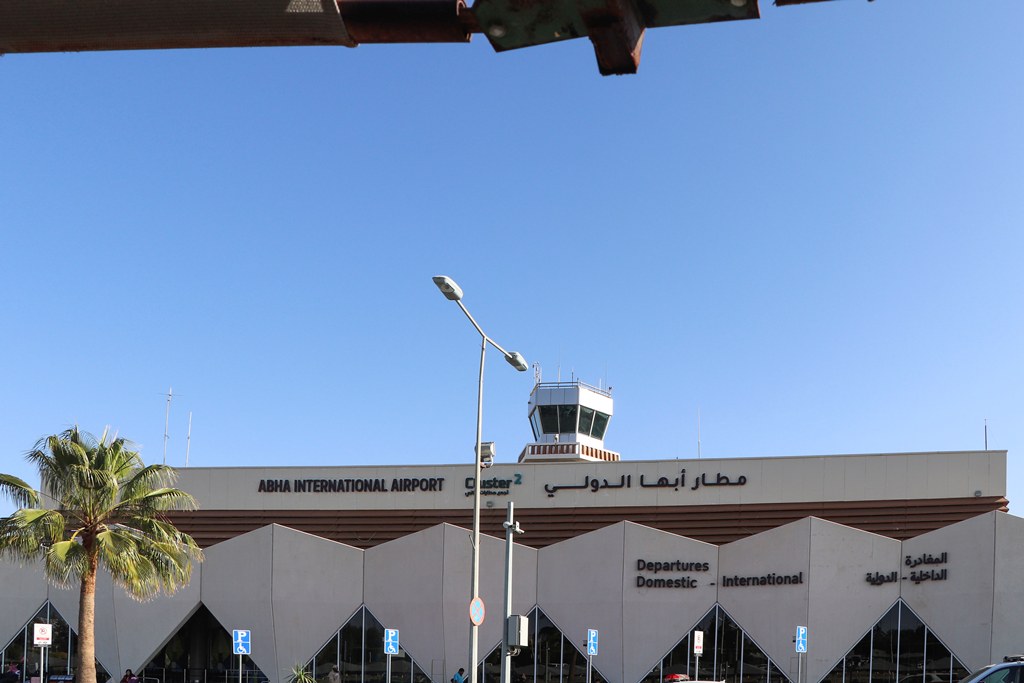
Saree’s Telegram announcement, relayed by Newsquawk and Shafaq News between 13:00 and 13:20 UTC, described two separate operations. He said a drone had targeted Abha International Airport in what he called a precise strike that disrupted air traffic, and that a ballistic missile had scored what he described as a direct hit on Khamis Mushait Air Base, a major Saudi Air Force installation in the same province (Newsquawk, 2026-11-03; Shafaq News, 2026-11-03). MTV Lebanon carried a headline quoting the Houthis as saying they had “carried out two military operations targeting Abha International Airport and Khamis Mushait Air Base” (MTV Lebanon, 2026-11-03). The pro-Houthi Yemen Press Agency also confirmed the claims, framing them as part of a broader campaign against Saudi airports and oil infrastructure (Yemen Press Agency, 2026-11-03).
The House of Saud Daily Briefing
Saudi Arabia's news in 3 minutes, every morning. Free. See today's issue
No independent verification of damage at either location was available as of Tuesday evening. No disrupted flights were confirmed by Saudi Arabia’s General Authority of Civil Aviation, no airline reported diversions, no witness accounts emerged from Abha, and the coalition made no acknowledgment of strikes in the Asir region. The claims, in other words, rest entirely on the Houthi spokesman’s word — a spokesman who, on this particular day, managed to contradict himself within two hours.
The Saree Contradiction: Denial Before Announcement
At approximately 11:00 UTC on Tuesday — roughly two hours before his own announcement — Saree issued a statement carried by Newsquawk declaring that “the Yemeni Armed Forces did not carry out any operation today towards Saudi territory” (Newsquawk, 2026-11-03). The statement was categorical. It did not hedge with qualifiers about timing or geography, did not distinguish between operations launched and operations completed, and did not limit itself to a particular theatre.
Two hours later, the same spokesman claimed a drone and a ballistic missile had both hit their targets in Asir. No source available as of 19:00 UTC on Tuesday explained the contradiction. Pakistan Today, Shafaq News, and Minute Mirror all reported the afternoon claims without referencing the morning denial, and Saree’s Telegram channel did not address the discrepancy (Pakistan Today, 2026-11-03; Shafaq News, 2026-11-03; Minute Mirror, 2026-11-03).
There are several possible explanations, none of which can be confirmed. The morning denial may have been in response to an unrelated coalition claim about overnight activity, with the afternoon operations launched independently afterward. It is also possible that the denial was timed to create a false sense of security before the actual strikes, though that would be an unusual public-communications strategy for a group that typically claims its attacks with enthusiasm. What is clear is that the contradiction exists, that it is unresolved, and that it makes the afternoon claims harder to assess at face value — particularly in the absence of any Saudi confirmation of damage.
How Did Saudi Arabia and the Coalition Respond?
The coalition’s sole confirmed action on November 3, according to spokesman Major General Turki al-Maliki, was the interception and destruction of a drone over the Makkah region (Minute Mirror, 2026-11-03). The Makkah region lies northwest of Asir, and al-Maliki’s statement did not reference Abha, Khamis Mushait, or Asir province. No Saudi Ministry of Defence statement about the Asir claims was found as of 19:00 UTC, and the General Authority of Civil Aviation did not issue a notice about Abha airport operations.
The absence of a Saudi response is not itself confirmation or denial — Riyadh has historically taken hours or days to comment on Houthi claims, and the coalition sometimes declines to address claims it considers unsubstantiated. What it does mean is that the only account of these events comes from the attacking party, a party whose spokesman denied the attacks two hours before announcing them.
Separately, Saudi Defence Minister Prince Khalid bin Salman spoke with US Defense Secretary Pete Hegseth on Tuesday in a call that addressed de-escalation and Houthi attacks, according to Newsquawk (Newsquawk, 2026-11-03). The call’s timing — on the day Trump’s Iran moratorium expired — makes it notable, though no details of the discussion were released beyond the general topics.
From Dammam to Asir: A Geographic Widening
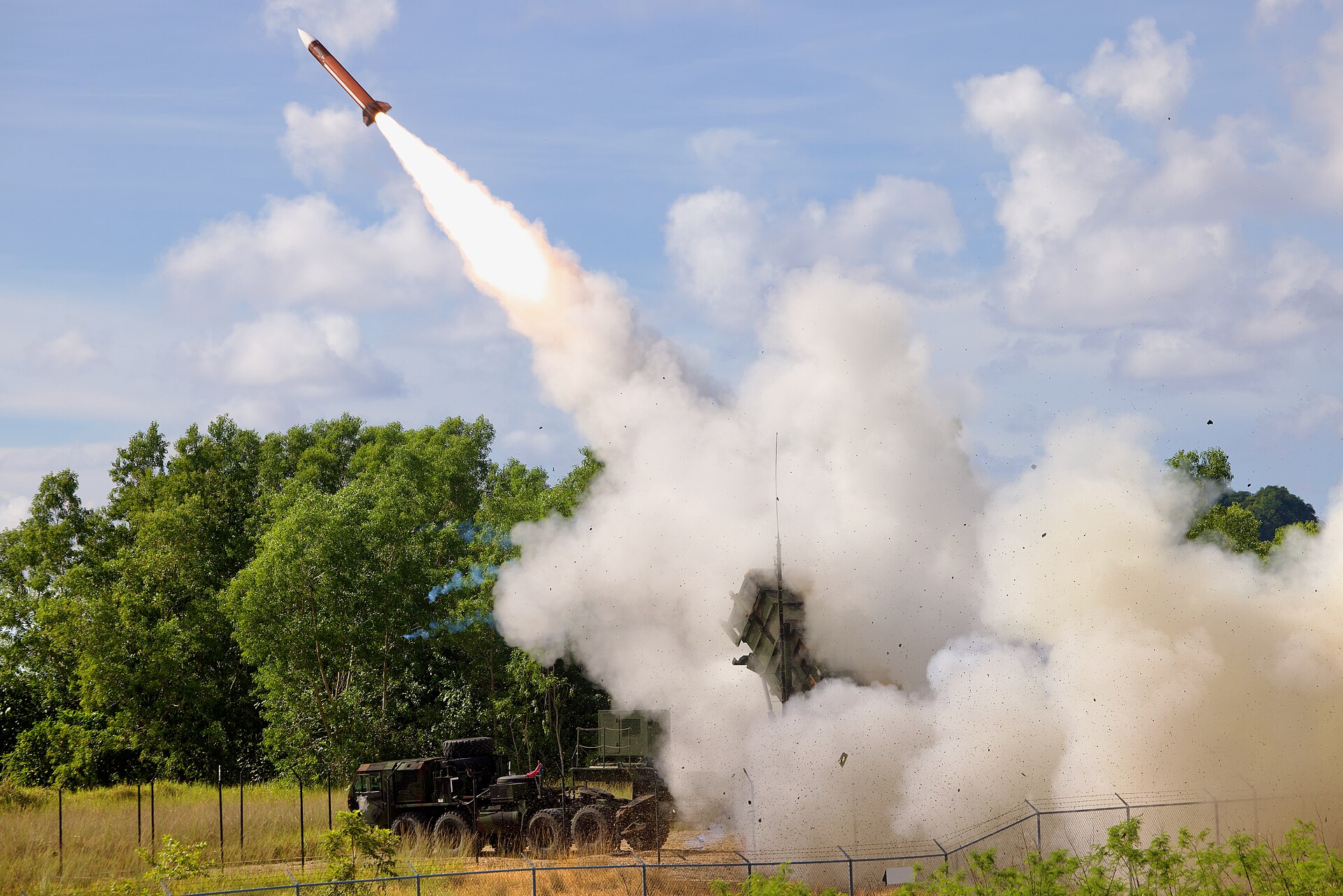
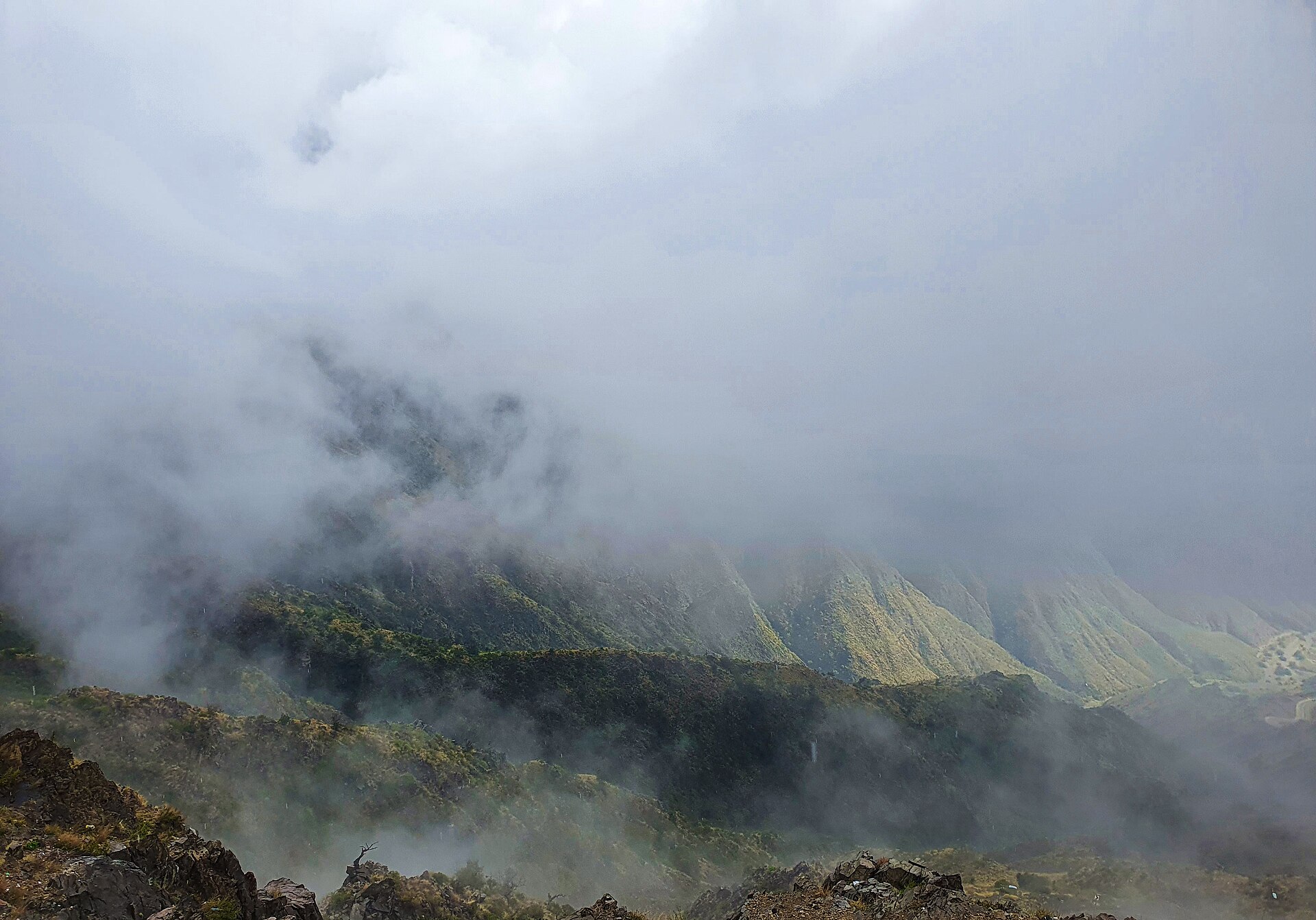
The November 3 claims represent a geographic shift in claimed Houthi targeting. On November 2, the group’s stated targets were in the Eastern Province and the far southwest: two drones aimed at Dammam airport, a drone targeting what Saree described as a military transport aircraft at Jizan airport, and a drone aimed at a Jizan early-warning radar (Southfront, 2026-11-02). The Tuesday claims moved the focus inland to Asir, where Abha and Khamis Mushait sit at elevations above 2,000 metres in the southwestern highlands.
That geographic breadth — from the Persian Gulf coast at Dammam on Monday to the Asir highlands on Tuesday, with Jizan near the Yemeni border in between — suggests either an operational capability that can alternate between widely separated target areas on consecutive days, or a willingness to make claims about regions where independent verification is difficult. The distinction matters, and nothing in the available reporting resolves it.
The coalition also confirmed intercepting a ballistic missile aimed at southern Saudi Arabia on November 2 (Asharq Al-Awsat, 2026-11-02). Dammam is roughly 1,200 kilometres northeast of Abha — the equivalent of switching from London to Milan between operations, if the claims are taken at face value.
On November 1, Saudi Civil Defense had issued alerts for Abha, Khamis Mushait, and Jazan, which were subsequently lifted without confirmed strikes (Asharq Al-Awsat, 2026-11-02; Ajel English, 2026-11-02). On November 2, alerts were issued and lifted for Abha, Khamis Mushait, and Taif (Middle East Eye, 2026-11-02). No Civil Defense alert specifically dated November 3 for the Asir region was found in available reporting. The three-day pattern of alerts across the same southwestern cities — issued, lifted, followed by claimed attacks — either reflects genuine pre-strike intelligence on the Saudi side or Houthi operations timed to exploit the alert-and-lift cycle, but the absence of a November 3 alert for Asir is worth noting.
Abha Airport’s Long History Under Fire
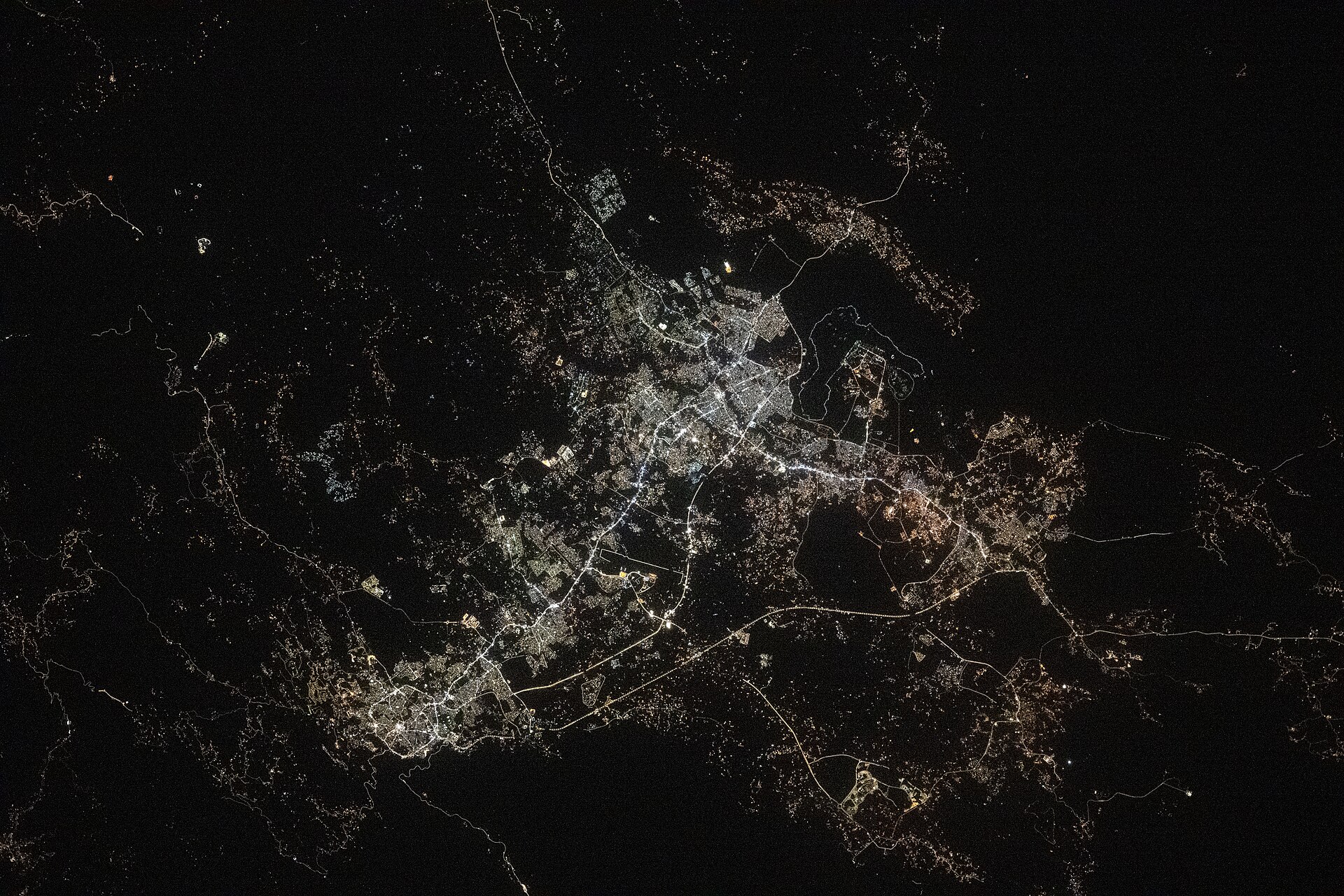
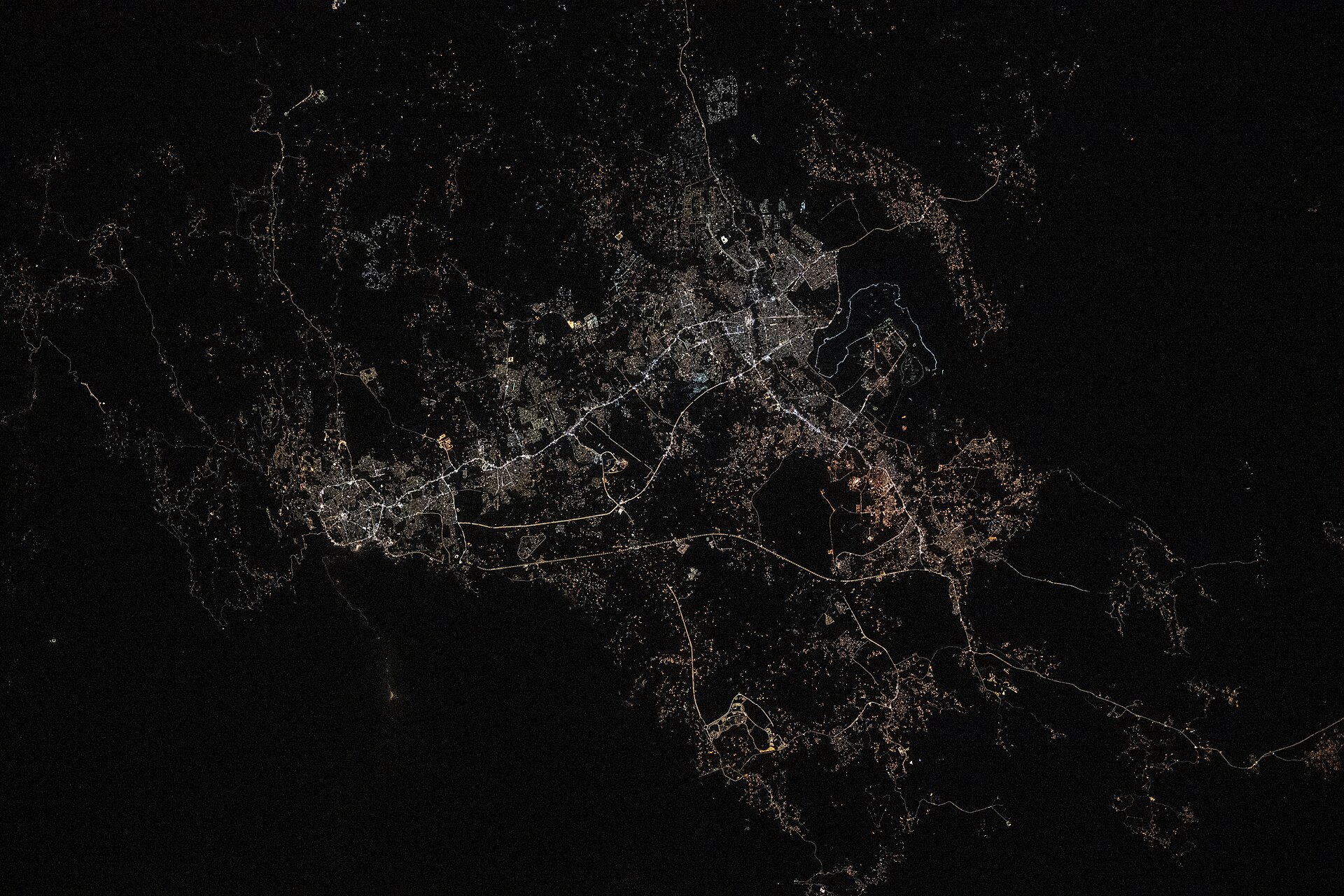
Abha International Airport, the hub airport for Asir province, has been attacked repeatedly since 2019 — making Tuesday’s claims, if substantiated, part of a long and documented pattern rather than a novel escalation. A missile wounded 26 people at the airport on June 12, 2019, and a follow-up attack on June 23 killed a Syrian national and injured 21 (Wikipedia — Abha International Airport). Nine more were wounded on July 2 that year. A drone was intercepted with no casualties on August 31, 2020, and in February 2021 a drone damaged a Flyadeal Airbus A320 on the tarmac (The National, 2021-02-10; Aviation Safety Network).
The more recent history is bloodier. On July 13, 2026, the Houthis claimed a drone attack on Abha airport in retaliation for a Saudi strike on Sanaa airport; no casualties were reported (Al Jazeera, 2026-07-14). On October 6, 2026, an attack killed two people — a Moroccan woman and an Algerian woman — and wounded 28, making it the deadliest single incident at the airport to date (Al Jazeera, 2026-10-07). Tuesday’s unconfirmed claims, if true, would add to a list of at least eight separate documented attack events at the facility since 2019.
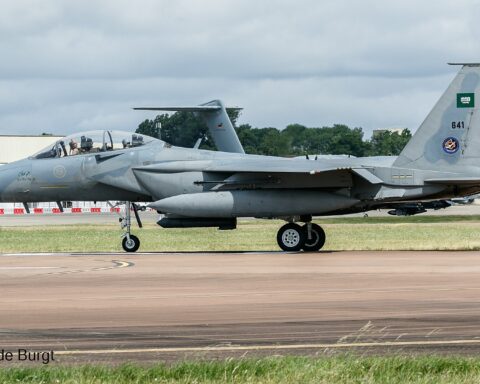
Khamis Mushait Air Base, roughly 25 kilometres from Abha airport, has also been a regular target throughout the Yemen conflict. It is a major Saudi Air Force installation and has served as a launching point for coalition air operations, making it a persistent priority on the Houthi target list. The base’s proximity to Abha airport means that weapons aimed at one facility routinely pass over or near the other, complicating the question of which target was genuinely intended in any given incident. The broader pattern of Houthi operations against Saudi civilian and military infrastructure in the Asir region has been consistent since the conflict escalated in mid-2026, with the southwestern highlands absorbing a disproportionate share of the attacks.
The Moratorium Expires
November 3 is the date on which Trump’s self-imposed moratorium on attacking Iran expired. On October 8, the president stated that the United States “will not be attacking Iran at any time prior to the midterm elections on 3 November” (The National, 2026-10-08). The midterm elections are Tuesday, and the moratorium’s expiry reopens, at least in principle, a range of options that had been explicitly taken off the table for nearly four weeks.
Whether the Houthis timed their claims to the moratorium’s expiry is unknowable from the available evidence, but the broader context is difficult to ignore. The moratorium’s expiry arrives alongside an exchange of fire between US and Iranian forces over the Strait of Hormuz earlier in the day, Iran’s contested two-day Hormuz reopening offer, and Prince Khalid bin Salman’s call with Hegseth. The Houthi claims against Asir are one thread in what has become a dense and fast-moving day.
The absence of major wire-service coverage is itself telling. As of 19:00 UTC, neither Reuters, Al Jazeera, nor Al Arabiya had published standalone stories on the November 3 Abha or Khamis Mushait claims. The reporting that does exist comes from Shafaq News, Pakistan Today, Minute Mirror, and the pro-Houthi Yemen Press Agency — a tier of sources that typically aggregates claims faster than the wires but without the verification infrastructure that a Reuters or AP bureau brings to bear. On a day when US and Iranian forces exchanged fire over Hormuz and the diplomatic calendar around Iran’s two-day reopening offer dominated wire coverage, the Asir claims may simply have been deprioritised. Until one of the major agencies or the Saudi government addresses these specific claims, they remain in a category that journalism has an honest word for: unconfirmed.
Frequently Asked Questions
Has Abha International Airport suspended flights after the November 3 claims?
No flight suspension or disruption at Abha airport had been confirmed by Saudi Arabia’s General Authority of Civil Aviation or any airline as of 19:00 UTC on November 3. Saree claimed air traffic was disrupted, but no independent source corroborated this. Saudi Arabia’s current travel status should be checked for the latest airport advisories.
Were any casualties reported in the November 3 Houthi strike claims?
No casualties were reported by any source as of 19:00 UTC. Saree’s Telegram statements described a drone hitting Abha airport and a ballistic missile hitting Khamis Mushait Air Base but made no claim of casualties at either location. This distinguishes Tuesday’s claims from the October 6, 2026 Abha attack, in which Saree’s statement included casualty figures that Saudi sources subsequently confirmed — 2 killed and 28 wounded. On November 3, no Saudi source confirmed damage, injuries, or deaths at either facility.
Did any other country’s military confirm Houthi operations in Asir on November 3?
No. The US, UK, and other coalition partners had not commented on the specific Asir claims as of 19:00 UTC. The Saudi-led coalition’s only confirmed interception on November 3 was a drone over the Makkah region, which is geographically distinct from Asir province. CENTCOM did not issue a statement about the Asir claims.
What weapons did the Houthis claim to use on November 3?
Saree stated the group used a drone against Abha airport and a ballistic missile against Khamis Mushait Air Base. He did not name the specific drone or missile types. The previous day’s claimed operations against Dammam and Jizan had used drones exclusively, making the claimed use of a ballistic missile on November 3 a stated escalation in weapon type, though this too remains unverified.
The House of Saud Daily Briefing
Saudi Arabia's news in 3 minutes, every morning. Free. See today's issue