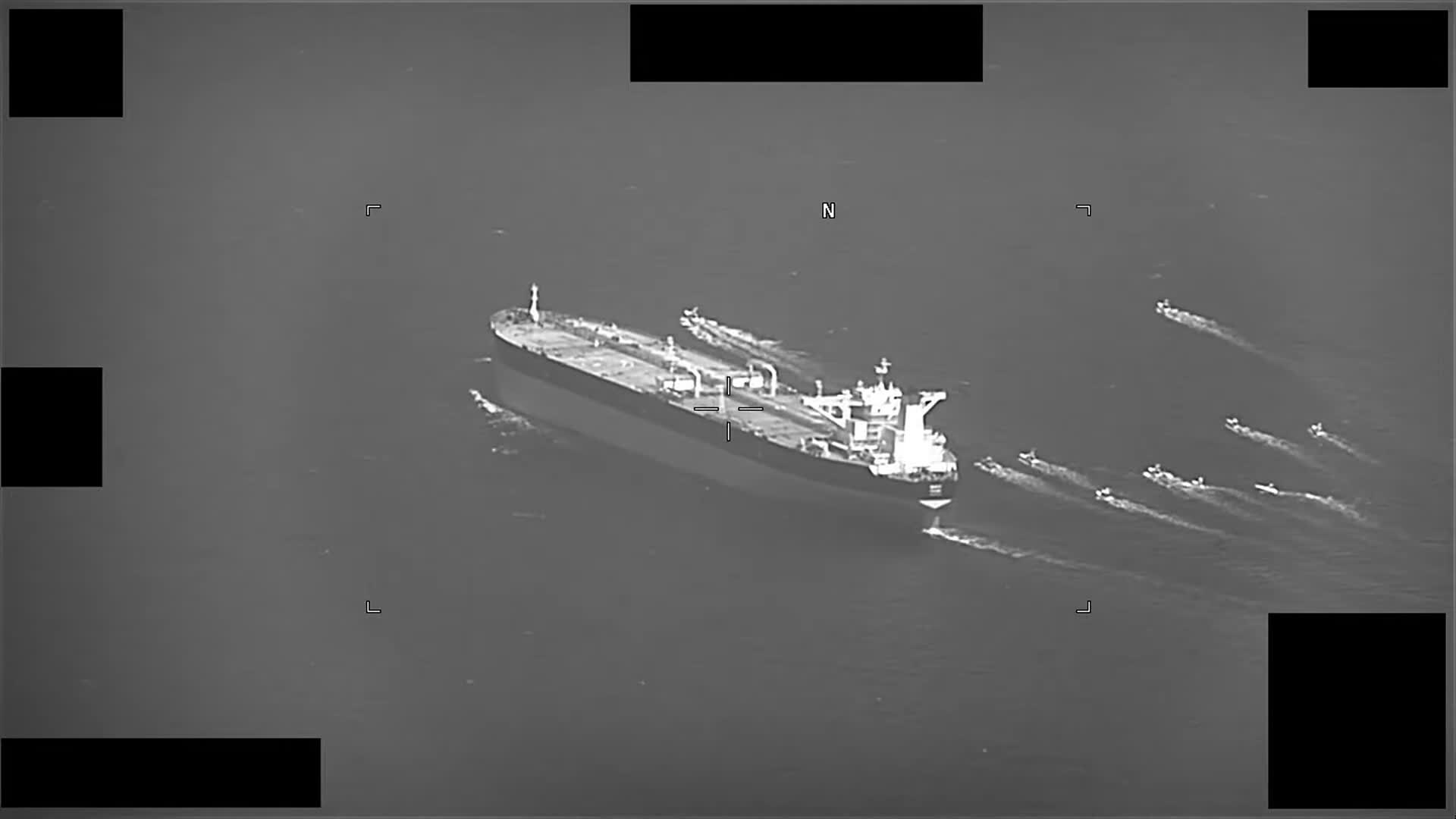
DHAHRAN — Saudi crude exports averaged 5.52 million barrels a day between October 1 and 25, according to vessel-tracking data from Kpler, as attacks degraded both of the kingdom’s export corridors simultaneously. The Strait of Hormuz, through which the bulk of Gulf crude once moved, has been under Iranian blockade since the IRGC declared it closed on October 26. The East-West Crude Oil Pipeline — Saudi Arabia’s engineered bypass — has been struck, shut down, restarted and claimed as a target by the Houthis at least three more times in October alone.
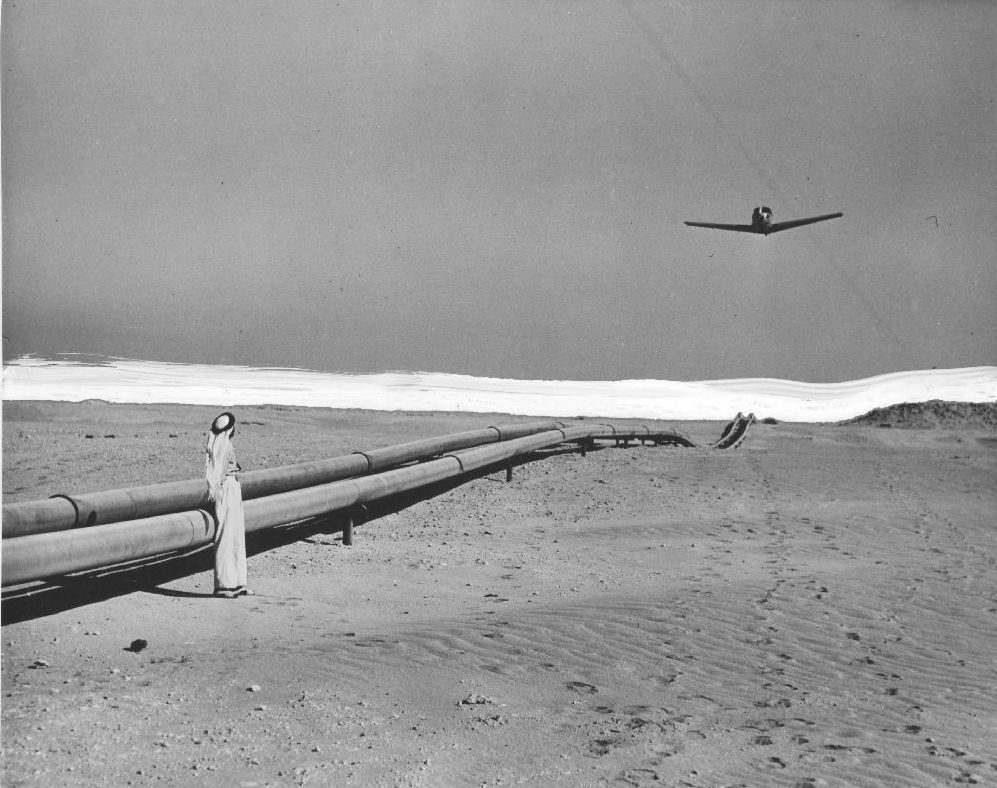
The pipeline runs roughly 1,200 kilometres from the Abqaiq processing complex to the Red Sea port of Yanbu. Saudi Arabia built it in 1981 so that crude could reach tankers without passing through Hormuz. On October 26 — the same day the IRGC declared the strait closed — Houthis claimed drone attacks on pipeline pumping stations, Reuters and AOL reported. Saudi Arabia did not confirm or deny those claims.
The House of Saud Daily Briefing
Saudi Arabia's news in 3 minutes, every morning. Free. See today's issue
Table of Contents
April Attacks Cut Production and Pipeline Flow
The Saudi state news agency SPA, citing an energy ministry source, confirmed on April 9 that coordinated attacks had reduced the kingdom’s oil production capacity by approximately 600,000 barrels per day — roughly 300,000 each from the Manifa and Khurais fields — and cut East-West pipeline throughput by approximately 700,000 barrels per day after a pumping station was struck, Reuters reported via Zawya and Boereport.
One Saudi national from energy industrial security was killed and seven employees were wounded in the attacks, Reuters reported via Yahoo News.
SPA said the disruption “had already depleted a significant portion of operational and emergency inventories, limiting the ability to offset supply shortfalls.” The statement was the kingdom’s first public acknowledgment that months of attacks had eroded its cushion against further disruption.
The pipeline’s throughput was restored within days. The New Arab reported on April 10 that repair crews were mobilised immediately, and Al Jazeera confirmed on April 12 that flows had resumed — three days after the strike.
The April attacks came less than a month after Iran began laying naval mines in the Strait of Hormuz. The first Hormuz blockade started on April 13. A ceasefire agreement in June opened the waterway briefly before the IRGC resumed the blockade on July 14.
How Did the Pipeline Become Saudi Arabia’s Primary Route?
Before the 2026 conflict, the East-West pipeline — known as the Petroline — carried roughly 2 million barrels a day, Fortune reported on October 23. As Iranian mines closed Hormuz in the spring, Aramco rerouted crude overland. By late March, the line was running at its full design capacity of 7 million barrels a day, with approximately 5 million available for export from Yanbu, according to Aramco’s Q1 2026 results reported by Rigzone on May 10.
Aramco CEO Amin Nasser credited the pipeline during the company’s Q2 results announcement, citing what he described as “unprecedented supply disruption through the Strait of Hormuz,” Zawya reported on August 4. The line was carrying more than three times its pre-war volume.
Kpler estimated the pipeline was handling roughly 5.5 million barrels a day before the September attacks disrupted it again, according to data published by Oilprice.com. Kpler also estimated that without the pipeline entirely, Saudi crude exports could fall by roughly 3.5 to 4 million barrels a day.
September Shutdown and Partial Recovery
On September 11, Saudi Arabia shut the East-West pipeline as a precaution after drone strikes in the Riyadh and Medina regions, CNN reported. Saudi authorities traced the drones to Maysan province in southeastern Iraq. Al Jazeera published further details on September 14, identifying the pipeline’s route and the vulnerability of its aboveground pumping stations.
A preliminary Iraqi investigation attributed the September attacks to the IRGC and the Houthis, with drones launched from Maysan, The New Arab reported in an exclusive. Iraq’s “Islamic Resistance” denied responsibility, calling the Saudi accusations “malicious Zionist-American plots,” according to the Tehran Times, an Iranian state-aligned outlet. Iran did not publicly claim responsibility for the pipeline attacks, CNN reported.
Pipeline flows restarted on September 22 at reduced rates. Energy Minister Prince Abdulaziz bin Salman told The National on October 6 that “the East-West pipeline that was heavily attacked is operational now” and confirmed flows had recovered to 5.8 million barrels a day.
That figure — 5.8 million barrels a day — remains the last officially confirmed throughput. It was below the pipeline’s 7-million-barrel design capacity and below the 5.5 million barrels Kpler had measured before the September shutdown.
The shutdown compounded a broader production crisis. The IEA’s September report said Saudi crude supply had fallen 2.3 million barrels a day in August to 6 million barrels a day — the lowest in more than three decades, Baird Maritime reported. By September, output had partially recovered: the IEA’s October report said OPEC+ production rose approximately 2.3 million barrels a day that month, led by Saudi Arabia, as cited by APA between October 14 and 16.
What Have the Houthis Claimed Since October?
An AFP source reported around October 4–5 that the pumping station at Khurais had been attacked again, describing “big damage,” as cited by Free Malaysia Today. Bloomberg reported that oil kept moving despite the claim. Saudi Arabia made no public statement on the reported attack.
The Houthis then claimed drone attacks targeting East-West pipeline pumping stations on October 20 and October 23, according to EnergyNow. On October 26, they claimed another round of strikes on pipeline infrastructure alongside attacks on Riyadh’s King Khalid International Airport, AOL and Reuters reported. Saudi Arabia did not confirm or deny any of the October pipeline claims.
The pattern of claims paralleled a broader intensification of attacks on Saudi energy infrastructure. On November 2, a drone was intercepted near Aramco’s Shaybah oil field, killing two people. The Saudi coalition conducted operations on November 1 against Houthi missile and drone sites in Yemen.
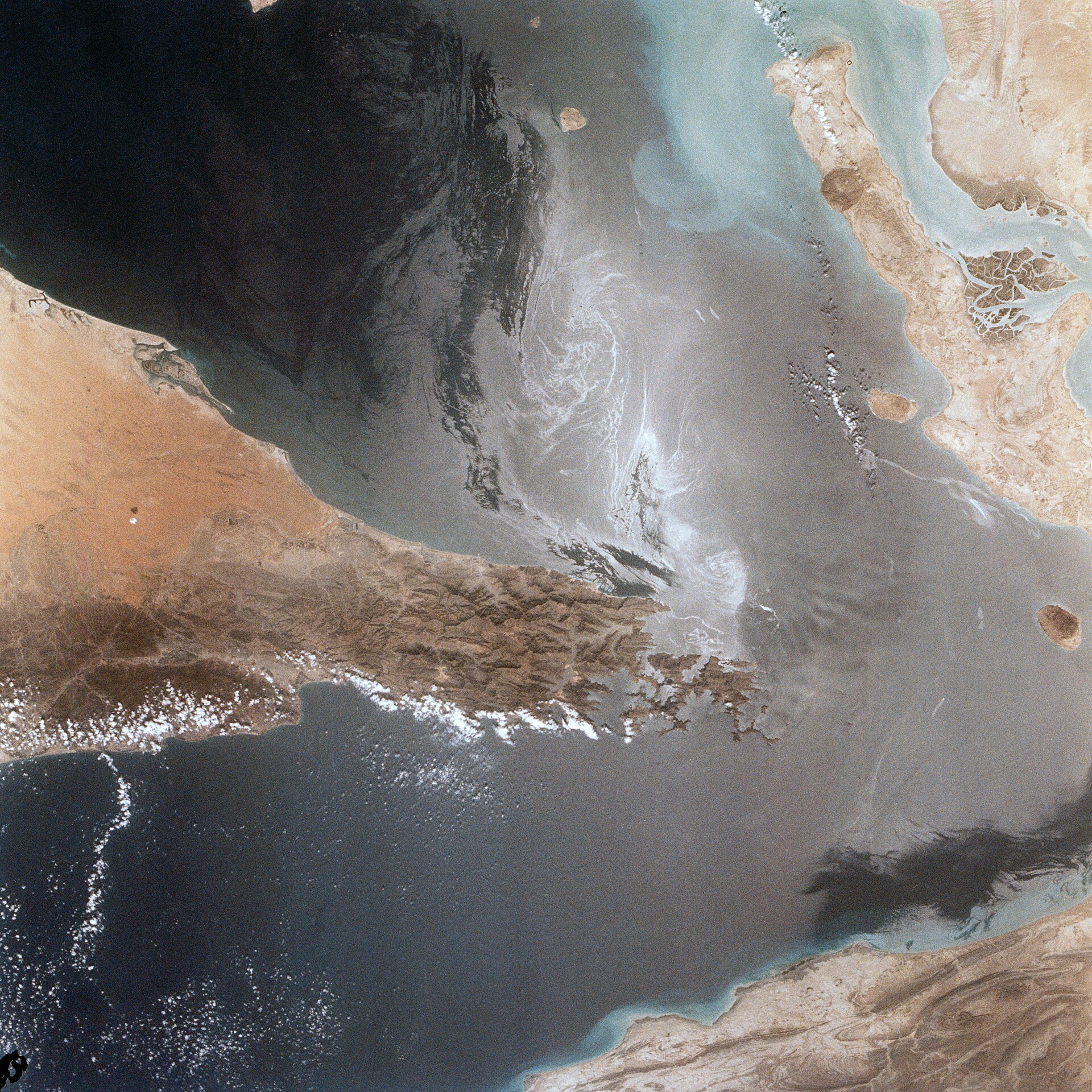
The Houthis declared a maritime blockade of Saudi Arabia in July, Al Jazeera reported on July 28, and claimed control of the Bab al-Mandab strait area in September, according to Fortune. Tankers loaded at Yanbu — the pipeline’s Red Sea outlet — must transit the Bab al-Mandab to reach Asian refining markets.
October Export Data
Kpler’s vessel-tracking data for October 1 through 25 showed declines at both of Saudi Arabia’s main export terminals, as reported by Egypt Oil & Gas and Asharq Business on October 26.
| Terminal | Route | September (mmbbl/d) | October 1–25 (mmbbl/d) |
|---|---|---|---|
| Ras Tanura | Persian Gulf | 4.16 | 2.95 |
| Yanbu | Red Sea / Pipeline | 2.54 | 2.21 |
| Kpler October all-terminal average | 5.52 | ||
Source: Kpler via Egypt Oil & Gas / Asharq Business, October 26, 2026. September total from all terminals not provided in Kpler data cited; 5.52 is the October all-terminal average.
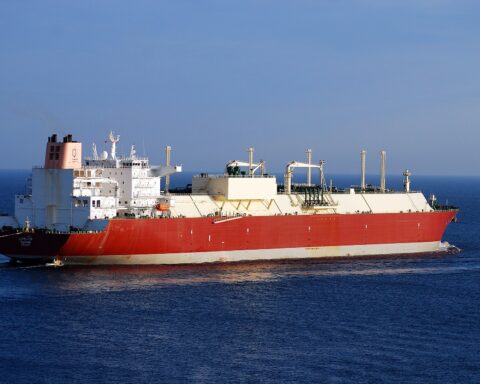
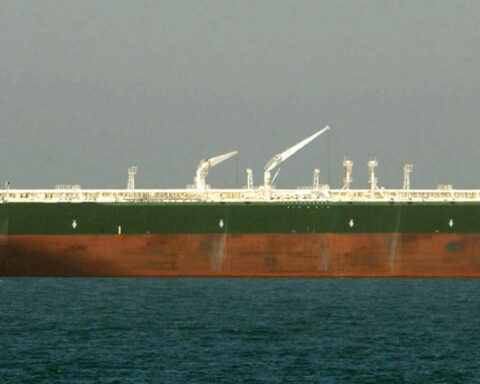
Ras Tanura, the kingdom’s Gulf-side terminal, loaded 4.16 million barrels a day in September and 2.95 million in October. The strait carried an estimated 130 to 140 vessels a day before the blockade, according to Reuters. The IRGC has continued to claim strikes on shipping, hitting a tanker 72 nautical miles off Saudi Arabia and a tug in the strait on November 2. A Qatari LNG carrier, the Al Mayeda, was struck near Hormuz on November 1.
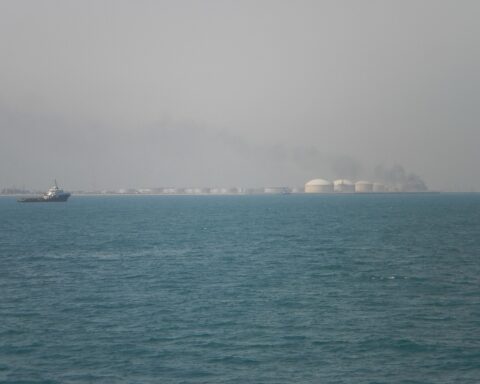
Yanbu, loading crude shipped through the pipeline, fell from 2.54 million barrels a day in September to 2.21 million in October. No updated pipeline throughput figure has been released since the energy minister’s October 6 statement. Whether the decline at Yanbu reflects reduced pipeline flow, lower field output, or both remains unclear from the publicly available data. Together, Ras Tanura and Yanbu accounted for 5.16 million barrels a day in October; the 5.52 million barrel all-terminal figure includes additional Saudi loading points not shown in this breakdown.
Can Saudi Arabia Meet Its OPEC Target?
Saudi Arabia self-reported output of 8.372 million barrels a day to OPEC for September, Rigzone reported on October 13. The kingdom’s nominal OPEC+ production ceiling stands at 10.5 million barrels a day. OPEC+ held December output targets unchanged at its November 1 meeting, keeping those ceilings in place even as Saudi exports fell well below them.
The revenue gap has widened. Saudi Arabia revised its 2026 full-year budget deficit to SAR 245 billion — approximately $65 billion — up from the original estimate of SAR 165 billion, Reuters reported via Zawya on September 30. The forecast calls for real GDP to fall 3.6 percent in 2026, with oil-related economic activity down 21.8 percent. In the first quarter alone, the deficit reached SAR 125.71 billion, more than double Q1 2025, Argaam reported on May 5.
Aramco CEO Amin Nasser said the company planned to expand the East-West pipeline from 7 million barrels a day to 10 million barrels a day, Fortune reported on October 23. Energy Minister Prince Abdulaziz bin Salman said the expansion would take 2 to 3 years.
Gilbert Metcalf, an economist at MIT, told Fortune that the expansion would add “about 2% more oil to the global market” and could lower prices only “a bit.” The assessment assumed the expanded pipeline would operate without disruption — a condition that has not held for the existing line, which was struck in April, shut as a precaution in September and claimed as a target by the Houthis at least three times in October.
Background
Iran’s 2026 confrontation with Saudi Arabia and the United States has produced two overlapping campaigns against Saudi oil exports. The IRGC has targeted shipping in the Strait of Hormuz with naval mines since April, imposing a blockade that began on April 13, paused during a June ceasefire and resumed on July 14.
The Houthis — backed by Iran, according to the Saudi-led coalition — have struck Saudi territory with drones and missiles launched from Yemen. In September, Saudi authorities traced pipeline-targeting drones to Iraqi territory, and a preliminary Iraqi investigation attributed the launches to the IRGC and the Houthis, The New Arab reported. Iran has not publicly acknowledged directing attacks on the East-West pipeline.
Frequently Asked Questions
What is the current price of Brent crude?
Brent crude was trading at approximately $110 to $111 per barrel on November 2, 2026, according to Mitrade and Reuters. Before the latest escalation, Brent was trading around $103 on October 9. Prices have risen as both Saudi export corridors have come under sustained threat.
Did Aramco evacuate its Dhahran headquarters?
Reuters reported on October 21 that Aramco told staff to evacuate its Dhahran headquarters amid continuing Houthi strikes. The headquarters compound was struck on October 13, and the Saudi Ministry of Energy reported a limited fire in a building at an Aramco compound, according to the Seattle Times. Marketscreener also confirmed the evacuation order on October 22.
When does the IEA expect Saudi oil production to recover fully?
The IEA’s October 2026 report said full recovery of Gulf oil supplies had been deferred to 2027, according to data cited by APA between October 14 and 16. September production gains led by Saudi Arabia were characterised as partial, with Gulf output still well below pre-war levels.
Why does the East-West pipeline export less than its 7 million barrel design capacity?
Before the 2026 conflict, the Petroline carried roughly 2 million barrels a day, Fortune reported. Its design capacity is 7 million barrels a day, with approximately 5 million available for export from Yanbu — a distinction Aramco confirmed in its Q1 2026 results. War-driven rerouting pushed the line to full capacity by late March 2026 as Aramco redirected crude away from Hormuz.
The House of Saud Daily Briefing
Saudi Arabia's news in 3 minutes, every morning. Free. See today's issue