
RIYADH — Saudi Arabia is pursuing diplomatic resolution of the Strait of Hormuz standoff through at least three separate channels — Qatar, Oman and China — before a Democratic-controlled Congress convenes on January 3, 2027. The midterm results gave Democrats both chambers, but President Trump retains war authority for 58 more days, and Iran’s two-day reopening offer remains unanswered.
The kingdom’s problem is timing. War-risk insurance premiums have reached 6 to 10 percent of hull value, according to Marsh, up from 0.02 to 0.05 percent before the conflict. Seventy-four projectile strikes have hit commercial vessels since the blockade resumed on July 14, per UKMTO data reported by gCaptain. Houthi missiles are reaching Saudi airports and cities. But any resolution requires satisfying an Iranian government running two tracks — Foreign Minister Abbas Araghchi offering a compressed reopening timeline, Supreme Leader Mojtaba Khamenei’s office dismissing the notion that US political shifts change anything.
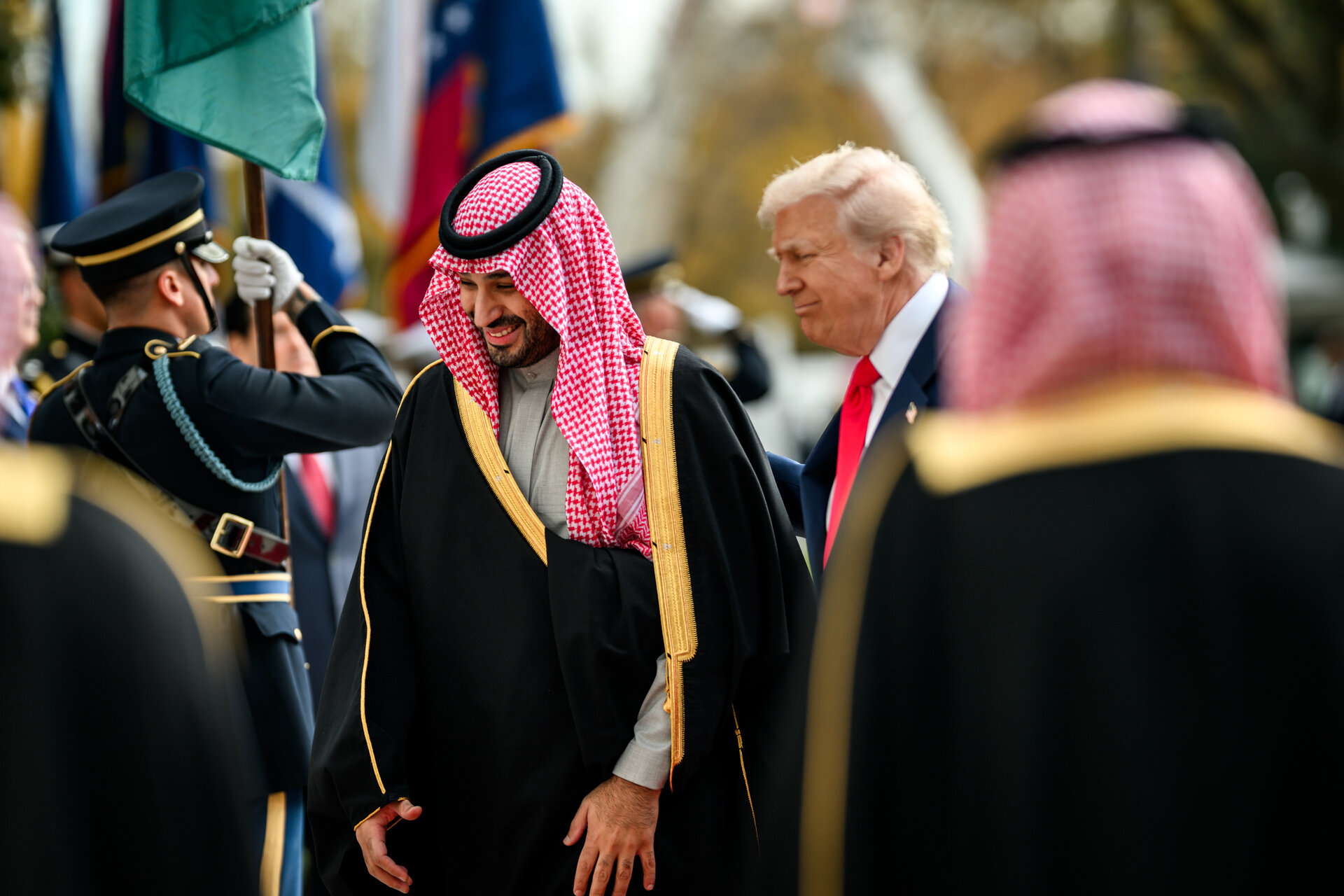
Three diplomatic efforts are running simultaneously: Qatari mediation between Washington and Tehran, Omani negotiations with Iran on strait management, and a Chinese track activated when Crown Prince Mohammed bin Salman sent a letter to President Xi Jinping through national security adviser Musaed al-Aiban on November 2. A fourth, quieter contact — Araghchi’s direct call to Saudi Foreign Minister Prince Faisal bin Farhan on November 5 — has produced no public outcome.
The House of Saud Daily Briefing
Saudi Arabia's news in 3 minutes, every morning. Free. See today's issue
Table of Contents
The Lame-Duck Window
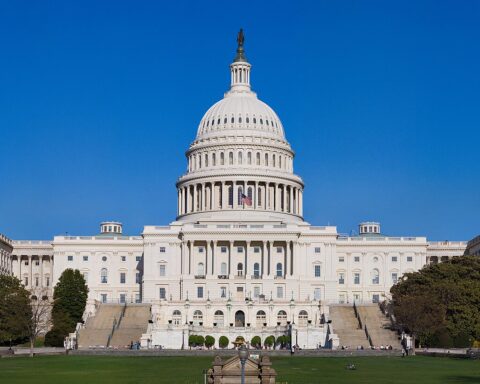
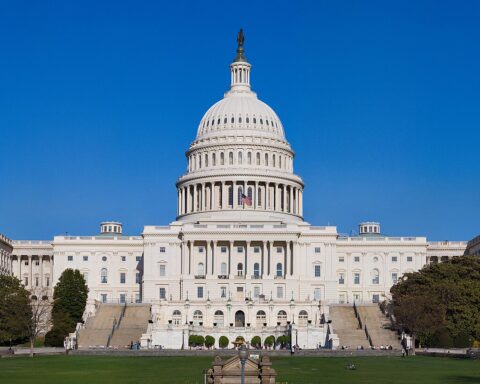
The midterm results on November 4 did something no battlefield development had managed since the Hormuz blockade resumed on July 14: they imposed a calendar on the conflict. The new Congress convenes on January 3, 2027. Until that date, the existing Republican House majority remains seated, President Trump retains full war-making authority, and the Democratic gains exist only as a promise. After January 3, incoming Democratic majorities in both chambers can use appropriations and war powers legislation to constrain the Gulf operation.
For Saudi Arabia, the window matters because both Washington and Tehran know it exists. The Trump administration faces pressure to act while it still can — whether through a strike on Iran, a deal, or the continuation of a naval escort that costs approximately $2 to $3 billion per month, according to Reason.com. Iran has an incentive to delay: every day that passes brings closer a Congress likely to cut funding. Senate Democratic Leader Chuck Schumer said on November 4 that the budget is “one of the ways of deterring a president who does war without the consent of the American people,” as reported by TRT World.
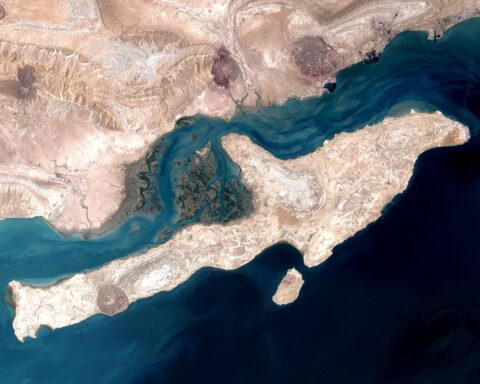
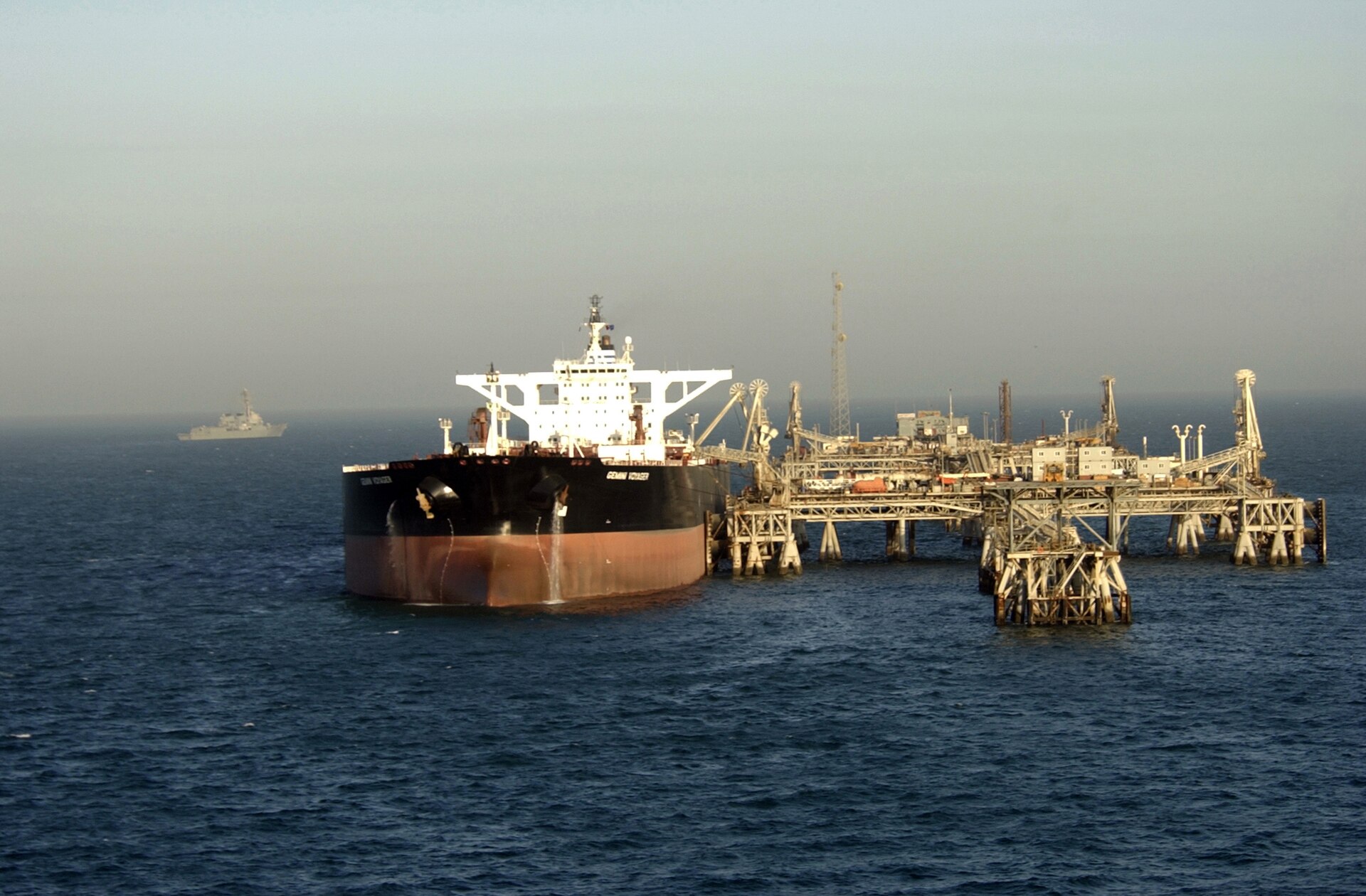
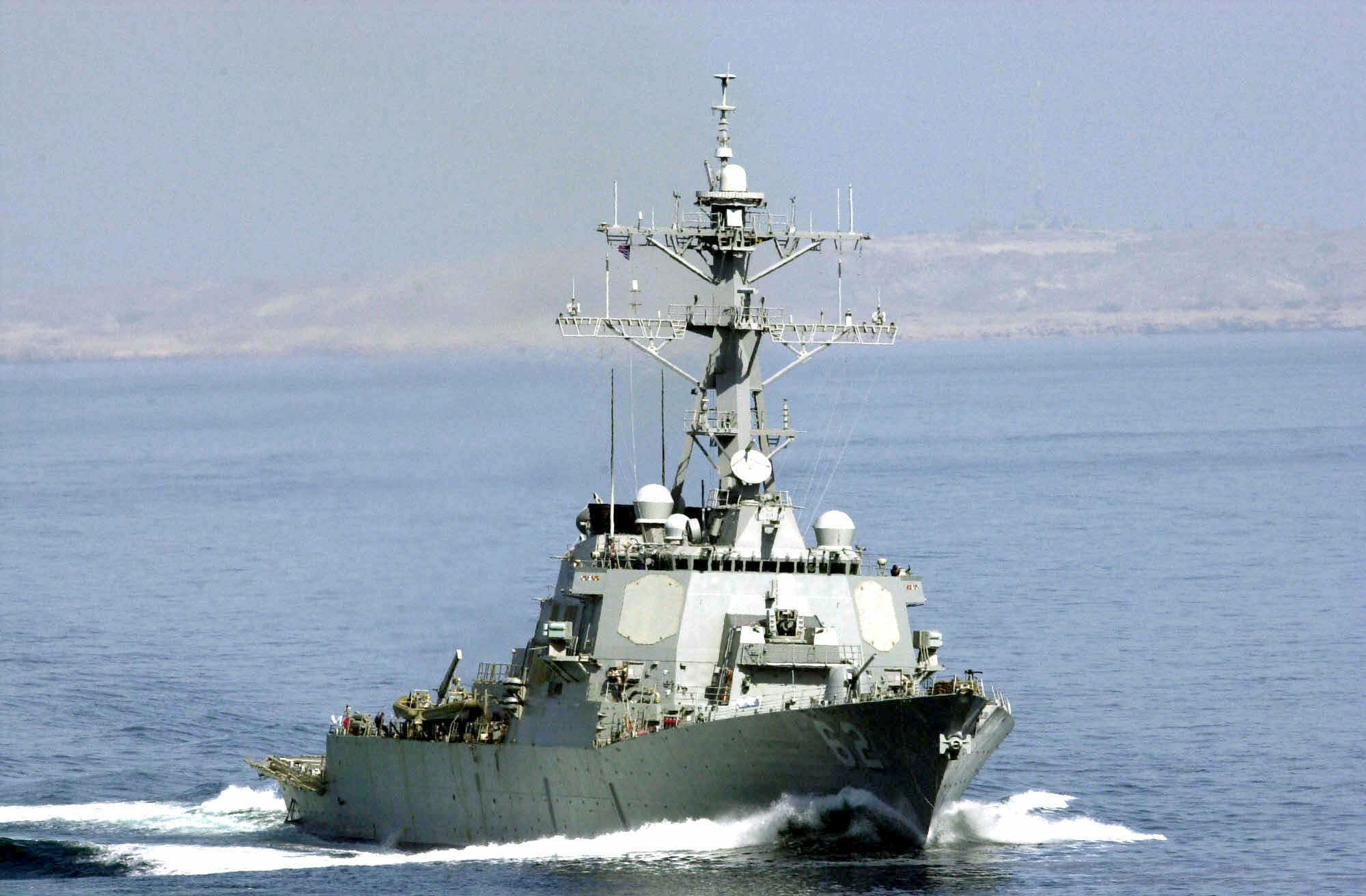
Riyadh sits between these pressures. The kingdom needs Hormuz reopened — five vessels have reportedly struck mines in the strait as of November 5, and CENTCOM reports 144 vessels redirected, four disabled and two boarded since July 14, according to Gulf News citing JMIC Update 111. But a rushed deal on Iran’s terms could leave Saudi Arabia’s core security concern — the Houthi campaign against Saudi territory — unaddressed. A US strike risks a wider war that would reach Saudi infrastructure directly, as the IRGC made explicit on November 5 when it declared Gulf states hosting US forces legitimate targets.
Trump told the Financial Times on November 3 that he had “no immediate plans” to strike Iran but was “locked and loaded,” as first reported by Arutz Sheva. The ambiguity is itself a variable in Riyadh’s calculation.
How Is Saudi Arabia Using the Diplomatic Opening?
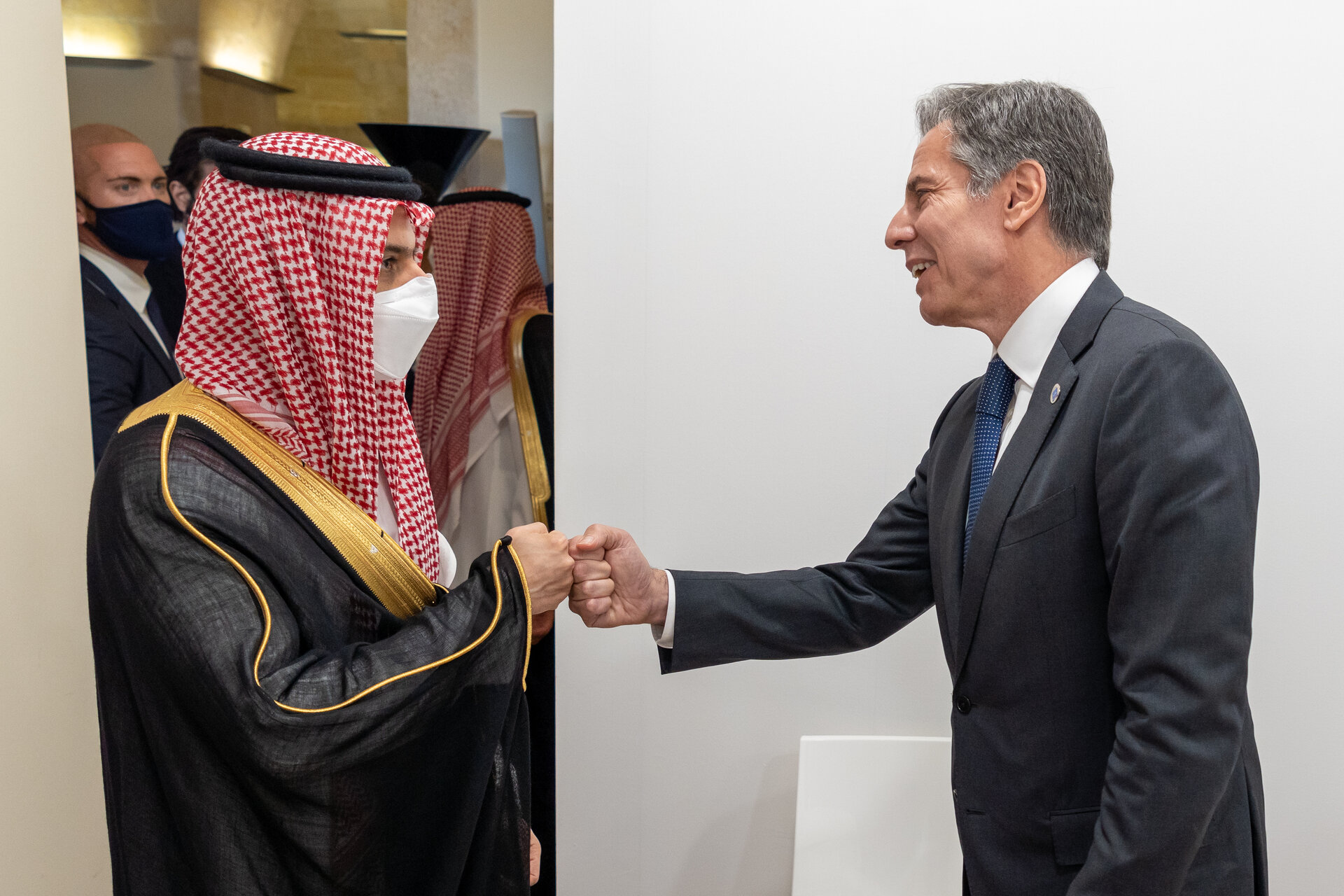
Saudi Arabia has activated at least three diplomatic channels since November 2: Qatari mediation between Washington and Tehran, Omani negotiations with Iran on joint strait management, and a Chinese track initiated by a letter from Crown Prince Mohammed bin Salman to President Xi Jinping. A direct Saudi-Iran contact on November 5 added a fourth line of communication. Each channel has different timeframes and different constraints.
| Channel | Key Contact | Status (Nov 6) |
|---|---|---|
| Qatar mediation | 36-hour feedback window opened Nov 4 | No confirmed response |
| Oman-Iran talks | FM-level discussion on “sustainable understandings” | Ongoing, no agreement |
| China track | MBS letter to Xi via al-Aiban, Nov 2 | Envoy visit scheduled mid-November |
| Direct Saudi-Iran | Araghchi called Faisal bin Farhan, Nov 5 | No joint statement |
The most established channel runs through Qatar. On November 4, Qatari mediators opened what Reuters described as a 36-hour feedback window, expecting responses from US and Iranian negotiators, according to CBS News. Saudi Arabia is participating in these indirect talks as a co-mediator alongside Qatar and Pakistan. The Qatari track has the advantage of continuity — it was Doha that compressed Araghchi’s original seven-day Hormuz plan into the current two-day framework — and the backing of institutional relationships with both Washington and Tehran. As of November 6, no confirmed response to the 36-hour window has been reported.
The second front is Oman. Omani officials confirmed on November 5 that talks with Iran on a Hormuz management arrangement continue, per CBS News. Oman and Iran’s foreign ministers discussed what the Omani side called “sustainable understandings” that would restore navigation through the strait while “respecting the sovereignty of states,” according to Siasat and wire reports. This track is narrow — it addresses traffic management, not the broader US-Iran conflict — but it offers something the other channels do not: a potential mechanism for partially reopening the strait without requiring a comprehensive American-Iranian deal.
The third track is Beijing. On November 2, al-Aiban met both China’s Wang Yi and Iran’s Ali Bagheri Kani on the same day, delivering the crown prince’s letter, according to 1News.az and Seoul Economic Daily. China’s foreign ministry said on November 4 that avoiding a resumption of hostilities is a “top priority” and that Middle East envoy Zhai Jun would visit Iran, Oman and Saudi Arabia by mid-November, as reported by The Star (Malaysia). Chinese Foreign Ministry spokeswoman Mao Ning said both Riyadh and Tehran “highly appreciated Xi Jinping’s initiatives” and invoked the 2023 Beijing agreement — which restored Saudi-Iranian diplomatic ties — as the basis for dialogue.
The limits of the Chinese channel are structural. Beijing provides no military alliances or security guarantees in the Gulf. A Voice of the Emirates analysis from November 5 described China as an “active observer” rather than a decisive mediator, better at convening parties than compelling concessions. But for Riyadh, the point may not be Chinese influence over Tehran — it is the signal to Washington that Saudi Arabia has other partners engaged, and that a failure to resolve Hormuz through the US-Iran track will not leave the kingdom without diplomatic options.
Then there is the direct contact. On November 5, Araghchi called Prince Faisal, according to Saudi Gazette, Arab News, and the Iranian foreign ministry. The Saudi readout described the conversation as covering “concerted efforts to strengthen regional security and stability.” The Saudi foreign ministry said the call was initiated by Araghchi and centered on “the recent escalation in the region and the efforts being made to address it,” per Middle East Eye. Iran’s ministry said the ministers discussed regional developments. No joint statement followed. The same day, Araghchi made separate calls to his counterparts in Oman, Qatar, Jordan, Turkey and Kuwait, according to the Iranian foreign ministry — a diplomatic sweep that placed the Saudi call within a broader Iranian outreach effort rather than a bilateral negotiation.
What Does Iran’s 2-Day Offer Require?
Iran’s two-day Hormuz reopening plan, compressed from an original seven-day framework at Qatar’s request, requires the United States to implement multiple conditions on day one — including sanctions relief, frozen funds release, formal route recognition and a military drawdown — before Iran reopens the strait on day two. The timeline has shortened. The conditions have not.
On November 1, Araghchi told Al Jazeera that Qatar had asked to cut the implementation window to “five days or less,” and that he had agreed to a two-day sequence, as reported by Middle East Eye. The original seven-day plan had been submitted on September 25. Day one: the United States implements a set of measures. Day two: the Strait of Hormuz reopens.
The measures Araghchi has listed include: formal US recognition of the Iran-Oman shipping route; the lifting of sanctions imposed after the Islamabad memorandum of understanding collapsed in July; a reduction in US military presence in the region; reinstatement of oil waivers from the June MoU; release of frozen Iranian funds including those held in Qatar; closure of alternative shipping routes; and an end to the war on all fronts, including Israeli attacks on Lebanon — per the Middle East Eye live blog of November 1. Several of these conditions fall outside any realistic scope of a two-day implementation window, which is itself part of the message: Iran is offering a framework, not a timetable.
No US administration has signaled willingness to meet those terms as a package. Vice President JD Vance reportedly contacted Mohsen Rezaei, Secretary of Iran’s Supreme National Security Council, before the midterms to discuss ceasefire conditions, according to CBS News. No confirmed outcome has been disclosed.
“Conscience or the cost of living, Americans said NO TO WAR, and we endorse this message.”
— Mohammad Bagher Ghalibaf, Majlis Speaker, posted on social media after the November 4 midterms (CNBC)
The gap between Iran’s diplomatic and institutional positions is what makes the two-day plan both available and undeliverable. Araghchi represents a negotiating track willing to engage. Ghalibaf’s post-midterm statement was public diplomacy aimed at Democratic legislators, not a concession at the negotiating table. But Mojtaba Khamenei’s official account dismissed the idea that shifts in US political parties would change Washington’s hostility, per CNBC. Major General Amir Hatami of the Iranian Army told gCaptain the strait will stay closed “until the rights of the Iranian people are respected” — a formulation with no expiration date and no connection to any specific US concession.
For Saudi Arabia, this bifurcation means that engaging Araghchi is necessary but not sufficient. The foreign minister may be able to negotiate a framework. He cannot guarantee the IRGC will stop mining the strait, or that the Supreme Leader’s office will accept whatever terms emerge from the Qatari channel. The November 5 call between Araghchi and Faisal bin Farhan took place on the same day that the IRGC issued its threat against Gulf states hosting US forces — an institutional message that operates on a different frequency from the one Araghchi broadcasts.
Why Has the Oil Windfall Not Bought Time?
Saudi Arabia’s annualized export revenues have risen to approximately $210 billion from roughly $150 billion before the war — a windfall exceeding 6 percent of GDP, according to Robin Brooks, a senior fellow at the Brookings Institution, as reported by Fortune — but lower export volumes, a fiscal deficit revised upward to 245 billion riyals, a 3.6 percent GDP contraction and the scaling back of Vision 2030 giga-projects mean the revenue surplus is being consumed faster than it accumulates. The crisis that inflated per-barrel revenue is the same crisis constraining the barrels that can reach market.
| Indicator | Figure | Source |
|---|---|---|
| Annualized export revenue | ~$210 billion | Robin Brooks, Brookings Institution (Fortune, Sep 2026) |
| Pre-war export revenue | ~$150 billion | Robin Brooks, Brookings Institution (Fortune, Sep 2026) |
| 2026 fiscal deficit (revised) | 245 billion riyals (~$65bn) | Zawya/Reuters, Sep 2026 |
| Q1 2026 deficit | SAR 125.7 billion (~$33.5bn) | Arab Center DC, May 2026 |
| Real GDP forecast 2026 | −3.6% | Zawya/Reuters, Sep 2026 |
| Oil exports (Oct estimate) | 5.52 million bpd | Kpler |
| Aramco Q3 2026 profit | $36.25 billion | Aramco earnings |
| Public debt | SAR 1.67 trillion (~33% of GDP) | Arab Center DC, May 2026 |
The arithmetic is counterintuitive but straightforward. Higher per-barrel revenue has not compensated for lower volume. Saudi exports fell to an estimated 5.52 million barrels per day in October, according to Kpler, against a pre-war target of roughly 7 million bpd. The government revised its 2026 fiscal deficit upward to 245 billion riyals from a budgeted 165 billion, according to Zawya citing Reuters. The first quarter alone produced a shortfall of SAR 125.7 billion — roughly $33.5 billion — the largest quarterly gap in nearly eight years, per Arab Center DC.
The fiscal pressure has reached the crown prince’s flagship program. PIF Governor Yasir Al-Rumayyan said completing The Line by 2030 is “good to have, but it’s not a must-have,” according to Arab Center DC. Trojena contracts have been canceled. The 2029 Asian Winter Games have been postponed. Public debt has climbed to SAR 1.67 trillion, approximately 33 percent of GDP.
The costs extend beyond the Saudi budget. Gulf-to-China shipping runs approximately $78 per metric tonne, roughly four times the five-year pre-conflict average, according to SP Global citing Marsh data. Cape rerouting adds 10 to 14 days and $800 to $1,500 per container, with emergency conflict surcharges reaching $2,000 to $4,000 per container, per Maritime Gateway. The Financial Times reported that the Hormuz standoff has kept oil prices 60 to 70 percent above pre-war levels — a premium that benefits Saudi per-barrel revenue but damages the global economy on which Saudi Arabia’s diversification plans depend.
Brent crude fell nearly 9 percent on November 4 to approximately $94, then closed at $96.70 on November 5, per CBS News. The post-midterms sell-off reflected market expectations that a Democratic Congress would push for de-escalation. The rebound suggested those expectations are not yet priced in as certainties. The pre-budget statement projected 2027 spending of 1.39 trillion riyals against revenue of 1.20 trillion — a gap of 191 billion riyals, or 3.6 percent of GDP, per Zawya citing Reuters.
Can Democrats Stop the War Before Trump Acts?
Not during the lame-duck session. The existing Republican House majority holds seats until January 3, 2027. After that date, Democrats gain appropriations power — but overriding a presidential veto requires two-thirds of both chambers, a margin beyond their narrow House majority and slim Senate lead.
The record of congressional attempts illustrates both persistence and limitation. The House passed three separate war powers resolutions in 2026 — in June, July and mid-September — each with a narrow bipartisan majority. The June resolution passed 215 to 208, with four Republicans joining all Democrats, per NPR; the mid-September resolution passed 220 to 204, with seven Republicans crossing over, per TRT World. The Senate passed a resolution on its tenth attempt, per NPR, but Republicans reversed the vote the following day after Trump criticized members who had supported it. Trump retains the authority to veto any war-powers resolution, and Democrats lack the supermajority to override.
What Democrats will control on January 3 is the spending process. Representative Jason Crow of Colorado told CBS News that appropriations is “one of our most powerful tools.” Representative Ted Lieu of California said Democrats would pass a bill to end the war “on day one” of the new term if it continued, per Reason.com. Representative Ro Khanna of California advocated stopping war funding, citing the Vietnam precedent, also per Reason.com.
“This war must end. It must end.”
— Senate Democratic Leader Chuck Schumer, November 4 (TRT World)
The gap between rhetoric and mechanism matters for Riyadh. Even after January 3, the appropriations process takes months. A continuing resolution funds the government at existing levels until new spending bills pass. The US naval escort is embedded in the broader defense budget, not a standalone line item that can be surgically removed. All but six House Democrats voted against the war funding bill when it was folded into the general military budget, per TRT World — but extracting Gulf-specific spending from defense appropriations is a legislative challenge, not a formality. Trump will remain president until January 2029. A Democratic Congress can complicate his war powers. Ending the war over his veto would require Republican votes that do not currently exist.
The Pipeline as Strategic Hedge
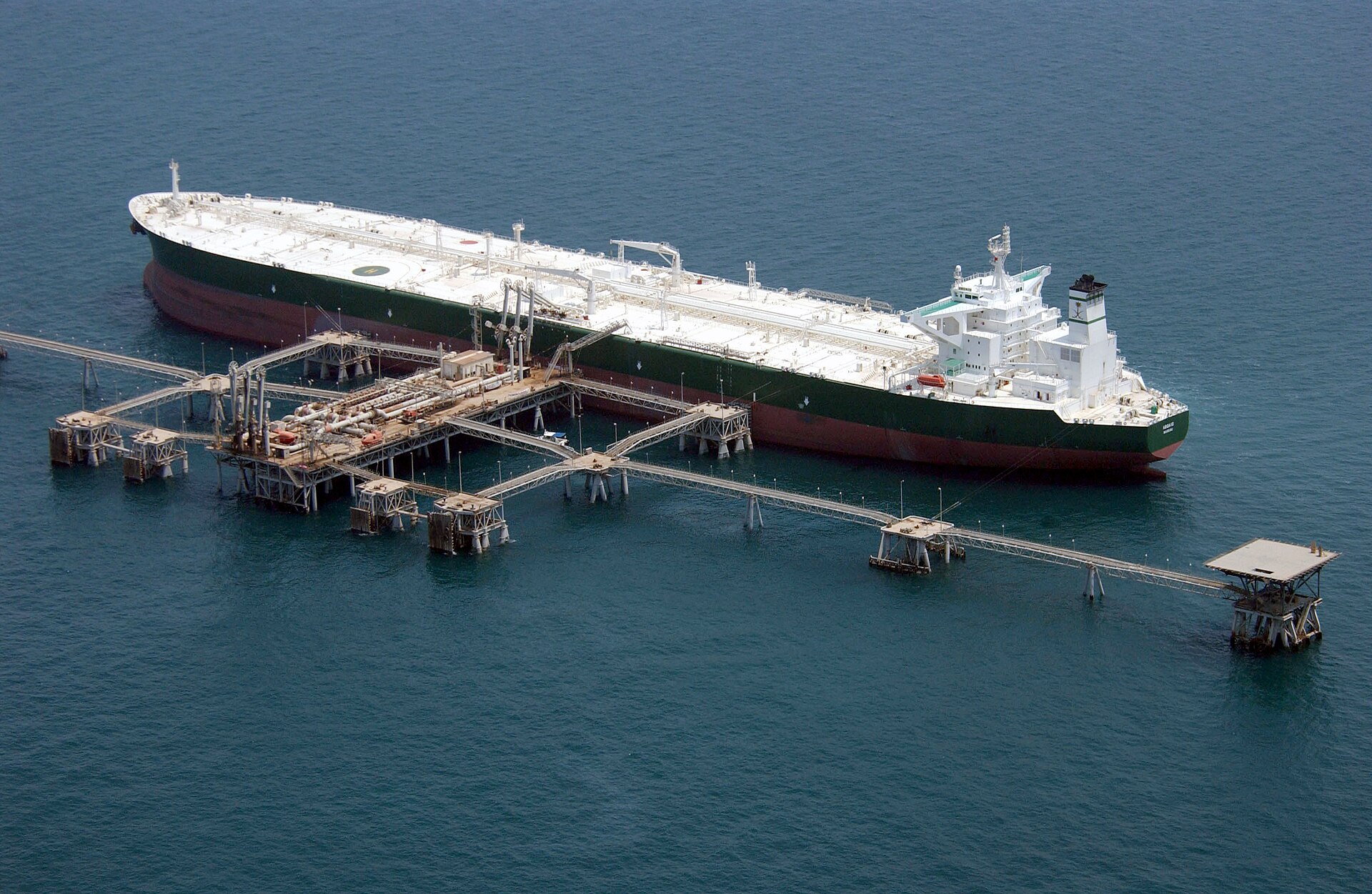
While diplomacy operates on a timeline measured in weeks, Saudi Arabia’s infrastructure response measures in years. Energy Minister Prince Abdulaziz bin Salman announced at the World Petroleum Congress in Riyadh in October 2026 that the kingdom plans to raise East-West pipeline capacity to approximately 10 million barrels per day — up from a design capacity of roughly 7 million bpd — within two to three years, as reported by EnergyNow and multiple outlets. Aramco CEO Amin Nasser confirmed in early November that preliminary engineering work has begun on the expansion, per Construction Review Online.
The pipeline’s current state illustrates both its value and its limits. After a precautionary shutdown on September 12 and a restart on September 22, Bloomberg reported flows at approximately 3.5 million bpd — roughly half of design capacity. Before the war, throughput was roughly 2 million bpd. An interim option — converting a gas pipeline to carry crude — could add 1.2 million bpd for seven to eight weeks before gas deliveries must resume by May to meet summer cooling demand, according to the energy minister as reported by EnergyNow.
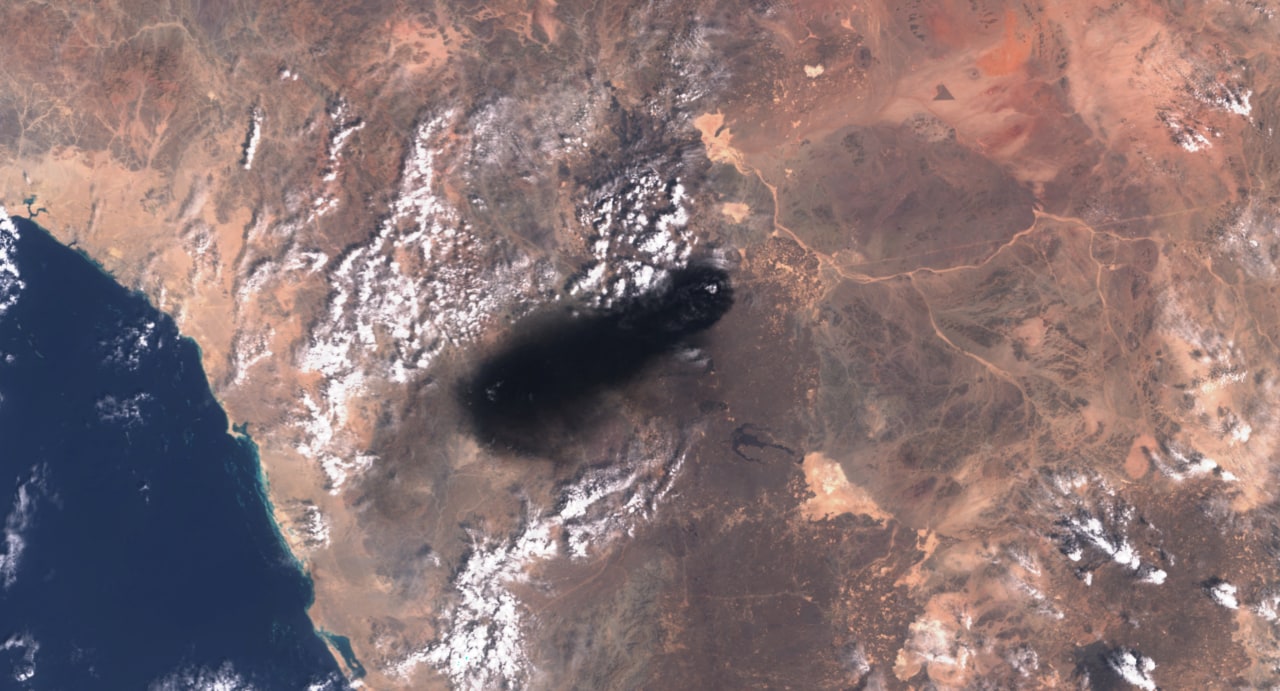
The expansion plan faces two constraints that no amount of engineering can remove on the timeline that matters. Even accelerated construction would not deliver additional capacity before late 2028 at the earliest, and the Hormuz standoff requires resolution in months, not years. The Petroline has been attacked repeatedly during the current conflict, and the pipeline, like Saudi airports, refineries and Eastern Province infrastructure, is exposed to the drone and missile threats that define this war.
A Fortune analysis argued that a bigger Petroline “may barely move prices” because global markets price Hormuz risk across the entire Gulf, not just Saudi exports. Even full Saudi bypass capacity would leave Iraqi, Kuwaiti, Qatari and Emirati crude — roughly half of Gulf oil trade — transiting the strait.
What Does January 3 Mean for Riyadh?
January 3 is the date a Democratic Congress gains the power to constrain Gulf military spending — and by extension, the US security umbrella under which Saudi Arabia has been operating. For Riyadh, the date represents a risk: any Hormuz resolution achieved before it carries more certainty than one negotiated after, when American commitments may be subject to legislative conditions Saudi Arabia cannot control.
The kingdom has built its wartime security posture on American military presence: CENTCOM operations in the strait, naval escorts for commercial vessels, intelligence sharing, and the pending $24.3 billion F-35 sale notified to Congress in September. A Democratic Congress that restricts Gulf-operation funding does not just constrain Trump — it narrows the security architecture that has allowed Saudi Arabia to focus its own defense resources on the Houthi threat rather than on Hormuz itself.
The Makkah Pact provides some hedge against reduced US involvement. Turkey submitted the agreement to parliament for ratification in October; Pakistan ratified it on October 23, according to Al Jazeera. Pakistani forces arrived at Dhahran on April 11, with reported figures of up to 13,000 troops per Arab Center DC — a figure higher than the approximately 8,000 cited by Reuters; the number has not been independently confirmed. But the pact is designed to address the Houthi threat to Saudi territory. It does not provide the naval capacity that CENTCOM supplies, and it cannot compel Iran to reopen a waterway it considers closed.
Riyadh’s positioning across all four diplomatic tracks — Qatar, Oman, China, and the direct Araghchi-Faisal channel — serves a single objective: secure whatever partial Hormuz resolution is available before the political ground shifts on January 3. The Qatari push for a narrower deal, focused on interim measures rather than comprehensive resolution, reflects this urgency. A partial agreement — even one that reopens the strait conditionally or establishes an Omani-managed traffic corridor — would be more valuable to Saudi Arabia now than a comprehensive framework that takes six months to negotiate. As of November 6, Brent crude stood at $96.70, eight attacks on vessels had occurred in the Gulf since October 7 according to JMIC Update 111, and Saudi airports remained under periodic Houthi threat.
Frequently Asked Questions
Has Saudi Arabia officially responded to Iran’s 2-day plan?
Saudi Arabia has not issued a public response to Araghchi’s two-day Hormuz reopening proposal. Diplomatic sources cited by Reuters on November 4 described the kingdom as participating in indirect talks between the US and Iran as a co-mediator alongside Qatar and Pakistan, not as a respondent to Iran’s terms. The Saudi foreign ministry’s readout of the November 5 call referenced “efforts being made to address” the regional escalation without mentioning the two-day plan specifically, per Middle East Eye.
What happens to the $24.3 billion F-35 sale under a Democratic Congress?
The sale of 48 F-35A Lightning IIs was notified to Congress in September 2026 under the Arms Export Control Act’s formal notification process, which typically runs 30 days for congressional review, per The Aviationist. If the current Republican-majority Congress does not block the sale before January 3, the incoming Democratic majority could introduce a joint resolution of disapproval requiring a simple majority in both chambers. A presidential veto would then require a two-thirds override vote — the same margin Democrats lack for war powers resolutions.
How much oil actually transits Hormuz now?
UKMTO data from the week ending October 14 showed 254 weekly transits — roughly 36 per day — approximately 70 percent below the pre-conflict average of approximately 138 vessels per day, per gCaptain. Of those 254, only 42 were independently tracked via AIS. The remaining 212 were US-reported facilitated transits that UKMTO could not independently verify, raising questions about the gap between CENTCOM’s claim of allied control and independently observable maritime traffic. Admiral Brad Cooper of CENTCOM has said “the Strait of Hormuz is controlled by the United States and our regional partners, not Iran,” per gCaptain.
Could Oman and Iran reopen the strait without a US deal?
An Iran-Oman bilateral arrangement could manage traffic flow through the strait but cannot resolve the US naval blockade or the sanctions regime. Iran’s stated conditions for reopening include US sanctions relief, release of frozen funds, and a reduction in American military presence — none of which Oman can deliver. IRNA reported earlier in the conflict that an Iranian lawmaker said the Iran-Oman talks “are in no way about” reopening the strait and would only proceed after the US lifts its blockade, per web reports citing IRNA.
What is the OPEC+ position on Saudi output during the crisis?
OPEC+ kept November output targets unchanged at its October meeting, with Saudi Arabia’s quota at 10.5 million barrels per day, according to Enerdata. The gap between that target and estimated actual exports of 5.52 million bpd (Kpler) reflects the physical constraints of the Hormuz blockade, not voluntary cuts. Aramco cut its November Arab Light Official Selling Price to Asia by $3, to $5 below the Oman/Dubai benchmark — the widest discount since June 2020, per Reuters via bdnews24 — a pricing move aimed at retaining Asian customers despite delivery uncertainty.
The House of Saud Daily Briefing
Saudi Arabia's news in 3 minutes, every morning. Free. See today's issue