RIYADH — Qatar, Kuwait, Bahrain, and Jordan condemned what they described as a Houthi ballistic missile targeting Saudi Arabia’s Madinah region on November 5, 2026, the only four Arab states to issue bilateral responses within 24 hours of the interception, Anadolu Ajansı and TRT World reported.
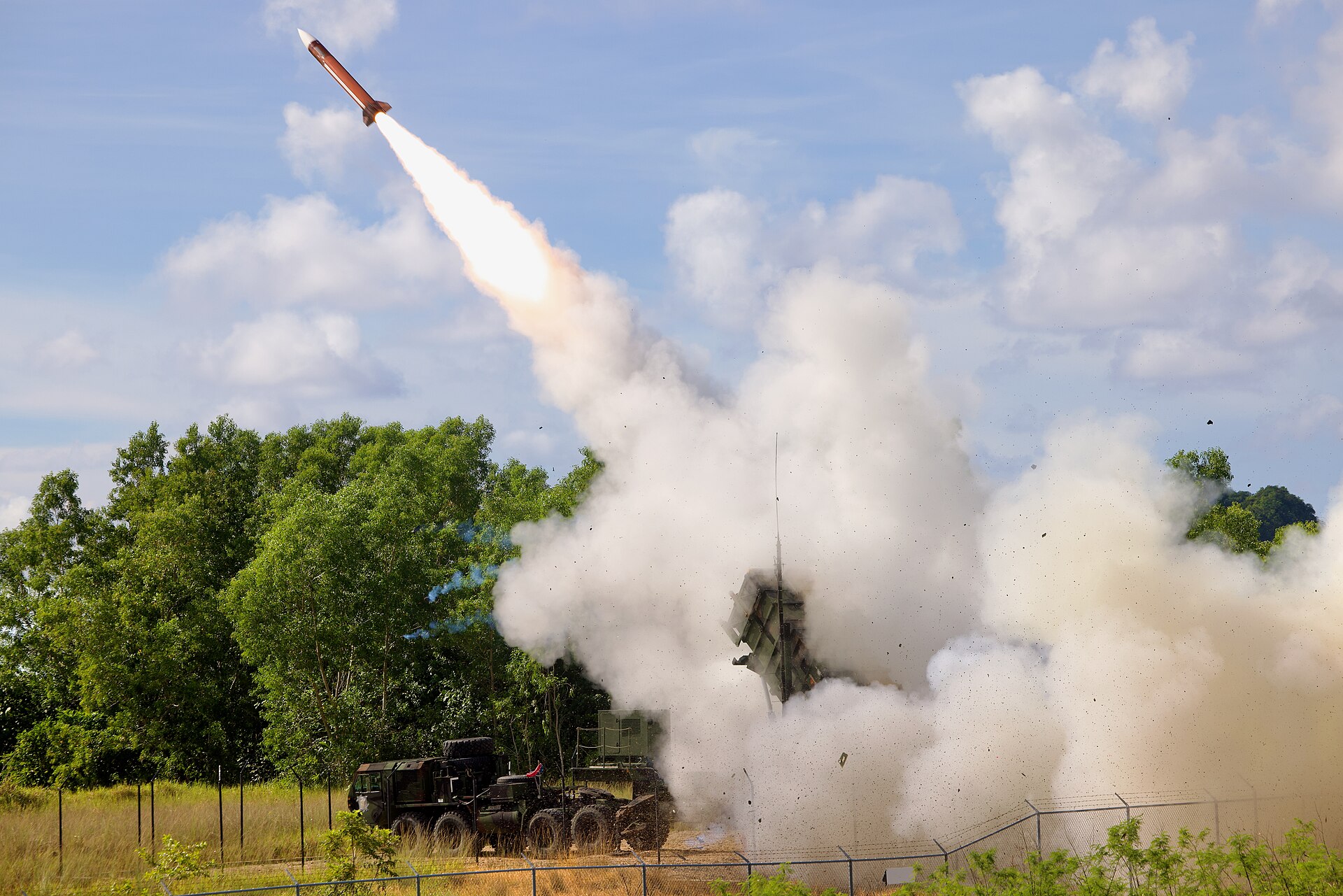
Coalition spokesman Maj. Gen. Turki al-Maliki announced via X that Saudi-led air defences had intercepted and destroyed the missile in the Madinah region but did not name its origin, according to Al Arabiya English. The four condemnations stood in sharp contrast to the response after the October 1 Houthi drone strike on the Taibah electricity distribution station — which supplies the Prophet’s Mosque — when at least seven states issued bilateral condemnations and at least eight institutions, including the Arab League, the Organisation of Islamic Cooperation, and the GCC Secretariat, published separate statements, Asharq Al-Awsat and Yemen TV reported.
The House of Saud Daily Briefing
Saudi Arabia's news in 3 minutes, every morning. Free. See today's issue
The UAE, Egypt, Turkey, Pakistan, and all of those institutions were absent from verified responses to the November 5 event. On the same day, the coalition also intercepted a drone over the Eastern Province and Saudi Civil Defense issued an alert for the Yanbu industrial area that was later lifted, according to Middle East Eye.
Table of Contents
What Did the 4 Condemning States Say?
Qatar’s Foreign Ministry described the attack as “a clear provocation to the sentiments of Muslims” and “a blatant violation of Saudi sovereignty and a flagrant breach of the rules of international law,” Qatar Tribune reported on November 5. The statement called the missile launch “an unacceptable disregard for civilian lives” and declared that “the security of Saudi Arabia is an integral part of Qatar’s security.”
Doha has simultaneously been mediating between Iran and the United States on the Strait of Hormuz crisis, positioning itself as a neutral broker while condemning an attack linked to an Iranian-backed group.
Kuwait’s Foreign Ministry called the attack “a flagrant violation of Saudi Arabia’s sovereignty, international law and international humanitarian law,” TRT World reported. Kuwait pledged support for Saudi measures to protect its sovereignty and citizens. The statement did not invoke the religious dimension of the Madinah target. Kuwait, Qatar, and Bahrain all appeared in both the October 1 and November 5 condemnation rounds.
Bahrain’s Foreign Ministry went furthest on the religious dimension, stating that the attack “threatens civilians and visitors to the Prophet’s Mosque” and describing it as “an assault on the sanctity of Islamic holy sites that offends Muslims worldwide,” according to TRT World. Bahrain was the only state whose November 5 statement explicitly named the Prophet’s Mosque and its visitors. The kingdom also renewed its call for the UN Security Council to take “decisive deterrent measures” — a step none of the other three condemning states took.
Jordan’s Foreign Ministry called the attack “a provocation to Muslims’ sentiments” and “a gross violation of Saudi Arabia’s sovereignty,” as well as a breach of international law and the United Nations Charter, ua.news reported via Anadolu Ajansı. Jordan was the only non-Gulf state among the four condemners and the only one to cite the UN Charter explicitly.
Who Stayed Silent?
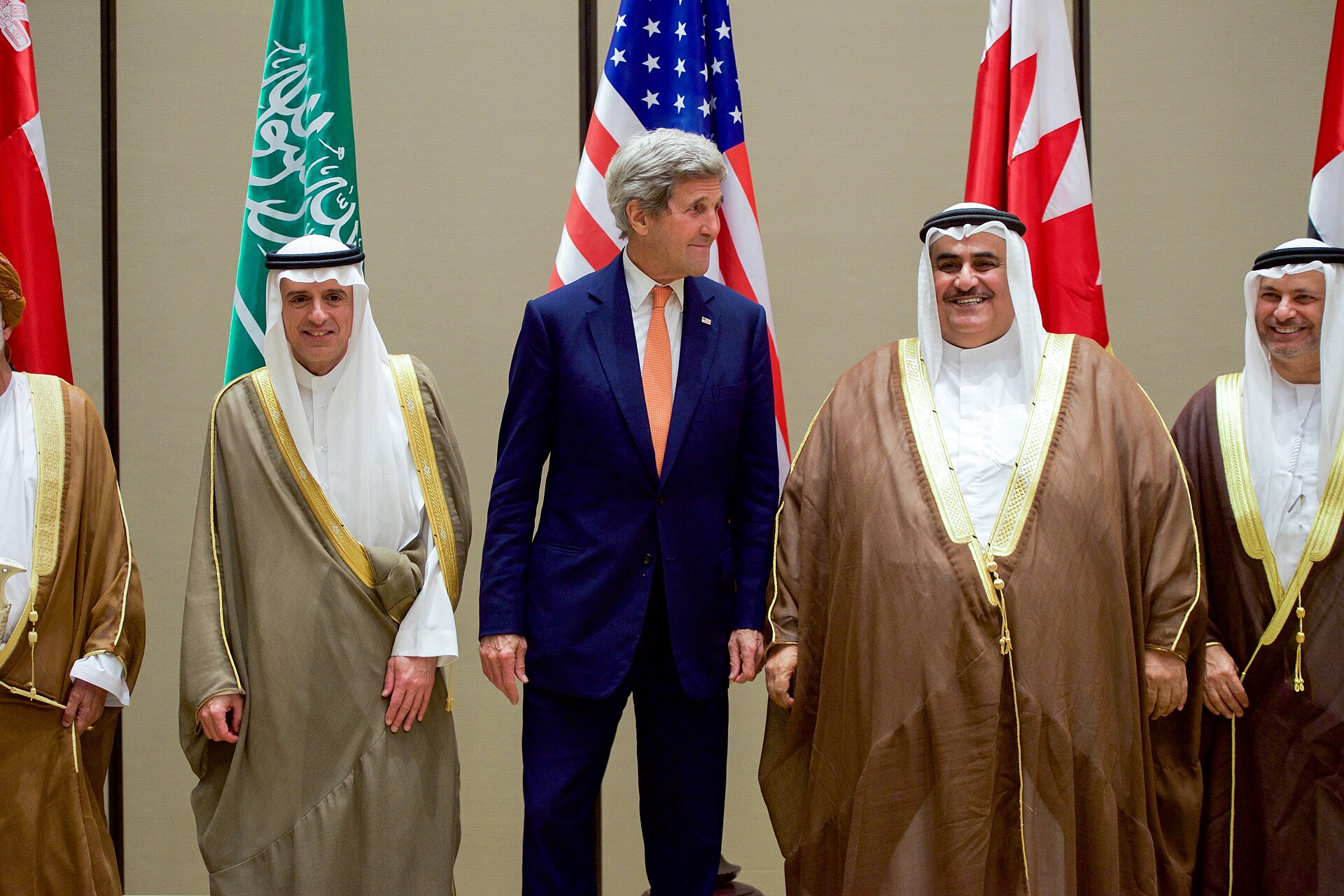
The UAE, Egypt, Turkey, and Pakistan — all of which condemned previous Houthi attacks on Saudi territory — issued no verified statements on the November 5 interception as of November 6.
The silence was most visible from the UAE. Abu Dhabi had declared “full solidarity” with Saudi Arabia after the October 11 airport attacks, CBS News reported at the time. No UAE statement on the November 5 missile was confirmed. Egypt’s Foreign Ministry had condemned the October 1 Taibah strike with language about “absolute rejection of repeated hostile attacks on civilian facilities” but was absent on November 5.
Turkey, which condemned the October 1 attack, was also silent — a notable absence given that Turkey’s parliament ratified the Makkah Pact on November 5, the same day as the interception. Pakistan, another Makkah Pact signatory, did not respond either. Two of the three states that signed a multilateral security pact for the holy sites had nothing to say when a ballistic missile was fired toward one of them.
Institutional silence followed the same pattern. The GCC Secretariat, whose Secretary-General Jassem Al-Budaiwi had described the October 1 Taibah attack as having “crossed all red lines” and called it “a dangerous violation of the sanctity of Islamic holy sites,” issued no confirmed November 5 statement. The OIC General Secretariat, which had condemned “heinous attacks” on Makkah and Madinah broadly during September and October 2026 as “terrorism that runs counter to Islamic values,” did not release a specific response. The Arab League, the Muslim World League, and Al-Azhar — all of which responded to October 1 — were absent.
How Does This Compare to October 1?
The Houthi drone strike on the Taibah electricity distribution station on October 1 produced the widest condemnation of any attack on the Madinah region this year. At least seven states — Kuwait, Qatar, the UAE, Bahrain, Egypt, Lebanon, and Sudan — issued bilateral statements; Pakistan also condemned the attack separately. At least eight institutions responded: the Arab League, the OIC, the GCC Secretariat, the Muslim World League, Al-Azhar, the Presidency of Religious Affairs at the Prophet’s Mosque, the Arab Parliament, and the Council of Arab Interior Ministers, Yemen TV and Asharq Al-Awsat reported. Turkey condemned it separately as well.
That attack was the first to strike infrastructure directly linked to the Prophet’s Mosque, and the drone hit the ground — damaging the Taibah station. The symbolic weight of a successful strike on holy-site infrastructure has not been matched by subsequent interceptions, where the projectile was destroyed before impact.
Egypt, Lebanon, and Sudan — three October 1 bilateral condemners — did not issue statements on November 5; the UAE and Pakistan, also October 1 condemners, were likewise absent. Jordan, which had not issued a bilateral statement specifically on October 1, entered the November 5 round; Bahrain appeared in both rounds. The contraction was sharper than it appears: four bilateral responses against at least seven on October 1, and zero institutional responses against at least eight.
The composition shifted as well. The four November 5 condemners share close security relationships with Riyadh: three are Gulf monarchies within the GCC framework, and Jordan has long depended on Saudi financial and security support.
Did the Holy-City Framing Produce Wider Solidarity?
All four November 5 condemnations invoked the religious dimension. Qatar called it a “provocation to the sentiments of Muslims.” Bahrain named the Prophet’s Mosque directly. Jordan echoed the “provocation to Muslims’ sentiments” formula. Kuwait was the exception, restricting its language to sovereignty and international law.
The framing has not prevented the response from narrowing. The November 5 interception was the fifth coalition claim of a Houthi attack near the Madinah region since October 1: the Taibah power-station strike (October 1), a missile interception (October 15), drone interceptions (October 24), a drone interception (October 31), and the ballistic missile interception (November 5). Five incidents in 35 days.
The OIC had already issued a blanket condemnation covering attacks on “Mecca and Medina regions” during its September–October statements. The Muslim World League condemned attacks on “Mecca and Medina regions” broadly on October 25. Whether those institutions judged that prior blanket statements covered subsequent incidents, or whether the frequency of attacks simply outpaced the institutional capacity for individual responses, the result was the same: no specific statement on November 5.
The first attack on holy-site infrastructure — where the damage was visible, the target was specific, and the precedent was new — generated the broadest response. Each repetition has drawn fewer voices.
Houthi Denial and Coalition Ambiguity
Houthi military spokesman Yahya Saree denied that the group had targeted Madinah. “Our operations target only oil facilities and military bases,” Saree said, calling the interception claim false, according to L’Orient-Le Jour’s liveblog on November 5.
The denial was consistent with prior Houthi pledges not to target Makkah and Madinah. The Times of Israel noted that a previous Madinah-area interception on October 15 occurred “after Houthis promised not to target Islam’s holy city.”
The coalition’s statement left room for interpretation. Al-Maliki announced the interception of a ballistic missile in the “Madinah region” but did not specify whether the city of Madinah was the intended target, Al Arabiya English reported. The Madinah administrative region spans approximately 151,990 square kilometres and includes the Yanbu industrial port and military installations — any of which could have been the target.
The simultaneous Yanbu civil-defense alert on November 5 pointed to the possibility that the missile was aimed at the Yanbu area rather than the city of Madinah itself. Both the condemning states and the Houthis have reason to frame the incident in particular ways — the former to emphasise the sacrilegious dimension, the latter to deny it. Without independent trajectory analysis, neither framing can be verified.
Background
Houthi attacks on Saudi territory have intensified since the group began launching missiles and drones at Saudi cities, airports, and energy infrastructure. The coalition has reported five separate attacks on or near the Madinah region since October 1, escalating in weapon type from drones to missiles to a ballistic missile. The diplomatic response has moved in the opposite direction.
The day before the November 5 interception, the Houthis claimed a ballistic missile strike on King Khalid International Airport (KKIA) in Riyadh, which Saudi Arabia did not publicly confirm.
The Makkah Pact — signed by Saudi Arabia, Pakistan, and Turkey — was designed in part to create a multilateral security framework for the holy sites. The absence of either non-Saudi Makkah Pact signatory from the November 5 condemnations raises questions about the agreement’s diplomatic function in practice.
The wider regional context includes the Hormuz crisis, with Iran’s IRGC maintaining a blockade of the strait since it was resumed on July 14, and the US midterm elections on November 5, in which Democrats won both chambers of Congress. The congressional shift could alter war-powers authorisation for US military operations in the Gulf.
Frequently Asked Questions
Did any Makkah Pact signatory condemn the November 5 attack?
Neither of the other signatories — Pakistan or Turkey — issued verified condemnations as of November 6. Turkey condemned the October 1 Taibah attack and ratified the pact in a parliamentary vote on November 5, the same day as the interception. The pact’s full text has not been published in its entirety, so whether it contains binding obligations to issue diplomatic responses to holy-site attacks remains unclear.
Why did Jordan condemn November 5 but not October 1?
Jordan’s Foreign Ministry was absent from the bilateral condemnations after October 1 but was among the four states to respond on November 5. Amman did not explain the shift. The Hashemite Kingdom has a historical custodial role regarding Islamic holy sites in Jerusalem, which may inform its sensitivity to attacks near the Prophet’s Mosque. Jordan’s statement was also the broadest legally — it was the only one to cite both the UN Charter and international law by name.
What happened near Makkah on September 22?
The coalition intercepted a Houthi drone near Makkah — Islam’s holiest city — on September 22, 2026. King Salman personally condemned the targeting of Makkah, a departure from the usual practice of responses being issued through the Foreign Ministry or the coalition spokesman. No comparable personal statement by King Salman was issued for any of the subsequent Madinah-region incidents, including the November 5 interception.
Has any independent body investigated who fired the November 5 missile?
No independent investigation of the November 5 missile’s origin has been announced as of November 6. The coalition said it intercepted a ballistic missile without naming the source. The four condemning states all attributed the attack to the Houthis. The Houthis denied targeting Madinah. The UN Panel of Experts on Yemen, which has previously investigated Houthi weapons capabilities, has not released findings on the specific incident.
The House of Saud Daily Briefing
Saudi Arabia's news in 3 minutes, every morning. Free. See today's issue