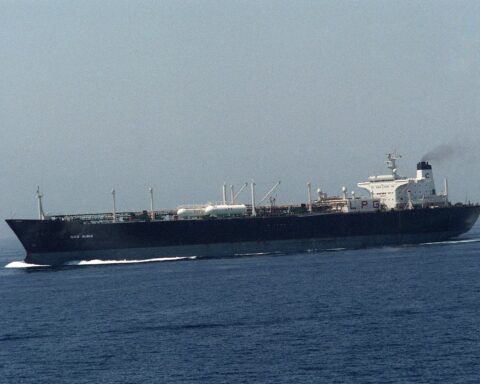
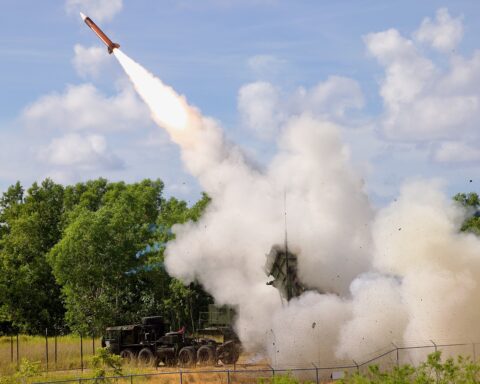
TEHRAN — An Iranian Army spokesman declared on November 6 that the Strait of Hormuz will reopen only after the United States accepts all seven of Iran’s conditions, a statement that landed hours after President Donald Trump told reporters “we are talking to Iran” and claimed progress toward a deal. Brig. Gen. Mohammad Akraminia, speaking at a military ceremony carried by Tehran Times and Tasnim News Agency, said any renewed American “aggression or adventurism” would not lead to the reopening of the waterway.
The collision of messages — Trump framing active diplomacy, Iran’s military framing an unbending posture — arrived in the same news cycle on a morning when Qatar’s 48-hour reciprocal plan sat unanswered on both desks, and less than 24 hours after Trump confirmed “minor strikes” on Qeshm Island. Iran’s armed forces, Akraminia added, are now on higher alert and stronger than at the start of the war, according to IRNA as reported by The New Arab.
The House of Saud Daily Briefing
Saudi Arabia's news in 3 minutes, every morning. Free. See today's issue
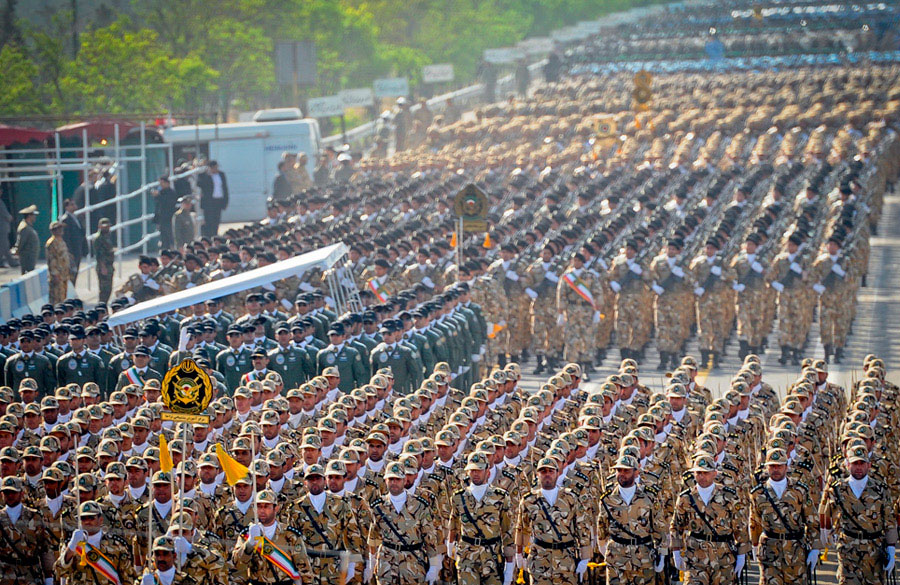
Table of Contents
What Akraminia Said and What He Ruled Out
Akraminia’s statement, carried by Tehran Times on November 7, was blunt in its framing. The United States must accept Iran’s seven conditions for the Strait of Hormuz to reopen, he said. He added that any renewed aggression or adventurism in the region would not lead to the reopening of the strategic waterway, according to Tasnim News Agency. The Malay Mail, in its own report on November 7, paraphrased him as saying “Hormuz is ours and it stays shut until Washington gives in.”
The statement was a reiteration. On October 21, Foreign Minister Abbas Araghchi had made the same core argument — Hormuz stays closed until the US agrees to Iran’s terms, as reported by Gulf News. On November 3, Mohsen Rezaei, Secretary of Iran’s Supreme National Security Council, wrote on X that Iran would open neither the strait nor enter negotiations until the US met all seven conditions, according to Clash Report.
What made the November 7 version different was its timing. It arrived after Trump’s public claim of talks, after fresh US strikes on Iranian territory, and after Iran had — just the day before — been engaged in a Qatar-mediated process that at least gestured toward compromise. Akraminia’s statement was carried by PressTV’s Substack page under the framing that the strait “will reopen only after” Washington meets the conditions, leaving no room for partial concessions or phased approaches.
Trump’s “We Are Talking” Claim
Trump’s statement came on November 6, reported by Anews.com.tr: “We are talking to Iran. We have been.” He added that no US soldiers had been killed in the past six or seven months, a claim consistent with the absence of confirmed US fatalities since the worst of the spring clashes. The framing was upbeat — progress, dialogue, containment.
On the same day, when asked about a nuclear proposal Iran had sent to Washington via Qatar, Trump was dismissive. “They’re not doing anything without our approval,” he told reporters, as cited by Nation Thailand via Reuters. “It doesn’t make a difference what they’re looking at; they’re not going to have a nuclear weapon.”
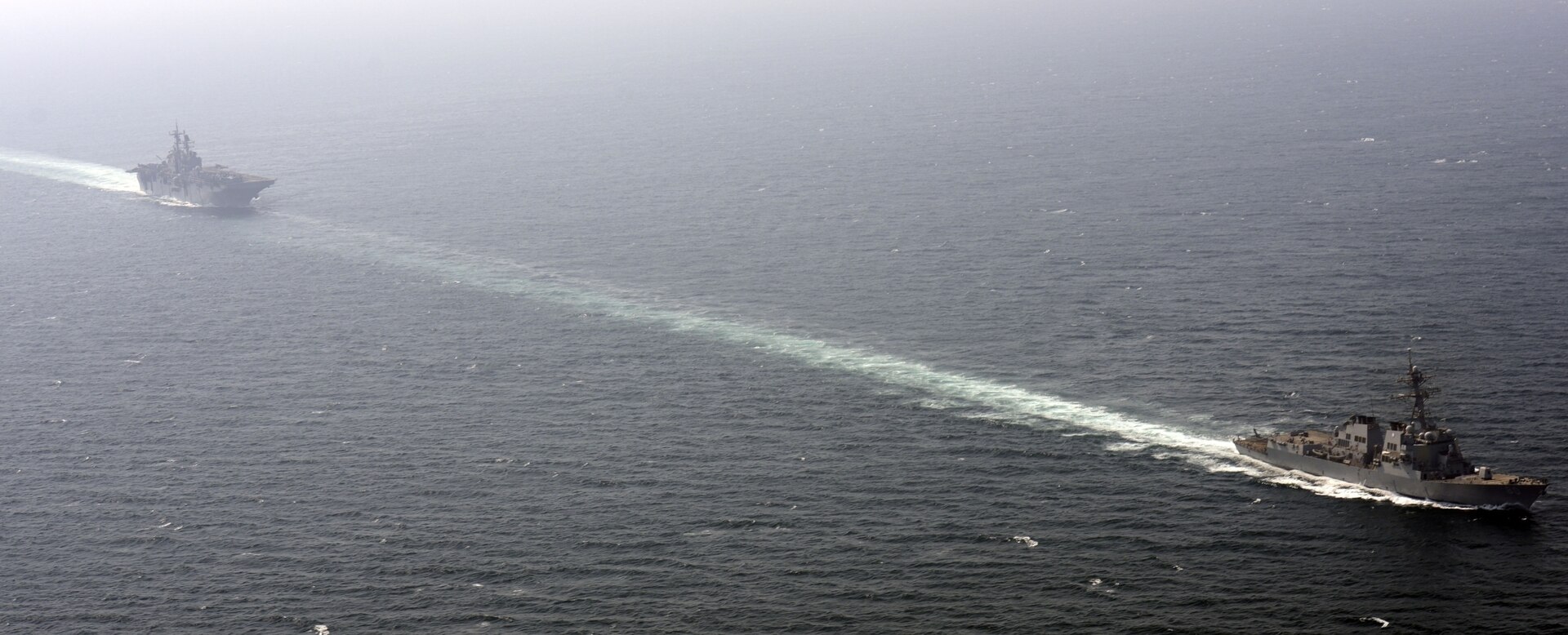
A senior Iranian official had told Reuters, as reported by US News on November 5, that Iran sent a nuclear proposal to the United States through Qatar on or before that date. Iran has said it will only discuss the nuclear file after Washington meets its seven demands. Trump’s dismissal of the proposal and Akraminia’s rejection of any reopening without those same demands being met left both tracks — nuclear and Hormuz — stuck in the same place.
Senior Iranian MP and former Foreign Minister Manouchehr Mottaki told Euronews on November 6 that the Hormuz standoff is “not sustainable.” He called the US naval blockade illegal and urged Washington to lift it before talks resume. The gap between “not sustainable” and “no backing down” captures something of the internal range within Tehran — lawmakers acknowledging the cost, the military insisting on terms.
Why Did Iran’s Posture Harden in 24 Hours?
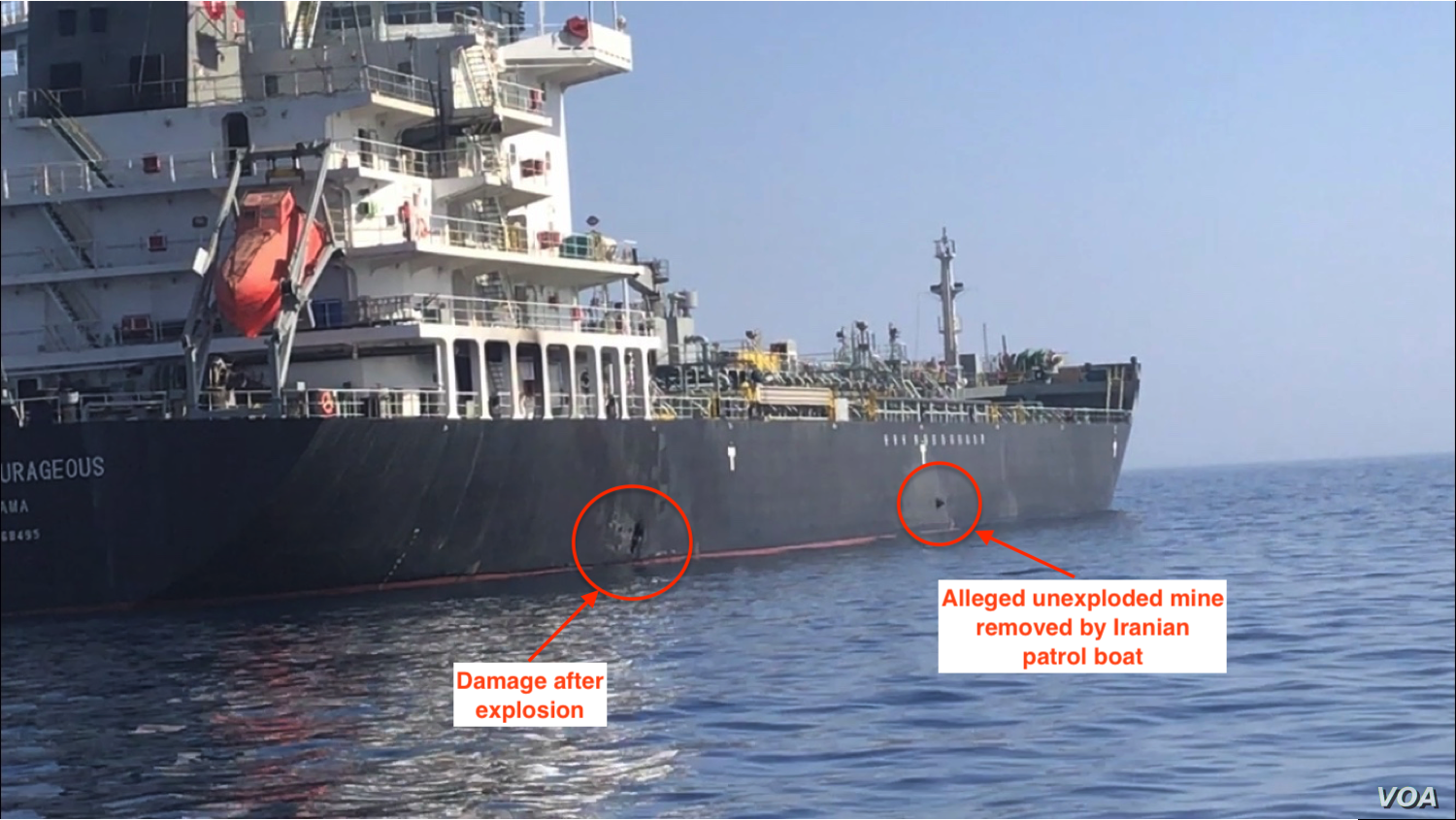
On November 6, Iran was simultaneously offering a two-day reopening deal through Qatar and reporting that five vessels had struck mines in the Strait of Hormuz, according to Mehr News Agency. That combination — diplomacy and mine warfare running on parallel tracks — was described by Al Jazeera on November 7 as “cognitive warfare,” a deliberate strategy of mixed signals.
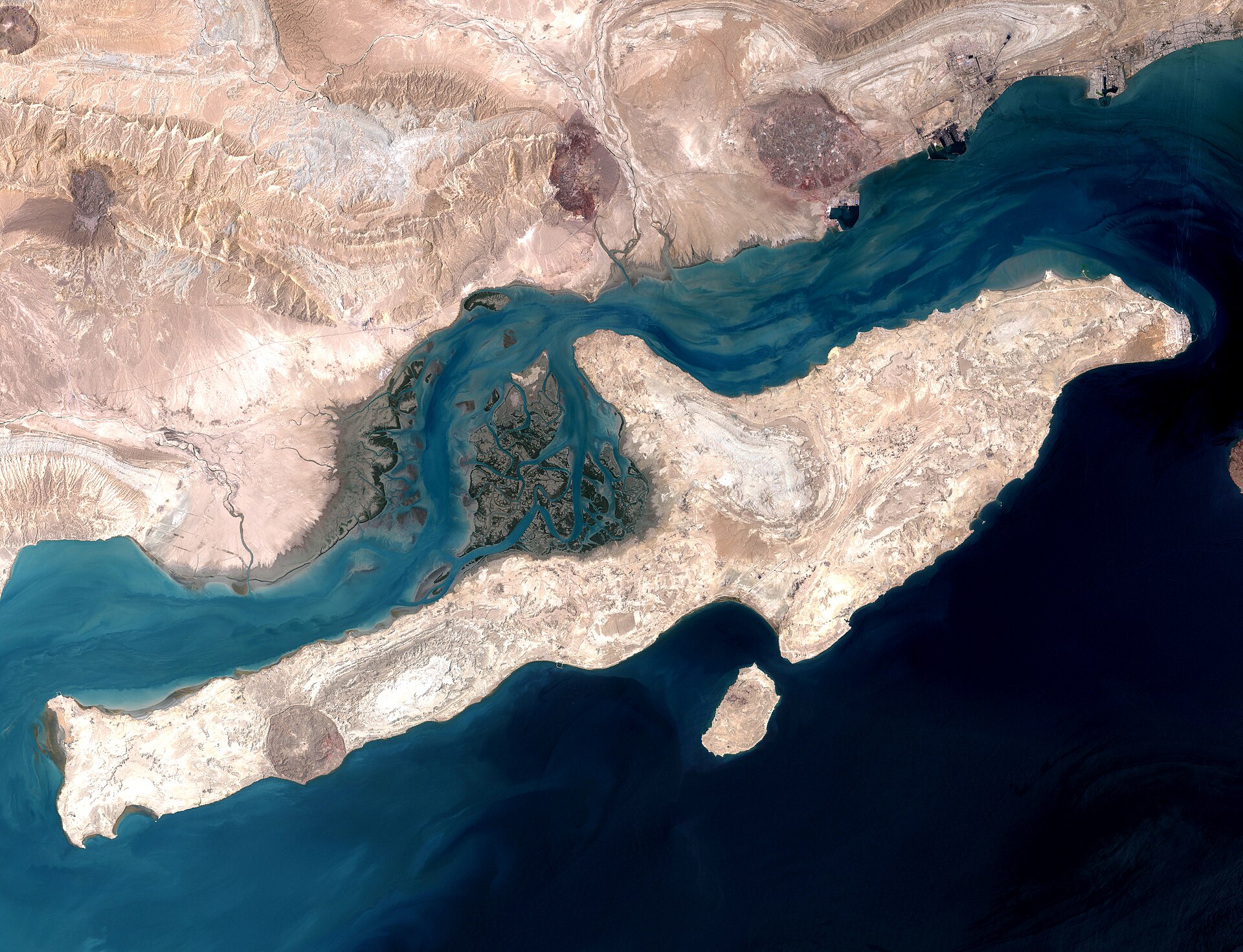
Then came the Qeshm strikes. Trump confirmed on November 6 that the US carried out what he called “minor strikes” on Qeshm Island, as Trump told Fox News, with the strikes also reported by Al Jazeera’s live blog. Iranian state media reported explosions on Qeshm. The IRGC claimed it shot down a US drone over the island on the same day, according to Al Jazeera.
The sequence matters. Iran had been operating a two-track approach — keeping the diplomatic window ajar through Qatar while maintaining maximum pressure on shipping through Hormuz. The Qeshm strikes gave Iran’s military establishment a concrete justification for shutting the diplomatic window and returning to the harder line. Akraminia’s statement, whether it was delivered at a November 6 ceremony and published November 7, or made directly on the 7th, appeared in the news cycle as a direct counter to Trump’s optimism.
Iran’s Foreign Minister Araghchi said Iran is “fully prepared” for war to resume but that diplomacy is not over, according to NBC News. That formulation — prepared for war, open to talks, refusing to budge on conditions — has been Iran’s consistent position since the SNSC set its terms in August, as reported by Al-Monitor.
What Are Iran’s Seven Conditions?
Iran has not published a single authoritative document listing its seven conditions. The demands have been reported in fragments across multiple outlets since August 2026. Based on composite reporting from Al Jazeera, Euronews, IBTimes India and Nation Thailand, the reported conditions include:
| Reported condition | Category |
|---|---|
| End to the US naval blockade of Iranian ports | Military |
| Lifting of US sanctions on Iran’s oil sector | Economic |
| Release of Iranian frozen assets abroad | Financial |
| Reduction in US military presence in the region | Military |
| Compensation for war damages | Financial |
| End to hostilities across the region | Ceasefire |
| Permanent end to the war — not a temporary ceasefire | Political |
These are reported elements, not a verified official list. The SNSC first set conditions for reopening Hormuz in August, when the council demanded an end to the war, lifting of the US counter-blockade and wartime compensation, as reported by Al-Monitor on August 8. Araghchi’s September 25 seven-day roadmap, submitted via Qatar, proposed reopening Hormuz in return for the US lifting its blockade, sanctions waivers and the release of frozen Iranian assets, according to Al Jazeera. The WSJ reported on September 26 that Trump rejected that plan.
The seven conditions represent a maximal position. Even the earlier, narrower proposals — the seven-day roadmap, the two-day reopening deal — have not been accepted. Akraminia’s November 7 statement, by reaffirming all seven, effectively withdrew whatever flexibility the two-day offer might have represented.
Qatar’s 48-Hour Plan in Limbo
Qatar submitted a two-stage, 48-hour reciprocal plan to both Washington and Tehran on November 6, according to Investing.com and Gulf News. Stage 1 would require the US to lift its naval blockade and allow IAEA inspections; Stage 2 would be the reopening of Hormuz. Neither side had accepted it as of November 7.
Trump’s “we are talking” claim is consistent with the existence of ongoing mediation — Qatar has been the primary channel since the September framework collapsed. But mediation and acceptance are different things. The Qatari plan asks the US to move first on the blockade, which Washington has shown no willingness to do. And Akraminia’s statement, by reaffirming the full seven conditions rather than the narrower terms of the Qatar plan, suggests Tehran’s military establishment has little appetite for the phased approach Qatar is proposing.
The two-day reopening offer that Iran had floated through Araghchi — the deal in which Iran and Qatar reached a framework on November 1 to reopen Hormuz for 48 hours if the US met multiple conditions, as reported by Al Jazeera — now sits in an uncertain space. It was never formally withdrawn, but the army spokesman’s insistence on all seven conditions leaves it functionally sidelined.
Rezaei in Moscow With a Message From Khamenei
On November 5, SNSC Secretary Mohsen Rezaei travelled to Moscow and delivered a message from Supreme Leader Mojtaba Khamenei to President Vladimir Putin, according to Al Jazeera. The content of the message was not disclosed, but the visit came as Iran was simultaneously hardening its public position on Hormuz and maintaining its diplomatic channel through Qatar.
Rezaei had already staked out the hard line. His November 3 post on X, reported by Clash Report, stated there would be no strait reopening and no negotiations until the conditions were met. He had told ANI News on November 1 that Washington must answer the conditions “completely and explicitly.” The Moscow visit — delivering a message from the supreme leader to the president of Iran’s most consequential ally — reinforced the diplomatic backstop that makes the hard line sustainable.
The International Maritime Organization reported on November 7 that at least 25 seafarers have been killed in the Strait of Hormuz amid the US-Iran conflict, according to Trend News Agency. The human cost of the standoff extends well beyond the negotiating positions of Washington and Tehran. CENTCOM had reported 135 ships turned around since the blockade resumed, according to Gulf News, citing CBS News on October 10.
Background: 116 Days of a Closed Strait
The Strait of Hormuz, which carried approximately 138 vessels per day before the war according to the Joint Maritime Information Center, has been effectively closed since Iran resumed its blockade on July 14. The original closure began on April 13, when the US blockade of Iranian ports triggered Iran’s counter-blockade. The June 17 Islamabad Memorandum provided 60 days of toll-free passage and a plan to end the blockade within 30 days, but that framework collapsed on July 8 when CENTCOM struck more than 80 targets after three ships were hit, according to The New Arab.
Since the resumption, the pattern has repeated: Iran offers conditional reopening, the US rejects the terms, strikes follow, and Iran reaffirms its conditions. Araghchi submitted the seven-day roadmap on September 25, as reported by Al Jazeera. Trump rejected it, according to the WSJ via Hurriyet on September 26. On October 8, Trump said the US “will not be attacking Iran at any time prior to the midterm elections” on November 3, as reported by The National.
The midterms are now over. Iran has exempted India, China, Iraq and Qatar from transit restrictions, carving out a selective opening even as the formal closure holds. Brent crude was trading near $99.90 on November 6, up 1.67%, reversing part of the roughly 9 percent post-midterms drop, according to FinanceFeeds and CNBC. The IRGC reported two more oil tankers caught fire after hitting mines in Hormuz on November 6, according to Mehr News Agency.
“As long as they do not execute our seven conditions, we will neither open the Strait of Hormuz nor have negotiations.”
Mohsen Rezaei, Secretary of Iran’s Supreme National Security Council, on X, November 3 (Clash Report)
The Makkah Defence Pact, now ratified by Turkey, and ongoing coalition missile intercepts over Saudi Arabia form the regional backdrop. Iran’s refusal to reopen Hormuz is not isolated from these developments — the pact’s activation and the coalition’s air defence operations are part of the same escalation cycle that makes a negotiated reopening both more urgent and more difficult.
Frequently Asked Questions
Has Iran ever partially reopened the Strait of Hormuz since July 14?
Iran has not formally reopened the strait, but it has exempted specific countries from transit restrictions. India, China, Iraq and Qatar received exemptions, according to reporting carried by multiple outlets in November 2026. Iran also offered a two-day reopening framework through Qatar on November 1, according to Al Jazeera, but it was conditional on the US meeting multiple demands and was never implemented. Lloyd’s List Intelligence counted at least 346 non-Iranian-linked transits in August alone, suggesting some commercial traffic continued despite the formal closure.
How many vessels transited Hormuz daily before the war?
The Joint Maritime Information Center reported approximately 138 vessels per day transiting the Strait of Hormuz before the conflict. During the worst of the closure, only 33 vessels transited from August 3 to 6, according to Chronicle.lu citing Reuters — roughly 8 per day against the pre-war baseline of 138.
Who is Brig. Gen. Mohammad Akraminia?
Akraminia is the spokesman of Iran’s regular army (Artesh), distinct from the Islamic Revolutionary Guard Corps. His November 7 statement on Hormuz was carried by Tehran Times, Tasnim News Agency, Malay Mail and PressTV. Army spokesmen in Iran typically deliver statements that reflect positions coordinated across the military establishment, though the IRGC — which controls Hormuz operations — has its own spokesman, Hossein Mohebbi.
Is there a deadline for Qatar’s 48-hour plan?
No public deadline has been reported. Qatar submitted the two-stage plan to both Washington and Tehran on November 6, according to Investing.com and Gulf News. Neither side had accepted it as of November 7 morning. The plan’s viability may depend on whether the Qeshm strikes and Akraminia’s statement represent a temporary hardening or a more lasting shift away from the phased approach Qatar has been mediating. Trump later confirmed the Qeshm strikes and said US forces had knocked out an air defence system, while Qatar continued pressing its 48-hour plan.
The House of Saud Daily Briefing
Saudi Arabia's news in 3 minutes, every morning. Free. See today's issue