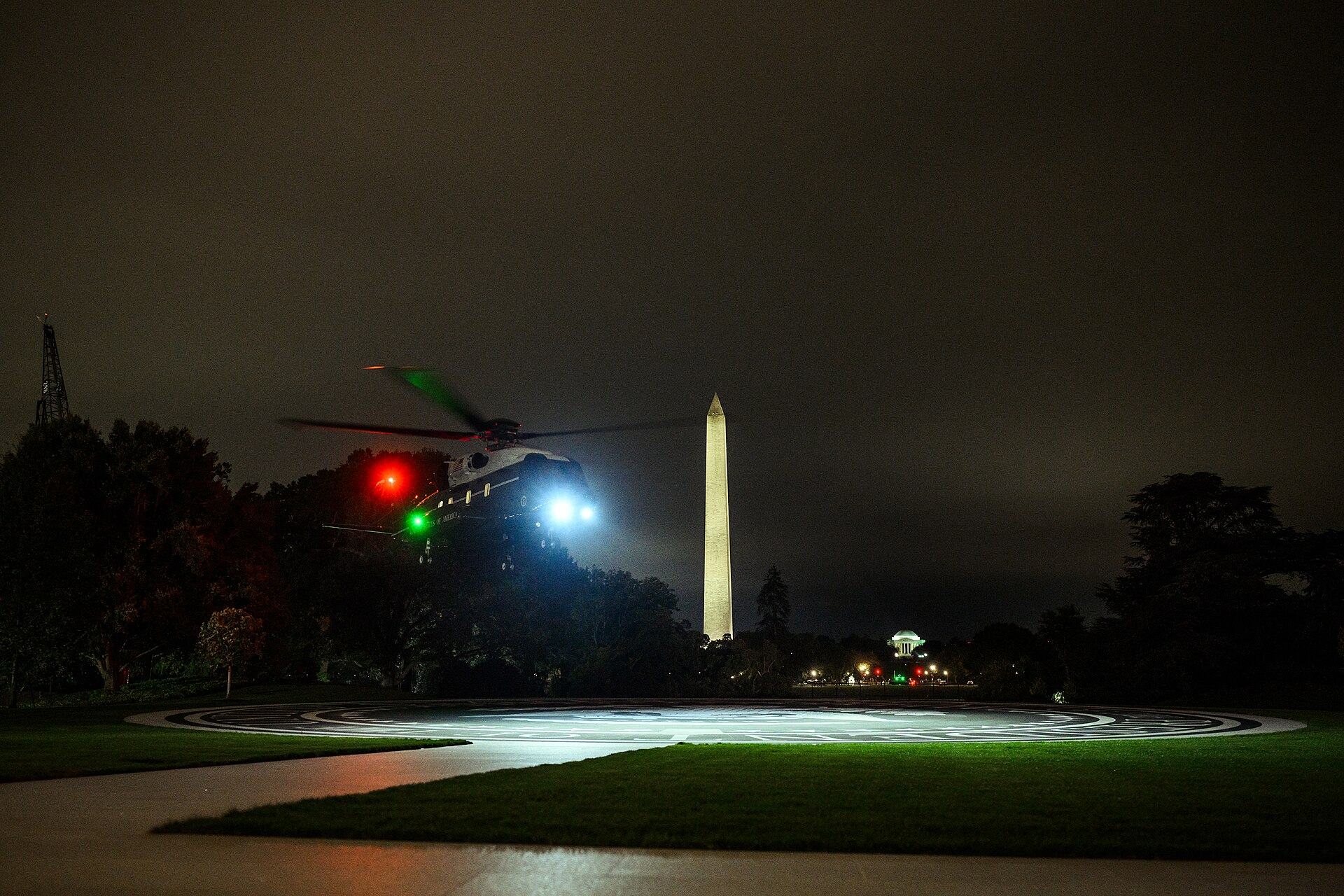

WASHINGTON — President Donald Trump told reporters on Friday that the United States is “doing very well” in its dealings with Iran, his most optimistic public framing of negotiations since American warplanes struck Qeshm Island five weeks ago. The remarks, made as Trump departed the White House for Florida on November 6, came hours after mine attacks continued striking commercial vessels in the Strait of Hormuz and on the same day that Qatar submitted a 48-hour diplomatic framework that neither Washington nor Tehran has accepted.
“We’re doing very well with Iran. We’re talking to Iran. We have been,” Trump said, according to APA and Iran International. He offered no details on what had shifted — whether the United States had responded to Qatar’s 48-hour two-stage plan, whether a separate back-channel had produced results, or whether his words were directed less at Tehran than at oil traders and the incoming Democratic Congress. No American official has addressed the Qatari proposal by name.
The House of Saud Daily Briefing
Saudi Arabia's news in 3 minutes, every morning. Free. See today's issue
The distance between Trump’s confidence and the observable record is wide. Mines are still detonating against tanker hulls in Hormuz. Iran’s Supreme Leader Mojtaba Khamenei has authorized talks but not accepted terms. Qatar’s framework sits without a formal response from either capital. And the Democratic Congress seating on January 3 gives Trump roughly 58 days to operate before the new majority gains the committee chairmanships, subpoena power, and appropriations leverage to reshape the terms of engagement.
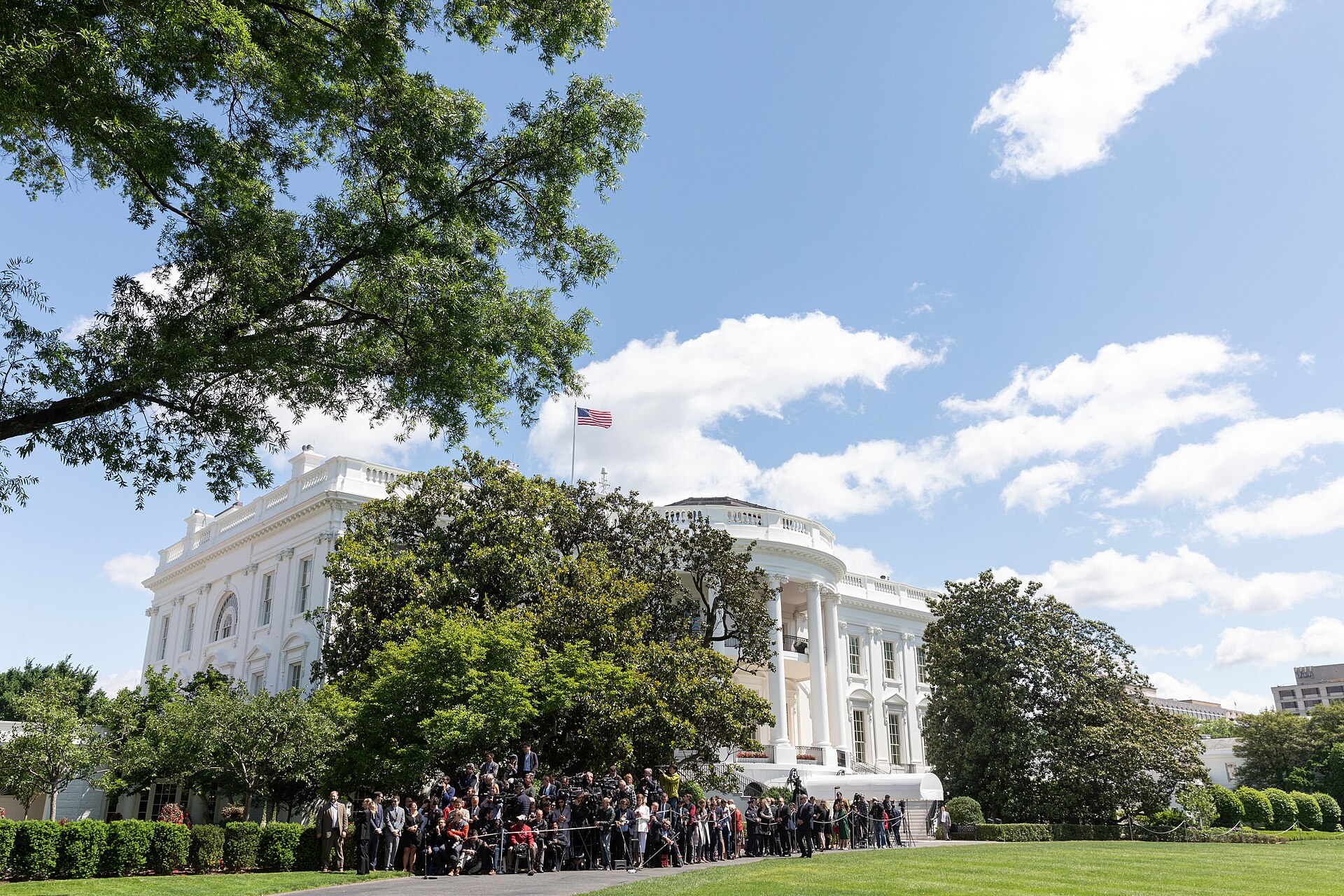
Table of Contents
What Did Trump Actually Say?
Trump’s November 6 statement capped a week of escalating claims. On November 2, standing at the Lincoln Memorial, he told reporters: “It looks like that’s coming together very nicely. That’s why I guess the oil prices dropped. People found out about it,” per Al Jazeera. On November 2, he posted on Truth Social: “Iran wants a settlement, as soon as possible. It could happen!” per Dawn.
By November 5, in the Oval Office, Trump had folded threat into optimism. “I would rather not destroy the rest of the country if possible, but maybe I’ll have to,” he told reporters, per Tribune India and ANI. The construction — concession followed by escalation — has been a recurring feature of Trump’s public remarks on Iran since the Qeshm strikes.
Vice President JD Vance offered a narrower claim at Joint Base Andrews on November 2. “We’ve certainly made some progress. We’ll see if we can make some more,” Vance said, adding that any agreement would require “a firm commitment and a verifiable commitment” on nuclear non-rebuilding, according to Al Jazeera. Vance did not identify the progress or specify whether it preceded Qatar’s framework. Bloomberg reported on November 6 that signs of intensifying diplomatic efforts had increased the likelihood of an agreement, though without naming the specific channels or interlocutors behind that assessment.
Qatar’s 48-Hour Plan Sits Unanswered
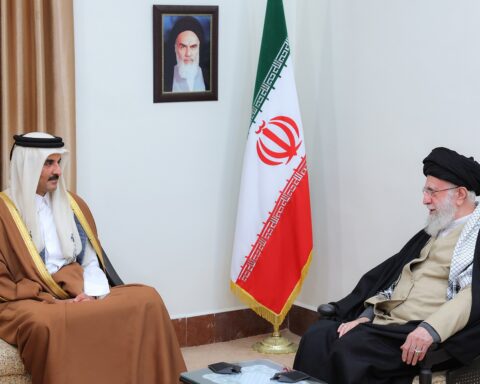
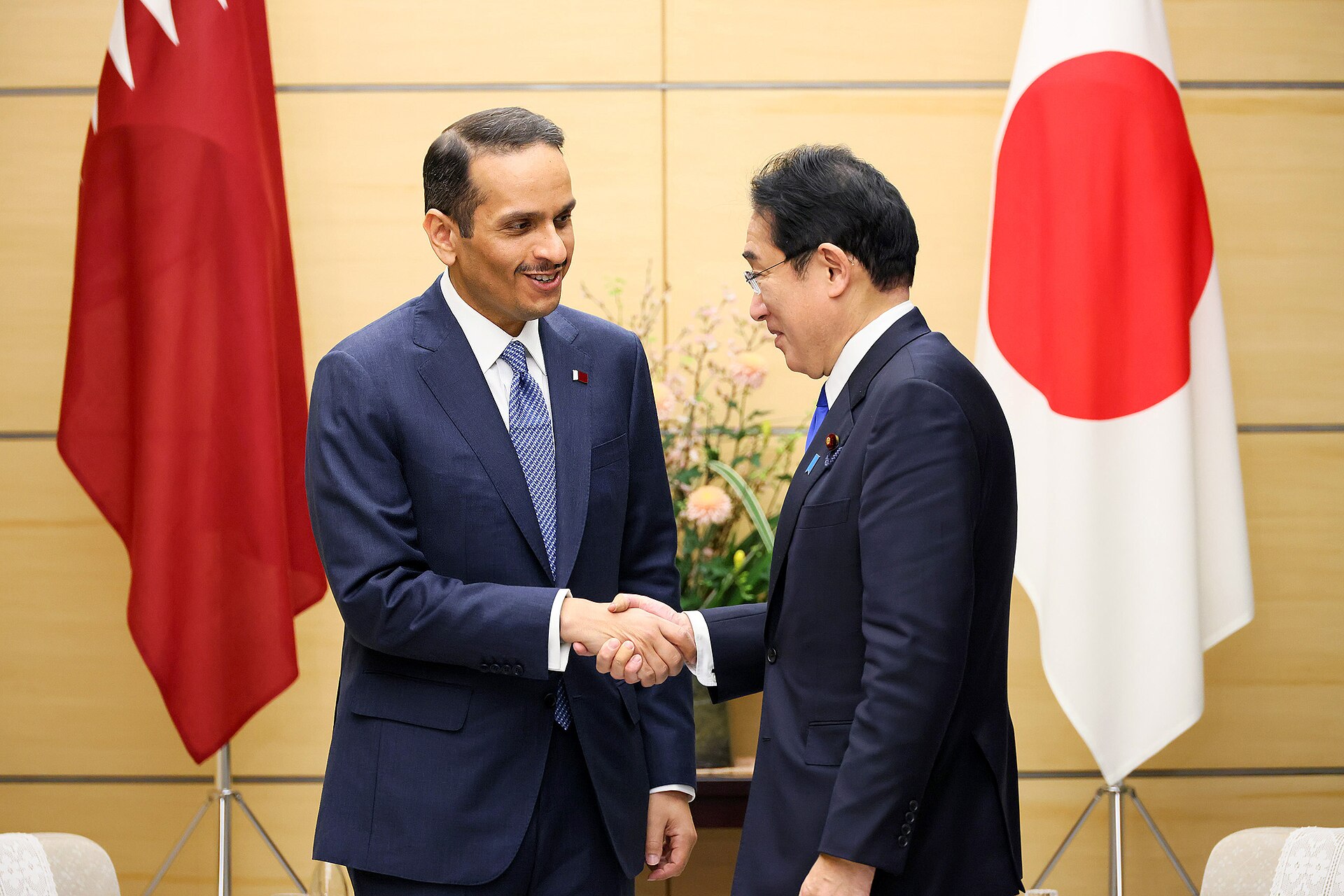
Qatar’s Prime Minister Sheikh Mohammed bin Abdulrahman bin Jassim Al Thani submitted a two-stage, 48-hour framework to both Washington and Tehran on November 6. The first day would require the United States to begin blockade relief while the International Atomic Energy Agency opens inspections of Iran’s nuclear facilities. The second day would see Iran reopen the Strait of Hormuz to commercial shipping, according to Axios via Investing.com.
“We will never have a perfect peace deal but you can’t wait for that perfect moment.”
— Sheikh Mohammed bin Abdulrahman bin Jassim Al Thani, Qatar’s Prime Minister, at Oxford University (Bloomberg via ANI, November 7)
The Qatari PM’s Oxford remarks suggested Doha understood the plan’s fragility. He did not say whether he had received private assurances from either side before making the framework public. Iran’s Foreign Minister Abbas Araghchi acknowledged Qatar’s mediating role in an earlier statement: “Qatar and Pakistan are playing a very active mediating role in these negotiations,” he told Dawn on November 3.
But Araghchi also drew a line. Speaking in Ashgabat, Turkmenistan, he said: “By accepting these conditions, the Strait of Hormuz will be opened, and negotiations will resume. Otherwise, the current situation will continue, and Iran will not bow down,” per IRNA via Al Jazeera on November 2. What Qatar’s plan attempted was to compress Iran’s conditions for reopening Hormuz — public for weeks — into a 48-hour sequence both sides could accept incrementally. As of early November 7, no formal acceptance from either Washington or Tehran had been reported, per Axios.
Who Wants a Deal and Who Doesn’t?
Multiple outlets reported over November 4–5, citing sources familiar with internal deliberations, that Trump’s inner circle is divided. Vice President Vance and special envoy Steve Witkoff are pressing for a negotiated settlement. CIA Director John Ratcliffe, Treasury Secretary Scott Bessent, and Secretary of State Marco Rubio favor maintaining the naval blockade without pursuing either a new military campaign or a deal, according to Axios and other accounts of that reporting.
Witkoff is the only American official confirmed to have met an Iranian counterpart face-to-face during the crisis. He and Araghchi held talks at the Bürgenstock resort in Switzerland in June 2026, Axios reported on June 19. No subsequent in-person meeting between American and Iranian officials has been publicly confirmed. Whatever diplomatic movement Trump is describing rests on extensions of that June channel, on intermediaries like Qatar and Pakistan, or on communications not yet reported.
Rubio’s position is particularly difficult to read from the outside. His public statements have not explicitly opposed diplomacy. Those same reports, however, place him in the blockade-maintenance camp. Whether this reflects a genuine internal contradiction or simply different priorities for different audiences, the available reporting does not resolve.
Iran’s Seven Conditions
Iran has laid out seven conditions for ending the Hormuz closure and returning to negotiations, articulated by Araghchi across multiple appearances in late October and early November and compiled from Al Jazeera’s reporting of November 1-2: lifting US sanctions on Iran; restoring oil export waivers; reducing the American military presence in the region; releasing frozen Iranian funds; recognition of an Iran-Oman shipping route; a complete regional ceasefire including Lebanon; and ending the US naval blockade of Iranian ports.
Rezaei, Secretary of Iran’s Supreme National Security Council, said the American reply fell short. The US response was “not convincing,” and Iran’s conditions “must be fully and explicitly addressed,” he said, per Al Jazeera on November 4-5. The SNSC secretary’s language — no room for partial acceptance — sits in direct tension with Qatar’s two-stage framework, which depends on sequenced, incremental steps rather than comprehensive front-loaded concessions.
Mojtaba Khamenei, who became Iran’s Supreme Leader after Ali Khamenei was killed on February 28, 2026, authorized the government to hold talks. President Masoud Pezeshkian confirmed the government had received that authority, Bloomberg reported on November 2. But authorization to negotiate is not authorization to accept. Iran’s seven conditions amount to a demand that the United States dismantle its maximum-pressure architecture before Hormuz reopens — a sequence no American official, including those in the deal-seeking camp, has publicly endorsed.
Iran’s selective exemptions for India, China, Iraq, and Qatar from Hormuz transit restrictions, announced November 6, reinforce the posture. The exemptions create a two-tier strait: open for countries Tehran wants to keep onside, mined for the rest. India and China are Iran’s largest remaining oil customers, and Qatar is serving as its primary mediator in the current negotiations.
Where Is Saudi Arabia?
In Trump’s week of public statements about Iran — Truth Social, the Lincoln Memorial, the Oval Office, the White House departure — Saudi Arabia does not appear. The kingdom is not named as a participant, a beneficiary, or a stakeholder in the diplomatic process the president describes. Saudi Arabia’s oil exports transit the contested strait, its eastern coastline faces Iranian missiles, and its air defenses have intercepted Houthi projectiles throughout the crisis — and no Saudi official has publicly responded to any of Trump’s statements on the negotiations this week.
Saudi Foreign Minister Prince Faisal bin Farhan has stated that finding a diplomatic solution is “essential for achieving peace and stability,” according to Arab News. The language is general enough to apply to any conflict on any continent. No Saudi official has commented publicly on Qatar’s 48-hour plan, on Trump’s optimistic signals, or on whether the kingdom has been consulted on the terms being discussed.
The silence admits multiple readings. Saudi Arabia may be actively engaged through private channels and staying quiet to preserve negotiating space — a posture Riyadh has employed in past crises. Or the kingdom may be watching a US-Iran bilateral negotiation that treats Saudi security equities as secondary to the nuclear question. Saudi Arabia has not publicly stated a position on Qatar’s 48-hour framework or on the terms Trump described as progressing on November 6.
Saudi Arabia exports roughly 5.52 million barrels per day through Gulf routes, per Kpler estimates for October. Every day that Hormuz remains partially closed or mined costs the kingdom revenue and reliability with Asian buyers already exploring alternatives. The gap between Saudi Arabia’s economic exposure and its absence from the public diplomatic conversation is a fact the current reporting does not explain.
Oil Prices and the January 3 Clock
Markets have tracked Trump’s Iran statements with measurable moves. Oil fell more than 7 percent on November 2 after his Truth Social post and Lincoln Memorial remarks, as reported by Dawn. Brent crude dropped to $93 per barrel on November 5 as diplomacy hopes intensified, according to Gulf News. By November 7, indicative pricing showed Brent around $97-98 per barrel.
| Date | Trump Statement | Source | Brent Movement |
|---|---|---|---|
| Nov 2 | “Coming together very nicely” (Lincoln Memorial) | Al Jazeera | −7% (Dawn, Nov 3) |
| Nov 3 | “Iran wants a settlement” (Truth Social) | Dawn | Decline continued |
| Nov 5 | “Rather not destroy the rest of the country” (Oval Office) | Tribune India / ANI | $93/bbl (Gulf News) |
| Nov 6 | “Doing very well with Iran” (White House departure) | APA / Iran International | ~$97-98 indicative |
The calendar compounds the market uncertainty. The 120th Congress, with Democratic majorities in both chambers following the midterm results, seats on January 3, 2027. Democrats cannot override a presidential veto without a two-thirds supermajority in both chambers, per FindLaw, but they can reshape the political cost of military operations through hearings, funding restrictions, and war powers resolutions.
Background
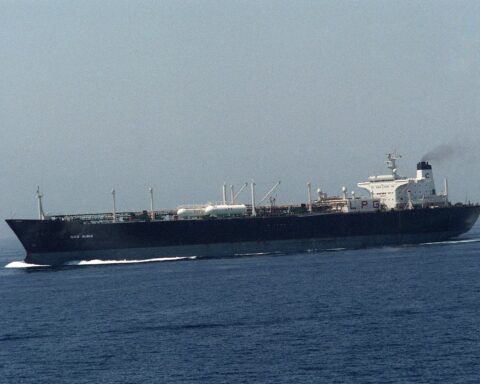
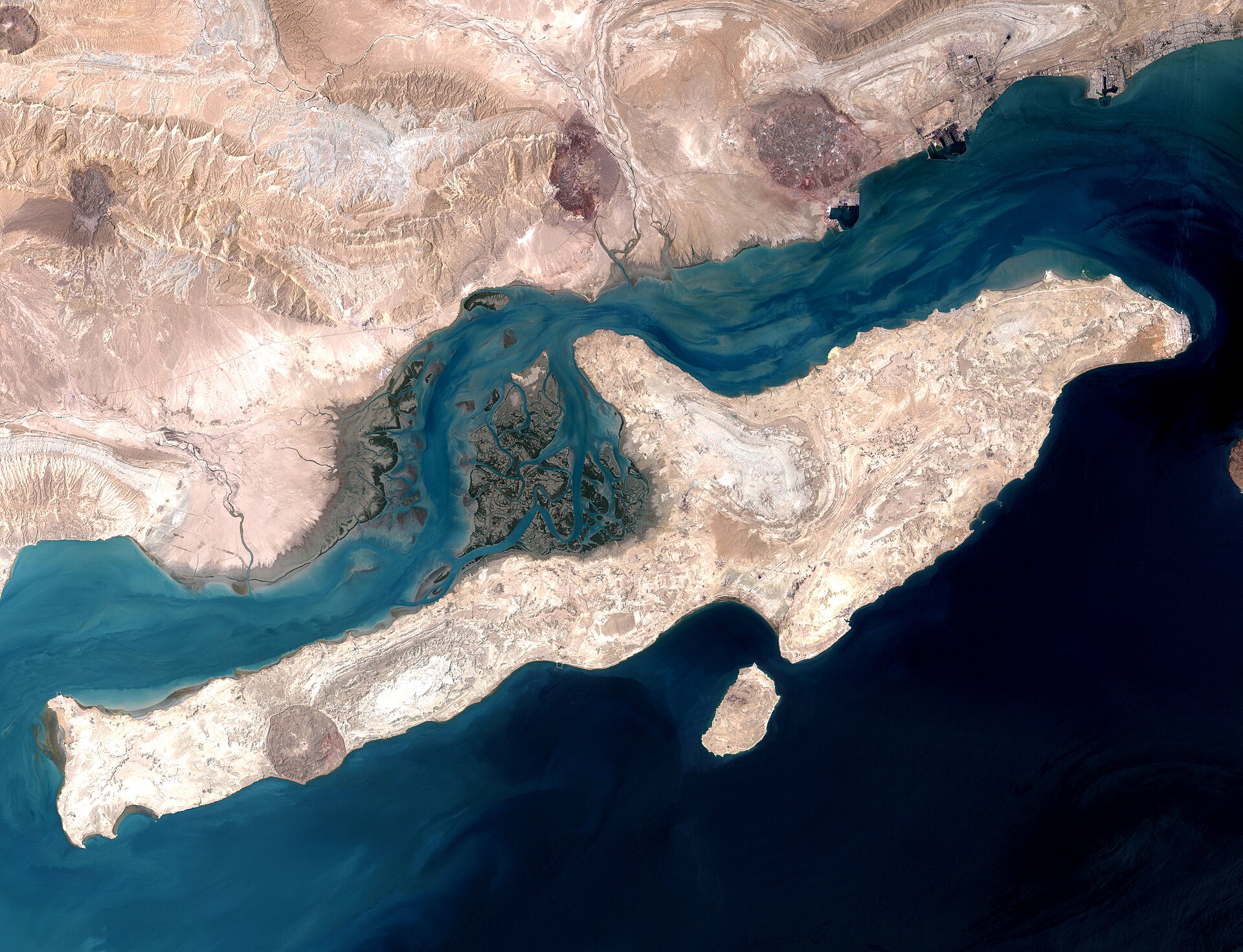
The Strait of Hormuz, through which approximately 138 commercial vessels transit daily according to the Joint Maritime Information Center, has been the center of US-Iran tensions since the IRGC declared it closed on October 26. The United States responded with a naval blockade that has redirected 144 commercial ships, per CENTCOM figures reported by Investing.com on November 1. American warplanes struck Qeshm Island in early October, and Iran retaliated with missile and drone attacks on US positions and Gulf-state allies.
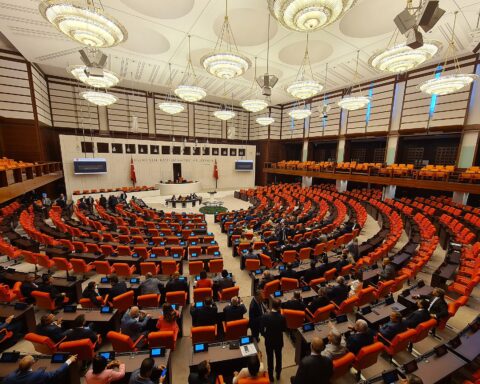
Diplomatic and military tracks have run in parallel. The Bürgenstock meeting between Witkoff and Araghchi in June 2026 established the only confirmed direct US-Iran contact. Qatar and Pakistan have since served as intermediaries, with Araghchi publicly acknowledging their role. The Makkah Defence Pact — ratified by Turkey on November 5 with a 279-119 vote, per Anadolu Agency, joining Saudi Arabia and Pakistan as signatories — has added a multilateral security dimension that operates independently of the US-Iran bilateral process.
The crisis has unfolded against two overlapping political transitions. In Iran, Mojtaba Khamenei assumed the supreme leadership after Ali Khamenei was killed on February 28, 2026, and has authorized negotiations without publicly committing to any framework. In Washington, Trump faces a shift from unified Republican government to a Democratic Congress whose members campaigned in part on restraining his Iran policy. Both transitions create incentives for rapid action and constraints on what any agreement can contain.
Frequently Asked Questions
What is the Bürgenstock back-channel?
In June 2026, Trump’s special envoy Steve Witkoff and Iran’s Foreign Minister Abbas Araghchi met at the Bürgenstock resort in Switzerland, Axios reported on June 19. The meeting remains the only confirmed face-to-face encounter between American and Iranian officials since the Hormuz crisis began. Switzerland has served as the protecting power for US interests in Tehran since 1980, when diplomatic relations were severed during the hostage crisis, and has historically facilitated back-channel communications between the two governments. No follow-up in-person meeting has been publicly confirmed as of November 7.
How does Iran’s selective Hormuz exemption system work?
On November 6, Iran exempted India, China, Iraq, and Qatar from Hormuz transit restrictions, creating a two-tier system in which vessels flagged to or bound for exempted states may transit while others face mines and IRGC interdiction. The selection reflects Iran’s economic dependencies — China and India are its largest remaining oil customers — and its diplomatic relationships, with Qatar serving as its primary mediator and Iraq as a key economic partner. Tasnim News Agency has separately warned that “Iran’s response to the possible new aggression of the enemies will not be geographically limited,” suggesting Tehran views the exemptions as calibrated pressure rather than a permanent arrangement.
Can the new Democratic Congress end US military operations against Iran?
The 120th Congress seats on January 3, 2027, with Democratic majorities in both chambers. Democrats can pass war powers resolutions, restrict funding for specific military operations, and launch oversight hearings. They cannot, however, override a presidential veto without two-thirds supermajorities in both the House and Senate, per FindLaw. The practical effect is that Congress can raise the political cost of continued military engagement — through public hearings, spending riders, and floor votes — but cannot unilaterally end operations while Trump holds the veto pen.
What role is Pakistan playing in the mediation?
Araghchi identified Pakistan alongside Qatar as “playing a very active mediating role” in the negotiations, per Dawn on November 3. Pakistan ratified the Makkah Defence Pact on October 23, joining Saudi Arabia and Turkey as the third signatory to the trilateral security agreement. The country shares a border with Iran and depends on Gulf energy imports, giving Islamabad a direct stake in resolving the Hormuz closure. The specific content of Pakistan’s mediation proposals and the identity of its envoys have not been publicly disclosed.
The House of Saud Daily Briefing
Saudi Arabia's news in 3 minutes, every morning. Free. See today's issue