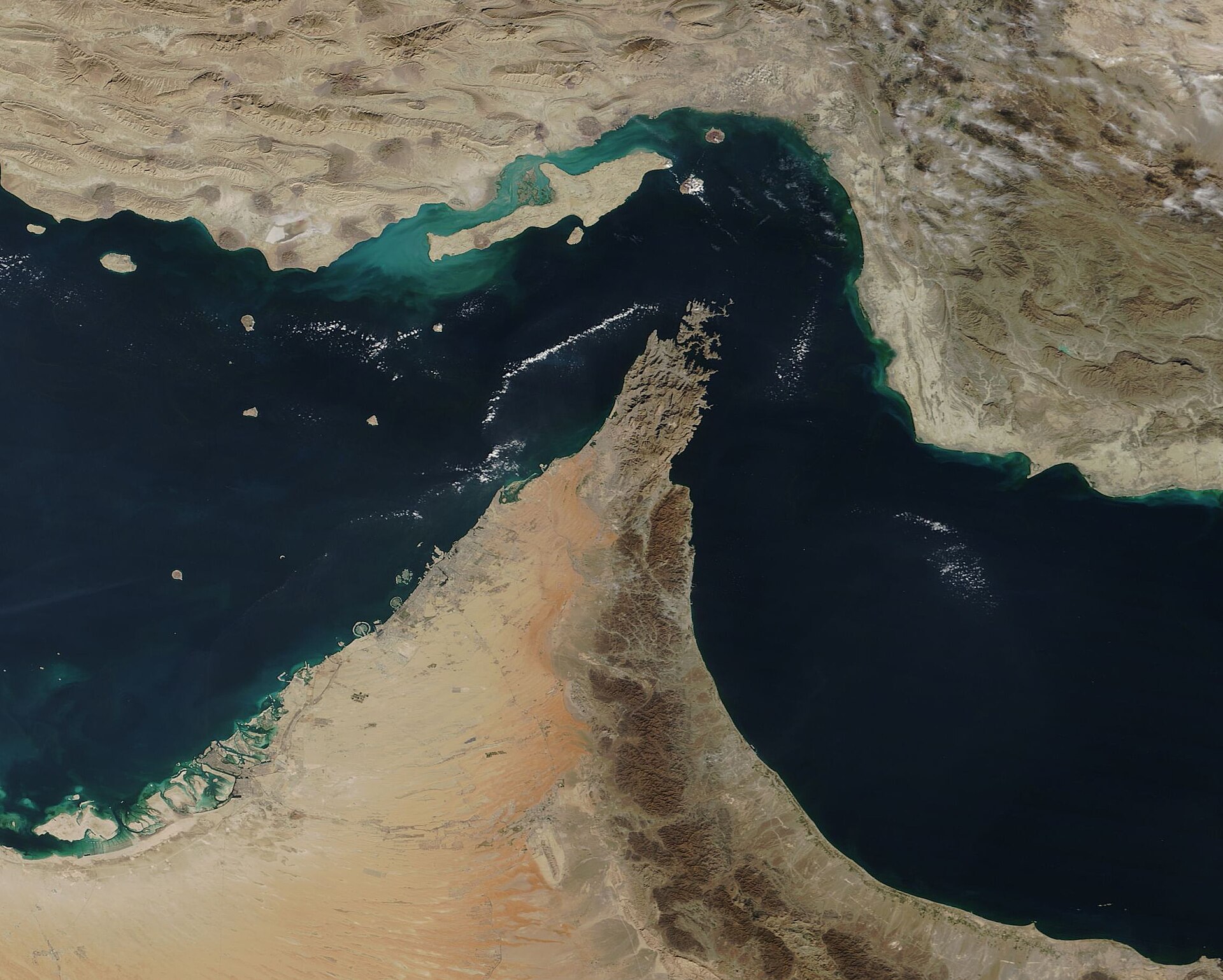

TEHRAN — Iran’s Revolutionary Guards Navy said three oil tankers suffered explosions and caught fire in the Strait of Hormuz on November 8 after travelling what it called “unauthorized routes,” part of a broader campaign that Iranian state media claims has now targeted 11 vessels in 10 days. The IRGC Navy warned that ships cooperating with US military escorts would “face the same fate” — a threat issued less than 48 hours before US President Donald Trump declared the US-Iran war “effectively over” on November 10.
The attack, confirmed in part by the United Kingdom Maritime Trade Operations and corroborated by NASA satellite thermal data, widened a maritime enforcement campaign that has driven Hormuz traffic to roughly 20 percent of its prewar level, according to Lloyd’s List Intelligence. That prewar baseline was 138 ships per day, according to the Joint Maritime Information Centre — meaning the waterway that the US Energy Information Administration estimates carries roughly a fifth of the world’s traded oil has been reduced to a trickle. The JMIC’s latest advisory, published on November 9, logged 177 maritime security incidents since March 1 and kept its threat assessment at SEVERE.
The House of Saud Daily Briefing
Saudi Arabia's news in 3 minutes, every morning. Free. See today's issue
Table of Contents
What Did the IRGC Navy Claim on November 8?
The IRGC Navy said “three oil tankers suffered explosions and caught fire in unauthorized shipping lanes starting early Sunday,” according to Tehran Times and Mehr News Agency reports published on November 8. The statement described the vessels as acting on “malicious instructions of the US military’s smuggling and aggressor force” — language that frames commercial tankers as combatants rather than traders, and that has become the IRGC’s standard framing for any ship transiting Hormuz on US-escorted routes.
Iran did not name the three vessels, and no maritime database has publicly identified them. The IRGC released footage appearing to show a large smoke column rising from a vessel fire in the Strait, though the imagery has not been independently authenticated, as reported by Townhall and Investment Watch Blog on November 8. A warning followed the footage: ships that “cooperate with the US military in attempting to use unauthorized routes would face the same fate,” carried by Sepah News, the IRGC’s official media outlet, and state broadcaster IRIB.
“Ships that cooperate with the US military in attempting to use unauthorized routes would face the same fate.”
IRGC Navy statement, via Sepah News/IRIB, November 8, 2026
UKMTO, the British naval coordination centre that tracks shipping incidents across the region, confirmed two tanker incidents on November 8 with no crew casualties, according to The National and Safety4Sea. Its statement added that “further reported incidents cannot be independently verified” — leaving a gap between Iran’s claim of three vessel strikes and what international maritime authorities could confirm. NASA’s Fire Information for Resource Management System detected a thermal anomaly at approximately 06:00 UTC on November 8 near the Khasab area, roughly eight nautical miles off the Omani coast, consistent with a large vessel fire, according to Townhall citing FIRMS data.
How Many Ships Has Iran Targeted in Hormuz?
Iranian state media reported on November 9, via Capital News Point citing Iranian outlets, that the IRGC Navy had targeted 11 oil tankers in the preceding 10 days. That figure, if accurate, would represent the most intensive period of Iranian maritime interdiction since Tehran declared the Strait closed on October 26 — but it cannot be independently confirmed, and the Iranian government’s interest in projecting naval capability means its claimed figures should be treated with the same scepticism applied to any combatant’s battlefield announcements.
The numbers from maritime monitoring bodies are grim enough on their own terms, even without relying on Tehran’s figures. UKMTO’s tally for November 1 through November 8, reported by The National on November 8, logged 11 total attacks: eight in the Strait of Hormuz itself and three in the wider Arabian Gulf. Of those, three vessels sank and crews from five others were rescued — a pace of maritime destruction that has few precedents outside wartime.
| Metric | Figure | Source |
|---|---|---|
| Daily ship transits (prewar baseline) | 138 | JMIC 2025 average |
| Current traffic (share of prewar) | ~20% | Lloyd’s List Intelligence |
| US-facilitated transits per day (Nov 5-7) | ~30 | NCAGS / Safety4Sea |
| Maritime incidents since March 1 | 177 | JMIC Advisory 112 |
| UKMTO-reported attacks (Nov 1-8) | 11 (8 Hormuz + 3 Gulf) | UKMTO / The National |
| Vessels sunk (Nov 1-8) | 3 | UKMTO / The National |
| Crews rescued (Nov 1-8) | 5 | UKMTO / The National |
| Iran’s claimed tankers targeted (10 days) | 11 | Iranian state media / Capital News Point |
| JMIC threat level | SEVERE | JMIC Advisory 112 / Safety4Sea |
The broader picture extends well beyond this single week. The Navig8 Messi, a tanker that caught fire off Khasab on November 7, is part of this same operational wave — crew were evacuated with no casualties reported, but the vessel was still burning a day later, a visible marker of the campaign the IRGC Navy is waging against commercial shipping in waters it claims to control. An IMO report published on November 7 said 25 seafarers had been killed in Hormuz since the US-Iran war began, a toll that the three-tanker attack on November 8 — where UKMTO reported no casualties — could easily have worsened.
The IRGC Navy’s Enforcement Logic
The IRGC frames its attacks not as aggression but as lawful enforcement of Iran’s declared Hormuz closure, announced on October 26. Under this framework, any vessel transiting the Strait on routes the IRGC deems “unauthorized” — particularly those following US Navy escort corridors — is treated as a hostile actor cooperating with what Tehran describes as an illegal American military presence. The language of the November 8 statement, describing the tankers as acting on “malicious instructions of the US military’s smuggling and aggressor force,” casts commercial shipping as a weapon of war rather than a feature of global trade, the kind of rhetorical escalation that Iranian state media has deployed consistently since the IRGC first declared Hormuz closed.
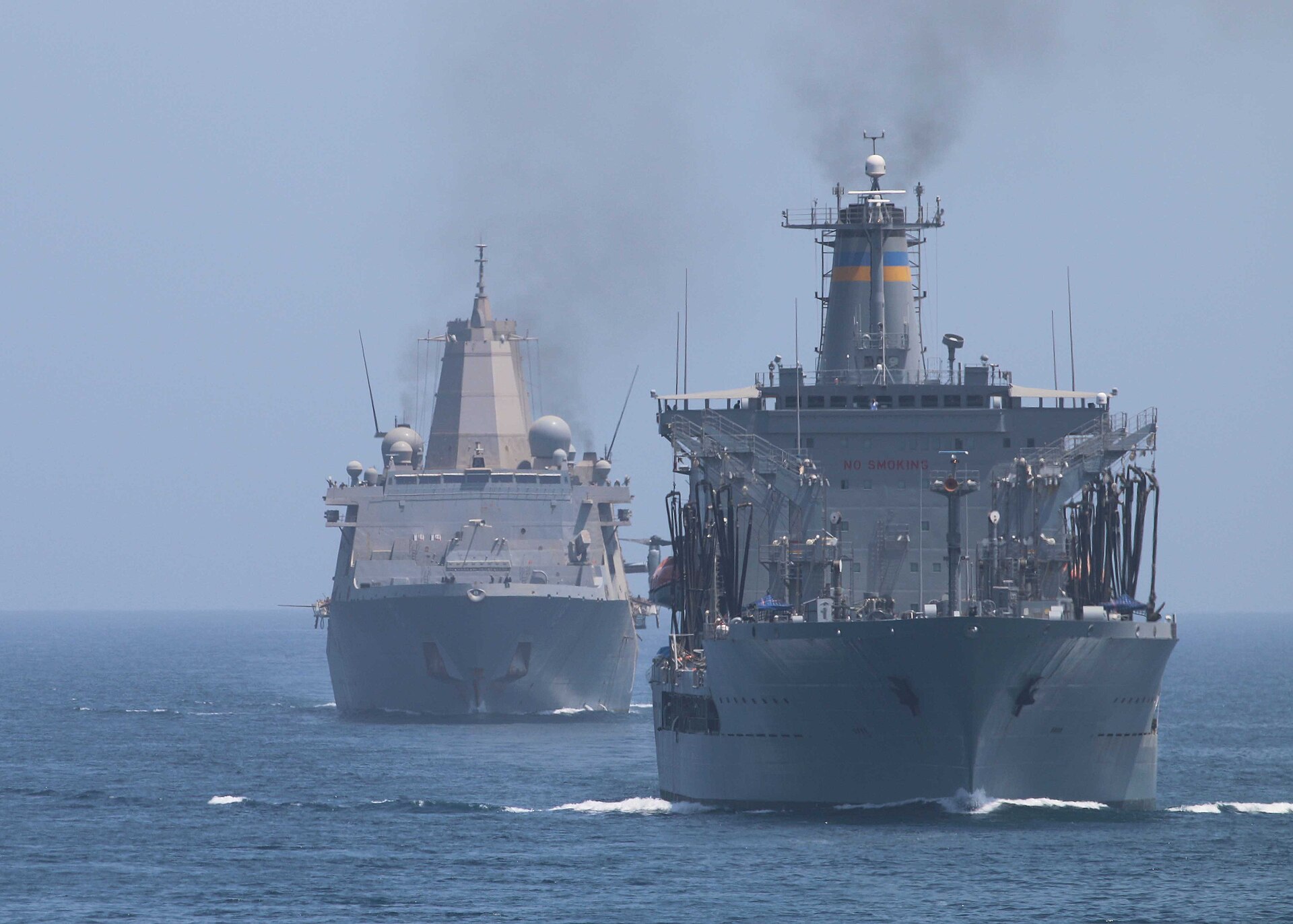
The M/V Huda, a St. Kitts-flagged cargo vessel, illustrates how the competing enforcement regimes play out in practice. On November 7, US Central Command disabled the vessel in the Gulf of Oman, roughly 18 nautical miles east of Khor Fakkan, after the crew “ignored repeated warnings,” according to Safety4Sea and JMIC. The incident underscores the reality that two parallel authorities are now policing the same waters: the US military claiming to secure “recognized primary transit routes” for commercial shipping, and the IRGC Navy treating any vessel on those routes as a target for interdiction, mines, or direct attack.
The practical effect for commercial operators is a waterway that neither side fully controls and where the risk calculation changes daily. Iran’s army spokesman said on November 7 that Hormuz would stay closed until the US accepted seven conditions, including lifting the blockade and providing reparations — demands the US has shown no willingness to meet. The IRGC Navy’s enforcement, by contrast, does not wait for diplomatic outcomes: it operates on its own timeline, and the three-tanker attack on November 8 suggests that timeline is accelerating rather than winding down.
CENTCOM Disputes the Mine Narrative
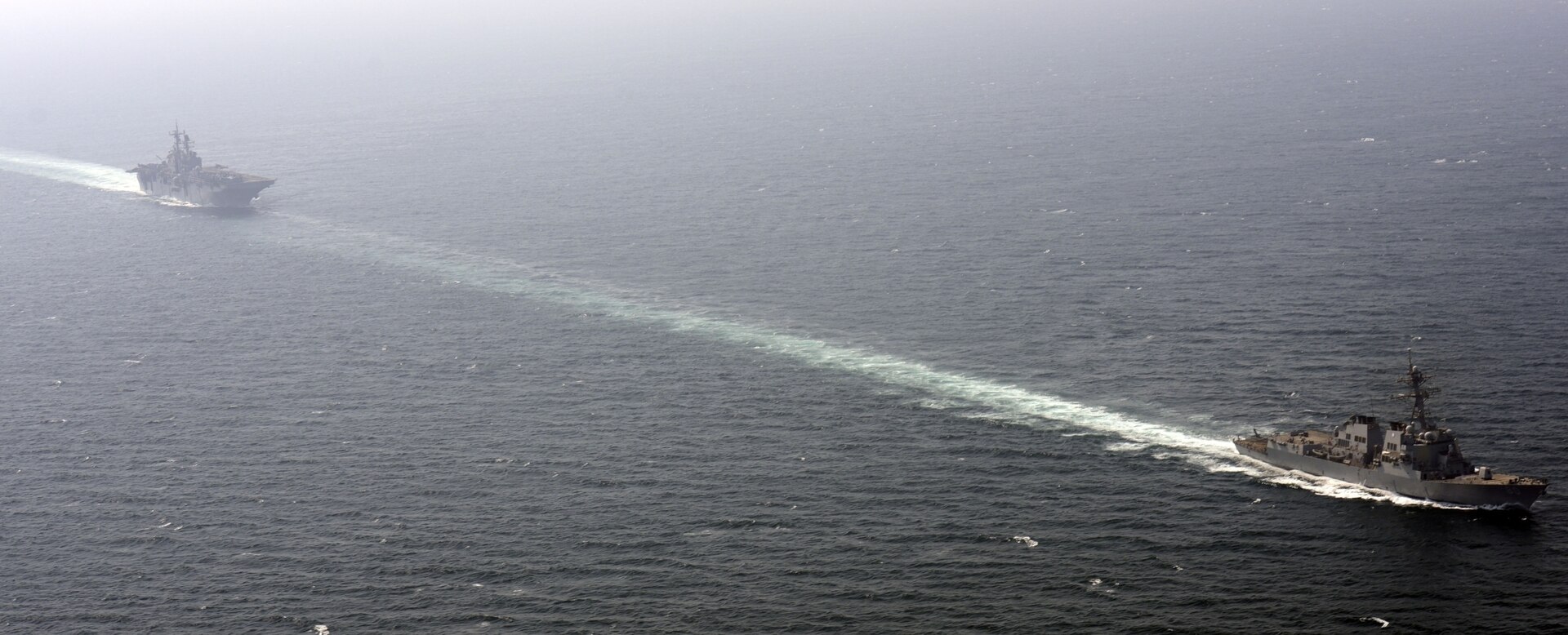
The American military has directly challenged the IRGC Navy’s account. CENTCOM said on November 8, as reported by Townhall and Safety4Sea, that all internationally recognized primary transit routes through the Strait of Hormuz have been cleared of sea mines — a flat contradiction of Iran’s repeated insistence that vessels are being struck by naval mines on unauthorized routes. The statement leaves open the possibility that the IRGC is attacking vessels through other means, including limpet mines attached to hulls, boat-borne explosives, or direct fire, while maintaining its public narrative that ships are simply sailing into a minefield.
Between November 5 and November 7, the US Navy facilitated approximately 30 commercial transits per day through Hormuz, according to the Naval Cooperation and Guidance for Shipping as reported by Safety4Sea. That number represents roughly a fifth of the prewar baseline of 138 daily transits — but it means the American military is actively escorting vessels through waters where the IRGC Navy simultaneously claims to have struck or interdicted 11 tankers in 10 days. The US launched the Iron Gate Task Force on November 9 in an apparent effort to bolster its maritime security posture, though the task force’s immediate focus included Iraqi theatre operations alongside Hormuz protection.
Lloyd’s List Intelligence estimates that current Hormuz traffic stands at roughly 20 percent of its prewar level, a figure that suggests the overwhelming majority of commercial operators have decided the risk simply does not work — regardless of whether they believe CENTCOM’s assurance that transit routes are safe or the IRGC’s warning that ships on those routes will burn. For the insurers, the underwriters, and the fleet managers who make those routing decisions, the distinction between “mines on unauthorized routes” and “attacks on recognized transit lanes” is academic. The ships are on fire either way.
Trump Declares War “Effectively Over”
On November 9, 2026, US President Donald Trump declared that “Iran militarily is effectively over” and that new US strikes would be “quite unlikely,” according to Al Jazeera and Yahoo News/AP. “We’re just keeping it the status quo,” he said, framing the American posture as managed containment rather than active escalation — a description that would come as news to the crews of the three tankers that caught fire in Hormuz the day before.
The declaration followed a rapid sequence of diplomatic signalling. Qatar’s prime minister met Trump on November 9 to discuss a potential Hormuz deal, and Trump had said new strikes were “highly unlikely” if nuclear deal talks advanced. Just three days before that, on November 7, Trump confirmed new US strikes on Iran’s Qeshm Island — a whiplash in tone that captures the administration’s oscillation between kinetic action and declaratory diplomacy, sometimes within the same news cycle.
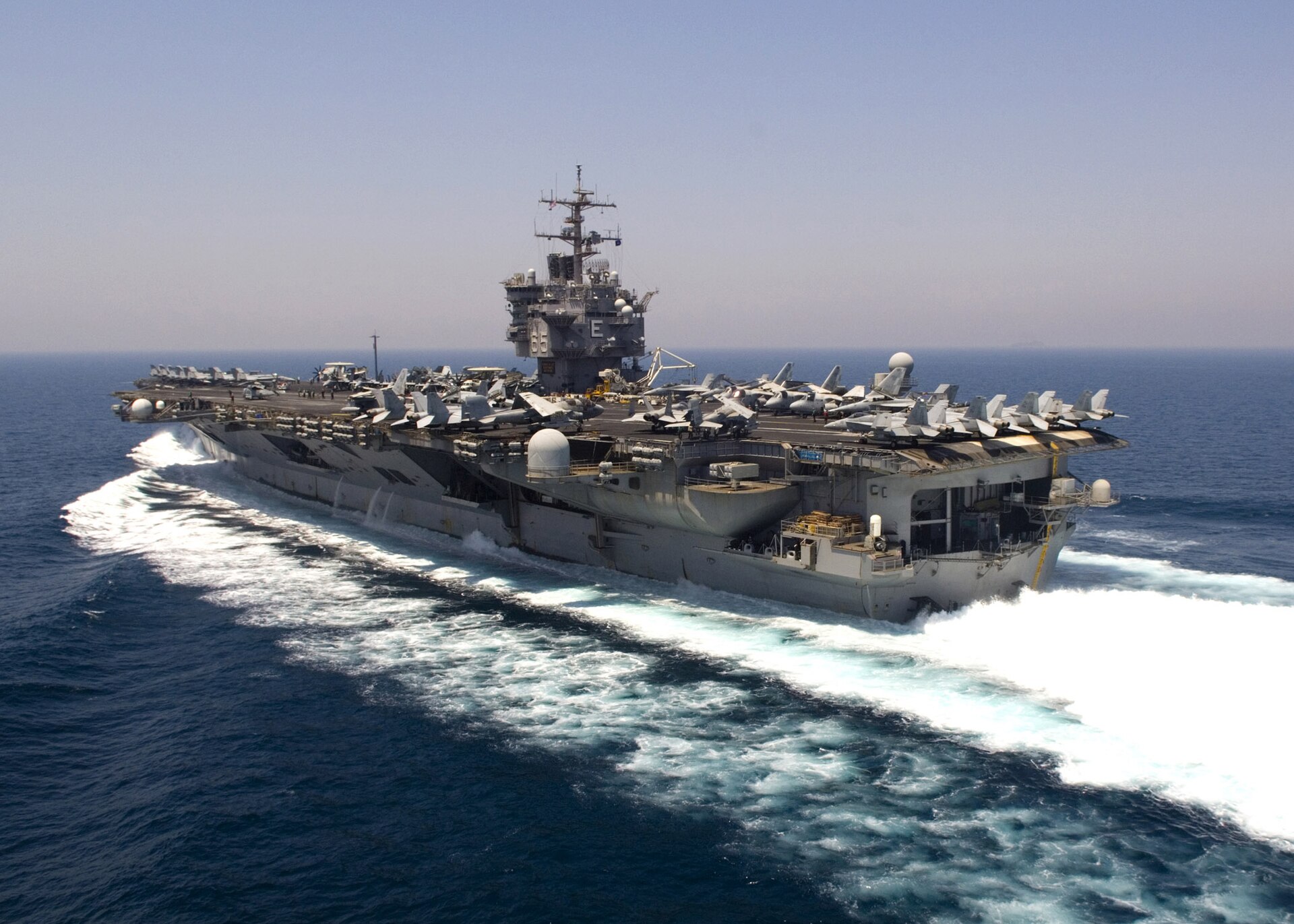
Iranian officials dismissed Trump’s declaration as “fake news,” according to The New Arab on November 10, and listed seven conditions for any de-escalation — demands that include lifting the US naval blockade of Iranian ports, paying reparations, and providing sanctions relief. The gap between Trump’s claim that the war is winding down and the IRGC Navy’s three-tanker attack roughly 24 hours earlier is the central tension of the Hormuz crisis in November: the diplomatic track and the kinetic track are running in opposite directions, and the tankers burning in the Strait belong to the second one.
JMIC Advisory 112 still reads SEVERE — the highest threat level on the centre’s scale. That assessment was published on November 9, according to Safety4Sea, on the same day the president of the United States said the war was effectively over and one day after three tankers burned in the Strait of Hormuz.
Frequently Asked Questions
How do the IRGC Navy and the regular Iranian Navy differ?
Iran maintains two separate naval forces. The Islamic Republic of Iran Navy, known as IRIN, is the conventional navy under the regular armed forces, responsible for blue-water operations and international naval exercises. The IRGC Navy, or Nedsa, operates under the Revolutionary Guards and is tasked specifically with controlling the Persian Gulf, the Strait of Hormuz, and Iranian coastal waters. All confirmed attacks on commercial vessels since Iran declared Hormuz closed have been attributed to the IRGC Navy, not IRIN. The distinction matters because the IRGC answers directly to Iran’s Supreme Leader, Mojtaba Khamenei, rather than the civilian defence ministry — giving it an independent chain of command that can operate on a different political timeline than Iran’s diplomatic apparatus.
What are Iran’s seven conditions for reopening Hormuz?
Iran’s army spokesman laid out seven conditions on November 7, and Iranian officials reiterated them when dismissing Trump’s “effectively over” declaration on November 9, according to The New Arab. The publicly stated demands include lifting the US naval blockade of Iranian ports, sanctions relief, and reparations for damage inflicted during American strikes on Iranian territory. Iran has framed these as non-negotiable prerequisites for any reopening of the Strait, though Qatar and Oman have both attempted to broker narrower interim agreements — including a two-day partial reopening plan that Iran offered in early November but that the US rejected.
What alternative routes exist for Gulf oil exports?
Saudi Arabia’s East-West pipeline, which runs from the Eastern Province to the Red Sea port of Yanbu, has a design capacity of roughly 7 million barrels per day with about 5 million exportable, according to Aramco. The pipeline has been intermittently disrupted by Houthi attacks and precautionary shutdowns since mid-2026, limiting its reliability as an alternative export route. Iraq’s southern export terminals and the UAE’s Fujairah pipeline, which bypasses Hormuz entirely, offer limited additional capacity — but together they cannot replace the volume that flowed through the Strait before the crisis, when 138 vessels per day transited the waterway, according to JMIC.
Has the IRGC Navy released the names of any targeted vessels?
No. In its November 8 statement and all previous announcements, the IRGC Navy has not disclosed the names, flags, or owners of vessels it claims to have struck. UKMTO has confirmed individual incidents without naming vessels in most cases, and no maritime database has publicly matched the IRGC’s claimed attacks to identified ships. The Navig8 Messi, which caught fire off Khasab on November 7, was identified through separate maritime tracking sources, not through IRGC statements.
The House of Saud Daily Briefing
Saudi Arabia's news in 3 minutes, every morning. Free. See today's issue