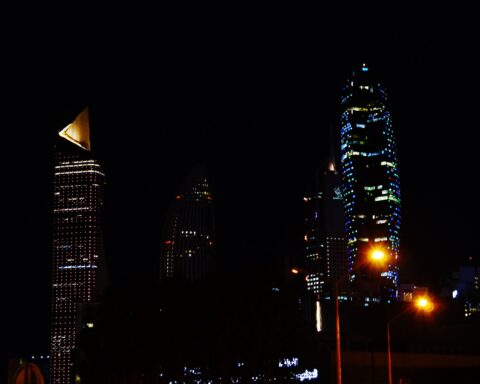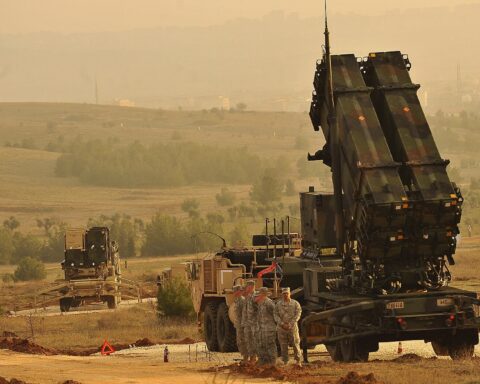

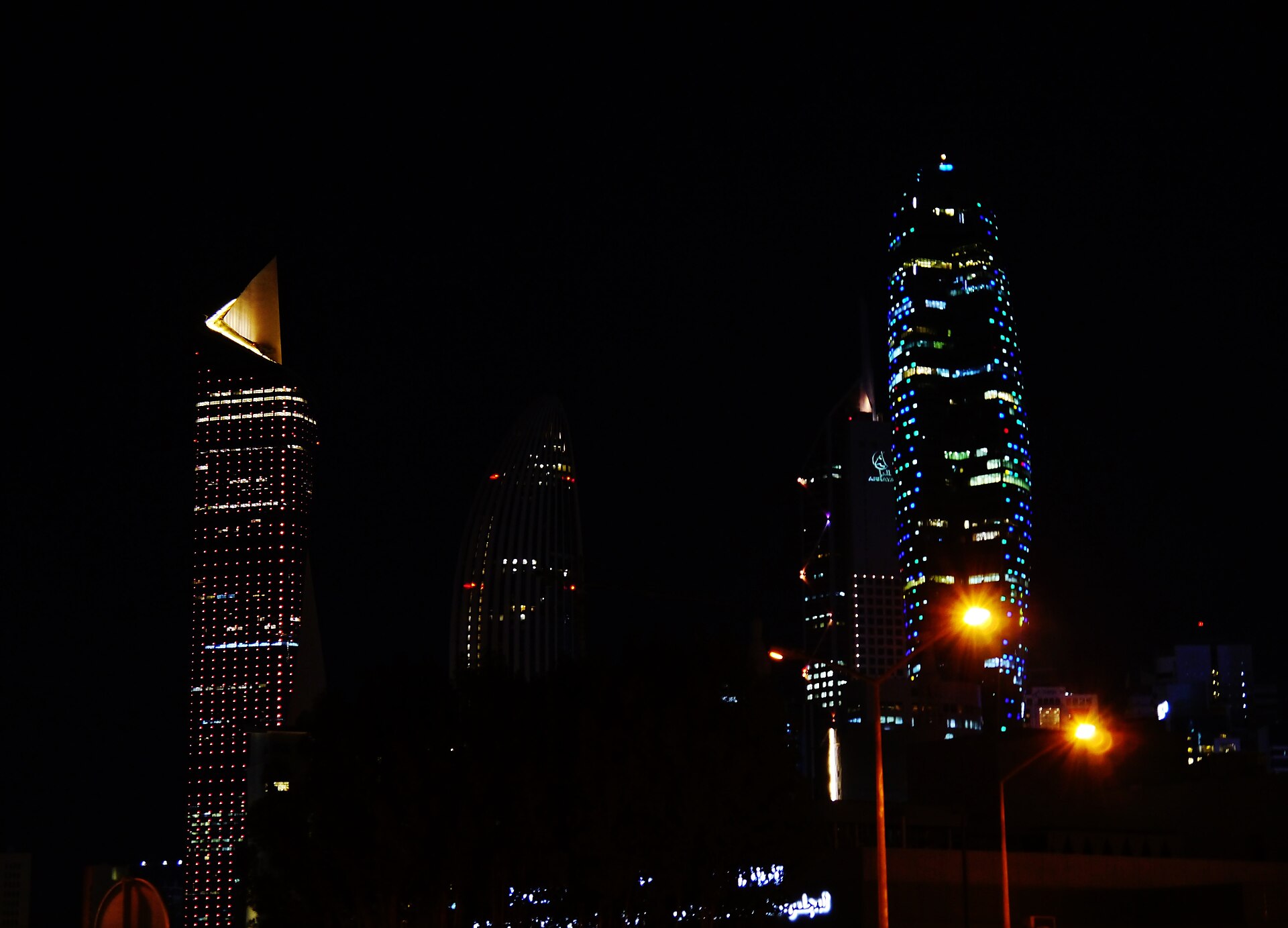
KUWAIT CITY — Iran’s regular army — not the IRGC, but the conventional state military — claimed on Wednesday that it launched combat drones at US Patriot air defence systems and missile launch platforms at Ali Al Salem Air Base in Kuwait, framing the attack as direct retaliation for American strikes on Qeshm Island the previous day. Kuwait’s General Staff confirmed intercepting hostile UAVs in the early hours of November 18 but said nothing about damage, casualties, or who sent the drones, according to Xinhua and Anadolu Agency.
The claim came through IRNA, Iran’s official state news agency, and was amplified by Mehr News Agency, both naming the “Islamic Republic of Iran Army” — the Artesh — as the actor rather than the Islamic Revolutionary Guard Corps, which has conducted the overwhelming majority of Iranian strikes on US-linked targets across the Gulf since the war began on February 28. An Artesh strike claim on a US military installation is an act claimed by the conventional state military, operating under Supreme Leader Mojtaba Khamenei through the Armed Forces General Staff, with none of the deniability that IRGC operations have historically provided Tehran’s diplomatic machinery.
The House of Saud Daily Briefing
Saudi Arabia's news in 3 minutes, every morning. Free. See today's issue
Table of Contents
What Did Iran’s Army Claim?
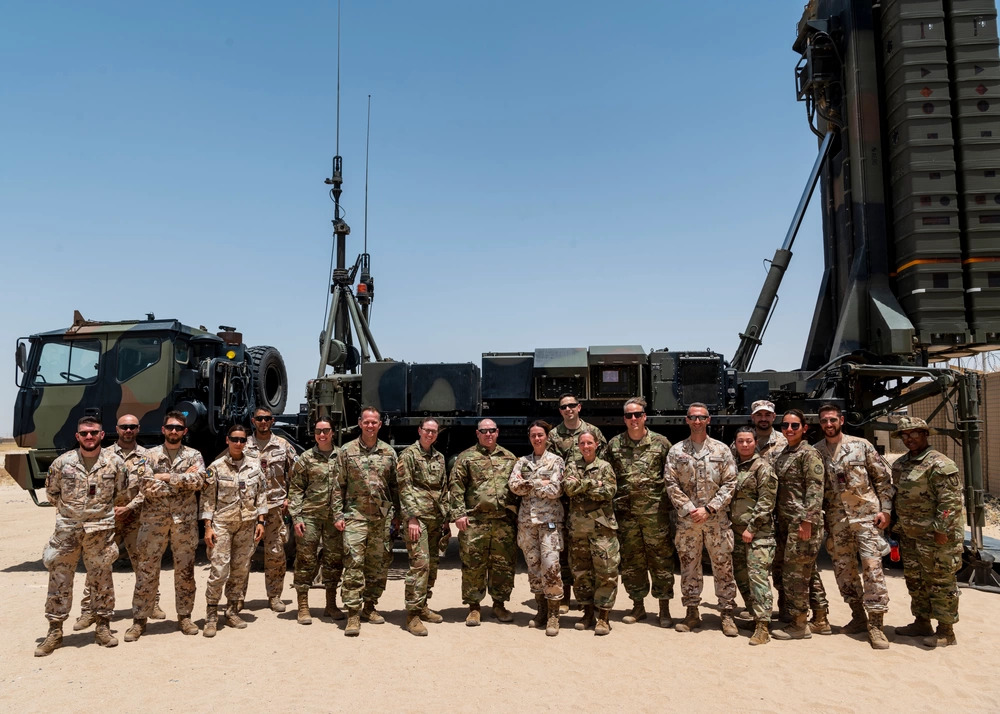
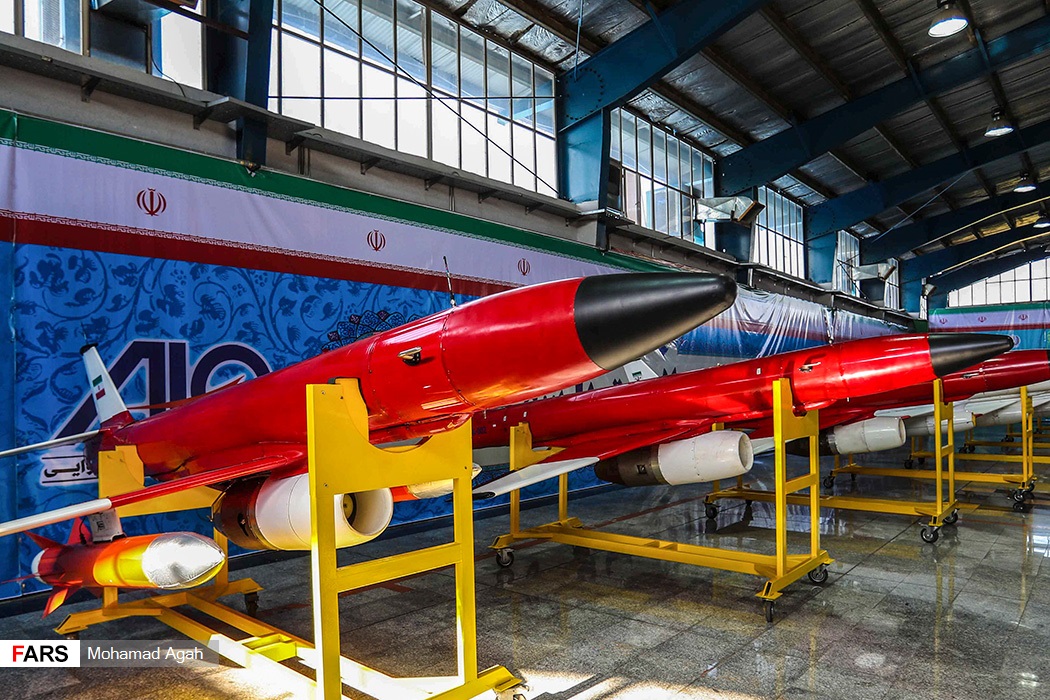
Iran’s army said its “combat attack drones” targeted Patriot air defence systems and “platforms used to launch drones and missiles” at Ali Al Salem Air Base, according to the army’s public relations office statement as carried by Xinhua on November 18. Mehr News Agency’s headline was direct — “Iran army attacks U.S. Patriot, launch sites in Kuwait” — citing the same public relations office as its source, while CNBC and Arab News both carried the claim with attribution to IRNA.
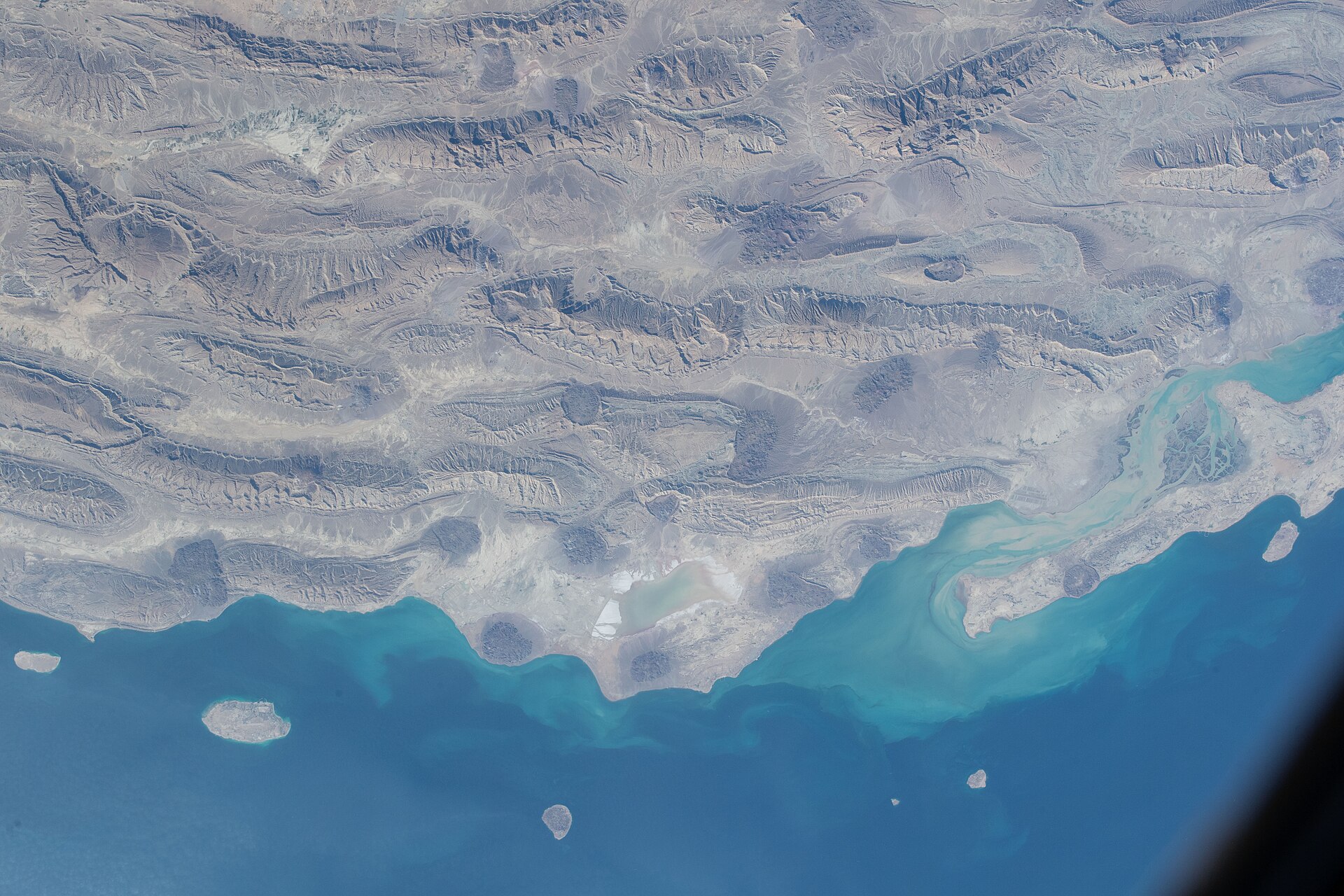
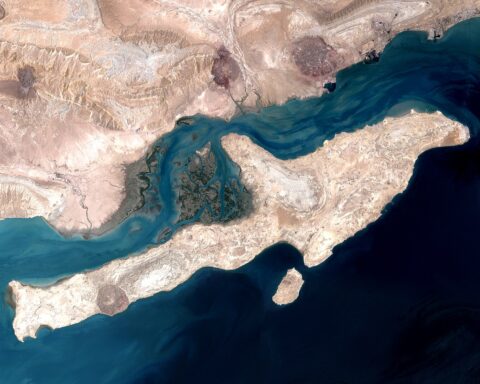
The army framed the strikes as a direct response to US attacks on Qeshm Island — a missile and naval facility in the Strait of Hormuz — which Iran reported through IRNA on November 17. The statement also carried a broader warning, delivered through Mehr News and the semi-official outlet Nour News: any threat against Iran would receive a “decisive and crushing response without geographical limitations.” The language echoed what the IRGC has said since the war’s first weeks, but its delivery through the conventional army’s channels — a force that has historically confined itself to territorial defence — was the departure.
“Any threat against the Islamic Republic of Iran will receive a decisive and crushing response without geographical limitations.”
Iran’s army statement, via Mehr News Agency and Nour News, November 18, 2026
No independent source has confirmed damage to any Patriot systems or other US equipment at Ali Al Salem. The Arab Times reported on November 18 that Iran’s claims remained unverified, and neither Kuwait’s military nor US Central Command had confirmed or denied the army’s specific assertions about hitting the targeted systems at the time of publication.
How Did Kuwait Respond?
Kuwait’s General Staff issued a statement early Wednesday confirming that air defences were engaging hostile drones, according to Anadolu Agency and Kuwait Times. The statement urged residents not to be alarmed, adding that “any explosions you may hear are the result of air defence systems intercepting the attacks.”
Kuwait gave no details on damage or casualties, did not name Iran, and offered no attribution for the drones, according to Kuwait Times. The country has maintained this pattern since the war began — confirming interceptions while leaving diplomatic attribution to later statements or omitting it altogether. Just hours earlier, Kuwait’s air defences had intercepted a separate wave of hostile drones. Foreign Minister Sheikh Jarrah Jaber Al-Ahmad Al-Sabah had condemned Iranian attacks on Bahrain, invoking Article 51 of the UN Charter on the right to self-defence. That statement — issued before the Artesh claim emerged — addressed the broader Iranian assault on Gulf states but did not reference what Iran’s army would claim several hours later.
Trump, speaking to CNBC on November 18 at the ASEAN summit in Manila, said: “We are looking into it. We are doing very well in Iran.” CENTCOM had not issued a statement specific to the Ali Al Salem attack at the time of publication, and no additional White House comment had been confirmed.
Why Does the Artesh Claim Matter?
The Artesh is structurally separate from the IRGC, and the distinction has carried weight throughout the conflict. The IRGC — the post-revolution ideological military with approximately 125,000 personnel — has conducted the strikes on Sheikh Isa Air Base in Bahrain, the mine-laying campaign in the Strait of Hormuz, and the drone and missile operations against US-linked targets across the region. Ahmad Vahidi, who assumed command on March 1, 2026, leads the force. The Artesh, with an estimated 400,000 personnel across ground forces, navy, air force, and air defence branches, has traditionally held a more defensive posture. Ashkan Hashemipour of Oxford described its role as “mainly defensive, because it controls Iran’s air defences,” in a Newsweek analysis in April 2026.
But the Artesh’s involvement has expanded as the war has worn on. Shahryar Pasandieh, a security analyst at the University of Toronto’s Bill Graham Center for Contemporary International History, told Newsweek that all four Artesh branches had taken part in the conflict and that the force’s role “has grown considerably” since the fighting began. The NESA Center — the Near East South Asia Center for Strategic Studies — observed in an August 2026 strategy paper that the US-Israeli campaign in Operation Epic Fury had “badly degraded the conventional capabilities the Artesh is meant to provide.” That degradation tracks with the regular army’s shift toward offensive drone operations — the kind the IRGC has dominated throughout the conflict.
The chain of command matters for anyone watching the escalation pattern. The Artesh operates under Mojtaba Khamenei as commander-in-chief through the Armed Forces General Staff — not under the Ministry of Defence and Armed Forces Logistics, which handles procurement and logistics only. The IRGC’s parallel command structure has historically let Iran calibrate between military action and diplomatic engagement. The Guards operate at a remove from the foreign ministry’s negotiations; the Artesh does not, and its public relations office issued the November 18 statement under its own name.
The Qeshm Retaliation Frame
Iran’s army explicitly tied the Ali Al Salem strikes to the US attack on Qeshm Island on November 17, which Iran said targeted a missile and naval facility in the Strait of Hormuz. The retaliation framing placed the November 18 event in a tit-for-tat sequence accelerating since November 17. That day, diplomatic talks in Muscat between Iran’s Foreign Minister Abbas Araghchi and Oman’s Foreign Minister Sayyid Badr al-Busaidi ended without agreement on reopening Hormuz — and Iranian military operations followed within hours.
The 24 hours spanning November 17–18 amounted to a compressed escalation across multiple fronts. The IRGC targeted US radar at Sheikh Isa Air Base in Bahrain on November 17; Bahrain intercepted further Iranian attacks that morning, per Al Jazeera; and the Artesh claimed the Ali Al Salem strike hours later. That placed two branches of Iran’s military targeting US installations in two Gulf states within a single day. Saudi Arabia condemned the Iranian attacks on Bahrain on November 17 as a violation of international law, but no specific Saudi reaction to the Artesh claim on Kuwait had been confirmed at the time of publication.
The Araghchi-Busaidi meeting that ended without agreement on November 17 had been the most recent diplomatic attempt to address the Hormuz closure, which Iran re-closed on April 18 following a ceasefire reopening earlier that month. The army’s statement cited the US strikes on Qeshm Island — not the broader conflict — as the specific rationale for the Ali Al Salem operation, according to CNBC and Mehr News, anchoring the claim to a single American act against Iranian territory rather than to nine months of war.
Ali Al Salem and the Wider War
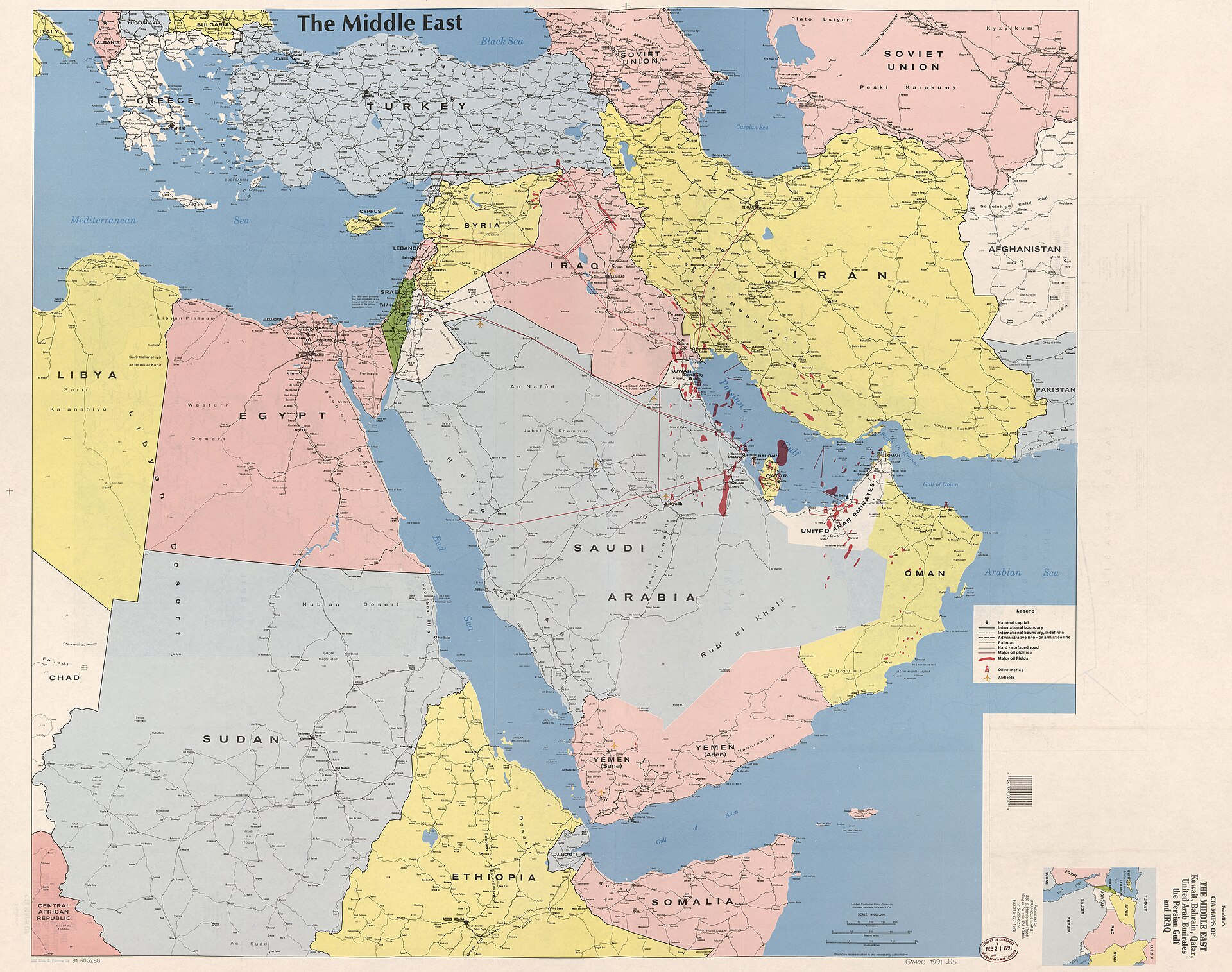
Ali Al Salem Air Base, located in western Kuwait, hosts the US 386th Air Expeditionary Wing and has been under Iranian fire since the first night of the war on February 28, 2026, repeatedly targeted in the nine months since, making it one of the most persistently attacked US installations in the Gulf. The 386th provides combat airlift, intelligence, surveillance, reconnaissance, and expeditionary air base support across the CENTCOM area of operations, and the base’s role as the principal US Air Force hub in Kuwait has made it a fixed target in Iran’s sustained campaign against American military infrastructure in the region.
Kuwait’s FM Sheikh Jarrah Jaber Al-Ahmad Al-Sabah has condemned Iranian attacks in prior statements and invoked Article 51 of the UN Charter on the right to self-defence, according to Gulf Times and Kuwait Times. The specific diplomatic response to the November 18 Artesh claim had not emerged at the time of publication.
The gap between Iran’s claims and Kuwait’s measured response has been a recurring feature of the conflict — Iran specifies targets, claims hits, and frames the narrative, while Kuwait confirms interceptions, declines to confirm damage, and withholds attribution from its military statements. The same pattern held on November 18, with Iran’s army claiming precision strikes on named weapons systems while Kuwait’s General Staff would say only that UAVs had been intercepted.
Saudi Arabia’s broader assessment — published the same day — characterised the stalling of US-Iran talks and the continued closure of Hormuz as costs that Riyadh is absorbing while three US carrier strike groups patrol the region and the military campaign grinds forward without diplomatic resolution.
Frequently Asked Questions
Did Iran’s attack cause any confirmed damage at Ali Al Salem?
No independent source — including Kuwait’s General Staff, CENTCOM, or any wire agency — has confirmed damage to US Patriot systems or any other equipment at the base. Iran’s army claimed to have struck Patriot air defence systems and drone/missile launch platforms, but the Arab Times reported on November 18 that these claims remained unverified. Kuwait’s statement confirmed intercepting UAVs but stopped short of saying whether any penetrated the base’s defences, and the absence of a specific CENTCOM response does not constitute confirmation of either side’s account.
Has Iran’s regular army claimed strikes on US installations before?
The Artesh’s operational involvement in the war has expanded over the course of the conflict, according to Shahryar Pasandieh of the University of Toronto’s Bill Graham Center, who noted all four branches had participated. In early November, the Iranian army — through Mehr News Agency — claimed the shoot-down of a US drone near Sirik, an action attributed to the Artesh rather than the IRGC. The NESA Center documented in August 2026 the Artesh’s shift toward a more active posture after Operation Epic Fury degraded its conventional capabilities, suggesting the regular army is filling roles previously monopolised by the Guards. The November 18 Ali Al Salem claim, however, named a specific US base and specified the weapons systems targeted — Patriot batteries and launch platforms — with a level of detail that prior Artesh statements had not carried.
What is Article 51 and why has Kuwait invoked it?
Article 51 of the UN Charter preserves the “inherent right of individual or collective self-defence” for any UN member state subjected to an armed attack, allowing military response without prior Security Council authorisation until the Council takes its own measures. Kuwait’s Foreign Minister Sheikh Jarrah Jaber Al-Ahmad Al-Sabah has invoked Article 51 in prior statements condemning Iranian attacks, according to Gulf Times and Kuwait Times. The invocation is a legal marker — it positions Iran’s strikes as armed aggression that requires no further diplomatic process before Kuwait can respond or accept allied military assistance under collective self-defence, and it establishes a formal record for any future international legal proceedings.
What happened at Qeshm Island on November 17?
The US struck Qeshm Island — a large island in the Strait of Hormuz hosting Iranian missile and naval facilities — on November 17, 2026, according to IRNA and CNBC. Iran’s army cited the Qeshm strike as the direct provocation for the Ali Al Salem attack the following day. The Qeshm strikes were themselves part of a broader escalation cycle that included IRGC drone attacks on Sheikh Isa Air Base in Bahrain and the collapse of the Araghchi-Busaidi diplomatic meeting in Muscat, all on November 17.
How many US troops are at Ali Al Salem Air Base?
The US does not publicly disclose current troop numbers at Ali Al Salem during active operations, but the 386th Air Expeditionary Wing — the principal USAF unit at the base — provides combat airlift, intelligence, surveillance, reconnaissance, and expeditionary air base support across the CENTCOM area of operations. Camp Arifjan, also in Kuwait, serves as a separate US Army logistics hub. Kuwait has hosted several thousand US military personnel across both installations for decades under bilateral defence agreements, and the sustained Iranian campaign against Ali Al Salem — at least 30 strikes since February — has tested that arrangement more directly than any period in the base’s post-1991 history.
The House of Saud Daily Briefing
Saudi Arabia's news in 3 minutes, every morning. Free. See today's issue