RIYADH — The Saudi-led coalition struck 60 Houthi military targets across four Yemeni governorates on Tuesday, destroying tunnel networks used to store ballistic missiles, as Houthi ground forces pushed to within 100 km of Aden. Coalition spokesman Turki al-Maliki said the strikes hit positions in Sanaa, Hodeidah, Amran and Saada, while government troops reinforced the town of Tur al-Baha in Lahij province — described by two Yemeni military officials as “the first line of defence” for the country’s de facto capital, the Associated Press reported on November 17.
The twin developments — a 60-target air campaign and a defensive buildup around a town 85 km from Aden — come two days after King Salman replaced the commander overseeing Yemen operations and three days after Saudi-backed forces abandoned the Bab el-Mandeb coast, handing the Houthis control of Perim Island for the second time since September. The retreat from the strait, which the Critical Threats Project at the Institute for the Study of War called a move that “sets conditions” for a Houthi advance on Aden, marked the collapse of a six-week counteroffensive that had tried and failed to hold the Red Sea coastline, according to Al-Monitor.
The House of Saud Daily Briefing
Saudi Arabia's news in 3 minutes, every morning. Free. See today's issue
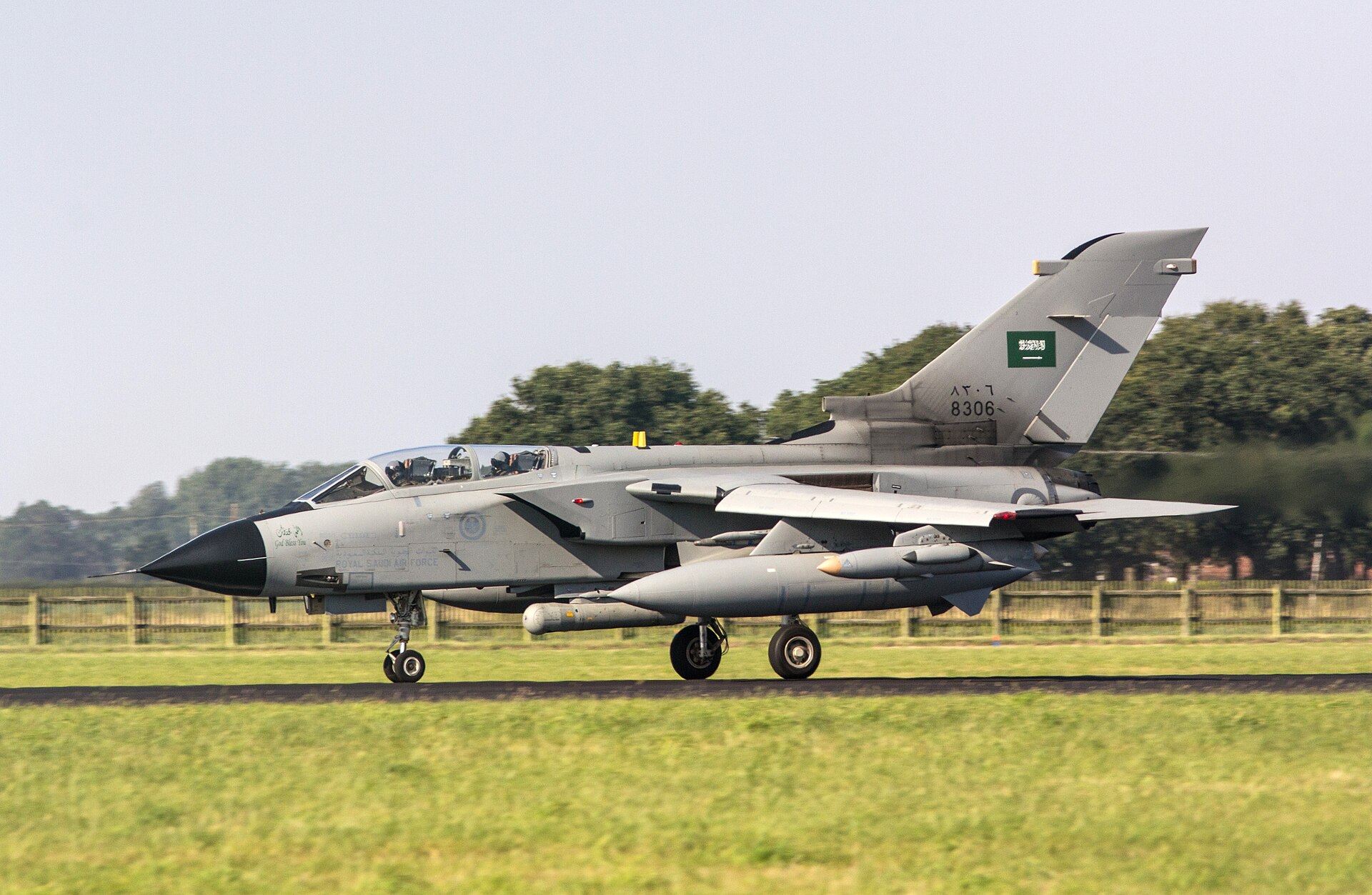
Table of Contents
What Did the Coalition Strike on November 18?
The 60-target package hit Houthi military infrastructure spread across Sanaa, Hodeidah, Amran and Saada, according to Al Jazeera. Al-Maliki said the strikes destroyed tunnels the Houthis had converted into workshops and storage facilities for ballistic missiles — deep targets that the coalition has prioritised throughout the war. The coalition also intercepted a Houthi cruise missile aimed at Riyadh, while air defence alerts sounded in Jizan, Najran and Khamis Mushait before the danger passed, Al Jazeera reported.
The Houthis struck back on the same day. Military spokesman Yahya Saree claimed the group targeted oil pumping stations near Riyadh and a radar installation in southern Saudi Arabia, though the coalition had not confirmed or denied Saree’s specific claims as of Tuesday evening, according to Al Jazeera. Separately, Al Jazeera’s Taiz correspondent Hadeel al-Yamani reported “fierce battles” in Taiz province, with local authorities accusing Houthi forces of shelling civilians and besieging villages in Jabal Sabr.
The 60-target operation was geographically and operationally distinct from the fighting near Aden. The strikes landed hundreds of kilometres north and west of Lahij, in governorates where the coalition has consistently targeted Houthi logistics and missile storage since the war began — a campaign Bloomberg characterised on November 18 as Saudi-backed forces “stepping up attacks” on the Houthis, without describing a ground offensive. The air campaign and the ground fighting around Tur al-Baha are related in the sense that both reflect a coalition under pressure from multiple directions simultaneously, but they are not the same operation.
The Ground: Tur al-Baha and the Defence of Aden
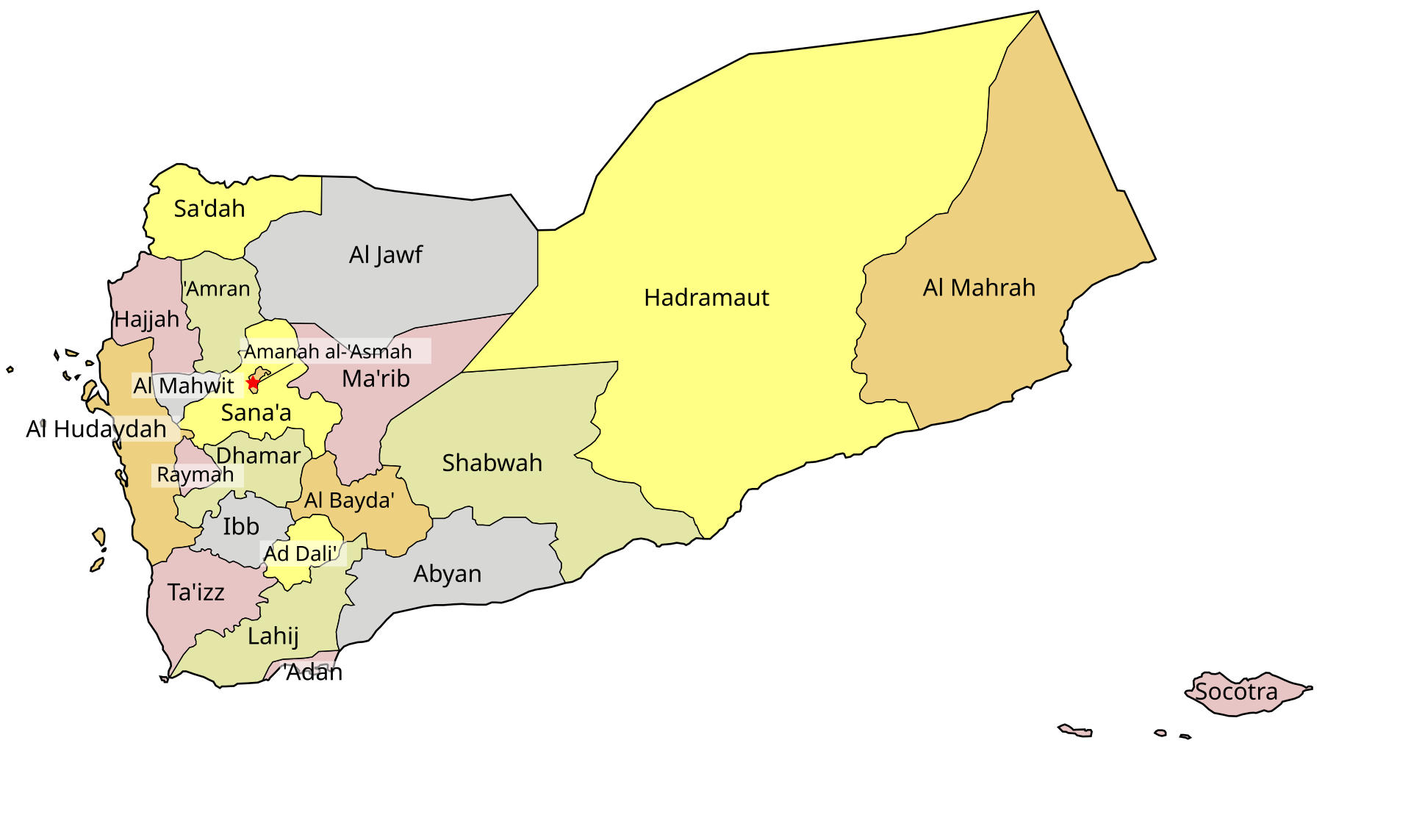
The fighting that matters most for Aden’s survival is happening 85 km northwest of the city, in the Lahij province town of Tur al-Baha. On November 17, the Associated Press reported that Saudi-backed forces had deployed additional troops and equipment there, citing two unnamed Yemeni military officials who called it “the first line of defence” for Aden — an assessment that reflects both the town’s geographic position on a main approach route and the absence of any fortified fallback between Tur al-Baha and Aden itself.
The front at Tur al-Baha has been contested for weeks, not days. On November 2, Reuters reported Houthi forces within 80 km of Aden and clashing at a military camp at the entrance to the Tur al-Baha district, via the Cyprus Mail — more than a fortnight before the latest defensive reinforcement. By Tuesday November 18, the fighting had intensified and spread: Al Jazeera reported renewed clashes between government forces and Houthis across the broader Lahij area, while a Yemeni security official told The National that Houthi ground forces had reached the coastal area of Khor Omeir, approximately 100 km west of Aden.
The 100 km figure does not contradict the 60 km estimate that the Critical Threats Project assessed on November 15 — the two measurements reflect different approach axes on a front where the Houthis are advancing toward Aden from multiple directions. What complicates the defence, according to ISW’s November 15 assessment, is anti-Houthi disunity among the government-aligned formations expected to hold the line, with simultaneous advances from multiple axes threatening to force defenders to split their efforts between two or more approach routes to the city. ISW identified the Southern Giants Brigades and the Homeland Shield Forces as the most capable units for defending Aden, but their ability to coordinate under pressure — the problem that has plagued this war’s ground campaign from the start — remains an open question.
How Did the Houthis Recapture Perim Island?
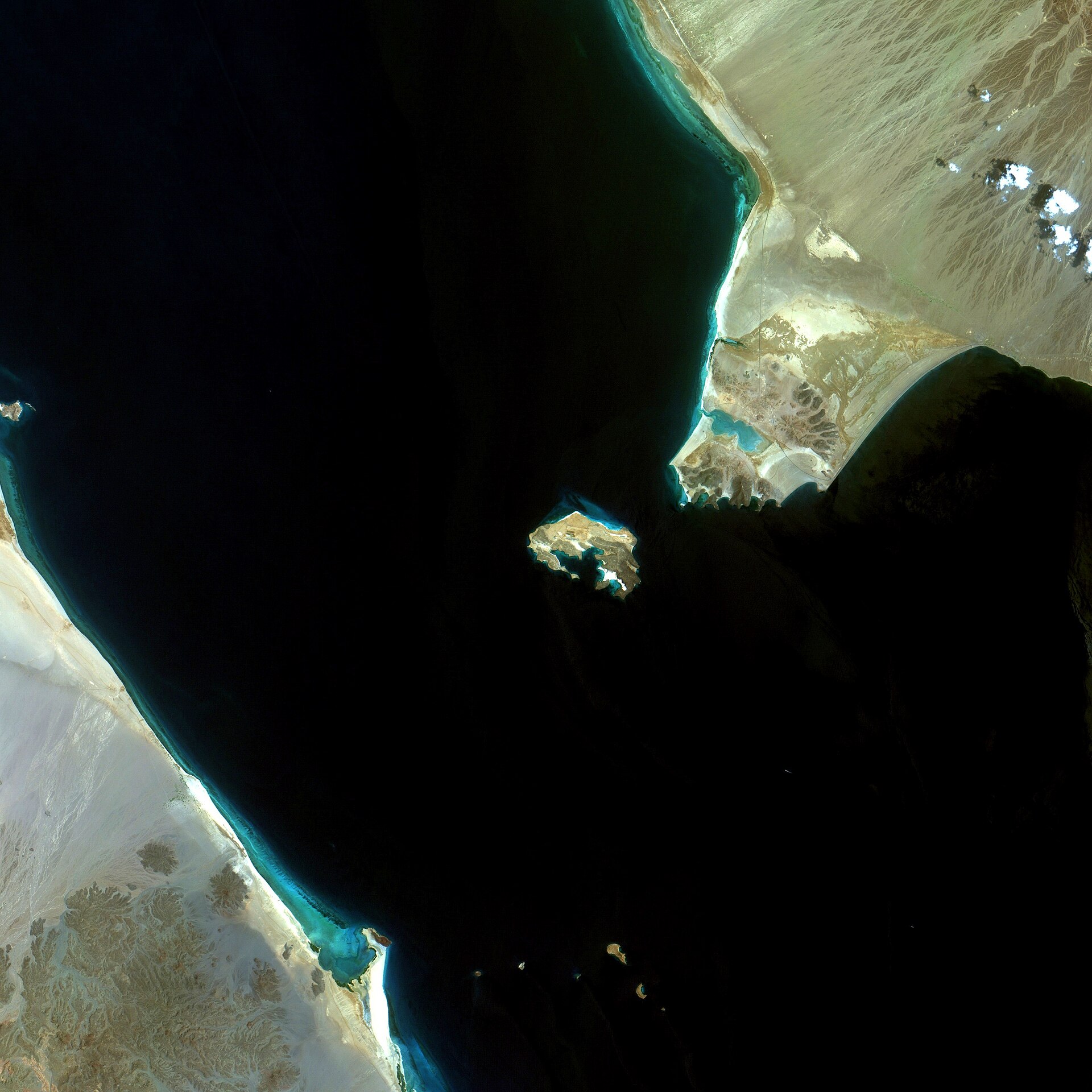
The government gave it up. On November 15, the Southern Armed Forces announced they were withdrawing from Dhubab Airfield and the Bab el-Mandeb area, redeploying roughly 150 km west to al-Suqyah, according to Reuters and Al Jazeera. The stated reason was to prioritise the defence of Aden and neighbouring governorates, a decision that amounted to conceding the entire Red Sea coast — the same coast a six-week counteroffensive had been launched to secure — in order to protect the southern capital.
The withdrawal left the Houthis free to reoccupy the Ras Menhali peninsula and Perim Island without a fight. The Maritime Executive called it “a major reverse” for the internationally recognised government, and the description held up under scrutiny: Perim sits at the narrowest point of the Bab el-Mandeb strait, the chokepoint through which Red Sea shipping must pass, and its loss to the Houthis a second time undercut whatever ground-level control the coalition still claimed over the waterway.
The Houthis first seized Perim in September 2026 during an amphibious push down Yemen’s Red Sea coast, according to NBC News, Al Jazeera and CNN. A government counteroffensive — backed by coalition air cover that spokesman Turki al-Maliki described as “round-the-clock,” according to The National on October 5 — reclaimed the island and, according to initial government claims reported by CNBC on October 6, the port city of Mokha, though Al Jazeera reported on October 17 that Mokha remained in Houthi hands. But the gains lasted roughly 40 days before government forces pulled back, according to Al-Monitor. The island’s second fall in two months raised the threat to commercial shipping in a specific and practical way: a SOFX report from November 15–16 noted that Houthi control of Perim enables the use of armed speedboats to reach and board passing vessels, a capability that goes well beyond the missile and drone attacks they have employed against shipping since 2023.
A New Commander After a Bad Week
King Salman on November 16 appointed Gen. Fayyad al-Ruwaili as commander of the Joint Forces, one day after the Dhubab withdrawal and with the Houthis bearing down on Aden. Al-Ruwaili retained his existing role as Chief of the General Staff, a post he has held since February 2018, while outgoing commander Lt. Gen. Fahd bin Hamad al-Salman — who had overseen coalition operations since August 2024 — was moved to an adviser role to Defence Minister Prince Khalid bin Salman, who recommended both appointments, according to The National, Al-Monitor and The Star Malaysia.
Al-Ruwaili is a career Royal Saudi Air Force officer who graduated first in his class at the Command and Staff College, receiving the Sword of Honor, and holds a master’s in strategic studies from the US Air War College, Al-Monitor reported. The air force background matters in a war where the coalition’s most reliable instrument has been air power — Tuesday’s 60-target package being the latest example — while the Yemeni ground formations that have struggled to hold territory won from the air remain the persistent weak link in the coalition’s operational chain.
No outlet reported a public statement from al-Ruwaili about any change in operational posture, and the framing across The National, Al-Monitor and The Star Malaysia treated the appointment as a response to recent setbacks rather than a signal of a planned offensive. The command change happened at the worst possible moment, which may also have been the only possible moment — the same week that the Bab el-Mandeb coast was lost, the counteroffensive collapsed, and the Houthis reached the outskirts of Aden’s defensive perimeter.
Can the Line at Tur al-Baha Hold?
Ali al-Shaabani, a security and political expert, told The National on November 18 that a Houthi siege of Aden is more likely than a direct attempt to take the city, warning that the group “can’t take it back as they are” and that an advance into Aden would threaten international shipping in the Gulf of Aden. An unnamed source in Sanaa, described by The National as a Houthi-linked contact, said the group has no intention of occupying Aden and that their operations aimed “to secure the strait, not close it” — a phrase that invited scepticism given the strait was already in Houthi hands.
“The operation aimed to secure the strait, not close it.”
Unnamed source in Sanaa, via The National, November 18, 2026
The first claim — that siege is more likely than assault — has military logic behind it. Taking a city of Aden’s size requires the kind of heavy combined-arms capacity the Houthis have not demonstrated in this war, and urban fighting would extract a cost on both sides that neither could easily absorb. A siege that cuts supply lines, pins down government forces and renders the city ungovernable from the outskirts would achieve many of the same objectives without the casualties that come with an assault on a defended urban core, and the Houthi pattern throughout this conflict has consistently favoured pressure and encirclement over direct urban engagement.
Whether the Tur al-Baha line holds depends less on Houthi intentions — which have expanded consistently throughout this conflict, from declared Bab el-Mandeb operations in September to the coastal territory seizures of November — and more on whether the coalition’s renewed air campaign can buy enough time for the ground formations to dig in, and whether al-Ruwaili can impose coordination on those formations that his predecessor could not manage in the final weeks of the failed counteroffensive.
On November 18, the coalition struck 60 Houthi targets while the Houthis continued advancing on the ground — the coexistence of Saudi air superiority and Houthi territorial gains that has defined every phase of this war without resolving it. Perim Island has changed hands twice in two months, the counteroffensive that was supposed to secure the Red Sea coast lasted 40 days, and the town that two anonymous Yemeni officers described as Aden’s first line of defence is now a front line. The new commander inherits all of it.
Frequently Asked Questions
Where is Tur al-Baha and why does it matter?
Tur al-Baha is a town in Lahij governorate, approximately 85 km (52 miles) northwest of Aden. Fighting has been reported in and around the district since at least November 2, when Reuters reported Houthi forces within 80 km of Aden and clashing at a military camp at the district’s entrance, via the Cyprus Mail. The town’s position on a main approach route from the north and west makes it the last major defensive position before Aden, which is why Yemeni military officials described it to the AP as Aden’s “first line of defence.”
What is the Makkah Pact’s role in Yemen’s defence?
The Makkah Joint Defence Agreement, signed by Saudi Arabia, Pakistan, Turkey and other member states, activated in October 2026 and committed Pakistani and Turkish forces to Saudi Arabia’s defence. Turkey ratified it on November 5 with a 279-119 vote in parliament, according to Anadolu Agency. The pact was designed for collective Gulf defence against Iranian-linked threats, but the ground fighting in southern Yemen is being conducted by Yemeni government formations — principally the Southern Giants Brigades and the Homeland Shield Forces — not Makkah Pact troops.
What happened to Operation Dawn of Yemen?
The October 4 counteroffensive, which the coalition labelled “Dawn of Yemen” and supported with 100 fighter jets according to coalition spokesman Turki al-Maliki, initially reclaimed territory including the Bab el-Mandeb coast and reportedly the port city of Mokha, though the Mokha claim was disputed. Government forces held their gains for roughly 40 days before the Southern Armed Forces announced a withdrawal from the area on November 15 to prioritise the defence of Aden, according to Al-Monitor and Reuters. The 40-day lifespan of the counteroffensive’s territorial gains represents the coalition’s most sustained ground effort in the war to date — and its most complete reversal.
How many times has Perim Island changed hands in 2026?
Perim Island, which sits at the narrowest point of the Bab el-Mandeb strait, has changed hands at least three times since September 2026 — first seized by the Houthis during their September amphibious push down Yemen’s Red Sea coast, recaptured by government forces during the October counteroffensive, and reoccupied by the Houthis on November 15 after the Southern Armed Forces withdrew from the area, according to NBC News, Al Jazeera, CNN, the Maritime Executive and SOFX.
Are Saudi ground troops fighting in southern Yemen?
Sources disagree. Pakistan’s defence minister said in October that combat “is practically being conducted by Saudi Arabia’s own forces,” according to Al Jazeera on October 6. CNN reported on October 11 that Riyadh has stopped “short of any major deployment of its own troops.” The ground fighting around Tur al-Baha involves Yemeni government formations rather than Saudi regulars, though the coalition provides air cover, logistics and command-level oversight under the Joint Forces structure that al-Ruwaili now leads.
The House of Saud Daily Briefing
Saudi Arabia's news in 3 minutes, every morning. Free. See today's issue