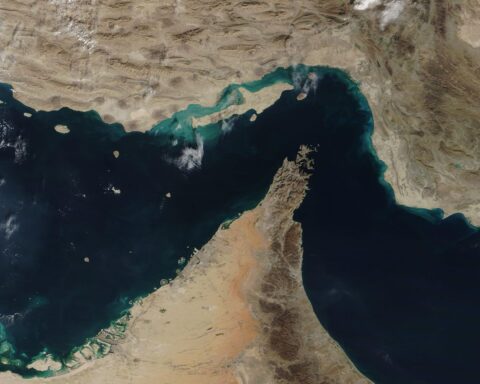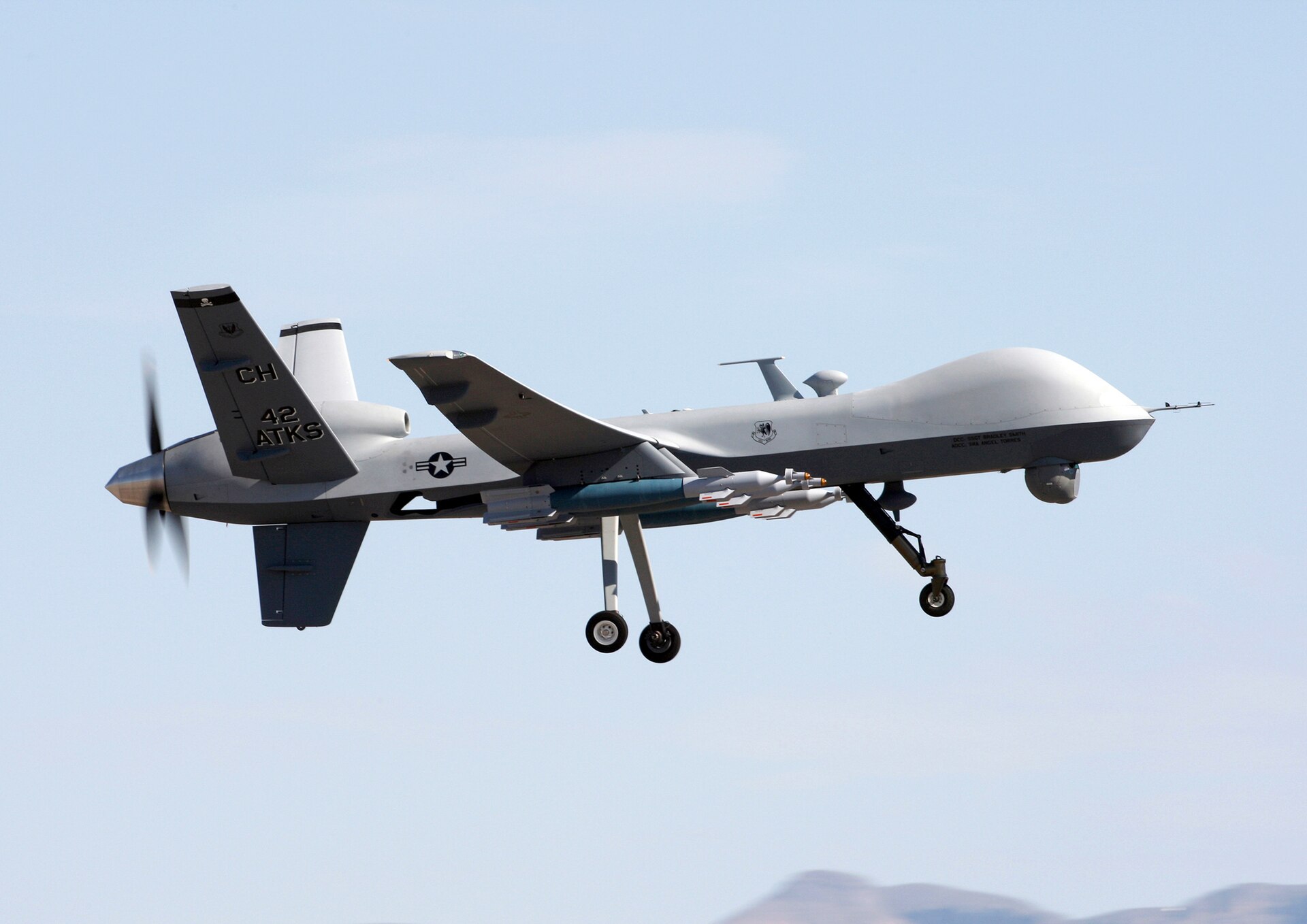

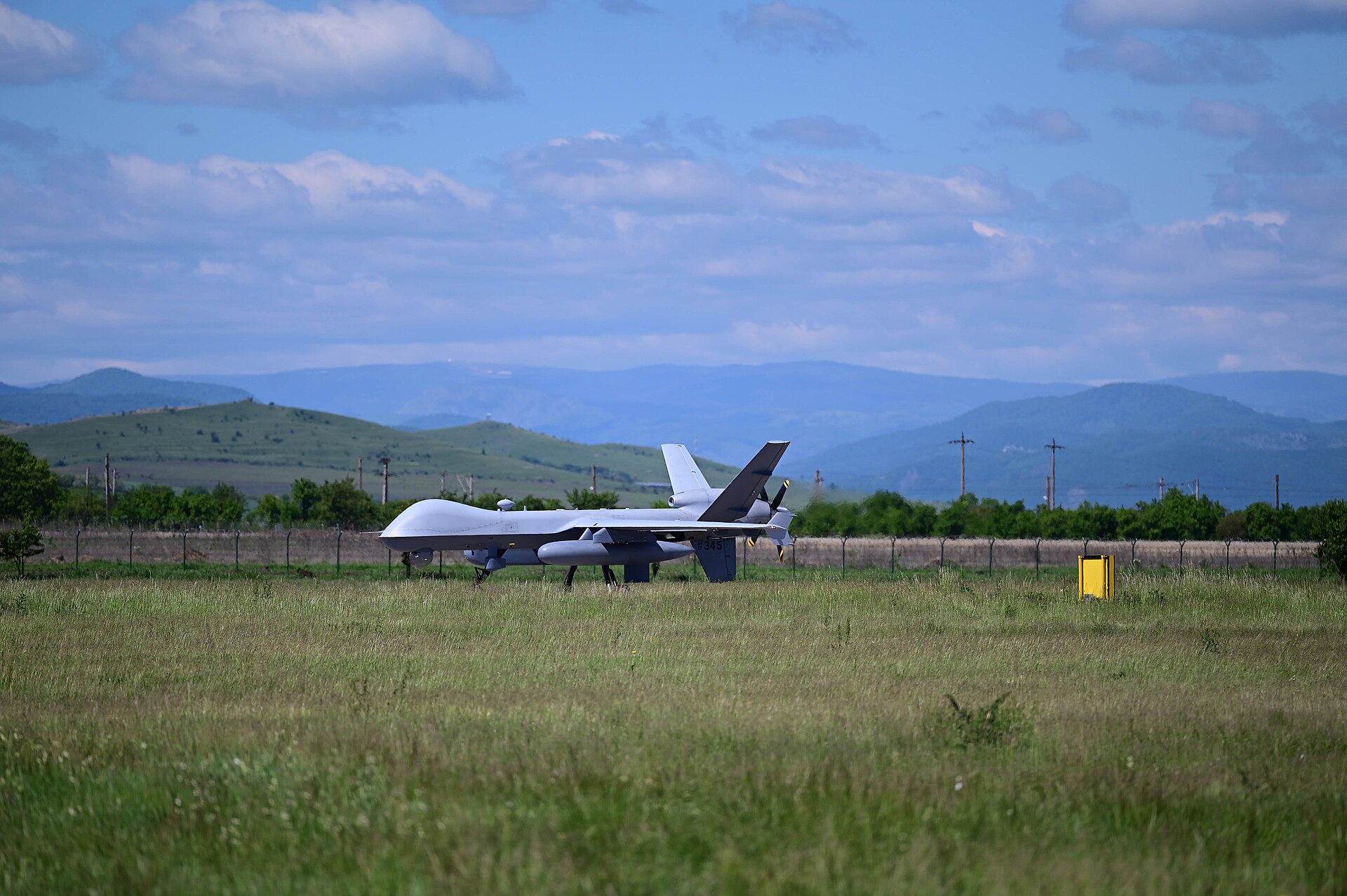
TEHRAN — Iran’s Islamic Revolutionary Guard Corps said on Saturday that its Aerospace Force destroyed a US military MQ-9 Reaper drone over the Strait of Hormuz in the early hours of November 21, in what the IRGC described as the 58th such drone downed by Iranian armed forces since the war began. The United States had not publicly acknowledged or denied the claim as of Saturday afternoon.
The announcement, reported by the state-affiliated Mehr News Agency at 8:28 a.m. Tehran time, extends a pattern of near-daily Iranian drone interception claims over and around the strait — five in the past 10 days, by Iran’s own count. The claims have come from both the IRGC and the regular army, targeting MQ-9 Reapers and smaller MQ-1 Predators alike. The ongoing disruption to Hormuz traffic now encompasses not only tanker mining and naval confrontations but, by Iran’s account, a sustained aerial campaign against US surveillance and strike platforms.
The House of Saud Daily Briefing
Saudi Arabia's news in 3 minutes, every morning. Free. See today's issue
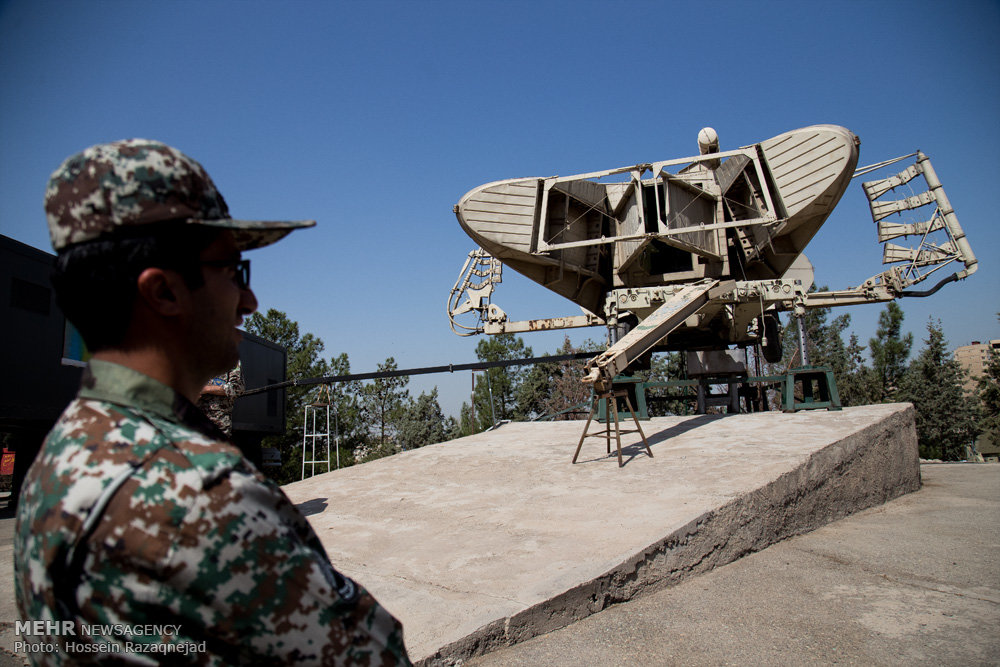
Table of Contents
- What Did the IRGC Claim on November 21?
- Five Drone Claims in 10 Days
- Can Iran’s Cumulative Count Be Independently Verified?
- The MQ-9 Reaper: A Strike Platform, Not a Scout
- Why Has the US Not Responded?
- A Tanker Struck Near Khasab the Same Morning
- Background: The 2019 Global Hawk Shoot-Down
- Frequently Asked Questions
What Did the IRGC Claim on November 21?
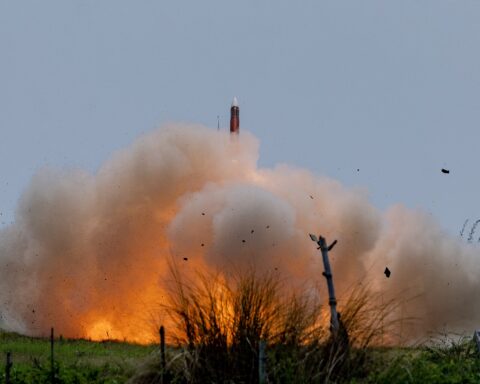
The IRGC’s Public Relations Office stated that its Aerospace Force “successfully intercepted and destroyed a US military MQ-9 drone over the Strait of Hormuz in early hours of Saturday morning,” according to Mehr News Agency. The statement said the drone was targeted by “a newly deployed and advanced air defense system operated by the IRGC Aerospace Force.”
No specific system name, missile type, or engagement altitude was disclosed. The statement’s language could indicate a recently fielded platform but provides no basis for independent identification. Whether the system is the same one the IRGC has used in previous claimed interceptions or something genuinely new is unclear from the statement alone.
The IRGC framed the operation as the 58th MQ-9 Reaper downed by Iranian armed forces. The figure is Iran’s own cumulative tally; no independent body has verified the count. Iranian authorities, Mehr reported, “continuously monitor all military and aerial activities in the strategic waterway and will respond firmly to any violations of the country’s airspace.”
The claim was attributed to the IRGC Aerospace Force — the branch commanded by Brigadier General Majid Mousavi, who took over in June 2025 after his predecessor Amir Ali Hajizadeh was killed in an Israeli strike, operating under the IRGC chain of command that reports to Commander-in-Chief Ahmad Vahidi. Vahidi has held the position since March 1, 2026. The IRGC is a parallel military structure separate from Iran’s regular armed forces, the Artesh.
Five Drone Claims in 10 Days
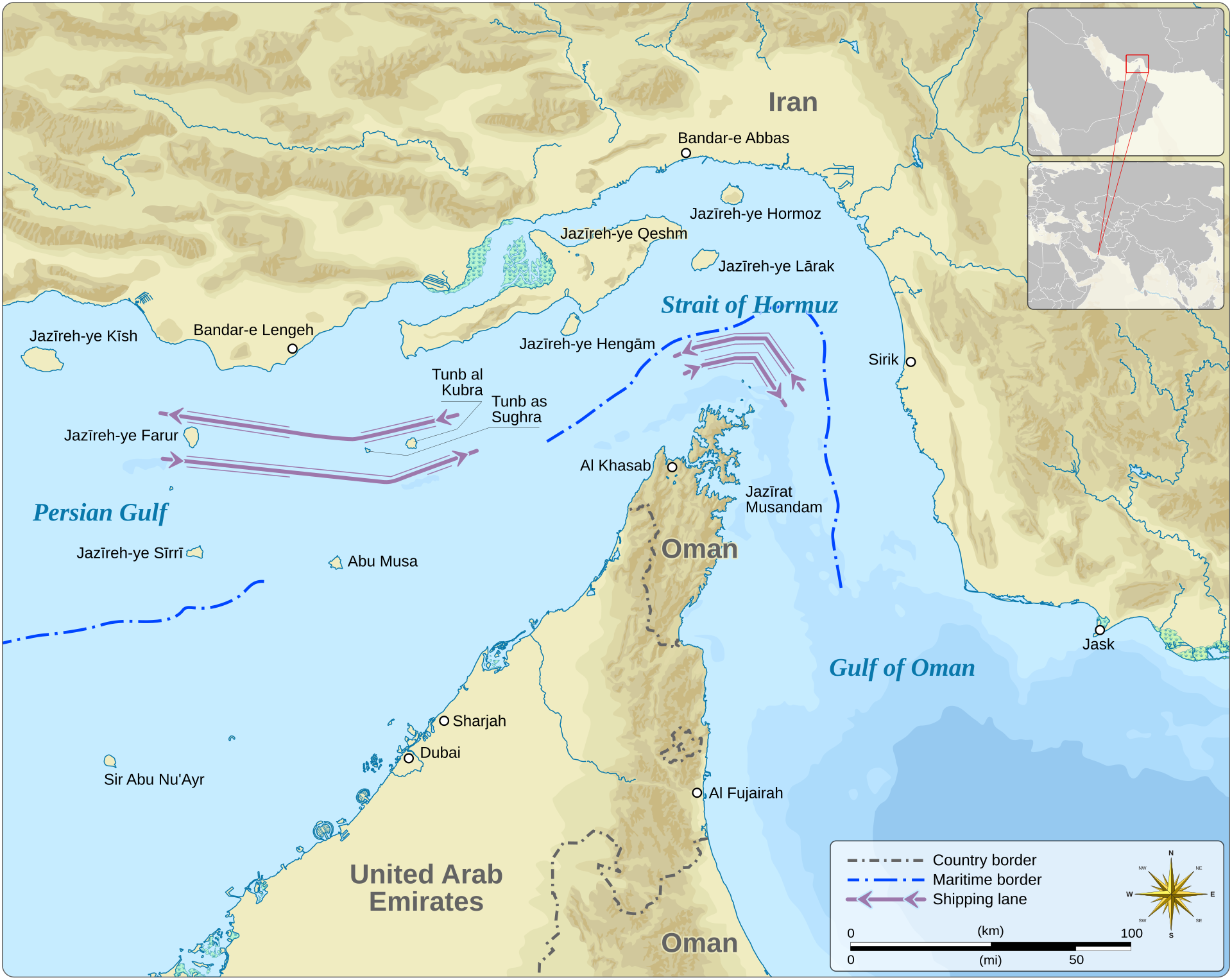
The November 21 announcement is the fifth Iranian drone interception claim in a 10-day span. The claims have come from different branches of Iran’s military apparatus and have targeted both MQ-9 Reapers and the older, smaller MQ-1 Predator.
| Date | Iranian Force | Claimed Drone Type | Stated Location |
|---|---|---|---|
| November 13 | Iranian Army Navy | MQ-1 | Kouhestak area, Sirik, Hormozgan coast |
| November 16 | Iranian Army | MQ-1 | Strait of Hormuz |
| November 17 | IRGC | MQ-1 | Qeshm Island |
| November 18 | Iranian Army | MQ-9 | Eastern Strait of Hormuz |
| November 21 | IRGC Aerospace Force | MQ-9 | Strait of Hormuz |
All claims as reported by Mehr News Agency. None have been confirmed by the United States.
The distribution of claims across multiple branches is itself part of the story. The November 13 interception at Sirik was attributed to the Iranian Army Navy, which said it used “a new naval air defense system” to track and engage the MQ-1 drone “in Kouhestak area along the coast of Sirik, Hormozgan province,” according to Mehr News. The Army Navy’s public relations office said Iran “would not hesitate for a moment in safeguarding and defending its territorial integrity, maritime borders, and national interests.”
The November 18 claim came from a different entity — the Iranian Army’s air defense force, the regular military or Artesh. The Army said the MQ-9 was “detected over the eastern Strait of Hormuz” and destroyed “by fire from domestically built Army air defense systems deployed in the country’s southeast,” Mehr reported. The Army’s statement specified that the systems were “operating under the country’s integrated air defense network.” Iran’s regular army reports to Supreme Leader Mojtaba Khamenei through the Armed Forces General Staff — a command chain distinct from the IRGC’s.
By November 17, the IRGC had separately claimed its 18th MQ-1 shoot-down over Qeshm Island, putting the combined Iranian total at that point at 56 MQ-9 drones and 18 MQ-1 drones, as reported by Mehr News. The two additional MQ-9 claims on November 18 and 21 brought the stated Reaper count to 58 — a tally that has been climbing steadily since the fall.
Can Iran’s Cumulative Count Be Independently Verified?
Not from open sources. Iran’s claim of 58 MQ-9 drones downed is an internal tally with no independent audit. The United States has been far more reticent about confirming losses. The only early publicly confirmed US loss of an MQ-9 to Iranian action came when the Pentagon acknowledged the destruction of a Reaper after Iran had first claimed the interception — with the US acknowledgment lagging Iran’s initial claim by several days.
External tallies have attempted to narrow the information gap. Wikipedia’s article on the MQ-9 Reaper, drawing on aggregated media reports, listed at least 48 MQ-9s lost to Iranian action as of September 2026. A Washington Post report from August 13, 2026 cited “at least 45” MQ-9 losses — encompassing shootdowns, drones destroyed at US bases, and losses from communications failures, not shootdowns alone — a figure that relied on a mix of sourcing the newspaper did not fully detail.
The gap between one confirmed loss and 58 claimed is enormous. It is possible that the US has quietly absorbed heavy drone attrition without public acknowledgment — the MQ-9 is unmanned, so losses carry no body count. It is also possible that Iran’s tally is inflated, counting damaged but not destroyed drones, conflating incidents, or simply fabricating some claims. Neither explanation can be ruled out with the available evidence.
What can be said is that the US has not contested Iran’s broader narrative of repeated shoot-downs with any public counter-tally of its own. That silence is itself a data point, though an ambiguous one — it could reflect operational secrecy, indifference to Iranian propaganda, or some combination of both.
The MQ-9 Reaper: A Strike Platform, Not a Scout
The MQ-9 Reaper is not a reconnaissance-only drone. Manufactured by General Atomics, it is a medium-altitude, long-endurance unmanned combat aerial vehicle capable of carrying AGM-114 Hellfire missiles and GBU-38 Joint Direct Attack Munitions. This distinguishes it from the MQ-1 Predator — the drone type Iran’s Army and IRGC claimed to have downed on November 13, 16, and 17 — which is an older, lighter platform with a smaller payload capacity.
That the United States has been flying strike-capable platforms over the Strait of Hormuz is consistent with the broader US mission posture in the waterway. War on the Rocks reported on November 19 that US forces were providing “significant help” to commercial shipping transiting the strait, though it noted that transit “remains a dangerous proposition.”
The presence of Reapers — rather than purely passive surveillance aircraft — over the world’s most contested chokepoint reflects the dual-purpose nature of US operations: monitoring Iranian naval and mine-laying activity, while maintaining the latent capability to strike. Iran has framed each claimed shoot-down as a defensive act to protect its airspace. The question of where these drones were operating at the moment of claimed interception — over international waters, within Iran’s asserted airspace, or somewhere in between — has not been resolved for any of the November incidents. The IRGC’s November 21 statement said only “over the Strait of Hormuz,” without specifying coordinates.
Why Has the US Not Responded?
As of Saturday afternoon, US Central Command had not publicly acknowledged or denied the IRGC’s November 21 claim. No Pentagon statement on the incident was found in other media. CENTCOM’s official website returned access errors during research for this report.
The absence of a US response is in some tension with precedent. When Iran shot down a US Navy RQ-4A Global Hawk BAMS-D surveillance drone over the Strait of Hormuz on June 20, 2019, the US acknowledged the loss within hours. That incident triggered a full crisis cycle — retaliatory strikes were ordered and then cancelled by President Trump, who cited disproportionate estimated casualties.
The 2026 dynamic is different. In 2019, the drone destruction was a singular event in a period of otherwise contained tensions. In November 2026, interception claims have become near-daily occurrences during an active war. The US may have calculated that individually acknowledging each claim carries little strategic benefit. It may also dispute some or all of the claims without saying so publicly. President Trump said in November that the United States had “total control” of the Strait of Hormuz — a statement Iran contested by setting conditions for the waterway’s reopening. The gap between that assertion and Iran’s claim to be shooting down US drones at will is one that neither side has publicly reconciled.
A Tanker Struck Near Khasab the Same Morning
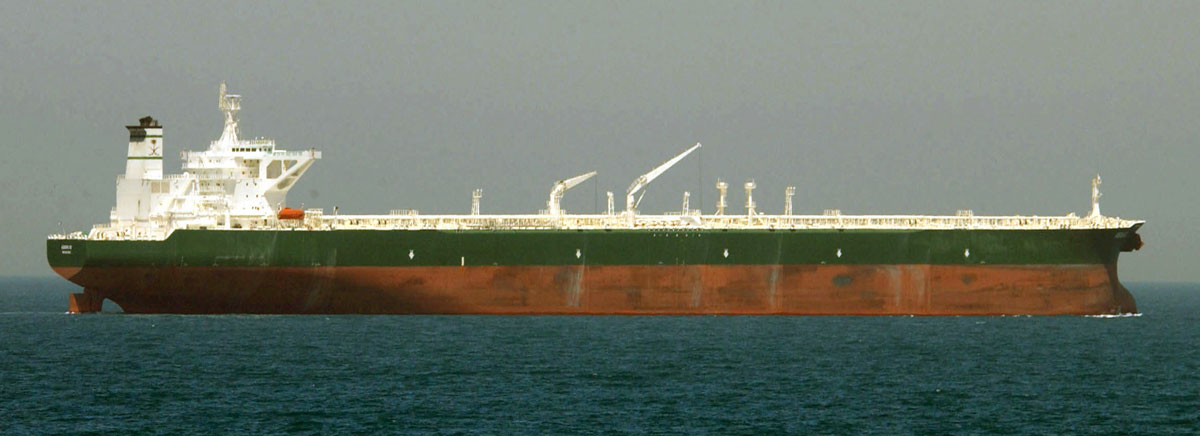
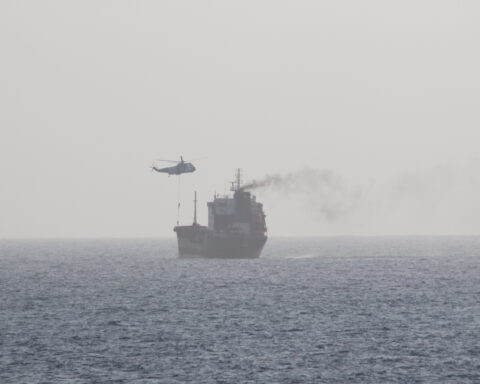
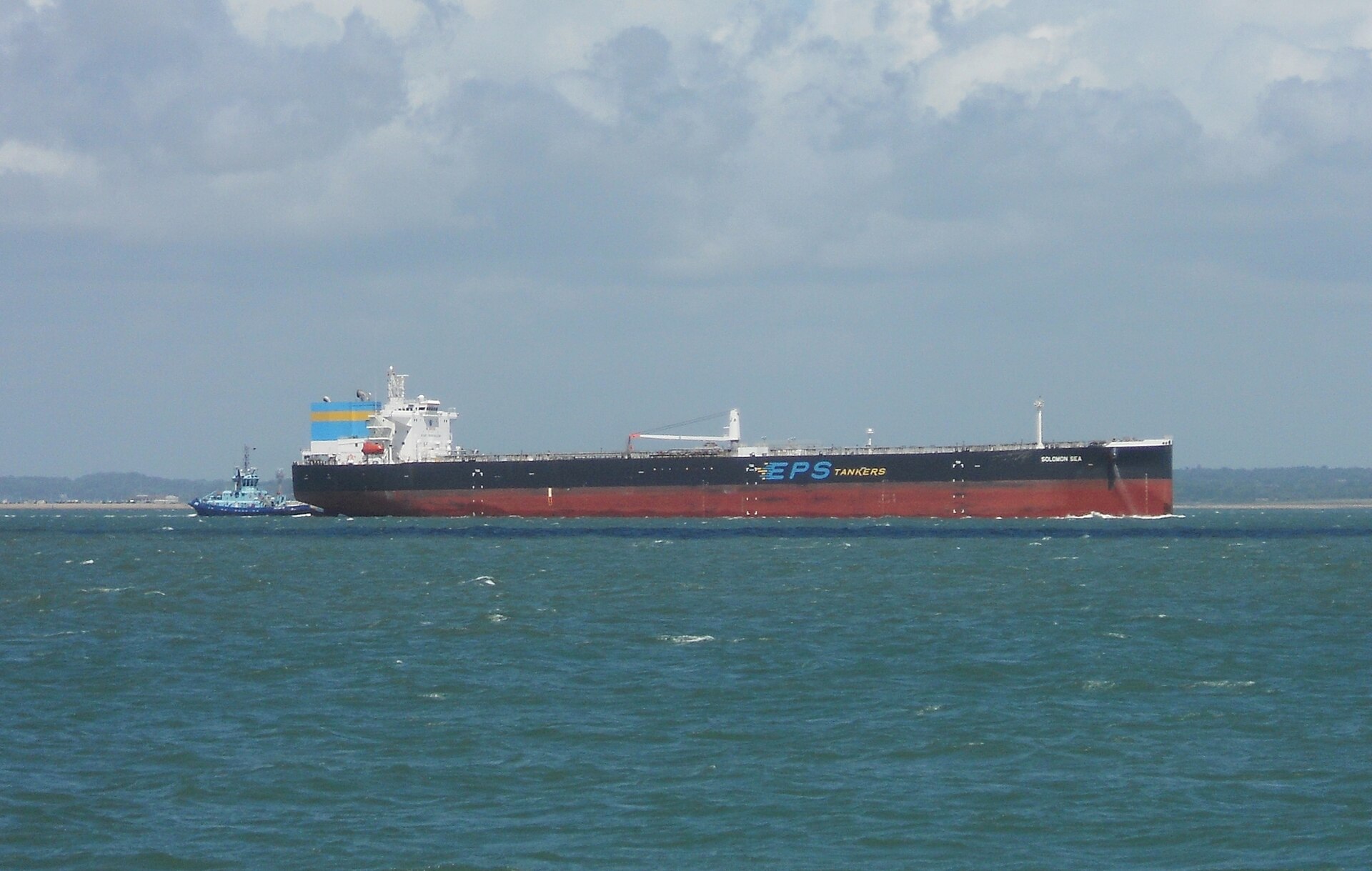
The drone claim was not the only Hormuz incident on November 21. The United Kingdom Maritime Trade Operations (UKMTO) issued an alert the same day reporting that a tanker transiting the strait “has been hit on the stern by an unknown projectile” at a position 11 nautical miles north of Khasab, Oman, Mehr News Agency reported. No casualties were reported aboard the vessel.
The tanker attack fits a broader pattern: Iran has mounted roughly 14 attacks in the strait in November alone. Two days prior, the IRGC said two supertankers had struck mines in the Hormuz area, carrying a combined 4 million barrels of crude. ADNOC’s CEO demanded the strait be reopened unconditionally after a vessel attack the previous week.
Brent crude settled at around $92.57 on Friday November 20, down roughly 3% for the week despite the daily tanker attacks. The seeming disconnect between persistent disruption and softening prices reflects the market’s gradual adaptation to a disrupted but not fully closed waterway — oil flows through Hormuz had fallen to approximately 10 million barrels per day as of late November, reduced but not eliminated.
Separately, the Saudi-led coalition intercepted three Houthi ballistic missiles over Riyadh earlier on November 21, with two explosions heard in the capital — a parallel front in the broader conflict.
Background: The 2019 Global Hawk Shoot-Down
The closest precedent for the current drone confrontation remains Iran’s June 20, 2019 shoot-down of a US Navy RQ-4A Global Hawk BAMS-D drone near the Strait of Hormuz. In that case, the US acknowledged the loss and prepared retaliatory strikes. Trump cancelled the operation minutes before execution, citing disproportionate estimated casualties. US media reported, citing anonymous officials, that the US conducted cyberattacks on IRGC missile-control systems; the US government did not publicly confirm the operation.
The 2019 dispute centered partly on location. US Lt. Gen. Joseph Guastella stated the drone’s closest point to the Iranian coast was 21 miles, placing it in international airspace over the strait. IRGC Aerospace Commander Amir Ali Hajizadeh countered that the drone had entered Iranian territory: “When it did not redirect its route and continued flying toward and into our territory, we had to shoot it at 4:05 a.m. Our national security is a red line.”
The RQ-4A Global Hawk was an unarmed, purely ISR platform. The MQ-9 Reaper — the drone type Iran now claims to be shooting down repeatedly — is a qualitatively different system: strike-capable, armed with missiles and precision-guided munitions, and embedded in an active combat mission rather than peacetime surveillance patrols. The escalation in platform type, if Iran’s claims are accurate, would reflect both the expanded US mission profile over Hormuz and Iran’s willingness to engage weapons-capable aircraft.
Iran first closed the Strait of Hormuz on February 28, 2026 — the same day the broader conflict began. The air and naval confrontation around the strait has intensified through the fall. US strikes hit Iranian positions on Qeshm Island in early November, and Iran’s IRGC chief has claimed Iran controls waters 500 km beyond the strait. The drone war is one layer of a multi-domain contest in which neither side has been willing to concede the airspace above Hormuz.
Frequently Asked Questions
What is the MQ-9 Reaper drone?
The MQ-9 Reaper, manufactured by General Atomics, is a medium-altitude, long-endurance unmanned combat aerial vehicle used by the US military for both surveillance and targeted strikes. It succeeded the smaller MQ-1 Predator as the primary US armed drone platform, with significantly greater payload capacity. Iran maintains separate tallies for each type: 58 claimed MQ-9s and 18 claimed MQ-1s as of November 21, 2026, by Iran’s own count — a distinction that reflects how the IRGC and Iranian Army have categorized their claims.
Has the US confirmed losing any drones to Iran in the current war?
The US has confirmed drone losses to Iranian action since 2019, including the RQ-4A Global Hawk on June 20, 2019, and an MQ-9 Reaper acknowledged in spring 2026, with the US confirmation lagging Iran’s initial claim by several days. No further MQ-9 losses have been individually confirmed by the Pentagon. External tallies have attempted to fill the gap — a Washington Post report from August 13, 2026 put the figure at “at least 45” total MQ-9 losses — but those counts rely on mixed sourcing and have not been endorsed by any US official.
What is the difference between the IRGC and Iran’s regular army?
Iran maintains parallel military structures. The IRGC reports to its own commander-in-chief — currently Ahmad Vahidi, in the position since March 1, 2026 — and operates its own aerospace, naval, and ground forces. The regular army, or Artesh, reports to Supreme Leader Mojtaba Khamenei through the Armed Forces General Staff. Both have made separate drone interception claims in November 2026, sometimes on consecutive days. The Ministry of Defense and Armed Forces Logistics (MODAFL) handles equipment procurement and logistics for both forces but does not exercise operational command over either.
Why does the location of the drone matter?
Airspace over the Strait of Hormuz is contested. Iran claims sovereignty over its territorial airspace — 12 nautical miles from its coastline — and has historically asserted that US drones violated that boundary. The US has maintained that its aircraft operate in international airspace. In the 2019 Global Hawk incident, US Lt. Gen. Joseph Guastella said the drone was 21 miles from the Iranian coast; Iran’s IRGC said it was 8.3 nautical miles inside Iranian territorial waters. For the November 2026 claims, no precise coordinates have been provided by either side, leaving the legal and geographic question unresolved.
What air defense system did Iran use in the claimed November 21 interception?
The IRGC said only that it used “a newly deployed and advanced air defense system operated by the IRGC Aerospace Force” — no platform name, missile type, or engagement altitude was disclosed. Iran used similarly non-specific language across all five of its November 2026 interception claims. The consistent omission of technical details makes independent assessment of Iran’s claimed intercept capability impossible from open sources.
The House of Saud Daily Briefing
Saudi Arabia's news in 3 minutes, every morning. Free. See today's issue