
RIYADH — Saudi Arabia’s Public Investment Fund capped overseas investments at 20% of assets in its 2026–2030 strategy, approved by the board on April 15, retreating from both the roughly 30% international allocation the fund reached at its peak and the 50% target that governor Yasir Al-Rumayyan set in 2018, The National reported. The rebalancing amounts to the first formal reversal of that direction, locking four-fifths of a $900 billion portfolio into domestic projects, The National reported on April 15.
The retreat coincides with a $51 billion budget gap projected for 2026, Fortune reported on November 20 citing the Saudi Finance Ministry, a shortfall deepened by a 26% year-on-year surge in defence expenditure as the kingdom wages parallel campaigns against Iran and the Houthis. PIF has already shed assets from LIV Golf to the Metropolitan Opera, construction contract awards across its portfolio collapsed by roughly 60% in the most recent year, and foreign direct investment into the kingdom fell 18% in Q2 2026, according to Fortune.
Table of Contents
From 50% Ambition to 20% Ceiling
When Al-Rumayyan told Reuters in 2018 that PIF would raise its international share from roughly 10% to 50% by 2030, the number defined Vision 2030’s investment thesis: Saudi Arabia would not simply export oil but deploy the proceeds across technology, infrastructure and entertainment on every continent worth entering. The fund overdelivered on the trajectory, with its 2021–2025 programme reporting that international holdings rose from 5% of assets under management in 2017 to approximately 30%, overshooting the interim 24% target, according to PIF’s own delivery plan.
The House of Saud Daily Briefing
Saudi Arabia's news in 3 minutes, every morning. Free. See today's issue
The 2026–2030 strategy reverses that direction, capping the overseas share at 20% and directing 80% of the portfolio into domestic investments, The National reported. With assets under management at approximately $900 billion, the new allocation means roughly $180 billion stays abroad — a sharp contraction from the global footprint that once included stakes in Uber, Lucid Motors, and entertainment ventures on three continents. Al-Rumayyan has defended the ceiling by arguing that the dollar value of foreign holdings will keep rising even as their share of a growing portfolio declines, The National reported.
“The reassessment of our investments is continuous and natural,” Al-Rumayyan said in April. The fund that once targeted half its portfolio abroad now caps the share at one-fifth, while defence spending alone consumed SAR 64.7 billion ($17.2 billion) in the first quarter of 2026, according to budget ministry data cited by vision2030.ai.
What Has PIF Already Dropped?
The first casualties were the investments that bought global profile rather than domestic returns, and both exits came within days of each other in late April 2026. PIF announced on April 30 that it would fund LIV Golf only through the end of the 2026 season, with Al-Rumayyan stepping down simultaneously as the tour’s chairman, Yahoo Sports reported citing a PIF statement. The fund had spent more than $5 billion on the venture — vision2030.ai estimated $5.3 billion through February 2026 — in a bid to establish Saudi Arabia in global sport that drew protests at every tournament and produced no clear path to standalone profitability.
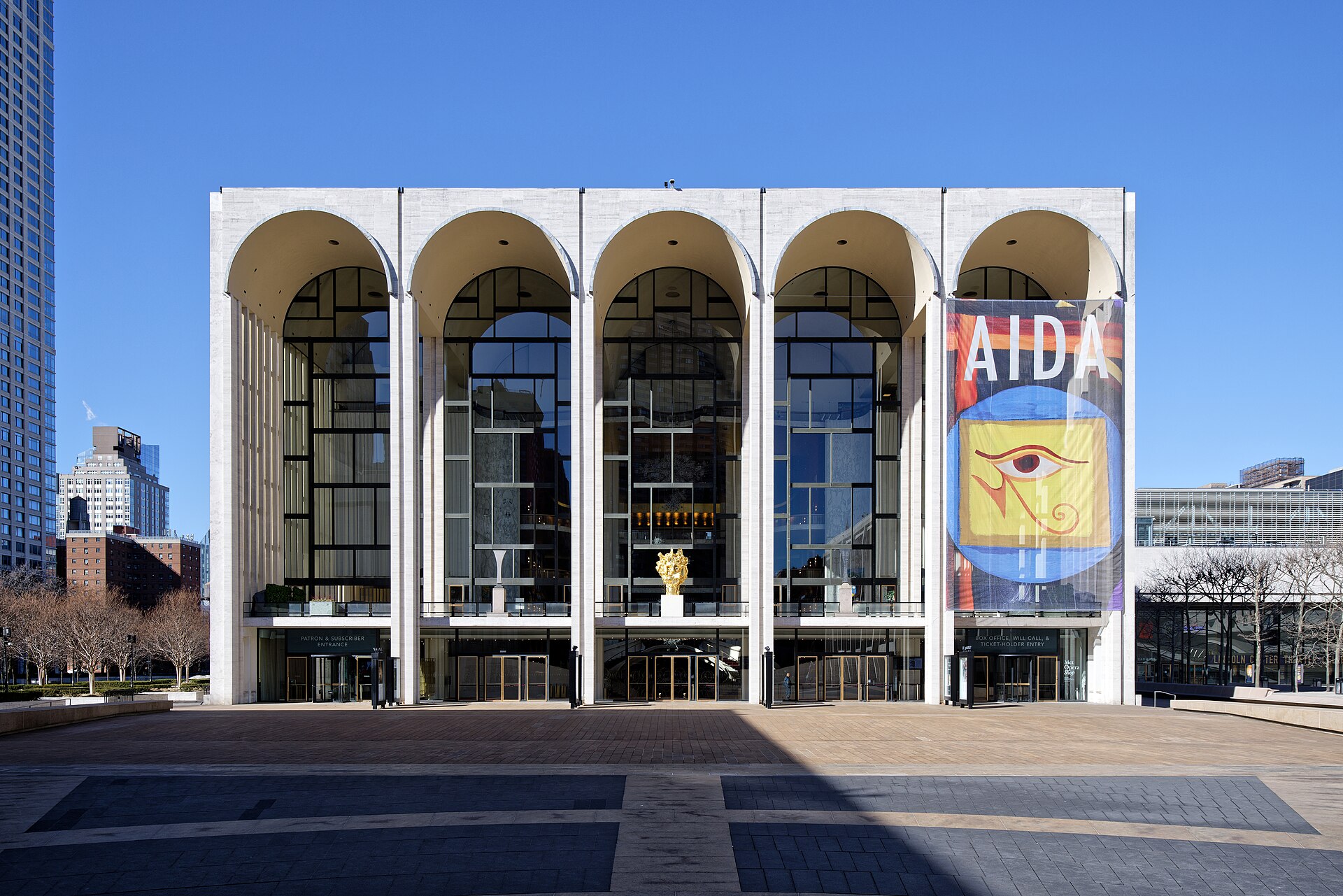
Days earlier, PIF withdrew from a planned $200 million partnership with New York’s Metropolitan Opera, an arrangement announced as a nonbinding memorandum of understanding in September 2025 and abandoned before money changed hands, CelebrityAccess reported on April 24. Met general manager Peter Gelb told the New York Times that the Saudis pulled out citing economic pressure from the Iran war, saying the Met arrangement “falls outside what is essential.” The Met subsequently announced a $30 million fundraising shortfall, CelebrityAccess reported.
Helima Croft, global head of commodity strategy at RBC Capital Markets, told Fortune that firms had treated Saudi funding as “an easy ATM” and that sovereign funds will have less capital to deploy overseas while the kingdom focuses on domestic needs. PIF told Al Jazeera that a longer LIV Golf commitment “is no longer consistent with the current phase of PIF’s investment strategy.”
How Deep Is the Fiscal Hole?
The kingdom’s fiscal position has deteriorated faster than the original Vision 2030 planners anticipated, though Finance Minister Mohammed al-Jadaan has insisted the deficit is “by design” and will continue through 2028, according to The National. The official 2026 budget, approved in December 2025, projected a deficit of SAR 165.4 billion ($44 billion), Argaam reported, but the September pre-budget statement revised that estimate to SAR 245 billion — nearly 50% above the original projection — according to Reuters via Zawya. The revision was driven by a military campaign that Saudi officials have said will run at least six more months, with the pre-budget statement also forecasting real GDP falling 3.6% in 2026 on a 21.8% drop in oil activity, Reuters reported via Zawya.
The first quarter of 2026 alone produced a deficit of SAR 125.7 billion ($33.5 billion) — the largest quarterly shortfall since 2018 — with defence consuming the largest single share, according to budget ministry data cited by vision2030.ai. Goldman Sachs estimates the war-adjusted fiscal deficit at 6–6.6% of GDP over the 2025–2026 period, while Bank of America puts the figure at roughly 5% — both well above the government’s official 3.3% projection, vision2030.ai reported. The military spending shows no sign of easing: even as PIF slashes overseas allocations, the GCC has approved a forward command headquarters in Kuwait that commits the kingdom to sustained defence coordination across the Gulf.
Oil still accounts for 60% of fiscal revenue, Fortune noted, and while Aramco’s Q3 adjusted net income rose 9%, the continuing disruption to oil flows through the Strait of Hormuz means the kingdom cannot pump its way out of the shortfall. Monica Malik, chief economist at Abu Dhabi Commercial Bank, told Fortune that “a lot of investment will sit on the sidelines and wait for some more signs of stability.”
The Construction Collapse
PIF’s construction contract awards tell a sharper story than the annual report: from $113 billion in 2023, to $71 billion in 2024, to below $30 billion in 2025 — roughly a 60% drop from 2024 alone, according to vision2030.ai. PIF’s share of total Saudi construction awards fell from 38% in 2024 to 14% in 2025, a contraction that reflects not project delays but a deliberate withdrawal from the pace of building that defined Vision 2030’s first phase. The numbers matter because PIF’s construction pipeline was the clearest signal to foreign contractors and investors that the kingdom was building at scale — and the signal now points in the opposite direction.
The PIF board approved a minimum 20% spending reduction across its portfolio of more than 100 companies in December 2024, vision2030.ai reported, and the 2026–2030 strategy imposed a further 15% capital expenditure cut on top. Cash reserves had fallen to approximately $15 billion by late 2024 — the lowest level since 2020, against $56.8 billion deployed during that year — leaving the fund reliant on borrowing to sustain its commitments, according to vision2030.ai. PIF has framed the contraction as a structural evolution: the 2026–2030 strategy reorganised its 13-sector portfolio into six integrated ecosystems, with an explicit mandate to shift from rapid expansion to what the fund calls “consolidating efficiency” — a phrase Jawlah’s analysis of the strategy highlighted as the core operating shift, TradeArabia reported in April.
James Reeve, a former senior PIF director who left Riyadh in January 2026, told Fortune that if investors see the kingdom’s main economic gateway under attack, they may shift investment to places like Singapore or Sweden — a warning directed at the foreign institutional capital that PIF had expected to follow its lead into Saudi megaprojects. The Council on Foreign Relations put it plainly in a May 2026 assessment: “There is no obvious, equally large capital source waiting in the wings.”
What Stays and What Gets Frozen?
The megaproject triage is now explicit. The Line — NEOM’s planned 170-kilometre mirrored city that served as Vision 2030’s centrepiece — is suspended, with Al-Rumayyan telling The National in April that “is having The Line by 2030 important? I don’t think so.” The Mukaab, a planned 400-metre cube in Riyadh, is deferred, and Red Sea Global’s Phase 2 tourism expansion is frozen, according to the Gulf International Forum and vision2030.ai.
What remains ring-fenced are the commitments the kingdom cannot walk away from without diplomatic or contractual damage: Expo 2030, which Riyadh won in a competitive bid; the FIFA 2034 World Cup, whose hosting deal was confirmed in December 2024; NEOM’s Green Hydrogen project, which serves the energy transition strategy; and Oxagon, the industrial port city that Al-Rumayyan has identified as the one NEOM component the kingdom cannot afford to delay. “What we must have is Oxagon,” he told reporters, drawing a line between the prestige projects that made magazine covers and the industrial infrastructure that might generate revenue.
Finance Minister al-Jadaan reinforced the new calculus in an interview cited by the Gulf International Forum, saying the kingdom would defer or cancel giga-projects “without blinking” if they lack economic sense. The 10th Future Investment Initiative summit, originally scheduled for October 2026, has been postponed to October 2027 — the second such delay in FII’s history, after FII4 was pushed to January 2021 by COVID.
Background
PIF was restructured in 2015–2016 under Vision 2030, with Crown Prince Mohammed bin Salman chairing its board and directing its transformation from a holding company for government stakes into an active sovereign wealth fund — one that within a decade accumulated stakes spanning electric vehicles, video games and professional golf.
By 2025, PIF accounted for 11% of Saudi non-oil GDP, with the annual report showing revenue of $120 billion and net profit of $17 billion — more than double the prior year, Asharq Al-Awsat reported. The fund’s domestic weight means its rebalancing is not merely a portfolio decision but a fiscal one: every dollar redirected from overseas holdings to Saudi projects is a dollar the government does not have to borrow, at a time when the broader tax reform agenda, including ZATCA’s 15% minimum tax on multinationals from January 2027, reflects the same pressure to find revenue from non-oil sources.
“Oil is the enabler of everything,” Croft told Fortune. On November 19, a Houthi missile damaged the PIF Tower in Riyadh’s King Abdullah Financial District, Bloomberg reported.
Frequently Asked Questions
Is the 20% overseas cap a temporary war measure or a permanent shift?
Kristian Coates Ulrichsen of the Baker Institute has described the broader rebalancing as “an acceleration of trends already underway rather than a major change of course.” PIF’s domestic reweighting began before Iran closed the Strait of Hormuz in late February 2026 — the December 2024 spending cuts and the shift in strategy language from “rapid expansion” to “consolidating efficiency” predated the conflict, suggesting the war accelerated and formalised a pivot the fund’s cash position was already forcing.
How has the war affected Saudi GDP growth?
The IMF cut its Saudi 2026 growth forecast three times in four months: to 3.1% in April, to 2% in its June Article IV statement, and to 1.7% in a July update, according to Enterprise and News24. Second-quarter real GDP fell 4.8% year on year, with oil activity down 24.7% while non-oil activity rose just 0.6%, according to GASTAT flash estimates reported by TradeArabia. The first-half deficit reached SAR 160 billion, fully financed by borrowing, Asharq Al-Awsat and Gulf News reported.
What does PIF’s new domestic strategy look like?
The 2026–2030 strategy reorganised PIF’s portfolio from 13 sectors into six integrated ecosystems and three investment portfolios, with NEOM designated as one ecosystem, according to TradeArabia and Jawlah. PIF described the shift as moving “from rapid expansion to consolidating efficiency” and toward enabling private-sector investment rather than relying on direct PIF spending — a framework that prioritises industrial and logistics infrastructure like Oxagon over the tourism and entertainment ventures that defined the fund’s global profile.
The House of Saud Daily Briefing
Saudi Arabia's news in 3 minutes, every morning. Free. See today's issue