
RIYADH — An unspecified projectile struck a tower in Riyadh’s King Abdullah Financial District on Tuesday, November 24, the Saudi-led coalition said, calling the attack “cowardly” and sending investigators to the site. Witnesses told AFP the target was the PIF Tower, the skyscraper housing Saudi Arabia’s sovereign wealth fund, which had already been damaged in a strike five days earlier. The Houthis have not claimed responsibility.
The attack came with no advance warning to residents, no recorded interception by Saudi air defences and no immediate details from authorities about casualties or damage. It is the latest in a pattern of strikes that has moved from airports and military installations to the commercial and financial heart of the Saudi capital, where the stock exchange, Goldman Sachs and the Public Investment Fund share a cluster of glass towers built to showcase Vision 2030.
The House of Saud Daily Briefing
Saudi Arabia's news in 3 minutes, every morning. Free. See today's issue
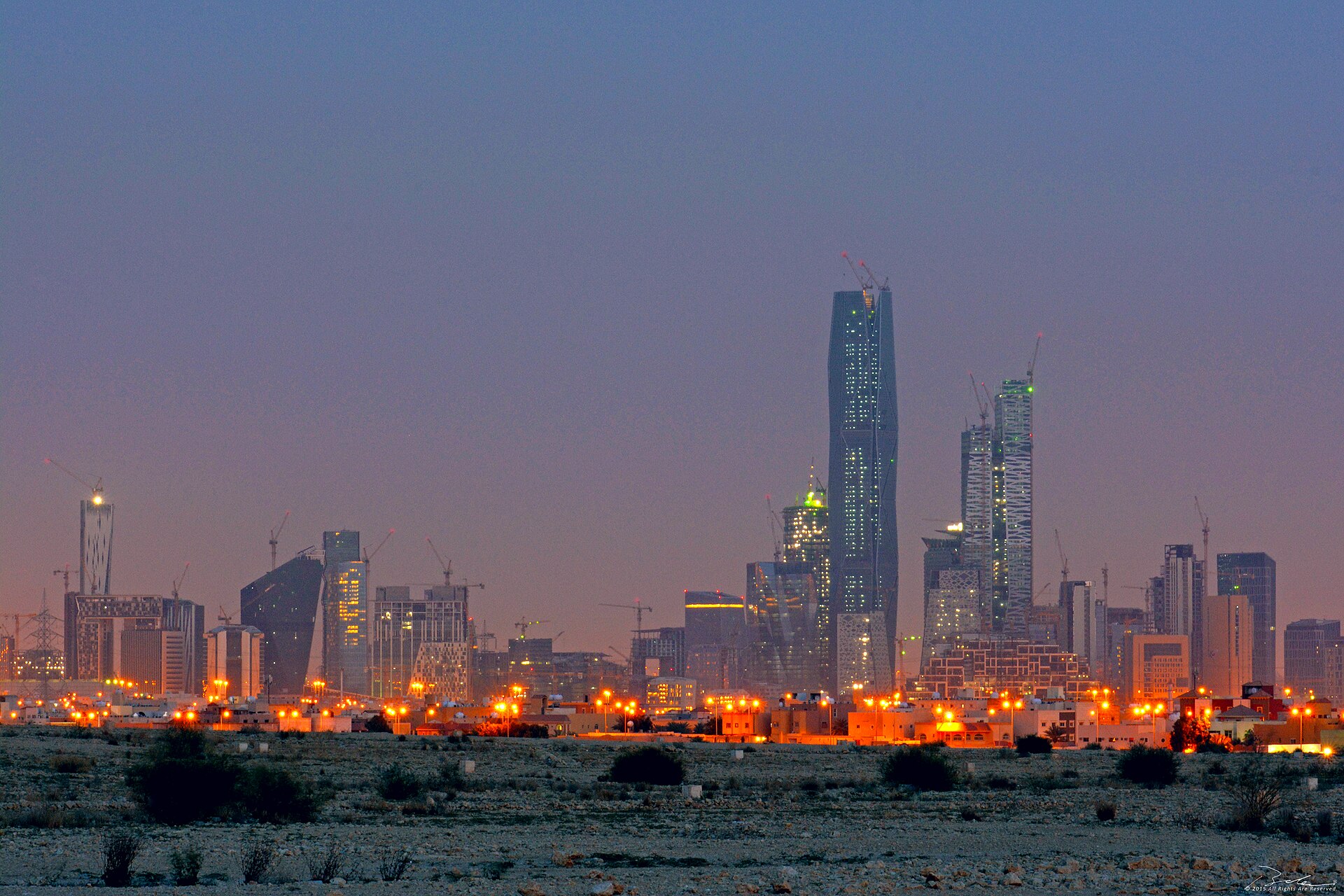
Table of Contents
What Happened at KAFD on November 24?
Coalition spokesman Major General Turki al-Maliki posted on X on Tuesday that “one of the towers in the King Abdullah Financial District in Riyadh” had been subjected to “a cowardly terrorist attack,” according to the Egyptian Gazette, citing wire services. He added that “relevant authorities are currently on-site at the location of the attack,” according to the Anadolu Agency. Al-Maliki did not name the specific building, identify the weapon or provide a casualty count.
The coalition’s statement was notably sparse. It did not attribute the strike to the Houthis by name, using only the phrase “terrorist attack.” It gave no information about the type of projectile — cruise missile, ballistic missile, drone or debris — that reached the tower. And it said nothing about whether Saudi air defences had attempted an interception.
Al Jazeera, citing AFP, described the weapon as an “unspecified projectile.” Saudi authorities did not report any missile or drone interceptions in connection with the strike, AFP reported. No casualties were reported.
Coalition Response and the Silence on Details
The coalition’s framing followed a pattern that has become familiar since Houthi projectiles began reaching Riyadh. Authorities describe the event in general terms — “terrorist attack,” “material damage,” “competent authorities are examining the site” — while withholding specifics that would allow independent assessment of what happened and how.
In this case, al-Maliki’s X post was the coalition’s only public communication about the strike. The Saudi Foreign Ministry, which condemned the November 19 PIF Tower attack and warned of a threat to “regional and global security,” according to The National, had not issued a comparable statement for the November 24 event at the time of reporting.
The absence of a Houthi claim added another layer of ambiguity. After the November 19 strike, the Houthis claimed responsibility; no equivalent statement followed the November 24 strike. The Houthis have not claimed responsibility, AFP reported.
The Anadolu Agency noted that “no details were immediately provided about the weapon used, possible casualties or the extent of damage.” The Arab Times, citing wire reports, confirmed that “no details were immediately provided” and described the event as “the second time in less than a week that a tower in the district came under attack.”
What Did Witnesses Report?
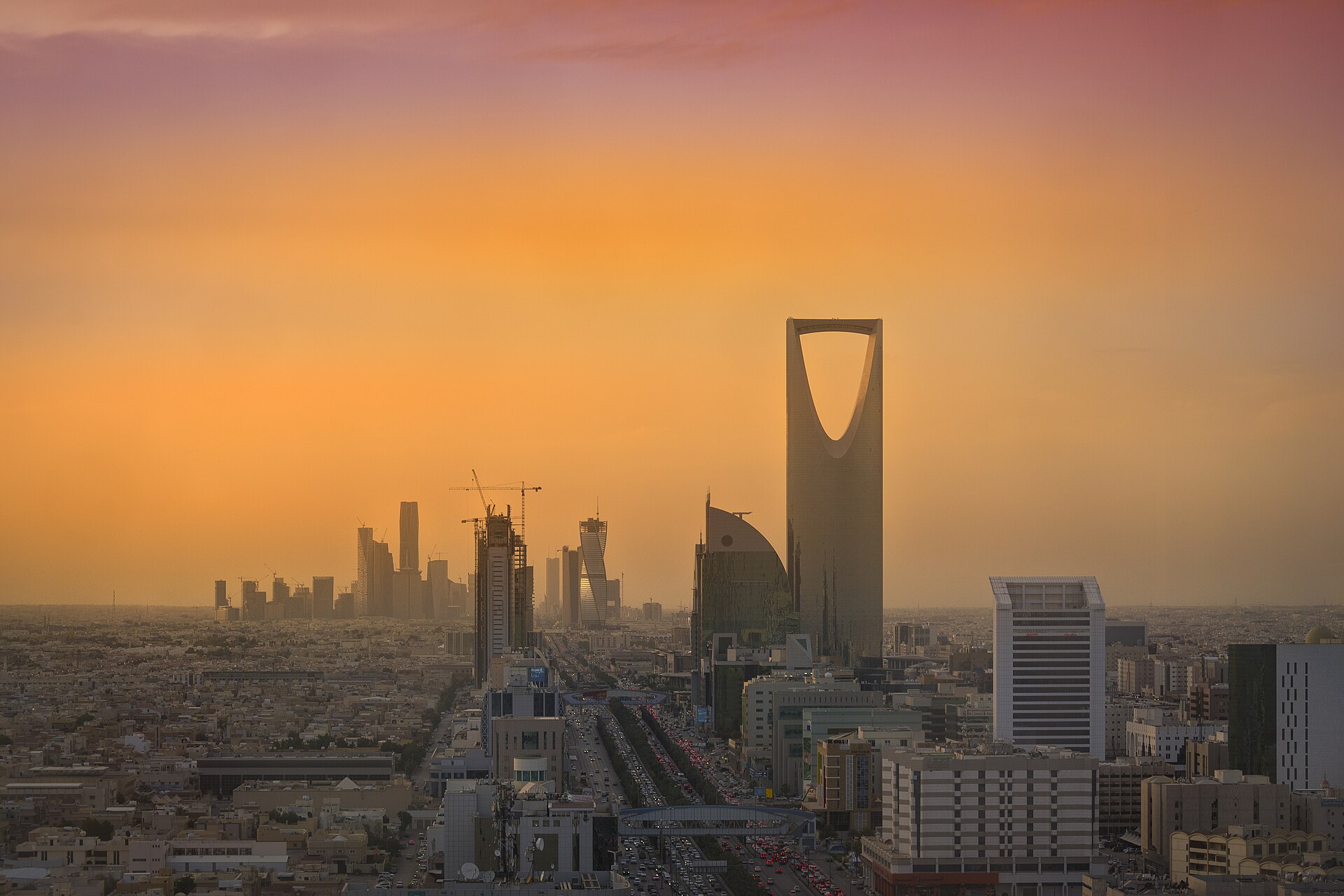
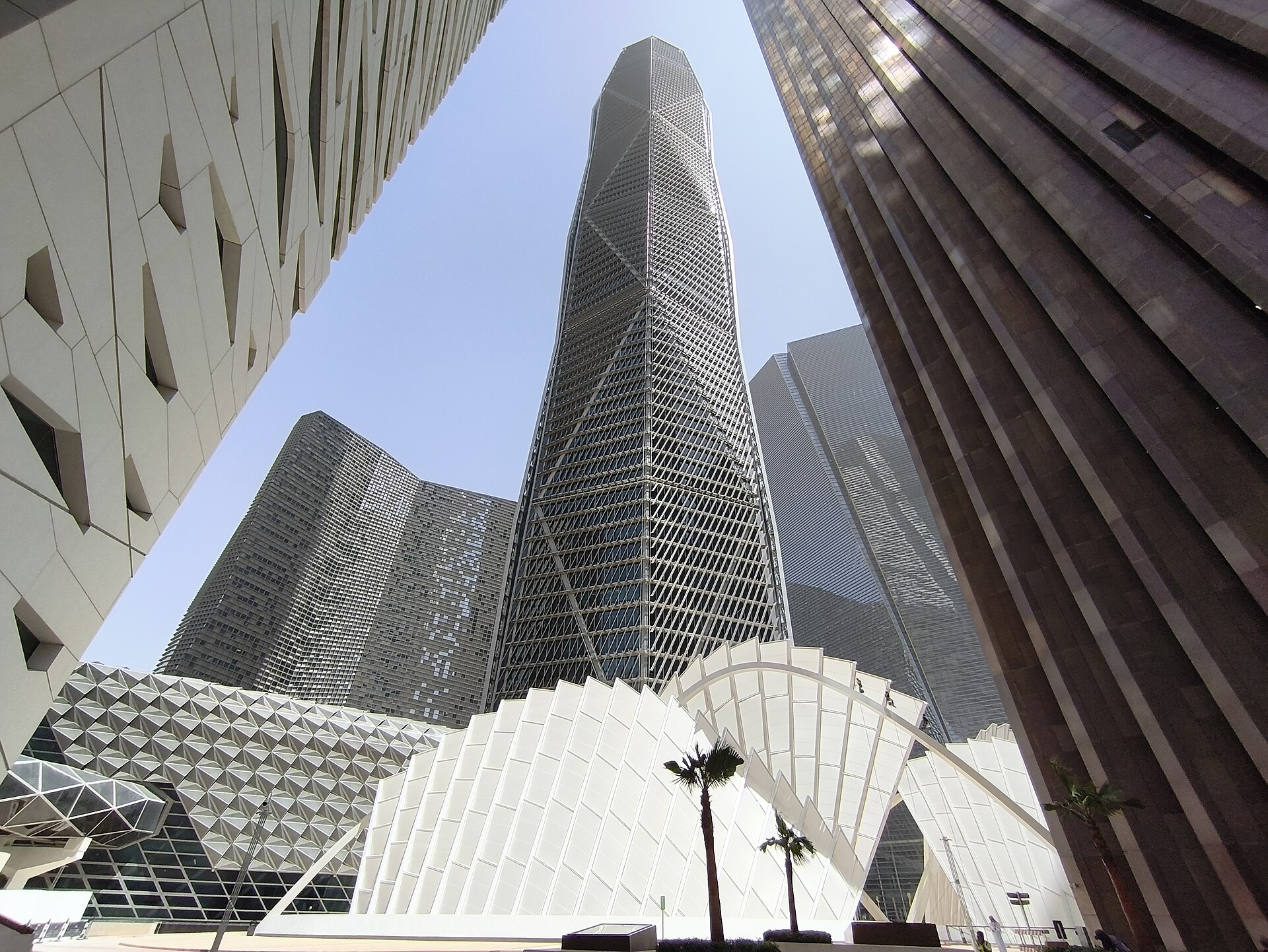
Where the coalition said little, witnesses said more. Three separate witnesses told AFP that the strike hit the skyscraper housing the Public Investment Fund, according to Seneweb, publishing AFP’s report. The PIF Tower — at 385 metres, Riyadh’s tallest building — was “already damaged last week in a strike by these fighters,” AFP noted.
A fourth witness described a vehicle equipped with a loudspeaker that had called on pedestrians in the business district to take shelter, AFP reported via Seneweb. The loudspeaker warning was apparently the only advance notice anyone received. AFP reported that “residents have not received any alerts on their phones,” a contrast with procedures during recent attacks when Civil Defence sirens and mobile warnings accompanied Houthi missile volleys aimed at Riyadh.
The absence of phone alerts raises unanswered questions. Saudi Civil Defence has used the country’s emergency alert system to warn residents of incoming projectiles during previous attacks. Whether the system failed, whether authorities chose not to activate it, or whether the projectile arrived without enough warning time to trigger an alert remains unclear.
Why Were No Interceptions Recorded?
Saudi authorities did not report intercepting any missile or drone in connection with the November 24 strike, Al Jazeera reported. This distinguishes it from most recent Houthi attacks on Riyadh, in which the coalition has typically reported engaging incoming projectiles — sometimes successfully, sometimes not.
On November 21, the coalition said it intercepted Houthi ballistic missiles over Riyadh, though residents reported two explosions heard across the city. The November 8 KAFD attack also followed reported interceptions: the coalition said it had destroyed two cruise missiles targeting Riyadh and the southern region that day, though debris still struck the Aramco tower in the financial district, according to Al Jazeera.
The November 19 PIF Tower strike presented a murkier picture. Three sources familiar with the incident told Reuters an incoming Houthi missile struck the tower directly. The coalition’s initial assessment, however, pointed to falling debris after it “dealt with a missile threat,” Reuters reported. Civil Defence said the attack damaged several floors and adjacent buildings.
For November 24, neither explanation was offered. The coalition did not say it intercepted anything. It did not say a projectile struck directly. The only sourced description of the weapon is Al Jazeera’s reference to an “unspecified projectile.”
From Airports to Financial Towers: The Escalation Pattern
The KAFD has been struck repeatedly since November. On November 8, an Aramco building in the financial district sustained damage that the Saudi Energy Ministry called “minor” after what it described as an “attempted attack,” according to Al Jazeera. A Reuters witness reported windows blown out across several floors of the Aramco tower that day. The coalition said it had intercepted two cruise missiles targeting Riyadh, but falling debris reached the district regardless.
Eleven days later, on November 19, the PIF Tower took its first confirmed hit. Reuters reported that shattered windows extended across seven or eight floors and parts of the building’s metal facade were bent. Civil Defence released a photograph — published via the Saudi Press Agency — showing the extent of the damage. The Houthis claimed the attack, with spokesman Yahya Saree saying the group had targeted Riyadh’s financial district with cruise missiles, according to The National.
The November 24 strike followed just five days later. The progression — from an Aramco administrative building to the kingdom’s tallest skyscraper, repeated — marks a shift in the Houthi targeting pattern. Earlier in the conflict, the most consequential strikes hit military and aviation infrastructure. The October attack on King Khalid International Airport killed at least 14 people and wounded more than 300, according to Al Jazeera and Saudi Gazette. The coalition’s military response to Houthi operations has included sustained air campaigns in Yemen, but the strikes on Riyadh have continued.
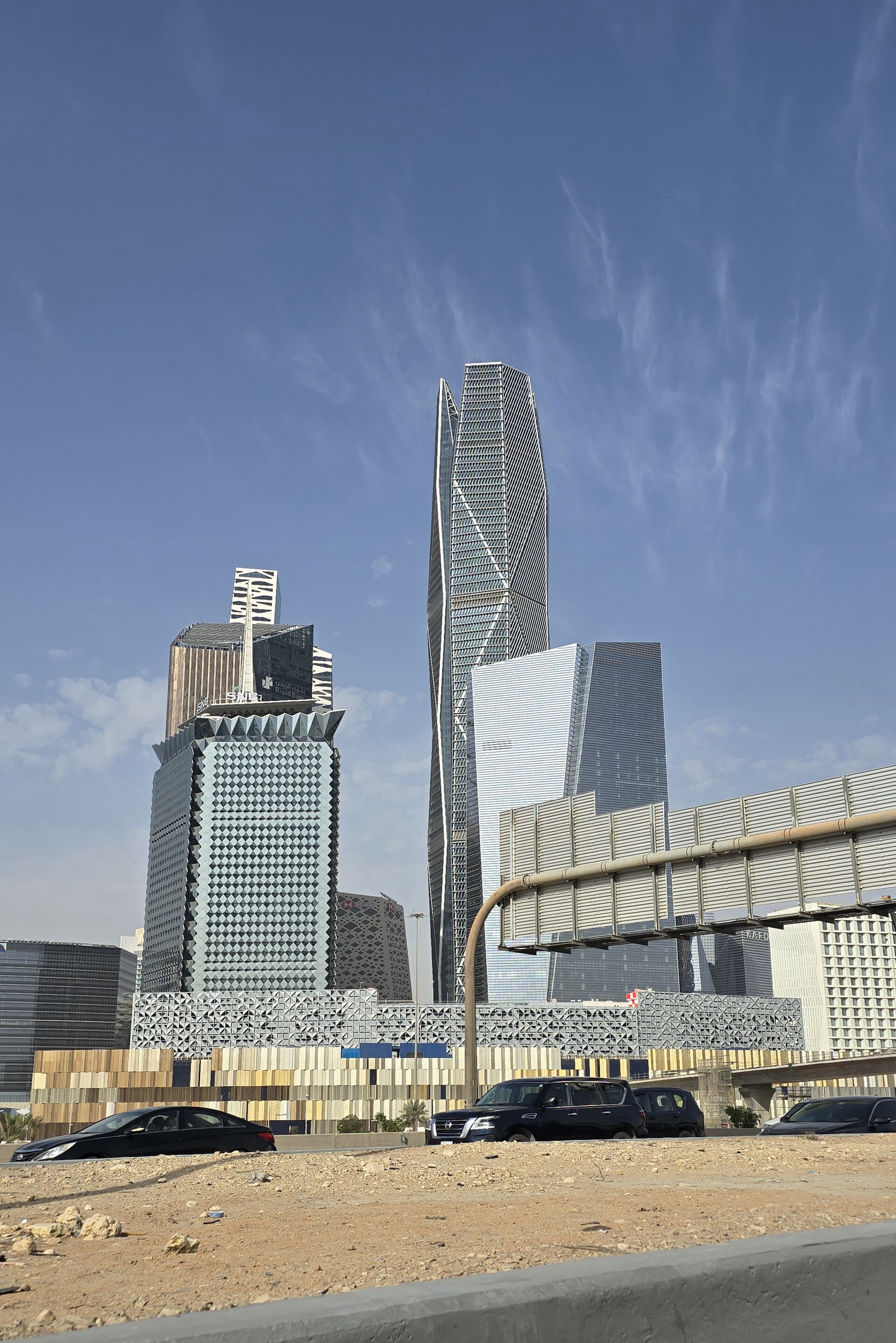
The financial district attacks carry a different kind of weight. KAFD was designed as the centrepiece of Saudi Arabia’s economic diversification — a district of glass towers intended to house global banks, the stock exchange and the sovereign wealth fund. Repeated strikes on its signature buildings threaten not just physical infrastructure but the narrative of Riyadh as a safe destination for international capital and the PIF’s investment ambitions.
The PIF Tower and What It Represents
The PIF Tower, completed in 2021 and designed by the Riyadh-based firm Omrania in collaboration with HOK, rises 385 metres above the financial district, according to Omrania’s project page and the Skyscraper Center database. It is the tallest building in Riyadh and houses the headquarters of the Public Investment Fund, one of the world’s largest sovereign wealth funds and the primary vehicle for Saudi Arabia’s Vision 2030 programme.
The tower also houses the Capital Market Authority, Saudi Arabia’s securities regulator, according to Omrania. The broader KAFD district is home to the Saudi stock exchange (Tadawul), Goldman Sachs offices and other financial institutions that have relocated to Riyadh as part of the kingdom’s push to become a regional business hub, AFP reported via Seneweb.
That the tower has now been struck in two separate incidents — November 19 and, according to witnesses, November 24 — transforms it from a symbol of Saudi economic ambition into a marker of the conflict’s reach. The insurance and aviation consequences of Houthi attacks have already rippled beyond the immediate blast zones, and repeated targeting of the country’s most prominent commercial building adds to the pressure on perceptions of safety in the Saudi capital.
Background: The Broader Air Campaign
The Houthi air campaign against Saudi Arabia has intensified steadily since the Iran war began in early 2026. Strikes initially concentrated on southern border cities — Khamis Mushait, Abha, Jizan — before reaching Riyadh’s international airport in September. The October KKIA attacks marked a turning point in both lethality and public attention.
Since then, the conflict has moved into central Riyadh. The coalition has claimed interceptions of ballistic missiles, cruise missiles and drones aimed at the capital. But the KAFD strikes — three incidents in 17 days — suggest that whatever air defence systems are deployed around the financial district have not prevented projectiles or debris from reaching the towers.
The coalition has responded with sustained air operations in Yemen. On November 24, the same day as the KAFD strike, Houthi-affiliated media reported Saudi airstrikes on positions in Sanaa, Amran and Ibb provinces, according to Shafaq News. The coalition has not commented on specific targeting that day. Those operations have not stopped the flow of projectiles toward Riyadh.
Frequently Asked Questions
Has KAFD been evacuated or closed to the public?
No official evacuation order has been reported for KAFD as of November 24. The district houses the Saudi stock exchange and Goldman Sachs offices. The coalition said “relevant authorities” were on-site investigating. Whether individual tenants have adjusted their operations is not publicly known.
What air defence systems protect central Riyadh?
Saudi Arabia operates Patriot PAC-2 and PAC-3 batteries. The United States separately approved the possible sale of 48 F-35A fighters to Riyadh in a $24.3 billion package in September, according to The Aviationist. The kingdom also fields short-range air defence batteries. The specific disposition of units around KAFD has not been disclosed, and the absence of reported interceptions on November 24 leaves the air defence response for this strike unaccounted for.
What weapons have been used in previous KAFD attacks?
Previous strikes in the financial district each involved different circumstances. For November 8, the coalition said it intercepted two cruise missiles targeting Riyadh and the southern region; debris still struck the Aramco tower, Al Jazeera reported. For November 19, the Houthis claimed cruise missiles while the coalition’s initial assessment pointed to debris from an intercepted missile. For November 24, neither side identified the weapon. The coalition’s only public statement described a “terrorist attack” without specifying what hit the tower.
How does the KAFD targeting compare to Houthi attacks on other Riyadh targets?
Earlier Houthi strikes on Riyadh focused on King Khalid International Airport and military infrastructure. The shift to the financial district — beginning November 8 with the Aramco tower and continuing with two strikes involving the PIF Tower — represents a move toward economic and symbolic targets. KKIA attacks disrupted aviation and caused mass casualties; KAFD attacks have caused material damage but no reported deaths, hitting the infrastructure of Saudi Arabia’s post-oil economic identity.
What has been the international response to attacks on KAFD?
After the November 19 PIF Tower strike, the Saudi Foreign Ministry condemned the attack and warned of a threat to “regional and global security,” according to The National. Egypt condemned the strike and backed Saudi Arabia’s right to self-defence. The European Aviation Safety Agency extended six Middle East airspace warnings through January 31, 2027. No specific international statements on the November 24 strike had been issued at the time of reporting.
The House of Saud Daily Briefing
Saudi Arabia's news in 3 minutes, every morning. Free. See today's issue