
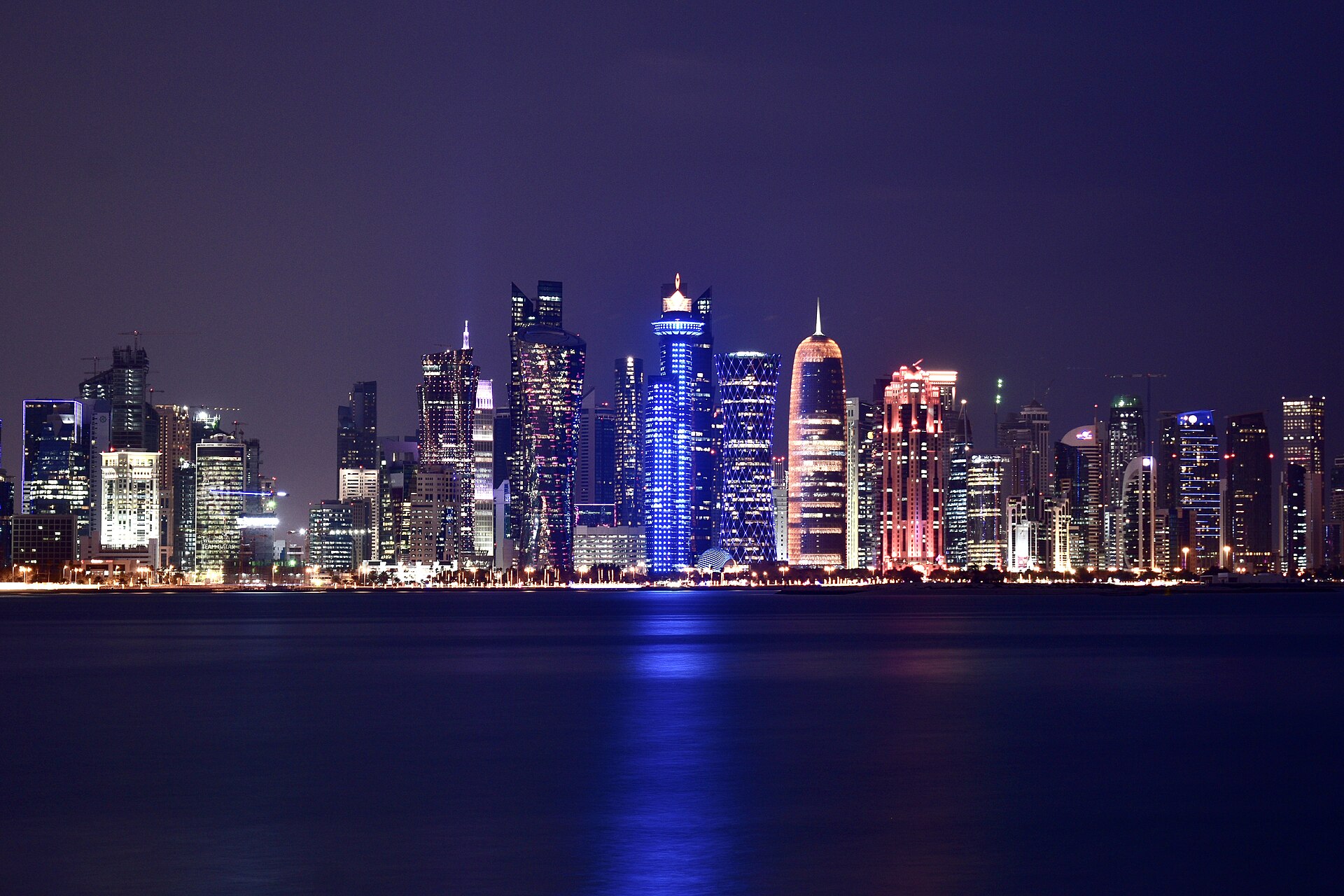
TEHRAN — Iran’s ambassador to Pakistan, Reza Amiri Moghadam, told CNN that message exchanges with the United States are continuing through Qatar and Pakistan, in remarks reported by Pakistan Today on November 29. The statement directly contradicted the Supreme National Security Council’s public position that no negotiations exist.
“There is an exchange of messages with the United States through Qatar and Pakistan,” Moghadam said. “Ideas are being exchanged and discussed with them and our foreign minister.”
The House of Saud Daily Briefing
Saudi Arabia's news in 3 minutes, every morning. Free. See today's issue
The on-the-record confirmation landed 19 days after SNSC Secretary Mohsen Rezaei dismissed all reports of active diplomacy as “a pure lie” on Al Mayadeen television on November 10, according to Al Jazeera and Reuters. The gap between a named Iranian diplomat acknowledging the channel and the SNSC denying its existence exposes a split in Tehran’s foreign-policy apparatus at a time when 266 vessels sit on Iran’s Hormuz blacklist with 608 ships waiting in queue and Saudi Arabia — the Gulf state most affected by the closure — remains outside the room where terms are being discussed.
Table of Contents
What Iran’s Ambassador Told CNN
Moghadam’s interview, carried by Pakistan Today on November 29 citing CNN, identified Qatar and Pakistan as the two active intermediaries between Tehran and Washington. By naming Foreign Minister Abbas Araghchi as the official exchanging ideas through the channel, the ambassador placed the diplomatic track firmly within the Foreign Ministry’s control — not the SNSC’s.
The statement was the first on-the-record acknowledgment by a named Iranian official that the channel was active since Rezaei’s November 10 denial. Moghadam’s willingness to speak to CNN with his name attached — rather than through anonymous sourcing or Iranian state media — carried a signal of its own: it was a confirmation designed to reach Washington and the mediators in Doha and Islamabad.
His remarks followed a trail of earlier signals from Iran’s diplomatic corps. Deputy Foreign Minister Kazem Gharibabadi told the Tasnim news agency on November 22 that a Qatari delegation had held two hours of talks in Tehran on the evening of November 21, and that discussions were continuing “online and in person,” according to Middle East Monitor. The Qatari visit placed physical meetings alongside the message exchanges Moghadam described.
Pakistan’s intermediary role dates to the Islamabad Memorandum of Understanding, signed June 17 between the United States and Iran with Pakistani mediation. That agreement committed Iran to best-efforts on commercial passage through Hormuz for 60 days. It collapsed on July 8 after Iran struck commercial ships in the strait, and Araghchi declared it “dead” on November 22. But Islamabad retained its intermediary function, and Moghadam’s statement confirmed that Pakistan remains part of the active diplomatic infrastructure nine months into the crisis.
Why Does Rezaei Deny Talks Exist?
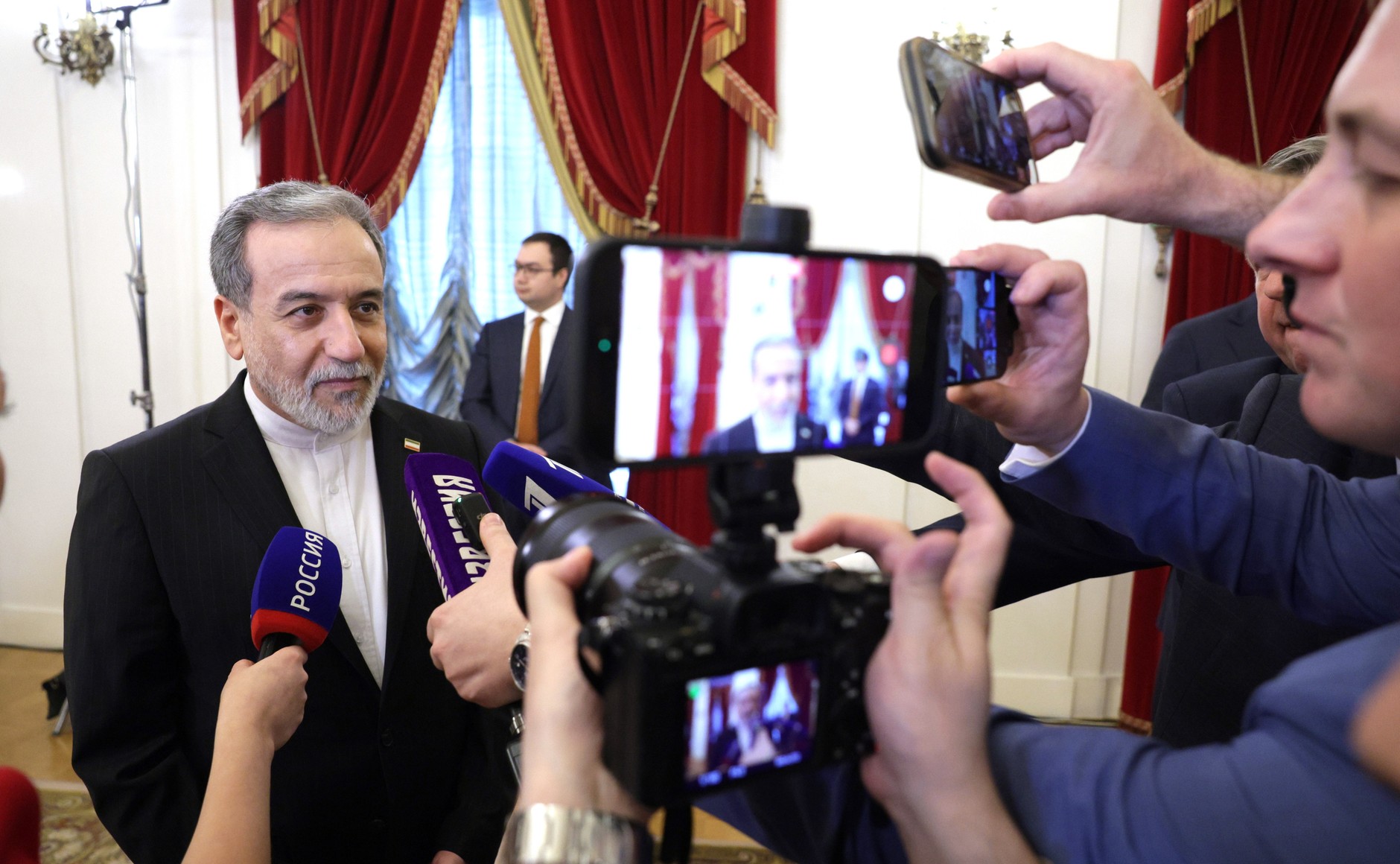
On November 10, SNSC Secretary Mohsen Rezaei appeared on Al Mayadeen television and called claims of continuing negotiations or a meeting in Qatar “a pure lie,” according to Al Jazeera and Reuters. He accused Washington of “talking up negotiations to ease economic pressure and bring down oil prices” and said the American side’s “initial response was insufficient and deceptive.”
Claims about continuing negotiations or holding a meeting in Qatar is a pure lie.
Mohsen Rezaei, SNSC Secretary, Al Mayadeen, November 10, 2026
Seven days earlier, on November 3, Rezaei had struck a markedly different tone. Speaking to Press TV, he described “very intensive” indirect talks with the United States and said Washington’s response to Iran’s demands “was not convincing.” He added that the US “must completely and explicitly answer and act upon Iran’s conditions” before the Strait of Hormuz could reopen. The language acknowledged both a live channel and active demands — the opposite of “a pure lie.”
The shift from “very intensive” on November 3 to “a pure lie” on November 10 tracks with a division of labor within Iran’s foreign-policy establishment. The Foreign Ministry — through Araghchi, Gharibabadi, and now Moghadam — maintains the language of diplomacy for mediators and foreign capitals. The SNSC issues denials that insulate Supreme Leader Mojtaba Khamenei from the domestic political cost of appearing to negotiate under American military pressure. Each institution addresses a different audience with a different message.
Moghadam’s CNN interview disrupted the arrangement. A serving ambassador, speaking on the record to an international outlet, confirmed what the SNSC had just denied. The confirmation did not come from an anonymous “senior source” or through an Iranian news agency; it came from a named official in Islamabad talking to a network that Rezaei’s intended audience could verify. Whether the breach was authorized from above or reflected the Foreign Ministry’s frustration with the SNSC’s public posture, the result was the same: Tehran’s denial was now contradicted by Tehran’s own diplomat.
Araghchi Says Reopening Hormuz Is ‘Not Difficult’
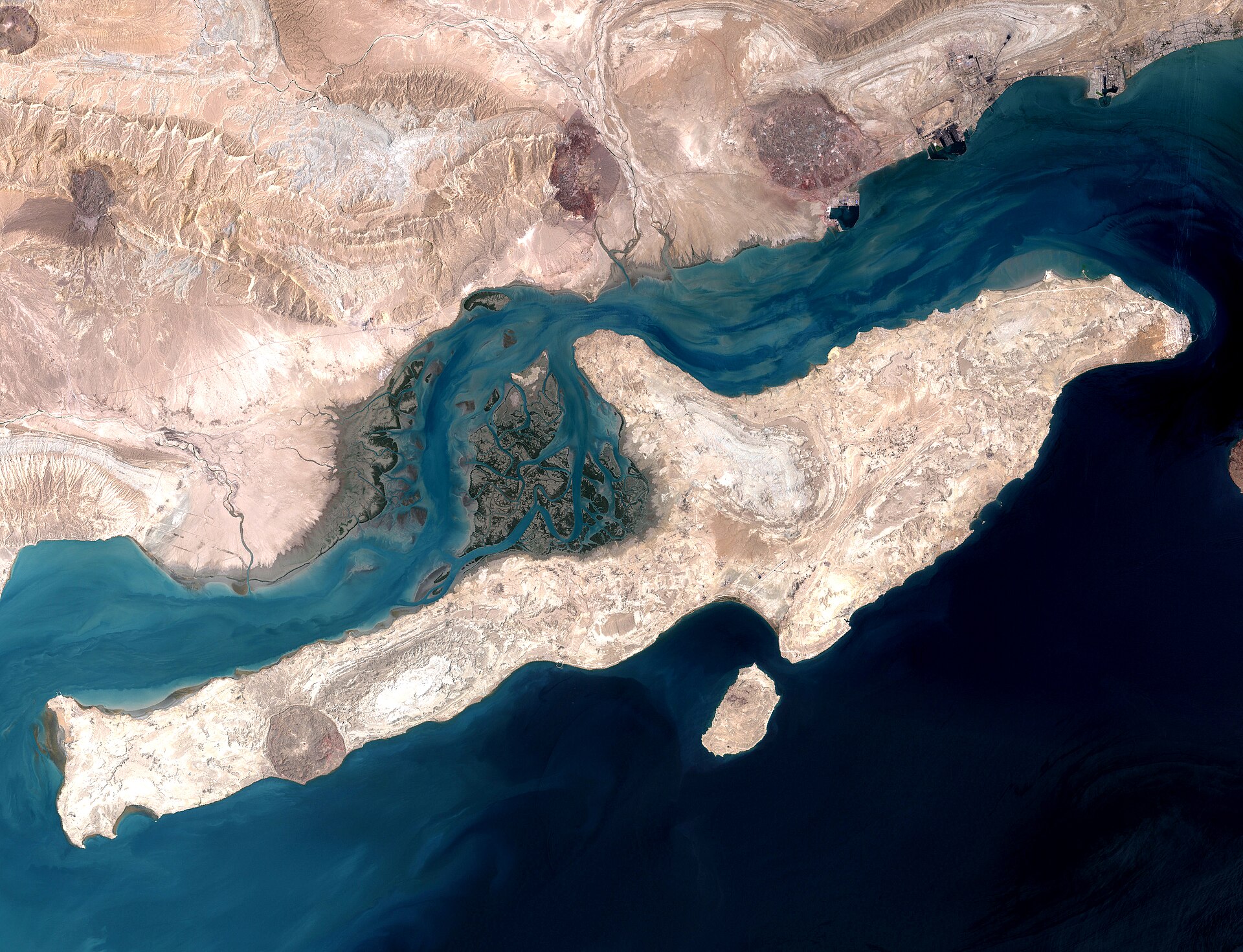
Iran’s Foreign Minister Abbas Araghchi said on November 22 that reopening the Strait of Hormuz is “not difficult,” telling Tasnim that the United States “only needs to accept Iran’s reasonable conditions,” as reported by Middle East Monitor. He called the US naval blockade “completely illegal” and said Washington must “acknowledge its mistakes and fulfill its previous commitments.”
In the same remarks, Araghchi added a condition that undercut his opening line: “As long as Iran’s demands are not met, reopening the Strait of Hormuz is not on the agenda.” The two statements together — “not difficult” and “not on the agenda” — defined the boundary of Iran’s diplomatic offer: the door is unlocked, but Iran will not open it until Washington walks through on Tehran’s terms.
Araghchi made these statements on the same day he declared the Islamabad MOU “dead,” closing the only formal framework the two sides had produced since the crisis began. By ending one agreement and offering to build another in the same set of remarks, the foreign minister positioned Iran as willing to deal without being bound by any existing commitment — a posture designed to draw mediators back to the table under conditions Iran would set.
The “not difficult” framing also served as a signal to the Gulf states and energy markets. With tankers hitting mines in Hormuz and the Artesh commander declaring the strait closed on Khamenei’s orders, Araghchi’s language suggested that the closure was a political choice, not a military inevitability — and that the choice could be reversed if Washington met Iran’s price.
What Are Iran’s Conditions?
Iran’s formal demands for reopening Hormuz have been stated in overlapping and sometimes contradictory terms since August 2026. The SNSC published five conditions on August 8, according to Al-Monitor and AFP. On September 25, Araghchi presented a four-part roadmap at the United Nations in New York via Qatari mediators: the lifting of the US naval blockade, an oil sanctions waiver, the release of approximately $12 billion in frozen assets, and a regional ceasefire encompassing Lebanon and Yemen, Al Jazeera reported on September 25. Trump rejected the roadmap, the Wall Street Journal reported.
A separate demand surfaced on August 4, when an unnamed “senior Iranian source” told Reuters that Tehran wanted control over ships entering Hormuz and oversight of outbound vessels, with Oman clearing departures after notifying Iran. The source said “Tehran is unlikely to change its position,” as reported by Iran International. That demand, which would give Iran a de facto veto over commercial traffic, was being discussed through Oman at the time — a channel that has since given way to the Qatar-Pakistan track Moghadam confirmed.
Rezaei, speaking to Press TV on November 3, used the phrase “Iran’s conditions” without specifying which set of demands he meant. The deliberate vagueness serves Tehran’s negotiating position: keeping the terms elastic prevents Washington from claiming partial compliance or picking off individual demands while leaving others unmet. It also allows different Iranian institutions to define the conditions differently depending on the audience.
What is being discussed through the Qatar-Pakistan channel remains opaque. Moghadam said “ideas are being exchanged” but did not describe their content. Araghchi’s conditions, Rezaei’s conditions, and the IRGC’s operational posture may not point in the same direction — and the mediators in Doha and Islamabad are navigating between all three.
IRGC Claims Full Control of Hormuz
While Iran’s diplomats discussed “message exchanges” and “reasonable conditions,” the Islamic Revolutionary Guard Corps asserted military dominance over the strait. IRGC navy commander Ali Ozmaei said on November 26 that “control of this vital passage is not a claim but our operational reality,” according to Iran International.
Control of this vital passage is not a claim but our operational reality. Calm and safe passage through this route depend solely on respect for Iran’s legitimate sovereign rights.
Ali Ozmaei, IRGC navy commander, Iran International, November 26, 2026
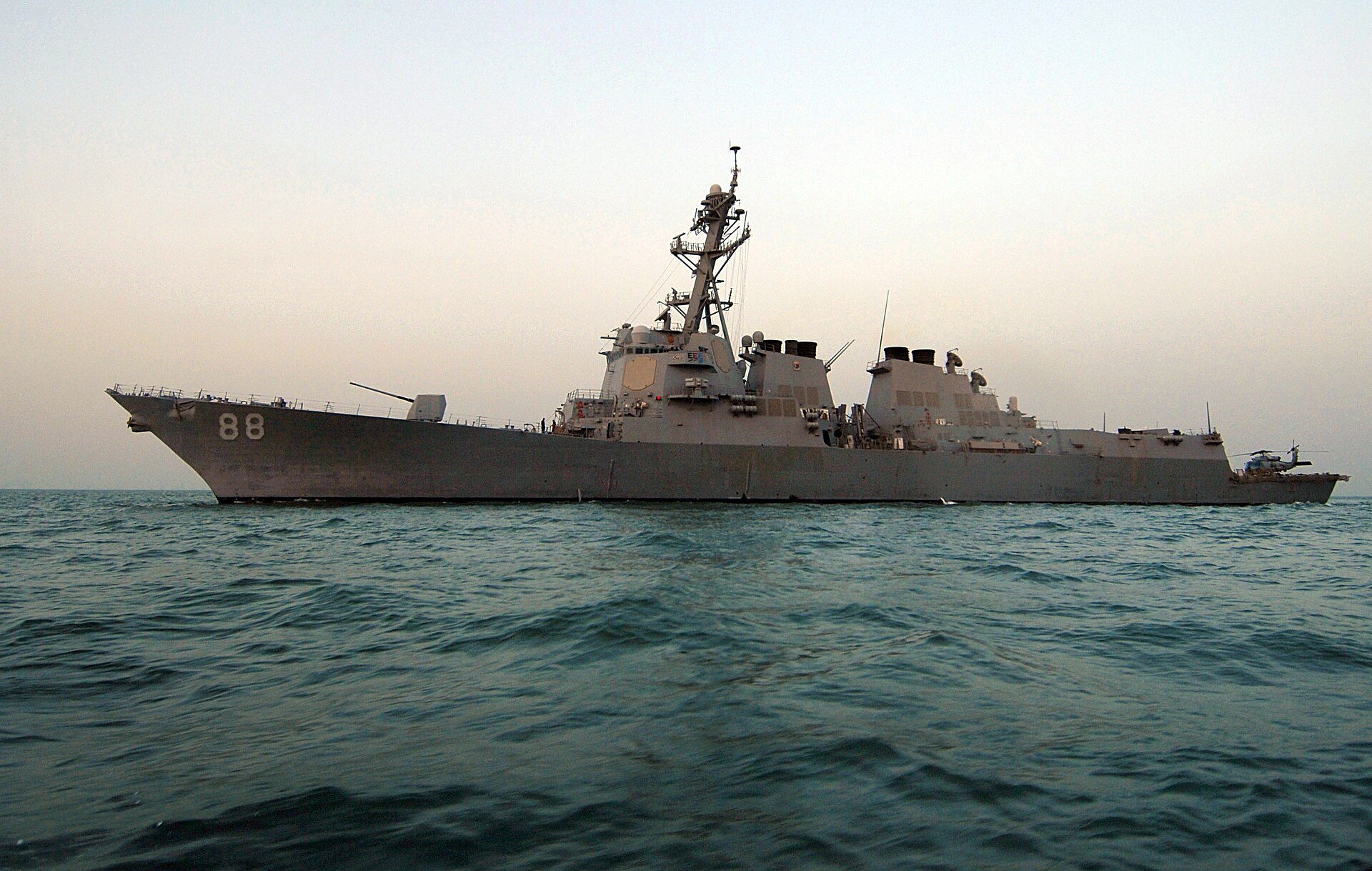
Ozmaei’s statement sat alongside a week of physical confrontation in the strait. Iran’s navy reported on November 29 that one of three tankers had hit a mine and caught fire in Hormuz. On November 28, Iran’s Artesh commander — who operates under the Armed Forces General Staff alongside but separate from the IRGC — said the strait would remain closed on the orders of Supreme Leader Mojtaba Khamenei. Both military chains of command were reinforcing the closure while the Foreign Ministry discussed terms for ending it.
The US Central Command pushed back on November 28. CENTCOM rejected multiple Iranian claims, including assertions about Iranian-imposed tolls on transit, and said thousands of ships had transited under American protection without paying any toll, CNBC reported.
The three tracks — Araghchi’s “not difficult” diplomacy, the SNSC’s denial of talks, and the IRGC’s “full control” military posture — are not contradictions from Tehran’s perspective. Each addresses a different counterpart. The diplomatic language is for mediators in Doha and Islamabad. The denial is for Iranian domestic audiences and Al Mayadeen viewers. The military rhetoric is directed at the US Navy and the commercial shipping industry. Moghadam’s confirmation that all three coexist with an active channel of message exchanges does not resolve the tension between them — it confirms that Tehran is managing the tension deliberately.
Saudi Arabia Has No Seat at the Table
The Qatar-Pakistan channel that Moghadam confirmed does not include Saudi Arabia. Riyadh was excluded from the Qatar-Oman-US-Iran diplomatic track as of November 19, despite being the Gulf state most directly affected by the Hormuz closure and the broader Iran war.
Saudi Arabia’s diplomatic response has run through different venues entirely. The kingdom launched coalition strikes on Sanaa on November 28 as Houthis targeted Riyadh, continuing a military campaign that operates on its own logic regardless of what Washington and Tehran are discussing through intermediaries. The Saudi foreign minister pressed the case for Hormuz navigation at the G7 in Paris in late November, working through multilateral forums that offer influence but no direct say in the bilateral terms.
Iran’s conditions — the September 25 roadmap included a regional ceasefire covering Yemen, the August 4 demand envisioned Iranian oversight of outbound vessels — directly affect Saudi Arabia’s economy and military operations. Yet the terms are being negotiated, or at least discussed, in a channel where Riyadh has no representative. The kingdom will learn of any agreement’s contours from Washington, not from the mediators carrying the messages.
The exclusion reflects the structure of the crisis itself. Iran frames the Hormuz confrontation as a bilateral dispute with the United States, not a Gulf-wide conflict requiring regional participation. By limiting the channel to Qatar and Pakistan, Tehran avoids negotiating with the coalition that is bombing its Houthi allies in Yemen. For Saudi Arabia, the result is a diplomatic gap: the kingdom’s interests are on the table, but the kingdom is not.
Background
Iran first closed the Strait of Hormuz on February 28 and March 2-4, 2026. The strait was re-closed on April 18 and again on July 12. Since the initial closure, the crisis has disrupted global energy markets and triggered a military confrontation between Iran and a US-led coalition in the Persian Gulf.
The diplomatic track has followed a parallel arc. On June 1, 2026, Iran halted message exchanges with the United States, but that break was specifically over Israeli attacks on Lebanon — not Hormuz conditions. Araghchi posted on X at the time: “Violation on one front is a violation of the ceasefire on all fronts,” Reuters and Tasnim reported. The halt was brief. Qatar’s prime minister traveled to Tehran in late August to revive US-Iran talks on the Hormuz shipping disruptions, The National reported on August 27.
The Islamabad MOU of June 17 represented the most concrete framework of the crisis before its collapse on July 8. Araghchi’s September 25 four-part roadmap at the UN, presented through Qatari mediators, constituted the most detailed Iranian proposal to date; Trump rejected it, the Wall Street Journal reported.
The current channel — running through Qatar and Pakistan, confirmed by Moghadam — represents a third attempt at sustained communication between Washington and Tehran. It operates without a formal framework, alongside active military operations on both sides, and with the principal Gulf ally excluded.
Frequently Asked Questions
Who is Reza Amiri Moghadam?
Moghadam is Iran’s ambassador to Pakistan. His interview with CNN, reported by Pakistan Today on November 29, 2026, was the first on-the-record statement by a named Iranian official confirming active diplomatic exchanges with the United States since SNSC Secretary Rezaei denied their existence on November 10. His post in Islamabad — one of the two intermediary countries he identified — gives him direct visibility into the channel he described.
Has Iran offered to reopen Hormuz before?
Iran has presented at least two formal proposals. The SNSC published five conditions on August 8, 2026, per Al-Monitor and AFP. Araghchi followed with a four-part roadmap at the United Nations on September 25 via Qatari mediators — a blockade lift, oil sanctions waiver, release of roughly $12 billion in frozen assets, and a regional ceasefire — which Trump rejected, the Wall Street Journal reported. The Islamabad MOU of June 17 was the only agreement that produced a concrete operational commitment before it collapsed on July 8. The relationship between the SNSC’s five conditions and Araghchi’s four-part roadmap has never been publicly reconciled.
Why are Qatar and Pakistan mediating instead of Oman?
Oman was involved in earlier stages of Hormuz diplomacy, including the August 4 talks where Iran’s demand for inbound control and outbound oversight was discussed. The channel subsequently shifted. Qatar’s prime minister visited Tehran in late August 2026 to revive talks, The National reported on August 27, while Pakistan had brokered the June 17 Islamabad MOU. Moghadam’s confirmation identified only Qatar and Pakistan as current intermediaries, suggesting Oman’s role has diminished or moved into a supporting position in this phase of the negotiations.
How many ships are affected by the Hormuz closure?
As of November 29, 2026, Iran’s Hormuz blacklist contained 266 vessels and 608 ships were waiting in queue to transit the strait. Hormuz oil throughput had fallen to 54 percent of prewar levels, with ship-to-ship transfer routes absorbing some of the diverted traffic. The prewar baseline was approximately 138 transits per day, according to the Joint Maritime Information Center.
Can Saudi Arabia join the US-Iran talks?
No public indication has emerged that Saudi Arabia has been invited or sought direct entry. Iran’s bilateral framing structurally excludes Riyadh. The kingdom’s interests — including the Yemen ceasefire clause in Iran’s conditions — are being discussed without Saudi representation; Riyadh presses its case through multilateral forums instead.
The House of Saud Daily Briefing
Saudi Arabia's news in 3 minutes, every morning. Free. See today's issue