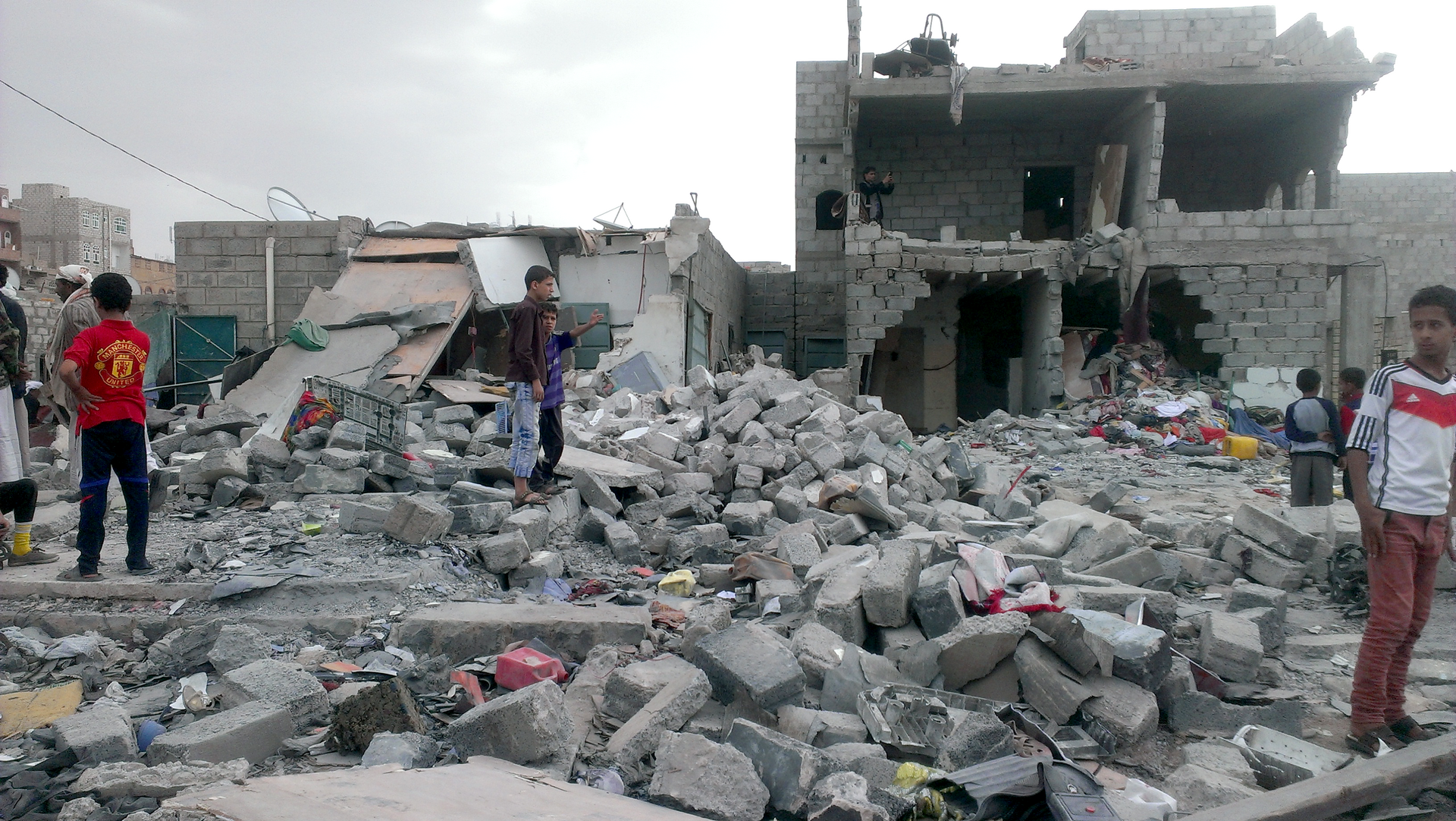
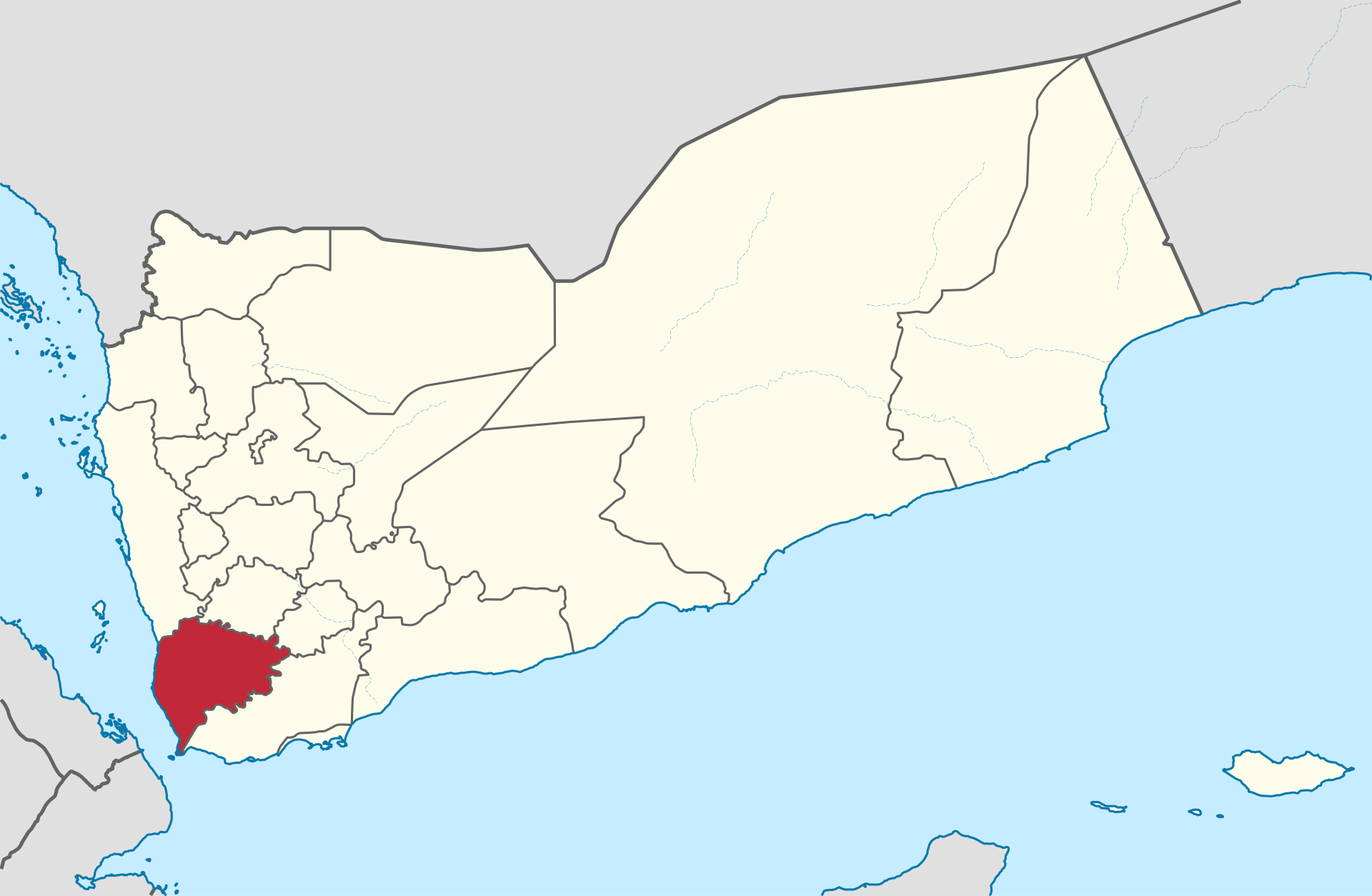
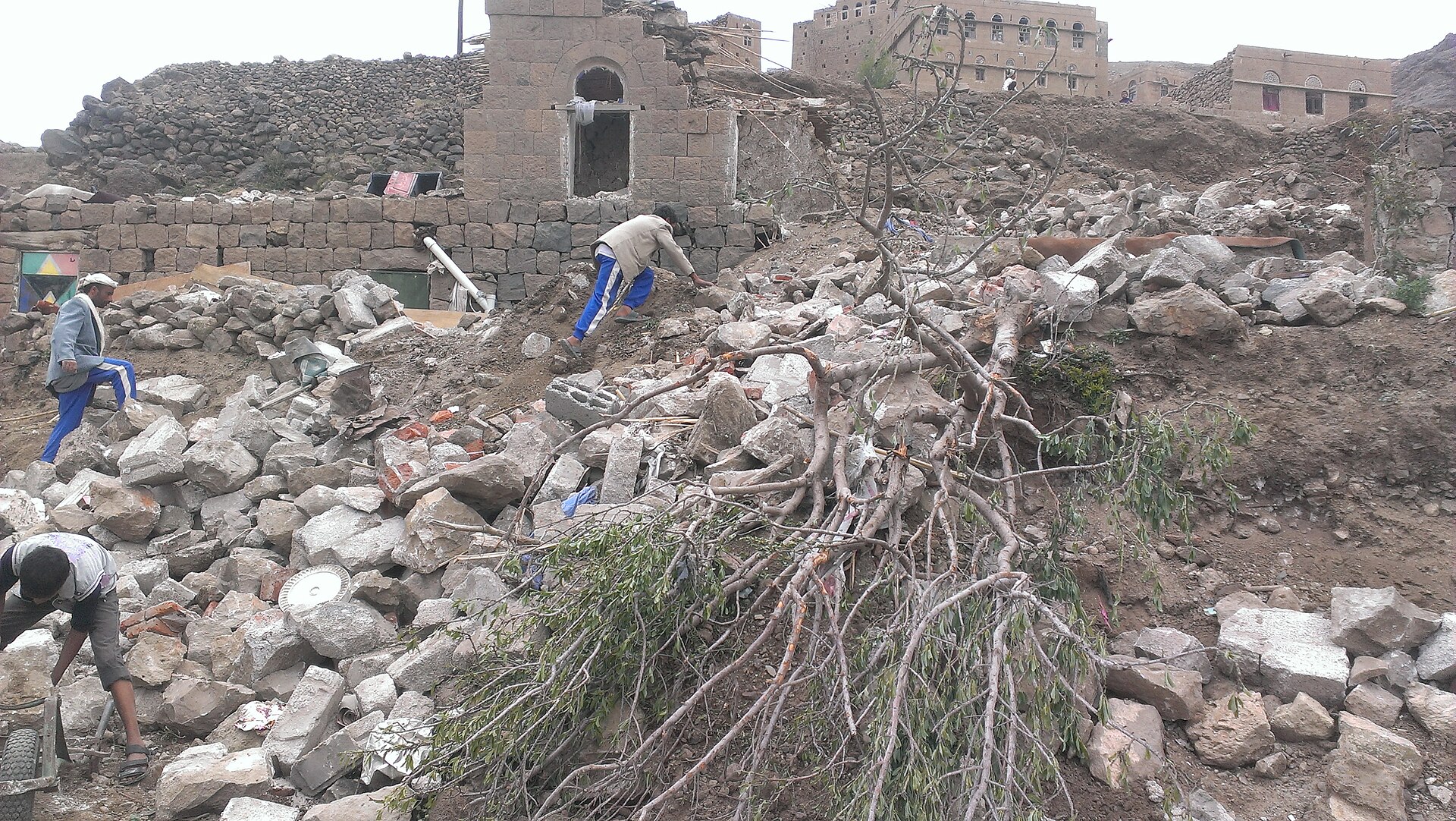
SANAA — Saudi warplanes struck a residential building in Al-Turba, a town in Yemen’s Taiz governorate, on Friday, killing 11 people — most of them children who had been selling refreshments near the site — the Houthi-run Saba news agency reported, citing an unnamed local source. AFP, which carried the Saba dispatch, described the target as “a residential building in the city of Al-Turba, Taiz governorate,” and Xinhua’s own local source said the building had served as accommodation for ice cream vendors, adding that rescue teams had recovered eight bodies from the rubble while military aircraft continued to circle overhead.
The Saudi-led coalition had issued no statement on the Al-Turba strike at the time of publication, and no independent body had verified the death toll, which originates entirely from Houthi-affiliated media. The allegation lands less than four days after Houthi sources claimed Saudi aircraft struck civilian buses in Yemen on November 24 — a toll that also remains unconfirmed — and amid a UN human rights office count that puts civilian casualties in Yemen since early August at 323, with children accounting for half of those killed.
Table of Contents
What Happened in Al-Turba?
The first reports came through Saba, which said Saudi warplanes hit “a residential building in the city of Al-Turba, Taiz governorate,” killing “11 citizens, most of them children,” according to an AFP dispatch carried by Free Malaysia Today and Naharnet on November 27. Al-Masirah TV, also Houthi-affiliated, added that the dead included children who had been selling refreshments near or at the building.
The House of Saud Daily Briefing
Saudi Arabia's news in 3 minutes, every morning. Free. See today's issue
Xinhua, citing its own local source in Taiz, reported that the building had served as accommodation for ice cream vendors and that “most of those killed were children.” Rescue teams had recovered eight bodies from the rubble by the time of that report, Xinhua said, but efforts to reach additional victims were obstructed by the continued presence of military aircraft in the area. Saba’s same dispatch also reported coalition strikes on fuel tanks in the Saada region, further north.
The 11-dead figure originates solely from the Houthi media chain: an unnamed local source relayed by Saba, amplified by Al-Masirah and picked up by AFP. No international monitoring body, Red Cross representative or independent journalist has confirmed the number, and the coalition — which routinely disputes Houthi casualty claims — had offered no alternative account as of publication.
Why Do the Casualty Figures Conflict?
AFP, drawing on Saba’s dispatch, reported 11 killed, most of them children. That figure has not been independently verified and originates entirely from the Houthi media chain: an unnamed local source relayed by Saba, amplified by al-Masirah and carried by AFP.
The absence of a competing count is not the same as confirmation. Access for journalists and monitors to Houthi-held territory is severely restricted, and both sides have demonstrated a willingness to shape casualty narratives. The coalition has previously described Houthi civilian-toll claims as inflated; the Houthis have accused the coalition of systematically underreporting strikes on populated areas.
What sets the Al-Turba report apart from many prior allegations is the specificity of the Xinhua detail — the ice cream vendors, the building’s described function, the eight bodies pulled from rubble while aircraft circled overhead. These are the kind of concrete particulars that make a claim harder to dismiss outright, though they still flow from local sources in Houthi-held territory and await corroboration from parties with no stake in the outcome.
Strikes on Both Sides of the Border
The Al-Turba report was not the only violence on November 27. Across the border, the Saudi Press Agency confirmed that a Houthi attack on the Jazan refinery killed a Nepalese worker, injured several others and started a fire that shut the facility down, according to AFP. That confirmation — swift, specific, carried by SPA — was the only official Saudi statement from the day, and it addressed an attack on Saudi territory, not the airstrike in Yemen.
The Jazan refinery attack was the latest in a week of escalating exchanges. The day before, a Houthi drone attack on Riyadh prompted coalition airstrikes on Sanaa, and the coalition said it destroyed a ballistic missile launcher in Hodeidah that had been used in an earlier attack on the Jazan facility, according to Asharq Al-Awsat. Saudi authorities have said Houthi attacks have killed 27 people inside Saudi Arabia since hostilities resumed, AFP reported on November 27.
In Taiz governorate itself, the violence has cut both ways. A local rights group documented 51 civilians killed and 85 injured in Houthi attacks in Taiz over 12 days in November, the Middle East Monitor reported on November 14 — a toll that predates the Al-Turba strike and measures a different axis of the same war.
How Heavy Is the Civilian Toll Since August?
The UN human rights office’s most recent verified count, released on November 24, put civilian casualties in Yemen at 323 since early August 2026: 76 killed and 247 injured. Children accounted for more than one-third of all casualties and half of those killed, the office said, noting that actual figures “are likely significantly higher” given the difficulty of access and reporting in an active war zone.
According to the Yemen Data Project, as cited by Amnesty International in its October 14 statement, at least 66 civilians had been killed and 90 injured specifically in Saudi-led coalition airstrikes since the August resumption. The broader conflict since it resumed has killed more than 2,300 people and displaced over 364,000, according to AFP, with more than 174,000 of those displaced being children, UNICEF reported.
“The risks to civilians in Yemen and Saudi Arabia are rapidly increasing each day this conflict escalates. Civilians are never legitimate targets. They must not pay the price of further escalation.”
Heba Morayef, Amnesty International Regional Director for MENA, October 14, 2026
Amnesty noted that deliberately targeting civilians or civilian infrastructure is prohibited under international humanitarian law and said such attacks “can amount to a war crime.” UN Deputy Spokesman Farhan Haq, speaking on November 13 about the broader trend of attacks on civilian infrastructure, called it “a worrying trend” that “must not become the accepted reality of this war” and reminded all parties that obligations under international law apply to all parties under all circumstances.
What Has the Coalition Said About the Strike?
At the time of publication, the coalition had released no statement on the Al-Turba incident — no acknowledgement, no denial, no claim that the building housed a military target. This is distinct from a denial: the coalition has not been asked on the record and has not volunteered a response, and the absence of comment does not constitute confirmation or rejection of the Houthi account.
The coalition’s public communications on November 27 focused exclusively on Houthi attacks on Saudi territory, with the SPA confirmation of the Jazan refinery strike the only official statement of the day. Coalition responses to specific airstrike allegations in Yemen have typically come days or weeks after the incident, if at all, and often in response to international pressure or formal inquiries from monitoring bodies rather than proactively.
Independent verification of strikes in Houthi-held territory is one of the conflict’s persistent obstacles. International organisations and journalists have limited access to areas under Houthi control, and local sources face pressures from both sides that complicate independent reporting. Allegations like the Al-Turba strike accumulate without resolution, their specificity — the ice cream vendors, the children, the eight bodies — insufficient to establish fact in the absence of neutral observers on the ground.
Background
The Saudi-led coalition launched Operation “Dawn of Yemen” on October 4, with the coalition saying 100 fighter jets participated in support of Yemeni government ground forces, the Oman Observer reported. The campaign followed months of escalating Houthi attacks on Saudi cities and infrastructure after a 2022 truce collapsed, with the conflict resuming in earnest in August 2026.
Al-Turba sits approximately 75 to 80 kilometres southwest of Taiz city at roughly 1,800 metres elevation, on a road connecting Taiz to Aden. Reports from October 2026 indicated that Houthi forces seized the town during that month’s fighting, a development the Institute for the Study of War said “could significantly hamper government forces’ ability to reinforce and resupply positions across Taiz province,” according to the Daily Pioneer. The town’s status as Houthi-held territory at the time of Friday’s strike has not been independently confirmed but is consistent with the trajectory of the ground campaign in Taiz.
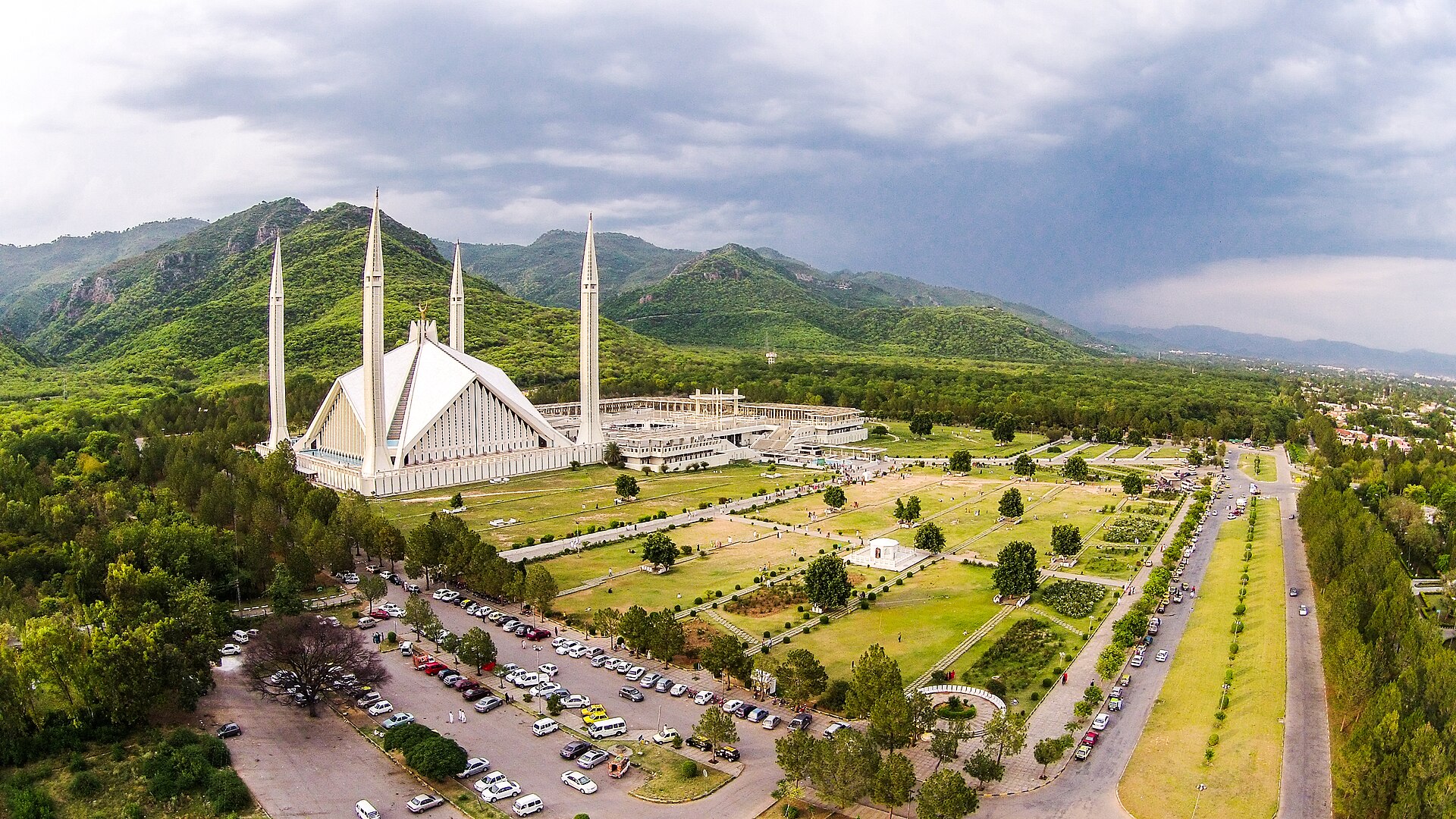
The coalition has conducted confirmed strikes on Hodeidah on November 20, 25 and 26 — issuing a second evacuation order for the port city early on November 25 before resuming operations — and on Sanaa on November 26. The Makkah Alliance’s third session opened in Islamabad on the same day as the Al-Turba strike, with Turkish President Erdogan approving the defence pact — a parallel track of coalition-building that continues even as the human toll inside Yemen draws fresh scrutiny.
Frequently Asked Questions
How did the current phase of the Yemen war begin?
The 2022 truce between the Saudi-led coalition and the Houthis collapsed in July 2026, according to the BBC, and hostilities escalated through August with cross-border strikes on cities and infrastructure. By September 19, Houthi weapons had reached Riyadh for the first time in the current escalation, with smoke reported near King Khalid International Airport, according to Reuters. Saudi Arabia and its Makkah Alliance partners launched Operation “Dawn of Yemen” on October 4 in support of Yemeni government ground forces, with the coalition saying 100 fighter jets participated in the initial wave.
What civilian casualty figures has the Houthi-run Health Ministry reported?
The Houthi-run Health Ministry said in early October that at least 83 civilians had been killed and 146 wounded since the Yemeni government offensive began on October 4, figures CNN reported it could not verify. Those numbers covered only the period since the October offensive and were compiled by a Houthi government body. The broader UN human rights office count of 323 casualties since early August 2026, released on November 24, covers a longer period and uses a separate verification methodology, which the office acknowledged still produces figures “likely significantly” below the true total.
What was Operation Dawn of Yemen?
Operation Dawn of Yemen was launched by the Saudi-led coalition on October 4, 2026, in support of Yemeni government ground forces fighting the Houthis. Coalition spokesman al-Maliki said 100 fighter jets participated “at dawn,” the Oman Observer reported. The operation came after the Makkah Alliance’s joint defence committee, led by Saudi Defence Minister Prince Khalid bin Salman, agreed to “activate collective deterrence measures” in response to Houthi attacks, according to Al Jazeera. Pakistan’s defence minister said the fighting on the ground was “practically being conducted by Saudi Arabia’s own forces,” though CNN reported Riyadh had stopped “short of any major deployment of its own troops.”
How many people have Houthi attacks killed inside Saudi Arabia?
Saudi authorities said Houthi attacks have killed 27 people inside the kingdom since hostilities resumed, AFP reported on November 27. The deadliest single incident was the October 10 attack on King Khalid International Airport in Riyadh, with Houthi fire also striking Aramco’s headquarters complex in Dhahran, the Jazan refinery and military installations across the kingdom’s western and southern provinces.
The House of Saud Daily Briefing
Saudi Arabia's news in 3 minutes, every morning. Free. See today's issue