Table of Contents
- Bessent’s ‘Suffocating’ Declaration
- What Does the 49-Vessel Redirect Figure Mean?
- Can the IRGC Actually Pay Its Soldiers?
- Iran’s Overland Workarounds and ‘Crumbling Blockade’ Claims
- Does Attrition Before Negotiation Work Against Iran?
- The Hajj Clock and Iran’s 30-Day Deadline
- Frequently Asked Questions
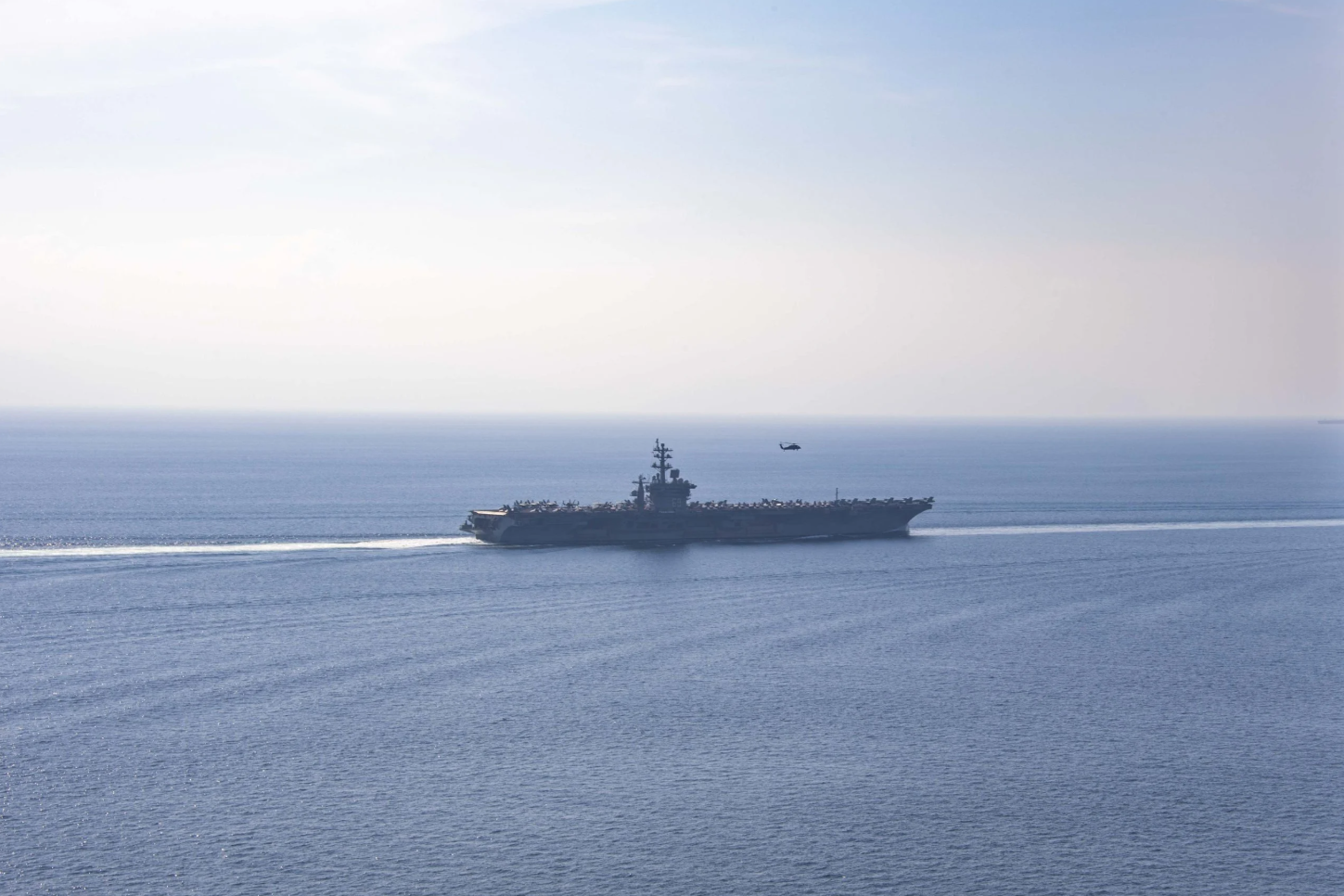
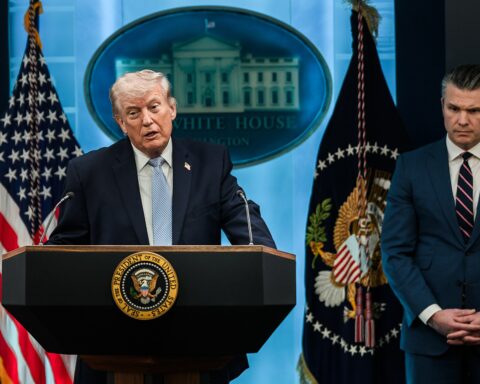
WASHINGTON — US Treasury Secretary Scott Bessent declared on May 3 that Washington is “suffocating” Iran economically and that the Islamic Revolutionary Guard Corps cannot pay its soldiers, as CENTCOM confirmed 49 commercial vessels have been redirected under the naval blockade since its April 13 inception. Bessent made the statement on Fox News Channel’s “Sunday Morning Futures” with Maria Bartiromo — a domestic US audience, not a diplomatic channel.
The twin announcements — one financial, one operational — represent Washington’s most explicit framing of the blockade as a campaign targeting IRGC institutional cohesion rather than Iranian public opinion. Bessent’s language went beyond standard sanctions rhetoric. He compared the Iranian leadership to “Baghdad Bob” and called them “kind of like the Keystone Cops,” calibrated mockery designed to erode confidence among IRGC rank-and-file rather than to bring Tehran to the negotiating table.
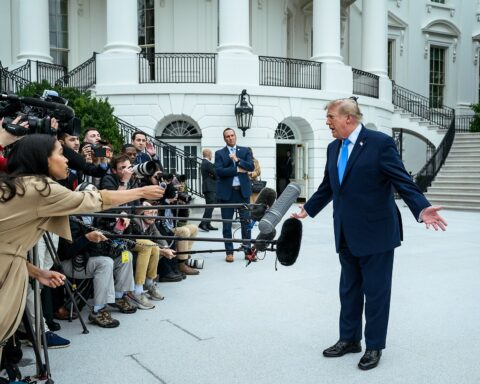
The timing matters. Iran submitted a 14-point counterproposal via Pakistan on May 2 demanding the blockade’s end within 30 days, release of frozen assets, reparations, and a new Hormuz governance mechanism. President Trump rejected it hours later, saying Iran “has not yet paid a big enough price.” Bessent’s Sunday appearance was the economic punctuation to that political rejection.
Bessent’s ‘Suffocating’ Declaration
Bessent framed the financial campaign in explicitly military terms. “This began with the order last March from President Trump on max pressure, and three weeks ago the President gave the order to Treasury myself to begin Economic Fury,” he said. “We are suffocating the regime, and they are not able to pay their soldiers. This is a real economic blockade.”
He described the broader campaign as “running a marathon over the past 12 months, and now we are sprinting towards the finish line.” On IRGC offshore assets specifically, Bessent stated: “They have money offshore. We’ve tracked that down … and we’re gonna preserve those assets for the Iranian people on the other side of this conflict.”
The word choice was precise. “Suffocating” describes a process, not an event — attrition, not decisive action. “Preserve those assets for the Iranian people” positions Treasury as the custodian of post-regime Iranian wealth, a framing aimed at IRGC commanders who hold offshore accounts rather than at ordinary Iranians watching their rial collapse. Bessent’s “Baghdad Bob” comparison targeted the same audience: IRGC officers who consume Western media and understand that the reference implies institutional delusion at the leadership level.
The Middle East briefing 3,000+ readers start their day with.
One email. Every weekday morning. Free.
Operation Economic Fury, the Treasury’s financial arm of the blockade, has seized nearly $500 million in Iranian crypto assets since its launch. The largest single action was Tether freezing $344 million in USDT across two Tron blockchain addresses on April 23, coordinated with US authorities (CryptoTimes, April 30, 2026). The IRGC accounted for nearly half of all on-chain crypto holdings tracked in Q4 2025, according to Chainalysis. The 12th round of OFAC designations since Trump’s NSPM-2 came on May 1, targeting three Iranian currency exchanges and China’s Qingdao Haiye Oil Terminal.
Bessent also predicted that “oil prices on the other side of this conflict are going to be much lower than they were going in,” citing the UAE’s exit from OPEC on May 1 as supporting evidence. That statement reveals Washington’s post-conflict economic assumptions — and the political calendar pressure driving the sprint Bessent described.
What Does the 49-Vessel Redirect Figure Mean?
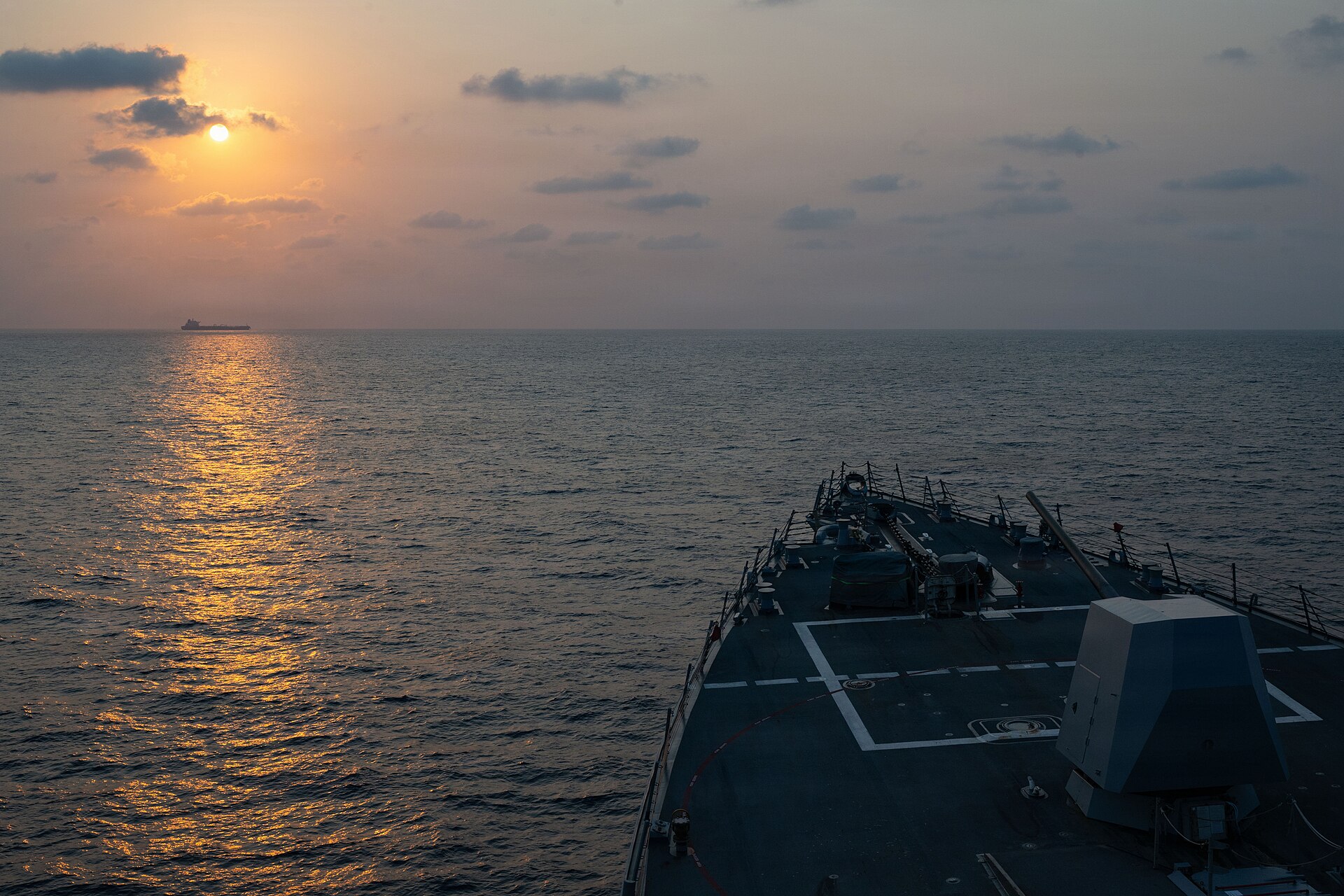
CENTCOM confirmed 49 commercial vessels had been redirected since the blockade’s April 13 inception, a cumulative total reflecting a steady pace of interdiction: 6 vessels in the first 24 hours, 45 by May 1, 48 by May 2, and 49 by May 3 (Voice of Emirates; Al Jazeera liveblog; Fox News live, May 2–3, 2026). These are redirections — vessels turned away from Iranian ports or the blockade zone — not seizures or boardings.
The figure is Washington’s operational rebuttal to Iran’s claim that the blockade is failing. PressTV declared on April 30 that the “US blockade crumbles as Iran turns to overland routes.” Tehran’s Foreign Ministry has called Trump’s description of the US Navy as “pirates” “a direct admission of criminal blockade.” The 49-vessel count is designed to make those claims untenable — to show that the maritime cordon is tightening, not leaking.
The CENTCOM blockade covers “the entirety of the Iranian coastline” per the April 13 press release. Any vessel “entering or departing the blockaded area without authorization is subject to interception, diversion, and capture.” Since the blockade’s start, only 45 transits have occurred through the Strait of Hormuz — 3.6% of the pre-war baseline, according to prior tracking by shipping analysts monitoring the corridor.
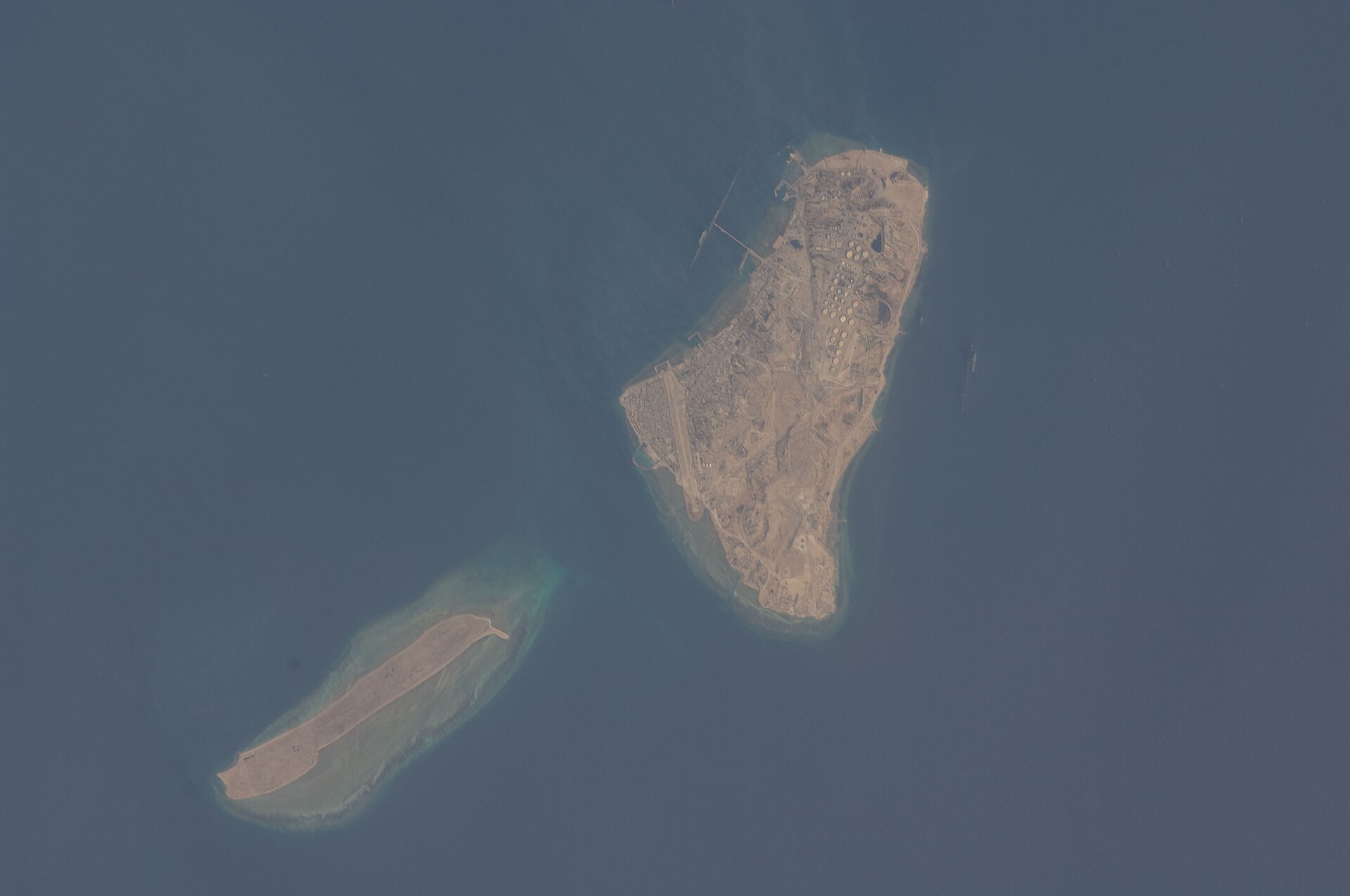
Bessent’s parallel claim about Kharg Island reinforces the vessel data. He stated on X that Kharg is “soon nearing capacity,” costing Iran $170 million per day in lost revenue. Columbia University’s Center on Global Energy Policy confirmed Kharg tanks were approximately 74% full as of April 20, with stocks rising more than 6 million barrels in the first eight days of the blockade. Kpler analysis cited by Bloomberg estimates Iran could run out of crude storage in 12 to 22 days from that April 20 measurement if the blockade persists without modification.
Can the IRGC Actually Pay Its Soldiers?
Bessent’s “can’t pay their soldiers” claim targets a specific vulnerability in the IRGC’s revenue architecture. The IRGC was allocated over 311 trillion tomans — approximately $6 billion at official rates — in FY2025, roughly 1.8 times the regular army’s allocation (Iran Open Data Center; NCRI; Euronews, January 2026). For FY2026, which began March 21, the IRGC budget rose approximately 24% year-on-year.
The critical dependency: Iran’s government was required to hand over one-third of its exported oil to the IRGC. At pre-blockade volumes, that amounted to roughly 600,000 barrels per day of oil export revenue feeding directly into IRGC institutional funding. The naval blockade attacks this revenue source at the point of extraction.
Iran’s broader economic indicators support Bessent’s framing, even if his specific “can’t pay soldiers” claim remains difficult to verify independently. The rial traded above 1.5 million per dollar in January 2026, having lost roughly 20,000 times its value over four decades (Iran International, January 2026). Food inflation hit 105% as of February 2026 (Euronews). Foreign exchange reserves have been described by the Center on Global Energy Policy as “frozen or inaccessible,” leaving the Central Bank unable to defend the currency.
An Iranian expert cited by Axios on April 28 offered the counterpoint: even if the US blockade is “completely successful — and right now it isn’t — IRGC would be able to rely on these alternatives [smuggling oil overland and in small tankers] to keep its troops paid and its position in Iran secure.” The question is not whether the IRGC has zero cash flow. It is whether reduced cash flow degrades operational capacity and internal cohesion faster than the regime can compensate through overland smuggling, floating storage, and cryptocurrency.
“They are a corrupt institution. They have been stealing from the Iranian people for years. They have money offshore. We have tracked that down. We will continue to track that down, and we are going to preserve those assets for the Iranian people on the other side of this conflict.”
Scott Bessent, US Treasury Secretary, Fox News, May 3, 2026
Iran’s Overland Workarounds and ‘Crumbling Blockade’ Claims
Tehran’s response to the blockade has been a coordinated information campaign claiming the maritime cordon is structurally defeatable. PressTV declared on April 30 a “new chapter in managing the Strait of Hormuz as US pressure wanes” — language designed to project institutional confidence to domestic and regional audiences at the same moment Bessent was preparing to call the regime “Keystone Cops.”
The overland workaround is real, not rhetorical. Pakistan opened six transit routes linking Gwadar, Karachi, and Port Qasim to Iran’s Gabd and Taftan border crossings on April 25, according to a Pakistan Ministry of Commerce order confirmed by Al Jazeera and The National on April 30. These routes create a structural bypass to the maritime blockade that the US Navy cannot interdict without expanding operations onto Pakistani sovereign territory.
Parliament Speaker Mohammad Bagher Ghalibaf ridiculed the blockade, pointing out that Iran’s vast land borders make any attempt at sealing it off impossible. He formally linked Hormuz reopening to removal of the US blockade on X on April 22 — embedding the vessel-redirect figure as Iran’s justification for refusing to reopen the strait. The IRGC reinforced this position through Tasnim News Agency: “There is only one way to read this: Trump must choose between an impossible military operation or a bad deal with the Islamic Republic of Iran.”
Iran also has physical buffers. It holds approximately 127 million barrels of floating storage capacity and 18 tankers in the Persian Gulf and Gulf of Oman with capacity for roughly 35 million barrels, according to Kpler data cited by Bloomberg and CGEP. Antoine Halff, a nonresident fellow at Columbia’s Center on Global Energy Policy, cautioned in April that “it may still take a while before the US blockade forces Iran to shut-in production in a big way” and that Iran can likely manage “a more gradual, controlled, and limited ramp-down” than Washington assumes.
The gap between Washington’s “suffocating” narrative and Tehran’s “crumbling blockade” narrative is itself informative. Both governments are speaking past each other to their own domestic audiences. Bessent’s Fox News appearance was aimed at American voters who want to see economic pressure producing results; Iran’s PressTV framing at IRGC personnel who need to believe the regime can outlast it. Neither narrative is entirely accurate.
Does Attrition Before Negotiation Work Against Iran?
Bessent’s “sprinting towards the finish line” metaphor implies that economic pressure will produce a negotiating partner willing to accept terms. The historical record is mixed at best.
The Atlantic Council assessed in 2026 that “a slow, protracted war of attrition is probably Iran’s intended outcome, with Iranian leaders calculating that their country is more willing to take casualties and absorb pain than either the United States or Gulf countries.” The same analysis warned that Washington could adopt an attrition strategy “if coupled with renewed internal challenges to the regime,” but “without the opening of a domestic front, it is unlikely to succeed, as the regime would need only survive to claim victory.”
The Quincy Institute’s March 26, 2026 report, “An Iran Exit Plan,” documented the track record directly: under maximum pressure from 2018 onward, Iran’s enriched uranium stockpile grew from approximately 300 kilograms to an estimated 3,000 kilograms by mid-2025. Financial pressure did not stop nuclear advancement. It accelerated it as Iran’s negotiating leverage increased. The institute framed the policy choice as between “a negotiated framework and a cycle of war, ceasefire, and escalation.”
Bessent’s “real economic blockade” phrasing carries a specific legal risk that Tehran has already exploited. Iran’s Foreign Ministry called Trump’s description of the US Navy as “pirates” “a direct admission of criminal blockade” on May 3, using the terminology to delegitimize the operation under UNCLOS and international law. By publicly confirming the blockade is economic in purpose — not limited to weapons interdiction as in the 1962 Cuban “quarantine” — Bessent provided Iran’s legal team with quotable evidence for any international forum.
The Cuba 1962 comparison is instructive but misleading. Kennedy’s quarantine intercepted specific weapons shipments and lasted 13 days before Soviet withdrawal. The Iran 2026 blockade covers all Iranian ports and all commerce, with no defined end date. The pressure-to-capitulation timeline is far less predictable when the target has overland routes, floating storage, cryptocurrency reserves, and an internal power structure where the president cannot order the IRGC to comply. The operational question — what the “suffocating” pressure is supposed to produce before the IRGC responds to Project Freedom’s Monday convoy launch — has no answer in Bessent’s framing.
The Hajj Clock and Iran’s 30-Day Deadline
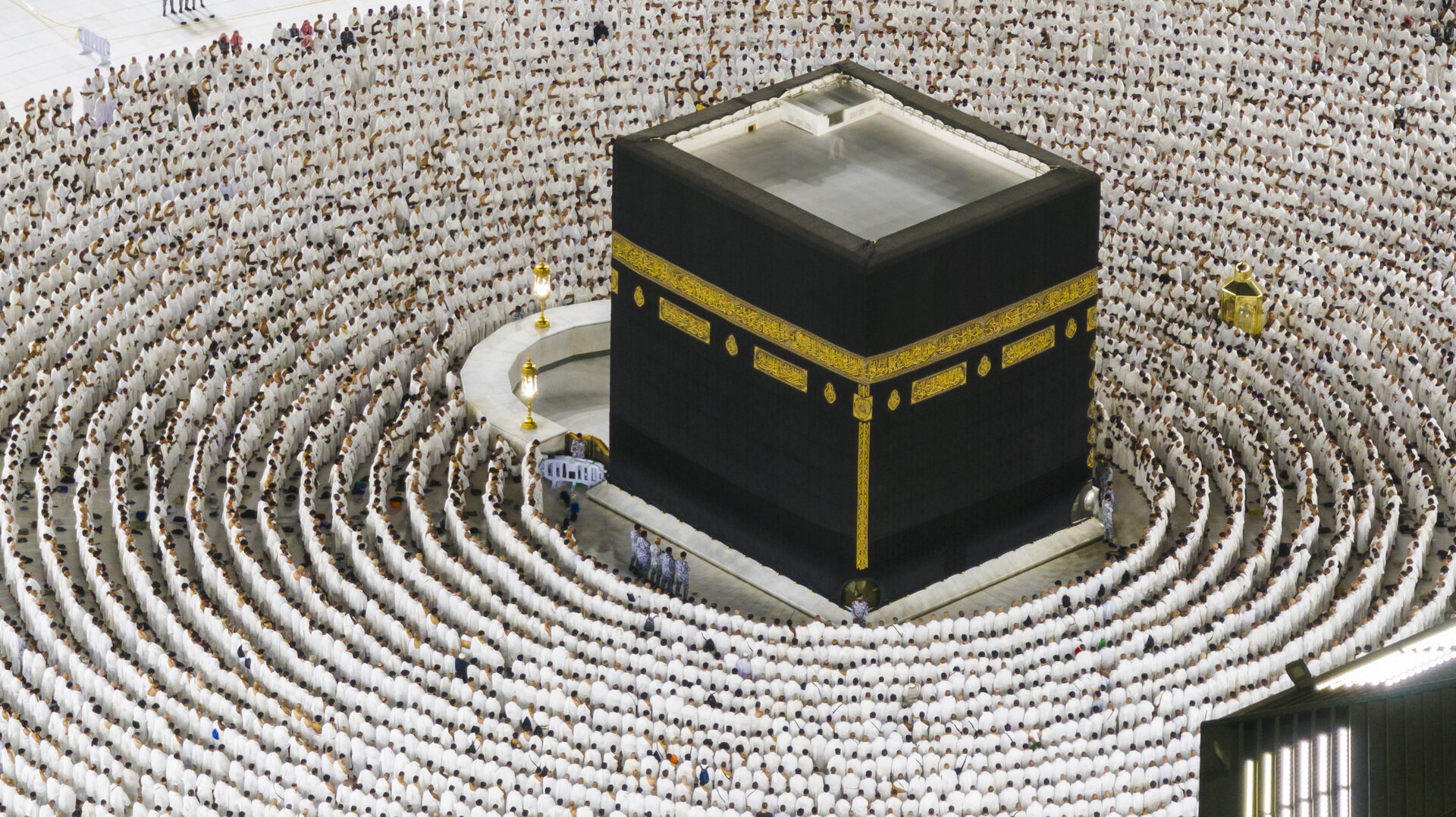
Iran’s 14-point counterproposal, submitted May 2 via Pakistan, demands resolution within 30 days. That deadline lands on June 1 — six days after the Day of Arafah on May 26, the peak of the Hajj pilgrimage. Saudi Arabia’s PAC-3 stockpile stands at approximately 400 rounds, 14% of pre-war inventory, with no resupply possible before mid-2027.
The 30-day timeline is structurally impossible for either side to meet. Iran’s demands include end of the naval blockade, release of frozen assets, reparations, sanctions lifting, US forces withdrawal, and a new Hormuz governance mechanism. Trump’s rejection on May 2 — “has not yet paid a big enough price” — made clear Washington views the current pressure level as insufficient, not excessive.
Bessent’s “suffocating” language and Trump’s rejection together reveal a US strategy of attrition-before-negotiation that runs directly into the Hajj calendar. The Day of Arafah raises the kinetic threshold for any Iranian retaliation — striking Saudi Arabia during Hajj would cross a religious red line that even the IRGC has historically respected. But the same calendar constraint limits Washington’s ability to escalate, as any military operation near Makkah during pilgrimage season would be politically catastrophic across the Muslim world.
Kharg Island’s storage trajectory and Iran’s 30-day deadline converge in the same window. At the accumulation rate Columbia’s CGEP tracked in the blockade’s first week, Kharg approaches maximum capacity roughly 30 to 40 days from April 13. That places the oil storage crisis between May 13 and May 23, overlapping with the Hajj arrival period and preceding the Day of Arafah by days.
Iran’s apex war command declared conflict resumption “likely” as Trump reviewed military options. If Bessent’s attrition strategy works as designed — degrading IRGC revenue to the point where institutional cohesion fractures — the fracture point arrives during the most sensitive period on the Islamic calendar. If it does not work, Washington will have spent 40 days of blockade consuming naval readiness and diplomatic capital without producing the negotiating partner Bessent described as “sprinting towards.”
The 49 vessels redirected since April 13 are the operational metric. The collapsed rial is the economic metric. Bessent’s “can’t pay their soldiers” is the psychological metric. Whether any of these produces Iranian concessions before the Hajj window closes is the question neither the Treasury Secretary nor his Fox News audience can answer from a Sunday morning studio.
Frequently Asked Questions
What is Operation Economic Fury?
Operation Economic Fury is the US Treasury’s financial enforcement campaign running parallel to CENTCOM’s naval blockade of Iran. Launched in April 2026 under Treasury Secretary Scott Bessent, it targets Iranian cryptocurrency holdings, offshore accounts, and foreign currency exchanges. The operation has seized nearly $500 million in crypto assets and issued 12 rounds of OFAC designations since Trump’s NSPM-2 executive order of February 2025. Its stated aim is to cut IRGC revenue streams that fund military operations independently of Iran’s civilian budget.
How many vessels has the US blockade intercepted?
CENTCOM reported 49 cumulative vessel redirections as of May 3, 2026 — not 49 daily interdictions. The pace has been roughly two vessels per day since the blockade began on April 13. “Redirected” means the vessel was turned away from the blockade zone, not boarded or seized. Pre-blockade Hormuz transit volume averaged approximately 1,200 vessels per week, meaning the 49 redirections over 20 days represent enforcement actions against a small fraction of regional maritime traffic — those specifically approaching Iranian ports.
Can Iran bypass the naval blockade through Pakistan?
Pakistan opened six overland transit routes between its ports (Gwadar, Karachi, Port Qasim) and Iran’s border crossings (Gabd, Taftan) on April 25, 2026. These routes can move refined petroleum products, consumer goods, and limited volumes of crude oil by truck and rail. They cannot replace the 600,000 barrels per day the IRGC previously received from maritime oil exports — overland infrastructure lacks the capacity for bulk crude at that scale. The routes provide a survival mechanism, not a full workaround.
What does ‘can’t pay their soldiers’ mean in context?
The IRGC is funded partly through direct government budget allocation (311 trillion tomans in FY2025) and partly through one-third of Iran’s oil export revenues. The blockade disrupts the oil-revenue component, but the IRGC also controls construction conglomerates, real estate, telecommunications firms, and smuggling networks that generate revenue independently of state oil sales. “Can’t pay soldiers” likely refers to delayed or reduced payments to lower-ranking Basij and IRGC ground forces, not to the elimination of all IRGC funding. The blockade’s effect on Kharg’s export throughput acquired a physical dimension when a satellite-confirmed 71 sq km oil slick appeared off the Kharg Island terminal on May 6, with Iran blaming a European tanker and CENTCOM declining to comment on operations in the area.