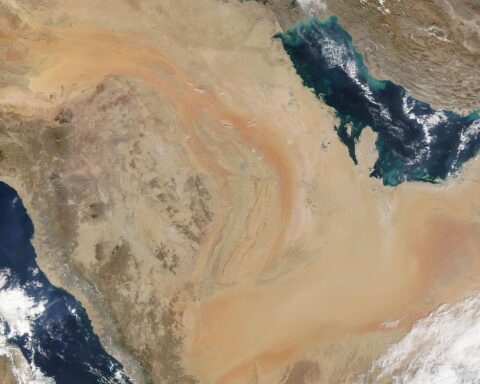
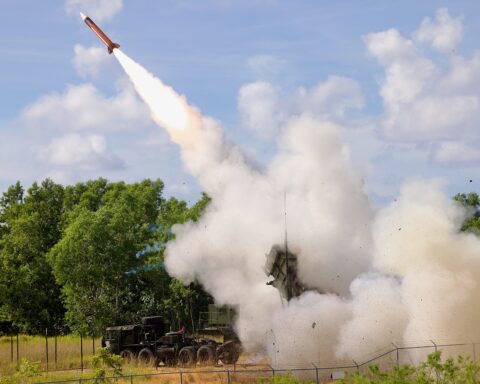
DHAHRAN — The Saudi-led coalition said on Friday, 13 November 2026, that its air defences intercepted and destroyed a drone over Saudi Arabia’s Eastern Province. Coalition spokesman Maj. Gen. Turki al-Maliki gave no drone type, no location inside the province and no attacker, according to Anadolu Agency.
The interception came a day after the coalition reported downing a drone over the same province, and three days after another. Houthi statements have named the province’s oil sites, including Abqaiq and Ras Tanura, as targets since late October. The 13 November statement did not say what the drone was heading for.
The House of Saud Daily Briefing
Saudi Arabia's news in 3 minutes, every morning. Free. See today's issue
Table of Contents
- What did the coalition say about the 13 November drone?
- Coalition reports Eastern Province drones on 10, 12 and 13 November
- Why is the Eastern Province a different kind of target?
- What have the Houthis claimed in the Eastern Province?
- Pipeline, Yanbu and the export route west
- Eastern Province attacks since March 2026: background
- Frequently Asked Questions
What did the coalition say about the 13 November drone?
The coalition said its air defences intercepted and destroyed one drone over the Eastern Province on 13 November. The statement, posted on X by spokesman Maj. Gen. Turki al-Maliki, named no city, facility, drone model or launching party. Anadolu Agency said no further details were immediately available.
The full statement ran to a single line: “Air defenses intercepted and destroyed a drone in the Eastern Province.” It did not mention debris, damage or casualties.
The silence on the attacker is notable because it is not consistent. On 12 November, the coalition said the two drones downed over Riyadh and the Eastern Province had been launched by the Houthis, according to Anadolu. On 10 November, the coalition did not say who launched the drone intercepted over the province, Khaama Press reported.
As of publication, no Houthi statement claiming a 13 November operation in the Eastern Province had been found. For now, the only account of the 13 November drone is the coalition’s.
The gaps matter for anyone reading the incident against the wider campaign. Without a sub-location, it is not possible to say whether the drone was heading for Dhahran, Dammam, the Abqaiq processing plant, the Ras Tanura terminal or a military site. The province covers all of them.
Coalition reports Eastern Province drones on 10, 12 and 13 November
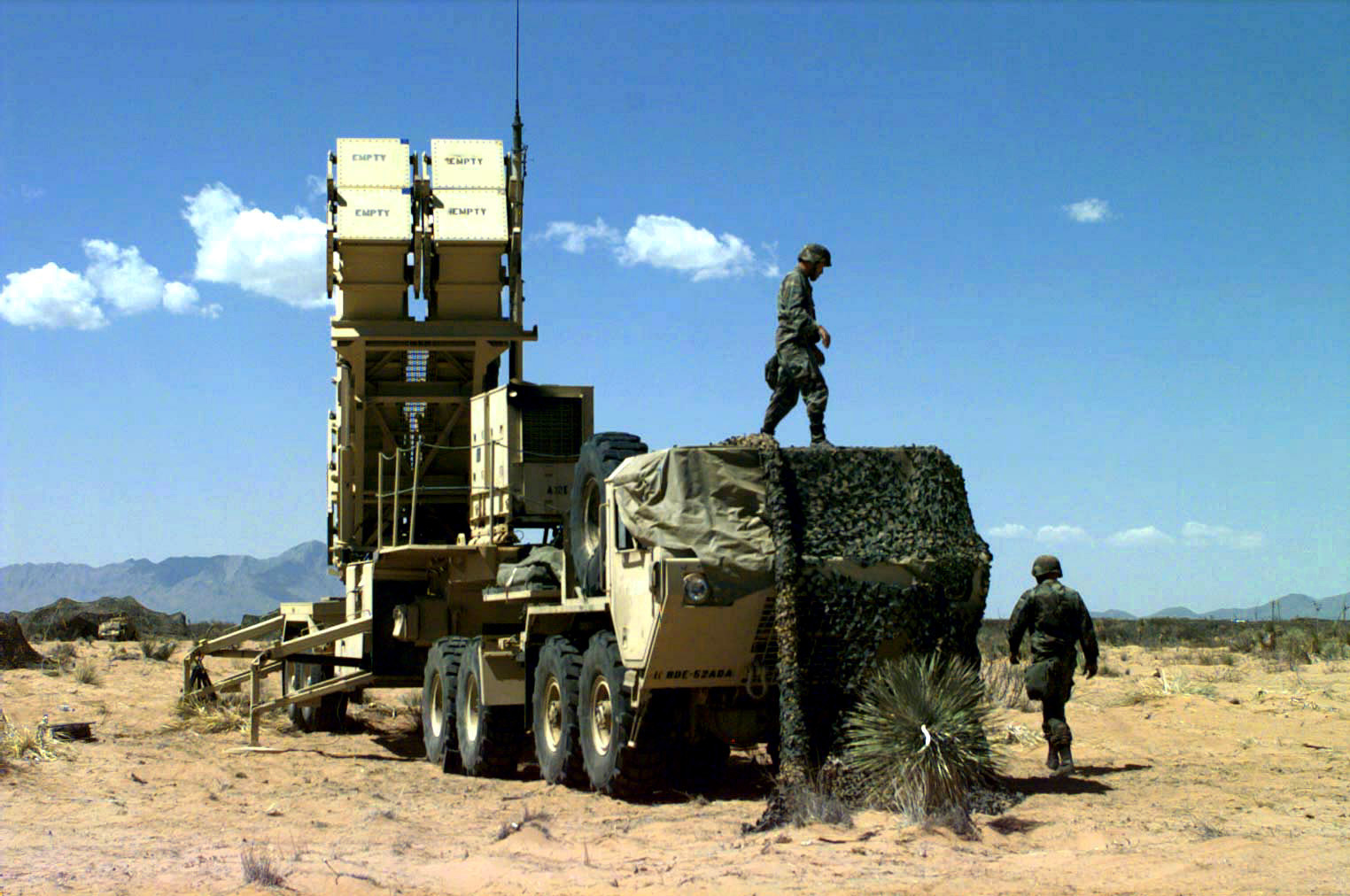
The 13 November statement is the latest in a series of coalition announcements this week involving the Eastern Province. Read together, they show a province under repeated, small-scale drone pressure rather than a single large salvo.
- 10 November: the coalition said it intercepted and destroyed a drone over “the kingdom’s oil-rich Eastern Province” and did not say who launched it, according to Khaama Press. Saudi Civil Defence issued early-warning alerts that day for Riyadh, Abha and Khamis Mushait, later announcing the threat had passed.
- 12 November: al-Maliki said on X that air defences “intercepted and destroyed two drones,” which the coalition attributed to the Houthis, one over the Riyadh area and one over the Eastern Province, Anadolu Agency reported.
- 13 November: one drone intercepted and destroyed over the Eastern Province, no attacker named (Anadolu Agency).
Sources differ on how firmly the 12 November drones were attributed. Anadolu reported the coalition as saying the drones were launched by the Houthis. Al Jazeera, citing the statement as carried by the Saudi Press Agency, described them as “suspected Houthi drones.” Both outlets agree on the locations.
The same week, the coalition was handling threats far from the Gulf coast. Saree rejected as “a grave falsehood” a Saudi claim that the Houthis had targeted the Mecca region, Al Jazeera reported on 12 November (see earlier coverage of the Makkah region incident).
In a single week, then, the coalition and Civil Defence reported threats to Riyadh, the Makkah region, the southwestern cities of Abha and Khamis Mushait, and the Gulf coast.
Why is the Eastern Province a different kind of target?
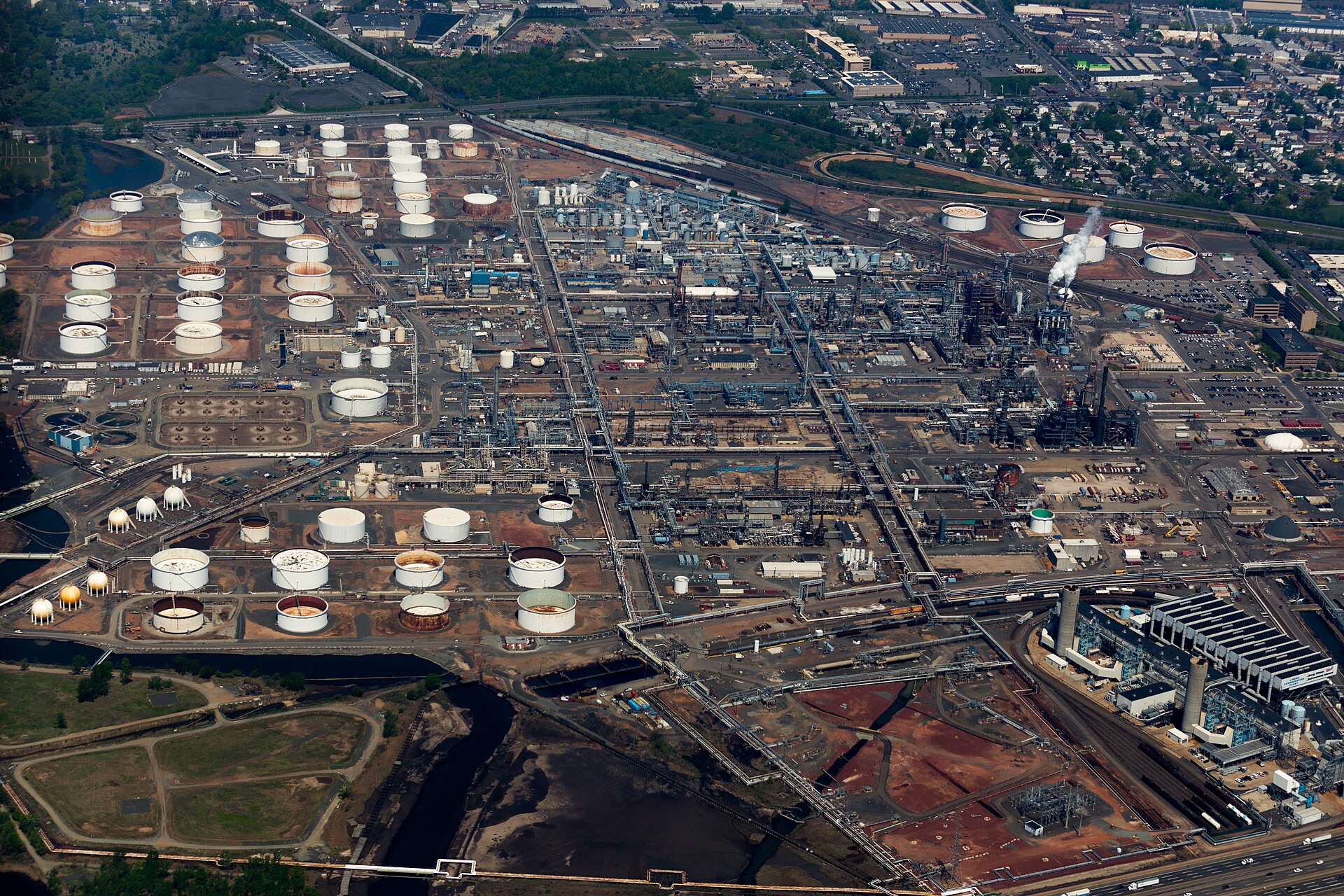
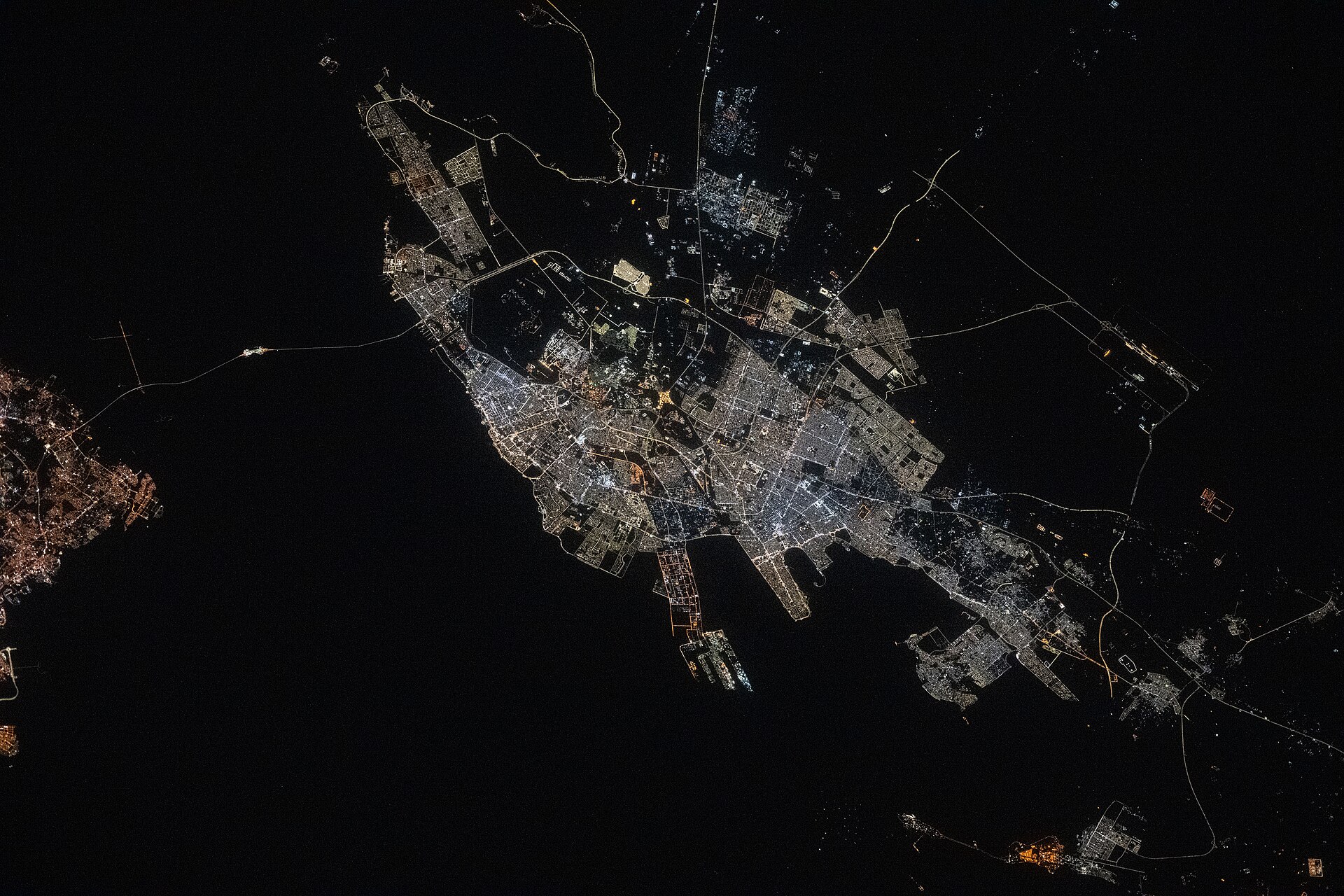
The Eastern Province is where Saudi Arabia’s oil is produced, processed and shipped. It contains Aramco’s Dhahran headquarters, the Abqaiq crude processing plant, the Ras Tanura refinery and export terminal, the Shaybah field and the Dammam metropolitan area.
Khaama Press described the province on 10 November as “a strategically important economic centre” containing “most of Saudi Arabia’s oil and gas reserves and the headquarters of state-owned energy giant Saudi Aramco.” The Congressional Research Service has put Abqaiq’s maximum processing capacity at 7 million barrels per day.
The province has also seen confirmed damage this autumn. On 13 October, Aramco’s Dhahran headquarters was hit during a Houthi missile attack, causing a fire in part of the complex, World Oil reported, citing Bloomberg. The coalition said that day that shrapnel from an interception fell in part of a residential area in Dhahran.
Reuters later reported, citing three people with direct knowledge, that the headquarters had “suffered extensive damage” in the attack, “with a fire spreading across several floors.” On 22 October, six people with knowledge of the matter told Reuters that Aramco had told staff to evacuate the Dhahran headquarters. Aramco did not immediately respond to Reuters’ request for comment.
The evacuation followed an attack on King Fahd International Airport in Dammam on 21 October. Saudi Arabia’s General Authority of Civil Aviation (GACA) said it killed two people, a Saudi citizen and an Indian resident, and injured eight, AeroTime reported. GACA said airport operations had resumed and air traffic had returned to normal.
The same day, the Saudi Energy Ministry said a drone had been aimed at a facility at Aramco’s Shaybah oilfield in the Eastern Province. Falling debris killed two people, a Filipino and a Nepali national, and injured a Pakistani and an Indian national, The National reported. The ministry said the incident “had no impact on operations at the oilfield.”
The Shaybah incident illustrates how close calls can still cause casualties. Debris from the drone attack started a fire in a contractor’s vehicle outside the plant’s perimeter, according to The National.
What have the Houthis claimed in the Eastern Province?
Houthi spokesman Yahya Saree has repeatedly named Eastern Province energy sites, most often Abqaiq and Ras Tanura, and King Fahd International Airport in Dammam. Few of these claims have been independently confirmed, and Saudi authorities have published no damage assessments for most of them.
On 29 October, Saree claimed six operations against Saudi Arabia in one statement on X, Iran International reported. Three involved the Eastern Province or its airport:
- a ballistic missile on the Ras Tanura oil refinery;
- a missile on an Aramco facility in Abqaiq;
- a drone on King Fahd International Airport in Dammam.
The same statement claimed a missile salvo on King Khalid International Airport in Riyadh, a ballistic missile on the Rabigh refinery on the Red Sea coast and an attack on a military site in the Najran region. The group said it would continue operations “deep inside Saudi.”
On 10 November, the day the coalition reported its Eastern Province interception, Saree claimed attacks on “multiple pumping stations” along the East-West Pipeline and “fresh attacks on an Aramco facility in Abqaiq” and Riyadh’s financial district, OilPrice.com reported. Those claims are covered in more detail in the Houthis’ four claimed operations of 10 November.
Saree attached a warning for business. He told investors and companies to avoid “keeping their investments in Saudi Arabia,” according to OilPrice.com, which noted that Saudi authorities had not acknowledged the attack or assessed any damage.
On 12 November, Saree’s list shifted west. He claimed a drone strike on a pumping station on the East-West Pipeline, an attack on the Yanbu oil facility, a drone on a military cargo plane at Sharurah airport, a ballistic missile on Khamis Mushait airbase and the targeting of Aramco’s headquarters in Riyadh, Al Jazeera reported. The Yanbu and pipeline claims drew attention because they touch the route Saudi Arabia now uses to bypass the Gulf.
Coalition statements this month have generally reported interceptions without naming the intended target, while Saree’s statements name targets and claim hits. The 27 October Ras Tanura incident, detailed in the background section, is one case where outside evidence narrowed that gap.
Pipeline, Yanbu and the export route west
The pressure on the Eastern Province has pushed Saudi crude west. Riyadh says it has rerouted about 4 million barrels of crude per day through the East-West Pipeline to Yanbu on the Red Sea, roughly 4% of global supply, Al Jazeera reported on 12 November.
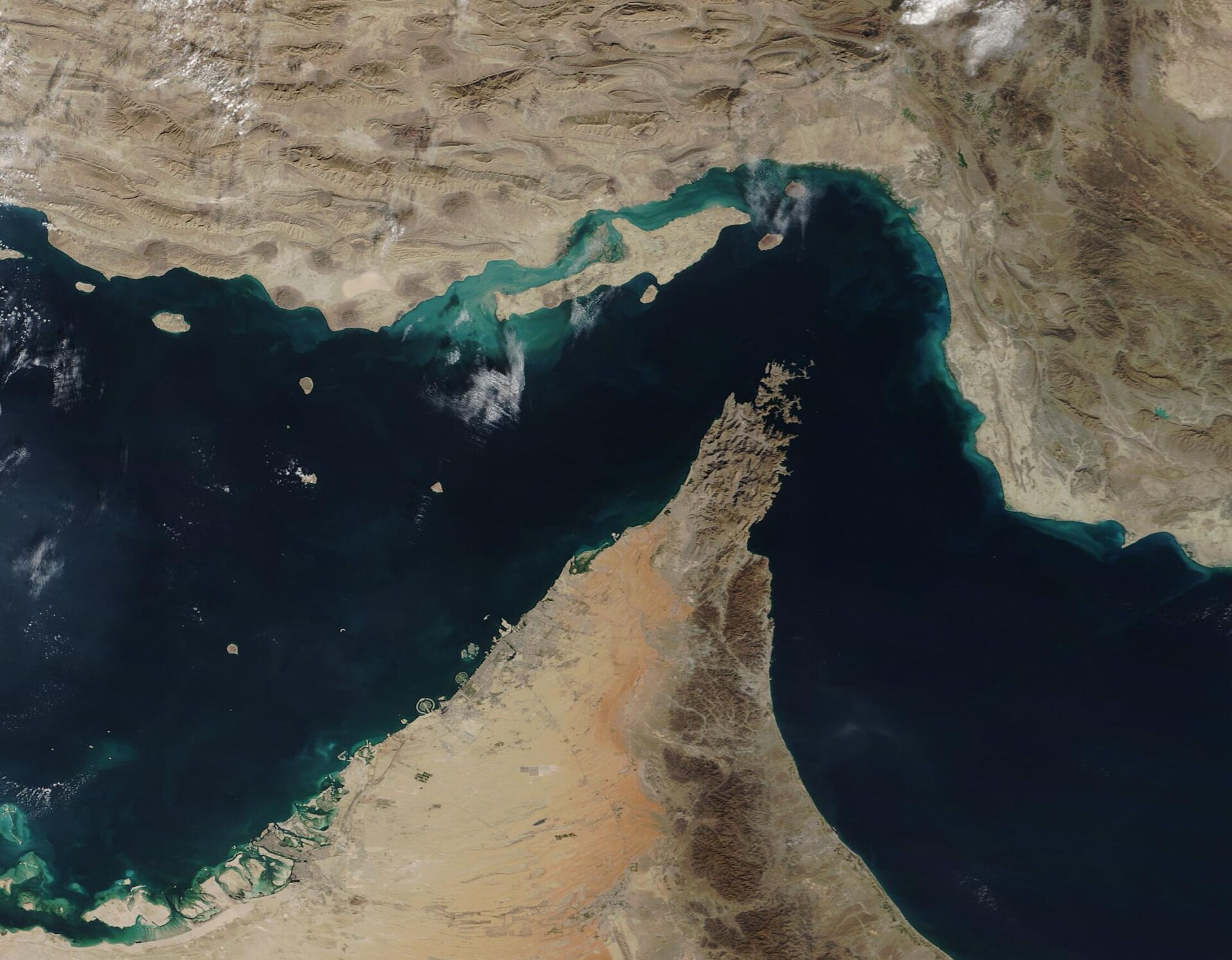
Geography explains part of the choice. Ras Tanura’s tankers must leave the Gulf through the Strait of Hormuz, while cargoes from Yanbu sail directly into the Red Sea.
The pipeline’s pumping stations run from the Eastern Province across the peninsula, and they have become a target in their own right. Earlier strikes damaged pumping stations and temporarily disabled the pipeline, which Aramco restarted at reduced flow within days, Maritime Executive reported on 27 October.
The pattern of Houthi claims tracks this shift. Saree’s 29 October list centred on Gulf-coast sites such as Ras Tanura and Abqaiq. By 10 and 12 November, his claims included East-West Pipeline pumping stations and Yanbu, the infrastructure Saudi Arabia has leaned on to keep exports moving.
The pipeline starts in the Eastern Province, so a drone over the province can be within reach of both the processing plants and the pumping network that feeds Yanbu. No source has said where the 13 November drone was heading.

Eastern Province attacks since March 2026: background
The Eastern Province came under drone attack in early March 2026, during the Iran war. The table below sets out incidents with a named source, in date order. Houthi claims are marked as claims; damage is listed only where a source states it.
| Date | Site | What was reported | Source |
|---|---|---|---|
| 2 Mar | Ras Tanura refinery | Saudi Arabia said it intercepted 2 drones; falling shrapnel caused a limited fire; refinery shut for about a week, reopened 13 March | Wikipedia, citing Saudi statements |
| 4 Mar | Ras Tanura | Aramco facility hit by a projectile for the second time | Wikipedia |
| 9 Mar | Shaybah oilfield | Saudi forces said they destroyed 4 drones targeting the field | Wikipedia |
| 13 Oct | Aramco HQ, Dhahran | Hit during Houthi missile attack; fire in part of complex | World Oil, citing Bloomberg |
| 21 Oct | King Fahd International Airport, Dammam | 2 killed, 8 injured (GACA) | AeroTime; Reuters |
| 21 Oct | Shaybah oilfield | Drone aimed at oilfield; falling debris killed 2, injured 2; no impact on operations (Energy Ministry) | The National |
| 22 Oct | Aramco HQ, Dhahran | Staff told to evacuate, per 6 people with knowledge of the matter | Reuters via Al-Monitor |
| 27 Oct | Ras Tanura export terminal | NASA FIRMS heat signatures showed fire; source told Bloomberg site was hit, fire contained | Maritime Executive |
| 29 Oct | Ras Tanura, Abqaiq, Dammam airport | Houthi claim of missile and drone attacks; no independent confirmation | Iran International |
| 8 Nov | Several areas incl. Dhahran | Civil Defence alerts issued, later lifted | The Edge Malaysia |
| 10 Nov | Eastern Province | Coalition intercepted 1 drone; Houthis separately claimed an Abqaiq attack | Khaama Press; OilPrice.com |
| 12 Nov | Eastern Province | Coalition intercepted 1 drone (a second over Riyadh) | Anadolu Agency |
| 13 Nov | Eastern Province | Coalition intercepted 1 drone; no attacker named | Anadolu Agency |
The March entries do not name the launching party, and the Wikipedia account places them within Iranian attacks on the kingdom during the war’s opening weeks. The October and November incidents fall within the Houthi campaign against Saudi Arabia, though Saudi statements do not always name the Houthis.
That campaign followed the collapse of the Yemen truce. Fighting between Yemeni government forces and the Houthis resumed in July 2026, ending a period of relative calm that began in April 2022, Anadolu Agency reported. The UN says the renewed fighting has left 12,000 people dead or wounded.
Inside Yemen, government forces have reported heavy ground fighting, including a daily bulletin of operations against Houthi positions.
The Ras Tanura entry of 27 October remains the clearest outside evidence of damage in the province this autumn. Saudi forces said they intercepted three ballistic missiles and four drones that day without officially confirming any damage, Maritime Executive reported. The Bloomberg source did not confirm Houthi claims of a strike on the refinery itself.
Questions about the 13 November drone remain open: its type, its heading, who launched it and whether any debris fell. The coalition’s statement addressed none of them.
Frequently Asked Questions
Has Abqaiq been attacked successfully before?
Yes. On 14 September 2019, a missile and drone attack on the Abqaiq processing facility and the Khurais field temporarily disrupted 5.7 million barrels per day of Saudi production, about 5% of global supply, according to the Congressional Research Service. Abqaiq was operating at about 4.9 million barrels per day before that attack.
What did the UN Security Council decide on 12 November?
The Security Council unanimously extended Yemen sanctions, including asset freezes and travel bans, for one year and renewed the UN Panel of Experts mandate, Al Jazeera reported. The resolution condemned Houthi attacks on Saudi Arabia. China’s envoy Fu Cong said sanctions are “merely a means, not an end in themselves.” Background is in the UN’s extension of Yemen sanctions to 2027.
Is Saudi Arabia getting outside help with air defence?
France, Britain, Egypt and Pakistan have pledged varying levels of assistance, Maritime Executive reported on 27 October. The Trump administration has declined Saudi requests for aid, the same report said.
What is the humanitarian situation inside Yemen?
The UN humanitarian office, OCHA, said more than 333,000 people have been displaced in Yemen since early August, including more than 24,000 in the past week, Al Jazeera reported on 12 November. Saudi Arabia is also reportedly pressing the EU to designate the Houthis a terrorist organisation, which European officials told Reuters could undermine a future peace process. Travellers can check current safety advice for Saudi Arabia.
The House of Saud Daily Briefing
Saudi Arabia's news in 3 minutes, every morning. Free. See today's issue