
RIYADH — Houthi military spokesman Brig. Gen. Yahya Saree claimed on November 12 that Houthi forces struck a “military cargo aircraft” at Sharurah Airport in Saudi Arabia’s Najran region with a drone and hit King Khalid Air Base at Khamis Mushait with a ballistic missile that caused “major confusion,” according to Al Jazeera and Siasat.com. Saree presented both operations as part of a five-strike package that also targeted Saudi Aramco in Riyadh, the East-West pipeline, and the Yanbu oil facility on the Red Sea. The Saudi-led coalition confirmed intercepting two drones the following day — one in the Eastern Region and one near Riyadh — but issued no statement on either military base claim.
No independent source has verified damage at either location, no reporting has identified the aircraft type that was allegedly hit at Sharurah, and Saudi authorities had not commented on the base claims at the time of the latest wire reports, according to Xinhua. King Khalid Air Base hosts the Royal Saudi Air Force’s closest fighter squadrons to Yemen and has been the subject of repeated Houthi strike claims since September — none confirmed by Riyadh, none denied either.
The House of Saud Daily Briefing
Saudi Arabia's news in 3 minutes, every morning. Free. See today's issue
Table of Contents
What Did the Houthis Claim?
Saree posted the claims on Telegram and X on November 12, framing them as a coordinated five-operation package, according to Al Jazeera. The first claimed military target was a “military cargo aircraft” at Sharurah Airport in the Najran region, struck by what Houthi-sourced Arabic-language reporting described as a “drone force” drone — Saree said the operation “achieved its objective precisely,” according to alkhabaralyemeni.net. TASS rendered the target as a “military transport aircraft,” but no source named an aircraft model, a tail number, or a squadron designation.
The second military target was King Khalid Air Base at Khamis Mushait. “Another operation targeted Khamis Mushait Air Base with a ballistic missile, and the strike was direct, thanks be to God,” Saree said, according to ANI and the Tribune India. Houthi-aligned reporting described the base as “a main launch center for the warplanes on Yemen” and said the missile caused “major confusion in the air base,” according to alkhabaralyemeni.net and Siasat.com.
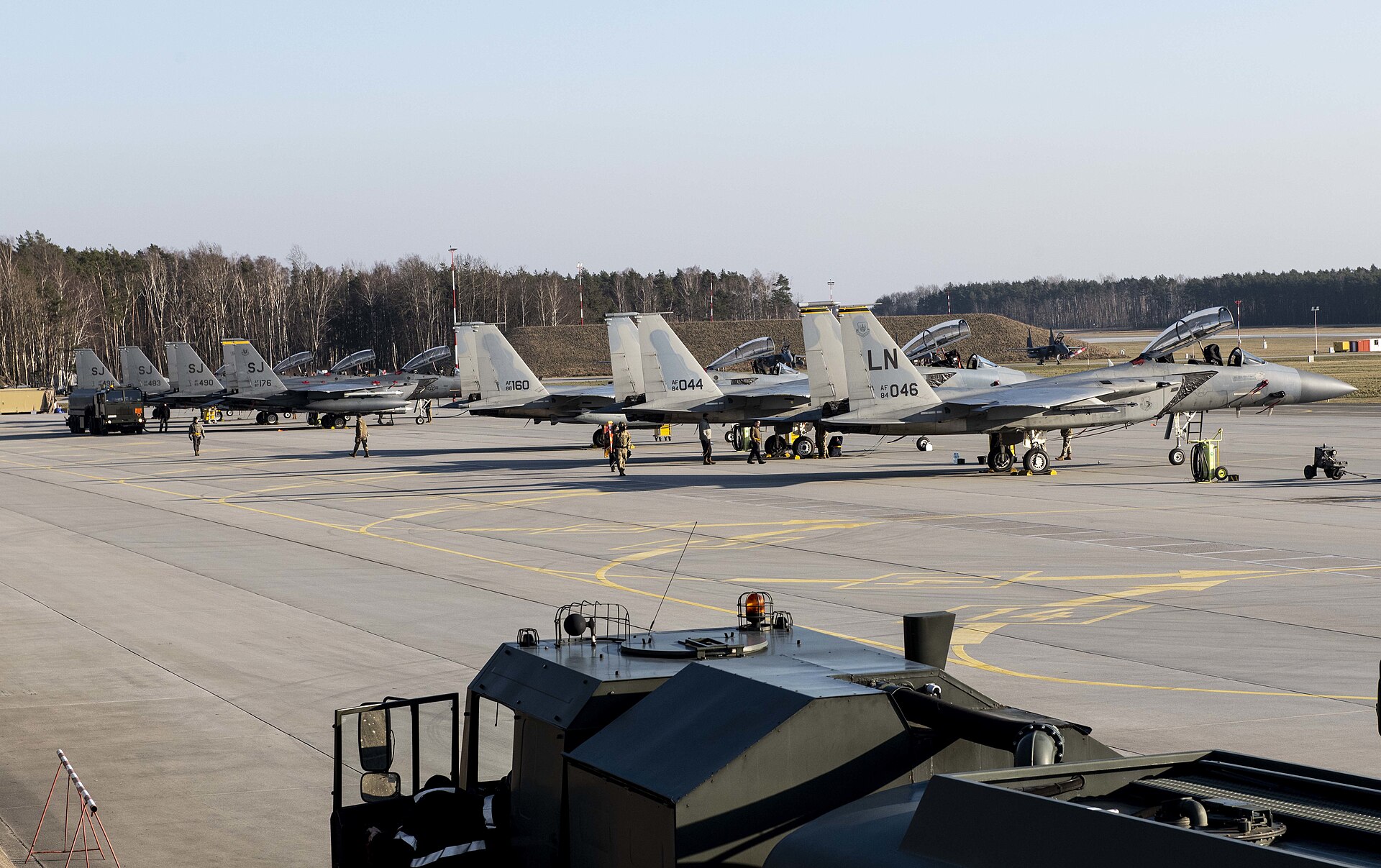
The remaining three operations in the claimed package targeted Saudi Aramco’s facilities in Riyadh with a drone, Pumping Station No. 7 on the East-West pipeline with a drone, and the Yanbu oil facility on the Red Sea with a ballistic missile, according to Siasat.com. Saree said all five operations had “achieved their objectives.” Saree also explained the targeting logic, saying that “F-15 and Typhoon jets operating from Khamis Mushait and Taif air bases carried out the airstrikes, alongside missile attacks from Jizan,” according to Siasat.com. The statement identified where the Houthis believe the Saudi air campaign originates and served as the group’s stated justification for striking military airfields.
What Did the Coalition Confirm?
Coalition spokesman Turki al-Maliki confirmed on November 13 that Saudi forces had intercepted and destroyed two drones — one heading for the Eastern Region and one approaching Riyadh, according to Xinhua and ANI via the Tribune India. The Eastern Region interception and the Riyadh-area intercept were presented without reference to the Houthi five-operation announcement, and neither statement mentioned Sharurah, Khamis Mushait, or any military base.
Separately, the coalition said on November 12 that it had intercepted two Houthi ballistic missiles in the western region near Makkah, according to Al Jazeera. The coalition’s account of the Makkah-area interceptions drew a direct rebuttal from Saree, who called the claim a “grave falsehood,” according to Siasat.com. If taken at face value, Saree’s denial would mean the Houthis did not fire at Makkah at all — leaving the question of what was intercepted in the western region unexplained, or suggesting the coalition attributed a different origin or trajectory to the intercepted missiles than the Houthis claim.
Whether the coalition’s two confirmed drone interceptions correspond to two of the five Houthi-claimed operations — the Aramco drone aimed at Riyadh and perhaps the pipeline or Sharurah drone — has not been publicly clarified. What the coalition’s statements do establish is that it confirmed stopping two drones and two ballistic missiles, while saying nothing about a missile hitting an air base or a drone striking an aircraft on the ground. Xinhua noted that the Houthi claims “could not be independently verified” and that Saudi authorities had not immediately commented.
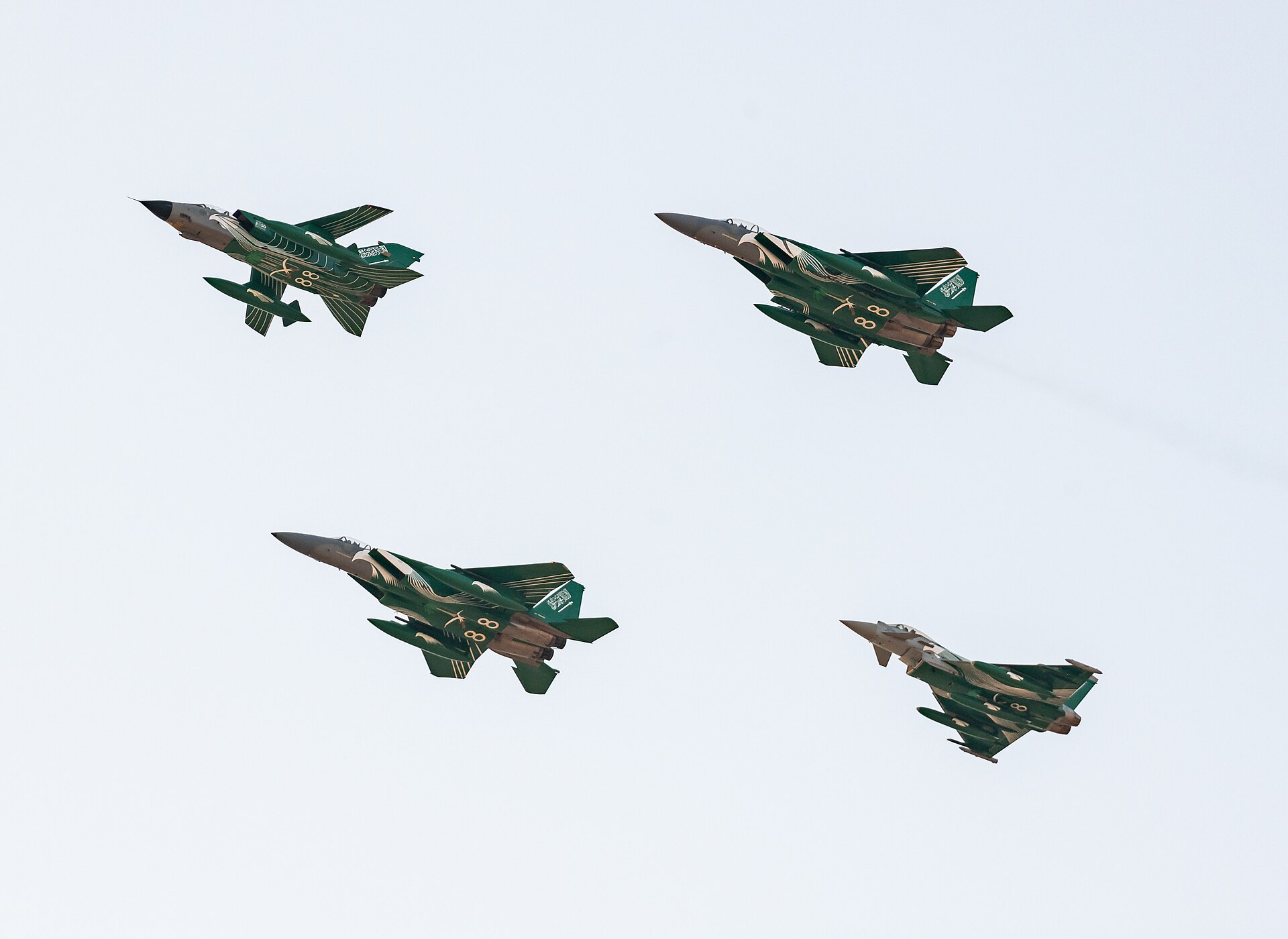
King Khalid Air Base: The RSAF’s Nearest Fighter Base to Yemen
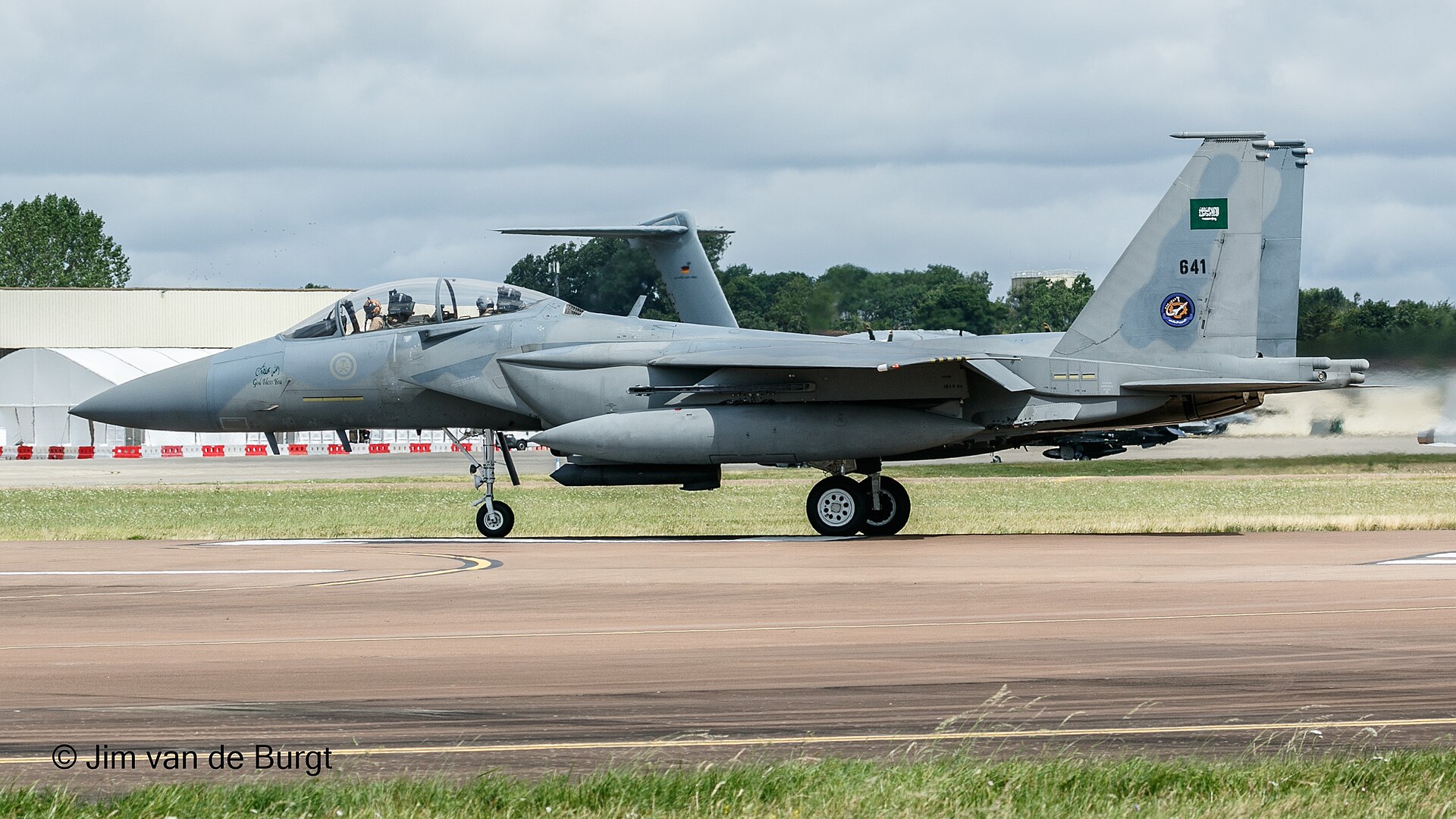
King Khalid Air Base sits at approximately 2,050 metres elevation in the Asir mountains and is less than 150 kilometres from the Yemeni border, making it the RSAF’s closest major air base to the conflict zone, according to MIGflug’s Afterburner. It hosts RSAF Wing 5, home to No. 6 Squadron and No. 55 Squadron; No. 6 flies both the F-15SA and the older F-15S Strike Eagle, while No. 55 flies the F-15SA — aircraft that form the backbone of Saudi strike operations over Yemen. When Saree named the base as “a main launch center for the warplanes on Yemen,” he was describing a role that is consistent with what open-source military databases attribute to it.
The base’s proximity to Yemen puts it within range of the Houthis’ shorter-range ballistic missiles and drones, a category of weapon that Wolfgang Pusztai, a security policy and defence analyst, has said the group may be running low on, according to Al Jazeera’s October 11 reporting. That proximity also makes it the most logical military target for a group that has repeatedly stated its intention to strike the infrastructure behind the Saudi air campaign rather than limiting itself to retaliatory attacks on civilian sites.
Sharurah Airport, farther east in Najran province, is less well-documented in public reporting. No source has identified what type of military cargo aircraft was allegedly stationed there, or confirmed whether the airport currently serves as a regular military logistics hub for coalition operations. Pakistan deployed approximately 8,000 troops, around 16 JF-17 aircraft, two drone squadrons, and HQ-9 air defence batteries to Saudi Arabia in May 2026, according to Reuters via The Standard — but no source has placed the JF-17s at Khamis Mushait or Sharurah.
Previous Houthi Claims on the Same Targets
King Khalid Air Base at Khamis Mushait has been one of the Houthis’ most frequently claimed targets since the war escalated in 2026, and none of the previous claims has been confirmed by Saudi Arabia. On September 14, the Houthis claimed firing “dozens of ballistic missiles and drones” at the base, targeting hangars, radars, runways, and ammunition depots, according to the Middle East Monitor citing Anadolu Agency. On October 25, Saree claimed “three operations using dozens of ballistic missiles” struck aircraft parking areas, ammunition depots, and drone control centres at the base, alongside claims of hitting Riyadh’s King Khalid International Airport and Jizan naval base, according to Anadolu Agency.
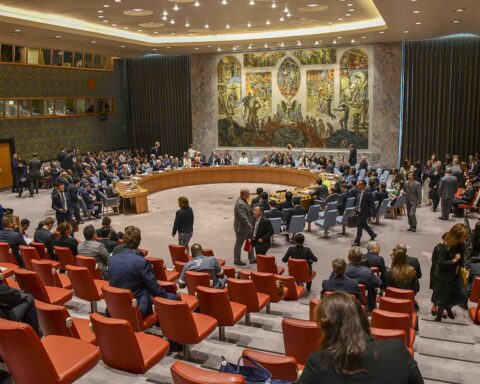
On October 27, the Houthis went further, claiming two Saudi military transport aircraft had been destroyed — one at Najran Airport and one at “a base in Khamis Mushait” — by ballistic missiles, according to Capital News Point and the Daily Times Pakistan. That claim is the closest precedent to the November 12 Sharurah allegation, because it specifically named aircraft as targets rather than just base infrastructure. Saudi authorities did not confirm any of these claims. The UN Security Council extended Yemen sanctions through 2027 on November 13, maintaining the arms embargo and travel bans on Houthi leaders — a decision that coincided with the latest strike claims.
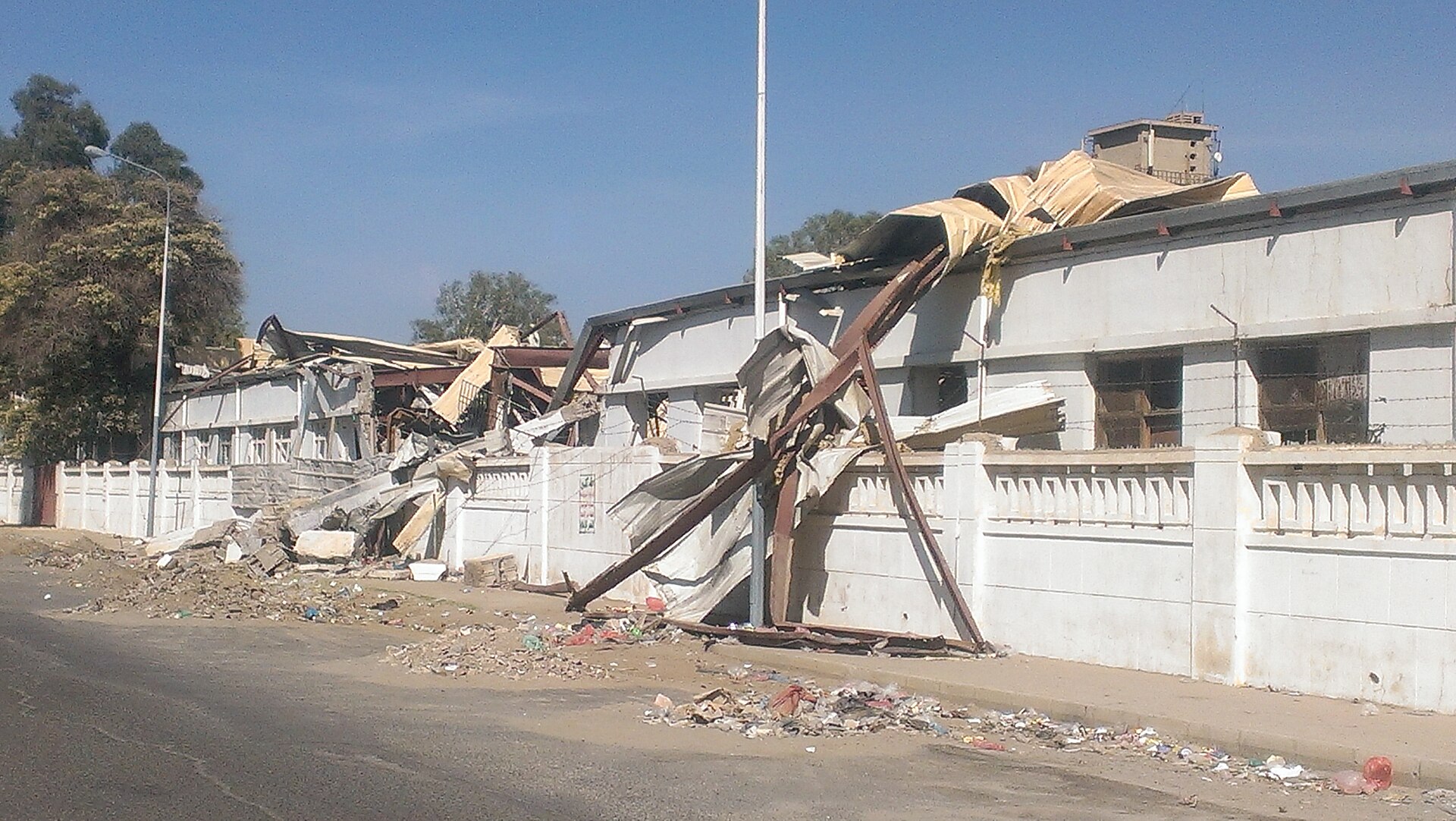
The only independently confirmed aircraft destruction in the conflict remains the Saudia Airbus A321-200, registration HZ-ASI, destroyed at King Khalid International Airport in Riyadh on October 8 — a civilian airliner hit by a Houthi ballistic missile that killed three Saudi nationals, including the aircraft’s pilot, according to GDN Online. On the military side, the Houthis claimed on September 16 that they had shot down an F-15SA of No. 55 Squadron — the squadron based at King Khalid Air Base — over Marib. Janes reported on September 17 that BBC Verify had confirmed wreckage video, and Saudi Arabia has not acknowledged any aircraft loss. On October 15, the Houthis claimed a Saudi Typhoon taking off from Taif Air Base was struck “directly” over Saada airspace, a claim no independent source has confirmed, according to Middle East Eye.
What Do Analysts Say About Saudi Base Defences?
The recurring question with every Houthi claim against a military air base is whether the group can actually hit hardened military targets, or whether the claims are a messaging strategy designed to project capability the Houthis do not possess. Nawaf Obaid, a senior fellow at King’s College London’s Department of War Studies, told Al Jazeera on October 11 that “as much as you can have a multi-layered air defence system, one will always come through,” while adding that the Saudi air campaign had inflicted “enormous damage” on Houthi missile and drone production and that dozens of Houthi attempts are thwarted for each successful attack, according to Al Jazeera’s paraphrase of his remarks.
“As much as you can have a multi-layered air defence system, one will always come through.”
Nawaf Obaid, senior fellow, King’s College London War Studies, Al Jazeera, October 11, 2026
Pusztai told the same outlet that the Houthis likely have few short-range ballistic missiles remaining, making saturation attacks less probable, and that they may instead fire single missiles at “less-defended civilian targets to maximise the strategic impact of these attacks.” The November 12 claims are worth reading against that assessment, because the Houthis claimed to have targeted military bases — the harder, better-defended category — rather than following the pattern Pusztai described. Whether that signals a genuine shift in targeting, or whether the claims are aspirational rather than operational, depends on confirmation that has not come from either side.
The pattern the coalition has established — confirming interceptions near populated areas while remaining silent on military base claims — has been consistent across September, October, and November. That consistency could reflect an operational security posture that does not disclose damage to military installations, or it could reflect the fact that the claimed strikes did not reach their targets and the coalition saw no need to publicise routine base-area interceptions. Both readings are speculative, and the evidence available to the public does not resolve the question. What the ongoing tempo of operations from both sides does establish is that Khamis Mushait will almost certainly remain on the Houthis’ declared target list for as long as it remains the base from which the Saudi air campaign over Yemen is flown.
Frequently Asked Questions
Where is Sharurah Airport and does it have a military function?
Sharurah Airport sits in Saudi Arabia’s Najran region, one of the closest Saudi provinces to the Yemeni border. It operates as a civilian domestic airport under Saudi Arabia’s General Authority of Civil Aviation, but its frontline proximity has given it a logistical role during military operations. No publicly available source identifies the specific military units, aircraft types, or transport squadrons currently stationed at Sharurah as of November 2026 — which is why no reporting has been able to verify what “military cargo aircraft” the Houthis claimed to have struck.
Has Saudi Arabia ever confirmed a Houthi strike damaged a military air base?
Saudi Arabia has not publicly confirmed damage to any military air base from Houthi weapons during the 2026 escalation. The coalition has confirmed civilian-area interceptions — including at Riyadh, Makkah, and in the Eastern Region — and has acknowledged incidents at civilian infrastructure such as the October 8 strike at King Khalid International Airport in Riyadh. But claims specifically targeting Khamis Mushait, Najran, Sharurah, or other military installations have been met with neither confirmation nor public denial, a pattern that has persisted since at least September 2026.
What fighter aircraft are based at King Khalid Air Base?
The F-15SA is the Saudi-specific advanced variant of the F-15, equipped with upgraded avionics, conformal fuel tanks, and precision-guided munition capability — it is the primary aircraft type conducting Saudi air operations over Yemen, according to MIGflug’s Afterburner. The base also houses the older F-15S Strike Eagle, which predates the advanced variant. Neither Saudi Arabia nor any independent source has specified which aircraft, if any, was affected by the November 12 ballistic missile claim at the base.
How many times have the Houthis claimed to strike King Khalid Air Base in 2026?
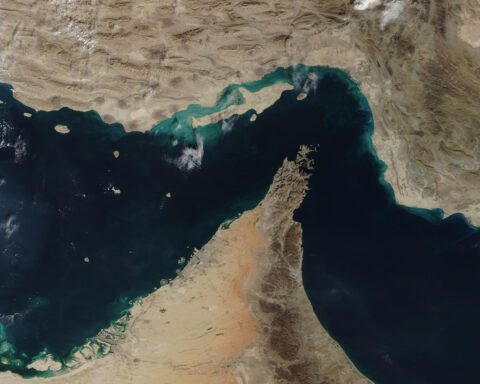
During the 2026 escalation, the Houthis have claimed strikes on King Khalid Air Base on at least four occasions: September 14, October 25, October 27, and November 12. The nature of the claims has escalated from targeting base infrastructure — hangars, radars, runways, ammunition depots — in September and October, to claiming the destruction of specific military aircraft in the October 27 and November 12 announcements. The broader pattern of Houthi claims across the conflict has included targets ranging from oil tankers in the Strait of Hormuz to civilian airports, with independent confirmation varying widely by target type.
The House of Saud Daily Briefing
Saudi Arabia's news in 3 minutes, every morning. Free. See today's issue