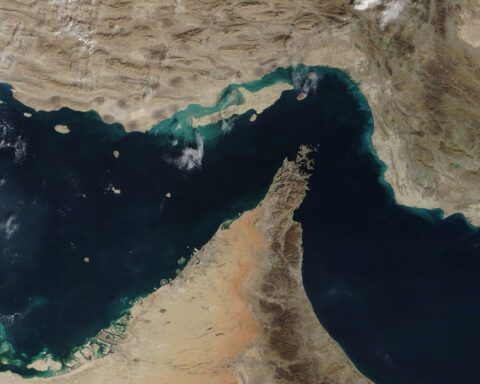
DHAHRAN — The Saudi-led coalition said on November 15 that its air defenses intercepted and destroyed two drones over Saudi Arabia’s Eastern Province, the oil-producing heartland that houses Saudi Aramco’s largest processing and export infrastructure, in a pair of separate announcements from coalition spokesman Maj. Gen. Turki al-Maliki that named no attacker, no drone type and no precise time of interception, according to Anadolu Agency. Middle East Eye, in a live blog entry timestamped 01:02 GMT, attributed both drones to the Houthis and noted that the first had been announced “more than an hour” earlier, placing the interceptions in the early hours of November 15 — barely a day after the coalition announced a similar interception over the same region on November 13.
The Eastern Province holds Abqaiq, the kingdom’s largest oil processing complex, and Ras Tanura, its largest export terminal — infrastructure that Thomas Warrick, a former U.S. Deputy Assistant Secretary for Counterterrorism Policy, has described it as among the most important pieces of critical infrastructure on the planet and the “Panama Canal” of global energy markets, according to the Atlantic Council. The coalition had already reported Eastern Province drone interceptions on both November 12 and November 13, according to the Long War Journal and Asharq Al-Awsat respectively.
The House of Saud Daily Briefing
Saudi Arabia's news in 3 minutes, every morning. Free. See today's issue
Table of Contents
- What the Coalition Said
- Who Launched the Drones?
- Why Is the Eastern Province the Strategic Prize?
- Drones Over the Oil Heartland: The Recent Pattern
- Pakistan’s Air Defense Umbrella
- What Does the Coalition’s Silence Signal?
- Background
- Frequently Asked Questions
What the Coalition Said
Al-Maliki’s first announcement, posted on X and reported by Anadolu Agency, stated that the coalition’s air defenses had “intercepted and destroyed” a drone targeting eastern Saudi Arabia on November 15, without providing a time, a sub-location within the province or any detail about the drone’s type or probable origin. His second announcement, also carried by Anadolu Agency in a separate dispatch, reported that a second drone had been intercepted and destroyed over the same Eastern Province, with the same absence of specifics: no attacker named, no casualties reported, no damage to any facility.
Middle East Eye’s live blog supplied the only additional framing. In an entry timestamped 01:02 GMT on November 15, the outlet headlined the event as “Two Houthi drones intercepted in Saudi Arabia’s Eastern Region” and said al-Maliki had announced the first drone “more than an hour” earlier — placing that initial disclosure before midnight UTC, potentially in the final hour of November 14. Middle East Eye identified the spokesman as “Colonel Turki al-Malki,” a different rank from the brigadier general title that Anadolu Agency used, though both outlets agree on the substance: two drones intercepted, both over the Eastern Province, no damage or casualties reported.
No Houthi claim for the November 15 Eastern Province drones had been reported as of publication time. The Houthi military had claimed five operations against Saudi targets on November 13 and three drones at King Khalid International Airport and the East-West Pipeline the same day, but none of those claims named the Eastern Province, and the absence of any corresponding statement leaves open the question of who launched the drones the coalition shot down.
Who Launched the Drones?
The attribution gap between Anadolu Agency and Middle East Eye is not academic, because the identity of the attacker determines whether these drones represent a Houthi escalation from Yemen, an Iranian proxy operation originating in Iraq or something the coalition itself has not yet been able to characterize. Anadolu Agency reported al-Maliki’s announcements without adding any attribution of its own, while Middle East Eye attributed both drones to the Houthis without explaining whether that attribution came from al-Maliki’s X posts, from its own sources or from editorial inference.
The coalition has not been uniformly silent about attackers in recent Eastern Province cases. On November 13, Asharq Al-Awsat reported the coalition attributed an Eastern Province drone to “the Iran-backed terrorist Houthi militia”; on November 10, the coalition attributed missiles to the Houthis but did not attribute a drone intercepted over the Eastern Province that same day, according to Reuters via Khaama Press. The inconsistency suggests the coalition sometimes has intelligence linking a specific projectile to the Houthis and sometimes does not, or that the attribution process depends on the drone’s flight path and the intelligence available at the moment of the announcement.
The Iraq precedent is worth weighing. On July 27, 2026, Saudi Arabia said it intercepted drones launched from Iraq that targeted oil facilities in the Eastern Province and Riyadh, blaming “terrorist militias affiliated with Iran” rather than the Houthis, according to Al Jazeera, and subsequently carried out retaliatory strikes inside Iraq, coordinated with CENTCOM, according to Asharq Al-Awsat. The Eastern Province’s geography — closer to Iraq and Iran than to Yemen — means drones approaching from the north or northeast could originate from either theater, and the coalition’s silence on November 15 leaves that question unresolved.
Why Is the Eastern Province the Strategic Prize?
Every drone the coalition intercepts over the Eastern Province was heading, whether by design or trajectory, toward infrastructure that processes and exports a large share of the world’s crude oil. Abqaiq alone processes approximately 7 million barrels of crude per day, handling roughly 7 percent of global crude supply, according to E&E News, and Warrick’s comparison to the Panama Canal reflects the physical reality: if Abqaiq were knocked offline for any sustained period, the volume of crude that would stop flowing exceeds what most producing nations extract in a year.
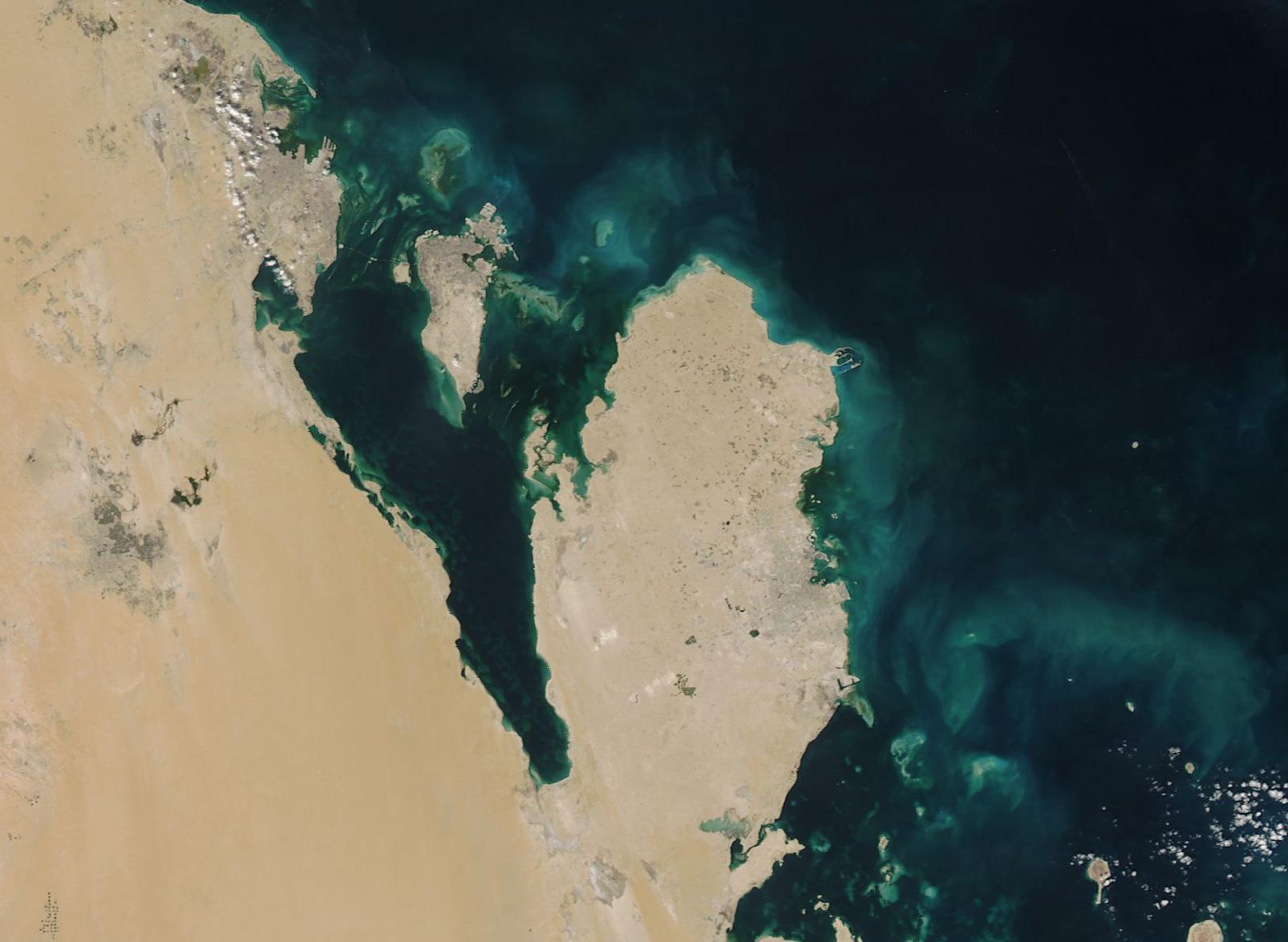
The consequences of a successful strike are not theoretical. In September 2019, a drone and missile attack on Abqaiq and the nearby Khurais oil field disrupted 5.7 million barrels per day of Saudi output — more than half of the kingdom’s production and roughly 5 percent of global supply at the time, according to the Long War Journal’s 2026 reporting. Ras Tanura, the kingdom’s largest export terminal, was struck by drones on March 2, 2026, causing a fire that led Aramco to shut down the refinery and suspend propane and butane exports for weeks, according to The National and other reports.
The Houthis have put Eastern Province oil infrastructure on their declared target list explicitly. On October 29, Houthi military spokesman Yahya Saree claimed ballistic missile strikes naming Ras Tanura, Abqaiq and Rabigh specifically, according to Iran International — the clearest Houthi identification of Eastern Province facilities in any recent operational claim. Whether the November 15 drones were part of that same campaign, or arrived from a different source entirely, is a question the coalition’s terse announcements do not answer.
Drones Over the Oil Heartland: The Recent Pattern
The November 15 interceptions are the latest in a concentration of Eastern Province drone incidents that has grown more frequent over the past week. On November 12, the coalition said it intercepted two drones over the Eastern Province and two over Riyadh, according to the Long War Journal; on November 13, the coalition announced the interception of a drone over the Eastern Province — attributed by Asharq Al-Awsat to “the Iran-backed terrorist Houthi militia” — and separately said it had destroyed four drones targeting Riyadh and the Eastern Regions that same day, also according to Asharq Al-Awsat.
The broader targeting picture during this period extends well beyond the Eastern Province. The Houthis claimed drone attacks on the East-West Pipeline and Yanbu on November 12, and Saree claimed five operations on November 13 including strikes on Khamis Mushait and Sharurah. The U.S. Embassy issued a security alert on November 14 and Saudi forces struck Sanaa the same day, the operational tempo on both sides showing no sign of slowing heading into November 15.
Pakistan’s Air Defense Umbrella
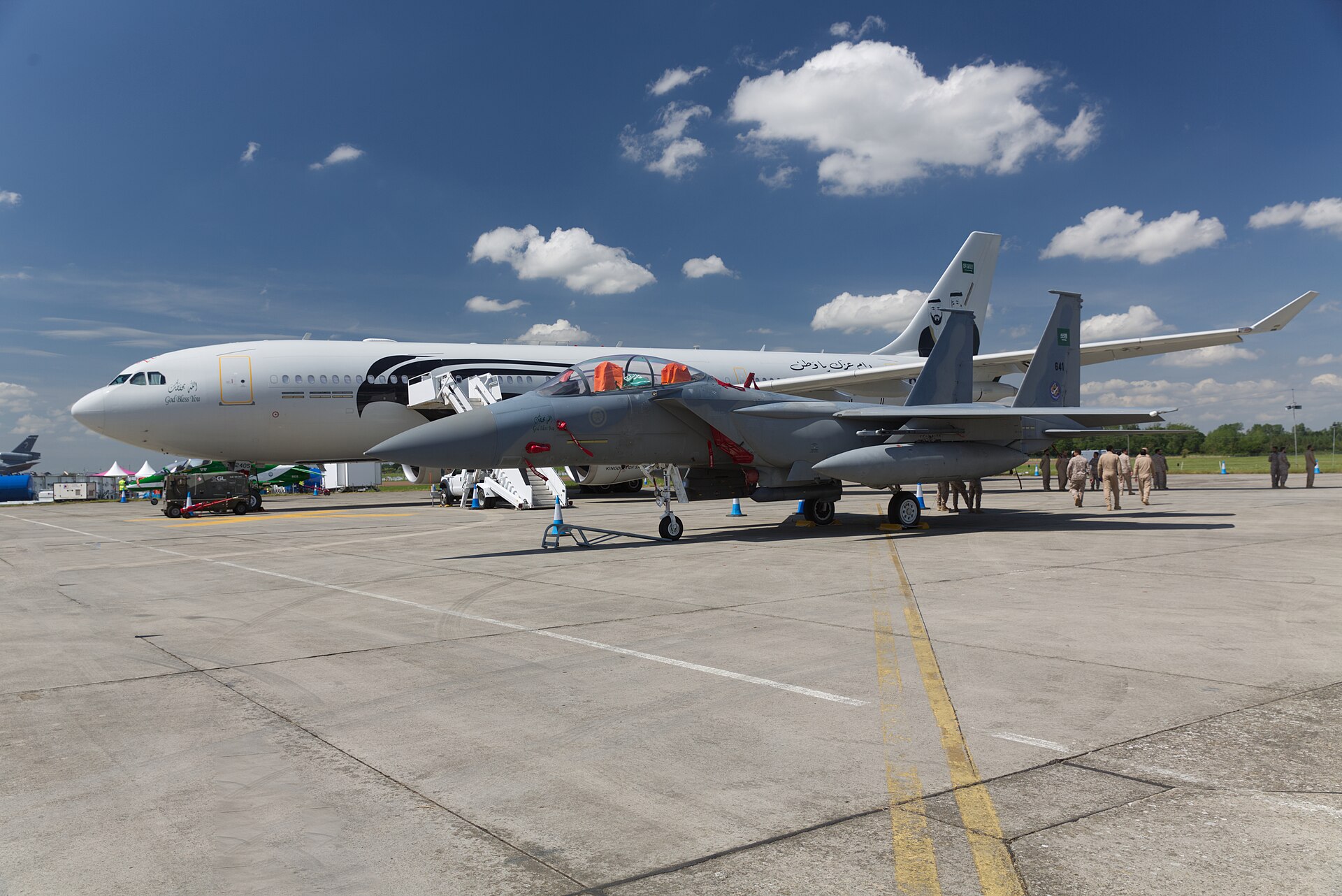
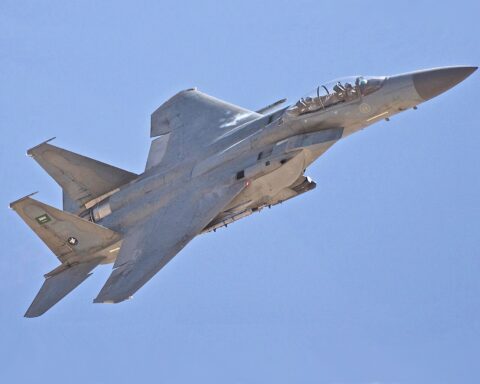
The Eastern Province’s air defenses are not purely Saudi. Pakistan deployed about 8,000 troops, approximately 16 JF-17 fighter aircraft, two drone squadrons and an HQ-9 air defense system to Saudi Arabia, with the force based partly at King Abdulaziz Air Base in the Eastern Province, according to Reuters as reported by The Standard. The Pakistani jets arrived in April 2026, when the Saudi defense ministry announced they had landed at King Abdulaziz Air Base, according to Al Jazeera, and the deployment means that the air defense of the Eastern Province’s oil infrastructure has become a multi-national responsibility backed by Pakistani and Saudi hardware operating under coalition command.
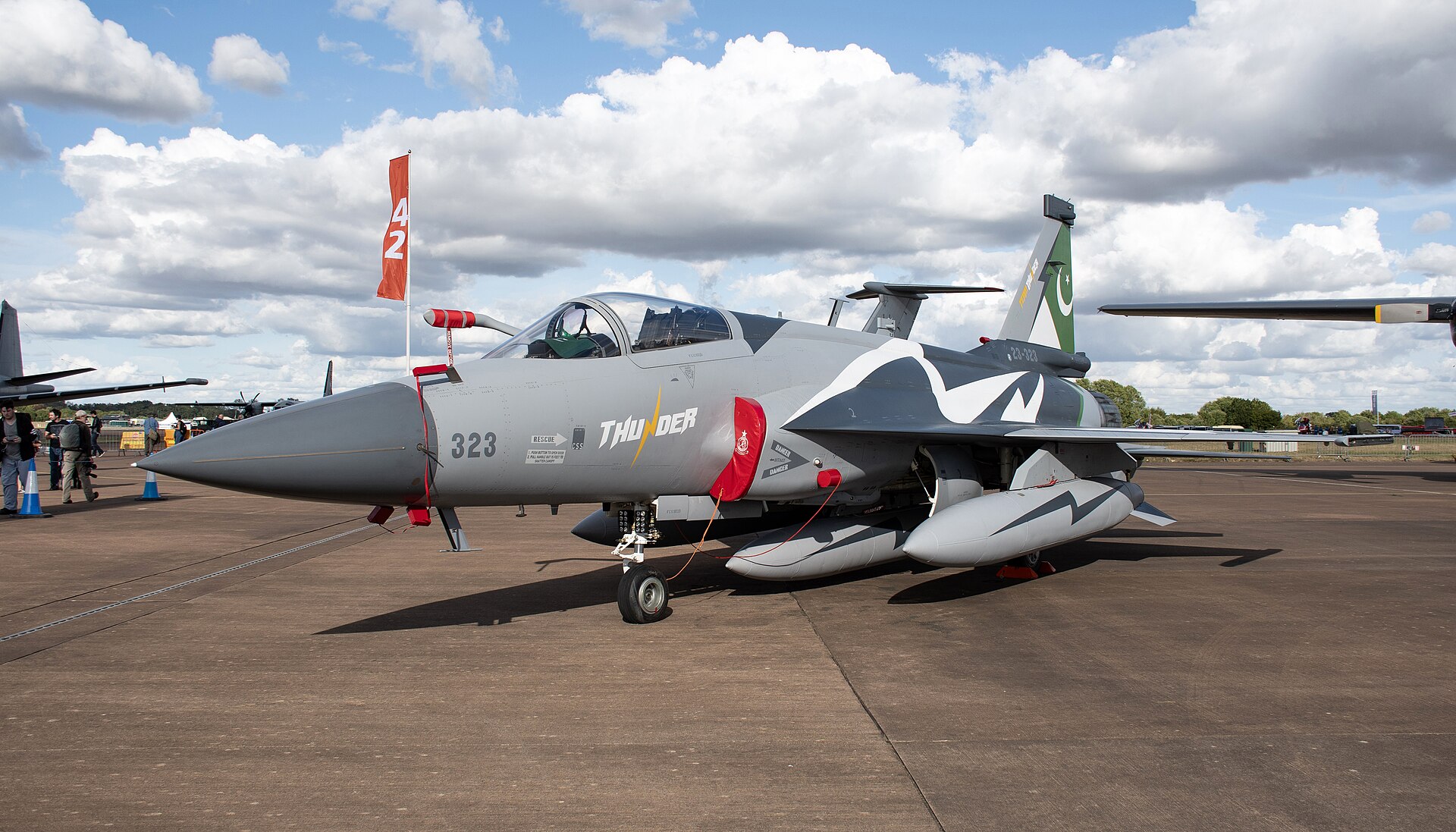
The coalition’s interception announcements do not specify which system brought down the November 15 drones, whether Pakistani forces were involved or what the drones’ flight path revealed about their origin. What the deployment establishes is the scale of the defensive challenge: any attacker sending drones toward Abqaiq or Ras Tanura faces a layered, multi-national air defense umbrella that did not exist when the conflict began in February 2026, yet the drones keep arriving — a reality that raises its own questions about the threat’s intensity and the limits of what interception announcements can convey.
What Does the Coalition’s Silence Signal?
The coalition’s approach to attribution in its Eastern Province interception announcements has been inconsistent in ways that bear scrutiny. It named the Houthis for the November 13 Eastern Province drone and attributed missiles on November 10, but left the November 15 interceptions unattributed — with Middle East Eye’s Houthi framing the only published link between these drones and any specific group. The inconsistency may reflect intelligence gaps — some drones may approach from directions that complicate identification — or a deliberate choice to withhold information while operations are ongoing.
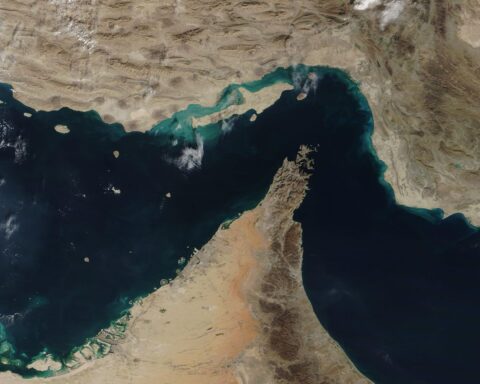
The broader operational context during this period frames the interceptions as one element in a wider escalation rather than an isolated air defense event. In the preceding days, Saudi forces struck Sanaa, the IRGC claimed operations against supertankers in the Strait of Hormuz and the Houthis continued claiming strikes on Saudi airports and pipeline infrastructure. Against that backdrop, the Eastern Province interceptions look like one theater in a conflict that is testing Saudi Arabia’s ability to defend its oil heartland from multiple directions at once, and the coalition’s refusal to name the November 15 attacker leaves the most consequential question — who is sending the drones, and can they be stopped at the source — without a public answer.
Background
The conflict that frames these interceptions began on February 28, 2026, when Iranian missiles and drones targeted Riyadh and the Eastern Region, according to Al Jazeera, and has since expanded into a multi-front war involving Houthi drone and missile campaigns from Yemen, Iran-affiliated militia attacks from Iraq and naval confrontations in both the Strait of Hormuz and the Red Sea. The Houthis declared a maritime blockade of Saudi Arabia on July 20, according to Al Jazeera, and Saudi Arabia responded by assembling a multinational maritime defense coalition on July 30 with 13 other countries and signing the Makkah Pact on August 7, a mutual defense agreement that treats an attack on one member state as an attack on all, according to Al Jazeera and Kuwait Times/AFP.
A coalition-backed ground offensive, Operation “Dawn of Yemen,” began on October 5 with 100 jets supporting Yemeni government forces, according to the Oman Observer. The offensive has not stopped the Houthi drone and missile campaign against Saudi Arabia, and the kingdom’s increasing reliance on the Red Sea export route through Yanbu — a consequence of disruptions in the Strait of Hormuz — has concentrated strategic dependence on the Eastern Province’s processing facilities, which handle crude for both export corridors and remain under sustained air threat regardless of which route the oil takes to market.
Frequently Asked Questions
What air defense assets does the coalition deploy over the Eastern Province?
In addition to the Pakistani forces at King Abdulaziz Air Base, Saudi Arabia operates its own multi-layered air defense network across the kingdom. The U.S. approved a possible $24.3 billion sale of 48 F-35A fighter jets in September 2026, according to NBC News and other outlets, which would add a new tier to the kingdom’s air capabilities once delivered, though no delivery schedule has been announced. The Makkah Pact, signed on August 7, creates a collective defense framework, and Pakistan’s defense minister warned in September that Houthi attacks on Saudi Arabia could trigger its mutual defense provisions, according to Al Jazeera, meaning additional air defense contributions from treaty partners could follow.
What other regions of Saudi Arabia face drone and missile threats?
The campaign extends well beyond the Eastern Province: the Houthis have claimed strikes on King Khalid International Airport in Riyadh, Khamis Mushait Air Base in the south, Yanbu on the Red Sea coast and the East-West Pipeline, while the coalition has reported interceptions over Riyadh, Makkah, Madinah and the Southern Region through October and November 2026. On September 12, Saudi Arabia announced a precautionary suspension of oil flows through the East-West Pipeline after it was targeted in the Riyadh and Madinah regions, according to Zawya, briefly disrupting the kingdom’s primary alternative to the contested Strait of Hormuz. The nationwide scope of the attacks has prompted security advisories across the country.
What is the East-West Pipeline and why does it matter for the Eastern Province?
The East-West Pipeline carries crude from Eastern Province fields to the Red Sea terminal at Yanbu, bypassing the contested Strait of Hormuz. Bloomberg reported in March 2026 that the pipeline was running at its full 7 million barrels per day capacity, with Yanbu crude exports reaching about 5 million b/d, according to PGJ Online. The pipeline has made the Red Sea the kingdom’s primary export outlet, but crude must be stabilized at Abqaiq before it can enter the pipeline — which means any disruption to the processing complex would halt exports through Yanbu just as effectively as it would halt shipments out of Ras Tanura.
The House of Saud Daily Briefing
Saudi Arabia's news in 3 minutes, every morning. Free. See today's issue