
RIYADH — The Saudi-led coalition has struck Hodeidah port at least four times in six days, and each time the Houthis have answered with the same threat: Jeddah is next. On November 25, Houthi armed forces spokesman Yahya Saree extended the target list to every Saudi Red Sea port, posted maps on Telegram marking Yanbu, Jazan, King Fahd Industrial Port, Jeddah port, and Riyadh’s King Abdullah Financial District, and told port workers and shipping companies to leave. The question the coalition cannot defer much longer is whether Saree’s warnings are a prelude to a strike on the kingdom’s most important commercial harbour — or whether the warnings themselves are the weapon.
Jeddah Islamic Port handles 57% of all Saudi maritime trade and transhipment, according to Saudi Ports Authority (Mawani) data. It sits roughly 700 kilometres across the Red Sea from Hodeidah, well within the range of missiles that have already struck northern Israel at distances exceeding 2,000 kilometres from Sanaa. What the coalition faces in Hodeidah is a bind with no clean exit: restraint preserves a logistics lifeline the Houthis use to import weapons; escalation hands them a propaganda lever over Jeddah and the non-oil trade corridor that Vision 2030 depends on. This editorial examines both jaws of the trap — the military credibility of the Jeddah threat, the economic exposure it creates, and whether the coalition has any path that does not worsen one problem to address the other.
Table of Contents
- What Happened on November 24–25
- Why Is Hodeidah the Focal Point Now?
- Is the Jeddah Threat Militarily Credible?
- The Economic Stakes: Jeddah and the Red Sea Trade Corridor
- The Stockholm Legacy: Why Hodeidah Is Not Just Another Target
- What Has the Jeddah Threat Done to Shipping and Insurance?
- Houthi Strategic Logic: Maximalist Framing as Deterrence
- The Iran Dimension: Coordinated Chokepoints
- Coalition Options and Their Limits
- FAQ
What Happened on November 24–25
Coalition spokesman Turki al-Maliki said the November 25 strikes targeted “operational capabilities at Hodeidah port that were used in smuggling operations and the transport of weapons and ballistic missiles,” according to Reuters. The coalition also hit targets in Saada and Amran governorates. Al-Maliki urged civilians to evacuate the port area — a statement that implicitly confirmed the strikes were directed at the port itself, not surrounding military positions.
The House of Saud Daily Briefing
Saudi Arabia's news in 3 minutes, every morning. Free. See today's issue
The Houthi response came within hours. Saree said Jeddah and all other Saudi Red Sea ports would be targeted if Saudi Arabia continued strikes on Hodeidah, Reuters reported. He urged port workers, employees, and nearby residents to leave immediately and asked shipping companies to withdraw their vessels. The Houthi armed forces then published maps on Telegram marking Yanbu, Jazan, King Fahd Industrial Port, Jeddah port, and Riyadh’s KAFD, according to Alhurra.
The maps are worth pausing over. By including KAFD — the financial district where a suspected Houthi missile damaged the PIF Tower on November 19 and where a second strike hit on November 24 — the Houthis tied their maritime threat to the financial coercion campaign already underway in Riyadh. The message was not simply about ports. It was about surface area: every node of Saudi economic life that could be reached, named on a single graphic.
The November 25 exchange did not occur in isolation. The coalition struck Hodeidah on at least four separate occasions between November 20 and November 25, according to Arab News, Avi-Go, CGTN, and Reuters. On November 20, Houthis threatened Jeddah port immediately after a coalition strike. On November 22, they broadened the threat to all Saudi Red Sea ports. On November 25, they added the target map. The pattern is reciprocal and escalatory: each coalition strike on Hodeidah is met with a broader Houthi threat envelope.
Why Is Hodeidah the Focal Point Now?
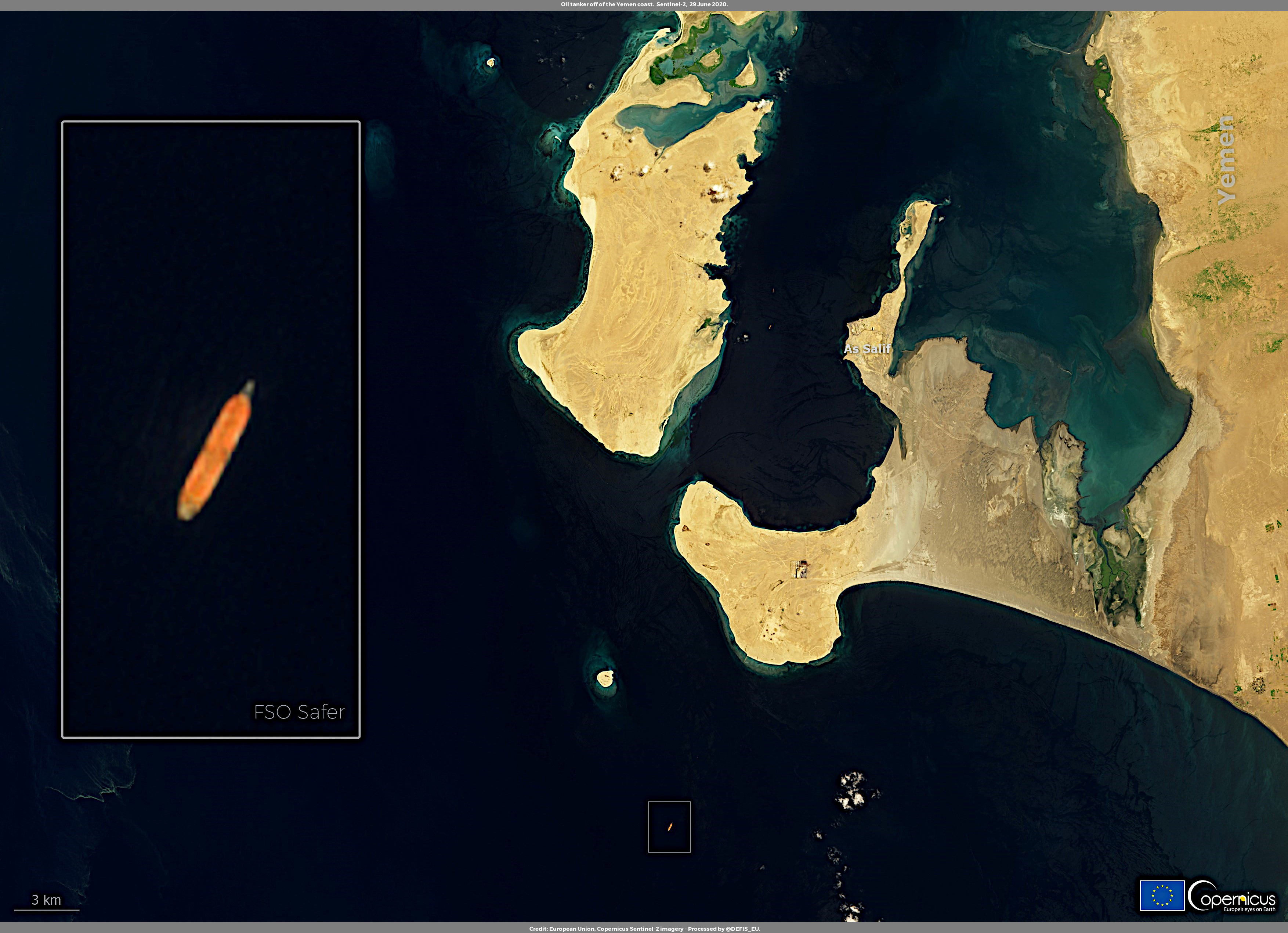
Hodeidah has been fought over before. In June 2018, UAE-led coalition forces numbering between 21,000 and 26,500 launched Operation Golden Victory against an estimated 2,000–5,000 Houthi defenders, according to contemporaneous reporting from Al Jazeera and others. The UAE paused on June 23 for UN-brokered talks. Fighting resumed in September after the Houthis did not appear in Geneva. The Stockholm Agreement in December ended the battle phase without resolving control. The lesson drawn in 2026 is consistent across every analyst who has studied the port: Hodeidah is strategically vital but militarily inconclusive.
What changed is the Houthi advance along Yemen’s western coast. On November 15, Houthi forces retook the Bab el-Mandeb coastline, giving them control of Perim Island (Mayyun) and enabling more aggressive harassment of maritime traffic through the strait. Andrew Leber, a nonresident scholar at the Carnegie Endowment for International Peace, wrote in September 2026 that Houthi control of the southern Red Sea “compounds a disastrous period for Saudi energy shipments” and “risks forcing Saudi Arabia into relying more on fraught ‘dark crossings’ of the Strait of Hormuz.” The Bab el-Mandeb advance and the Hodeidah strikes are connected: the coalition is attempting to disrupt Houthi supply lines at precisely the moment those supply lines have delivered a commanding position on the southern Red Sea approaches.
Yemeni Information Minister Salem al-Awlaqi said Iranian experts at Hodeidah port allegedly helped manage Houthi military operations, according to Alhurra. Nayef al-Waqaa, a security adviser quoted by MBN, said Hodeidah was central to the Houthi war effort and that tighter coalition control would weaken Houthi ability to obtain weapons. Retired Saudi Brigadier General Hassan al-Shehri told Alhurra that the port’s location gave whoever controlled it influence over the Red Sea and its shipping lanes, calling the battle “part of a battle for control along Yemen’s western coast.”
These are not new observations. They are the same arguments the coalition made before Operation Golden Victory eight years ago. What is new is the context: the Houthis now control the strait’s southern approaches, their missile and drone capability has been substantially upgraded since 2018, and the coalition is operating under a six-month campaign timeline extending into 2027. The Hodeidah strikes are not an isolated tactical decision. They are the opening phase of a sustained effort — and the Houthis know it.
Is the Jeddah Threat Militarily Credible?
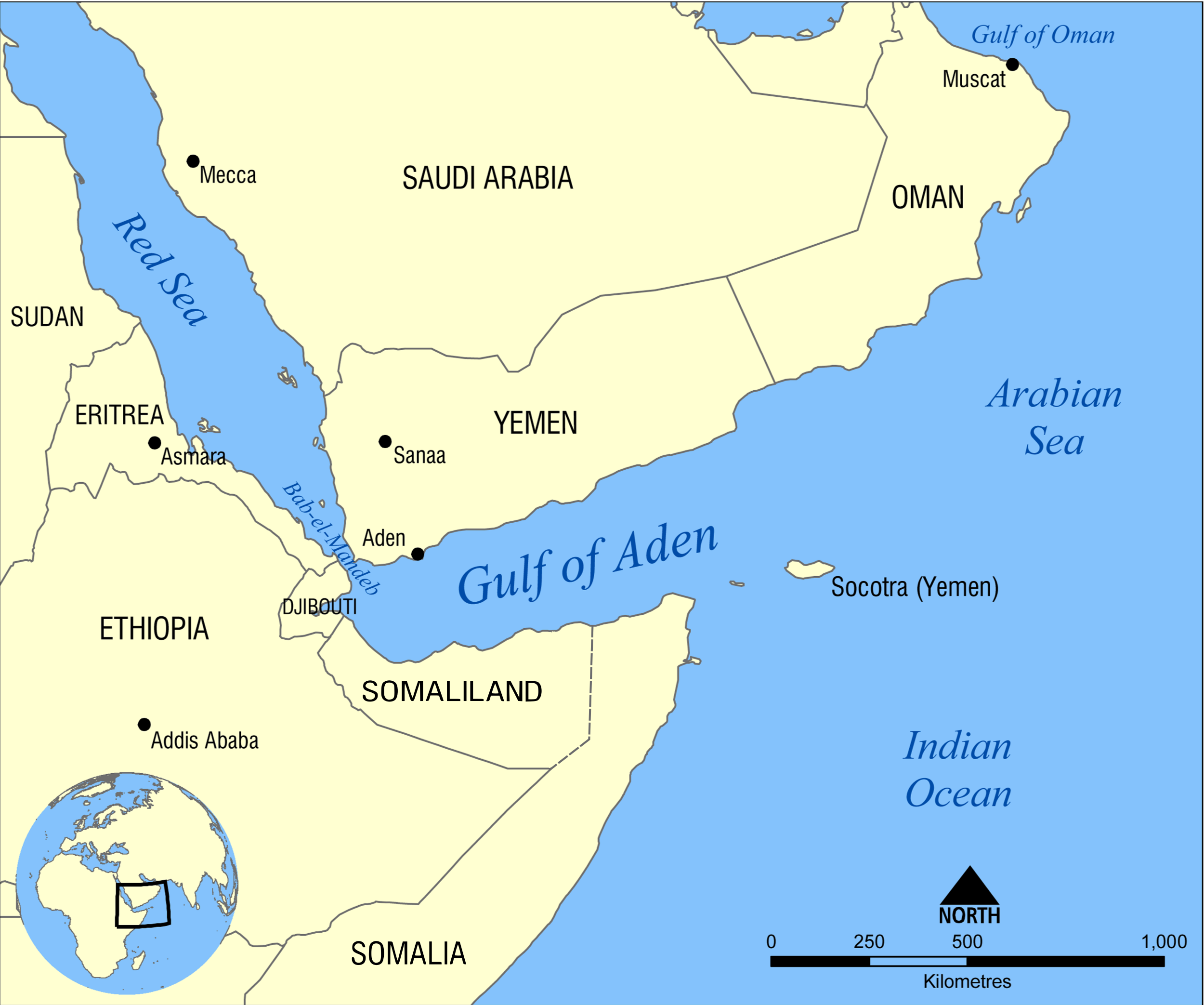
The range question is settled. Houthi medium-range missiles have struck targets in northern Israel at distances of approximately 2,000 kilometres from Sanaa, as reported by Al Jazeera and Daily Sabah. Jeddah lies roughly 900–1,100 kilometres from Sanaa and approximately 700 kilometres from Hodeidah by straight line across the Red Sea. The city is demonstrably within the Houthi engagement envelope.
The precedent question is also settled. On March 25, 2022, Houthi drones and missiles struck Saudi Aramco’s North Jeddah Bulk Plant, setting two fuel storage tanks on fire with no casualties. That attack targeted energy storage, not the commercial port. But it demonstrated that Houthi munitions could reach Jeddah and find their targets — with Iranian-supplied hardware that has since been substantially upgraded.
What is not settled is whether the Houthis can penetrate Saudi air defences consistently enough to threaten a target as hardened and defended as Jeddah Islamic Port. Al Jazeera’s October 2026 analysis documented repeated Houthi penetrations of Saudi defences, including at King Khalid International Airport. ACLED recorded Houthi or suspected Houthi missile and drone attacks on Saudi Arabia on more than 25 separate days between July 13 and September 25, 2026. In the same period, the Houthis attacked 10 commercial ships, at least 6 of which were struck, according to ACLED analysts Ameneh Mehvar and Sherwan Hindreen Ali.
ACLED’s data supports this much: the Houthis retain both the capability and the willingness to widen their maritime targeting. Whether that capability extends to sustained, repeated strikes on a defended port in Jeddah — as opposed to occasional projectiles that Saudi air defences intercept or absorb — remains undemonstrated. No confirmed Houthi strike on Jeddah Islamic Port has occurred since the current war cycle began. The threat has been issued on November 20, November 22, and now November 25 without kinetic follow-through on the port itself.
Grid North Risks, an analytical Substack, argued on November 21 that the Houthis “do not need to defeat Saudi air defences in every engagement.” The point is correct but incomplete. Repeated failed strikes against Jeddah would erode threat credibility over time. The Houthis are aware of this, which may explain why the threats have so far outpaced the action: a threat that moves insurance premiums and shipping routes is more valuable intact than a failed strike that proves the defences work.
The Economic Stakes: Jeddah and the Red Sea Trade Corridor
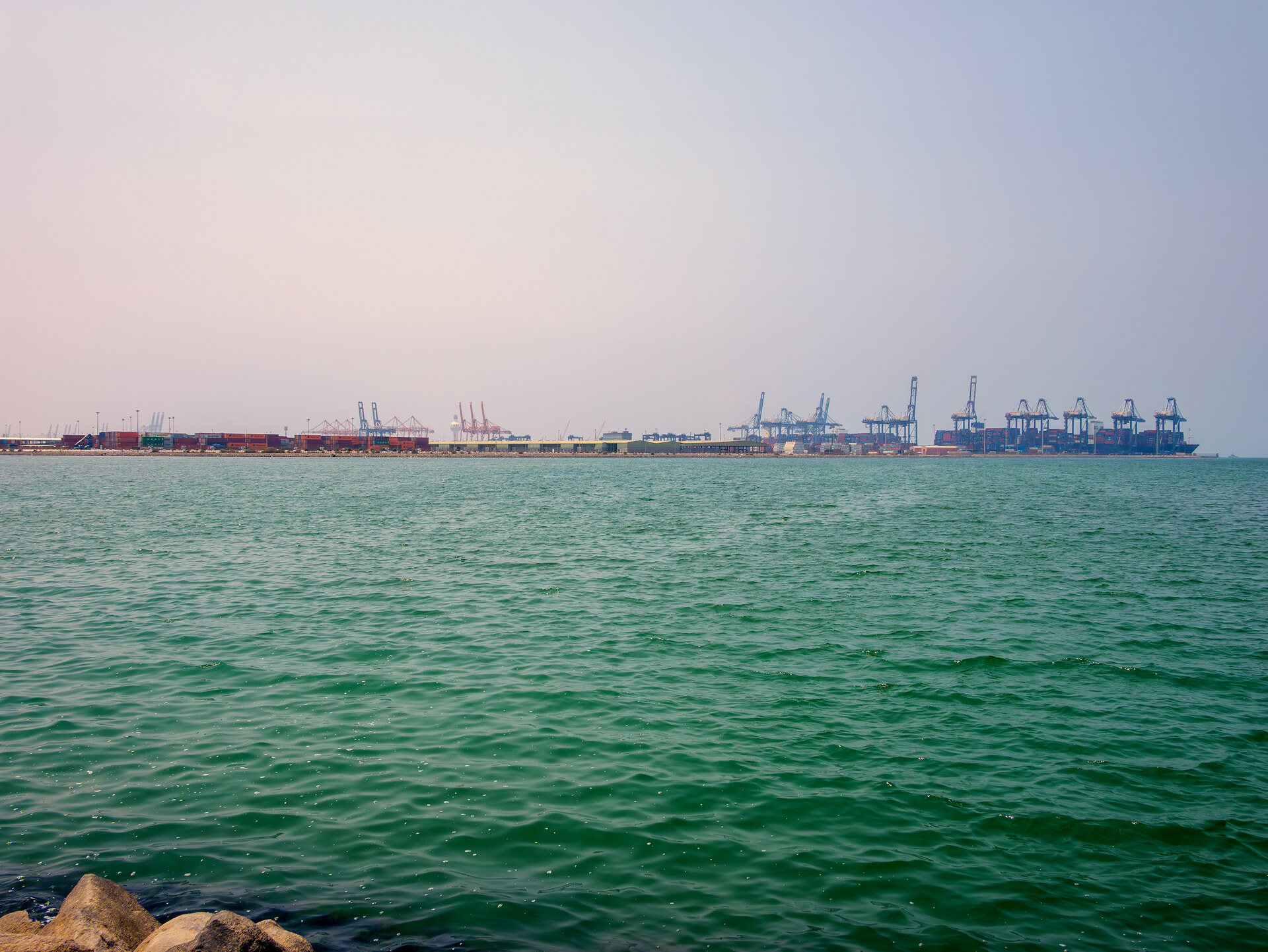
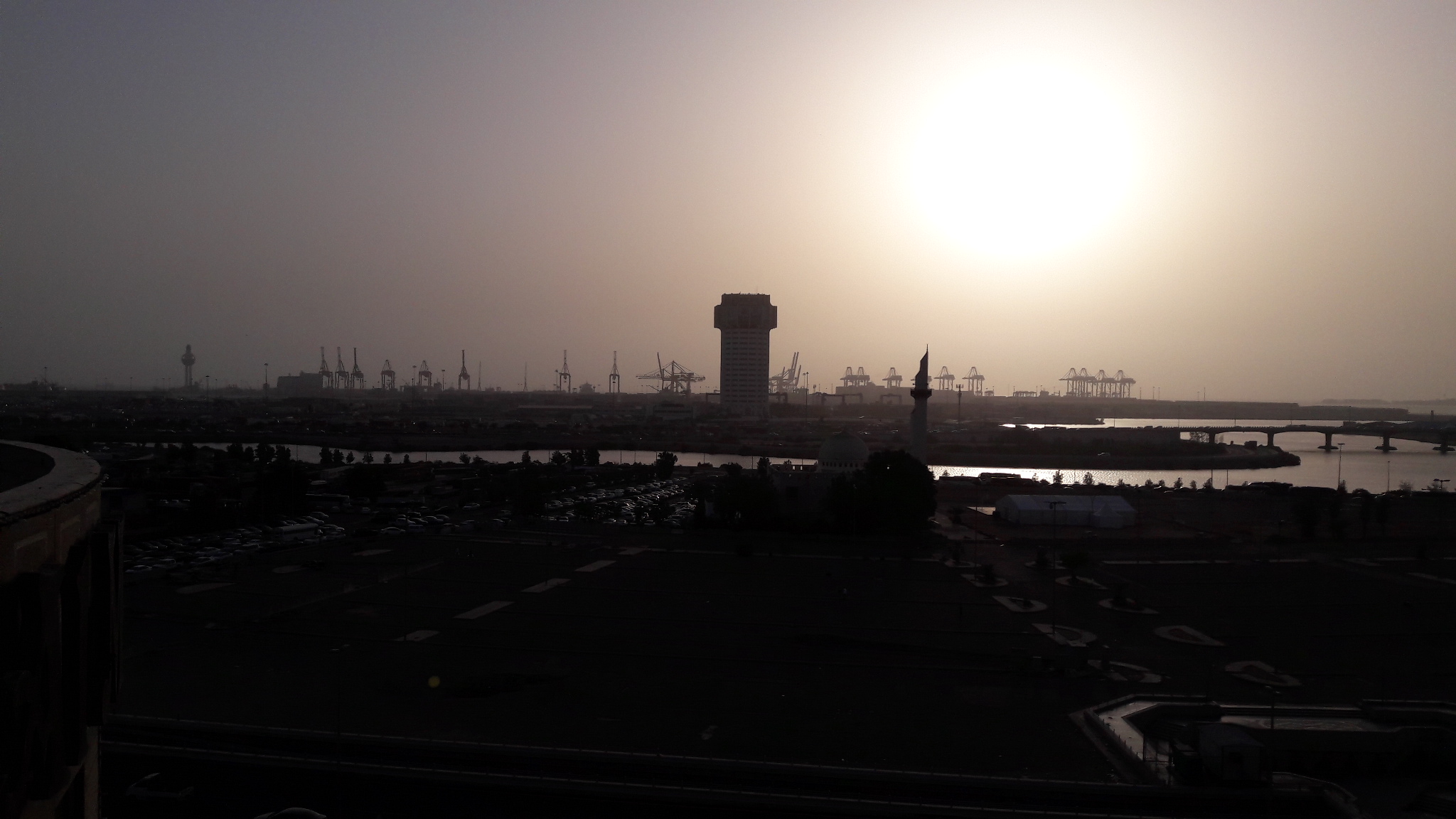
Jeddah Islamic Port is not merely a large commercial harbour. It is the physical spine of Saudi Arabia’s non-oil economic future. The port handles 57% of all Saudi maritime trade and transhipment, according to Mawani data. Saudi ports collectively capture roughly 70% of the kingdom’s non-oil trade. The DP World South Container Terminal at Jeddah doubled its capacity to 4 million twenty-foot equivalent units (TEU) as part of an $800 million upgrade, with a later phase targeting 5 million TEU, according to a DP World press release from August 2026. The terminal handled a record 221,200-plus TEUs in July 2026 — its highest monthly throughput since DP World began operations there in 1999.
The national port capacity ambition is 40 million TEU by 2030, with Jeddah handling the plurality. DP World and the Saudi Ports Authority have committed SAR 3 billion to a 30-year partnership, according to Gulf News. The Red Sea Gateway Terminal at Jeddah is undergoing a $1.7 billion development programme, according to Arab News. Vision 2030’s logistics targets — a $57 billion logistics market, transport and logistics contributing 10% of GDP up from 6%, non-oil exports rising from 16% to 50% of GDP — all route through Jeddah as the central node, according to Saudi Ministry of Transport documents and S&P Global Market Intelligence.
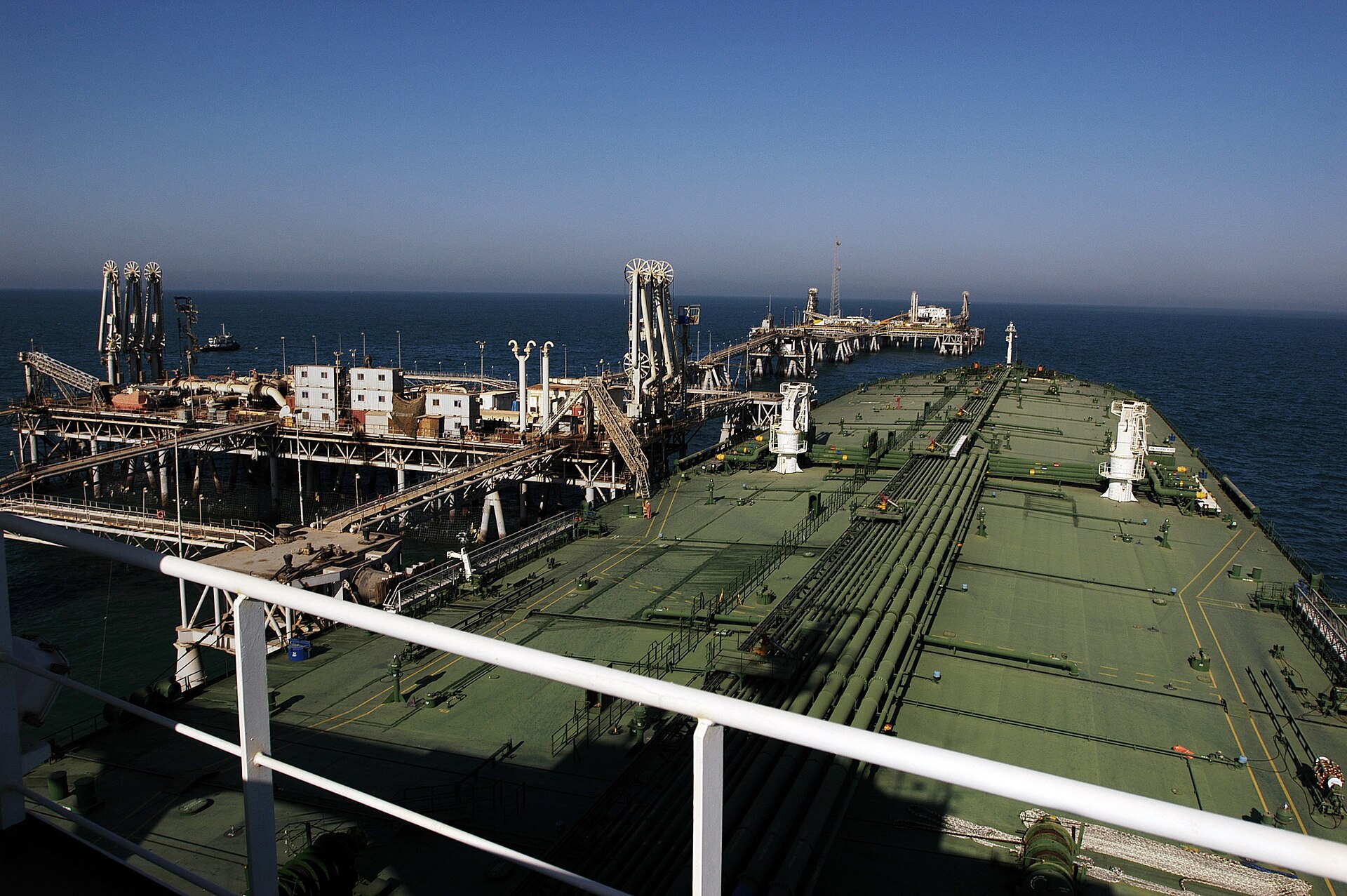
What makes Jeddah uniquely exposed is the convergence of two vulnerabilities. The first is geographic: after Iran’s closure of the Strait of Hormuz, Saudi Arabia redirected the vast majority of its oil exports to Yanbu on the Red Sea, with vessel-tracking data showing the Red Sea share reaching 98.6% of crude exports by June 2026, according to Kpler and S&P Global. The East-West Pipeline, the alternative western export route, was shut down by Iraqi-based drone strikes in September 2026, according to SPA and Al Jazeera. With Hormuz restricted and the pipeline offline, the Red Sea corridor became not an alternative but the primary route — and Jeddah sits at its centre.
The second vulnerability is fiscal. Saudi Arabia’s budget deficit reached SAR 245 billion in 2026, according to Zawya and Reuters. The kingdom cannot absorb extended Red Sea trade disruption at a moment when the 2027 budget projects 12.8% GDP growth and SAR 263 billion has been committed to defence spending. Andrew Leber at Carnegie wrote that “the East-West Pipeline and Red Sea ports in Jeddah and Yanbu had allowed Saudi Arabia to offset a significant portion of the U.S.–Iran war’s direct economic costs.” Any sustained disruption to Jeddah — not necessarily a successful strike, but prolonged war-risk premium elevation, vessel rerouting, and airline schedule disruptions — degrades the Vision 2030 logistics corridor directly.
The Stockholm Legacy: Why Hodeidah Is Not Just Another Target
The Stockholm Agreement, signed December 13, 2018, created the UN Mission to Support the Hodeidah Agreement (UNMHA) under Security Council Resolution 2452. Forces were required to withdraw within 21 days. Neither side complied. The Redeployment Coordination Committee still reports weekly to the Security Council. The agreement was never fully implemented, but it created an international legal expectation that Hodeidah cannot be treated as a pure military target.
That expectation rests on the port’s humanitarian status. An estimated 70% of Yemen’s food, medicine, and fuel imports enter through Hodeidah, Salif, and Ras Issa. Coalition strikes framed as weapons-smuggling interdiction walk a legal tightrope: they assert military necessity while the Houthis claim humanitarian equivalence. Each Hodeidah strike invites a question at the Security Council that the coalition would prefer not to answer, and the Houthis know how to pose it.
The 2026 escalation removes the remaining ambiguity. The coalition has now struck Hodeidah port at least four times in six days. Middle East Eye reported Houthi claims that 41 people were killed across all Yemen strikes in 24 hours, though CBS News said no independent confirmation of Hodeidah port casualties was available as of November 25. Houthi media reported 10 killed in a Saudi attack on Hodeidah on November 23, according to L’Orient Today. Separately, al-Masirah claimed 17 killed in a Hodeidah telecom strike, as cited by Telangana Today. These figures are unverified, but their propagation through international media is itself the mechanism: each civilian casualty claim costs the coalition diplomatic capital at precisely the moment it needs international tolerance for a sustained campaign.
What Has the Jeddah Threat Done to Shipping and Insurance?
The economic effect of the Jeddah threat is already measurable, even without a strike. War-risk insurance premiums for Jeddah and Yanbu jumped to 1% of hull value from 0.25% immediately after the Houthi maritime blockade declaration in late July 2026, according to Al Jazeera and S&P Global. Five of the world’s largest Protection and Indemnity clubs withdrew partial war-risk cover for the Bab al-Mandab area after the first deadly incident on August 12, as reported by S&P Global.
As RUSI Senior Research Fellow Dr Burcu Ozcelik wrote in September, the battle over Bab al-Mandeb is as much about commercial confidence as military capability. Lesley Anne Warner, a visiting scholar at Carnegie, noted that “the uptick in threats has forced many vessels to reroute around South Africa’s Cape of Good Hope.” Rerouting around the Cape adds weeks to Europe-bound shipments and substantial additional fuel and insurance costs — a tax on Saudi trade that requires no missile to impose.
Houthi warnings have already moved insurers and airlines without a confirmed strike on Jeddah. The European Union Aviation Safety Agency extended six Gulf airspace warnings to January 31, 2027. Some 12% of globally seaborne-traded oil passes through Bab al-Mandeb, according to Carnegie’s Leber and Warner. When the premium, the rerouting cost, and the insurance withdrawal are compounded, the Houthi threat to Jeddah has already imposed a measurable drag on Saudi commercial operations — and the Houthis have not fired a shot at the port.
Houthi Strategic Logic: Maximalist Framing as Deterrence
The Telegram maps published on November 25 — marking five Saudi ports plus KAFD — are a psychological operation instrument by design. The purpose is maximum surface area: every node named, every possibility suggested, every insurer and airline made to calculate whether the coverage they provide or the route they fly passes through a named target zone. Grid North Risks captured the dynamic on November 21: “The Houthis are treating Saudi ports, airspace and financial districts as instruments of national power.”
The maximalist framing serves a specific deterrent function. Each coalition strike on Hodeidah triggers a Houthi threat that raises the economic cost of the next strike. The escalation ladder is explicit and reciprocal: Hodeidah on November 20 produced a Jeddah threat; Hodeidah on November 22 produced a Red Sea ports threat; Hodeidah on November 25 produced the full target map. If the coalition strikes Hodeidah again, the Houthis have signalled that the next step is kinetic action against one of the named ports. Whether they intend to follow through is almost beside the point. The threat itself, credible enough to move markets and reroute ships, is the weapon.
The Houthis have framed all Hodeidah strikes as attacks on civilian infrastructure and a humanitarian lifeline. This framing directly challenges the coalition’s weapons-smuggling justification and positions the Houthis as defenders of the Yemeni population — a narrative that plays well at the UN and in international media, whatever its accuracy. The dual framing — humanitarian victim when Hodeidah is struck, military aggressor when Jeddah is threatened — allows the Houthis to occupy both roles simultaneously and to choose which face they present depending on the audience.
Neil Quilliam at Chatham House observed that “Saudi Arabia has spent several years trying to move beyond the Yemen conflict and focus on economic transformation and regional stability.” The Houthi strategy is designed to make that impossible. By tying every Hodeidah strike to a Jeddah threat, the Houthis force the coalition to weigh military necessity against the economic programme that is supposed to outlast the war. That is the trap in its purest form.
The Iran Dimension: Coordinated Chokepoints
The two-front maritime siege — Hormuz and the Red Sea — is analytically established by Carnegie, CSIS, RUSI, and ACLED. Saudi Arabia has been caught between two chokepoints since the Houthis declared their maritime blockade on July 20, 2026, as reported by USNI News. CSIS described the moment as a turning point in which Saudi Arabia lost its ability to route around either threat. Leber at Carnegie wrote that Saudi Arabia had “already begun canceling key oil shipments to Europe” as a consequence.
The coordination question is more nuanced than the geography suggests. Al Jazeera’s April 2026 analysis found “calculated coordination rather than fixed joint command” between Iran and the Houthis. RUSI’s Ozcelik warned that “the Houthis have their own interests and may not be easily reined in.” The correct framing is strategic benefit convergence: Iran benefits from Houthi Red Sea pressure on Saudi Arabia without directly ordering each launch. Houthi maximalist framing may sometimes exceed Iranian preferences — particularly when Houthi operations risk provoking the American counteroffensive that Tehran would prefer to avoid.
The practical effect of the two-front siege is measurable regardless of command structure. With Hormuz restricted, the East-West Pipeline offline, and the Red Sea corridor under Houthi threat, Saudi Arabia’s export options have narrowed to what CSIS describes as a critical juncture. The Houthi threat to Jeddah is not an isolated provocation. It is one half of a pincer that, whether coordinated from Tehran or merely convergent in timing, compresses Saudi economic manoeuvre from both directions.
Coalition Options and Their Limits
Saudi officials have said the Houthi campaign extends six months into 2027. The coalition’s options within that timeline are constrained by the Hodeidah trap on every side.
The first option is the current path: continued targeted strikes on Hodeidah port framed as weapons-smuggling interdiction, while accepting the elevated Jeddah threat as a cost of action. This path preserves the coalition’s initiative but accepts an escalatory cycle with no evident ceiling. Each strike produces a broader Houthi threat, which produces market effects, which raise the political cost of the next strike. Grid North Risks assessed on November 21 that “neither side has yet shown it can impose decisive control.” The analysis holds.
The second option is escalation to a comprehensive Hodeidah port siege — a reprise of Operation Golden Victory with the full weight of the coalition’s air and naval assets. The 2018 precedent is not encouraging. That battle, with 21,000–26,500 coalition ground troops, ended in a UN-brokered agreement that neither side honoured. A 2026 siege would trigger Stockholm Agreement diplomatic fallout, amplify the humanitarian crisis framing, and risk international sanctions pressure at a moment when Saudi Arabia’s diplomatic rehabilitation — the SAIF security expo at KAFD drew 55 nations on November 24 — is a strategic priority.
The third option is a ceasefire arrangement that freezes the Houthi advance near Aden in exchange for Hodeidah restraint. The leverage problem is immediate: Houthi forces are positioned approximately 60 kilometres from Aden, as reported on November 25. A freeze at current lines would consolidate Houthi territorial gains and their control of the Bab el-Mandeb coast. The coalition would be trading a temporary reduction in the Jeddah threat for a permanent Houthi chokehold on the southern Red Sea approaches.
The fourth option involves the multilateral structures being assembled. GCC defence ministers approved a forward command headquarters in Kuwait. The Makkah Joint Defence Agreement has been ratified by Pakistan (October 23) and Turkey (November 5, by a vote of 279–119 in the Turkish parliament, according to Anadolu Agency). Egypt backed Saudi self-defence after the PIF Tower strike. But Ozcelik at RUSI noted that the Makkah Pact “lacks an automatic military response, an integrated command, or predefined contingencies.” A multilateral naval presence that makes Jeddah a harder target by increasing the cost of any Houthi strike on a multinational shipping corridor remains aspirational rather than operational.
Grid North Risks put the bind plainly: “Saudi Arabia must defend Riyadh, border regions, ports, oil infrastructure, and air corridors while sustaining operations in Yemen.” The coalition’s strategic surface area is vast. The Houthis need only threaten it. That asymmetry — the difference between defending everything and threatening anything — is what makes the Hodeidah trap difficult to escape and why the Jeddah threat, whether or not it is ever executed, will shape coalition decision-making for months.
FAQ
How far is Jeddah from Houthi-controlled territory in Yemen?
Jeddah lies approximately 900–1,100 kilometres south of Sanaa and roughly 700 kilometres across the Red Sea from Hodeidah. For comparison, Houthi medium-range missiles have struck targets in northern Israel at distances exceeding 2,000 kilometres from Sanaa, as reported by Al Jazeera and Daily Sabah. The Houthi engagement envelope comfortably covers Jeddah; whether they can penetrate Saudi air defences consistently enough to damage a defended port is a separate and unanswered question.
What was the Stockholm Agreement and does it still apply?
The Stockholm Agreement, signed December 13, 2018, created a UN-monitored ceasefire around Hodeidah, Salif, and Ras Issa ports under Security Council Resolution 2452. It established the UN Mission to Support the Hodeidah Agreement (UNMHA) and a Redeployment Coordination Committee that still reports weekly to the Security Council. Neither side fully implemented the withdrawal provisions, and both have accused each other of breaches. The agreement’s formal machinery persists — UNMHA’s mandate was last renewed by the Security Council — but neither side treats it as operationally binding. Its primary legacy is the international expectation that Hodeidah has a protected humanitarian status, which constrains the coalition’s freedom to treat the port as a military target without diplomatic cost.
What share of Saudi trade routes through the Red Sea?
Saudi ports handle roughly 70% of the kingdom’s non-oil trade, with Jeddah Islamic Port accounting for 57% of all Saudi maritime trade and transhipment, according to Mawani. After Iran’s closure of the Strait of Hormuz, approximately 80% of Saudi oil exports were routed via the Red Sea, according to CSIS. The September 2026 shutdown of the East-West Pipeline by Iraqi-based drone strikes further concentrated Saudi exports on Red Sea terminals. Some 12% of all globally seaborne-traded oil passes through Bab al-Mandeb, the southern chokepoint the Houthis now partially control, according to Carnegie.
Have the Houthis struck Jeddah before?
On March 25, 2022, Houthi drones and missiles struck Saudi Aramco’s North Jeddah Bulk Plant, setting two fuel storage tanks ablaze. No casualties were reported. That attack targeted energy storage infrastructure, not the commercial port. No confirmed Houthi strike on Jeddah Islamic Port has occurred during the current war cycle that began in 2026. The November 20, 22, and 25 threats against Jeddah port remain, as of this writing, declaratory rather than kinetic.
What would a successful Houthi strike on Jeddah port mean for global shipping?
A strike that caused visible damage to port infrastructure or a vessel at berth would likely trigger an immediate suspension of commercial calls at Jeddah, forcing rerouting to Dammam on the Persian Gulf — itself under Hormuz restrictions — or to Oman’s Salalah and Dubai’s Jebel Ali. War-risk premiums, already at 1% of hull value for Jeddah and Yanbu since July 2026, would likely rise further or become unquotable, as happened briefly in the Bab al-Mandeb corridor after the August 12 incident. The disruption would cascade: Jeddah’s 4-million-TEU South Container Terminal and the broader 40-million-TEU national target by 2030 depend on vessels being willing to call at the port under insurable conditions.
The House of Saud Daily Briefing
Saudi Arabia's news in 3 minutes, every morning. Free. See today's issue