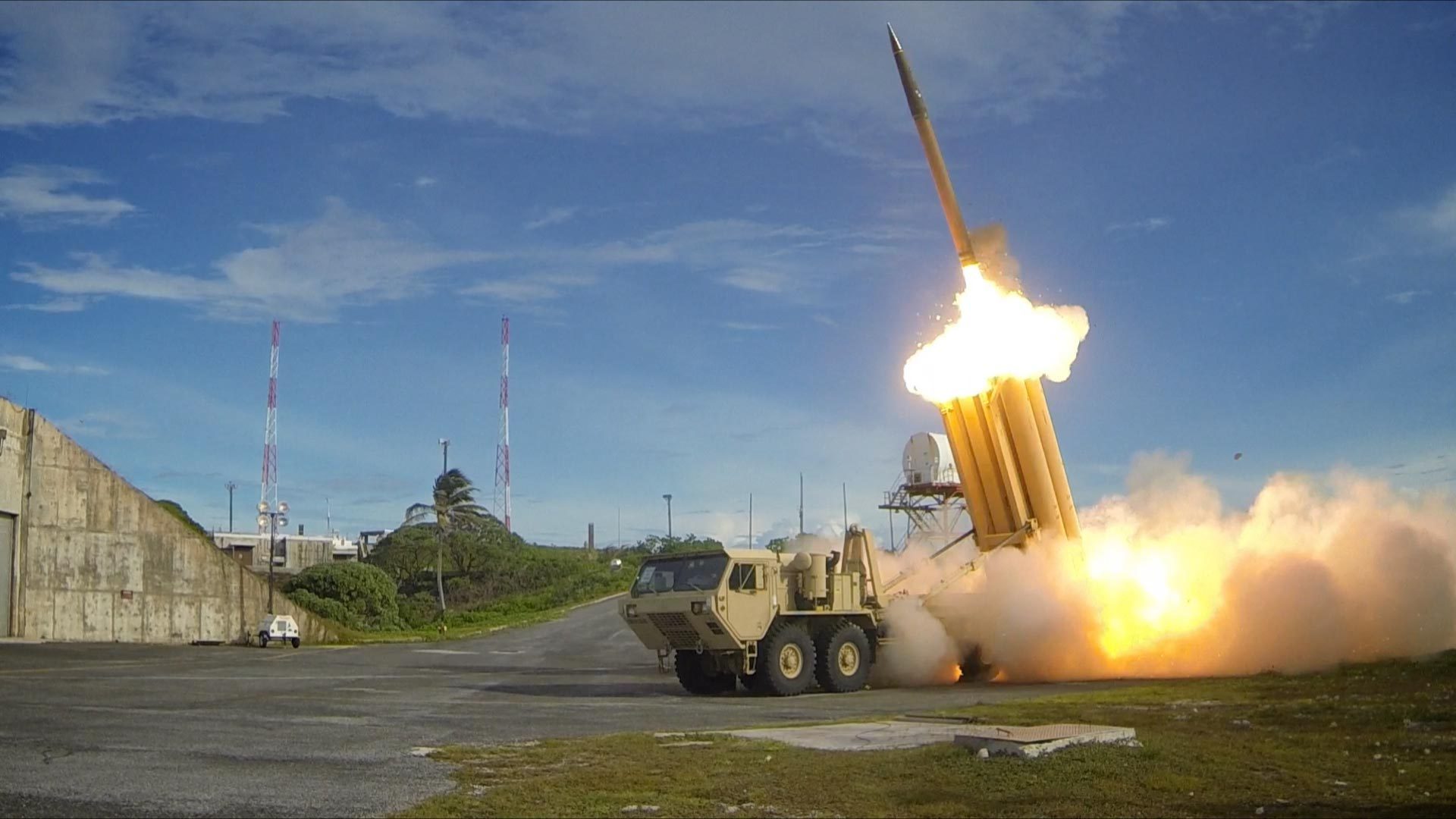

DHAHRAN — Saudi-led coalition air defences intercepted and destroyed four drones over Ras Tanura in the Eastern Province on 25 November 2026, coalition spokesman Major General Turki al-Maliki said, as the coalition struck Hodeidah port in Yemen for the second time in five days after issuing a second evacuation order in five days.
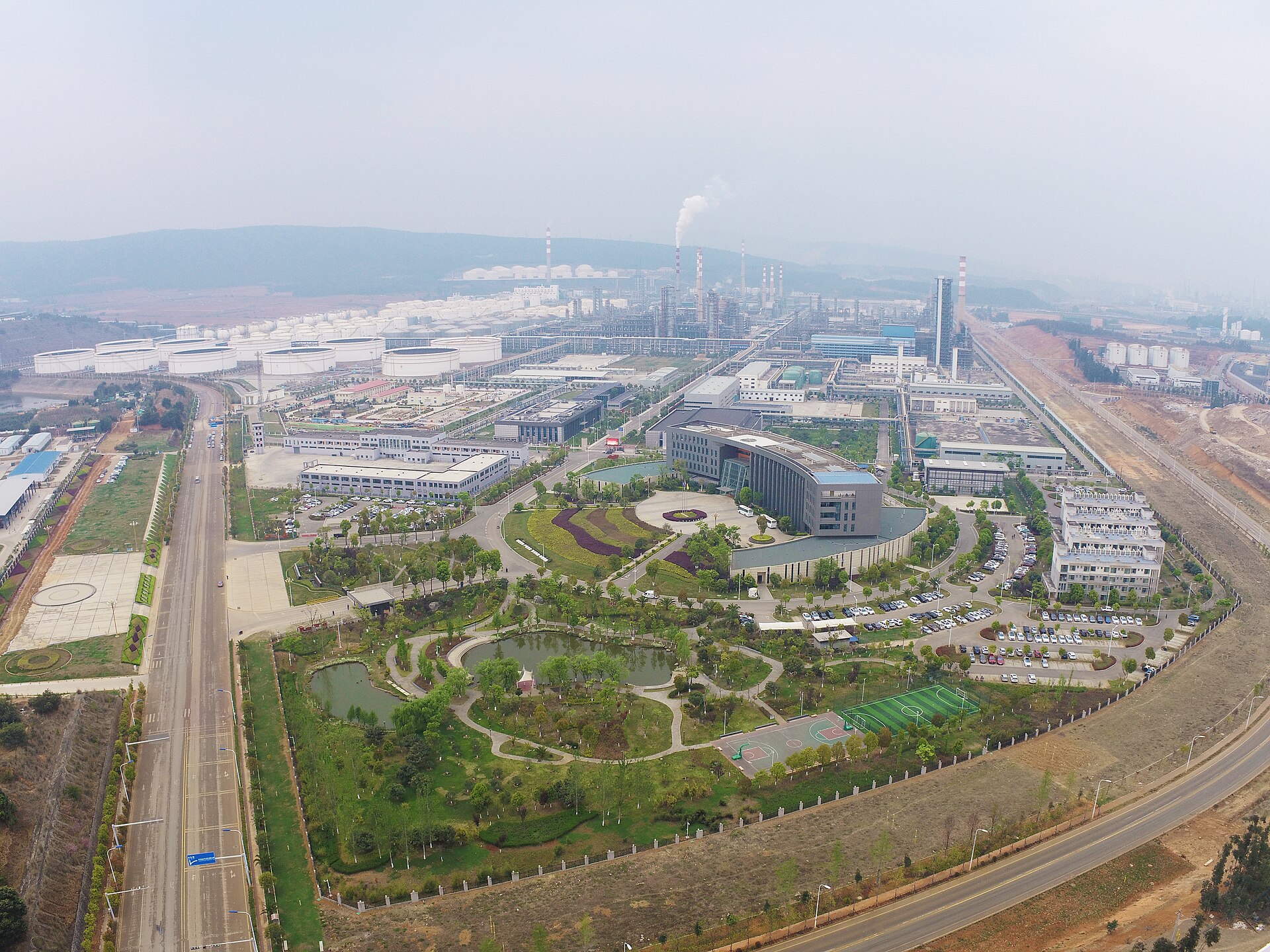
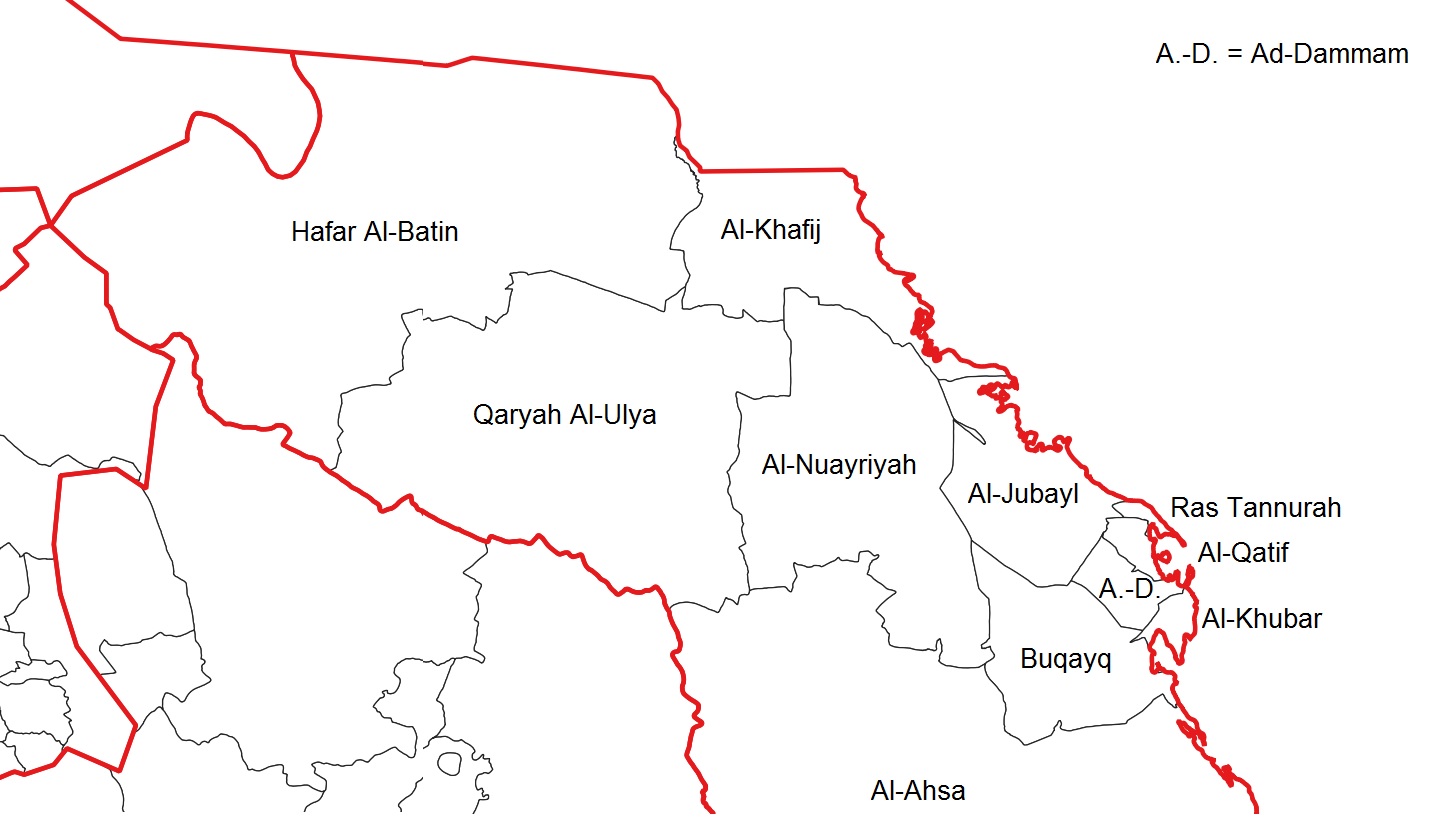
Ras Tanura hosts Aramco’s primary crude oil loading terminal and anchors the Eastern Province export corridor that runs from Abqaiq’s processing complex to the tanker berths on the Persian Gulf coast. Houthi military spokesman Yahya Saree claimed the refinery was struck and fires broke out — an assertion the coalition denied and no independent source has confirmed. The dual developments came one day after a Houthi attack wounded 11 people at a tower in Riyadh’s KAFD financial district, according to Saudi Civil Defence.
The House of Saud Daily Briefing
Saudi Arabia's news in 3 minutes, every morning. Free. See today's issue
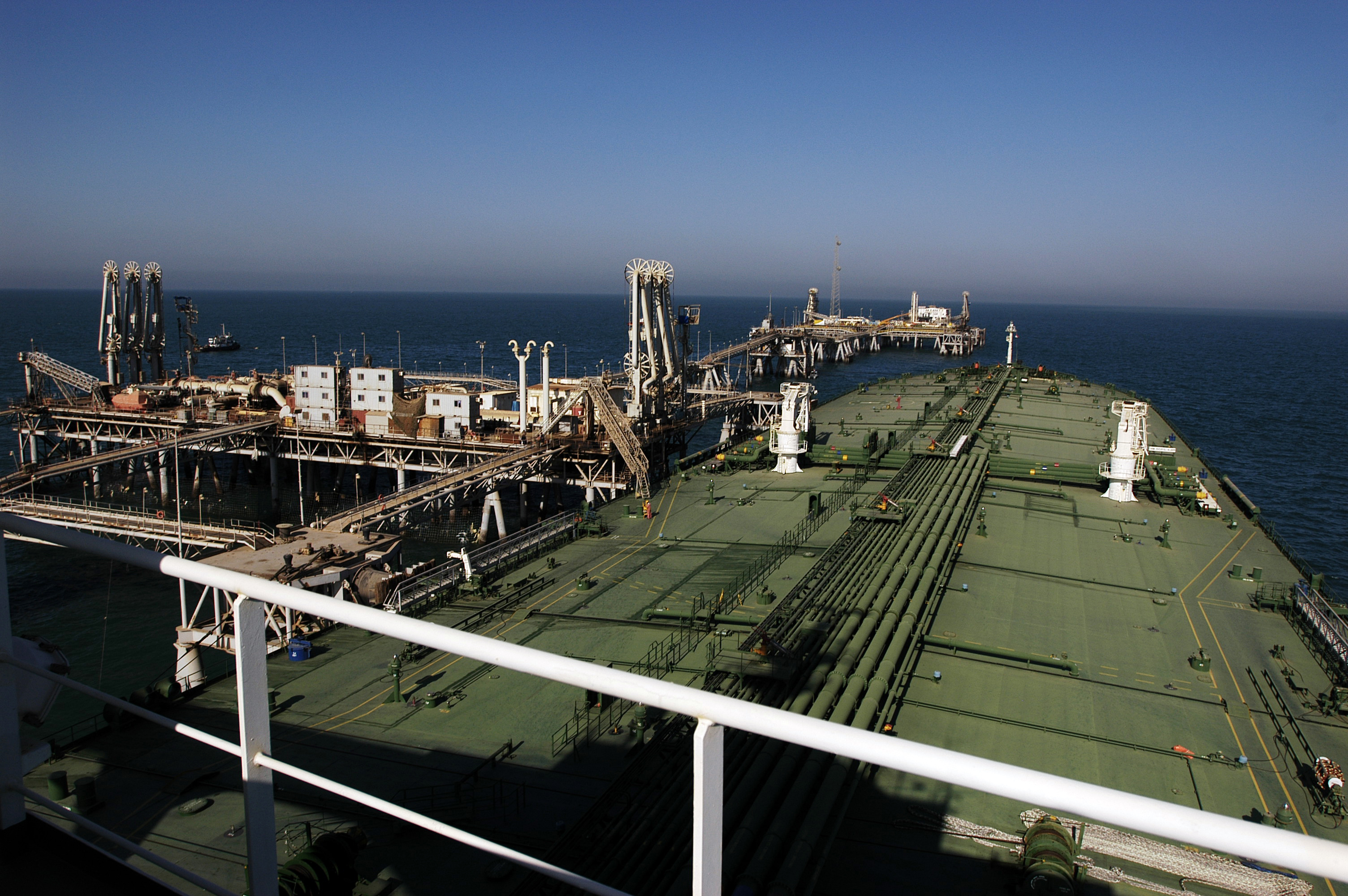
Table of Contents
- Four Drones Intercepted Over Ras Tanura
- Houthi Claims of Strikes on Ras Tanura and Riyadh
- Coalition Strikes Hodeidah After Second Evacuation Order
- Why Is the Eastern Province Being Targeted?
- Can Saudi Air Defences Sustain the Pace?
- Saudi FM Calls Counterparts as Coalition Vows Firm Response
- Frequently Asked Questions
Four Drones Intercepted Over Ras Tanura
Al-Maliki said coalition air defences intercepted and destroyed all four unmanned aerial vehicles over Ras Tanura, Anadolu Agency reported on 25 November. Fragments from the destroyed drones fell in the area, but initial assessments found no injuries, according to the coalition statement. Newsquawk and TRT World both confirmed the four-drone figure and the Eastern Province location.
The Saudi Defence Ministry released separate figures. The National reported that the ministry said two drones were intercepted and destroyed in the Eastern Province, followed by a third intercepted shortly before sunrise in the same region — giving at least three in Defence Ministry tallies on 25 November alone. Kuwait’s state news agency KUNA, carried by Kuwait Times, reported one drone on 25 November preceded by two in the Eastern Province on 24 November, putting the two-day total at three via that account.
The number discrepancy has not been addressed by any official. Al-Maliki’s figure, carried by Anadolu Agency, Newsquawk, and TRT World, specifies four drones over Ras Tanura. The Defence Ministry figures reported by The National reach three for 25 November. KUNA’s count of three spans two days rather than one.
The Eastern Province had already faced drone and missile fire at least three times earlier in November. Anadolu Agency reported a single drone intercepted in the province on 3 November. A second intercept followed on 10 November. On 15 November, the coalition intercepted two Houthi ballistic missiles aimed at Riyadh and three drones in the Eastern Province, according to Arab News. The 25 November intercepts were the first time al-Maliki named Ras Tanura — a specific Aramco facility — as the target.
Houthi Claims of Strikes on Ras Tanura and Riyadh
Houthi military spokesman Yahya Saree claimed two separate operations on 25 November. In the first, Saree said the Ras Tanura refinery in the Eastern Province was struck and fires broke out at the facility, Anadolu Agency reported. In the second, he claimed a financial centre in Riyadh was hit, according to Yahoo News and the Deccan Herald.
Neither claim has been independently verified. The coalition’s statement that all four drones were intercepted and destroyed over Ras Tanura directly contradicts Saree’s assertion that the refinery was struck. TASS carried the Houthi claims without independent confirmation.
Saree linked both operations to coalition strikes on southern Yemen and Sanaa, TASS reported. The pattern of unverified Houthi damage claims has recurred this month. On 22 November, Saree claimed a direct hit on the Rabigh refinery on the Red Sea coast; Saudi authorities issued no damage confirmation then either.
“The deliberate targeting of civilians and civilian objects by the terrorist Houthi militia will be met with a firm response.”
Major General Turki al-Maliki, coalition spokesman, 25 November 2026 (Arab News Japan)

Coalition Strikes Hodeidah After Second Evacuation Order
The coalition’s Joint Forces Command issued an evacuation order for Hodeidah port in the early hours of 25 November, shortly before 2am UAE time, publishing a location map, The National reported. The order was the second in five days — the coalition had issued its first evacuation order on 20 November, and strikes followed that order as well.
Coalition strikes on Hodeidah were executed on 25 November. Al-Maliki said the strikes targeted “operational capabilities at the port that were used in smuggling operations and the transport of weapons and ballistic missiles,” Arab News Japan reported. The coalition “destroyed seven legitimate military targets designated for military use and to support the Houthis’ military efforts” and six workshops used for building missile launchers and drones, he said.
The coalition also struck targets in Saada and Amran governorates, along with a ballistic missile and drone capability site in Sanaa, the Jerusalem Post and Arab News reported. The strikes spanned Yemen’s Red Sea coast, northern highlands, and capital.
On 24 November, a Houthi attack on a tower in Riyadh’s KAFD financial district wounded 11 people, according to Saudi Civil Defence. The coalition then issued a second evacuation order for Hodeidah in the early hours of 25 November and conducted strikes on the port that morning. Those strikes drew Houthi threats against Jeddah and all Saudi Red Sea ports. By dawn on 25 November, coalition jets were over Hodeidah and Houthi drones were over Ras Tanura.
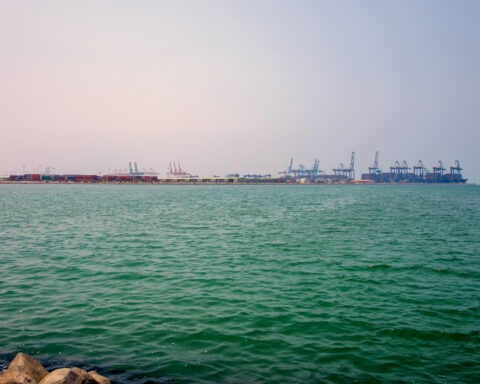
Hodeidah port handles approximately 80 percent of Yemen’s humanitarian assistance and 70 percent of commercial imports, according to United Nations figures cited by multiple outlets including Al Jazeera. The coalition has framed each strike as targeting military infrastructure within the port complex rather than civilian shipping berths. No casualty figures from the 25 November Hodeidah strikes have been reported by either side.
The evacuation orders themselves create disruption beyond the strikes they precede. Port workers, truck drivers, and warehouse staff cannot operate while under an evacuation notice, and shipping companies must weigh whether to send vessels into a port that may come under fire within hours. Two evacuation-strike cycles in five days compress the window in which the port can function at anything close to its normal capacity.
Saree responded with a counter-threat. He warned that all Saudi ports on the Red Sea coast, including Jeddah, would be targeted if the coalition continued to attack Hodeidah, the Jerusalem Post reported, carrying a Reuters contribution. Houthi warnings of this kind had already pushed insurers and airlines to reassess Red Sea exposure even without a confirmed strike on Jeddah.
Why Is the Eastern Province Being Targeted?
The Eastern Province hosts the core of Saudi Arabia’s hydrocarbon export infrastructure. Ras Tanura’s loading terminal, Abqaiq’s crude processing plant, and the eastern terminus of the East-West pipeline all sit within the province’s coastal and inland corridors. A sustained campaign against these facilities would threaten the backbone of Aramco’s export operations in ways that attacks on Riyadh, Makkah, or Jazan do not.
Through most of November, Houthi drone and missile fire had concentrated on other targets. Riyadh’s KAFD district was struck on 19 November, pushing Brent crude up 0.9 percent in the session that followed. The Makkah and Medina corridors faced repeated interceptions. Jazan and Asir, the southernmost provinces, have absorbed fire since the Houthi campaign resumed. The Eastern Province saw intercepts on 3, 10, and 15 November, but none of those coalition statements named a specific Aramco facility as the target.
Oil markets have already priced in disruption to Saudi export capacity from the Iran-related Hormuz chokepoint, where daily oil flows have fallen to 10 million barrels a day. The Eastern Province terminals sit on the Persian Gulf side of the same corridor. If the Houthis can sustain pressure on those terminals while Iranian operations constrict Hormuz, Aramco’s ability to route crude around both threats narrows — the East-West pipeline’s western terminus at Yanbu on the Red Sea coast is itself within range of Houthi threats against Saudi Red Sea ports.
Can Saudi Air Defences Sustain the Pace?
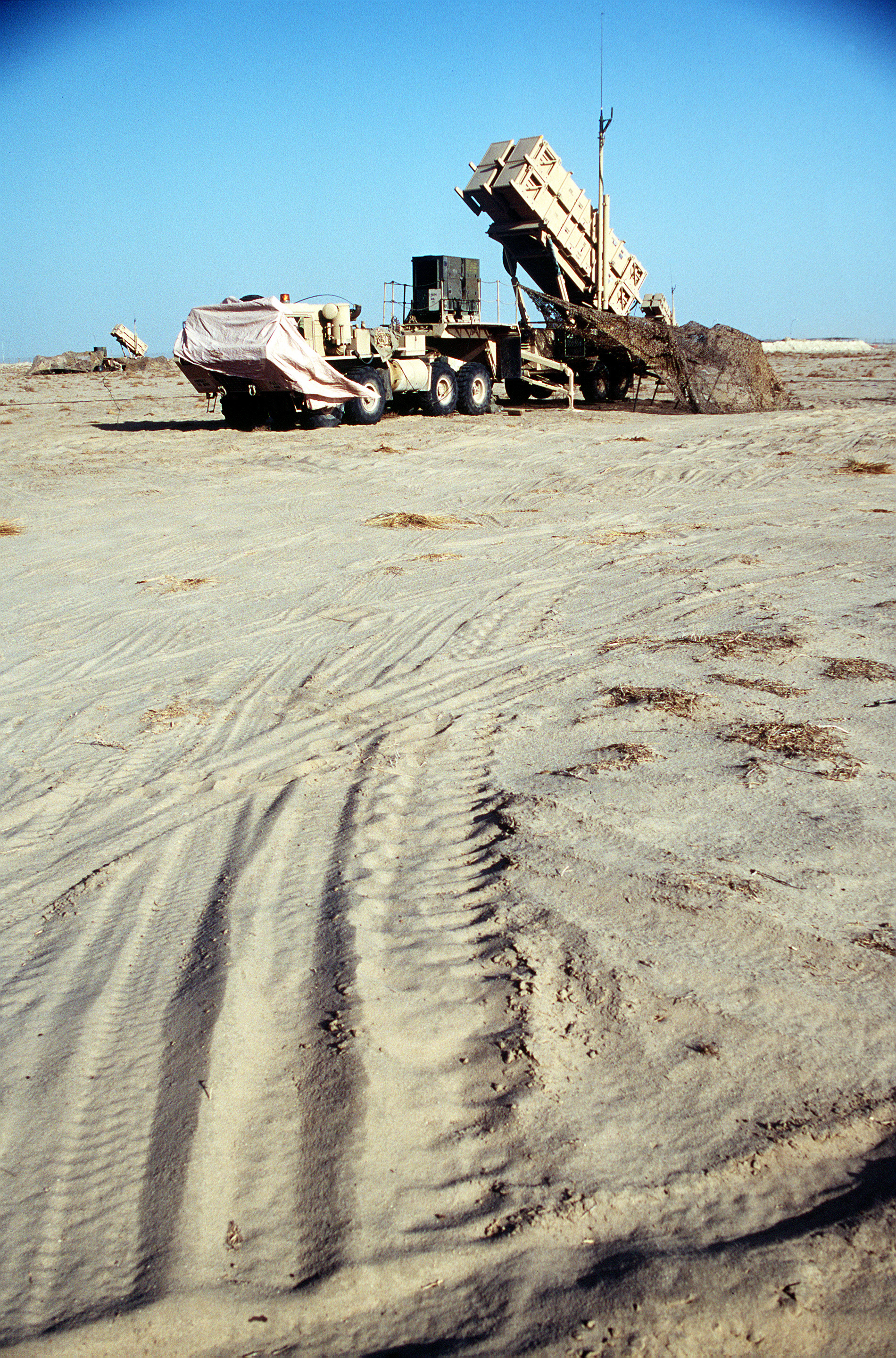
Nawaf Obaid, a Saudi security analyst at King’s College London, described the Houthi tactic as an effort to “stretch Saudi air defences over time.” Speaking to The National on 20 November, Obaid said a rate of “one a night” was accurate if the Houthis could sustain it. He identified the bigger long-term challenge as replenishing interceptor stocks — the Patriot and THAAD missiles that the coalition uses with each successful interception.
Each drone or ballistic missile the coalition destroys in the air costs an interceptor that is expensive to produce and slow to replace. The coalition has not disclosed interceptor expenditure rates, and no source has published verified stock levels. Obaid’s framing placed the problem in terms of industrial production capacity and procurement timelines rather than any single engagement.
Francis Tusa, a defence analyst, told The National on 20 November that without integrated, data-sharing air defence networks, Saudi Arabia was “missing 20 per cent of the picture.” The remark pointed to gaps in the multi-layered defence architecture needed to track simultaneous threats across a territory stretching from the Yemeni border to the Persian Gulf coast — the distance between Jazan and Ras Tanura spans more than 1,200 kilometres of Saudi airspace.
The 25 November drone salvo over Ras Tanura illustrated the problem in compressed form. All four drones were intercepted and destroyed, according to al-Maliki, but the interception itself consumed resources, forced a scramble response over the Eastern Province, and generated fragments that fell near populated areas. Even a defence that works every time imposes a cost on the defender each time it works.
Saudi FM Calls Counterparts as Coalition Vows Firm Response
Saudi Foreign Minister Prince Faisal bin Farhan held calls with his Bahraini, Egyptian, and US counterparts on 25 November, Arab News Japan reported. All three conversations condemned Houthi attacks on civilians and civilian infrastructure.
The diplomatic outreach came on a day when the coalition was operating across multiple fronts — defending the Eastern Province from drones, striking Hodeidah, and conducting operations in Saada, Amran, and Sanaa. The coalition’s Yemen operations on 24 November had also drawn attention after Houthis said Saudi aircraft struck vehicles in southern Yemen, with 25 people dead or missing. The coalition has not commented on those specific claims.
Al-Maliki’s public statement framed the Hodeidah strikes as a direct consequence of the drone and missile campaign against Saudi cities. The 25 November calls with Bahrain, Egypt, and the United States produced no public announcement of changes to the coalition’s operational posture or additional commitments from partner states.
The question hanging over the Eastern Province is whether the 25 November intercepts signal a sustained Houthi effort to target Aramco infrastructure or a probe of Saudi defences in the region. The province had been targeted at least three times earlier in November, but always with fewer projectiles and without a specific Aramco facility named as the target. At Hodeidah, two evacuation-strike cycles in five days suggest the coalition views the port as a continuing objective rather than an occasional pressure point. Saree’s counter-threats against Jeddah and Red Sea ports have so far produced no confirmed strike on either, but the warnings have been enough to move insurance and aviation markets. Both sides have signalled that the pace of operations will continue.
Frequently Asked Questions
Has Saudi Arabia’s oil infrastructure been successfully struck before?
The largest verified strike on Saudi oil infrastructure before 2026 was the 14 September 2019 attack on Aramco facilities at Abqaiq and Khurais, attributed to Iran and Houthi forces. That attack used drones and cruise missiles and temporarily removed approximately 5.7 million barrels per day of Saudi production — roughly 5 percent of global oil supply at the time — before Aramco restored output within weeks. The 2019 attack established that Saudi oil facilities are reachable by drone assault, and it set the benchmark analysts use when assessing potential damage in the 2026 campaign. Abqaiq, the world’s largest oil processing facility, lies approximately 60 kilometres southwest of Dhahran and approximately 95 kilometres southwest of Ras Tanura.
Did Yahya Saree also threaten airlines and shipping companies?
Yes. Beyond warning that all Saudi Red Sea ports including Jeddah would be targeted, Saree told port employees and shipping companies to evacuate Saudi Red Sea ports immediately and warned airlines to avoid Saudi airspace, the Jerusalem Post reported on 25 November. The European Union Aviation Safety Agency had already extended airspace warnings for six Gulf zones through 31 January 2027 on 16 November.
How sustained is the Houthi campaign against Saudi Arabia?
ACLED, the conflict-monitoring group, recorded Houthi or suspected Houthi attacks on Saudi Arabia on more than 25 separate days between 13 July and 25 September 2026, Al Jazeera reported on 31 October citing ACLED data. Attacks have continued through October and November, though no updated ACLED count covering the full period through 25 November has been published.
The House of Saud Daily Briefing
Saudi Arabia's news in 3 minutes, every morning. Free. See today's issue