
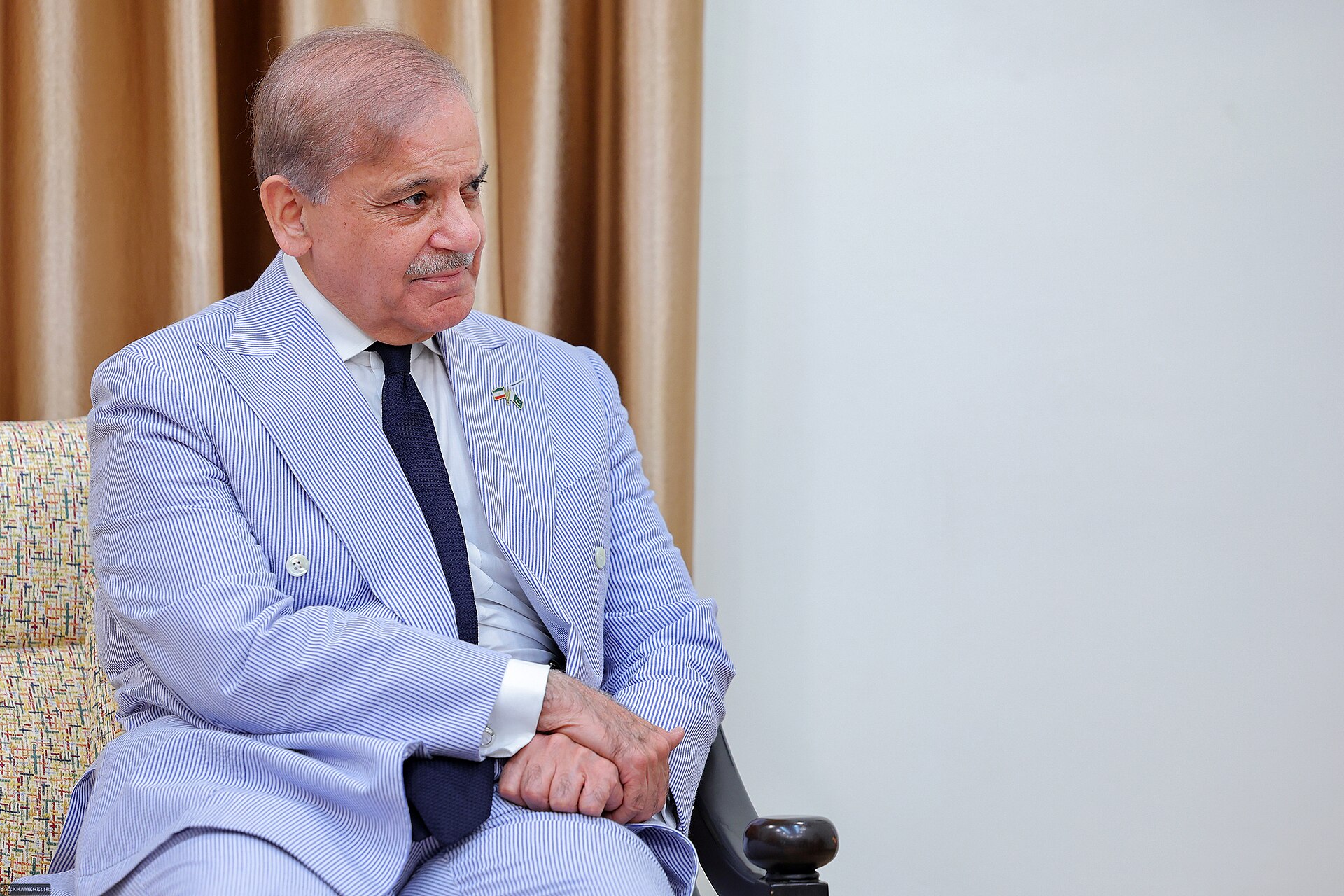
ISLAMABAD — Pakistani Prime Minister Shehbaz Sharif announced on June 14 that the United States and Iran had reached a peace deal, with the official signing ceremony scheduled for Friday, June 19, in Switzerland. His post on X preceded President Donald Trump’s Truth Social confirmation by minutes, CNBC and the Free Press Journal reported.
Sharif thanked “the leadership of Saudi Arabia and Türkiye for their immense contributions.” Saudi Arabia’s Ministry of Foreign Affairs, 26 days without a substantive public statement on the Iran memorandum, offered no announcement of its own. Bloomberg’s URL slug attributed the news directly to Pakistan — “pakistan-says-us-and-iran-have-reached-a-peace-deal.” The South China Morning Post headlined it as a joint “US, Pakistan” announcement.
Table of Contents
The Announcement Sequence
Sharif’s full post: “Following intensive talks, we are pleased to announce that the Peace Deal between the United States of America and Islamic Republic of Iran has been REACHED. Both sides have declared the immediate and permanent termination of military operations on all fronts, including in Lebanon. The official signing ceremony will be on Friday, 19 June in Switzerland.”
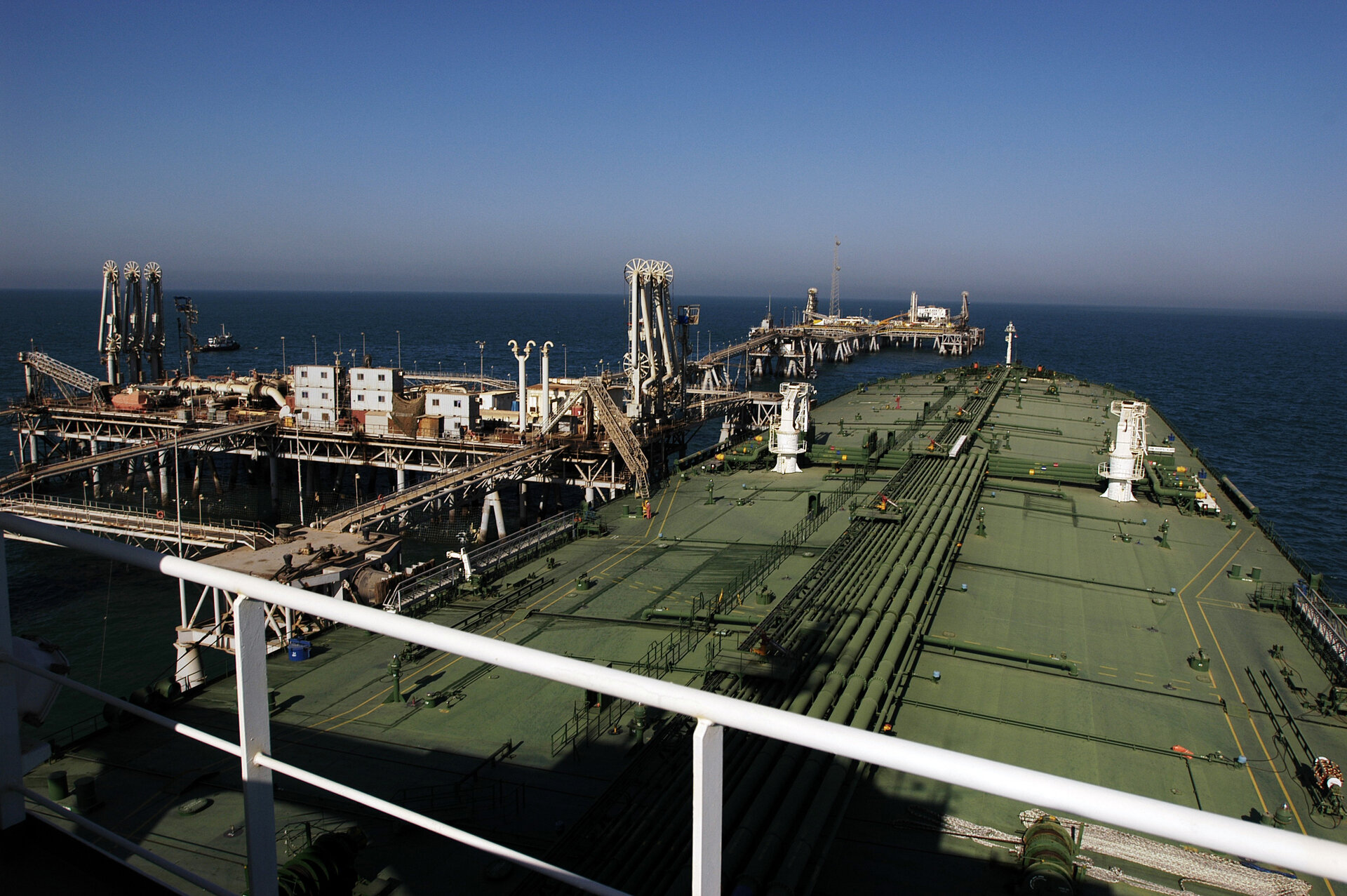
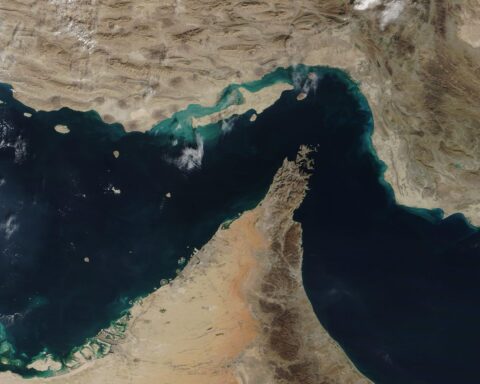
Trump’s Truth Social post followed, timestamped 5:41 PM EDT on June 14, per CBS News and the Jerusalem Post: “The Deal with the Islamic Republic of Iran is now complete. Congratulations to all! I hereby fully authorize the toll free opening of the Strait of Hormuz, and, simultaneously herewith, authorize the immediate removal of the United States Naval blockade. Ships of the World, start your engines. Let the oil flow!” The Hormuz provisions Trump referenced remain subject to Iran’s separate fee architecture, which Tehran has rebranded from tolls to “service fees.”
The gap between posts was minutes. The pattern behind them was weeks old. On June 12, Bloomberg headlined “Pakistan PM Expects US-Iran Deal to Be Finalized in 24 Hours.” The same day, Al Jazeera ran “Deal between US and Iran less than 24 hours away, Pakistan’s PM says.” On June 13, the Washington Post framed its report as: “US-Iran to close deal within a day, Trump says, but Tehran yet to confirm — mediator Pakistan says.” Pakistan was publicly narrating deal milestones — including specific timelines — before either principal confirmed them. By the time the deal was announced, international wire services had internalized the arrangement. CNBC led its coverage: “U.S. and Iran agree on peace deal to end the war, Pakistan Prime Minister Shehbaz Sharif says.”
The June 19 ceremony will be electronic — not in-person — Tasnim News Agency and NewsNationNow reported. Foreign Minister Abbas Araghchi and Parliament Speaker Mohammad Bagher Ghalibaf are Iran’s designated signatories. Deputy Foreign Minister Kazem Gharibabadi told Tasnim on June 15 that the full memorandum text would be released only after the ceremony is completed.
The Middle East briefing 3,000+ readers start their day with.
One email. Every weekday morning. Free.
What Did Saudi Arabia Know Before the Public Announcement?
Saudi Arabia received one confirmed private notification about the deal timeline. On June 13, Pakistani Foreign Minister Ishaq Dar called Saudi Foreign Minister Prince Faisal bin Farhan. The readout, issued by Radio Pakistan and reported by Pakistan Today, stated that both ministers “welcomed the U.S.–Iran negotiations in their final stage, with the electronic signing ceremony scheduled for tomorrow.” Faisal “appreciated Pakistan’s consistent and sustained efforts in support of mediation and dialogue throughout the process.”
The ceremony Dar described — scheduled for June 14 — did not take place. Iranian Foreign Ministry spokesman Esmaeil Baghaei canceled it, citing American “hesitation” and “instability.” No replacement date was communicated to Riyadh through diplomatic channels ahead of Sharif’s public post the same day.
The information pathway is traceable. For the June 14 date, Saudi Arabia was privately informed — by Pakistan, not by Washington or Tehran, and documented in a Pakistani readout, not a Saudi one. For the actual June 19 date, Saudi Arabia was publicly informed — again by Pakistan, but through the same social media post available to every wire service and foreign desk worldwide.
No evidence has emerged of any private communication to Riyadh ahead of the June 19 announcement. Saudi Arabia is one of 12 countries named as “approvers” of the MOU framework but sits in none of the three active mediation tracks — the US-Pakistan channel, the Qatari channel, and the Omani back-channel. Nor does Saudi Arabia hold a seat in the Doha sessions where MOU implementation terms are being finalized ahead of the June 19 Geneva signing ceremony — a pattern documented in Saudi Arabia Approved a Deal Being Finalized Without Saudi Arabia.
How Did Pakistan Build Its Authority to Announce?
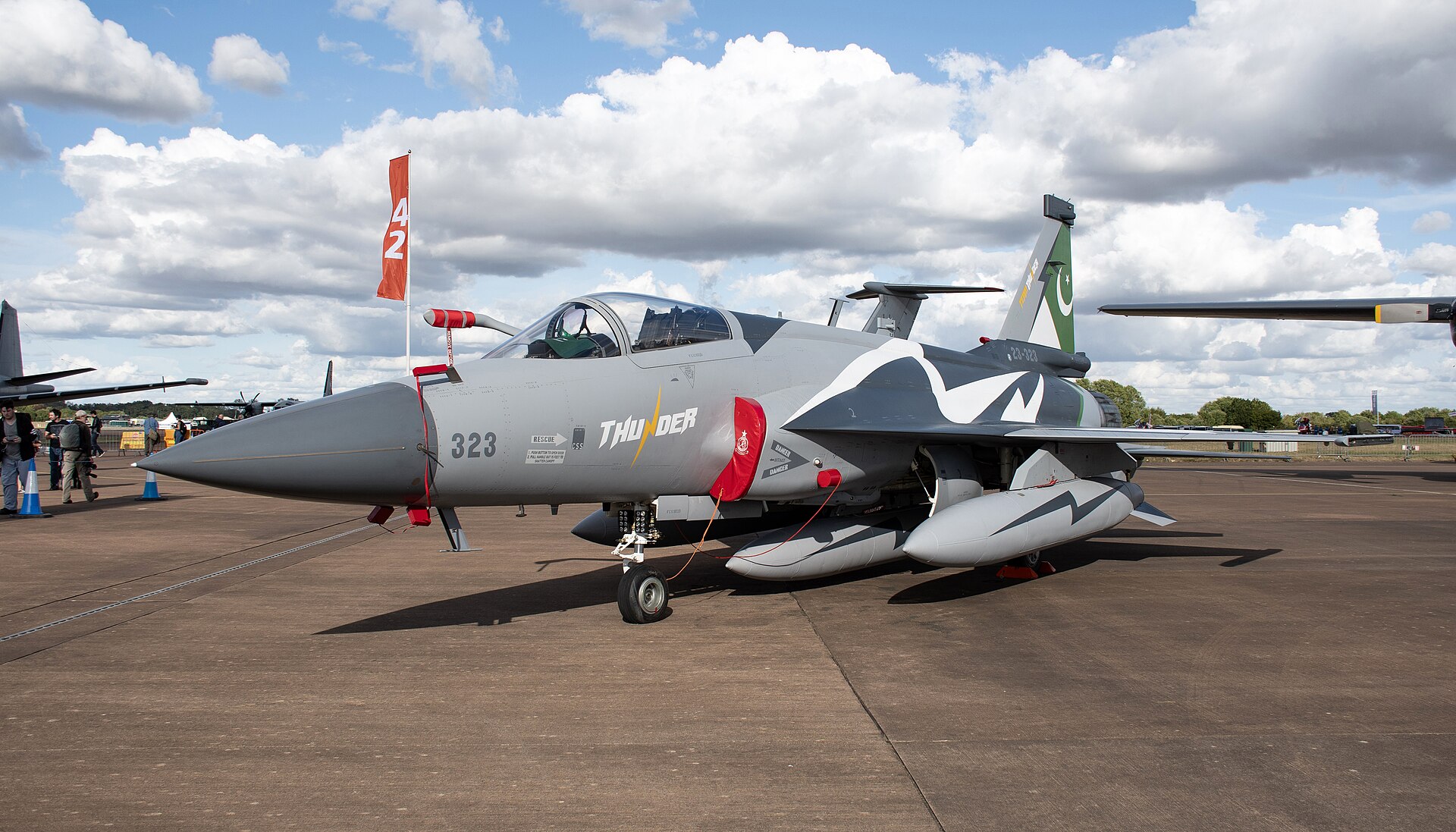
Pakistan’s position as the deal’s public voice rests on a structure assembled over nine months. The Strategic Mutual Defence Agreement, signed on September 17, 2025, formalized a security relationship with Saudi Arabia that had operated informally for decades. On April 11, 2026, Pakistan’s 25th Mechanised Division — approximately 13,000 troops, an estimated 16 JF-17 fighter jets, drone squadrons, and HQ-9 surface-to-air missile systems — arrived at King Abdulaziz Air Base in Saudi Arabia’s Eastern Province, Al Arabiya and Al Jazeera reported.
The deployment date coincided with the collapse of direct Islamabad-hosted talks — the troops arrived the same day the negotiations they were meant to backstop fell apart. “The invocation of the SMDA is the price of the significant restraint shown by the Saudis in the progression of this conflict,” Azeema Cheema of Verso Consulting told Al Jazeera on April 14.
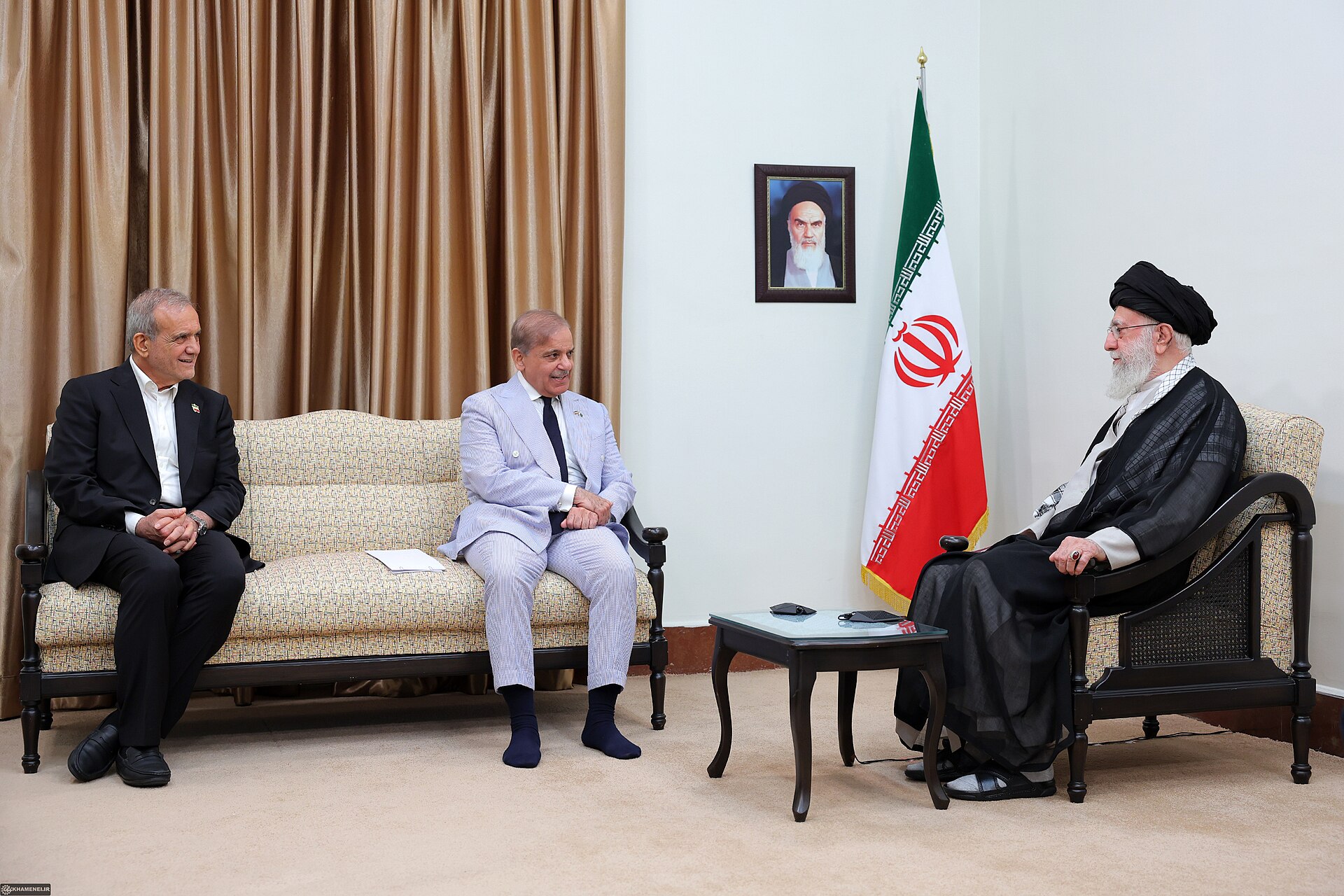
Pakistan’s access to Tehran ran through a parallel architecture. On June 7, Interior Minister Mohsin Naqvi delivered two letters to Supreme Leader Ali Khamenei — one from Prime Minister Sharif through civilian channels, one from Army Chief Field Marshal Asim Munir through a military back-channel. The dual-letter format gave Tehran a civilian diplomatic signal and an IRGC-legible military one in the same visit.
Umer Karim of the King Faisal Center for Research and Islamic Studies described the structural bind: “Pakistan is walking a tightrope with regards to both the mediation responsibilities it has taken upon itself and the commitments towards Saudi Arabia’s defence,” he told Al Jazeera on April 14.
Pakistan’s room to maneuver is constrained by its own supply chain. Pakistan imports more than 85 percent of its oil and nearly all its liquefied natural gas from Saudi Arabia, Qatar, and neighboring Gulf states, according to a Chatham House assessment published in April 2026. The same report described Islamabad as “an indefatigable mediator claiming neutrality and the trust of all sides.” The Council on Foreign Relations wrote on April 28 that Pakistan had “achieved what many diplomats from wealthy democracies and leading global organizations had failed at.” Former Pakistani Senate Defence Committee Chair Mushahid Hussain Syed offered the CFR a four-word summary of Islamabad’s approach to the Trump administration: “We read him right.”
Sina Azodi of George Washington University suggested the SMDA served a different audience entirely. “I think the Saudi move to partner with Pakistan was more geared toward Israel than Iran,” he told Al Jazeera on April 14. The troop deployment arrived on April 11 — the same day Pakistan first hosted direct Washington-Tehran contacts — and five weeks before the US-Saudi 123 Agreement was signed.
The Al Jazeera Centre for Studies noted a boundary: “Pakistan’s leverage should not be overstated. While it can keep communication channels active…it cannot impose a settlement between the two sides.”
Iran’s Framing of June 19
Iran confirmed the ceremony while framing it as a product of coercion. Gharibabadi told Tasnim on June 15: “This memorandum does not mean trusting the enemy; it has been written with active distrust.” He added that “threats tonight by Iran were effective in advancing certain issues in the negotiation text” and that “military power and the threats we made helped finalize the text and advance several issues.”
Tasnim, which is affiliated with the Islamic Revolutionary Guard Corps, reported that Iran secured changes to Hormuz administration provisions and added guarantees for Lebanon’s sovereignty during the final days and hours of negotiations. Sharif’s announcement had referenced “the immediate and permanent termination of military operations on all fronts, including in Lebanon.” Israeli Prime Minister Benjamin Netanyahu told Trump that Israeli forces would not withdraw from Lebanon, NBC News and the Times of Israel reported on June 15. Trump described Netanyahu as “a very difficult guy.”
Inside Iran, hardliners protested outside the foreign ministry in Mashhad on June 15, CBS News reported. Gharibabadi’s language — military threats as effective tools, active distrust as a design principle, forced textual concessions — ran in an IRGC-affiliated outlet on the same day demonstrators gathered against the agreement it described.
Gharibabadi’s confirmation that the full text would be withheld until after the June 19 ceremony means that Saudi Arabia — along with the other 11 named approvers — endorsed a framework whose final language remains unpublished as of June 15.
The SPA Response
The Saudi Press Agency issued a communiqué after Sharif’s post. Its language followed ceasefire-era templates: “support for the mediation efforts undertaken by Pakistan” and “the necessity of keeping the Strait of Hormuz open for international navigation and trade without any restrictions.”
The statement did not reference the 123 Agreement, the SMDA, Saudi Arabia’s fiscal exposure to Iran’s Hormuz fee structure, or Riyadh’s role as one of the deal’s 12 named approvers. It did not address the specific “toll free” language Trump used in his Truth Social post, which described an open Hormuz in terms the SPA’s own communiqué did not echo. Sharif thanked Saudi Arabia. Saudi Arabia thanked Pakistan. The SPA communiqué N2555334 listed no contribution of its own.
The MOFA has not issued a substantive statement on Iran deal terms since the Gymnich meeting in Poland on May 20 — a 26-day silence that extends across other multilateral forums. The SPA communiqué used ceasefire-era template language; Riyadh’s last substantive engagement with the Iran framework remained May 20.
Background
The US-Iran peace framework has been under negotiation since the ceasefire earlier in 2026, with Pakistan acting as the primary public mediator. Islamabad brokered the first high-level direct engagement between Washington and Tehran since 1979, Chatham House reported in April. The memorandum is structured in phases; nuclear provisions — enrichment limits, stockpile disposition, IAEA access — are deferred to a subsequent phase.
Saudi Arabia entered the negotiation period having signed a 123 Agreement with Washington on May 13 — a civilian nuclear cooperation pact that omits three traditional nonproliferation safeguards — and having deployed Pakistani troops to its Eastern Province under the SMDA. Riyadh’s name appears among the 12 countries that approved the MOU framework, alongside Qatar, Turkey, and Oman. No Saudi official sat in any of the three mediation tracks that produced it.
Frequently Asked Questions
Who will sign for Iran at the June 19 ceremony?
Foreign Minister Abbas Araghchi and Parliament Speaker Mohammad Bagher Ghalibaf are the designated signatories, Tasnim News Agency reported on June 15. Araghchi will sign remotely — no in-person ceremony is planned. Ghalibaf holds a legislative office under Article 89 of the Iranian constitution, not an executive one. No Iranian Parliament Speaker has previously signed a US-Iran security framework; the 2015 JCPOA was signed by Foreign Minister Mohammad Javad Zarif, an executive branch official.
What are the three mediation tracks that produced the MOU?
Three parallel channels operated throughout the negotiations, none with Saudi participation. The primary channel ran through Washington and Islamabad, with Pakistan acting as the direct interlocutor between the US and Tehran. Qatar ran a separate track, flying mediators to Tehran and managing financial arrangements, including a reported $6 billion credit line to Iran. Oman provided a traditional back-channel that predates the current conflict, rooted in its decades-long role as a discreet conduit for US-Iran communications.
Why did Israel’s Benjamin Netanyahu reject the Lebanon ceasefire provision?
Netanyahu told Trump on June 15 that Israeli forces would not withdraw from Lebanon, NBC News and the Times of Israel reported. Sharif’s June 14 announcement had specified that the deal covered “all fronts, including Lebanon” — language Iran had insisted on as a condition of signing. Netanyahu described himself to Trump as “a very difficult guy.” The Lebanese parliament has not voted on any terms. UNIFIL’s mandate expires December 31, 2026, a deadline that neither the MOU text nor any of the three mediation tracks has addressed.
What is Kazem Gharibabadi’s role and why did he announce the text withholding through Tasnim?
Gharibabadi is Iran’s Deputy Foreign Minister, not a principal signatory — Foreign Minister Araghchi and Parliament Speaker Ghalibaf hold those roles. His June 15 statement to Tasnim, the IRGC-affiliated news agency, that the full text would be released only after signing served two functions simultaneously: it confirmed the ceremony would proceed while preventing external parties from analyzing final language in advance. Tasnim, rather than the Foreign Ministry’s official press service, is the outlet IRGC-affiliated officials use when statements are intended for domestic hardline audiences as much as for international ones.