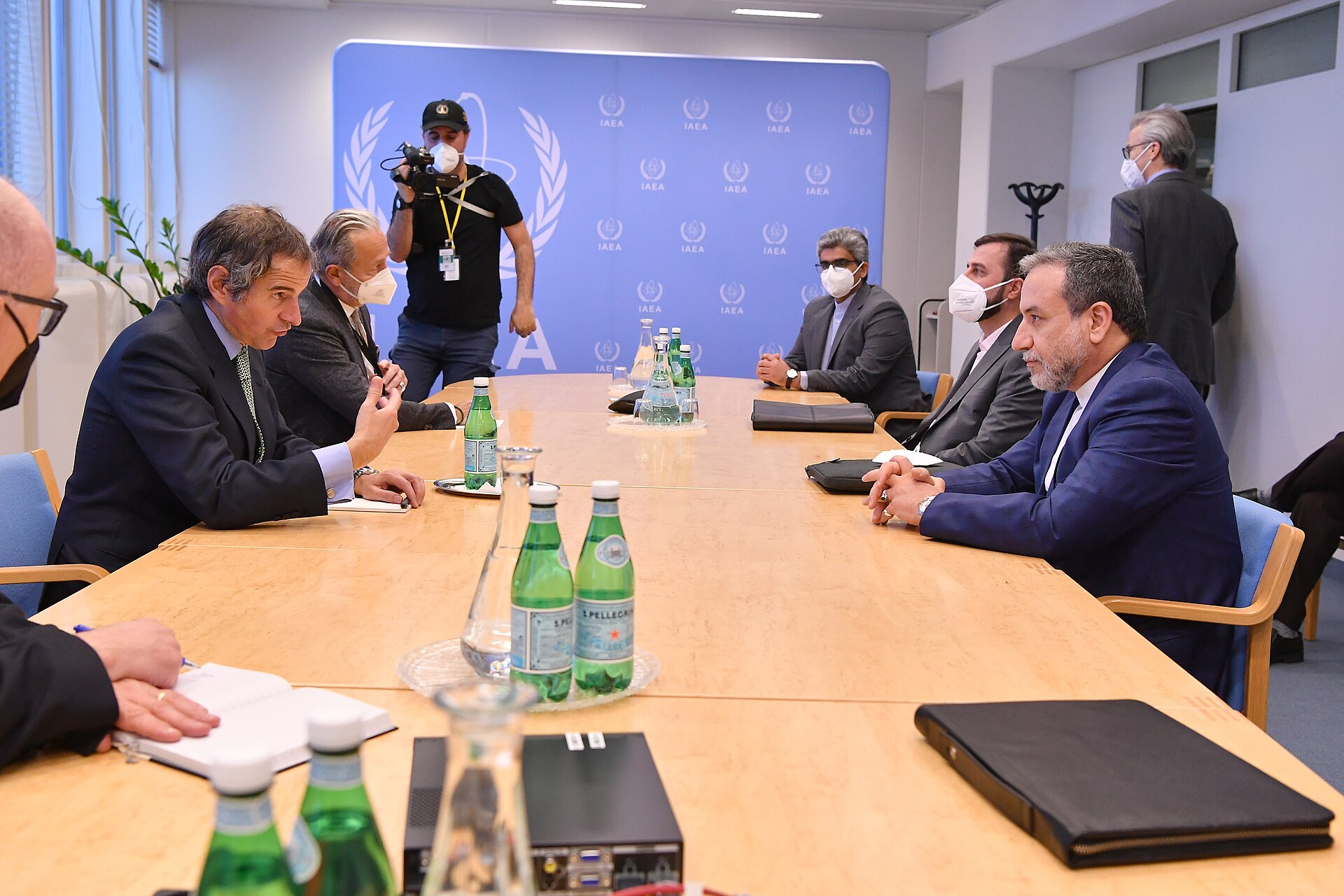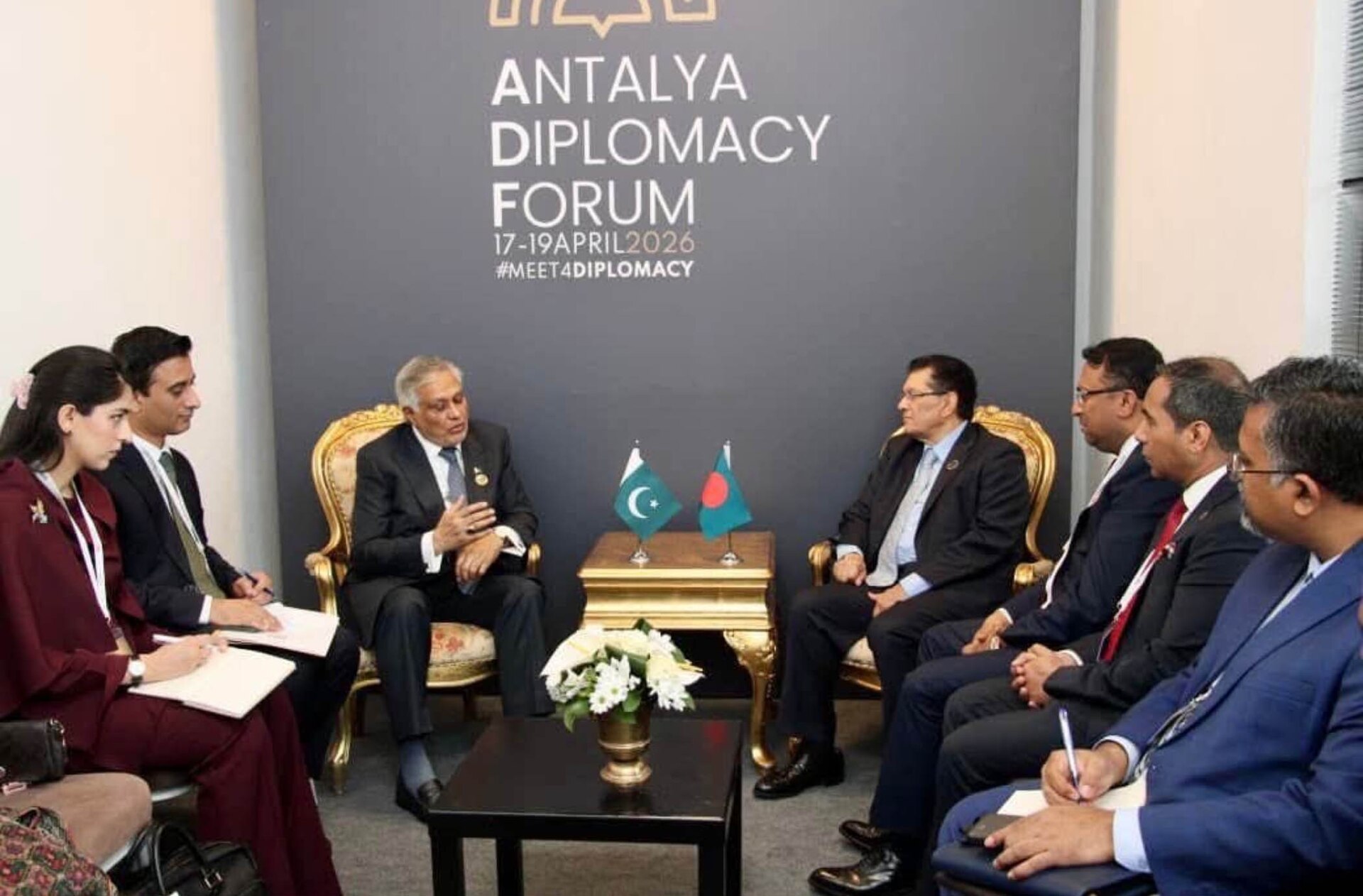

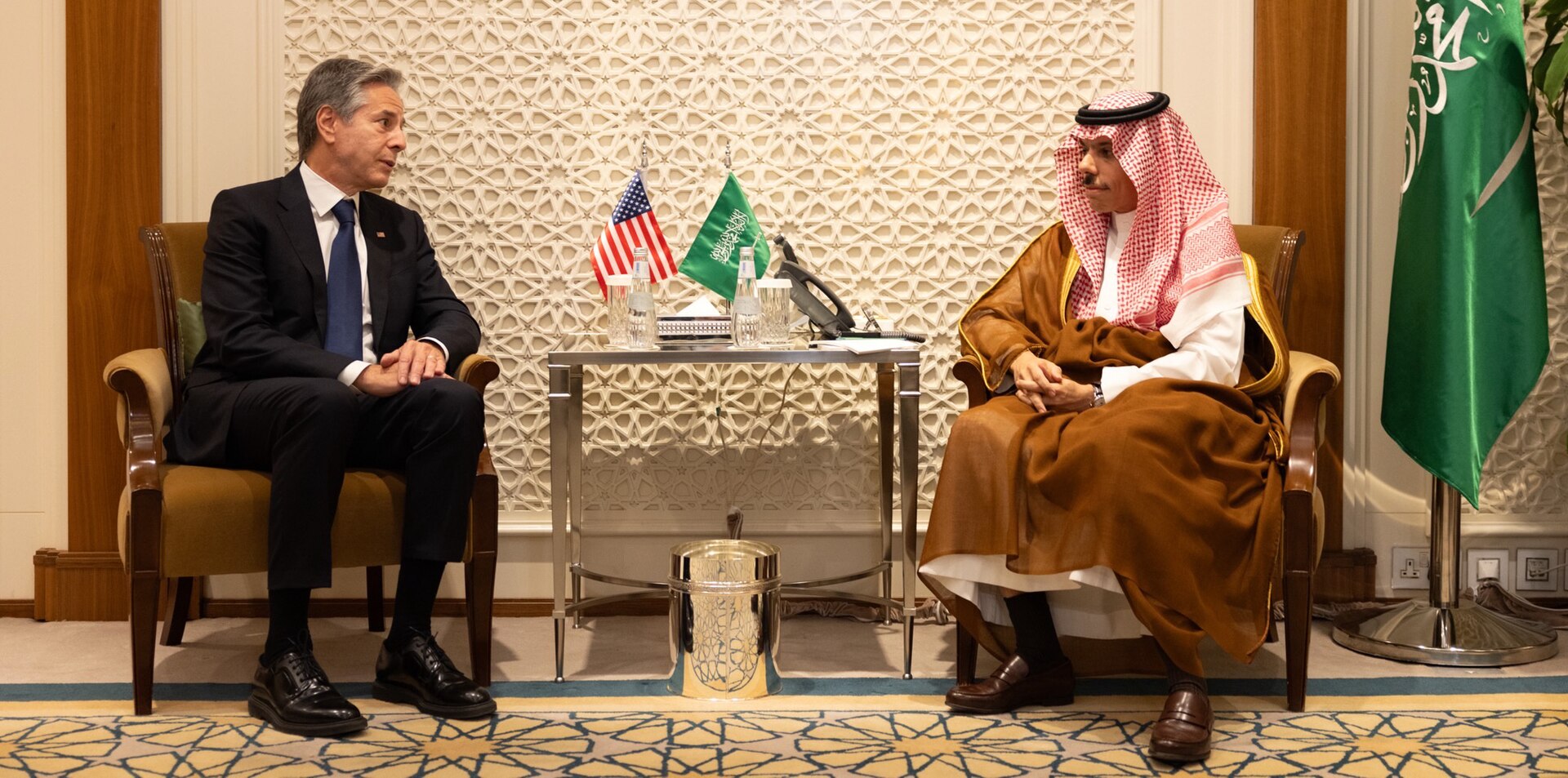
ANTALYA — Iranian Foreign Minister Abbas Araghchi called Saudi Foreign Minister Prince Faisal bin Farhan from the air on April 27, briefing him on Tehran’s two-stage diplomatic proposal while flying from Muscat to Islamabad — before the framework had been publicly disclosed or transmitted to Washington. Hours later, Faisal sat down at the Antalya Diplomacy Forum with the foreign ministers of Pakistan, Turkey, and Egypt — the four countries running the mediation architecture from which Saudi Arabia has been formally excluded.
The sequence compressed into a single day what has taken weeks to become visible: Riyadh is operating as a legitimacy node for a peace process it cannot shape from inside the room. Iran called Saudi Arabia before the proposal reached the press. Saudi Arabia then met with every mediator on the same afternoon. The readout from Riyadh described only an “exchange of views on latest developments in West Asia and ongoing diplomatic efforts.” No endorsement. No rejection. No substance at all.
Table of Contents
The Call Before the Leak
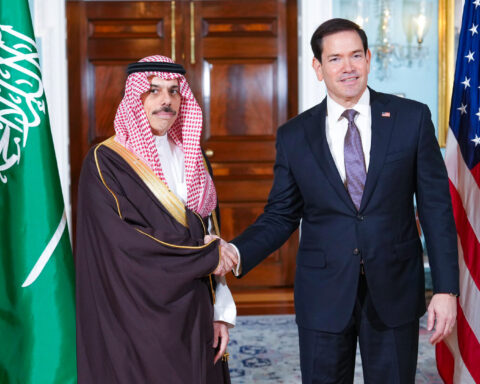
Araghchi’s April 27 itinerary was itself a diplomatic statement. He met Sultan Haitham in Muscat on April 26, where he declared that “safe passage through the Strait of Hormuz is now an important global issue, and naturally we must engage in dialogue with the coastal states of this strait so that our shared interests can be secured.” He then boarded a flight to Islamabad and, while airborne, called Faisal, Qatari Foreign Minister Sheikh Mohammed bin Abdulrahman Al Thani, and French Foreign Minister Jean-Noël Barrot.
The Xinhua readout — the most detailed account of the call — reported that Araghchi “briefed his Saudi counterpart on Tehran’s diplomatic moves to end the war and ease tensions.” Arab News, carrying the Saudi-side readout, offered anodyne language: Araghchi briefed Faisal “on the objectives of his current visits and the consultations held to de-escalate tensions and completely stop the aggression imposed on Iran.”
The word “briefed” is doing structural work in both readouts. It positions Saudi Arabia as a recipient of Iran’s narrative, not a co-author. Tehran’s framing — visible across PressTV and IRNA — presents Araghchi as coordinating with a peer. Riyadh’s framing offers no counter-characterization. The Saudi readout did not comment on the substance of the proposal, did not endorse the two-stage framework, and did not publicly acknowledge that the framework existed.
What makes the call analytically distinct is its timing. The two-stage proposal was not publicly known until Axios reported it later on April 27, citing sources familiar with the diplomatic traffic. Iran delivered a pre-publication notification to Riyadh — a gesture that carries weight precisely because Saudi Arabia is not in the negotiating room.
The Middle East briefing 3,000+ readers start their day with.
One email. Every weekday morning. Free.
What Did Iran Actually Propose?
The framework, delivered to the United States via Pakistan on April 27, breaks the negotiation into two stages. Stage one: reopen the Strait of Hormuz, end the war, and lift the US naval blockade that has been in effect since April 13. Stage two — and only after stage one is complete — begin nuclear talks.
The sequencing is not incidental. It is the core of the proposal. By placing Hormuz reopening before nuclear negotiations, Iran separates the issue on which it faces the most immediate economic pressure (the blockade, which the FDD estimates costs Iran $435 million per day) from the issue on which it faces the most structural vulnerability (its 440.9 kg stockpile of 60%-enriched uranium, last verified by the IAEA in June 2025 before access was terminated).
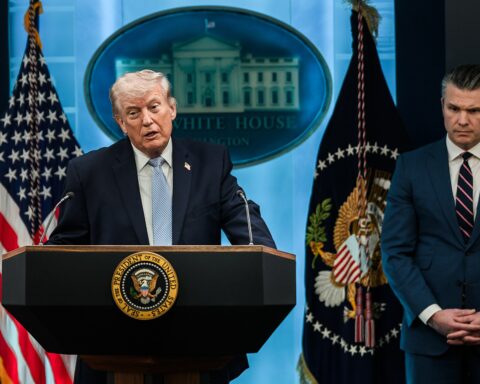
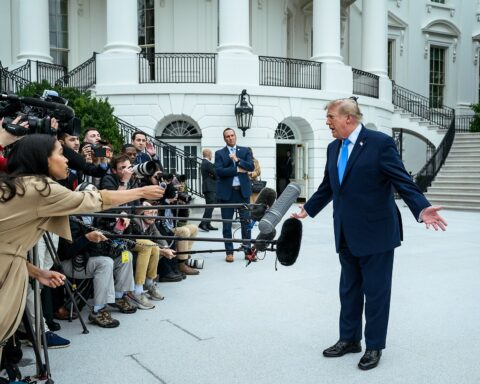
The White House responded through a spokesperson: “These are sensitive diplomatic discussions and the U.S. will not negotiate through the press. As the president has said, the United States holds the cards and will only make a deal that puts the American people first, never allowing Iran to have a nuclear weapon.” Trump is expected to hold a Situation Room meeting Monday to review the stalemate and potential next steps, according to a US official cited by Axios.
Araghchi himself, in his conversations with the four mediators — Pakistan, Egypt, Turkey, and Qatar — made a remarkable admission. He told them, per Axios, that “there is no consensus inside the Iranian leadership about how to address the US demands.” This is consistent with the structural authorization ceiling that has defined Iran’s negotiating posture since the Islamabad talks collapsed in April: President Pezeshkian publicly accused SNSC Secretary Vahidi and Khatam al-Anbiya commander Abdollahi of wrecking the ceasefire mandate, but Article 110 of the Iranian constitution gives the president zero authority over the IRGC.
The Antalya Quadrilateral and the Third Meeting
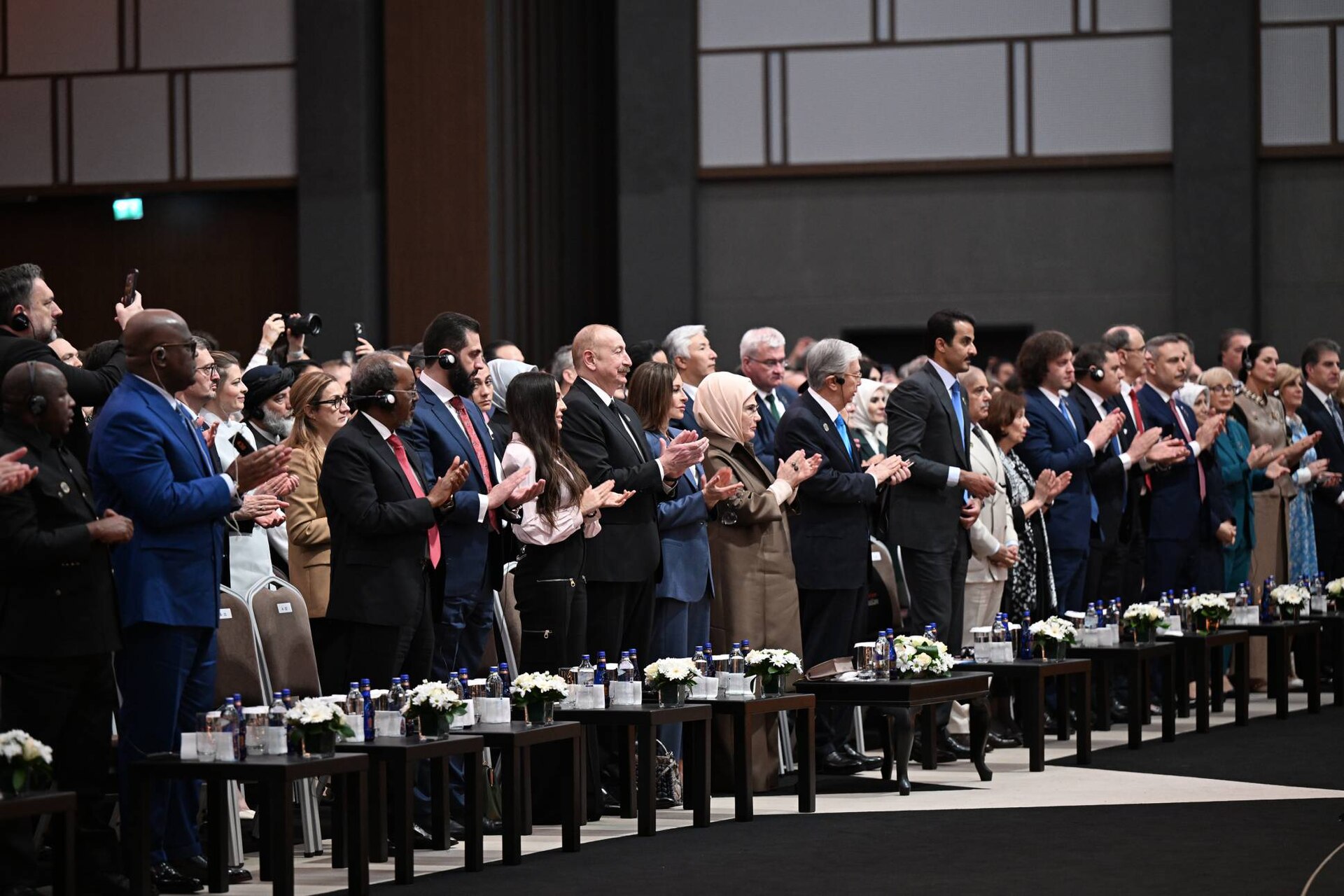
The quadrilateral at Antalya — Faisal with Pakistani Deputy Prime Minister and Foreign Minister Ishaq Dar, Egyptian Foreign Minister Badr Abdelatty, and Turkish Foreign Minister Hakan Fidan — was the third such meeting since the US-Iran war began on February 28. The format has no formal name, no secretariat, no published communiqué structure. It functions as a coordination mechanism for the countries that are either directly mediating (Pakistan, Turkey) or providing diplomatic weight to the mediation (Egypt, Saudi Arabia).
Fidan, hosting at Antalya, framed the meeting around “major regional crises, especially the U.S.-Israel-Iran war,” according to Daily Sabah. The forum itself — Turkey’s annual diplomatic showcase — provided venue cover for what was functionally a war-diplomacy session.
The composition of the quad is itself an argument. Pakistan is the lead mediator and the country whose army chief, Asim Munir, has emerged as the ceasefire’s sole enforcement mechanism. Turkey hosted the Astana process that Russia is now running as a template for the Iran crisis. Egypt brings Arab League weight and a direct channel to Washington. Saudi Arabia brings the thing that none of the other three can provide: the fiscal and energy exposure that makes Hormuz reopening an existential rather than theoretical question.
Maria Fantappie and Vali Nasr, writing in Foreign Affairs in April 2026, described Saudi Arabia as “tacitly supporting Pakistan’s efforts to mediate a de-escalation” while having “limited its diplomatic outreach to Iran.” They argued that if “the engagement between this quartet deepens, it could give Saudi Arabia strategic weight beyond the Gulf Cooperation Council and the U.S. security umbrella.” The quad, in this reading, is not a consolation prize for exclusion from the Islamabad format — it is a parallel structure that could outlast the war.
Why Does Hormuz-First Serve Riyadh in the Short Term?
Saudi Arabia’s fiscal position explains why Riyadh received the call without public objection. Brent crude closed at approximately $106.55 on April 27. Saudi Arabia’s PIF-inclusive fiscal break-even, estimated by Bloomberg, sits at $108–111 per barrel. The kingdom is trading below its own survival line.
The production numbers are worse than the price. Saudi March output fell to 7.25 million barrels per day, down from 10.4 million bpd in February — a 30% collapse in a single month, the sharpest production drop in Saudi Aramco’s history, according to IEA data. Goldman Sachs estimates the war-adjusted fiscal deficit at 6.6% of GDP, roughly double the official 3.3% figure.
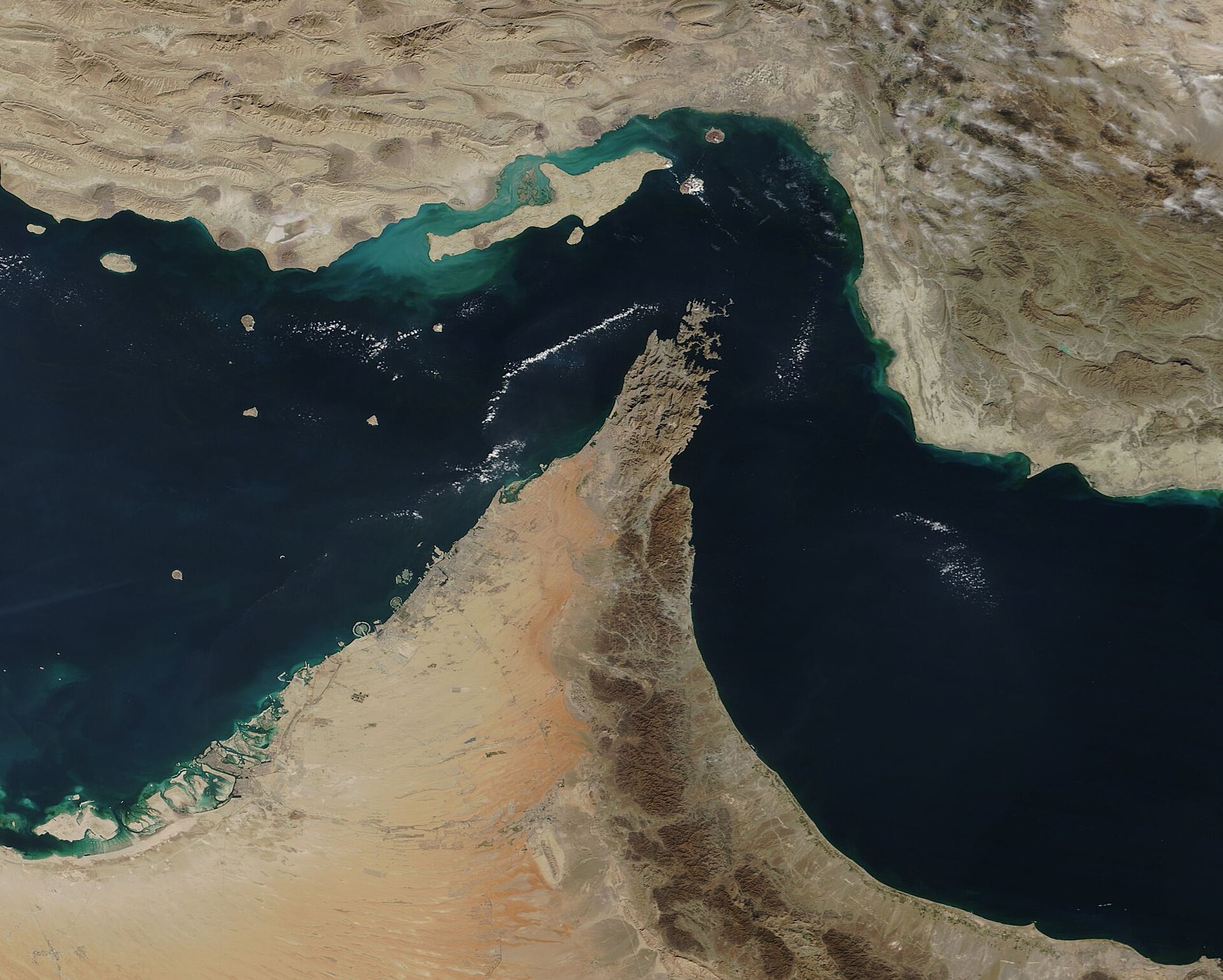
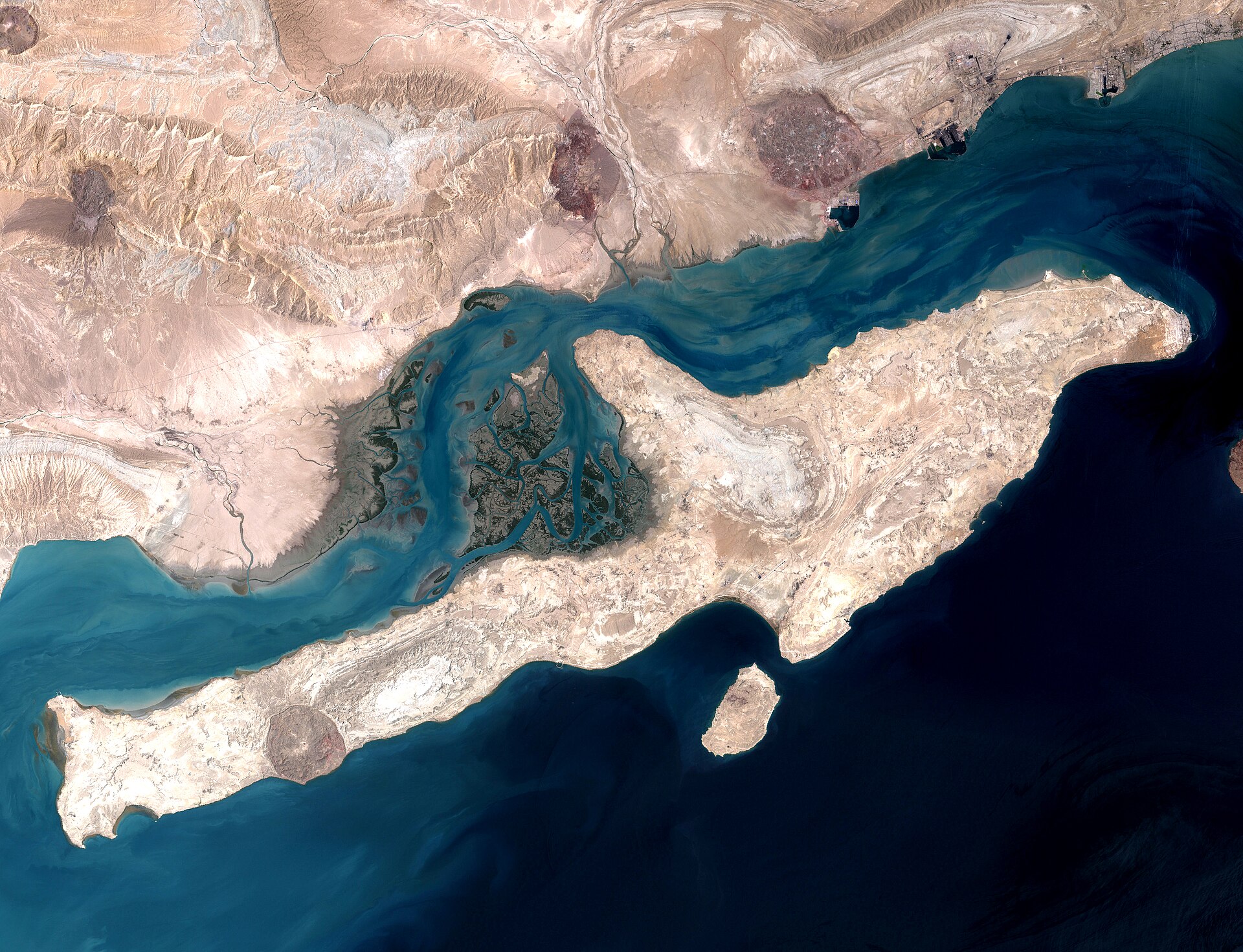
The structural constraint is the East-West Pipeline and the Yanbu export terminal on the Red Sea. With Hormuz effectively closed — only 45 transits have occurred since the April 8 ceasefire, representing 3.6% of the pre-war baseline — Saudi Arabia’s entire export architecture depends on Yanbu. But the pipeline’s maximum throughput is 5.0–5.9 million bpd, against pre-war Hormuz throughput of 7.0–7.5 million bpd. That leaves a structural gap of 1.1–1.6 million bpd that cannot be closed by any inland route.
The New Lines Institute, in its April 2026 assessment, concluded that Saudi Arabia’s priority “appears to be supporting the talks with the minimum aim of reopening the Strait of Hormuz and securing guarantees against direct attacks.” Iran’s stage-one proposal — Hormuz reopening plus war termination — maps directly onto this minimum objective. Every day that Hormuz remains functionally closed costs Riyadh revenue it cannot recover through Yanbu alone. IEA Executive Director Fatih Birol has characterized the 13 million bpd offline across the Gulf as “the biggest energy security threat in history.”
The Houthi ceasefire, a product of the 2023 Beijing Declaration that normalized Saudi-Iran ties, has held through the war. This is not trivial. It means the Yanbu route — Saudi Arabia’s only functioning export corridor — has been protected by the same diplomatic architecture that Iran is now asking Saudi Arabia to help extend. The 2023 normalization is under severe strain, but it is functionally preserved by mutual interest in keeping Yanbu operational.
The Nuclear Deferral Problem
Iran’s sequencing creates a specific problem for Saudi Arabia that the short-term fiscal relief obscures. If stage one succeeds — Hormuz reopens, the blockade lifts, the war ends — Iran enters stage two with 440.9 kg of 60%-enriched uranium, no IAEA inspectors on-site (access was terminated February 28, 2026), and the coercive leverage of the blockade already spent.
Saudi Arabia refused the draft nuclear framework announced in November 2025 precisely because it omitted enrichment prohibitions. That refusal was a statement of long-term security interest: Riyadh does not accept a regional order in which Iran retains a threshold nuclear capability. The US-Saudi 123 agreement draft, which does not forbid Saudi enrichment, creates an asymmetry that complicates this position — but the position itself has been consistent.
The two-stage proposal inverts Saudi Arabia’s preferred sequencing. Riyadh’s structural interest is in a comprehensive deal — one that ties Hormuz reopening to nuclear constraints — because Hormuz is the pressure point that makes nuclear concessions extractable. Once the strait reopens, the economic pressure on Tehran diminishes. The blockade, which functions as coercive diplomacy, loses its compulsory power the moment it ends.
Araghchi’s admission to the mediators — that there is no consensus inside the Iranian leadership on how to address US demands — reinforces this concern. If Iran’s civilian government cannot deliver nuclear concessions even under maximum economic pressure, the probability of delivering them after the pressure is removed approaches zero. Vahidi, the SNSC secretary who derailed the Islamabad talks, holds an INTERPOL red notice for the 1994 AMIA bombing. He is not a figure who makes concessions after that pressure has been surrendered.
This is the structural tension that the Araghchi-Faisal call, with its careful non-response from Riyadh, leaves unresolved. Saudi Arabia needs Hormuz open. Saudi Arabia also needs Iran’s nuclear program constrained. Iran’s proposal offers the first and defers the second. Riyadh’s silence is not ambiguity — it is the sound of two imperatives that cannot be satisfied by the same framework.
Is Saudi Arabia Accepting This Role or Resisting It?
The ACLED conflict analysis group assessed in April 2026 that Saudi Arabia is “closely aligned with Pakistan as a key mediator” while noting that “its regional competition with the UAE temporarily limits strengthened GCC security cooperation.” This is a polite way of describing a country that has chosen a bilateral track with the lead mediator rather than a multilateral track through its own regional bloc.
The evidence for acceptance is substantial. Faisal took the call. Faisal attended the quad. Saudi Arabia has attended all three quad meetings since the war began. Faisal called four capitals on a single Sunday earlier in April. The Qatar-Saudi coordination call on April 26 — the day before Araghchi’s call — suggests that Riyadh and Doha synchronized positions before Iran’s proposal was transmitted. Saudi Arabia is not passively receiving information; it is actively positioning itself within a framework it did not design.
The evidence for resistance is thinner but present. The Saudi readout’s deliberate emptiness — no comment on the proposal’s substance, no endorsement of the two-stage framework, no acknowledgment of the sequencing — is itself a form of diplomatic pushback. Endorsing stage one without stage two would publicly commit Saudi Arabia to a framework that leaves the nuclear question open. Riyadh’s silence preserves optionality.
Araghchi’s pitch to the region — repeated in Oman, Pakistan, and on his Gulf phone calls — is for “regional security mechanisms without US intervention.” This is a direct invitation to Saudi Arabia to co-author a post-war architecture in which Iran has institutional standing. For a country that hosts US forces and depends on the US security umbrella for its air defense architecture (PAC-3 interceptors, THAAD batteries), accepting this framing would represent a structural realignment. For a country whose PAC-3 inventory has been drawn down to approximately 400 rounds — 14% of pre-war levels — declining the US umbrella is not a theoretical risk.
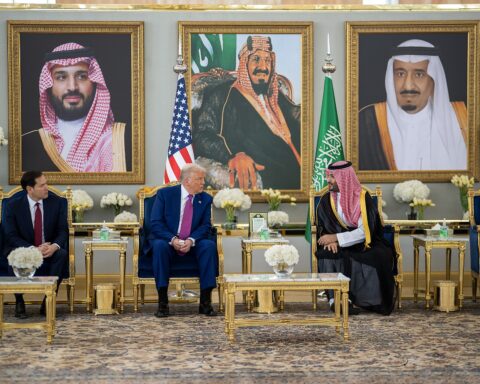
Saudi Arabia’s quad diplomacy at Antalya is operating in the gap between American disengagement and Iranian overture — a space that is widening. Trump’s cancellation of the Witkoff-Kushner Pakistan trip on April 25, after Araghchi departed Islamabad without meeting US officials, removed the last scheduled direct US engagement with the mediation track. The Situation Room meeting expected Monday will determine whether Washington moves to close that gap or widen it further. On April 28, as the quad diplomacy continued, all six GCC heads of state gathered in Jeddah for the first wartime summit of the bloc — institutionalising the regional position Faisal had been assembling call by call.
Background
The US-Iran war began on February 28, 2026, when US and Israeli forces struck Iranian nuclear and military facilities. Iran retaliated against Gulf infrastructure, including Saudi oil facilities, and the IRGC imposed de facto control over the Strait of Hormuz. A ceasefire brokered by Pakistan took effect on April 8 but expires on April 22 — it has been tacitly extended without formal renewal. The Islamabad direct talks between US and Iranian officials on April 11–12 lasted 21 hours over three rounds before collapsing on nuclear terms. Saudi Arabia was not in the room.
The US imposed a naval blockade on Iranian ports on April 13. Iran’s IRGC controls the Gulf of Oman exit from Hormuz. The result is what Bloomberg on April 26 termed a “double blockade” — vessels need approval from both sides to transit. Only 19 vessels transited on Saturday — approximately 3.8% of the pre-war daily baseline. The IRGC seized two vessels — the MSC Francesca (11,660 TEU) and the Epaminodas (6,690 TEU) — on April 22, the same day the ceasefire nominally expired.
Araghchi’s April 27 route — Muscat, then Islamabad (where he met Army Chief Munir, Prime Minister Sharif, and Foreign Minister Dar), then St. Petersburg to meet President Putin — loops Russia into the proposal architecture as a potential co-guarantor before Washington has responded. Moscow’s involvement echoes the Astana process model: Russia positions itself as an indispensable mediator while pursuing its own strategic interests in the Gulf energy market.
FAQ
Why was Saudi Arabia excluded from the Islamabad direct talks?
The Islamabad format was structured as a US-Iran bilateral channel with Pakistan as the sole mediator. Saudi Arabia’s exclusion was a condition of the format, not a Saudi choice. Pakistan, which has served as Iran’s protecting power in the United States since 1992 and simultaneously holds a Saudi defense cooperation agreement (the September 2025 SMDA), occupied both sides of the mediation. Saudi Arabia operates in the parallel “quad” format — with Pakistan, Turkey, and Egypt — which provides diplomatic coordination without direct participation in the US-Iran negotiating room.
What happens to oil prices if stage one succeeds and Hormuz reopens?
The IEA estimates 13 million bpd is currently offline across the Gulf. Reopening Hormuz would not immediately restore this volume — mine clearance alone would require an estimated 51 days based on the 1991 Kuwait benchmark, with only two Avenger-class minesweepers currently in theater (four were decommissioned from Bahrain in September 2025). A phased reopening could bring Brent down from current levels near $106–107 toward the $85–95 range over several months, but the timeline depends on whether the IRGC cooperates operationally, not just diplomatically. Saudi Arabia’s production could recover toward 9–10 million bpd once both Hormuz and damaged Eastern Province facilities are restored, but the Khurais field (300,000 bpd) remains offline with no announced repair timeline.
Has Araghchi’s “no consensus” admission been reported by Iranian state media?
No. PressTV and IRNA covered Araghchi’s April 27 diplomatic sprint extensively but did not report his statement to mediators that “there is no consensus inside the Iranian leadership about how to address the US demands.” This admission — sourced to Axios via people familiar with the diplomatic traffic — is consistent with the structural split between Iran’s civilian government and the IRGC-controlled security establishment that has been visible since Pezeshkian’s public accusation against Vahidi and Abdollahi on April 4.
What is the Antalya Diplomacy Forum?
The Antalya Diplomacy Forum is Turkey’s annual flagship diplomatic conference, hosted by the Turkish Foreign Ministry in the Mediterranean coastal city of Antalya. It brings together foreign ministers, heads of state, and international organization leaders. Turkey has used the forum as a venue for high-level sideline meetings since its launch in 2021. The April 2026 edition provided neutral ground for the Saudi-Pakistan-Egypt-Turkey quadrilateral — the third such meeting since the war began — without requiring a dedicated summit that would draw greater scrutiny.
Did Saudi Arabia coordinate with the US before the Antalya quad meeting?
There is no public reporting of a Saudi-US coordination call before the Antalya quadrilateral. The Qatar-Saudi call on April 26 — the day before — is the only confirmed pre-meeting coordination. Trump’s cancellation of the Witkoff-Kushner Pakistan trip on April 25 and the White House’s refusal to comment on the substance of Iran’s proposal (“the U.S. will not negotiate through the press”) suggest that Washington and Riyadh are operating on parallel but not synchronized tracks. The Situation Room meeting expected Monday may produce a US position that the quad format will then need to absorb. The full scope of Saudi Arabia’s multi-channel diplomatic signaling in the days surrounding this quad meeting — Cabinet communiqué, Iranian pilgrim dispatch, FM calls to four capitals, and the Antalya quadrilateral — is documented in Saudi Arabia’s Week of Structured Ambiguity. The April 27 extension of that pattern — Prince Faisal’s simultaneous calls to Iran, Bahrain, and Qatar — is examined in Prince Faisal’s Three Calls Built a Mediation Architecture Washington Won’t Offer Saudi Arabia.