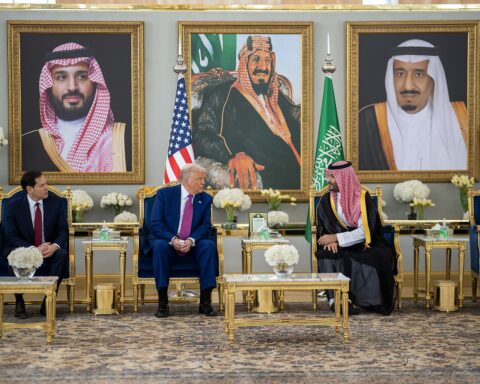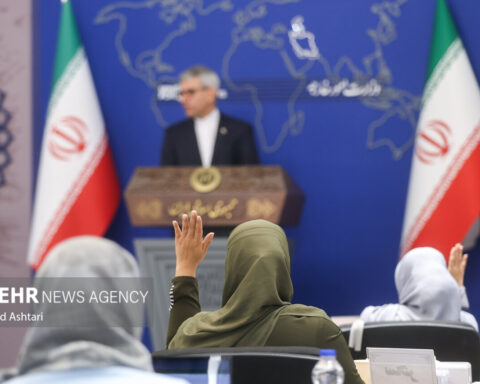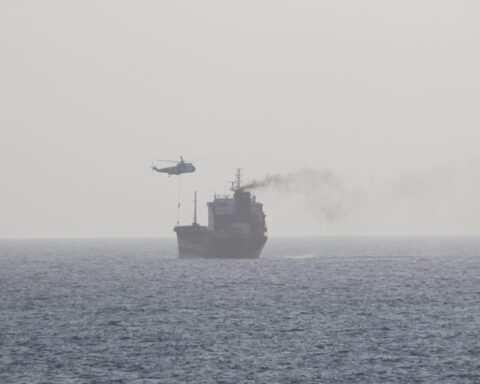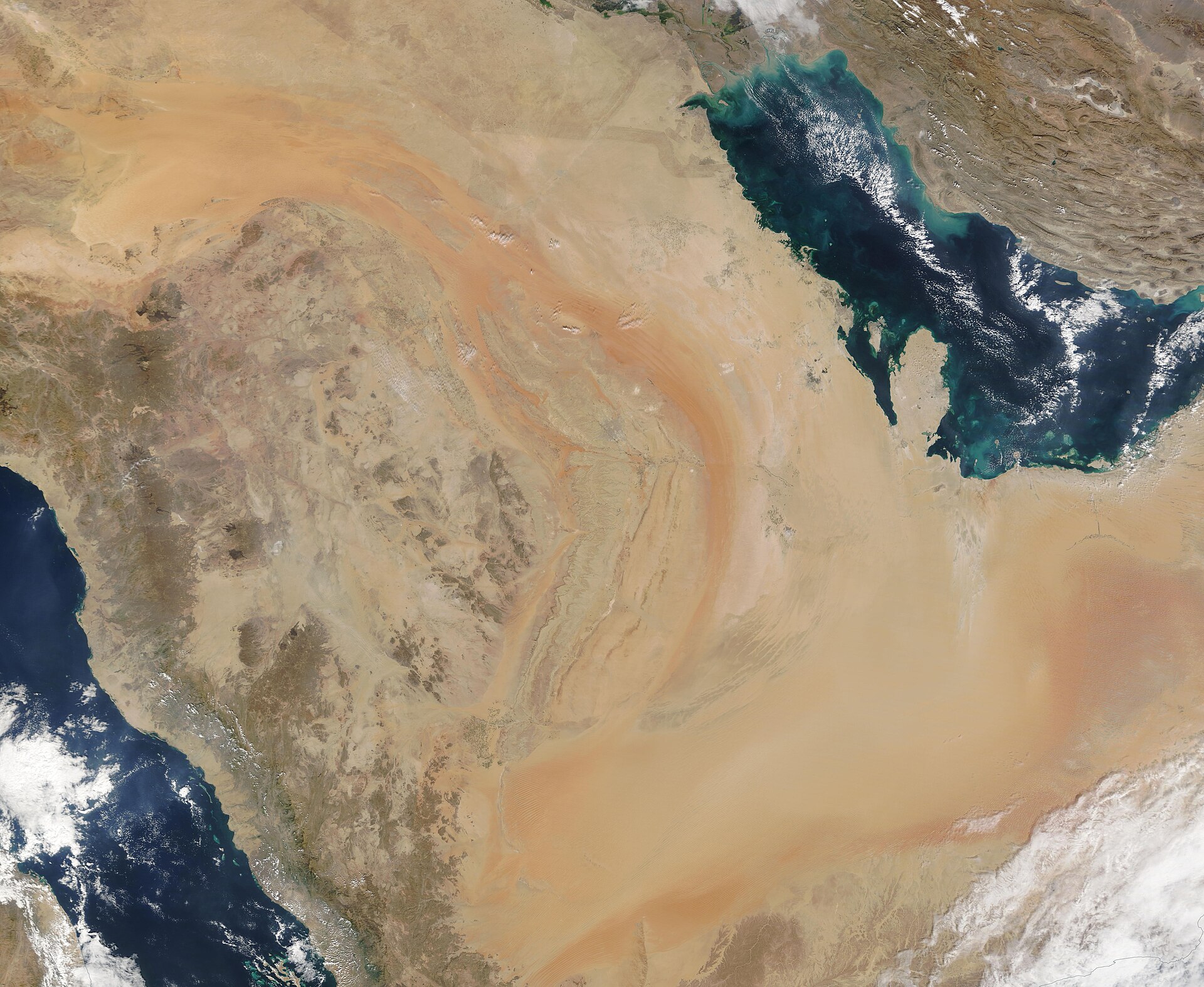

RIYADH — Saudi Arabia has no seat at the Iran ceasefire table, and that may be exactly how Mohammed bin Salman wants it. While the Islamabad talks collapsed and reconvened without a Saudi delegation, three structural dependency vectors — Pakistan’s $5 billion financial lifeline maturing in June 2026, a Lebanon ceasefire clause laundered through Western voices, and the US military’s operational reliance on Saudi basing — have given MBS a de facto veto over the framework’s trajectory without requiring his signature on any document.
The conventional reading, advanced by ACLED’s April 2026 Middle East overview, holds that Gulf monarchies “demonstrated little capacity to either restrain Trump or deter Iran.” That assessment counts chairs at the table and misses who built the table. Pakistan’s mediator credibility depends on Saudi money arriving before June. The Lebanon clause that nearly derailed the talks originated in a private MBS-Trump call, then surfaced through Keir Starmer’s mouth in Jeddah.
CENTCOM cannot sustain its Hormuz blockade without Saudi airspace and bases that Riyadh has already demonstrated it can restrict. This article maps the three dependency vectors, traces the evidence for each, and argues that MBS’s absence from the formal process is itself a form of power — one that shields him from Iranian counter-pressure while preserving maximum optionality as the April 22 ceasefire expiry approaches.
Table of Contents
- The $5 Billion Clock: Pakistan’s Financial Dependency
- How Does the SMDA Turn Money Into Military Leverage?
- The Lebanon Clause: Attribution Laundering in Real Time
- Why Wasn’t Saudi Arabia a Signatory to Its Own Demand?
- CENTCOM’s Saudi Problem: The Base That Bites Back
- Does the $142 Billion Arms Deal Give Saudi Arabia or the US More Leverage?
- The Antalya Quad: Saudi Arabia’s Parallel Negotiating Track
- What Iran’s Silence Tells Us
- Three Scenarios for April 22
- FAQ
The $5 Billion Clock: Pakistan’s Financial Dependency
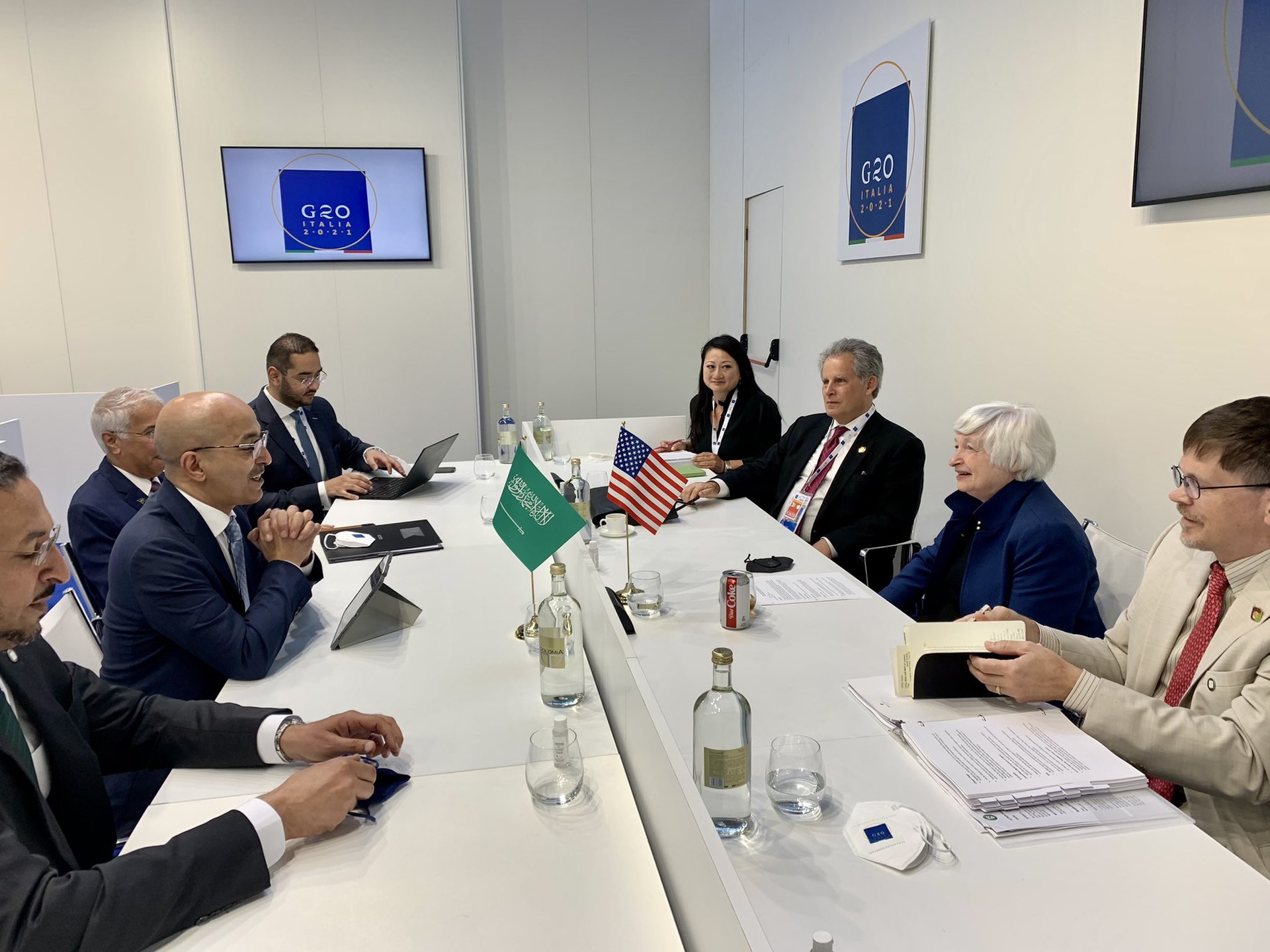
Pakistan’s role as ceasefire mediator rests on a specific claim: that Islamabad maintains credibility with both Washington and Tehran because it hosts no US bases and has no diplomatic ties with Israel. Azeema Cheema of Verso Consulting, Islamabad, characterized the Saudi-Pakistan dynamic precisely when she told Al Jazeera on April 14 that Pakistan’s deployment to Saudi Arabia represented “the price of the significant restraint shown by the Saudis.” That framing contains an embedded admission — the restraint is transactional, and the price has a due date.
The due date is June 2026. Bloomberg confirmed on April 15 that Saudi Arabia committed $3 billion to Pakistan as part of a combined $5 billion Saudi-Qatari package covering $4.8 billion in external obligations, according to Business Recorder and Middle East Monitor reporting from April 11-12. The Strategic Military and Defence Agreement signed by MBS and Prime Minister Sharif on September 17, 2025, was never presented to Pakistan’s parliament, according to leaked documents published by Drop Site News. The money flows through sovereign channels that bypass elected oversight entirely.
Saudi Finance Minister Mohammed bin Abdullah Al-Jadaan traveled to Islamabad during the ceasefire talks themselves — arriving April 14, the same week Araghchi and Vance were in the room — to “personally emphasize Saudi Arabia’s financial support’s role in stabilizing Pakistan’s economy,” Al Jazeera reported. The diplomatic language barely conceals the operational reality: Al-Jadaan’s visit was a reminder, delivered in person, that Pakistan’s dual role as Iran’s nuclear guarantor and Saudi Arabia’s military contractor runs on Saudi cash, and the cash runs out in weeks.
The Middle East briefing 3,000+ readers start their day with.
One email. Every weekday morning. Free.
The structural constraint is not that Saudi Arabia would cut Pakistan off — the threat need never be spoken. The constraint is that Pakistan cannot afford to produce an outcome MBS opposes while simultaneously needing MBS to release funds that keep the Pakistani state solvent. An anonymous former three-star Pakistani general captured the tightrope in remarks to Al Jazeera on April 14: “Pakistan can hold both roles only if [any military] deployment remains strictly defensive, time-bound, and transparently limited. The moment the theatre shifts to offensive operations, or the perception of offensive coordination emerges, the dual role collapses.”
How Does the SMDA Turn Money Into Military Leverage?
The SMDA’s military dimension moved from paper to tarmac on April 11, 2026, when Al Jazeera reported Pakistan deployed approximately 13,000 ground troops and at least 10-18 fighter jets — JF-17 Block III, J-10CE, and F-16C aircraft — to King Abdulaziz Air Base in Saudi Arabia’s Eastern Province. The deployment occurred the same day the Islamabad US-Iran talks collapsed, a timing coincidence that required no explanation.
Retired Saudi Brigadier Faisal Alhamad framed the deployment to Al Jazeera as “a deterrence step more than preparation for attack.” That language is carefully chosen. Deterrence, in this context, means Pakistan’s military presence in the Eastern Province — the region most exposed to Iranian missile strikes, where Ras Tanura and Khurais sit within range of IRGC ballistic systems — serves as a tripwire. Any Iranian escalation that kills Pakistani troops in Saudi Arabia activates a nuclear-armed state’s self-defense calculus, a threshold Iran has every reason to avoid crossing.
The nuclear dimension is not subtext. Pakistan explicitly stated its nuclear program is “available to Saudi Arabia” under the SMDA framework, according to reporting by the Times of Israel, Newsweek, and RUSI. The Washington Institute and CSIS Nuclear Network have documented the Saudi-Pakistan nuclear relationship in terms of a “rich uncle, poor nephew” pattern stretching back decades.
In 1999, Saudi Defense Minister Prince Sultan visited Pakistan’s Kahuta uranium enrichment plant — just one year after Pakistan’s nuclear test — establishing a precedent for financial inducements translating into unprecedented access to nuclear infrastructure.
Sina Azodi of George Washington University offered a counterintuitive reading to Al Jazeera, suggesting the Saudi-Pakistan partnership “targets Israel more than Iran” in its deterrent framing. If accurate, the SMDA’s deployment creates a secondary effect: it signals to Israel that Saudi Arabia possesses a nuclear-adjacent deterrent independent of the US umbrella, complicating Israeli calculations about unilateral strikes on Iranian nuclear facilities that might draw Saudi territory into the blast radius of Iranian retaliation. The Carnegie Endowment’s April 2026 assessment that the ceasefire “hardened Israeli strategic calculations about the necessity of finishing the job” takes on different weight when Pakistan’s nuclear umbrella is factored in.
Pakistan’s 27th Constitutional Amendment, passed in December 2025, gave Field Marshal Munir unified command and constitutional authority over foreign and security policy, according to The National’s April 16 reporting. Munir received the King Abdulaziz Medal of the First Class during a Riyadh visit in December 2025 — Saudi Arabia’s highest military honor for a foreign officer. The medal ceremony happened three months before Munir would become the operational commander of the quad diplomatic architecture that now shapes the ceasefire process. MBS decorated the man who would later decide whether Pakistan’s military deploys offensively or defensively in Saudi territory. The sequence speaks for itself.
The Lebanon Clause: Attribution Laundering in Real Time
The most elegant exercise of Saudi indirect power is visible in the Lebanon ceasefire clause — the provision that nearly killed the Islamabad framework and that Iran resisted most aggressively. Tracing the clause’s origin reveals a textbook case of attribution laundering: Saudi Arabia’s core demand, voiced through allied mouths, arriving at the negotiating table without Saudi fingerprints.
Middle East Eye, citing Western and Arab officials, reported that MBS told Trump in a private call that a Lebanon ceasefire was “essential for advancing negotiations with Iran” and necessary for reopening the Strait of Hormuz. News24online.com and Middle East Eye described Saudi lobbying of Trump as “vital” in achieving the April 16 ten-day Israel-Lebanon ceasefire announcement. The demand originated in Riyadh. It arrived in Washington dressed as American policy.
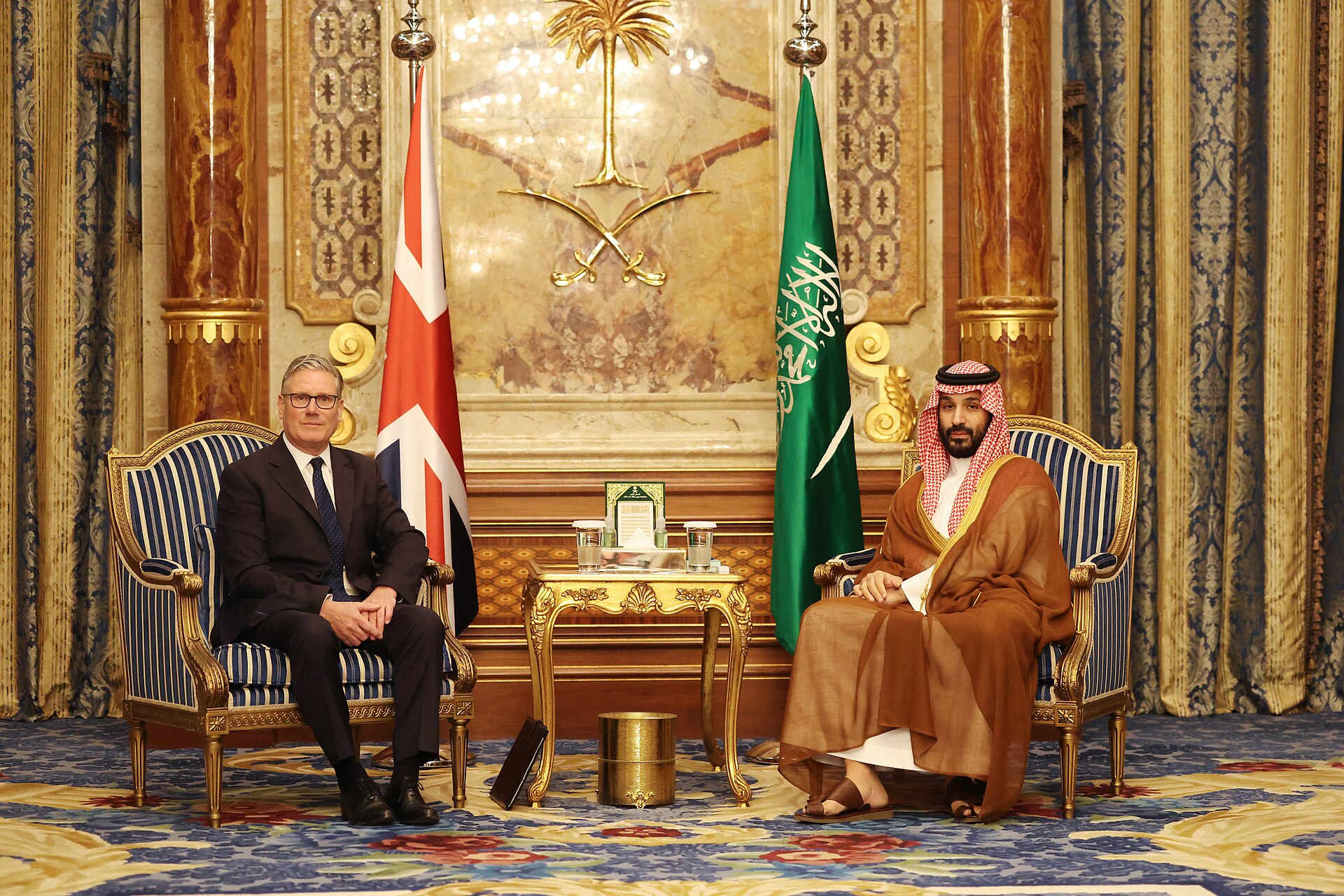
The second vector was Starmer. On April 8, the British Prime Minister sat with MBS in Jeddah and called Israeli Lebanon strikes “wrong” — handing Saudi Arabia a Western-voiced demand without Riyadh having to say a word publicly. France’s Macron called both Trump and Iranian President Pezeshkian in the same period. The Cooper Mansion House statement was explicit: “Lebanon must be included…Hormuz must be fully reopened…no place for tolls.” When the 20-plus Western leaders’ joint statement emerged demanding Lebanon’s inclusion in the ceasefire framework, Saudi Arabia was conspicuously absent from the signatory list.
That absence is the tell. Saudi Arabia wanted the Lebanon clause. Saudi Arabia lobbied for the Lebanon clause. Saudi Arabia got the Lebanon clause attributed to the UK, France, and a coalition of Western states — none of whom have Saudi Arabia’s direct strategic exposure to Iranian retaliation. If the Lebanon clause collapses the ceasefire, Tehran’s fury lands on London and Paris. If the Lebanon clause succeeds, MBS gets his strategic buffer on Israel’s northern border without having signed anything Iran can point to.
The technique has precedent. Saudi Arabia’s approach to Lebanon diplomacy has followed attribution-laundering patterns since the Taif Agreement of 1989, when Riyadh orchestrated the framework that ended the Lebanese civil war while formally presenting it as a multilateral Arab initiative. The difference in April 2026 is speed and precision: the gap between MBS’s private call to Trump and the public Western statement was days, not months.
Why Wasn’t Saudi Arabia a Signatory to Its Own Demand?
The strategic logic of Saudi non-attribution runs deeper than diplomatic cover. A named Saudi demand on Lebanon creates three problems MBS avoids by staying invisible. First, it gives Iran a named target for counter-pressure — every Iranian statement about “Saudi interference” strengthens hardline IRGC voices who argue the ceasefire is a Saudi-American conspiracy. Second, it makes Saudi Arabia a party to the Lebanon file, exposing Riyadh to the same Hezbollah escalation dynamics that have historically punished states that intervene openly in Lebanese affairs. Third, it subjects MBS to the failure costs: if the Lebanon clause kills the ceasefire, the attributed architect bears political responsibility.
By routing the demand through Starmer and Macron, MBS achieves all three objectives without any of the three costs. The UK and France absorb Iranian rhetoric. The Lebanon clause appears as a Western human rights concern rather than a Saudi strategic play. And if the clause fails — as it may, given that Israel’s “yellow line” on Lebanon inclusion remains unresolved — the failure belongs to the Western coalition, not to Riyadh. Kaitlyn Hashem of the Stimson Center noted that any initiative is “undermined by its own political limitations vis-à-vis both Iran and the United States” — a constraint MBS has converted into a design principle: not to avoid influence, but to avoid attribution.
CENTCOM’s Saudi Problem: The Base That Bites Back
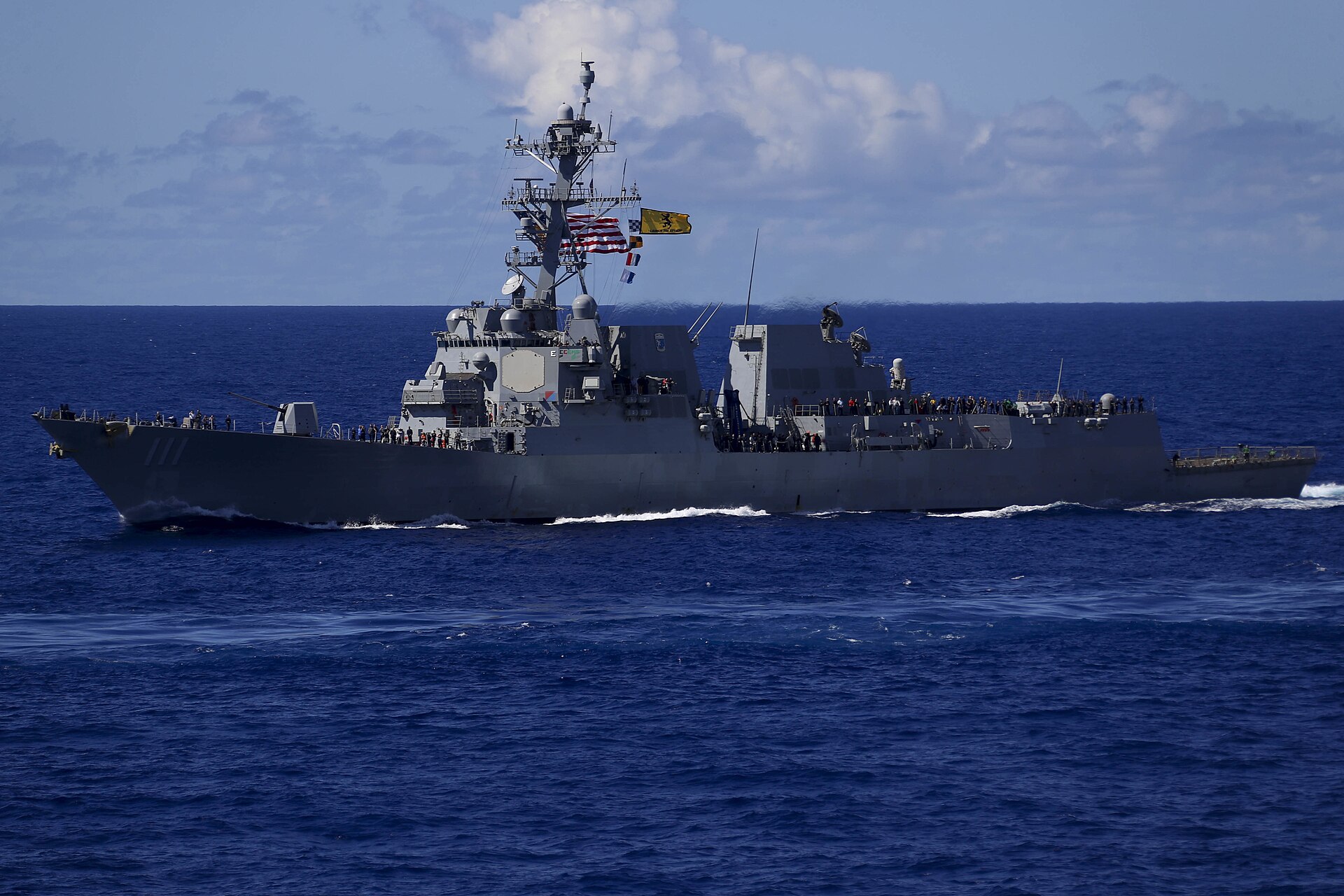
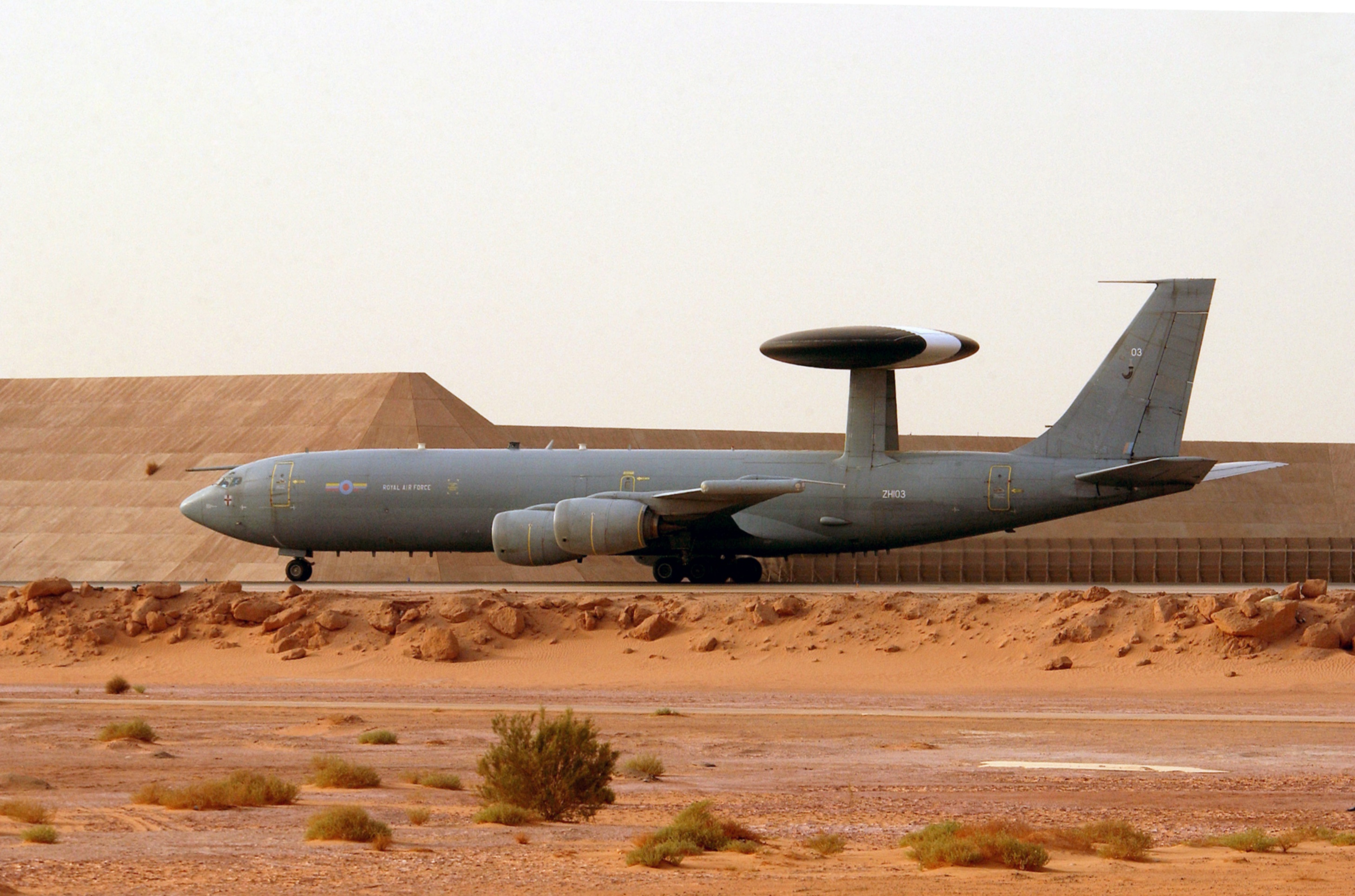
The third dependency vector operates in reverse: instead of Saudi Arabia depending on the United States, the US military depends on Saudi Arabia for the operational infrastructure that makes the Iran campaign possible. Approximately 40,000 US troops deployed across the Middle East at peak conflict, with Saudi Arabia one of five main host countries. Pakistan’s 13,000 troops at King Abdulaziz Air Base operate alongside American forces whose presence requires ongoing Saudi consent.
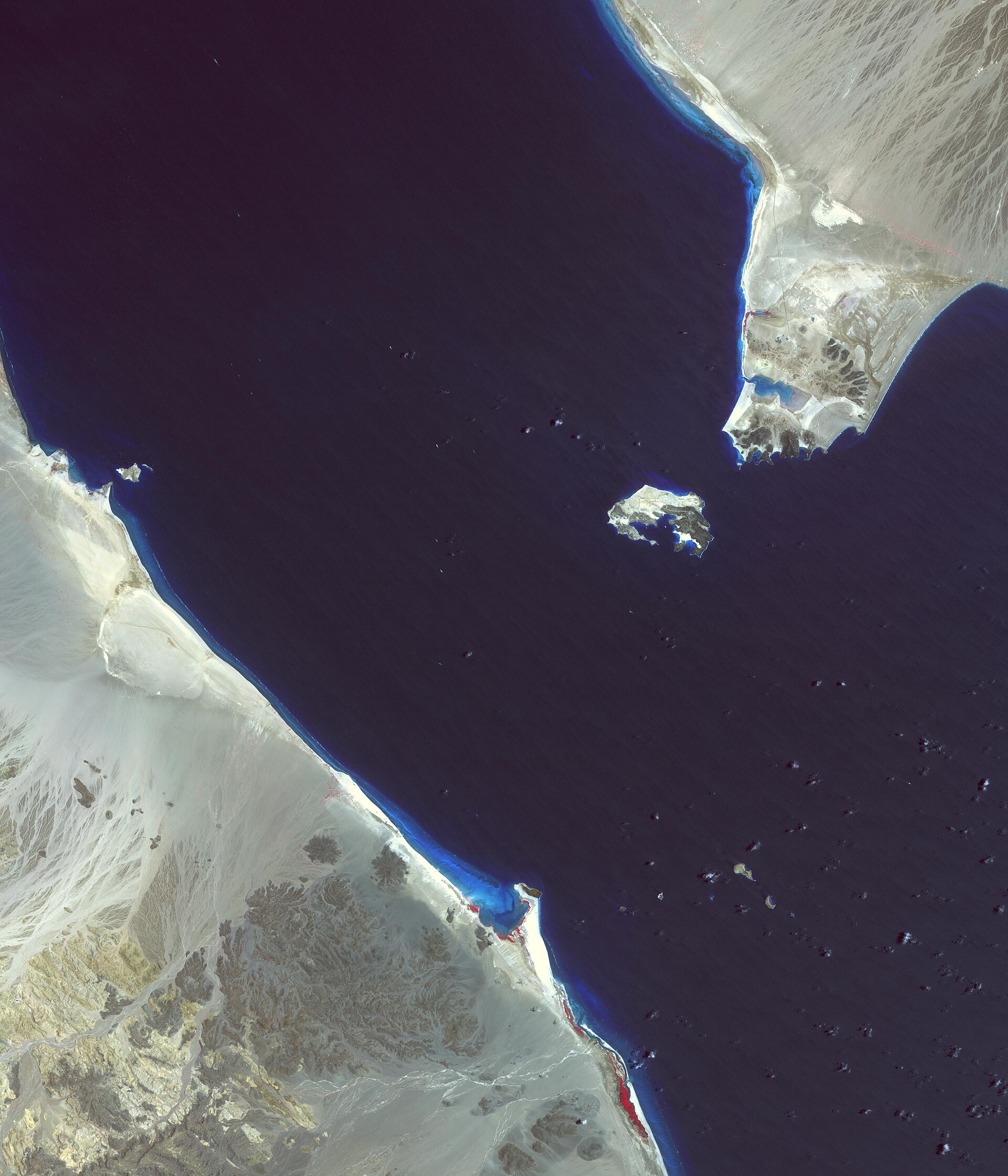
Saudi Arabia has already demonstrated willingness to restrict that consent. Fox News and multiple outlets reported that Riyadh refused to allow US use of Saudi airspace or bases for strikes on Iran — a constraint that forced CENTCOM to route operations through less optimal corridors and rely more heavily on carrier-based aviation and forward-deployed ground attack aircraft over Hormuz. The Wall Street Journal reported separately that Saudi Arabia pressed the United States to drop its Hormuz naval blockade, warning the move risked Houthi activation of Bab al-Mandeb — a second chokepoint Saudi Arabia does not control but can invoke as a threat multiplier.
The airspace restriction is the clearest evidence of Saudi veto power over US military operations. CENTCOM cannot conduct a sustained air campaign against Iran from Saudi bases without Saudi permission. Saudi Arabia granted basing rights for defensive operations — PAC-3 batteries, fighter patrols, ISR platforms — but drew a line at offensive strikes. That line gives MBS a throttle on American military tempo that no other regional partner possesses.
Qatar’s Al Udeid hosts CENTCOM’s forward headquarters, but Al Udeid sits within IRGC missile range and lacks the depth that Saudi bases provide. Bahrain’s NSA facility had SATCOM terminals destroyed on February 28. The geographic math keeps returning to Saudi Arabia.
The contradiction of Saudi Arabia asking the US to lift the blockade it effectively requested makes sense only through the lens of ongoing pressure management. Saudi Arabia wanted the blockade to pressure Iran. Saudi Arabia wants the blockade lifted before it provokes the Houthi escalation that would close Bab al-Mandeb and trap Saudi westbound exports through the Yanbu pipeline. The ability to demand both the blockade and its removal — and to be taken seriously on both — is the definition of structural power.
Does the $142 Billion Arms Deal Give Saudi Arabia or the US More Leverage?
The May 2025 US-Saudi arms agreement — $142 billion, the largest single-country arms deal in US history, according to Breaking Defense — is conventionally read as American power over Saudi Arabia. The customer depends on the supplier. But arms deals of this magnitude create reverse dependencies that are rarely discussed.
The $142 billion package includes F-35 commitments, approximately 300 Abrams tanks, and PAC-3 MSE missiles. Trump simultaneously designated Saudi Arabia as a “major non-NATO ally” under the strategic defense agreement. These commitments lock American defense contractors — Lockheed Martin, Raytheon, General Dynamics — into multi-decade production schedules calibrated to Saudi orders. Cancellation or suspension of the deal would ripple through congressional districts in Texas, Connecticut, and Virginia where these systems are manufactured. The dependency runs in both directions, and the domestic political cost of cutting Saudi arms sales is a factor MBS can calculate as precisely as any diplomat.
The PAC-3 stockpile illustrates the operational dimension. Saudi Arabia’s remaining inventory of approximately 400 PAC-3 rounds represents roughly 14 percent of pre-war stocks. Replenishment depends on US production capacity and political willingness to prioritize Saudi resupply over other customers, including Taiwan and NATO allies. Every interceptor Saudi Arabia fires at an Iranian ballistic missile deepens the dependency: Riyadh needs American missiles to defend American bases on Saudi soil. The circularity gives MBS a standing argument that US security and Saudi security are operationally indistinguishable — an argument that translates directly into political weight when Washington considers whether to accommodate Saudi preferences on the ceasefire framework.
Umer Karim of the King Faisal Centre for Research and Islamic Studies in Riyadh identified the fragility embedded in this arrangement when he warned Al Jazeera that “this strategy may collapse” if hostilities restart, forcing fuller Pakistani military involvement. The same logic applies to the US-Saudi arms relationship: the strategy works precisely because it operates in a grey zone between war and peace. Full-scale war would force choices — on basing, on arms transfers, on nuclear guarantees — that the current ambiguity allows both sides to defer.
The Antalya Quad: Saudi Arabia’s Parallel Negotiating Track
While the formal ceasefire talks unfolded in Islamabad without a Saudi chair, Saudi FM Faisal bin Farhan participated in the third Antalya Diplomacy Forum quadrilateral meeting on April 17, alongside the foreign ministers of Pakistan, Egypt, and Turkey, as reported by Asharq Al-Awsat and Pakistan Today. The quad format — four states, none of which are direct parties to the Iran conflict, all of which hold distinct influence over different elements of the framework — functions as Saudi Arabia’s alternative negotiating architecture.
The quad that survives the ceasefire is designed to outlast the crisis that created it. Egypt controls the Suez Canal, Turkey hosts NATO’s southeastern flank and maintains diplomatic relations with Iran, Pakistan provides the mediator role and military deployment, and Saudi Arabia funds the operation. The quad meeting occurred the same day as the Antalya forum — a multilateral diplomatic setting that provides additional cover for bilateral conversations that would attract scrutiny in isolation.
The behavioral evidence of Saudi Arabia’s parallel track extends beyond the quad. Saudi FM Faisal called Iranian FM Araghchi on April 13 — the day the US blockade took effect — according to multiple reports. The call happened while Saudi Arabia was formally excluded from the Islamabad bilateral talks. It happened on a day when contacting Araghchi signaled that Riyadh maintained its own channel to Tehran regardless of what Washington or Islamabad were doing. The call’s content remains unreported, but its timing constitutes a data point: Saudi Arabia does not need a seat at the Islamabad table because it has a direct line to every party sitting at it.
Kushner’s return to Islamabad with $6 billion in Gulf money further illustrates how Saudi financial influence flows through intermediaries. The Gulf funding package arrived through channels that keep Saudi Arabia one step removed from the formal negotiation while ensuring the money shapes the outcome. Every dollar of Gulf money that sustains the ceasefire process reinforces the structural dependency that gives MBS his invisible veto.
What Iran’s Silence Tells Us
The most revealing evidence for Saudi Arabia’s indirect power architecture is what Iran has not said. Iranian media and officials have not publicly named Saudi Arabia as the architect of the Lebanon clause or the primary driver behind Pakistan’s mediator role. This silence is strategic, not accidental.
Publicly elevating Saudi Arabia’s behind-the-scenes role would strengthen Riyadh’s hand in three ways. It would confirm that MBS has successfully built an influence architecture that operates without formal participation — a capability other states would study and emulate. It would force Iran to explain why it cannot counter Saudi influence despite Saudi Arabia’s absence from the talks, exposing the limits of Iranian diplomatic reach. And it would give Saudi Arabia credit for the framework’s most effective pressure points, enhancing MBS’s reputation as a strategic operator precisely when he benefits most from appearing uninvolved.
Iran’s strategic interest lies in pretending Saudi Arabia is irrelevant to the talks. ACLED’s assessment that Gulf monarchies showed “little capacity to either restrain Trump or deter Iran” serves Iranian narrative interests perfectly — it diminishes Saudi influence in the public record while Saudi influence operates unchecked in the private one.
The Carnegie Endowment’s observation that the ceasefire “resolved no underlying disputes” is accurate on its face but misses the structural question: whose interests does an unresolved framework serve? A permanent state of managed tension — no war, no peace, Hormuz restricted but not closed — preserves Saudi Arabia’s role as indispensable energy supplier, indispensable American ally, and indispensable Pakistani patron simultaneously.
There are unconfirmed reports, referenced by Carnegie and ACLED, suggesting Saudi Arabia has been paying Houthi forces “considerable sums” as a reason the armed group has largely stayed out of the Hormuz conflict. If accurate, this represents a fourth dependency vector: Saudi Arabia paying not to be attacked through Bab al-Mandeb while simultaneously warning Washington that the blockade risks Houthi activation of that same chokepoint. The ability to invoke a threat you are simultaneously paying to suppress is a form of pressure that operates entirely outside formal diplomatic channels.
Three Scenarios for April 22
The ceasefire expires on April 22 with no extension mechanism, as the Soufan Center has documented. Indonesia’s 221,000 Hajj pilgrims begin departing on April 22 — the same date — and Pakistan’s 119,000 pilgrims arrive April 18. The convergence of ceasefire expiry and Hajj logistics creates a window in which MBS’s indirect veto architecture faces its most severe test.
In the first scenario, the ceasefire extends informally — not through a signed document but through mutual exhaustion and backchannel assurances. Saudi Arabia’s role in this scenario is to keep the financial pressure on Pakistan (ensuring Islamabad pushes for extension), maintain the Lebanon clause through Western allies (ensuring the framework remains maximally useful to Riyadh), and continue restricting US basing rights (ensuring Washington cannot escalate beyond the level MBS considers optimal). This scenario preserves the current architecture indefinitely. The obstacle is Iran’s SNSC, which rejected round 2 participation within hours of the TOUSKA seizure — with IRNA explicitly characterizing the US delegation’s arrival as a “media game,” a framing analyzed in detail in Iran framing US diplomacy as a “media game” as Vance, Witkoff, and Kushner flew toward an empty table 48 hours before the deadline.
In the second scenario, the ceasefire collapses and hostilities resume. The grey-zone architecture that makes Saudi indirect power functional collapses with it: Pakistan’s 13,000 troops in the Eastern Province shift from tripwire to target. The $142 billion arms deal becomes an emergency resupply pipeline rather than a long-term strategic partnership. Saudi Arabia’s indirect veto converts into a direct operational requirement: Riyadh must decide whether to open its airspace for US strikes, a binary choice that destroys the ambiguity MBS has cultivated. This scenario is the one MBS’s entire architecture is designed to prevent.
In the third scenario — the one that the signing ceremony MBS cannot attend prefigured — the ceasefire evolves into a permanent managed framework that requires Saudi funding, Saudi basing, and Saudi diplomatic cover to sustain, but never requires Saudi signature. Pakistan remains the named mediator. The Western coalition remains the named advocate for Lebanon inclusion. The United States remains the named military enforcer. Saudi Arabia remains the unnamed architect, funding the table it does not sit at, controlling the outcome it does not sign, and vetoing the options it never publicly discusses. That is not exclusion. That is the most expensive seat in the room — and MBS has already paid for it.
| Dependency Vector | Saudi Instrument | Target State | Constraint Mechanism | Expiry Pressure |
|---|---|---|---|---|
| Financial | $5B Saudi-Qatari package ($3B Saudi tranche) | Pakistan | June 2026 loan maturity; Al-Jadaan in-person visit during talks | Weeks |
| Diplomatic | Lebanon clause via MBS-Trump call + Starmer/Macron voicing | US / UK / France | Attribution laundering — Saudi demand, Western signature | Ongoing |
| Military | Airspace/basing restrictions on CENTCOM offensive ops | United States | Throttle on US military tempo; Bab al-Mandeb Houthi warning | Per-operation |
| Nuclear (latent) | SMDA nuclear availability clause + 13,000 troops as tripwire | Iran / Israel | Escalation threshold raised by nuclear-armed state presence | Indefinite |
FAQ
Has Saudi Arabia ever used attribution laundering in previous conflicts?
The Taif Agreement of 1989, which ended Lebanon’s civil war, was orchestrated primarily by Saudi Arabia but presented as a multilateral Arab League initiative. Saudi Arabia hosted the negotiations in Taif and funded the post-war reconstruction but ensured the agreement bore the signatures of Lebanese parliamentarians and the endorsement of the Arab League rather than a Saudi bilateral stamp. The 2007 Makkah Agreement between Fatah and Hamas followed a similar pattern — Saudi-hosted, Saudi-funded, but presented as a Palestinian reconciliation rather than a Saudi intervention. In both cases, the pattern matches April 2026: Saudi objectives delivered through non-Saudi attribution.
Could Pakistan realistically refuse Saudi pressure on the ceasefire framework?
Pakistan’s external debt obligations in the June 2026 quarter total approximately $4.8 billion, nearly matching the entire Saudi-Qatari $5 billion package. Without the Saudi tranche, Pakistan would need to secure emergency IMF bridge financing or draw down foreign exchange reserves that stood at $13.1 billion as of March 2026 — enough for roughly 2.5 months of imports. The 27th Constitutional Amendment concentrates foreign policy authority in Field Marshal Munir, who received Saudi Arabia’s highest military honor in December 2025. The institutional, financial, and personal incentives all point in the same direction: Pakistan can shape the ceasefire’s details but cannot produce an outcome that threatens Saudi core interests.
What happens to the Saudi indirect veto if Trump loses interest in the Iran file?
The three dependency vectors are structurally independent of Trump’s personal attention. Pakistan’s $5 billion loan maturity exists regardless of White House focus. The Lebanon clause, once embedded in the Western coalition statement, persists as a diplomatic reference point even if Trump pivots to domestic issues. CENTCOM’s basing dependency reflects geographic and logistical realities that no presidential tweet can alter. A Trump pivot might reduce US pressure on Iran, which could paradoxically strengthen MBS’s position: a lower-intensity conflict is precisely the managed tension scenario in which Saudi indirect influence operates most effectively.
Why hasn’t Iran tried to expose Saudi Arabia’s behind-the-scenes role publicly?
Iranian strategic doctrine under Khamenei’s framework treats Saudi Arabia as a secondary adversary — a US client state rather than an independent strategic actor. Publicly acknowledging that MBS has built an influence architecture capable of shaping the ceasefire without direct participation would contradict four decades of Iranian propaganda that dismisses Saudi Arabia as a passive American dependency. The IRGC’s institutional narrative requires Saudi Arabia to be weak; admitting Saudi strength would undermine the ideological foundation for the IRGC’s own regional posture and weaken the case for continued military spending that sustains the IRGC’s domestic political power.
Is the rumored Saudi payment to Houthi forces verified?
Neither Carnegie nor ACLED, which referenced the reports in their April 2026 analyses, characterized the Houthi payments as confirmed. The reports describe “considerable sums” without specifying amounts, channels, or timelines. Saudi Arabia and the Houthis fought a direct war from 2015 to 2023, and the March 2023 Saudi-Houthi ceasefire involved financial commitments to Yemeni reconstruction that could be recharacterized as payments depending on the framing. What is documented is the outcome: Houthi forces have largely refrained from activating Bab al-Mandeb against Saudi-bound shipping during the Iran crisis, despite their demonstrated capability to do so during the 2024 Red Sea campaign. The restraint is observable; the mechanism remains unverified.