RIYADH — The Public Investment Fund’s board, chaired by Crown Prince Mohammed bin Salman, approved a 2026-2030 strategy on April 15 that commits 80 percent of deployable capital to domestic investment — and the most important thing about it is what it is not. It is not a retreat from international markets forced by fiscal distress, though the distress is real and severe. It is an attempt to use a war that has cut Saudi oil production by 30 percent and blown a $80-90 billion hole in the national budget as the political accelerant for a domestic industrial transformation that eight years of peacetime Vision 2030 rhetoric could never deliver. Whether that makes MBS an opportunist of rare quality or a man mistaking the acceleration of collapse for the acceleration of reform depends entirely on a capital-sourcing problem that no one in Riyadh wants to discuss in public.
This article is not a repetition of the case that Vision 2030 was structurally failing before the war began — that case is strong and has been made. The question here is different: can MBS convert wartime political capital into the kind of industrial base that peacetime couldn’t build, and at what cost?
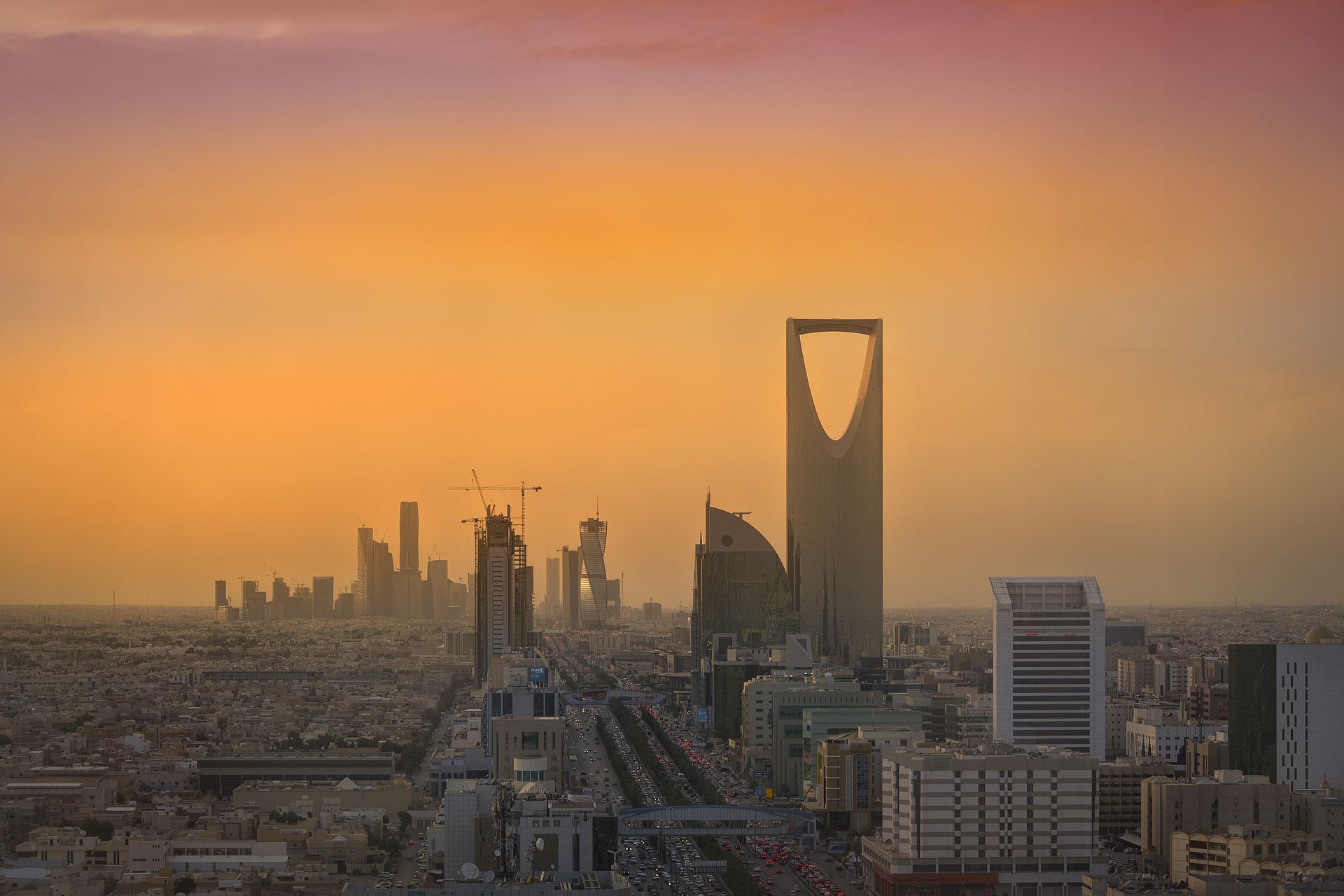
Table of Contents
- The Baseline Everyone Gets Wrong
- What Did the 80/20 Strategy Actually Change?
- The Three Gifts War Gave MBS
- How Fast Is Saudi Defense Localization Actually Moving?
- The Capital Hole No One Will Name
- Why Is PIF Breaking Every Rule of Sovereign Wealth Management?
- The Line Confession and the Oxagon Pivot
- The Both/And Verdict
- FAQ
The Baseline Everyone Gets Wrong
PIF’s 80/20 domestic-international split has been reported across Gulf business media as a dramatic wartime reversal — the sovereign wealth fund pulling back from global markets to hunker down at home. The framing is wrong because the baseline is wrong. PIF’s actual international allocation as of mid-2023 stood at approximately 22 percent of assets under management, according to analysis by the Arab Gulf States Institute in Washington, not the 60-65 percent international figure that has circulated in some coverage. The new 80/20 target is a tightening of an already domestically heavy portfolio by roughly two percentage points on paper, which means the real story was never about the ratio. It was about where the domestic 80 percent would be directed, and under what political conditions the redirection would happen.
The fund’s assets under management reached $925 billion by the April 15 announcement, a figure that demands immediate context. PIF’s AUM grew by approximately $150 billion during 2024, reaching $913 billion by year-end, but the Arab Gulf States Institute documented that this growth came almost entirely from the Saudi government’s transfer of an additional 8 percent Aramco equity stake — roughly $140 billion in paper value — rather than from investment returns. Actual returns for 2024 were, in AGSI’s assessment, “close to zero,” with the fund’s average annual return falling from 8.7 percent at end-2023 to 7.2 percent at end-2024. Strip the Aramco transfer and PIF’s investment performance in its final pre-war year was essentially flat.
This distinction matters because MBS is now asking a fund with near-zero organic growth and $15 billion in cash reserves to serve as the primary engine of a wartime domestic industrial transformation — an ambition that is entirely genuine and a capital base that is an entirely different question.
What Did the 80/20 Strategy Actually Change?
The 2026-2030 strategy organises PIF’s domestic deployment around six ecosystems: Tourism, Travel, and Entertainment; Urban Development and Livability; Advanced Manufacturing and Innovation; Industrials and Logistics; Clean Energy, Water, and Renewables; and NEOM. The answer to what actually changed is not the allocation ratio but the priority ordering within these categories and the political permission structure governing how money moves between them.
The Middle East briefing 3,000+ readers start their day with.
One email. Every weekday morning. Free.
Before the war, PIF’s domestic spending was dominated by giga-projects — NEOM, The Red Sea, Qiddiya, Diriyah Gate — that functioned as prestige infrastructure with long payback horizons and limited employment generation outside the construction sector. The Carnegie Endowment for International Peace warned in March 2025 that these “big bets” risked becoming “white-elephant infrastructural projects generating few jobs or revenue streams” that primarily benefited contractors and consultants. Education spending across Saudi Arabia had increased by a mere 1 percent between 2016 and 2023, while spending on “general items” — the budget line that captures giga-project capital — more than doubled over the same period.
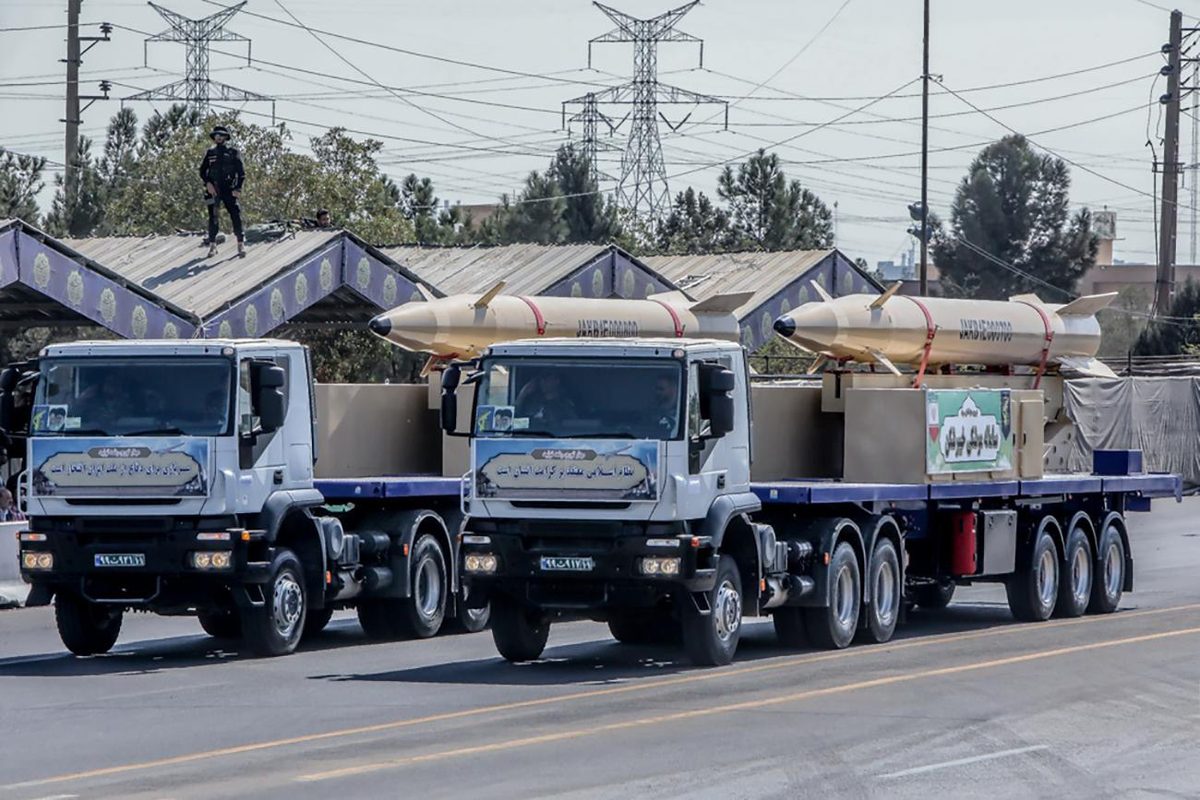
The war changed the permission structure. Advanced Manufacturing and Innovation — a category that in peacetime meant electric vehicle assembly plants and semiconductor memoranda of understanding — now absorbs defense-industrial investment that carries national-security justification. Industrials and Logistics now includes the munitions supply chains that Saudi Arabia discovered, fifty-one days into a war, it could not sustain domestically. The six ecosystems did not change; the political urgency and bureaucratic resistance attached to each one did.
The Three Gifts War Gave MBS
The argument that MBS is using the Iran war as an accelerant for structural transformation rests on three specific mechanisms that peacetime could not provide, each of which deserves scrutiny rather than admiration. The first of these is the national-security bypass that wartime provides for budget prioritisation. Vision 2030’s key performance indicators — 57 percent on track, 26 percent behind-but-progressing, 17 percent at risk as of the most recent annual report — created a bureaucratic accountability framework that MBS himself had designed but that had become a constraint on capital reallocation. Moving billions from a tourism giga-project to a munitions factory requires, in peacetime, an explanation of why the tourism KPI will be missed — in wartime, it requires nothing, and defense-industrial spending carries its own justification, and nobody in Riyadh’s consultancy ecosystem is going to publish a report questioning whether Saudi Arabian Military Industries needs more capital when Patriot interceptors are being expended at rates that leave roughly 400 rounds — enough for perhaps three more weeks of the pace sustained through March and early April. The KPI framework still exists on paper. In practice, the war has made it irrelevant for the spending categories that matter most.
The second gift is the death of the international speculative portfolio as a politically viable allocation. PIF’s international investments were already performing badly: SoftBank’s Vision Fund 2 had lost $22.2 billion since launch, a fact that SoftBank CEO Masayoshi Son acknowledged with unusual candour at the FII Priority conference in Miami in February 2025, telling the audience, “I haven’t still given him enough return. I still owe him.” The US equities portfolio had declined by $8.5 billion during 2024 and fallen further to $12.9 billion by end-December 2025, with capital being actively redeployed. LIV Golf had absorbed more than $5 billion since 2022 with cumulative losses exceeding $1.1 billion, and Sportico reported on the same day as the 80/20 announcement that PIF was “considering” ending funding after the 2026 season. Newcastle United, in which PIF holds an 85 percent stake, drew an unusually candid assessment from PIF Governor Yasir Al-Rumayyan: “Whether due to the war or reasons related to economic feasibility, we continuously reassess.” Professor Simon Chadwick of Emlyon Business School characterised these assets as “only episodes of opportunism” rather than strategic cornerstones. The war did not kill PIF’s international portfolio — the international portfolio was already dying — but it provided the political cover for the mercy killing.
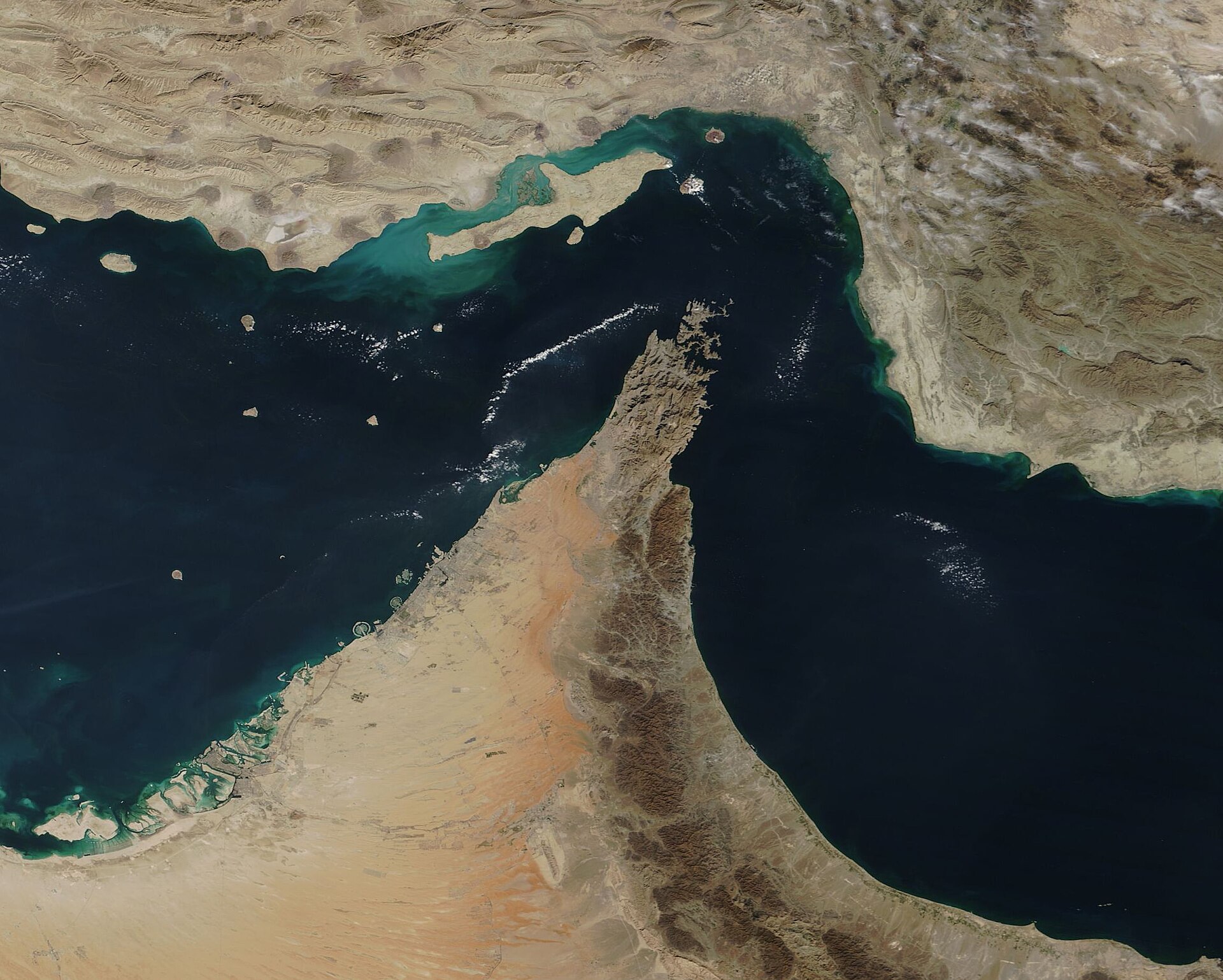
The third gift is narrative. Self-reliance is a hard sell when you are building a mirror-clad linear city in the desert for reasons that no economist can articulate without embarrassment. Self-reliance is an easy sell when your air defence interceptor stockpile is depleting faster than your largest ally will resupply it, when your eastern oil infrastructure has taken direct hits, and when the Strait of Hormuz — through which 80-85 percent of your pre-war exports transited — is under effective IRGC control. The domestic industrial argument that Vision 2030 made abstractly for eight years now has a concrete, visceral, nationally felt justification. MBS can stand in front of a SAMI armoured-vehicle production line and make an argument about sovereignty that LIV Golf could never make about soft power, and every Saudi watching knows exactly why it matters.
“I haven’t still given him enough return. I still owe him.” — Masayoshi Son, SoftBank CEO, on PIF’s returns from the Vision Fund partnership, FII Priority Miami, February 2025
How Fast Is Saudi Defense Localization Actually Moving?
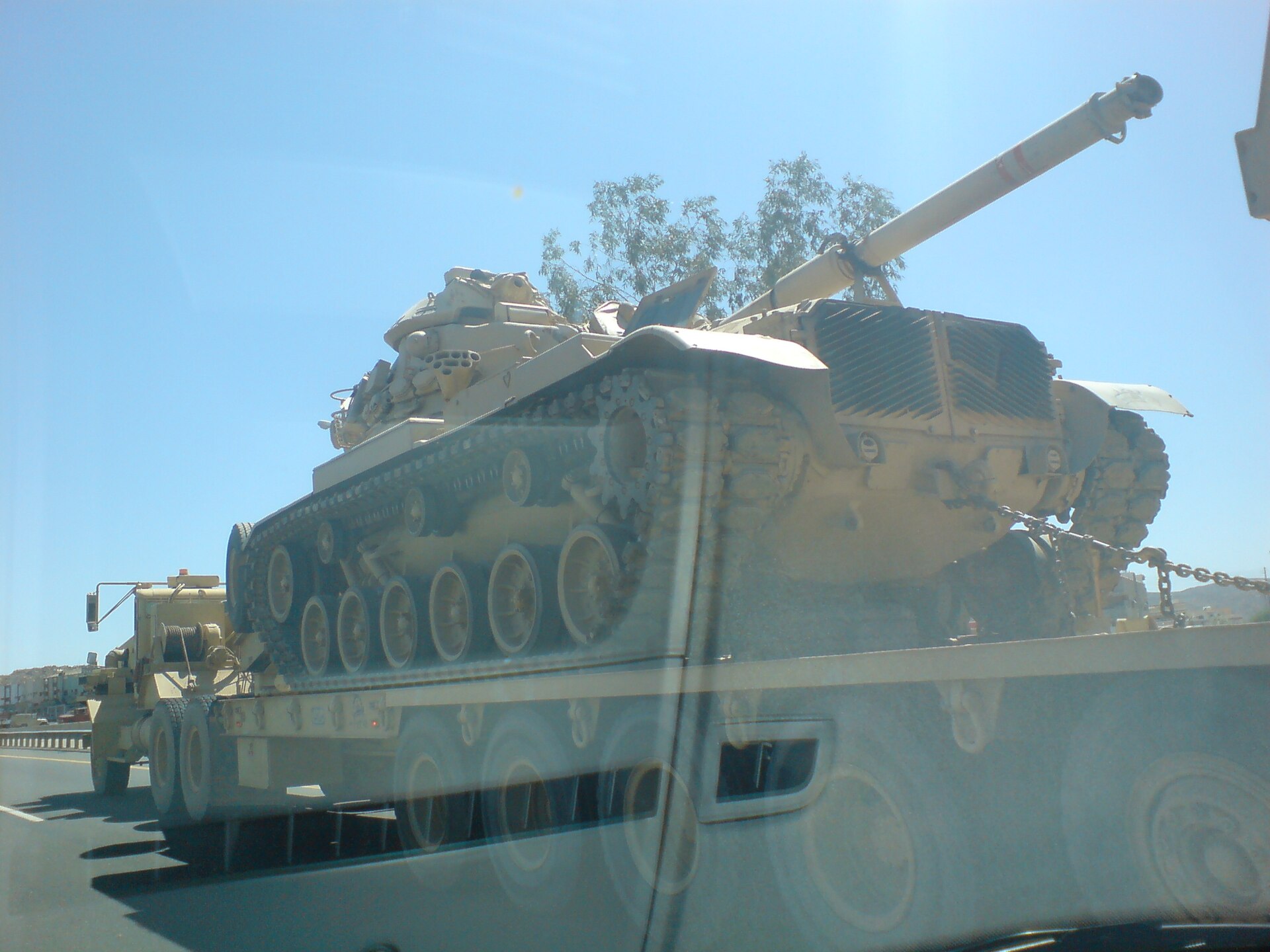
Saudi defense localization has moved from 4 percent of procurement in 2018, when SAMI was established, to 19.35 percent by end-2024 — a quintupling that still left the Kingdom importing more than 80 percent of its military equipment at the moment war arrived. The General Authority for Military Industries set a target of 50 percent localization by 2030. In March 2026, the International Institute for Strategic Studies assessed that 60-65 percent was now “plausible” under wartime acceleration, a remarkable upgrade from pre-war assessments that treated even 50 percent as aspirational.
| Year | Localization Rate | Key Milestone |
|---|---|---|
| 2018 | 4% | SAMI established |
| 2024 | 19.35% | SAMI Land Industrial Complex operational |
| 2026 (wartime) | ~25-30% (est.) | WAHAJ-Nexter 155mm ammunition JV producing |
| 2030 (GAMI target) | 50% | Pre-war baseline target |
| 2030 (IISS wartime est.) | 60-65% | “Plausible” under sustained wartime spending |
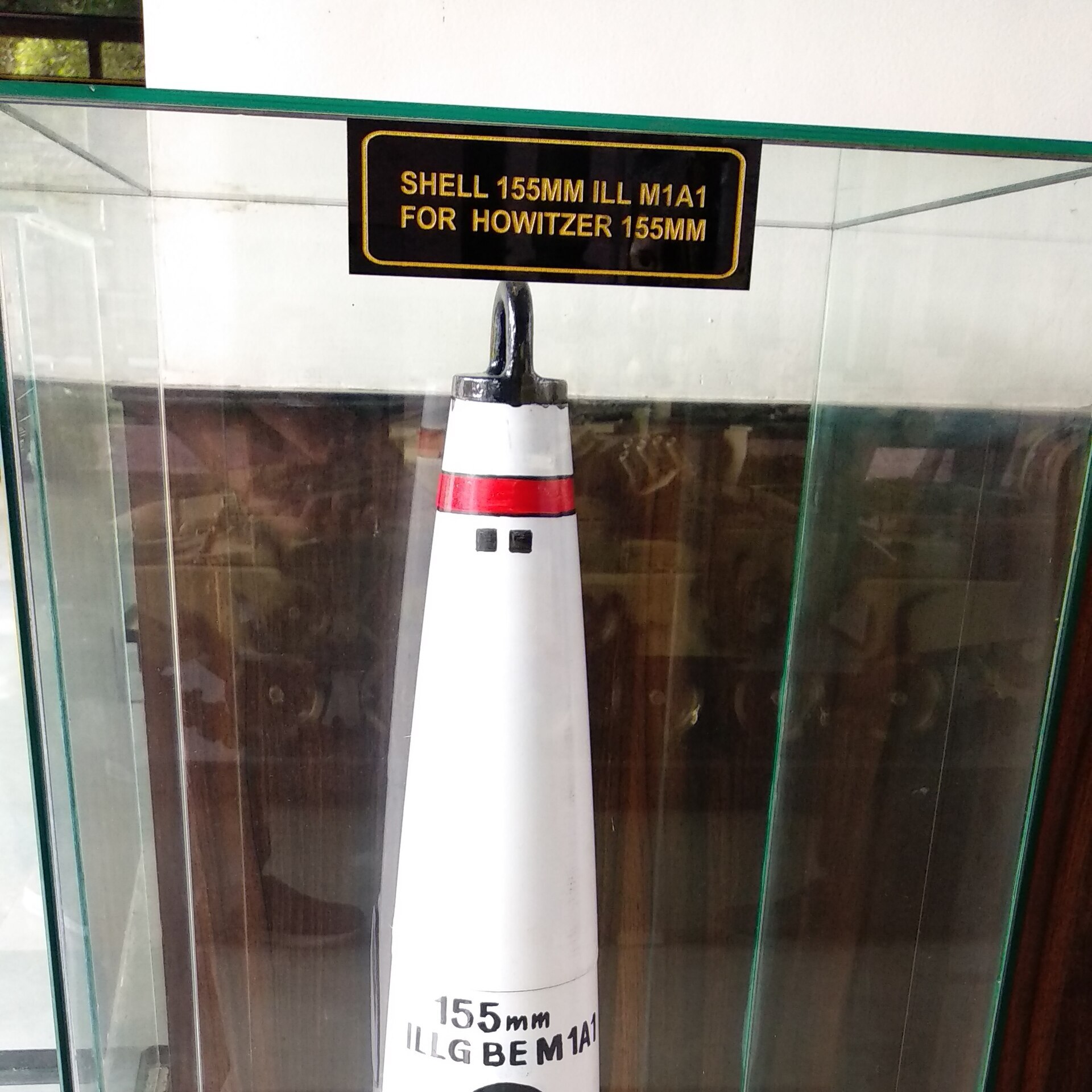
The SAMI Land Industrial Complex — an 82,000-square-metre facility capable of producing 1,500 armoured vehicles per year — represents the kind of industrial capacity that peacetime procurement cycles would have taken a decade to justify. The WAHAJ joint venture with France’s Nexter is now manufacturing 155mm artillery ammunition domestically, a capability that matters not abstractly but specifically: Saudi artillery units have been consuming ammunition at rates that pre-war stockpile planning never anticipated, and the dependency on foreign supply chains for something as basic as a howitzer round was, for the Saudi military establishment, the most concrete possible argument for domestic production. Diego López, a Global SWF analyst, told Semafor in April that Gulf sovereign wealth funds were likely to redirect capital toward domestic military suppliers — EDGE in the UAE, SAMI and SAFE in Saudi Arabia — a trend that PIF’s 80/20 strategy formalises rather than initiates. GAMI’s official defense localization figure — 24.89% as of end-2024, half the 2030 target — makes the distance between formalising a trend and closing the gap concrete.
PIF’s $40 billion commitment to artificial intelligence through HUMAIN, including $23 billion in disclosed strategic partnerships — $3 billion to Elon Musk’s xAI, $3 billion to Blackstone, a 600,000-GPU deal with NVIDIA — sits at the intersection of the civilian and military industrial arguments. AI compute infrastructure serves both commercial cloud services and the kind of autonomous systems, intelligence processing, and missile-defence integration that a country actively at war needs. The dual-use nature of the investment makes it easier to justify domestically and harder to evaluate honestly: is HUMAIN a commercial technology play, a defence capability investment, or a mechanism for moving $40 billion into assets that carry both justifications simultaneously? The answer, almost certainly, is yes to all three, and that ambiguity is a feature of wartime capital allocation rather than a bug.
The Capital Hole No One Will Name
The optimistic reading of PIF’s wartime pivot requires a funding mechanism, and the funding mechanism has a hole in it large enough to drive the entire 2026-2030 strategy through without touching the sides. PIF’s cash reserves had fallen to approximately $15 billion by late 2024, a figure reported by Middle East Briefing that prompted the board to mandate minimum 20 percent spending reductions across more than 100 portfolio companies, with some entities cut by 60 percent. PIF construction contracts — the most visible measure of domestic capital deployment — fell from approximately $71 billion in 2024 to below $30 billion in 2025, a nearly 60 percent decline that dropped PIF’s share of total Saudi construction activity from 38 percent to 14 percent.
| Metric | Figure | Implication |
|---|---|---|
| PIF AUM | $925B | Mostly illiquid (Aramco equity, giga-projects) |
| PIF cash reserves (late 2024) | ~$15B | Inadequate for $70B+/year domestic deployment |
| Aramco dividend to PIF (2024) | ~$19.9B (16% of $124.3B) | Largest recurring income stream |
| Aramco dividend to PIF (2025 est.) | ~$13.7B (16% of $85.5B) | $6.2B annual income reduction |
| PIF gigaproject write-downs (2024) | $8B (12% valuation decline) | Paper losses eroding AUM quality |
| Goldman war-adjusted deficit | 6.6% GDP ($80-90B) | Government cannot backfill PIF from budget |
The income side is deteriorating at the same time. Saudi Aramco’s total dividend fell from $124.3 billion in 2024 to $85.5 billion in 2025 — a $38.8 billion reduction of which PIF’s 16 percent stake absorbs roughly $6.2 billion — and this is not a one-year shock. Saudi production crashed to 7.25 million barrels per day in March 2026, down 30 percent from February’s 10.4 million, and even if Hormuz reopens and production recovers, the price environment offers no comfort: Brent sits at $95.42 against a Saudi fiscal break-even that Goldman Sachs and Bloomberg both place at $108-111 per barrel when PIF-inclusive spending is factored in. The Goldman war-adjusted budget deficit of 6.6 percent of GDP — $80-90 billion against the government’s official 3.3 percent ($44 billion) projection — means the Saudi state cannot serve as PIF’s backstop funder at anything close to the scale required.
The arithmetic is unforgiving: an 80 percent domestic allocation of a $925 billion fund implies roughly $740 billion in domestic assets over the strategy period, requiring tens of billions in annual deployment. With $15 billion in cash, a $6 billion annual income haircut, and a government running a war-adjusted deficit approaching $90 billion, the only mechanisms available are borrowing against Aramco equity (already partially pledged), asset sales from the international portfolio (at depressed valuations after years of underperformance), or the kind of financial engineering — sale-and-leaseback structures, project-level debt pushed to portfolio companies — that creates leverage without appearing on PIF’s balance sheet. The IMF’s April 2026 World Economic Outlook projects Saudi public debt rising from 31.7 percent of GDP in 2025 to above 42 percent by 2031. That trajectory was calculated before the full fiscal impact of the war was visible. SAMA reserves of approximately $475 billion provide 36-38 months of import cover under wartime drain rates, which sounds comfortable until you consider that PIF’s domestic ambitions require a decade of sustained deployment, not three years of emergency reserves.
Why Is PIF Breaking Every Rule of Sovereign Wealth Management?
Sovereign wealth fund orthodoxy holds that the purpose of a national investment vehicle is to convert finite resource wealth into diversified, internationally allocated financial assets that generate returns independent of the domestic economy’s commodity cycle. Norway’s Government Pension Fund Global — the world’s largest SWF at $1.7 trillion — maintained its international investment mandate through the 2020 pandemic, drawing down modestly to support the national budget but never pivoting to domestic industrial investment. The Abu Dhabi Investment Authority maintained international diversification through the 2008 financial crisis. Kuwait’s Kuwait Investment Authority mobilised its global assets during the 1990 Iraqi invasion to fund the government-in-exile, not to redirect capital into domestic factories. PIF is doing something that no major sovereign wealth fund has attempted during a national crisis: inverting the diversification rationale to concentrate capital domestically at precisely the moment when domestic revenue is collapsing.
The counter-argument from Riyadh is that PIF was never a conventional sovereign wealth fund — that it was always, from MBS’s restructuring of it in 2015, a national development vehicle that happened to hold some international assets for return generation. This is historically accurate and financially irrelevant. Whatever PIF’s institutional self-conception, it faces the same portfolio-construction realities as any other $925 billion pool of capital: concentration risk increases when you put more money into a single economy, and that risk is amplified when the single economy is simultaneously fighting a war, experiencing a 30 percent production crash, running a budget deficit roughly twice what the government acknowledges, and watching its non-oil PMI collapse to 48.8 — breaking a 66-month expansion streak and signalling that the private sector PIF is supposed to be building is actively contracting.
Miguel Azevedo of Citigroup offered a more optimistic data point to AGBI in April, noting that Saudi Arabia “came into 2026 with low expectations” but has seen “net inflows since the beginning of the war” in equity markets. This is true and misleading: wartime equity inflows in commodity-exporting nations typically reflect speculative positioning on oil-price volatility and defence-sector upside, not structural confidence in the domestic economy. Gulf sovereign wealth funds collectively deployed nearly $25 billion in Q1 2026 despite the war, according to Semafor — but much of that deployment was into defence-adjacent assets and infrastructure hardening, not the tourism and entertainment investments that Vision 2030’s employment targets depend on. Karen Young of Columbia University’s Center on Global Energy Policy noted that tourism, financial services, logistics, and technology — the sectors Vision 2030 was supposed to build — “may take a hit from the conflict,” while Neil Quilliam of Chatham House warned of “expatriate retention crises for Riyadh HQs” that threaten the talent pipelines every knowledge-economy aspiration requires.
The Line Confession and the Oxagon Pivot
Al-Rumayyan’s public deprioritisation of The Line — “Is having The Line by 2030 important? I don’t think so… What we must have is Oxagon” — is the single most revealing sentence in the April 15 announcement, and it works simultaneously as honest industrial strategy and damage control on a project that was never financially viable. NEOM’s internal audit projected total costs at $8.8 trillion with completion stretching to 2080, a timeline so far beyond any plausible planning horizon that the word “project” barely applies. The 2024 gigaproject write-down pre-dates the war by more than a year, meaning the financial reckoning was already underway when the first IRGC missiles hit Eastern Province infrastructure.
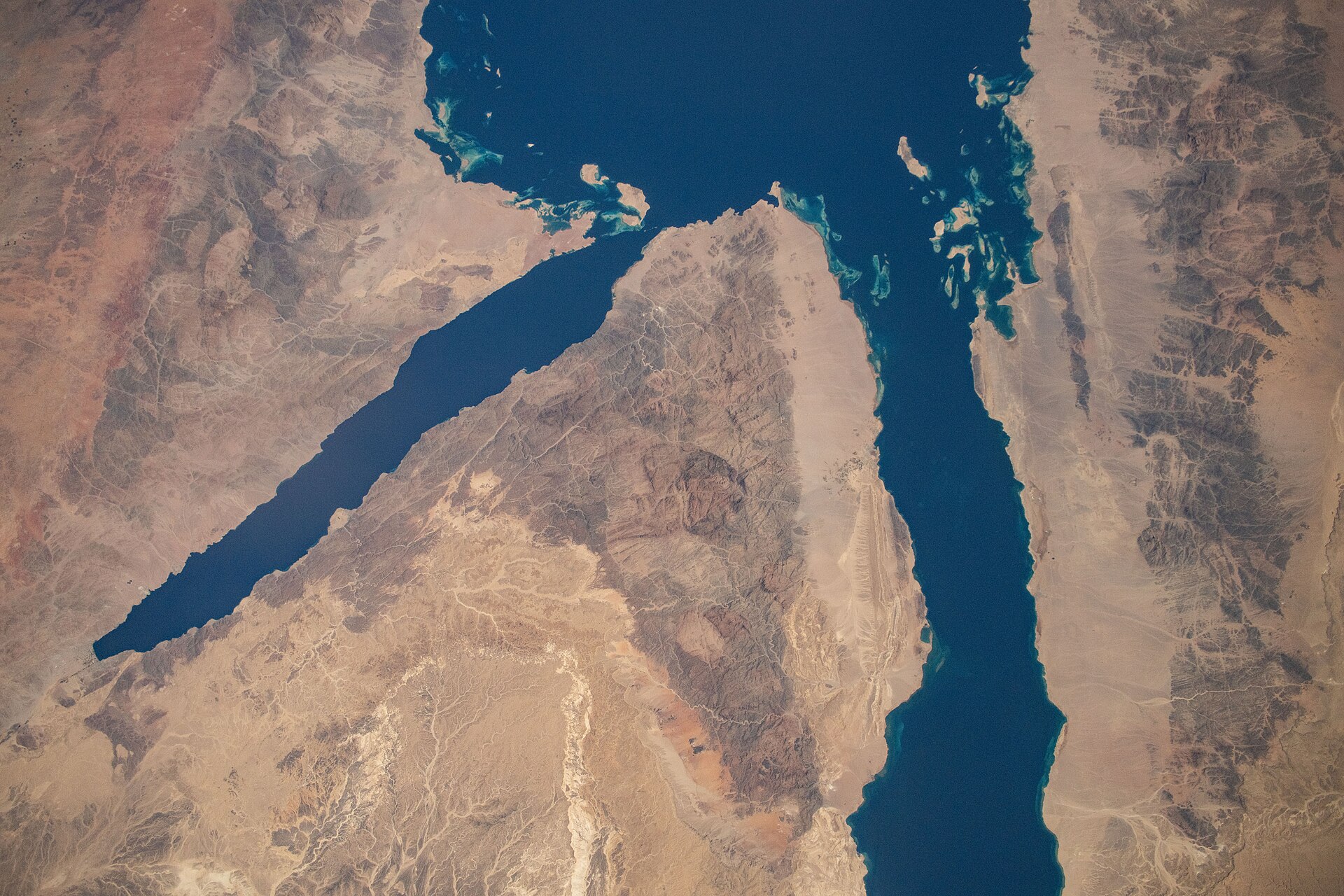
The Oxagon pivot is strategically coherent in ways that The Line never was. Oxagon — NEOM’s industrial port city on the Red Sea coast — is designed around manufacturing, logistics, and hydrogen production, capabilities that map directly onto both the defense-industrial argument and the energy-transition investment thesis. A hydrogen export terminal has customers in Asia and Europe. A 170-metre-tall mirrored wall in the desert has Instagram followers. The distinction between these two value propositions is the distinction between an industrial strategy and a vanity project, and the war has given Al-Rumayyan the political space to say so publicly without it being read as an admission that MBS’s signature project was a mistake — because in wartime, “we’re prioritising industrial capacity over architectural spectacle” sounds like strategic wisdom rather than retreat.
But the Oxagon pivot also exposes the depth of the pre-war misallocation. Dania Thafer of the Gulf International Forum observed that Iranian operations “undermine Vision 2030’s predictability premise” — the idea that Saudi Arabia could attract foreign direct investment and private-sector participation by offering regulatory stability and long-term project visibility. FDI had already fallen to a three-year low of $20.7 billion before the war began. Private sector contribution to GDP stood at approximately 47-51 percent against a 65 percent target, with non-oil exports at 25.2 percent versus a 35 percent goal. The war did not create these gaps — it made it impossible to pretend they were closing.
“Is having The Line by 2030 important? I don’t think so… What we must have is Oxagon.” — Yasir Al-Rumayyan, PIF Governor, April 15, 2026
The Both/And Verdict
The honest assessment of PIF’s 2026-2030 strategy is that the optimistic and pessimistic readings are not competing interpretations but simultaneous descriptions of the same situation, and the attempt to resolve them into a single verdict is the analytical error that most coverage commits. MBS is genuinely opportunistic, and the war provides political permission for capital reallocation that eight years of Vision 2030 consultancy decks could not achieve. Defense localization is moving at rates that the IISS considers remarkable. The Oxagon pivot represents a rational prioritisation of industrial capacity over architectural vanity. The HUMAIN AI commitment positions Saudi Arabia in a technology race where sovereign compute capacity carries both commercial and strategic value. The narrative of self-reliance resonates domestically in ways that no amount of sports-washing ever could. These are real gains, and dismissing them as window-dressing on fiscal collapse misreads the situation as badly as celebrating them as strategic genius.
The model was also genuinely broken before the war, and the war is accelerating the fiscal unraveling alongside the industrial transformation. A fund with $15 billion in cash and falling dividend income cannot execute a $740 billion domestic deployment without borrowing against future resource wealth at precisely the moment that resource wealth is under direct military threat. The production crash to 7.25 million barrels per day is not a temporary disruption — even optimistic recovery scenarios require Hormuz reopening, which IRGC commanders show no sign of permitting, and infrastructure repair at facilities like Khurais, where 300,000 barrels per day remain offline with no restoration timeline announced. The Goldman deficit of $80-90 billion means that every riyal PIF deploys domestically is a riyal that cannot buffer the national budget, and every riyal the national budget absorbs from SAMA reserves is a riyal that shortens the runway for everything.
The Carnegie Endowment’s pre-war warning — that Vision 2030’s employment was concentrated in entertainment and hospitality rather than high-skill sectors, that education spending was frozen, that financial accountability flowed upward to MBS rather than to public scrutiny — describes structural weaknesses that wartime spending on armoured vehicles and ammunition factories does not address and may deepen. Defence-industrial jobs are real jobs, but they do not diversify an economy away from state dependency; they deepen it. The private sector that Vision 2030 was supposed to nurture to 65 percent of GDP is contracting at 48.8 on the PMI scale, and no amount of SAMI production-line footage changes the underlying economic dynamic: Saudi Arabia is substituting one form of state-directed spending (giga-projects) for another (defence-industrial capacity) and calling it transformation.
The 80/20 strategy is both the smartest thing PIF could do under the circumstances and an implicit confession that the circumstances make the original Vision 2030 impossible. MBS has bought himself time — measured in SAMA reserve months, in Aramco dividend quarters, in the wartime political capital that allows a crown prince to bury The Line without anyone calling it a burial. What he has not bought, because it is not for sale, is a mechanism to fund $740 billion in domestic investment from a $15 billion cash position while fighting a war he did not start and cannot yet end. The gap between ambition and arithmetic is the gap between accelerant and collapse, and as of April 2026, it is not clear that anyone in Riyadh — including MBS — knows which side of it they are standing on.
FAQ
How does PIF’s 80/20 strategy compare to other sovereign wealth funds’ wartime or crisis-era allocations?
PIF’s domestic concentration is historically unprecedented among major sovereign wealth funds during national crises. Singapore’s GIC and Temasek maintained distinct mandates (GIC international, Temasek domestic) even during the 1997 Asian financial crisis, avoiding the blending of sovereign savings and industrial policy that PIF’s strategy represents. The closest parallel may be Malaysia’s Khazanah Nasional, which shifted toward domestic restructuring during the 2015 1MDB crisis — but Khazanah’s AUM was roughly $35 billion at the time, making the comparison one of institutional approach rather than financial scale. PIF is attempting something no fund of comparable size has tried.
What happens to PIF’s international partners and co-investment commitments under the 80/20 framework?
PIF maintains existing contractual obligations to international partners including Blackstone ($10 billion infrastructure fund), SoftBank (remaining Vision Fund exposure), and Posco Holdings ($8 billion steel venture), but new international commitments will be constrained to the 20 percent allocation — roughly $185 billion in notional terms. The practical effect is that PIF’s role as a co-investor in global mega-deals, which peaked during 2017-2022 with the SoftBank Vision Fund and Lucid Motors investments, is effectively over for the strategy period. International capital that previously flowed through PIF to Silicon Valley and London will be redirected through HUMAIN’s AI partnerships and defence-technology joint ventures that carry domestic production requirements.
Could Saudi Arabia finance the domestic pivot through international bond issuance instead of PIF reallocation?
Saudi Arabia issued $17.4 billion in international bonds in 2024 and could theoretically increase issuance, but wartime credit conditions complicate this path. The IMF’s debt trajectory — 31.7 percent of GDP in 2025 rising to above 42 percent by 2031 — was calculated before the full war impact, and rating agencies have placed Saudi sovereign debt on negative watch since March 2026. More practically, bond-financed domestic industrial investment inverts the sovereign wealth fund model entirely: instead of converting oil wealth into financial assets that generate returns, Saudi Arabia would be borrowing against future oil revenue to fund domestic factories — a leveraged bet on both oil price recovery and industrial policy success simultaneously. The Kingdom’s relatively low debt-to-GDP ratio provides headroom, but the trajectory matters more than the level.
What is GAMI’s enforcement mechanism for defense localization targets?
The General Authority for Military Industries uses offset requirements in foreign procurement contracts — mandating that a percentage of contract value be reinvested in Saudi defence manufacturing — combined with direct investment through SAMI subsidiaries and joint ventures. The WAHAJ-Nexter ammunition partnership and AEC-Airbus helicopter maintenance facility represent the JV model; the SAMI Land Industrial Complex’s armoured vehicle line represents the direct-investment model. GAMI’s enforcement leverage increased substantially in wartime because foreign suppliers seeking Saudi contracts cannot ignore offset requirements when the buyer is actively consuming military equipment at wartime rates and has made localization a stated national security priority.
How does the US naval blockade of Iranian ports affect PIF’s strategy timeline?
The CENTCOM blockade effective April 13 creates a paradox for PIF’s planning assumptions. If the blockade succeeds in forcing Iranian concessions and Hormuz reopens, Saudi production and revenue recover — but the political urgency for domestic industrial transformation diminishes, potentially allowing bureaucratic resistance to reassert itself against defence spending. If the blockade fails or escalates, the revenue crisis deepens to a point where PIF’s cash reserves and borrowing capacity may be insufficient to execute the strategy at all. The optimal scenario for the 80/20 strategy is, perversely, a prolonged low-intensity conflict that maintains political urgency while allowing partial production recovery through the Yanbu bypass pipeline — roughly 4-5.9 million barrels per day, enough to fund transformation at reduced scale but not enough to remove the wartime justification for it.
The northern rail corridor initiative — Saudi Arabia’s 1,700-kilometre SAR freight line extended through Jordan, Syria, and Turkey to Mediterranean terminals — represents one of the most concrete infrastructure expressions of the PIF’s wartime pivot examined here, and is analysed in full in The Hejaz Railway Reversed: Saudi Arabia’s Northern Rail Corridor as Wartime Chokepoint Bypass.