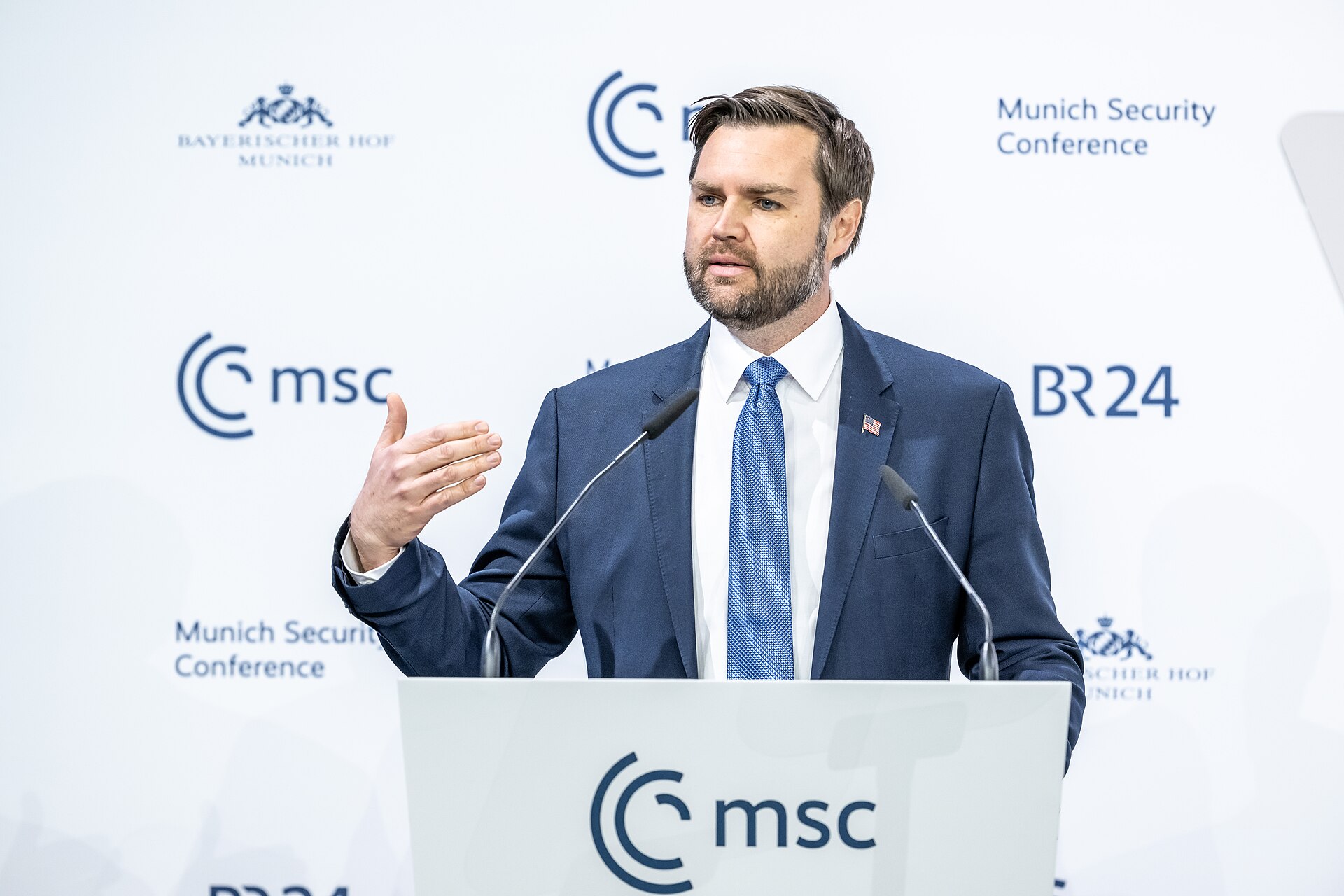

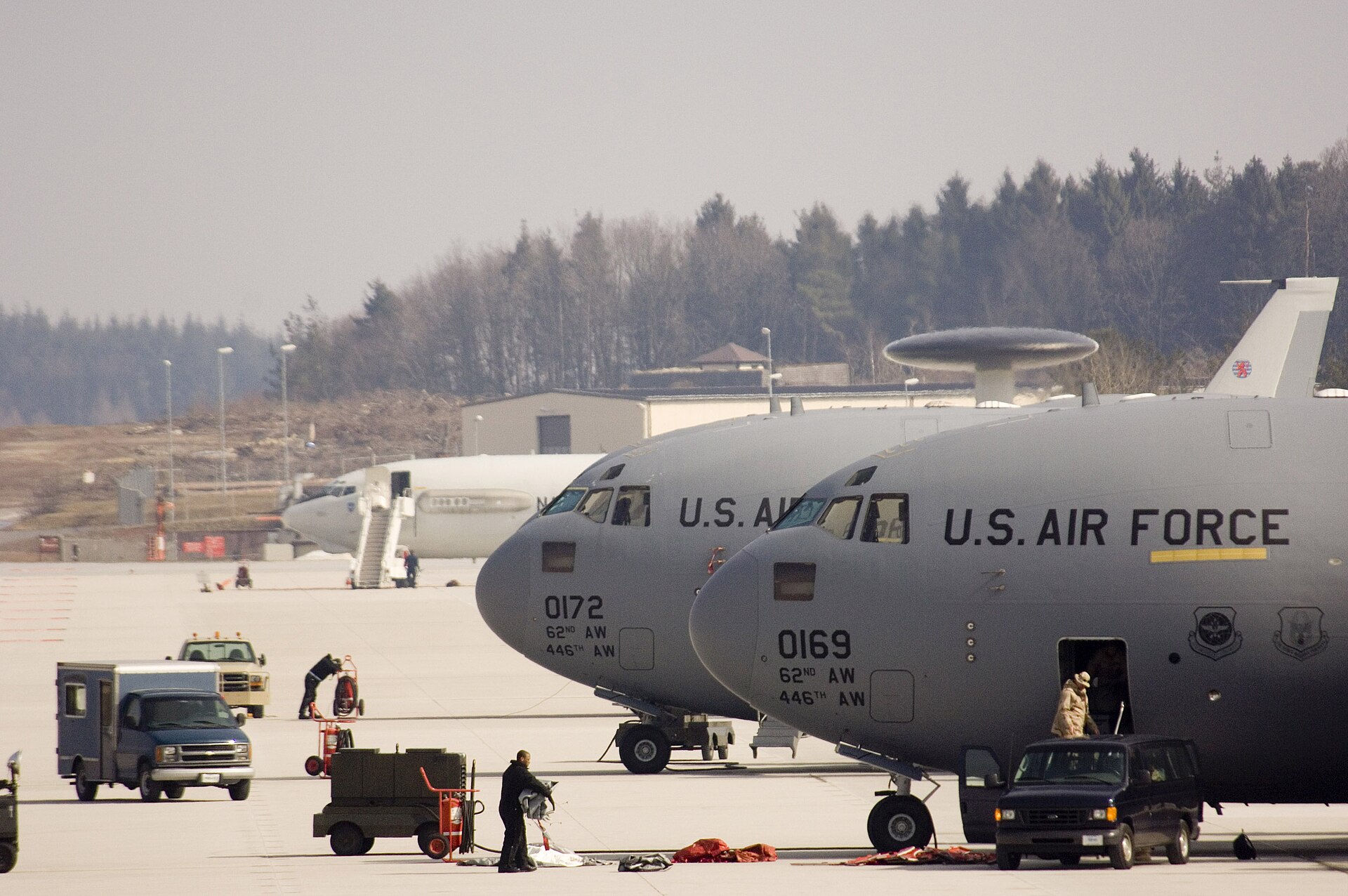
GENEVA — The White House named Vice President JD Vance to travel to Geneva on Sunday to sign a memorandum of understanding with Iran, and four US Air Force C-17 transport aircraft departed for Europe on Thursday carrying equipment and advance personnel for the delegation, according to reports from Turkiye Today and Bloomberg. Iran’s Foreign Ministry spokesperson Esmail Baghaei said that most of the draft text “had already been finalized, but the Americans kept changing their positions,” that reports of a specific venue and date “remained speculative,” and that nothing had been finalized — while the semi-official Fars News Agency, citing a source close to Iran’s negotiating team, stated that “no text for a preliminary memorandum of understanding with the United States has been approved.”
The dispute between Washington and Tehran is not one of emphasis or sequencing — it is over whether a document exists that both parties have agreed to sign. Four military cargo aircraft are now en route to a ceremony that one of the two named signatories says has no agreed text, no confirmed venue, and no authorization from Supreme Leader Mojtaba Khamenei, whom two separate sources told Axios has “likely not approved” the terms. Brent crude fell 3.26 percent on Thursday to roughly $87–$89 a barrel on the announcement, widening Saudi Arabia’s fiscal gap against its $108–$111 breakeven to more than $20 a barrel — on the expectation of a deal whose basic validity Iran’s own negotiating team contests.
Table of Contents
Four C-17s and No Approved Text
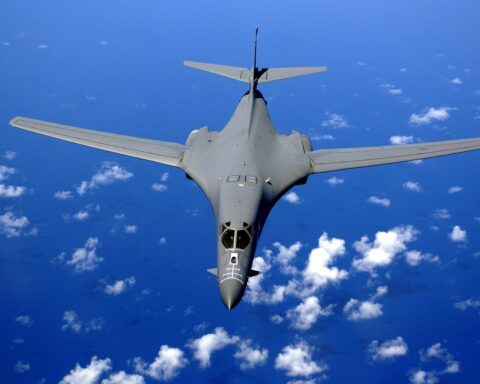
The four C-17 Globemasters represent the first material US commitment to a specific time and place for the Iran MOU — a departure from weeks of Truth Social posts and press conference claims that carried no logistical footprint. Bloomberg reported Thursday that the US and Iran were “nearing a peace deal around the G7 meeting next week,” naming Geneva as the likely venue, with Sunday, June 14, as the target date for a signing ceremony timed to allow the US delegation to arrive at the G7 summit in Kananaskis, Canada, which opens June 15, with an agreement already executed.
The selection of Vance rather than Secretary of State Marco Rubio or National Security Advisor Mike Waltz elevates the event to the level of a vice-presidential state commitment — Vance does not fly to Geneva with four transport planes for an exploratory conversation. The White House acknowledged Thursday that while US and Iranian negotiators had agreed on a draft text, “Trump’s final approval still needed,” a formulation that leaves American authorization in the same unresolved state as Iranian authorization, with only one side staging a military airlift.
The Axios account published Thursday described how the tentative text was reached on Wednesday night through calls between Qatari envoy Ali Al-Thawadi and Iranian Foreign Minister Abbas Araghchi, with Al-Thawadi also speaking repeatedly with US envoys Steve Witkoff and Jared Kushner. A diplomat from one of the mediating countries told Axios that “both the US and Iran have agreed on the text of the MOU,” but two other sources, separately, cautioned that Khamenei has “likely not approved it yet.” Israeli sources told the Times of Israel they had “no indication” of Khamenei’s approval, and that Prime Minister Benjamin Netanyahu was not informed of Trump’s deal announcement in advance, instead calling allied contacts after the fact to gather information about an agreement in which Israel was named as an approver.
What Has Iran Actually Said?
Iran’s response has not been a negotiating posture or a hedged demurral — it has been a flat denial of the procedural premise. Fars News Agency, which is affiliated with the Islamic Revolutionary Guard Corps and serves as the IRGC’s preferred channel for institutional messaging, cited “an informed source close to Iran’s negotiation team” to declare that “no text for a preliminary memorandum of understanding with the United States has been approved.” IRNA, the official state news agency, reported separately that Iran “has not reached a final decision” and would not compromise on its stated “red lines.”
The Middle East briefing 3,000+ readers start their day with.
One email. Every weekday morning. Free.
Baghaei offered the most detailed rebuttal from the Foreign Ministry: “Most of the text had already been finalized, but the Americans kept changing their positions.” That formulation acknowledges a negotiating process while placing the failure to reach agreement squarely on American inconsistency — a statement that is diplomatically specific in its assignment of blame and unambiguous in its conclusion that nothing has been agreed.
“No text for a preliminary memorandum of understanding with the United States has been approved.”
— Fars News Agency, citing a source close to Iran’s negotiating team, June 11
Trump responded by calling Iran’s characterization of the deal terms “Fake News,” stating on Truth Social that the leaked terms “have NOTHING to do with the terms that were agreed to, in writing.” The statement simultaneously confirmed the existence of a written document and contested its content — a position that, 72 hours before a scheduled signing, means both signatories accept that a text exists but disagree on what it says, while Iran’s negotiating team adds a further layer by denying that any text has been approved at all.
Inside Iran’s political structure, the gap between the draft and the Supreme Leader’s conditions was documented before Trump’s announcement. Mehdi Khanalizadeh, an Iranian state television pundit who accompanied the negotiating team, told Iran International in late May that the draft MOU violated “eight of the ten conditions approved by Khamenei.” Separately, member of parliament Abolfazl Aboutorabi said Khamenei’s red lines on Hormuz, the nuclear issue, and compensation demands had all “been violated,” calling the US offer of a $300 billion reconstruction fund “a lollipop” without binding guarantees.
The Thirty-Eighth Announcement
Tasnim News Agency, which is linked to IRGC intelligence and has functioned as a reliable gauge of hardline institutional sentiment throughout the negotiations, responded to the June 11 announcement by noting that Trump had claimed a deal was imminent “38 times” in the preceding two months. “Until Iran announces the matter of a potential understanding,” Tasnim stated, “any news from Trump on this subject should be regarded the same as his previous messaging.” The framing was not editorial commentary but a public instruction — from an IRGC-aligned outlet to Iranian domestic audiences and foreign observers — to treat American announcements as a recurring pattern rather than a discrete event.
“Until Iran announces the matter of a potential understanding, any news from Trump on this subject should be regarded the same as his previous messaging.”
— Tasnim News Agency, June 11
What distinguishes this thirty-eighth iteration from its 37 predecessors is the logistics. None of the previous announcements was accompanied by a named principal, a named city, or a military airlift — they came through Truth Social posts, press conference asides, and Fox News appearances, and each one expired without consequence. The C-17 deployment and the selection of Vance convert a rhetorical pattern into an institutional commitment: either a signed document materializes on Sunday, or the four aircraft and the delegation Vance was named to lead return without one, in a failure visible to every G7 delegation assembling in Kananaskis the following morning.
The G7 calendar is what explains the tempo. Kananaskis opens Monday, June 15, and a signed MOU would allow Trump to present the agreement to allied leaders who have been openly skeptical of American handling of the Iran war since the IRGC’s closure of the Strait of Hormuz in March. Iranian readiness is not driving the Sunday date — the G7 schedule is — and Tasnim’s invocation of the “38 times” count is designed to make that calendar pressure visible.
What the Draft Would Do
The MOU, as described by Axios and Bloomberg based on diplomatic sources, contains a 60-day ceasefire extension that would include Lebanon, the reopening of the Strait of Hormuz with no transit tolls, an Iranian commitment to clear its own mines from the waterway, a suspension of the US naval blockade on Iranian ports, and sanctions waivers permitting Iran to sell oil freely during a window reserved for nuclear negotiations. Any nuclear settlement — the issue that both the IAEA and Iran’s domestic hardliners treat as existential — would require a separate, second agreement, meaning the MOU addresses the war’s kinetic and commercial dimensions while deferring the question that brought the crisis to its current intensity.
If implemented, the terms would directly reshape the commercial shipping environment that has driven war-risk premiums and tanker rerouting since March. The World Trade Organization estimated that crude oil shipments from Persian Gulf ports dropped 95 percent after the Hormuz closure, with LNG shipments falling 99 percent — declines the MOU promises to reverse but cannot reverse quickly. Energy Aspects analysts noted Thursday that Hormuz would not reopen overnight even under a signed MOU: mines must be swept, an interim transit system established, and commercial shippers persuaded to re-enter waters that insurers and the Joint War Committee have classified as high-risk, a process measured in weeks or months rather than days.
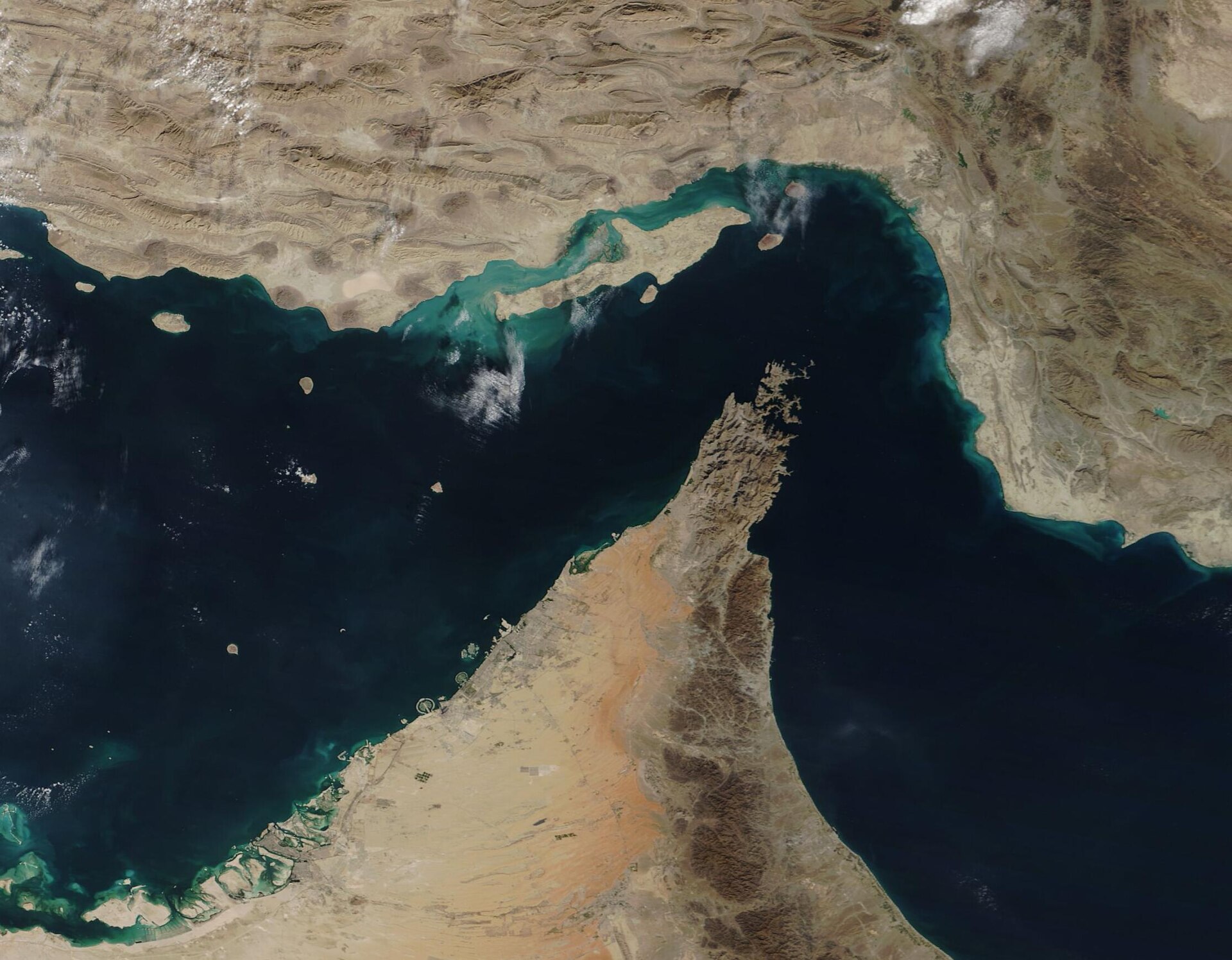
The gap between a signature and operational effect is where Saudi Arabia’s exposure persists. A signed MOU on Sunday does not move a barrel through Hormuz on Monday, does not restore Aramco’s crude loadings from Ras Tanura, and does not address the $3.7 billion in Sadara Chemical debt whose grace period expires the following day — June 15 — with no public creditor communication from Aramco or Dow.
Where Does This Leave Saudi Arabia?
Trump named Saudi Arabia on June 11 as one of several “approvers” of the deal, alongside Iran, Israel, the UAE, and Qatar. The Saudi Ministry of Foreign Affairs has not issued a public statement on the Iran war since Foreign Minister Prince Faisal bin Farhan spoke at the EU Gymnich meeting on May 20 — 23 days of silence through IRGC drone strikes on commercial shipping, multiple CENTCOM strike packages, the Hormuz closure enforcement, and now a proposed signing ceremony in which Saudi Arabia is listed as an approver without having confirmed anything. Riyadh was absent from all three mediation tracks — Qatar, Pakistan, and Oman — that produced the draft text, and was not included in the proposed Washington follow-on meeting scheduled for June 22.
If the MOU collapses and Hormuz remains closed, the EIA’s Short-Term Energy Outlook projects Brent at roughly $105 under a sustained closure scenario, still below breakeven. If the deal holds and Hormuz begins to reopen, additional Iranian barrels entering a market already pricing in peace will push crude lower. Neither outcome closes the deficit that has driven Saudi Arabia’s first-quarter budget shortfall to 76 percent of Goldman Sachs’s full-year projection of SAR 300–330 billion.
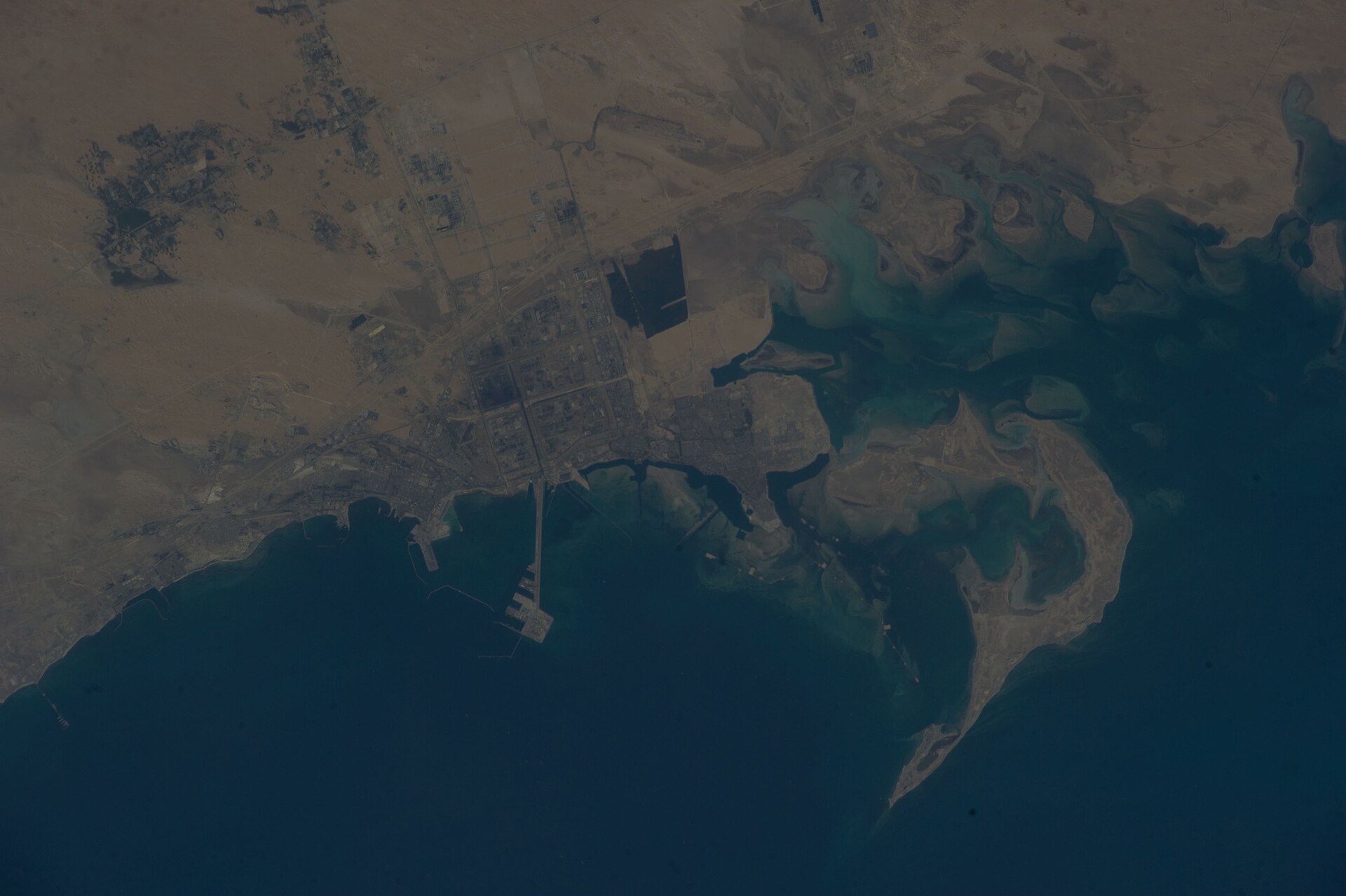
The Sadara convergence is the most immediate deadline. The $3.7 billion in senior debt — $2.405 billion owed by Aramco, $1.295 billion by Dow, held across 25 banks — reaches the end of its grace period on June 15, the morning after the proposed Geneva ceremony and the same day the G7 opens in Kananaskis. All 26 Sadara units at Jubail have been offline since the Hormuz closure severed feedstock supply, generating no revenue through three months of the grace window. A signed MOU does not restart those units, does not restore the feedstock pipeline, and does not address three months of accumulated zero revenue against $3.7 billion in obligations.
As of publication, the country Trump named as a deal approver has not confirmed its approval, has not been represented in the negotiations that produced the draft, and has not spoken publicly about the Iran war since May 20. The Geneva ceremony is proposed for Sunday, June 14. The Sadara grace deadline falls the next morning: June 15.
Frequently Asked Questions
Has the US signed a memorandum of understanding with Iran before?
The closest precedent is the Algiers Accords of January 19, 1981, which ended the Iran hostage crisis and were mediated by Algeria. Those accords were technically executed by Algeria as an intermediary rather than signed directly between US and Iranian officials, and required the consent of both parties before implementation. The current MOU, if signed, would be the first document directly executed by representatives of both governments since the 1979 Islamic Revolution — though the prominent role of Qatar’s Al-Thawadi in brokering the draft text suggests that intermediary structures may play a formal part in the signing mechanics.
What is a C-17 Globemaster and why does its deployment matter?
The C-17 is the US Air Force’s primary strategic airlift aircraft, capable of carrying 170,900 pounds of cargo or 102 paratroopers. Deploying four C-17s for an advance party indicates a full vice-presidential overseas support package — armored vehicles, encrypted communications equipment, security details, and delegation logistics — consistent with a state-level overseas movement rather than an exploratory session or preliminary meeting. The military footprint is what separates this announcement from the 37 prior claims that Tasnim News Agency catalogued.
Could Iran sign the MOU without Khamenei’s explicit approval?
In practice, no — Iran’s Supreme National Security Council must approve any agreement relating to national security, and the SNSC operates under the Supreme Leader’s direct authority. Foreign Minister Araghchi has the standing to negotiate and initial drafts, but the Supreme Leader’s approval is the binding prerequisite under the Islamic Republic’s constitutional structure, not a diplomatic courtesy. The Fars News denial, sourced to someone “close to the negotiating team,” functions as an institutional signal from the IRGC’s information apparatus that this approval has not been given.
What happens to the Hormuz mines if the MOU is signed?
Under the draft terms as described by Axios, Iran would be responsible for clearing its own mines from the Strait. The IRGC deployed a combination of moored contact mines, bottom-influence mines, and improvised maritime explosive devices across the shipping lanes — ordnance that requires systematic survey-and-clearance operations in a waterway whose depth, current patterns, and traffic density make the process slow under ideal conditions. Standard mine-clearance timelines for a strait of Hormuz’s complexity are measured in weeks to months, and commercial insurers typically require the Joint War Committee to formally reclassify the area’s risk status before underwriting resumed transit, a process the JWC has indicated may not conclude until mid-2027.
What does “approver” mean in the context of the MOU?
Trump’s June 11 statement named Saudi Arabia, Israel, the UAE, Qatar, and “multiple other Middle Eastern countries” as having “approved” the deal. The term has no established meaning in international agreement practice — it does not correspond to a signatory role, a guarantor role, a witness function, or an observer status under the Vienna Convention on the Law of Treaties. None of the countries listed as “approvers,” other than the US and Iran, appear as parties to the MOU text as described by Axios and Bloomberg. The Saudi Ministry of Foreign Affairs has not acknowledged or responded to the designation. Later the same day, Pakistan Prime Minister Sharif publicly declared the deal text “final and agreed upon” — a stronger claim than anything Washington put on record — while Vance told reporters the text was “still TBD”: Sharif Calls the Iran Deal Text Final. Vance Says ‘Still TBD.’
By June 13, the claim had advanced further: Trump’s June 13 claim that Khamenei personally approved the deal placed the signing within days, even as Axios reported the Supreme Leader’s approval remained unconfirmed and Iranian state media described a structurally different agreement. That divergence between versions is not merely a sequencing problem: Riyadh, named as an approver, has no channel to determine which text its 123 Agreement depends on.
The constitutional gap on Iran’s side of the table was confirmed on June 13: Iran designated Parliament Speaker Mohammad Bagher Qalibaf—not Foreign Minister Araghchi, who conducted the negotiations—as its signatory opposite Vance. Iran’s designation of a legislative-branch official with no constitutional authority to bind the executive placed two signatories of structurally different mandates across the same table in Geneva. The Geneva ceremony was subsequently canceled the signing collapse that arrived 36 hours before Sadara’s deadline, with Baghaei confirming on Friday that Sunday’s signing would not proceed.