
ISLAMABAD — Pakistan Prime Minister Shehbaz Sharif declared on June 12 that “a final, agreed upon text of the peace deal has been reached” between the United States and Iran. He posted on X that Pakistan was “working closely with both sides to finalise the next steps” and that “peace has never been this close as it is now.”
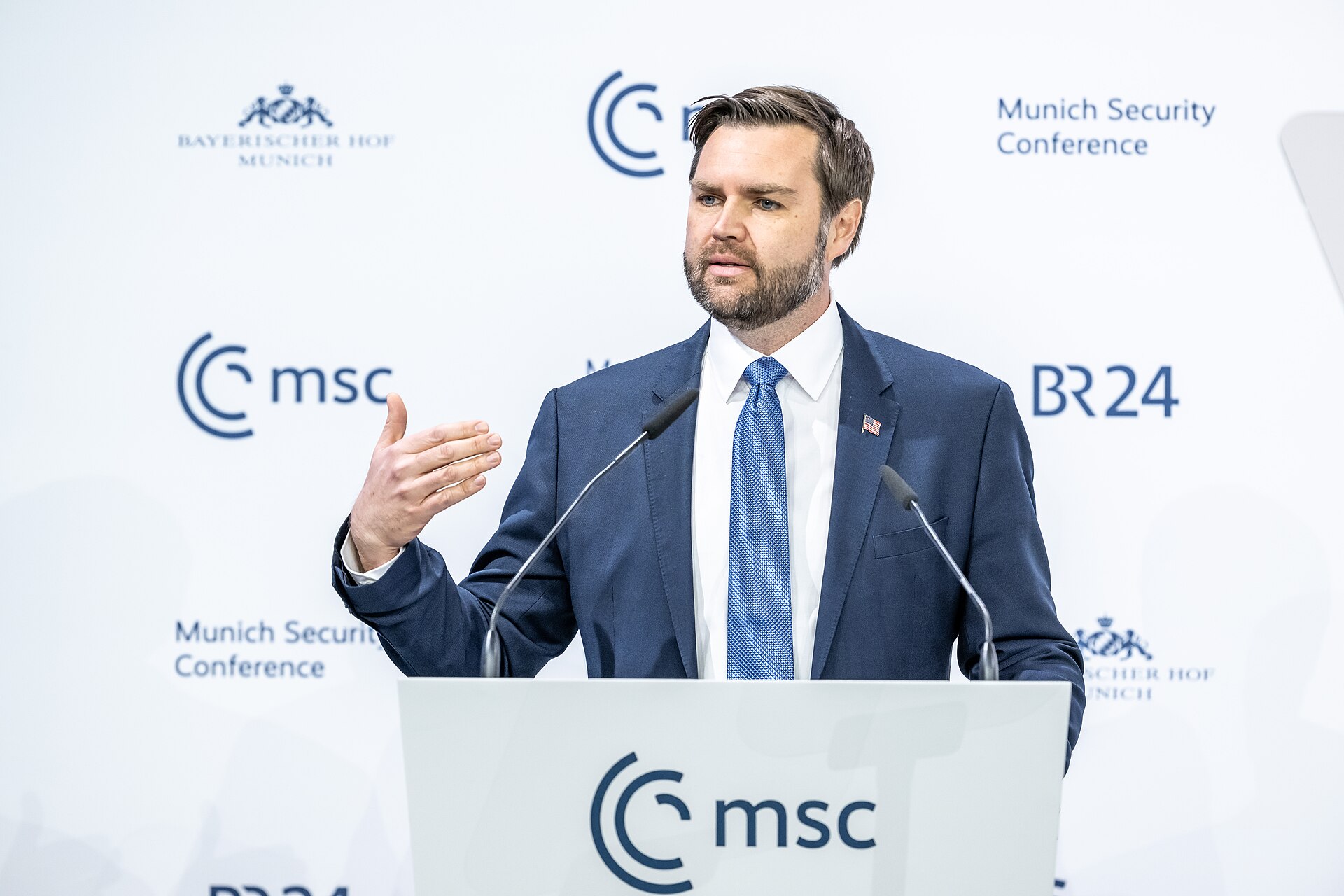
Hours later, US Vice President JD Vance told CBS News that whether President Donald Trump would endorse the agreement was “obviously, still TBD.” Iran’s Foreign Minister Abbas Araghchi said the Islamabad MOU had “never been closer” — then told media to “refrain from entering speculation about its content.” The IRGC-affiliated Tasnim News Agency said the text “still requires review and finalization by the relevant institutions in Iran.”
Three capitals characterized the same document three different ways on the same day. A senior US official told CBS News the deal was 75 percent complete. Saudi Arabia, whose Eastern Province oil fields are defended by 13,000 Pakistani troops, issued no response. The Saudi Foreign Ministry has not publicly addressed the Iran deal since FM Prince Faisal bin Farhan appeared at the EU Gymnich meeting on May 20.
The three-version contradiction among Islamabad, Washington, and Tehran extends into a fourth layer not captured in any of the principal-party statements: the role of Saudi state media in broadcasting one version while the Saudi government maintains official silence. A detailed analysis of Al Arabiya’s position as Riyadh’s broadcast proxy for the deal traces how the kingdom’s loudest voice on the Iran deal is operating without a seat at the table where it is being decided.
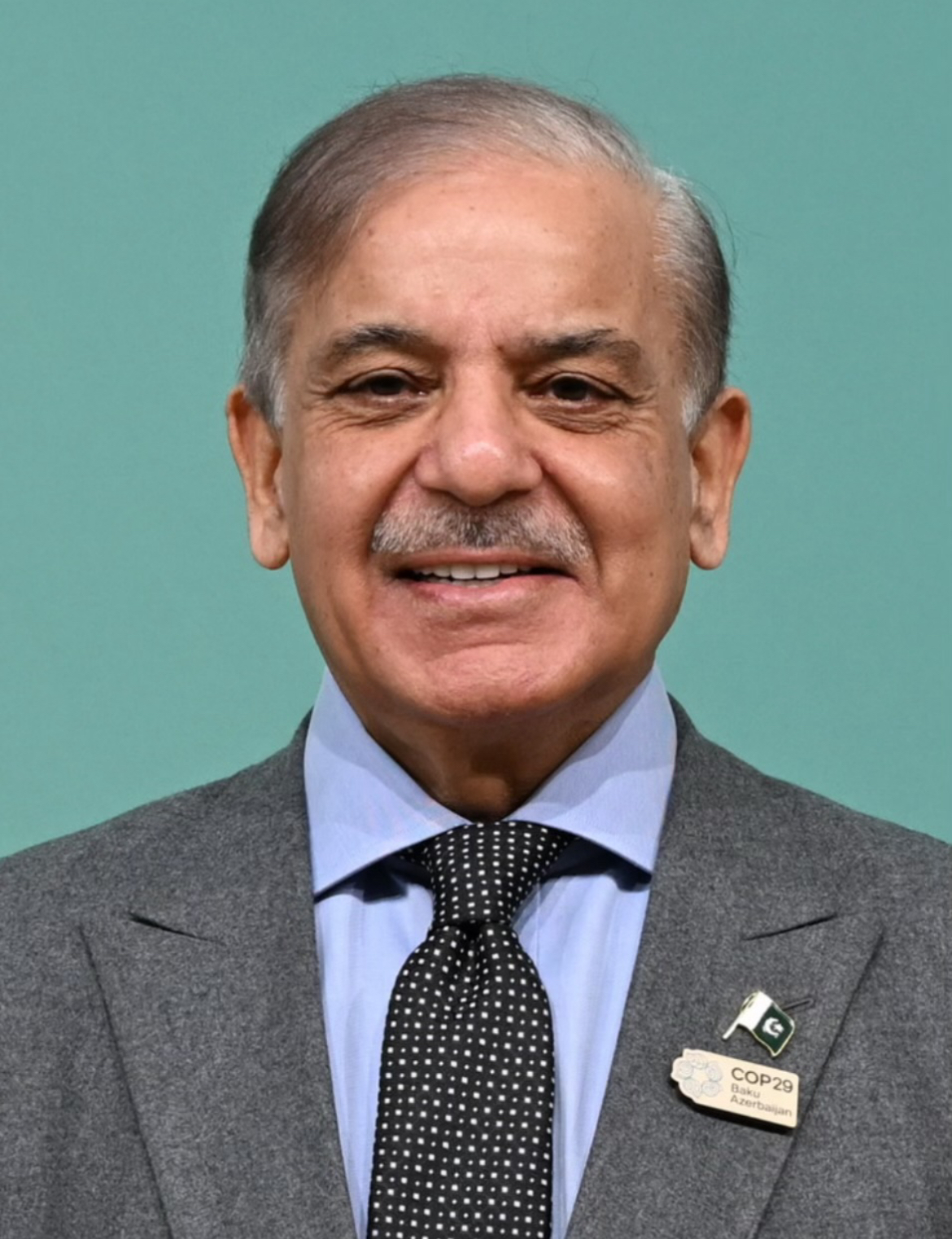
Table of Contents
What Sharif Said
Sharif’s post contained two claims and one omission. The claims: the text was “final” and “agreed upon.” The omission: what the text contained. No framework, no terms, no mention of enrichment thresholds, frozen asset timelines, or the Strait of Hormuz.
The phrase “agreed upon” implies endorsement from both Washington and Tehran. No US official confirmed endorsement on June 12. Iran’s three institutional voices each explicitly declined to confirm finality. Al Jazeera, Al Arabiya, Xinhua, and RTE all reported Sharif’s declaration; none received further detail from Islamabad on what the text said or who had endorsed it.
The Middle East briefing 3,000+ readers start their day with.
One email. Every weekday morning. Free.
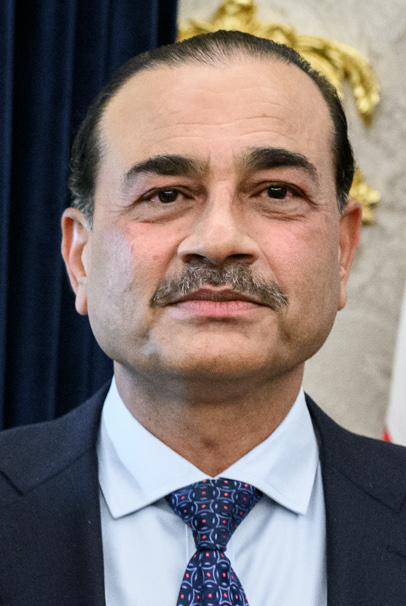
The mediation team — PM Sharif, Army Chief Field Marshal Asim Munir, and Deputy PM and FM Ishaq Dar — has operated as the sole conduit between Washington and Tehran since direct communication between the two broke down. Pakistan brokered the April 8 ceasefire and hosted direct talks in Islamabad on April 12. Those talks collapsed. All subsequent exchanges have passed through Pakistani intermediaries, and the emerging agreement carries the formal title “Islamabad MOU.”
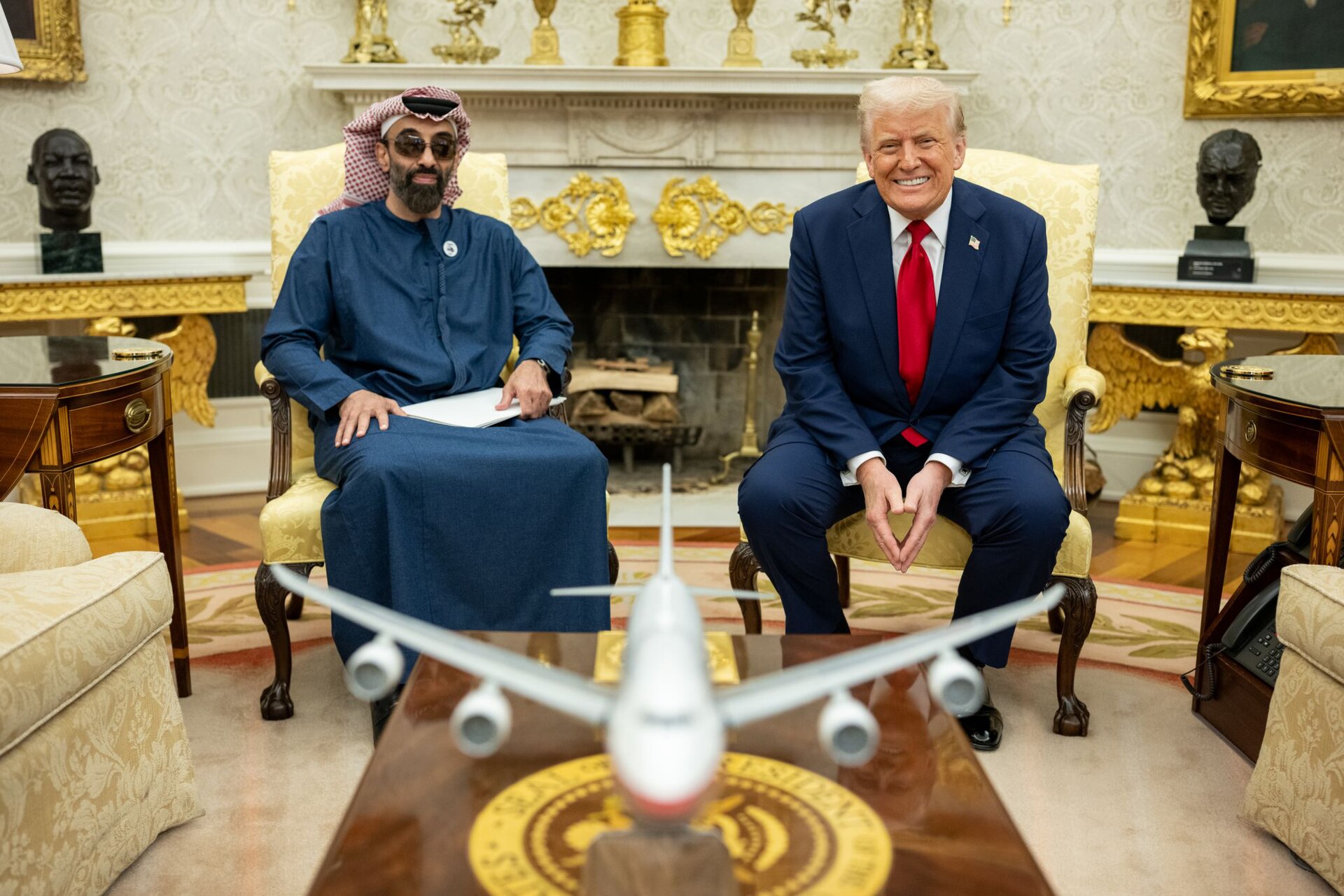
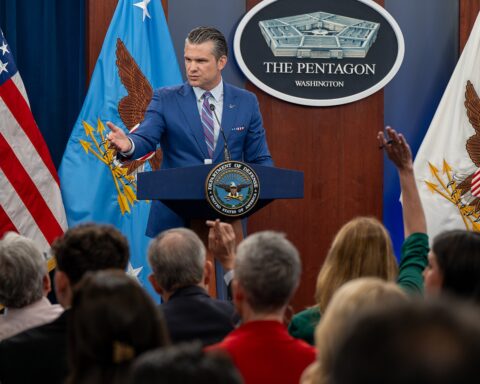
Sharif posted on the same day the Trump administration named Vance as the signatory and confirmed Geneva as the venue for a proposed June 14 ceremony. His language was the most definitive issued by any party on June 12 — and it was the only characterization no other capital corroborated.
Why Did Vance Call It ‘Still TBD’?
“Hopefully, we’ll continue to make progress [and] the president will be in a position where he can endorse the agreement, but obviously, that’s still TBD.”
— VP JD Vance, CBS News, June 12, 2026
Every clause in Vance’s statement pointed forward. “Hopefully.” “Continue to make progress.” “Be in a position where he can.” A senior administration official told CBS News the deal was 75 percent complete.
The administration offered no formal statement confirming Sharif’s characterization. No spokesperson was made available to reconcile the 75 percent figure with Pakistan’s declaration that the text was done.
Trump had edited provisions on enriched uranium and the Strait of Hormuz in recent days, CBS News reported. He also accused Iran of leaking false terms after IRNA, Iran’s state news agency, published what it described as a 7-point framework. Trump called the leaked terms “fake,” per RFE/RL and The Hill.
Tehran’s Three-Tier Response
Three Iranian voices responded to Sharif’s declaration on June 12. Each spoke to a different audience. Each placed a different distance between itself and the word “final.”
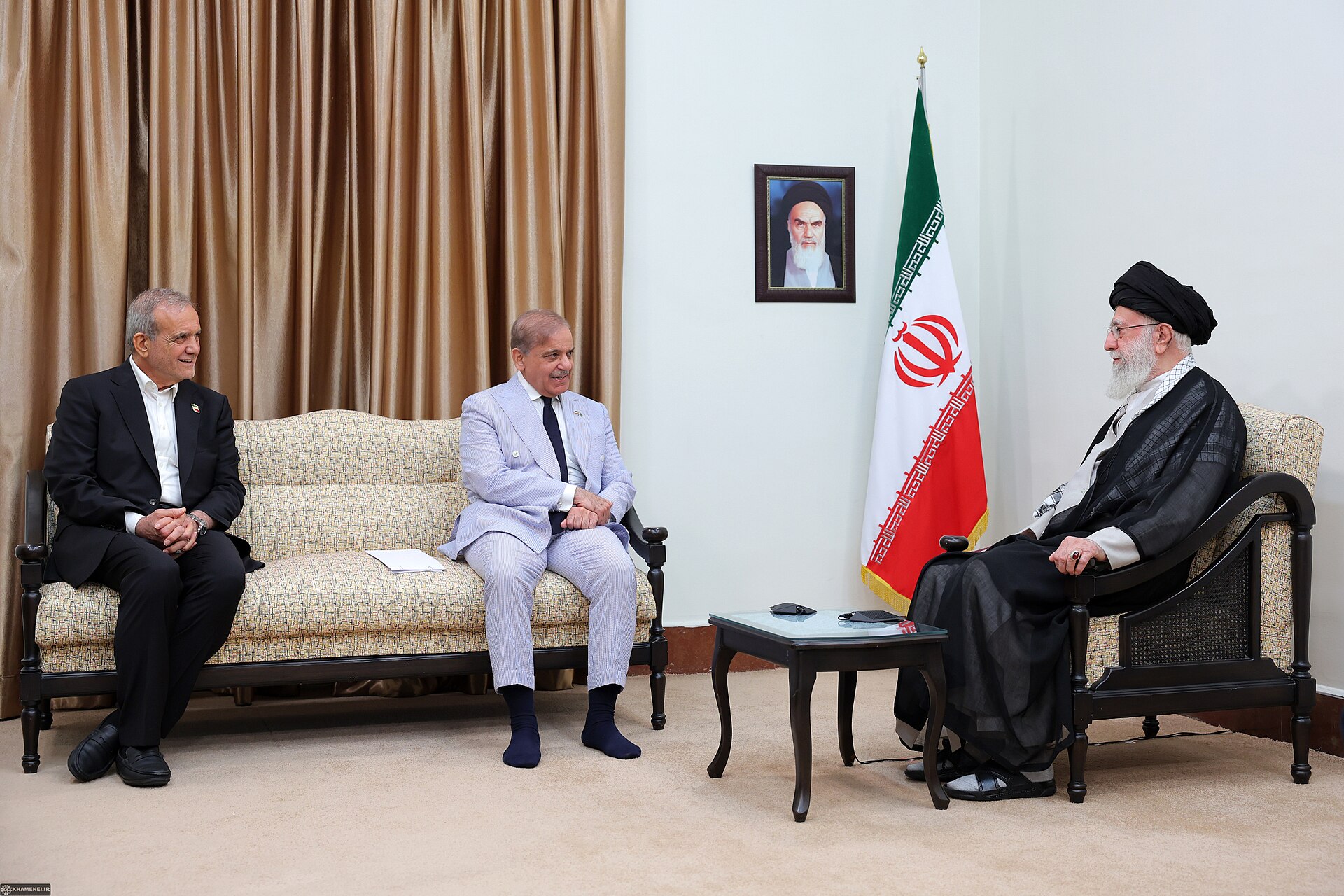
Araghchi, Iran’s Foreign Minister and lead negotiator, came closest to endorsement without delivering one. The Islamabad MOU had “never been closer,” he said, per WANA and APA. He did not say “final.” He did not say “agreed.” He added: “Pending its finalization, the media should refrain from entering speculation about its content.”
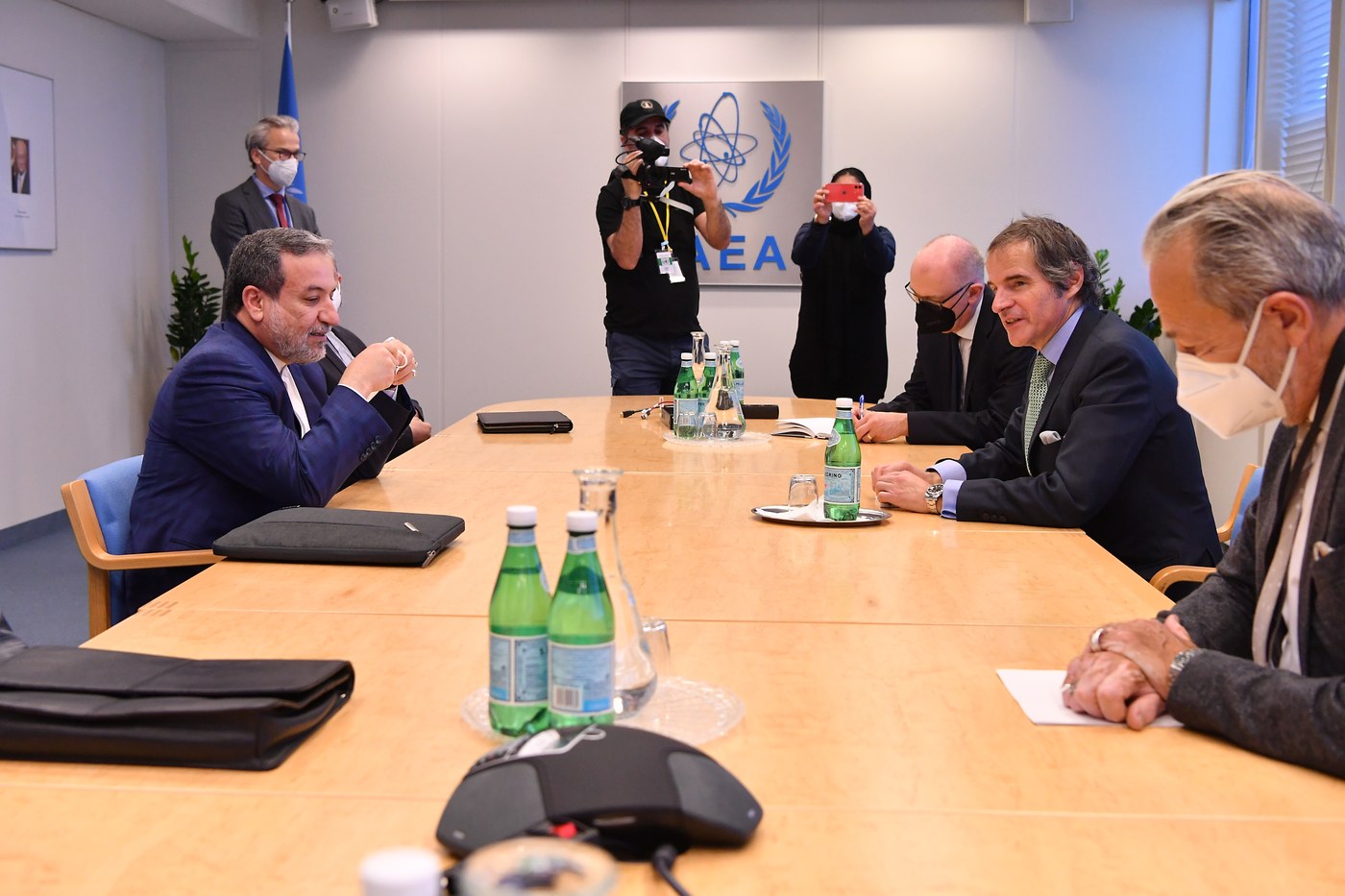
Esmail Baghaei, the Foreign Ministry spokesman, went further. “Relevant authorities must reach a conclusion on every provision of the text and on any potential understanding before a final decision is taken,” he told IRNA. Tehran, he said, had “not yet made a final decision.” He called reports of a finalized agreement “merely speculation.”
Tasnim — the news agency affiliated with the Islamic Revolutionary Guard Corps — went furthest. The text “still requires review and finalization by the relevant institutions in Iran,” it reported, adding that Trump had announced an imminent deal 38 times in the previous two months.
Two Versions of One Deal
The dispute extends beyond whether the text is final to what the text says.
IRNA published what it described as a 7-point framework. The terms included: no new concessions on Iran’s nuclear program; $24 billion in frozen assets released immediately; the Strait of Hormuz reopening under Iranian management; and a 60-day ceasefire extension across all fronts, including Lebanon. Trump called these terms “fake,” according to RFE/RL.
The US version, outlined by a senior administration official to CBS News, NBC News, and Axios, describes a different agreement. Iran would dismantle its nuclear program and destroy existing material. It would end support for proxy groups. It would keep Hormuz open and toll-free. The framework is performance-based: no frozen assets released until Iran demonstrates compliance.
Pakistan has described neither version. Sharif’s declaration said the text was “final” and “agreed upon” without specifying terms. Al Jazeera, the New Arab, and Al Arabiya reported the declaration. None received clarification from Islamabad on what the agreed text contained.
What Does Pakistan Owe the Country Whose Oil It Guards?
Pakistan is not a neutral intermediary in these talks. It is simultaneously the sole active channel between Washington and Tehran and the military guarantor of Saudi Arabia’s Eastern Province oil infrastructure. Field Marshal Munir — who carried a letter to Mojtaba Khamenei via Interior Minister Mohsin Naqvi on June 7 — commands the 13,000 Pakistani troops stationed in the Eastern Province under the Saudi-Pakistan military deployment agreement.
The Stimson Center published an analysis of “the motives and constraints behind Pakistan’s mediation between the US and Iran” examining the tension with Saudi defense obligations. The Council on Foreign Relations documented Munir’s IRGC back-channel as a defining element of Islamabad’s mediating architecture. Amwaj.media reported that “Pakistan navigates Saudi pact amid effort to mediate Iran-US deal.”
The bind runs both ways. Pakistan cannot press Saudi interests in Tehran without compromising its neutrality between Washington and the regime. Riyadh cannot demand that advocacy without exposing the dependency — 13,000 troops deployed under a chain of command that reports to Rawalpindi, not to the Saudi Ministry of Defense. Sharif’s June 12 declaration addressed Washington and Tehran; it did not mention Saudi Arabia.
Pakistan deployed JF-17 fighter jets to Saudi Arabia on April 11, during the fragile ceasefire. The country that reinforced Saudi air defense in April certified a deal Riyadh has not commented on in June.
Saudi Arabia’s exclusion from the Iran deal extends across all three active mediation tracks. The Pakistan channel operates under the structural conflict described above. The Oman channel was disrupted after Trump threatened on May 28 to “blow them up” if Oman continued brokering, and Iran suspended US message exchanges through Muscat on June 1. The Qatar channel runs through a country that extended a $6 billion credit line to Iran on May 25 and consulted Washington — not Riyadh — before dispatching its June 10 Tehran delegation.
The deal that governs Saudi waters has been negotiated without Saudi Arabia. Trump named the Kingdom an “approver” on June 11. Riyadh did not respond. Sharif declared the text final after 23 days of Saudi silence on the deal. On June 13 — the day after Sharif’s declaration — Saudi FM Faisal finally broke that silence, not through a MOFA statement but through a call to Pakistani FM Dar welcoming Pakistan’s mediation; why Riyadh chose Pakistan as the vehicle for its first public Iran signal in twenty-four days is examined here.
Background
Pakistan’s mediation architecture rests on two parallel channels. The civilian track runs through PM Sharif, who hosted the April 12 Islamabad talks that produced the ceasefire framework. The military track runs through Army Chief Munir, who traveled to Tehran directly in April — documented by Bloomberg — and whose letter to Mojtaba Khamenei was carried by Interior Minister Naqvi on June 7.
Naqvi made multiple trips to Tehran in early June, including two within 30 hours. He met FM Araghchi twice and carried what Pakistani media described as a “special letter” for Khamenei. The dual-letter architecture — one from Sharif on the civilian side, one from Munir on the military side — gives Pakistan simultaneous access to Iran’s diplomatic establishment and its IRGC command structure. No other mediator operates in both registers. Lebanon’s Army Chief Joseph Haykal was visiting Islamabad on the same day Naqvi departed for Tehran — a convergence linked to the Iran talks by the Times of Israel.
The deal under discussion is formally titled the Islamabad MOU. Trump told ABC News it could be finalized “as early as this weekend” — a statement made as Sadara’s $3.7 billion debt grace period approaches its June 15 expiration. The administration named Geneva as the venue and Vance as the signatory for a proposed June 14 ceremony. Saudi Arabia was not invited to the June 22 Washington follow-on meeting on ceasefire implementation, and its Foreign Ministry last addressed the Iran file publicly on May 20.
The gap between Sharif’s “final text” and what the document actually defers is most visible in the nuclear provisions: enrichment caps, stockpile disposal, and IAEA access schedules are all allocated to a sixty-day phase two that has not been drafted, examined in Sixty Days for Nuclear Terms Nobody Has Written.
Frequently Asked Questions
What is the Islamabad MOU?
The Islamabad MOU is the formal title for the US-Iran agreement framework brokered through Pakistan. It emerged from the April 12 Islamabad talks that followed the April 8 ceasefire. The document addresses enrichment levels, frozen assets, the Strait of Hormuz, and ceasefire terms — though the US and Iran publicly disagree on what those terms contain. Pakistan proposed the Islamabad naming convention to reflect its role as host and sole active mediator.
Why is Pakistan mediating the US-Iran deal?
Pakistan is the only country with simultaneous credentialed access to both sides of the conflict. PM Sharif maintains the civilian diplomatic track with Washington and Tehran’s foreign ministry. Army Chief Munir maintains a separate military-to-military channel with the IRGC through Interior Minister Naqvi’s direct contact with Mojtaba Khamenei. Oman’s channel was disrupted by US threats in late May. Qatar’s channel carries a $6 billion conflict of interest with Iran. Pakistan was the remaining functional intermediary — and the only one with parallel civilian and military architecture.
What is the Saudi-Pakistan military deployment agreement?
The bilateral agreement governs the deployment of approximately 13,000 Pakistani troops to Saudi Arabia’s Eastern Province, where they defend critical oil infrastructure including Aramco facilities. Army Chief Munir oversees the deployment. Pakistan also sent JF-17 fighter jets to reinforce Saudi air defense on April 11 during the fragile ceasefire. The agreement creates a structural bind: the same military leadership that protects Saudi oil also runs the IRGC back-channel through which the Iran deal is being brokered. Riyadh cannot challenge Pakistan’s mediation posture without jeopardizing the force that guards its most valuable economic assets.
How many times has Trump announced a deal was imminent?
The IRGC-affiliated Tasnim News Agency counted 38 such announcements in the two months preceding Sharif’s June 12 declaration. These span Truth Social posts, Fox News appearances, and ABC News interviews. Iran has cited this count to argue that Washington’s claims of progress do not predict finality — a framing that allowed Tasnim to challenge Sharif’s declaration without directly rebuking Pakistan’s mediating role.
Is Saudi Arabia invited to the June 22 Washington meeting on Iran?
No. Saudi Arabia is absent from all three mediation tracks — Pakistan (structurally conflicted by the military deployment agreement), Oman (disrupted by US threats in late May), and Qatar (carrying a $6 billion Iranian credit line). That structural exclusion extends to the June 22 Washington follow-on meeting on ceasefire implementation. Saudi Arabia was not party to the April 8 ceasefire framework, was not present at the April 12 Islamabad talks, and has not been consulted in any documented mediation exchange. Trump named the Kingdom an “approver” on June 11; Riyadh has neither confirmed nor denied the designation.
The following day, June 13, Trump escalated the claim — asserting that Khamenei himself had personally approved the MOU and a signing was imminent. Tehran’s response remained contradictory. Trump Says Khamenei Approved a Deal Tehran Has Not Confirmed. On the same day, Iran resolved the question of who would sit opposite Vance in Geneva by naming Parliament Speaker Qalibaf—not Foreign Minister Araghchi—as its signatory, an appointment that raises immediate constitutional questions about whether a legislative-branch official can bind the Islamic Republic.