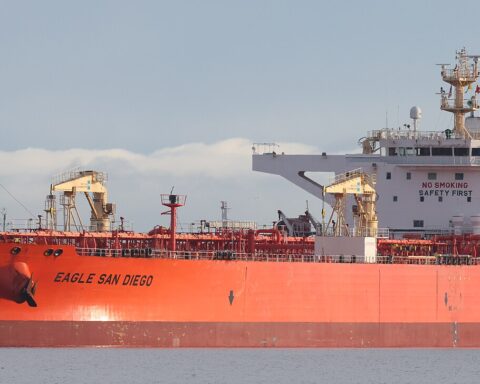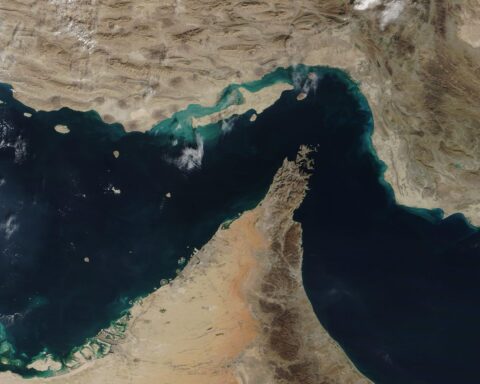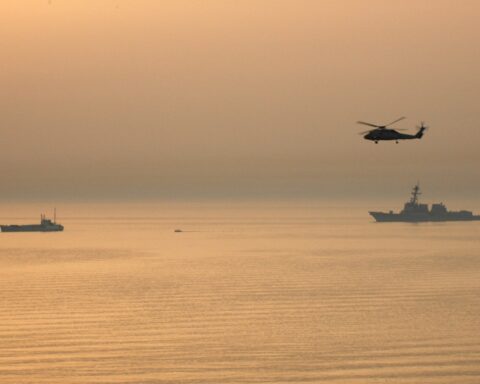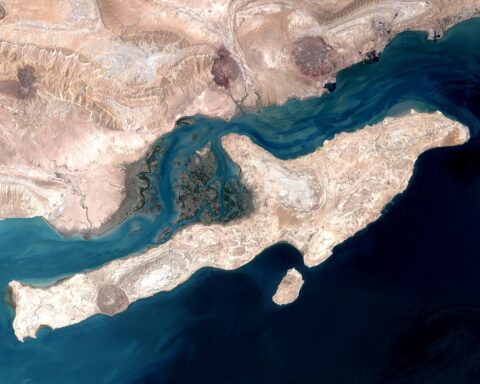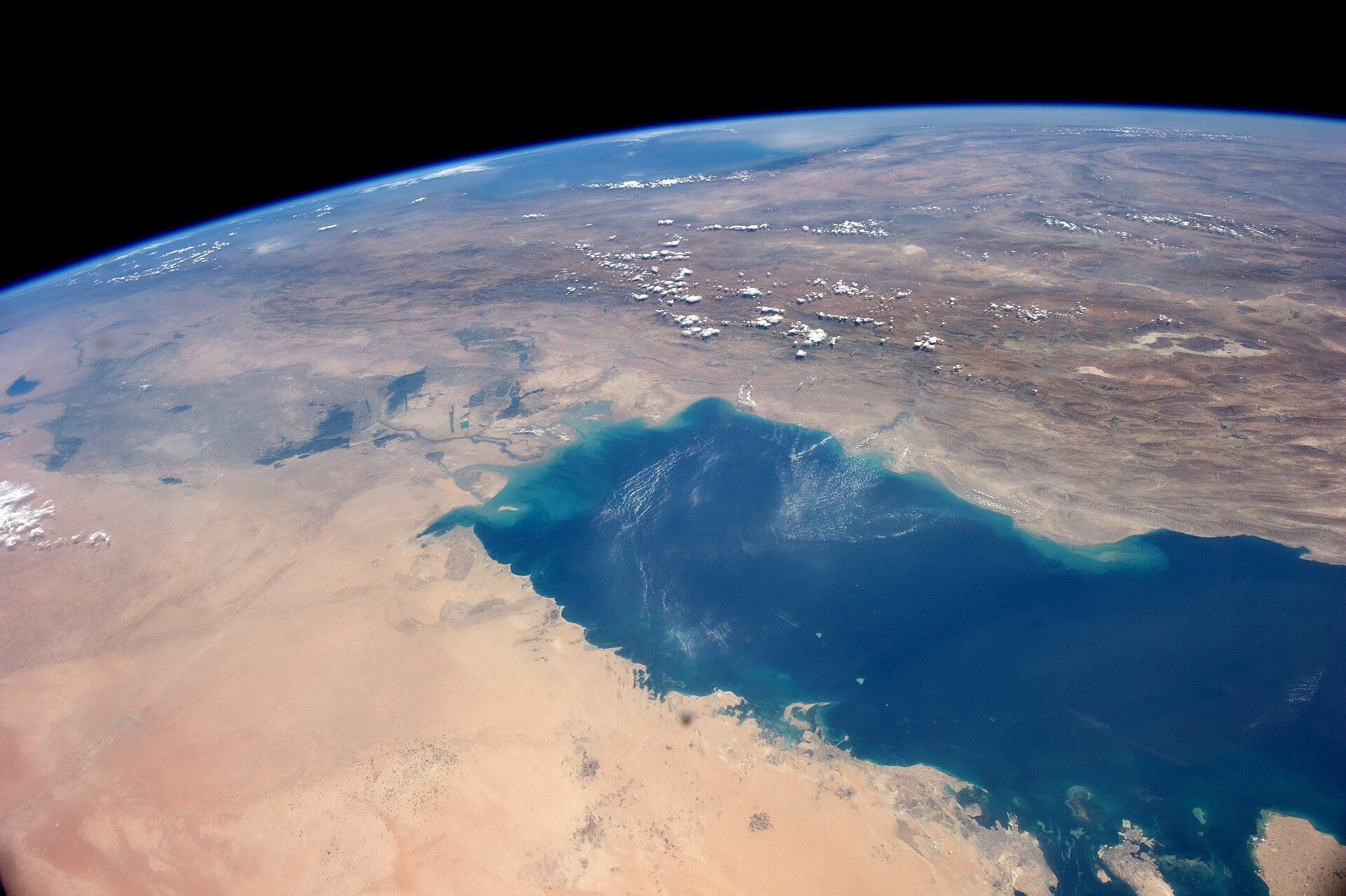

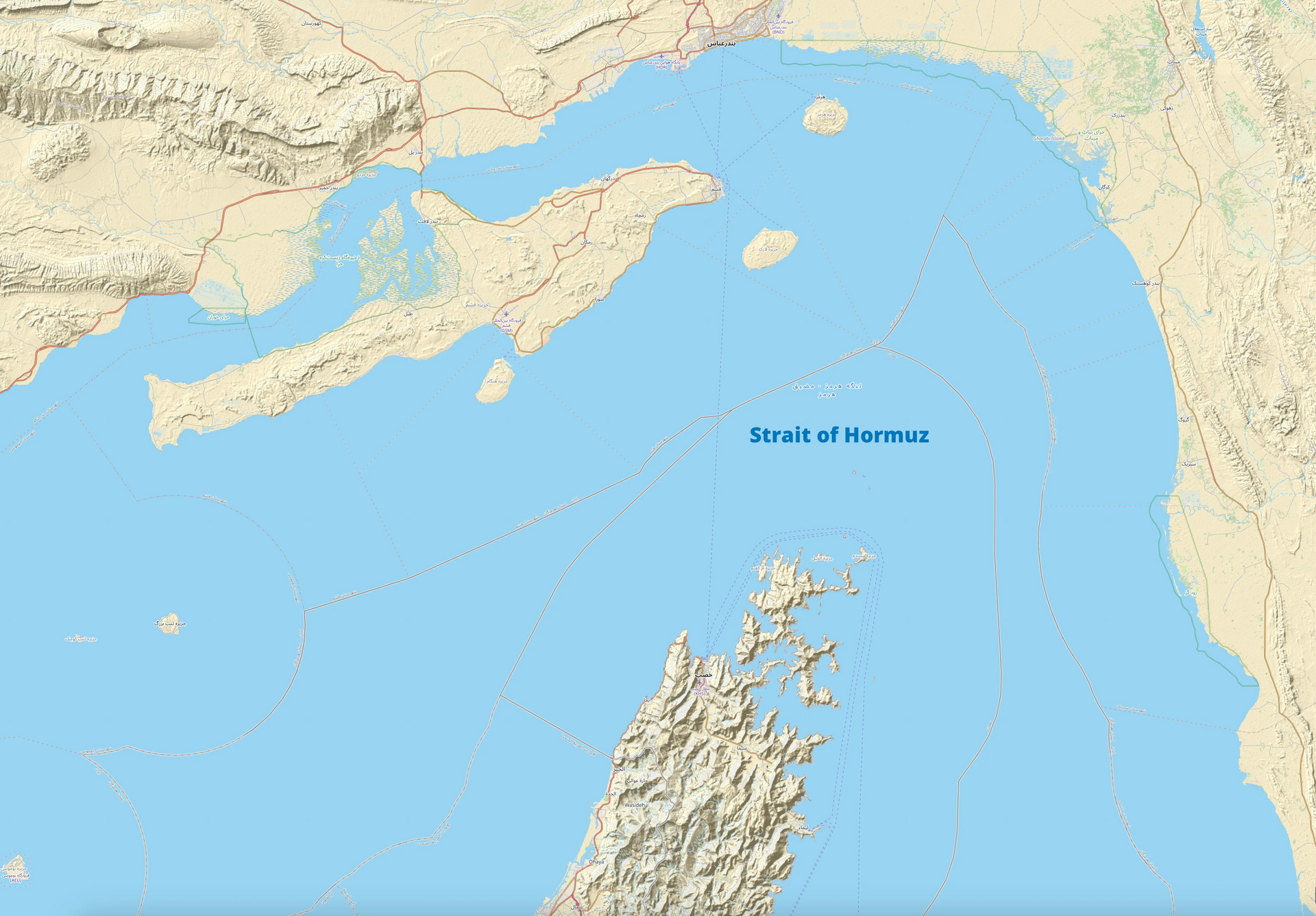
LONDON — Six hundred vessels sitting at either end of the Strait of Hormuz have become the empirical test of the US-Iran memorandum of understanding, and the deal is failing it. As of June 15, 2026, not one major shipowner has resumed routine transit — despite President Trump’s declaration, posted to Truth Social on June 14, of a “toll-free opening” of the strait and “immediate removal” of the US naval blockade. Approximately 300 loaded tankers wait inside the Persian Gulf, another 300 empty vessels drift in the Gulf of Oman, and some 250 ships are ballasting inside the Gulf primed to collect cargoes, according to data from maritime analytics platform Kpler. In the hours after the announcement, a single LNG tanker — the Disha — moved through. Nothing else did.
Anoop Singh, global head of shipping research at Oil Brokerage Ltd, delivered what amounts to the industry’s collective verdict: “We’re not seeing any big shipowners changing their stance at this point. They’re staying put for now.” Shipowners do not move on announcements. They move on insurance clearance, IRGC stand-down orders, and contractual risk assessments — and the MOU has provided none of these.
Table of Contents
- The Queue on June 15
- One Ship Moved
- Why Are Shipowners Ignoring the Declaration?
- The BIMCO Clause No Declaration Can Override
- How Much Does Every Stationary Vessel-Day Cost Saudi Arabia?
- What Has the $20 Billion Reinsurance Backstop Actually Insured?
- How Long Does Reopening a Strait Actually Take?
- The Fee That Survives the Text
- Frequently Asked Questions
The Queue on June 15
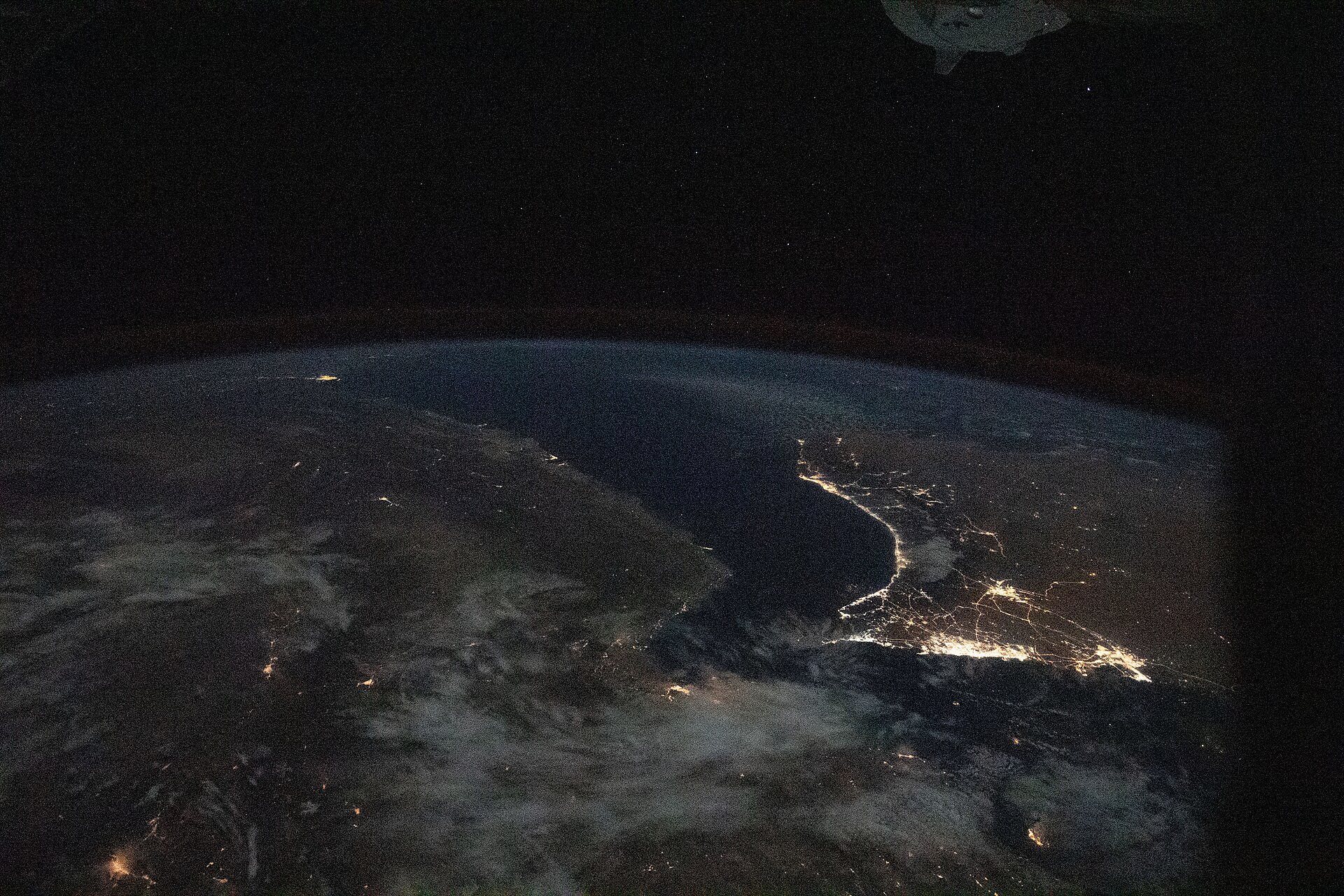
The Kpler data breaks the queue into three populations, each frozen for different reasons. Roughly 300 loaded vessels — primarily crude tankers and product carriers — sit inside the Persian Gulf, unable or unwilling to transit outbound. An equivalent number of empty vessels waits in the Gulf of Oman, unable to enter to collect cargoes. Around 250 additional ships are ballasting inside the Gulf, positioned near Saudi, Kuwaiti, Iraqi, and Emirati loading terminals but without clearance to depart through the strait.
| Category | Location | Approximate Count | Status |
|---|---|---|---|
| Loaded vessels | Inside Persian Gulf | ~300 | Outbound-bound, stationary |
| Empty vessels | Gulf of Oman | ~300 | Inbound-bound, awaiting clearance |
| Ballasting vessels | Inside Persian Gulf | ~250 | Near terminals, primed for loading |
Source: Kpler via Bloomberg, June 15, 2026
At peak disruption, roughly 10 percent of the global container fleet was caught in Hormuz-related delays — about 100 container ships among an estimated 750 total ensnared vessels, according to AP reporting. Pre-conflict, the strait handled more than 153 transits per day, per CSIS tracking data. The current daily figure: approximately 13. Crude carrier transits have dropped 95 percent; LNG carrier movements, 99 percent, according to World Trade Organization estimates.
The Irregular Warfare Quarterly described the result as “the first functional cessation of commercial shipping through the strait in recorded history — achieved not through physical destruction but through the collapse of the commercial architecture that makes shipping possible.” The mechanism is not bombardment but commercial non-viability — a distinction that matters because commercial architecture takes longer to rebuild than hull plating takes to patch. Ships struck by missiles in the 1980s Tanker War returned to service. Insurance markets stripped of underwriting confidence in 2026 have not.
The Middle East briefing 3,000+ readers start their day with.
One email. Every weekday morning. Free.
One Ship Moved
In the hours immediately following Trump’s June 14 declaration, Bloomberg and gCaptain reported “little activity in the strait.” The solitary exception was the Disha, an LNG tanker that transited the waterway. No major fleet followed. No convoy formed. No escort materialized.
The Disha’s passage is a data point, not a trend. A single vessel moving through a waterway that has dropped from 153 daily transits to approximately 13 does not constitute reopening — it constitutes an anomaly whose replicability is the question every insurer, charterer, and vessel owner is now weighing. Bloomberg reported that shipowners and traders received the deal “with almost all saying they would need more details in order to assess whether safe transits are possible after months of false starts.”
Mitsui OSK Lines, one of Japan’s largest shipping companies, stated that “close coordination with governments and insurance firms would be essential before it could send ships through the strait again.” Nippon Yusen KK, another major Japanese carrier, said normalization of traffic “hinges on what’s being laid out in the agreement.” Neither company dispatched vessels. The caution is not cultural conservatism — it is fiduciary obligation. A vessel master who transits a war-risk zone without proper insurance clearance exposes the owner to uninsured losses that can reach hundreds of millions of dollars per hull.
Why Are Shipowners Ignoring the Declaration?
Shipowners are not refusing to move out of political defiance or excessive caution. They are following a decision chain that runs through insurance underwriters, war risk committees, protection and indemnity clubs, and contractual clauses — a chain in which a presidential Truth Social post occupies no formal position. The Lloyd’s Market Association identified the real blocker in terms the market understood. The IRGC’s closure order — the physical threat animating the entire chain — has not been rescinded.
The LMA’s March 23, 2026 market statement addressed the public’s misperception head-on: “The reason ships are not moving is not through a lack of insurance; it is a question of the risk to crew and vessel safety being assessed by the ship masters and owners as too high.” Eighty-eight percent of Lloyd’s marine war market participants, the LMA noted, retained appetite to underwrite hull war risks in the Persian Gulf. Insurance capacity existed. Cover was available. What was absent was the underlying condition that makes a policy viable: physical safety for crew and vessel.
Brett Erickson, managing principal at Obsidian Risk Advisors, confirmed that “concerns about navigational safety were front of mind for all ships and companies operating in the area.” The distinction determines what has to change before a single additional vessel follows the Disha. If the problem were insurance supply, a government backstop or premium subsidy could resolve it. The problem is threat assessment — and only a verified change in the physical threat environment resolves that.
The source of the threat has not changed. The IRGC’s Khatam al-Anbiya Central Headquarters issued its closure order on June 10-11, declaring the strait “closed to all vessels, including oil tankers and commercial ships” and warning that any traffic “will be targeted.” The order specified “closed until further notice.”
As of June 15, no formal IRGC announcement rescinding that order has been published. The most recent Iranian-side communication, carried by the IRGC-affiliated Fars News Agency, asserted that “it has been decided that marine traffic through the Gulf will be regulated by Iran in coordination with Oman.” That language describes managed access under Iranian authority — not the open international passage that Trump’s declaration and the MOU framework purport to restore. Iran compounded the ambiguity on June 15 by issuing two contradictory signals in the same day: a UN notification that non-hostile vessels may transit, and a separate IRGC radio warning to a US Navy destroyer conducting mine clearance operations in the strait.
The IRGC’s maritime radio broadcast on June 14 — “refrain from any movement” — was addressed to vessels, not to diplomats in Geneva or Washington. The intended recipients are the same shipowners now being told by the White House that the waterway is open. They heard both messages, and the fleet-level operational response — zero movement in the 24 hours since the declaration — reflects which one carries weight with the people who bear the liability.
The BIMCO Clause No Declaration Can Override
Even a shipowner willing to accept the physical risk faces a contractual obstacle that no diplomatic instrument can override. The BIMCO CONWARTIME 2025 clause — standard in the vast majority of time charter party agreements governing international shipping — entitles vessel owners to refuse charterers’ orders where, in the owners’ reasonable judgment, a vessel may be exposed to war risks. The clause does not require proof of imminent attack. It requires only a reasonable assessment of exposure to an area designated as a war risk zone by the marine insurance market.
For as long as the Joint War Committee classifies the Persian Gulf and Strait of Hormuz as a listed area, CONWARTIME gives every vessel owner a contractual veto on transit. A charterer ordering a tanker through the strait faces lawful refusal — not a breach of contract, but the exercise of an explicit contractual right designed for precisely this situation: a waterway where political declarations and physical conditions diverge. Stephenson Harwood, the maritime law firm, has noted that CONWARTIME creates a structural lag between any diplomatic resolution and actual vessel movement. The lag is the mechanism working as intended.
The practical effect is that even if the IRGC rescinded its closure order tomorrow, individual vessel owners would retain the contractual right to refuse transit until the insurance market caught up. The war risk designation must be reviewed and lifted by the Joint War Committee. P&I clubs must reinstate Persian Gulf coverage. Hull war risk underwriters must adjust their terms. Each step follows the preceding one, and none responds to Truth Social posts. The queue of 600 vessels is not held in place by a single barrier. It is held by a stack of sequential conditions — physical, contractual, actuarial — each of which must clear before the next becomes relevant. CONWARTIME is one layer in that stack, and historical precedent suggests it is among the slowest to release.
How Much Does Every Stationary Vessel-Day Cost Saudi Arabia?
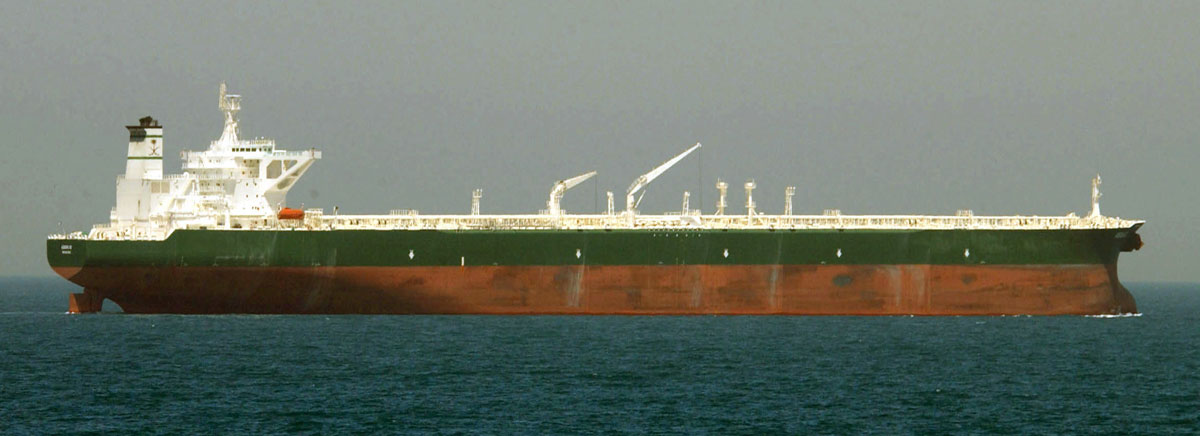
Saudi Arabia ships approximately 5.5 million barrels per day through the Strait of Hormuz — 38 percent of pre-conflict Hormuz crude volume. Every day those barrels do not move is a day they do not generate export revenue, at a moment when the kingdom’s fiscal architecture is under acute and compounding pressure from multiple directions simultaneously.
Brent crude on June 15 sat at approximately $80.14 per barrel, down 5.59 percent in a single session. The decline reflected markets pricing in a Hormuz reopening that had not physically occurred — a phantom supply increase driven by diplomatic expectation, not by any actual barrel leaving the Gulf. Saudi Arabia’s fiscal breakeven, estimated by the IMF and Goldman Sachs at $108 to $111 per barrel, sits roughly $28 to $30 above the current price. The kingdom is absorbing a price decline caused in part by a reopening that its own vessels cannot yet participate in.
| Metric | Value | Source |
|---|---|---|
| Saudi daily crude through Hormuz | ~5.5M bpd | Kpler / EIA |
| Brent crude (June 15) | ~$80.14/bbl | Trading Economics |
| Saudi fiscal breakeven | $108-111/bbl | IMF / Goldman Sachs |
| Breakeven gap | ~$28-30/bbl | Derived |
| PGSA fee exposure (at $1/bbl) | ~$5.5M/day | PGSA schedule |
| Annual PGSA fee liability | ~$2B/year | Derived |
| PGSA exemptions | Russia, China, India, Iraq, Pakistan — Saudi Arabia not exempt | |
The fiscal context compounds the strain. Saudi Arabia’s Q1 2026 deficit reached SAR 125.7 billion ($33.5 billion) — the largest quarterly shortfall on record — with subsidies up 170 percent and military spending up 26 percent year-on-year. PIF cash reserves have fallen to $15 billion, a six-year low, against $16 billion in outstanding NEOM exit obligations alone. The kingdom was named among twelve “approvers” of the MOU while holding a seat on none of the three active mediation tracks.
And even when vessels do eventually transit, Iran’s Persian Gulf Shipping Authority charges approximately $2 million per passage. At $1 per barrel across 5.5 million daily barrels, the annual fee liability reaches roughly $2 billion — paid to Tehran — while Russia, China, India, Iraq, and Pakistan are exempt. Saudi crude that is currently stationary will, upon moving, face costs that its competitors do not.
What Has the $20 Billion Reinsurance Backstop Actually Insured?
Nothing. The US Development Finance Corporation announced a $20 billion sovereign maritime reinsurance backstop on March 3, 2026, positioned as Washington’s answer to the insurance vacuum choking Hormuz transit. As of June 2026, the program has issued zero active policies. A DFC official confirmed the status directly: “There are no active policies at this time.”
The program’s structure explains the null output. DFC coverage is conditioned on naval escort — and no escort framework exists. Operation Earnest Will, the closest historical parallel, took months to organize in 1987-1988 when the US Navy escorted Kuwaiti tankers reflagged under the American flag through the same waterway during the Iran-Iraq Tanker War. No comparable escort deployment has been ordered for the current crisis. The $20 billion is a ceiling on a program whose activation trigger has not been pulled.
The commercial insurance market, meanwhile, moved at a speed the DFC has not matched. Within 48 hours of the February 28, 2026 strikes that precipitated the current closure, war risk premiums surged fivefold. Major marine insurers offered replacement coverage at approximately 60 times pre-crisis rates. Hapag-Lloyd imposed a War Risk Surcharge of up to $3,500 per container effective March 2. Major P&I clubs — Gard, Skuld, NorthStandard — issued formal cancellation notices for Persian Gulf coverage within days of the strikes, effective almost immediately.
That architecture was dismantled in under a week. The DFC’s government alternative has spent three and a half months issuing no coverage at all. Commercial markets respond to risk at commercial speed. Government backstops operate at government speed — which, for the 600 vessels in the queue, has been indistinguishable from inaction.
How Long Does Reopening a Strait Actually Take?
The mine clearance operation itself sets the hard floor. Western maritime security sources estimate it will take 40 to 50 days before commercial confidence returns; the Pentagon’s private projection runs to six months. The physical requirements behind Hormuz mine clearance — including the Maham-7, a purpose-built sonar-evasive seabed weapon with no field-tested NATO countermeasure — mean no vessel queue clears until that operation concludes.
Svein Ringbakken, managing director of the Norwegian Shipowners’ Mutual War Risks Insurance Association, was direct: “Even at full capacity, this would take months to restore to normal.” He added that production lines had stopped for many products due to lack of storage capacity — a physical bottleneck in port infrastructure and downstream refining that persists independent of diplomatic progress, insurance terms, or presidential declarations.
The historical record is consistent with Ringbakken’s assessment — and may suggest he is optimistic. The Malacca Strait, classified as a war risk area by the Joint War Committee due to piracy and armed robbery, saw the launch of the multilateral Malacca Straits Patrol in 2004. Chatham House, in an April 2026 analysis, cited the MSP model as a potential governance framework for Hormuz. But Lloyd’s Joint War Committee did not remove the Malacca war risk classification until 2006 — roughly two years after active multinational naval patrols began. The insurance market does not accept diplomatic assurances or military deployments as proxies for verified safety. It waits for incident data.
The Ukraine Black Sea corridor provides a more recent parallel. When Russia’s invasion disrupted Black Sea shipping in 2022, insurers cancelled war risk extensions before replacement cover could be negotiated. The UN-brokered Black Sea Grain Initiative — supported by active Turkish naval involvement and strong multilateral diplomatic backing — took months to produce a functioning insurance framework. That corridor then operated under continuous threat of Russian withdrawal, which eventually occurred, collapsing the insurance framework a second time.
The current Hormuz situation faces a structural complication neither precedent did. The MOU text itself is disputed between the US and Iranian sides, with material disagreements on passage conditions, fees, and enforcement mechanisms. The sixty-day phase two meant to resolve substantive terms has not commenced. The formal signing ceremony is now scheduled for June 19 in Switzerland — four days after the current vessel queue was counted. Until that ceremony produces a signed, agreed text that the marine war insurance market can evaluate against the IRGC’s standing orders, the contractual vetoes hold, the war risk classification holds, and the vessels remain where satellite data shows them: stationary.
The Fee That Survives the Text
Even the MOU’s own language does not promise the open, unencumbered transit that Trump’s declaration implies. The agreement prohibits “tolls.” It does not prohibit “service fees.” Iran’s Foreign Minister Araghchi stated on June 14 — the same day as the “toll-free opening” declaration — that Iran will charge ships “for services rendered” at Hormuz. The semantic gap between a toll and a service fee is the aperture through which Iran’s revenue extraction apparatus passes intact. The MOU Banned Tolls and Built the Fee Collector reconstructs how the MOU’s drafting created that aperture — and how Iran and Oman’s bilateral management protocol is now operating inside it.
The Persian Gulf Shipping Authority, established by Iran on May 18, 2026, requires vessels to disclose ownership, management, insurance, cargo, crew, and voyage details — an intelligence collection mechanism embedded in a fee schedule. OFAC sanctioned the PGSA on May 27. It continued operating. Iran’s parliament codified the fee framework in legislation passed March 30-31, weeks before the MOU draft existed — meaning the domestic legal basis for fee collection predates and is independent of the international agreement that purports to address it.
UNCLOS Article 26(2) permits coastal states to charge fees for “specific services rendered” to passing vessels. Iran’s legal position — that PGSA charges qualify under this provision — has not been adjudicated by any tribunal. NPR, citing regional experts, observed on June 8 that “once the strait has been closed once, it can be closed again. The charging of fees or tolls would be an extreme outlier and would set a dangerous precedent.” The precedent is being set in real time, through domestic legislation, bilateral coordination with Oman, and a fee schedule that OFAC sanctions have failed to disrupt.
For Saudi Arabia, the distinction between toll and service fee makes no difference to the outflow. The kingdom’s annual PGSA exposure — roughly $2 billion at published rates — accrues to Tehran for transit of a waterway a US president declared toll-free while Iran collects under a different label.
Frequently Asked Questions
How does the 2026 Hormuz closure compare to the 1984-1988 Iran-Iraq Tanker War?
During the Tanker War, more than 540 vessels were attacked and Lloyd’s hull rates for Kharg Island voyages reached 7.5 percent of vessel value — punishing premiums by any measure. But commercial shipping through Hormuz never ceased. Tankers absorbed the cost and kept sailing, because the underlying commercial architecture — P&I cover, war risk policies, charterer contracts — remained intact at elevated prices. The 2026 closure is structurally different. P&I clubs cancelled Persian Gulf coverage outright. BIMCO CONWARTIME clauses gave owners a contractual exit from transit orders. The disruption is not a risk premium applied to a functioning market but a market that has stopped functioning. Rebuilding it requires not just the absence of attack but the reconstruction of the insurance and contractual layers that make transit commercially viable — a process with no direct Tanker War analogue.
Could a US naval escort program like Operation Earnest Will reopen the strait?
Earnest Will (1987-1988) reflagged eleven Kuwaiti tankers under the US flag and provided Navy convoy escorts through Hormuz. The operation took months to organize — from initial Kuwaiti request in late 1986 through the first escorted convoy in July 1987. Even if Washington ordered a comparable deployment tomorrow, the logistical timeline would be similar, and the 2026 situation is more complex. Earnest Will operated during a conflict where Hormuz remained commercially open; escorts reduced risk at the margin. Today, the IRGC’s closure order, PGSA fee architecture, and Iran-Oman co-management framework mean an escort program would need to address not just physical safety but an entirely new commercial and regulatory regime that did not exist in the 1980s. The DFC’s $20 billion reinsurance backstop is conditioned on escort that has not been ordered, creating a circular dependency: the backstop requires a deployment that requires a policy decision that has not been made.
What is the BIMCO CONWARTIME clause and why does it block transit even after a deal?
CONWARTIME is a clause in BIMCO’s standard time charter agreement that gives vessel owners the right to refuse any charterer instruction that would route a vessel through a war risk area. A parallel clause — VOYWAR — provides the same right in voyage charter agreements, meaning both dominant chartering structures contain the veto. The clause is triggered not by actual hostilities but by the Joint War Committee’s listed area designation, which currently covers the Persian Gulf and Strait of Hormuz. Once triggered, the clause remains operative until the JWC formally downclassifies the region — a process that, at Malacca, lagged the start of active naval patrols by approximately two years. No MOU signing, presidential declaration, or diplomatic assurance accelerates the JWC’s review process, which is driven by loss data and underwriter risk appetite, not by geopolitical events.
Is Iran-Oman joint management of Hormuz part of the MOU framework?
The MOU text does not explicitly establish Iran-Oman joint management, but the arrangement appears to be proceeding on a bilateral track independent of the MOU. Bloomberg reported on May 21, 2026 that Tehran and Muscat were in active talks on co-administration of strait access. Fars News Agency’s June 14-15 statement — “marine traffic through the Gulf will be regulated by Iran in coordination with Oman” — suggests the framework is already being treated as operative by Tehran. The arrangement’s legal basis is contested: UNCLOS Part III enshrines a right of transit passage through international straits that cannot be suspended, but Iran argues that Hormuz’s geography — where the navigable channel passes through Iranian and Omani territorial waters — permits coastal-state regulation. Saudi Arabia, whose 5.5 million daily barrels depend on passage through this channel, has no seat in any Iran-Oman bilateral. Riyadh’s Ministry of Foreign Affairs has not issued a public statement on strait governance since May 20, 2026. The one multilateral document Saudi Arabia did sign on Hormuz — the May 21 GCC-IMO letter collectively rejecting the PGSA — carries no enforcement mechanism and speaks for only five of the six GCC states, with Oman’s absence leaving the inbound lane ungoverned by the letter’s position.
What sequential steps would need to occur before the six hundred vessels actually move?
The restoration is layered and sequential, with each condition depending on the one before it. First, the IRGC must formally rescind its June 10-11 “closed until further notice” order — not through diplomatic communiqués but through the issuing military command. Second, the MOU must be signed (scheduled for June 19 in Switzerland) with terms specific enough for marine war risk underwriters to evaluate. Third, the Joint War Committee must review the Persian Gulf’s listed area status, a process that takes weeks to months and relies on incident data, not announcements. Fourth, P&I clubs and hull war risk insurers must issue updated coverage terms for the region. Fifth, a verified security framework — whether naval escort, multilateral patrol, or equivalent — must be operational, not merely proposed. The DFC backstop requires this step before it can issue a single policy. Only after these conditions clear does the BIMCO CONWARTIME veto lose its contractual basis. Ringbakken’s estimate of “months” for full restoration, even at optimum pace, appears to assume that this sequence proceeds without interruption — an assumption the past four months of “false starts” have not supported.