DHAHRAN — Saudi Arabia cannot ship crude oil through the Strait of Hormuz for at least forty days after the Islamabad Declaration is signed on June 19, and possibly not for six months. At least twenty mines remain in the strait’s main traffic zone, including the Maham-7, a seabed weapon Iran designed to evade the sonar systems of the very navies now tasked with finding it.
Oil markets priced in a reopening on June 15, the day the deal framework was announced. The physical reality is a different arithmetic. Western maritime security sources estimate mine clearance alone will take at least forty days; the Pentagon’s private projection runs to six months. The MOU’s own language promises clearance “within 30 days” — a deadline the physical operation will exceed before the first minesweeper deploys.
The first operational proof of the asymmetric reopening came on June 15–16, when NITC supertankers Diona and Hero 2 transited carrying 4.8 million barrels of Iranian crude — while the same ordnance Iran laid continues to block Saudi export lanes. Iran’s NITC exemption is now confirmed in practice, not just in treaty language.
The House of Saud Daily Briefing
Saudi Arabia's news in 3 minutes, every morning. Free. See today's issue
Saudi Arabia, which exported 5.5 million barrels per day through Hormuz before the conflict, holds no role in the mine clearance operation, no seat on the transit-resumption authority, and no bilateral agreement with Iran on when its tankers may pass. Against a Goldman Sachs-estimated fiscal breakeven of $108 to $111 per barrel, every additional day of closure compounds a shortfall the Islamabad Declaration does nothing to shorten.
Table of Contents
- What the Market Priced and What It Cannot Clear
- What Does Mine Clearance Actually Require?
- What Happened the Last Time Mines Had to Be Cleared?
- Who Controls the Reopening Sequence?
- The Insurance Wall Behind the Mines
- Can Saudi Arabia’s Pipeline Close the Gap?
- What Does Saudi Arabia Lose Per Day of Delay?
- Frequently Asked Questions
What the Market Priced and What It Cannot Clear
Brent crude closed at $83.17 on June 15, down 4.7% from the prior session. WTI settled at $80.75, down 4.8%. Both benchmarks moved as though the Strait of Hormuz — through which 21% of the world’s petroleum passes in normal conditions — had returned to service. NBC News and TradingEconomics reported the drop within hours of the deal framework’s public announcement.
The EIA’s Short-Term Energy Outlook, published June 9, projected Brent at $105 per barrel in a scenario where Hormuz fully reopens. The current price sits $22 below that projection — a discount that implies either the market expects a partial reopening at best, or it has not yet processed the mine clearance timeline. Neither reading offers Saudi Arabia relief. Even the $105 full-reopening scenario lands $3 to $6 per barrel below Goldman Sachs’s estimated Saudi fiscal breakeven of $108 to $111. The deal that was supposed to close the gap between Brent and breakeven has, at least in the near term, widened it.
Trump himself, on the day of the announcement, stated the initial opening of the strait would be “for purposes of mine removal” rather than for general shipping. The distinction received almost no market attention. An opening for mine removal is not an opening for oil tankers. It is a military operation conducted under wartime insurance rates, and the tankers already trapped in the Persian Gulf — an estimated 118, according to Kpler — cannot move until the operation is complete.
What Does Mine Clearance Actually Require?
Iran deployed at least twenty mines in the Strait of Hormuz, according to a classified briefing the Pentagon delivered to Congress. The mine types have been confirmed by Gulf News, WION, and Al Jazeera: the Maham-3, a moored mine with magnetic and acoustic sensors, and the Maham-7, a purpose-built bottom-mine designed to evade standard sonar sweeping.
The Maham-7 is the problem the MOU does not mention. Standard minesweeper passes use hull-mounted or towed sonar to detect mine-shaped objects on the seabed. The Maham-7 was engineered specifically to defeat this technique — its profile mimics the acoustic signature of seafloor debris. Multiple passes with different sensor configurations are required, and even then, no navy claims reliable single-pass detection rates against purpose-built sonar-evasive weapons.
Five Western maritime security sources, cited by STL.News and investingLive on June 15, estimated that mine clearance operations would take 40 to 50 days before commercial confidence returned. A Kpler Middle East analyst offered a “more conservative” assessment — six months for a comprehensive sweep. Both estimates assume cooperative conditions. The sources did not define what cooperative conditions would look like, because no precedent exists for the mining state conducting its own clearance under a bilateral agreement with the state that bombed it.
The Pentagon’s classified estimate, shared with the House Armed Services Committee in April, projected up to six months with three dedicated vessels already in the region. Chief Pentagon spokesperson Sean Parnell publicly denied the figure, calling it “dishonest journalism” based on “cherry-picked” information from a closed-door briefing. The denial did not include an alternative timeline. No US official has offered a public estimate for when commercial shipping can safely resume.
CENTCOM announced it had begun a formal post-deal clearance phase on June 16. That development reframes why the 40-day confidence threshold and the Pentagon’s six-month estimate are answering different questions: one measures insurer confidence, the other measures operational completion.
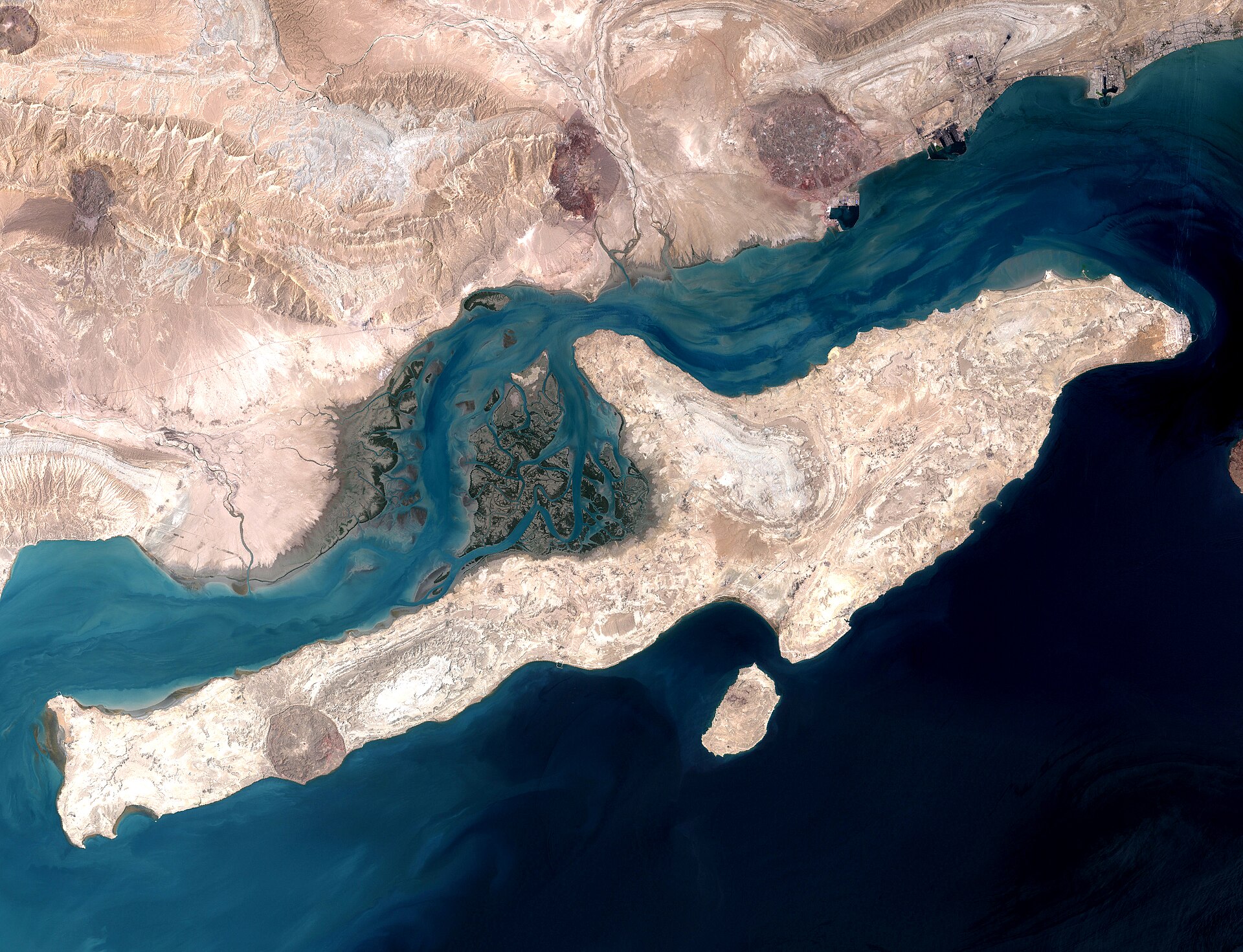
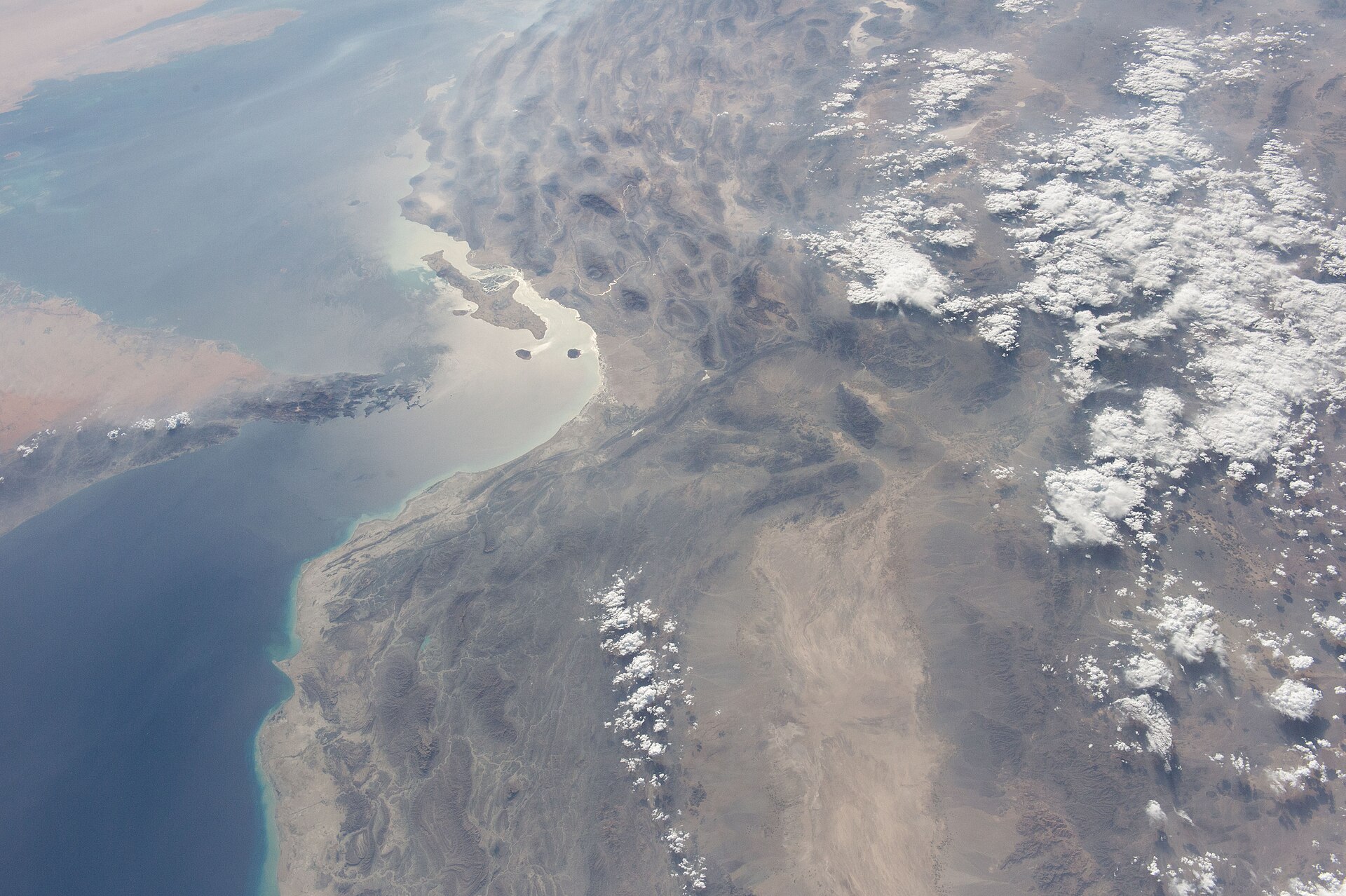
The navigable channel at Hormuz is narrow — two shipping lanes of roughly two miles each, separated by a two-mile buffer zone, threading between Qeshm Island and the Omani coast. Twenty mines in that corridor means roughly one mine per mile of shipping lane. Clearance crews working in these waters face strong tidal currents, summer water temperatures above 30 degrees Celsius that stress divers and sonar electronics alike, and the knowledge that each mine they do find confirms that others remain in the water they have already passed through.
The Islamabad Declaration specifies that the strait will open “within 30 days.” The physical estimates — 40 to 50 days at the optimistic end, six months at the Pentagon’s private projection — exceed the MOU’s own timeline before the first minesweeper deploys. British forces will not begin clearance operations until the formal signing on June 19, according to Bloomberg. The four-day gap between the deal announcement on June 15 and the signing ceremony means the clearance clock has not yet started, even as the oil market has already repriced.
The IRGC acknowledged the mines indirectly. It released a formal navigational map designating “alternative shipping corridors” for vessels wishing to avoid — in the IRGC’s phrasing — “the likelihood of the presence of various types of anti-ship mines in the main traffic zone.” The bureaucratic language inverted the reality: Iran was providing helpful traffic management guidance about weapons Iran had placed in the traffic lane.
What Happened the Last Time Mines Had to Be Cleared?
The closest precedent is Iraq, 1991. After the liberation of Kuwait, Iraqi forces handed over minefield maps within three days. Western European Union naval forces began clearance operations immediately, working in charted waters with cooperative intelligence. The operation took four and a half months. US and Japanese forces completed their sector on September 10, 1991 — six and a half months after the conflict ended.
Iraq cooperated. Iraq provided maps. Iraq did not claim administrative authority over the clearance zone. The operation still took half a year.
Iran has provided no mine maps. The Islamabad Declaration states that Iran will clear the mines it deployed, but specifies no operational timeline, no independent verification mechanism, and no penalty for delay. The MOU’s mine clearance provision reads as a diplomatic courtesy, not an operational plan.
The older precedent is worse. During the 1988 Tanker War, no consolidated Hormuz mine clearance was ever completed. The US resorted to convoy escort operations — Operation Earnest Will — rather than attempting a full sweep. Hormuz was never declared mine-free before the Iran-Iraq ceasefire. The strait simply returned to use gradually, at elevated risk, as insurers and shipowners made individual calculations about acceptable danger. The mines Iran deployed in 1988 were conventional moored contact weapons — crude by comparison to the Maham-7’s sonar-evasive design.
The difference between 1991 and 1988 is cooperation. Iraq provided maps and stood aside. Iran provided a navigational advisory about where its mines might be and broadcast warnings to ships transiting the zone. The current situation sits somewhere between the two precedents — a signed agreement to cooperate, implemented by a state that has not yet demonstrated what cooperation looks like in practice.
Who Controls the Reopening Sequence?
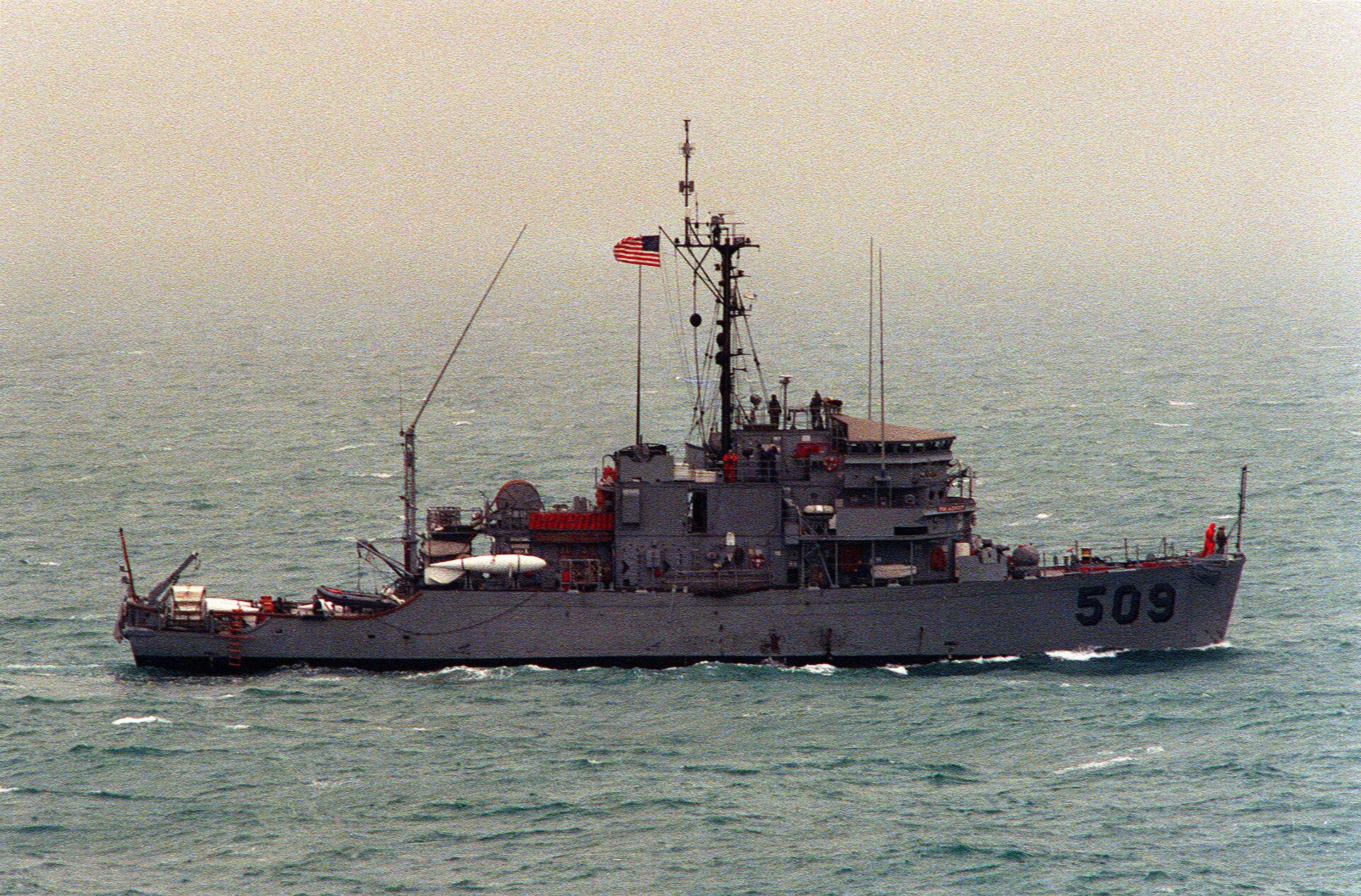
The mine clearance operation is a US NAVCENT-led multinational mission. USS Frank E. Petersen Jr. (DDG 121) and USS Michael Murphy (DDG 112), both Arleigh Burke-class destroyers, have been positioned in the strait since April for initial “safe pathway” work, Naval News reported. The UK and France finalized plans to lead the post-deal clearance mission in late May and early June — HMS Lyme Bay is the British flagship, and the UK will deploy mini-submarines for detection and destruction, according to Bloomberg and Fortune. Germany, France, Italy, and the UK stated jointly that they are “committed to playing our part” in the clearance effort.
Saudi Arabia is absent from every layer of this architecture. It is not mentioned in any clearance commitment statement. It commands no minesweeping assets in the strait. It has no bilateral agreement with Iran governing passage timing for Saudi-flagged vessels. The kingdom that loses the most from every day of delay has no mechanism to accelerate the timeline by a single hour.
Iran, by contrast, asserted control over the reopening on the same day the deal was announced. On June 15, Iran notified the United Nations that non-hostile ships may transit “in coordination with Iranian authorities” — a formulation that positions Tehran as the gatekeeper of passage even after the MOU is signed. The notification did not define “non-hostile.” It did not specify which Iranian authorities would coordinate. It established that no ship would pass without Iranian permission, regardless of what the multinational clearance mission accomplished.
On the same day, the IRGC Navy radioed USS Frank E. Petersen Jr. during active US mine clearance operations in the strait. The communication indicated monitoring, presence, and — at minimum — a reminder that Iran considers itself the sovereign authority over the waters the US Navy was working in. The Islamabad Declaration was being finalized without Saudi participation in any of the operational frameworks that will determine when the strait actually functions.
The Insurance Wall Behind the Mines
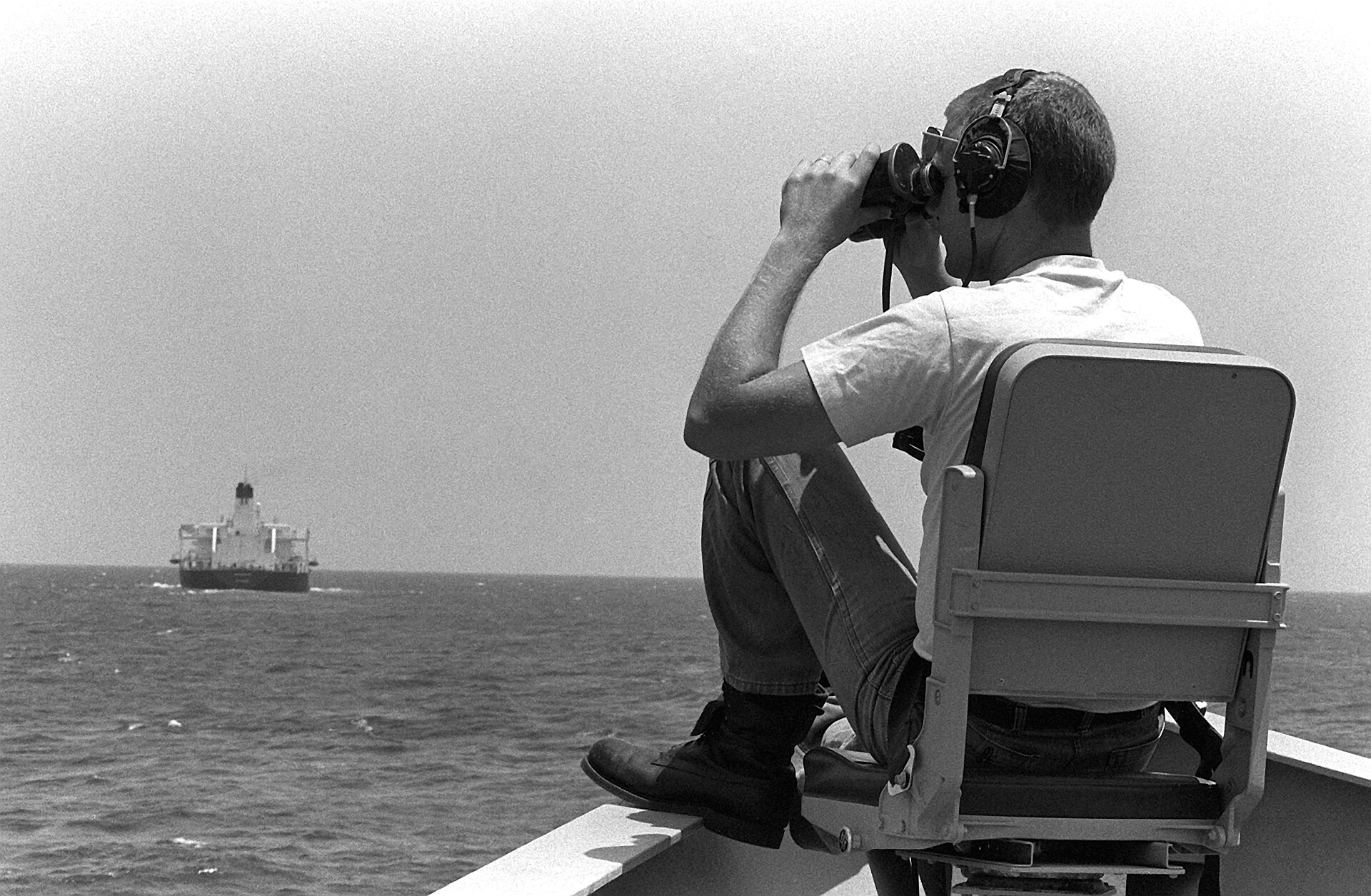
Even after the last mine is cleared — in forty days or six months — commercial shipping faces a second gate: insurance. War-risk premiums for Hormuz transits surged to 1 to 5% of hull value, according to PropertyCasualty360, representing a cost of approximately $5 million for a $100 million tanker. That is 20 to 25 times pre-conflict rates. P&I clubs — the mutual insurers that cover liability, pollution, and crew injury — cancelled Gulf and Hormuz coverage effective March 5, 2026.
War-risk premiums are quick to go up and slow to come down.
Unnamed war-risk underwriter, investingLive, June 15, 2026
The consequences are already measurable. The WTO recorded a 95% reduction in crude carrier transits and a 99% reduction in LNG carrier transits through Hormuz compared to pre-conflict baselines. The IMO logged 46 maritime incidents in the strait and 14 fatalities. BIMCO’s CONWARTIME clause — the industry-standard contractual mechanism allowing shipowners to refuse orders into war zones — has been triggered across the Persian Gulf, giving every vessel operator a legal basis to decline Hormuz transits regardless of what any government or insurer says.
The Lloyd’s Market Association framed the problem as physical rather than financial: “Safety concerns, not insurance availability, [are] driving reduced vessel traffic in the Strait of Hormuz.” The distinction matters less than the LMA intended. Whether the barrier is the mines themselves or the insurance markets’ response to the mines, the result is the same — tankers do not move.
The Red Sea offers a precedent for how slowly insurance markets recover from conflict. After Houthi attacks disrupted Red Sea shipping in 2023-24, maritime insurance rates remained elevated for months after the attacks subsided. Government-backed facilities were required to re-enable the Black Sea grain corridor; market-alone pricing proved prohibitive. Kpler noted in November 2025 that maritime insurance would not return to “normal” anytime soon — a judgment rendered about a shipping lane far less strategically sensitive than Hormuz.
Normal pre-conflict throughput at Hormuz was 153 or more ships per day, according to CSIS. As of June 15, approximately 13 ships per day were transiting. Kpler estimated that roughly 40 ships per day could begin moving within the first month of mine clearance implementation, mostly trapped vessels prioritizing exit. The gap between 40 and 153 is the insurance market’s verdict on how long it takes to rebuild trust in a strait that was mined by a state that still controls its waters.
Can Saudi Arabia’s Pipeline Close the Gap?
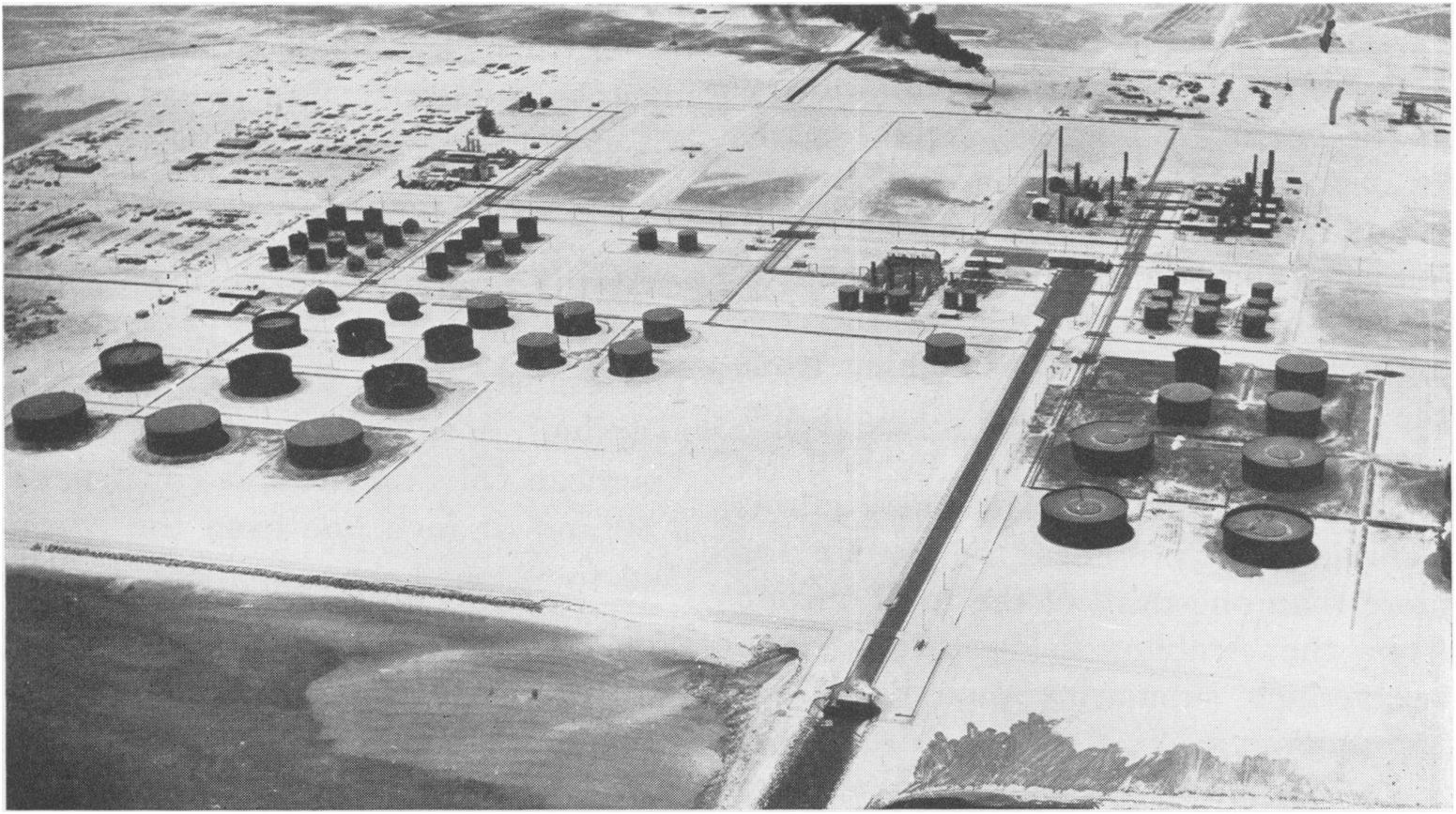
Saudi Arabia’s East-West pipeline, which terminates at Yanbu on the Red Sea coast, reached its operational capacity of approximately 7 million barrels per day during the Hormuz closure. Crude exports via Yanbu hit roughly 5 million barrels per day, with an additional 700,000 to 900,000 barrels per day in refined products, according to Argus Media, Fortune, and MercoPress as of March 2026.
The kingdom’s OPEC+ production quota stands at 10.291 million barrels per day. Actual production has dropped to approximately 7.76 million barrels per day — a gap of 2.5 million barrels per day attributable directly to the loss of Hormuz as an export route. The pipeline cannot close it. Yanbu is operating at the physical limit of the infrastructure. Every additional barrel of Saudi production capacity sits stranded on the eastern coast, in terminals that feed a strait no insurer will cover and no minesweeper has yet cleared.
OPEC+ compounded the pressure on June 7 with its fourth consecutive output hike of 188,000 barrels per day — a decision driven by compliance politics within the cartel rather than by Saudi Arabia’s specific transit constraints. Each incremental hike from other OPEC+ members pushes more supply into a market that has already priced in Hormuz optimism. Saudi Arabia cannot match the increases with its own production because it cannot move the barrels. Aramco’s Q1 2026 free cash flow fell to $18.6 billion against a quarterly dividend commitment of $21.89 billion — a coverage ratio of 0.85x, the first time Aramco has failed to cover its dividend from operating cash flow since the pandemic.
The Jubail Industrial City, which accounts for roughly 7% of Saudi GDP, has seen its petrochemical complex — anchored by the Sadara joint venture between Aramco and Dow — go entirely offline since late March. All 26 Sadara units ceased operations. The $3.7 billion in guaranteed senior debt backing the venture passed its grace period on June 15 without a filing from either guarantor. The pipeline moves crude westward. It does not move petrochemical feedstocks, refined products from Jubail’s facilities, or the revenue they once generated.
What Does Saudi Arabia Lose Per Day of Delay?
Goldman Sachs estimates Saudi Arabia’s war-adjusted fiscal breakeven at $108 to $111 per barrel. Brent closed June 15 at $83.17. The shortfall is approximately $25 per barrel. Applied to current production of 7.76 million barrels per day, the daily fiscal gap runs between $194 million and $216 million.
Saudi Arabia’s Q1 2026 budget deficit reached SAR 125.7 billion — $33.5 billion — the largest single-quarter deficit in Saudi history, according to Goldman Sachs and AGSI estimates. Subsidies rose 170% year over year. Military spending increased 26%. Non-oil exports fell 27% in Q1, according to Saudi Gazette and Gulf News. AGSI, the Saudi economic research firm, projected that Q2 GDP could contract by as much as 10% year over year — a figure driven largely by the offline Jubail complex and the Hormuz-constrained production ceiling.
The Public Investment Fund’s cash position dropped to $15 billion, a six-year low, at the same time the fund faced an estimated $16 billion in outstanding NEOM construction commitments. The kingdom entered the Islamabad Declaration signing window with a fiscal position that assumed the strait would reopen promptly. Every week of mine clearance delay erodes that assumption by approximately $1.4 billion in additional deficit accumulation.
The deal itself adds a cost layer the price drop does not capture. Iran’s Persian Gulf Strait Authority, constituted on May 5, charges approximately $1 per barrel in the five-nautical-mile Qeshm-Larak corridor — the only navigable channel through Hormuz. At Saudi Arabia’s pre-conflict volume of 5.5 million barrels per day, that amounts to roughly $5.5 million per day, or $2 billion per year. The PGSA was sanctioned by OFAC on May 27 and continued operating. The Islamabad Declaration prohibits “tolls” but not “service fees” — and Iran has already rebranded the charge as a service fee. Russia, China, India, Iraq, and Pakistan are exempt from PGSA fees. Saudi Arabia is not.
Saudi Arabia’s Ministry of Foreign Affairs has not issued a public statement on Hormuz, mine clearance, or transit-resumption timelines in over 26 days. The last substantive MOFA comment on the Iran negotiation came on May 20, at the EU’s Gymnich meeting. In the weeks since, Pakistan announced the signing date, Iran announced the cancellation of the first signing date, the US named the venue and its signatory, and four European nations committed to mine clearance. Saudi Arabia said nothing about any of it. The kingdom losing the most per day of Hormuz delay has been the quietest party in the room.
The arithmetic runs in one direction. Every day the strait remains physically closed, Saudi Arabia pays the breakeven gap — $194 million or more — against revenue constrained by a pipeline that cannot replace Hormuz volumes. Every day the strait eventually reopens, Saudi Arabia pays Iran’s toll on top of a Brent price that the deal itself helped drive below breakeven. The deal Saudi Arabia was thanked for approving delivers a price collapse it cannot offset and a reopening it cannot accelerate, followed by a fee structure it cannot avoid.
By June 18, that price collapse had deepened further: Brent at $75.49, a 40% decline from the 2026 conflict peak, with Saudi Hormuz lanes still sealed by mines. The full structural analysis of how Brent priced the deal before Saudi barrels could move quantifies the six-dimensional inversion — price signal, physical blockade, fiscal damage, insurance barrier, PGSA fee layer, and historical precedent.
The IRGC’s “last warning” broadcast to the USS Frank E. Petersen Jr. on the same day Iran signed the MOU has since complicated that timeline further: the signal from the patrol boat contradicts the one from the Foreign Ministry, and it is the patrol boat that controls access to the minefield.
| Metric | June 15, 2026 (deal day) | Full reopening scenario |
|---|---|---|
| Brent crude ($/bbl) | $83.17 | $105 (EIA STEO) |
| Gap to breakeven ($108-111/bbl) | ~$25/bbl | ~$3-6/bbl |
| Saudi production (mbpd) | 7.76 | 10.291 (OPEC+ quota) |
| Hormuz exports (mbpd) | 0 | ~5.5 (pre-conflict) |
| Daily fiscal gap | ~$194-216M | ~$31-62M |
| PGSA toll exposure ($/day) | $0 (no transits) | ~$5.5M |
| Ships transiting Hormuz/day | ~13 | 153+ (pre-conflict) |
| Estimated time to reach full reopening | 40-50 days (Western maritime sources) to 6 months (Pentagon/Kpler) | |
Frequently Asked Questions
Has the Maham-7 mine been deployed in any previous conflict?
No. The Maham-7 is a purpose-built Iranian seabed weapon that saw its first operational deployment during the 2026 Hormuz campaign. Iran developed the Maham series after studying Western mine countermeasure capabilities, particularly NATO’s reliance on hull-mounted and towed sonar arrays. No NATO-standard equivalent exists for a purpose-built bottom mine specifically engineered to mimic seafloor debris acoustic signatures. The Maham-7’s operational debut in Hormuz means clearance crews are encountering a weapon for which no field-tested countermeasure doctrine yet exists.
Could Saudi Arabia permanently reroute crude exports through the Red Sea to avoid Hormuz?
Only partially. The East-West pipeline to Yanbu has a throughput ceiling of approximately 7 million barrels per day, which Saudi Arabia has already reached. Expanding pipeline capacity would require multi-year construction through the Hejaz terrain. The Red Sea route also adds 10 to 14 sailing days for Asian buyers — Saudi Arabia’s largest customer base — compared to direct Persian Gulf loading. Suez Canal transit fees and capacity constraints compound the cost. Japan, South Korea, and China collectively import over 3 million barrels per day of Saudi crude, and routing that volume through the Red Sea, around the Arabian Peninsula’s western coast, and through the Suez Canal is neither economically competitive nor physically sustainable at scale.
What role does Oman play in Hormuz reopening?
Oman occupies a structurally ambiguous position. The southern shore of the Strait of Hormuz is Omani territory — the Musandam Peninsula — and Oman’s own shipping traffic passes through the strait daily. Bloomberg reported on May 21 that Iran and Oman held bilateral talks on co-administration of Hormuz, a framework that would give Muscat a formal governance role that Riyadh lacks. Oman maintained diplomatic relations with Iran throughout the conflict and did not join the Saudi-led coalition or endorse the PGSA sanctions. Any co-administration arrangement between Tehran and Muscat would further marginalize Saudi Arabia from the operational architecture governing its own export route. On May 21, Saudi Arabia co-signed the GCC-IMO letter rejecting the PGSA — the only collective documentary record of Riyadh’s position on the transit fee — but Oman did not join, exposing the letter’s geographic reach as covering only one side of the seaway.
Has any international agreement previously assigned mine clearance to the state that laid the mines?
The Islamabad Declaration’s provision that Iran clear its own mines has no direct precedent in modern naval agreements. The 1997 Ottawa Treaty (Mine Ban Treaty) prohibits antipersonnel landmines but does not cover naval mines, and Iran is not a signatory. In every post-conflict naval mine clearance operation since 1945 — including the 1991 Gulf War, the 2003 Iraq War, and the Libyan civil war — clearance was conducted by the opposing or allied naval coalition, not by the mining state. The MOU’s assignment of clearance responsibility to Iran is diplomatically novel and operationally untested. No verification mechanism in the agreement specifies how third parties would confirm that Iran has cleared all mines rather than merely some of them.
Kuwait Petroleum Corporation lifted force majeure on June 18, the same day Bahri’s convoy cleared Hormuz, and committed to two million barrels per day within a week. Kuwait routed exports through Mina Al-Ahmadi without Hormuz exposure during the blockade period. The free-rider dynamic that emerges — Kuwait capturing the reopening Saudi Arabia funded — has no GCC enforcement mechanism.
Mine clearance coordination under the Islamabad Declaration was also on the table at the G7 Evian Arab-leaders session on June 16–17 — the multilateral table where mine clearance plans were endorsed without Saudi Arabia in the room. The forty-day clearance window documented here ran in parallel to a diplomatic process Riyadh did not attend. Aramco’s response to the loading delay was a signal of its own: the $6/barrel July OSP cut — the largest single-month reduction since 2022 — was set on June 8, eleven days before the Geneva ceremony and with zero commercial transits through the strait.
The vulnerability documented here extended beyond the strait itself. Reporting on Saudi Arabia’s four idle offshore fields — Marjan, Safaniya, Zuluf, and Abu Safa — shows that Riyadh’s exposure is not only logistical but structural: fields that cannot load have nothing to route, regardless of what any mine-clearance timeline produces. The structural supply surplus that awaits Saudi barrels after clearance — IEA at 5 mb/d excess, Goldman at $75 Brent, against a $108–111 breakeven — is the subject of Eight Million Barrels Nobody Asked For. The forty-day prediction proved conservative: three Bahri VLCCs completed the first Saudi crude transit since the war began on June 18, three days after the deal framework was announced.
Mine clearance is only the first bottleneck. Even once a swept lane is certified, P&I clubs have not restored coverage and war-risk premiums remain 30x above normal rates — an institutional gap that persists independently of military progress, as analysed in the divergence between JMIC threat classifications and P&I club clearance requirements.
The House of Saud Daily Briefing
Saudi Arabia's news in 3 minutes, every morning. Free. See today's issue