
WASHINGTON — The United States is pulling diplomats and military personnel out of the Gulf in a pattern that twice before preceded strikes on Iran. On October 22, the State Department ordered non-emergency employees and families to depart Saudi Arabia, citing Houthi attacks on civilian airports. The same day, the New York Times reported that Washington and Israel have drawn up plans for a “short but intensive” operation against Iranian energy sites, nuclear facilities and missile stockpiles — to begin after the November 3 midterm elections. Trump has not approved the plans, but his own language is hardly ambiguous: “Something one way or another will happen, fairly soon.”
Saudi Arabia sits at the centre of the pattern without controlling any of it. Crown Prince Mohammed bin Salman made two appeals to Trump in September for US strikes on the Houthis, and both were declined, according to CNN. Now the departures are for the benefit of American personnel, the planning is for an American election cycle, and the targets are Iranian — not Yemeni. Riyadh is being asked to host a war it did not choose, at a time its airports are under fire and its oil exports have halved.
Table of Contents
- The Departure Pattern: February, June, October
- What Did the NYT Report on Post-Midterm Strike Plans?
- Why Does November 3 Function as a Political Clearance Date?
- Did Trump Block an Israeli Strike on Iran in October?
- How Has Iran Responded to the Repositioning?
- What Does This Mean for Saudi Arabia?
- Al Udeid and the Gulf Footprint
- The Diplomatic Vacuum After November 3
- Strike Sequencing: A Comparative Timeline
- FAQ
The Departure Pattern: February, June, October
State Department spokesperson Tommy Pigott confirmed the October 22 departure order from Saudi Arabia, stating that the Houthis “have increasingly engaged in hostilities against Saudi Arabia,” targeting “civilian airports and other critical civilian infrastructure,” according to CBS News. Four US officials told Reuters that diplomatic missions in other Gulf states are also expected to arrange departures of family members, though the State Department did not confirm the wider scope.
The House of Saud Daily Briefing
Saudi Arabia's news in 3 minutes, every morning. Free. See today's issue
The move follows a template that American officials have used twice this year. On February 23, the State Department pulled non-essential staff from its Beirut embassy. Five days later, on February 28, the US and Israel launched strikes on Iran that killed Supreme Leader Ali Khamenei, according to Military Times and Egyptian Streets. Before “Operation Midnight Hammer” — the June strikes on Iranian nuclear sites — the State Department withdrew non-essential staff from Bahrain, Iraq, Kuwait and Lebanon, according to Military Times.
The interval between diplomatic withdrawal and kinetic action in February was five days. The interval in June was slightly longer but followed the same procedural logic: remove exposed personnel, then strike. The October withdrawals began on the 21st and 22nd. If the pattern holds — and there is no guarantee it will — the operational window opens in late October or early November.
What Did the NYT Report on Post-Midterm Strike Plans?
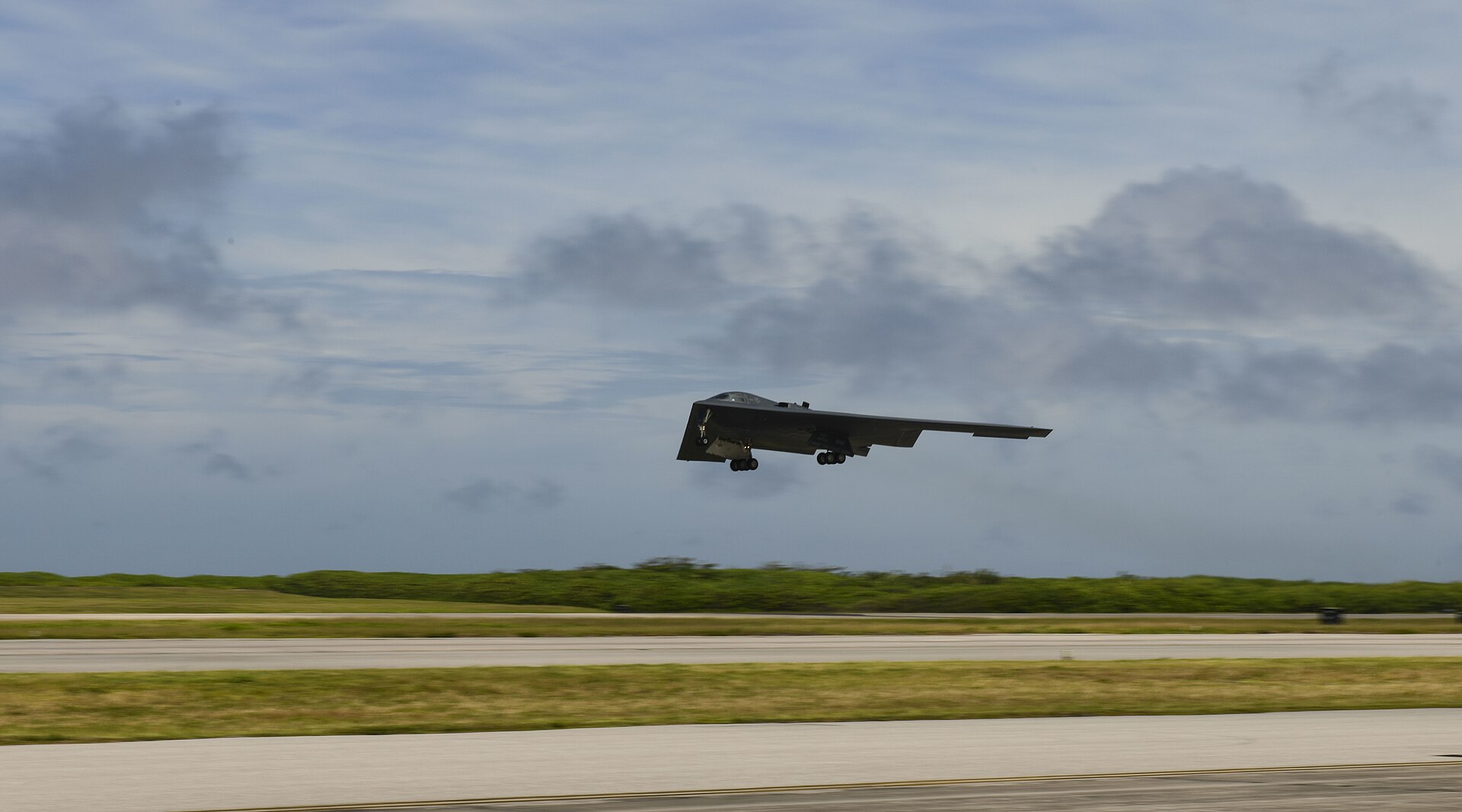
The New York Times reported on October 22 that the United States and Israel have drawn up plans for renewed strikes on Iran to begin after the November 3 midterm elections. The operation is described as “a short but intensive operation,” according to the Times of Israel’s summary of the NYT report. Targets include Iranian energy sites, nuclear facilities and missile and drone stockpiles. US aircraft have conducted flyovers of Iraq to simulate strike runs, according to the same NYT report via the Times of Israel.
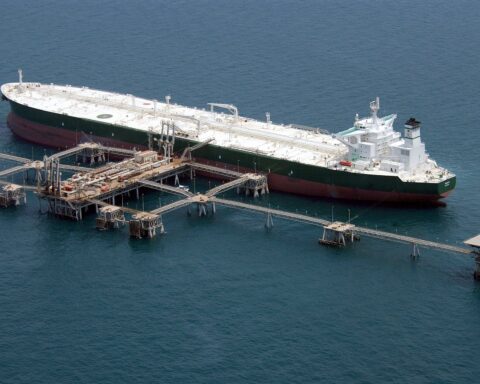
Some officials told the NYT that refineries might be spared to avoid raising gasoline prices, per investing.com’s summary of the report. Trump has not approved the plans. The NYT assessed there is a “small chance” of pre-November 3 authorization, according to the Times of Israel. The planning is joint: both American and Israeli military officials are involved, and the target set overlaps with the package Israel had already prepared independently.
None of this is a declaration of intent. Planning and execution are separated by a presidential decision that has not been made. But the infrastructure of the decision — the target lists, the simulation runs, the diplomatic evacuations — is in place.
The NYT report matters for what it reveals about the scope of the contemplated strikes. “Energy sites” in Iran means refineries, export terminals and potentially pipeline infrastructure. “Nuclear facilities” means enrichment plants — sites that the US struck during Operation Midnight Hammer and that have presumably been rebuilt or hardened since June. “Missile and drone stockpiles” means the depots that feed Iran’s proxy network, including the supply chain that reaches the Houthis in Yemen. The target set is not surgical. It describes an operation intended to impose cost across Iran’s military-industrial base.
The refineries debate is a window into the domestic politics shaping the campaign. Some officials pushed to exclude Iranian refineries to avoid a global crude price spike that would translate directly into higher American gasoline prices before Christmas — a consumer indicator that congressional incumbents cannot afford. The exemption, if it holds, would limit the operation’s economic damage to Iran while protecting the White House from the same inflation risk it is trying to avoid by delaying past the midterms.
Why Does November 3 Function as a Political Clearance Date?
On October 8, Trump told The National: “We will not be attacking Iran at any time prior to the midterm elections on November 3.” The statement was unambiguous. It was also time-bounded. The constraint expires on November 4.
When Trump was asked on October 22 about the timing of potential military action, his answer tracked the same calendar: “Something one way or another will happen, fairly soon,” he said, according to the Times of Israel liveblog. “Most people seem to think it’s after the election.” The phrasing attributed the timeline to others while leaving his own decision formally open — a construction that preserves deniability without contradicting the drift.
The Wall Street Journal had reported on September 26, via Hurriyet, that Trump rejected Iran’s Araghchi roadmap and expected “renewed bombing after the midterms.” That assessment preceded the October 8 no-strike statement by 12 days, and it aligned with the same calendar. The midterm date is not incidental to the planning; it is structural. Congressional campaigns in contested districts cannot absorb the political risk of a Gulf war launched during voting season. The constraint is electoral, not strategic.
A Financial Times source put it plainly around October 20: “There will either be a deal or an attack” after the elections, according to the Times of Israel’s summary of the FT report.
No deal exists. Iran’s Araghchi roadmap was rejected. Rezaei called the US response “insufficient,” according to IRNA via CBS News on October 11. Araghchi offered to “facilitate dialogue between Saudi Arabia and Yemen,” according to the BBC on October 11 — an offer that acknowledged the Houthi war was an Iranian lever while doing nothing to release it. The diplomatic track, such as it was, expired with the September exchanges. What remains is the binary the FT source described: the election passes, and either diplomacy materializes from a vacuum or kinetic action fills it.
Did Trump Block an Israeli Strike on Iran in October?
Israel had its own timeline. The Financial Times reported around October 20 that the IDF was ready to strike Iran on the weekend of October 10. The targets included nuclear facilities, regime sites and civilian infrastructure including energy plants. Trump blocked it before the midterms, consistent with his October 8 commitment, according to the FT via the Times of Israel.
Netanyahu’s office issued a partial denial through Channel 12, saying Netanyahu did not seek to start a war before the elections, according to the Times of Israel. The denial addressed the question of intent without addressing readiness. The strike package existed. The denial said it was not launched for political reasons — which is precisely what the FT reported.
Israeli security officials told Channel 12 on October 22 that there was “no change in intelligence assessment that would justify an operation in the next two to three weeks,” according to the Times of Israel. That assessment does not rule out a post-midterm window; it rules out a pre-midterm one. The two- to three-week horizon places the earliest Israeli green light around November 5 to 12 — the same window the NYT planning describes.
The overlap between the American and Israeli timelines is the feature, not the coincidence. Both strike packages address Iranian targets. Both were shaped by the same intelligence picture of Iran’s nuclear programme and missile production. And both were held back by the same hand — Trump’s October 8 commitment to no military action before the midterms. If Trump removes that constraint after November 3, both plans are ready to execute. The question is not whether the capability exists. It is whether the authorization follows.
How Has Iran Responded to the Repositioning?
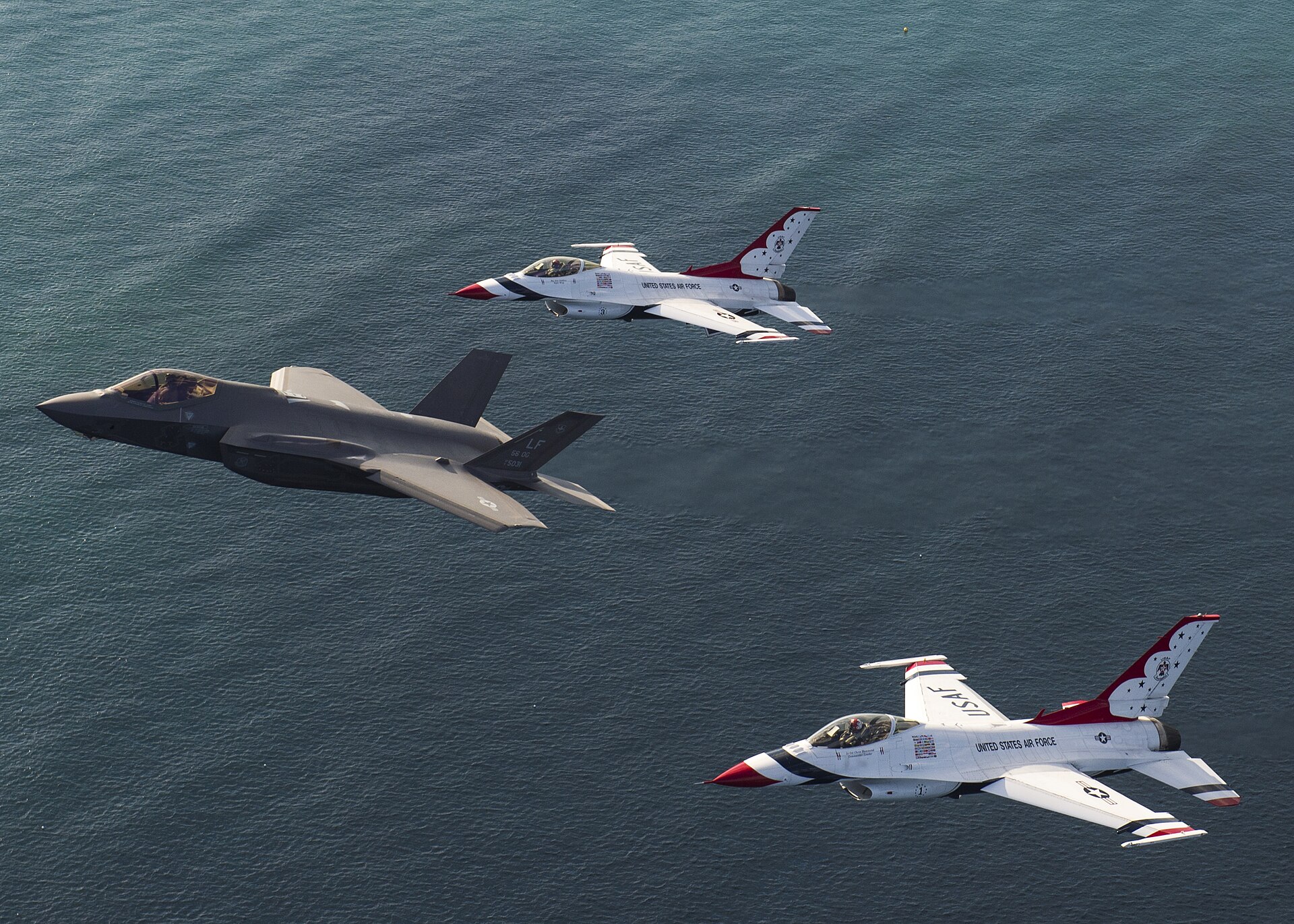
Tehran has read the signals and responded with its own escalatory statements. On October 22, the IRGC issued a direct warning: “The US military must know that if this trend continues, the conflict will extend to its bases in the region,” according to the Times of Israel liveblog. A senior Iranian official warned regional countries that Iran would attack US bases if Washington strikes, according to Reuters via Yahoo News.
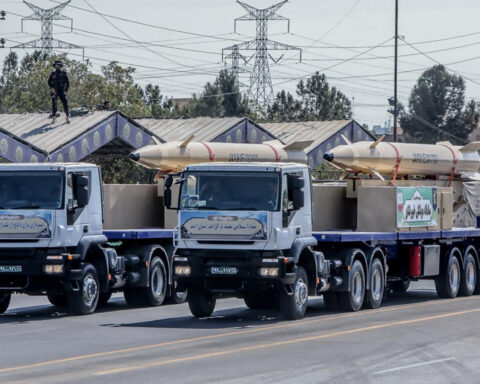
On October 22, Iran’s Armed Forces General Staff declared an offensive military doctrine and claimed its missile arsenal was 1.5 times larger than previously assessed, according to Iranian state media. On September 21, IRGC spokesman Hossein Mohebbi said Tehran would answer renewed US aggression with “different weapons” and would expand fighting to locations not yet struck, according to Northeast Times and CBS.
The statements are calibrated: they name US bases, not US allies, as targets. The distinction matters for Gulf states hosting American forces. Al Udeid in Qatar — which hosts the Combined Air Operations Center — and facilities in Bahrain, the UAE and Kuwait are all within the threat perimeter Iran is drawing. Saudi Arabia’s own bases — including those hosting the 100-plus US military advisers sent under a new joint command for intelligence support, according to CNN — are included by geography if not by name.
| Date | Source | Statement | Target Named |
|---|---|---|---|
| Sept 21 | IRGC spokesman Mohebbi | “Different weapons,” expand fighting to new locations | Unspecified |
| Oct 22 | IRGC statement | “Conflict will extend to its bases in the region” | US bases |
| Oct 22 | Senior Iranian official (Reuters) | Iran would attack US bases if Washington strikes | US bases in region |
| Oct 22 | Iran military doctrine declaration | Offensive posture; arsenal 1.5x larger than assessed | General deterrence |
What Does This Mean for Saudi Arabia?
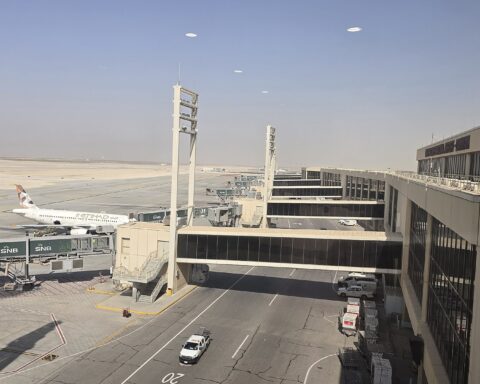
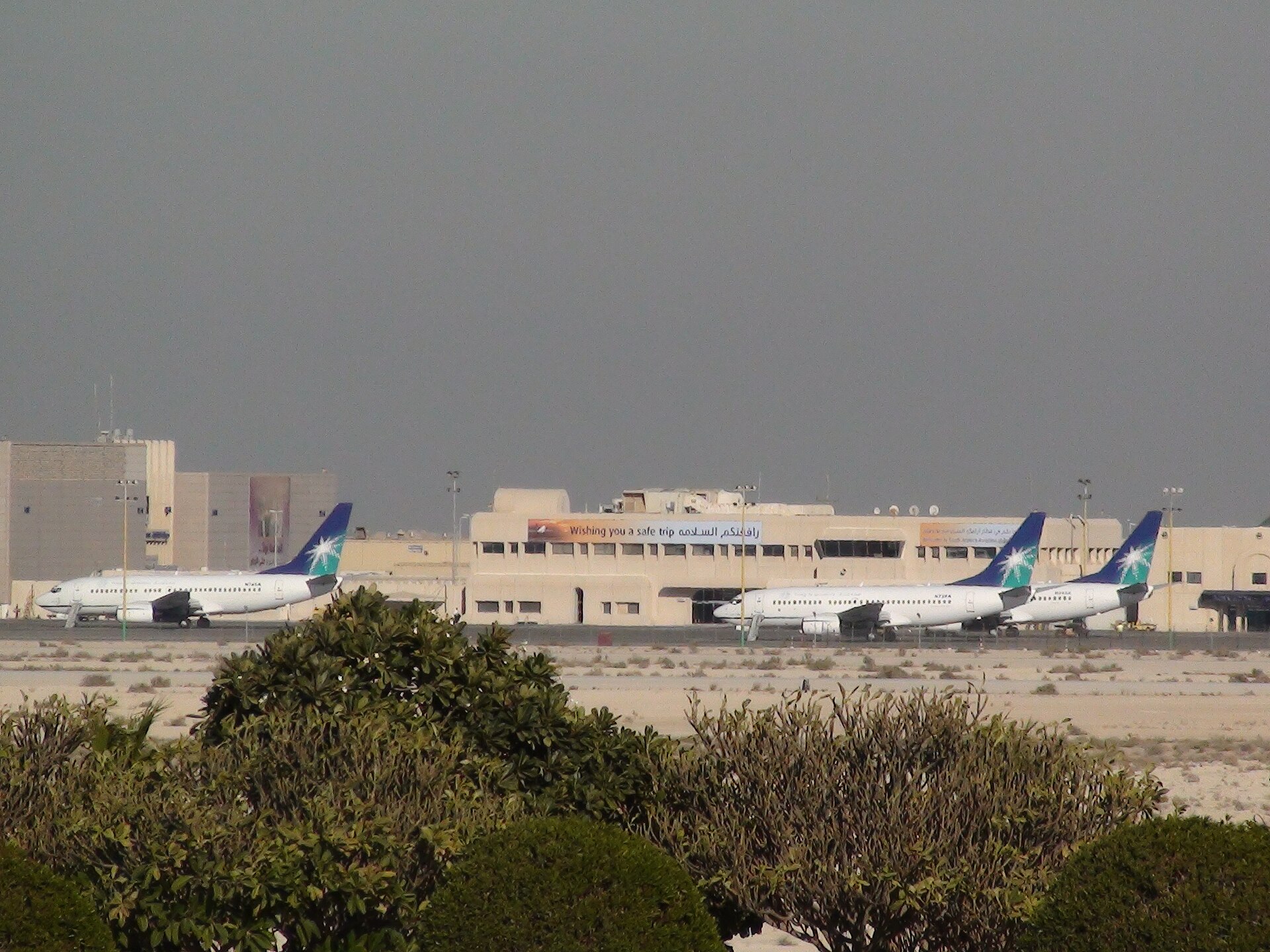
Saudi Arabia is caught between an ally whose strike timetable is governed by a congressional election calendar and an adversary whose proxies are already hitting its airports. The Houthis attacked King Fahd International Airport in Dammam on October 22, killing 1 and injuring 8, according to GACA — though Reuters reported 2 killed in the same attack. Aramco evacuated its Dhahran headquarters following strikes in the area, according to Reuters. On October 10, a single strike on King Khalid International Airport killed 12 and wounded 309, according to Al Jazeera — the BBC put the injured at 308 and subsequently reported a 13th death after an Indian victim died.
MBS made two appeals to Trump in September for US strikes on the Houthis, according to CNN on October 10. Both were declined. Washington offered intelligence support and a possible $24.3 billion sale of 48 F-35As, according to CNN and The Aviationist. It sent 100-plus military advisers under a new joint command, according to CNN. But it did not send bombs. The pattern is familiar from the broader Saudi-American relationship: hardware and advice flow freely; the decision to use American firepower on Riyadh’s behalf does not.
The planned post-midterm operation, if it proceeds, targets Iran — not Yemen. Iranian energy sites, nuclear facilities and missile stockpiles are on the list, according to the NYT. Houthi launch sites in Yemen are not mentioned. The distinction is the gap that matters most: a US strike on Iran could degrade Iran’s ability to resupply the Houthis over time, but it would not stop the drones and missiles that are hitting Saudi airports now. And it could provoke an Iranian retaliation that makes the current situation worse.
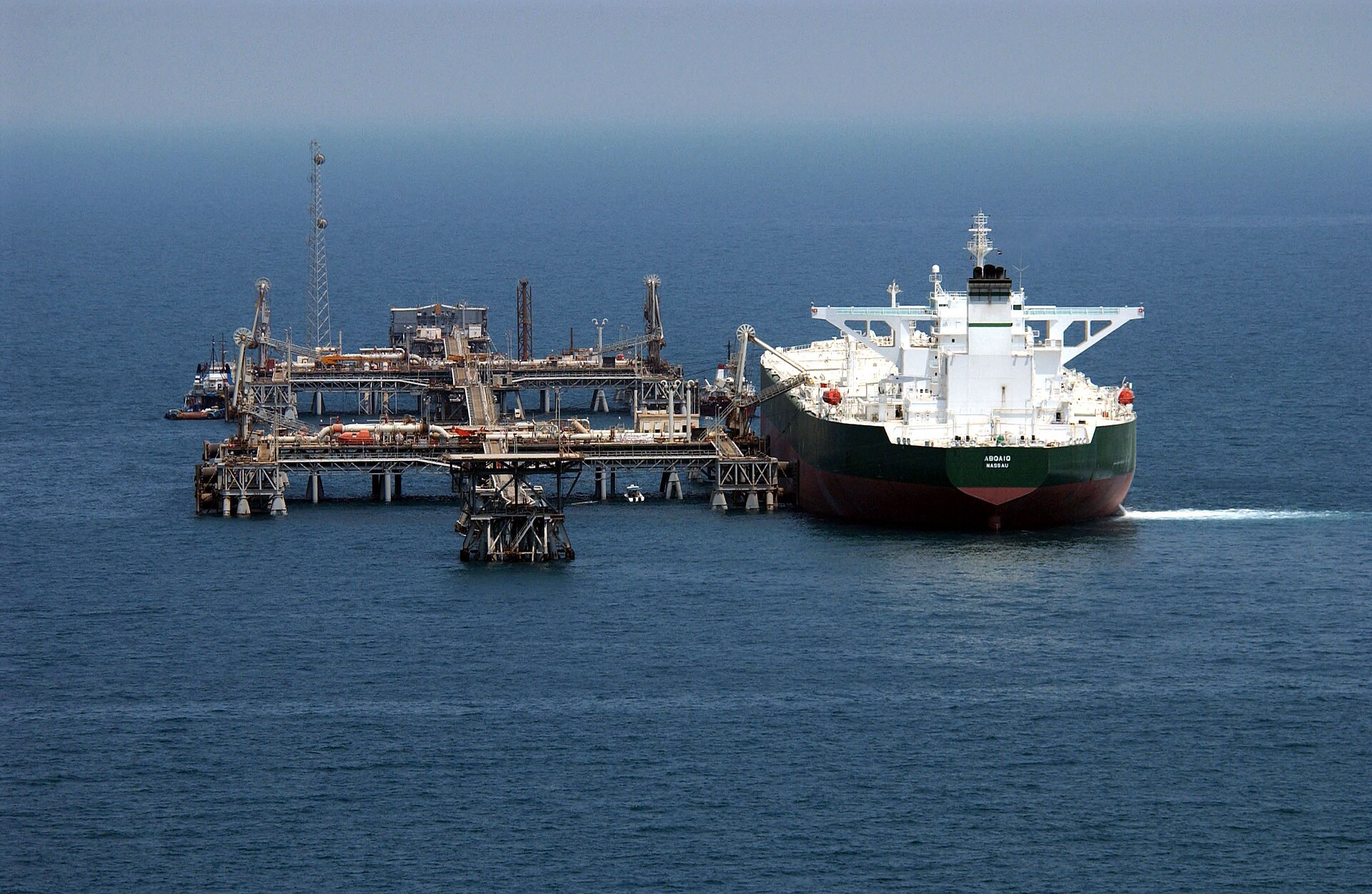
Saudi Arabia’s fiscal position narrows its options. The 2026 deficit has risen to 245 billion riyals, according to Zawya on September 30. Hormuz disruption and attacks on the East-West pipeline and Yanbu route cut output; IEA data from September showed Saudi crude supply at 5.97 million barrels per day, per the IEA on September 11 — roughly half of capacity. Aramco told European customers in October that no crude would ship that month, as Hormuz war risk hit 10 percent, according to the Aramco notification reported in the context of the Hormuz insurance cascade.
The coalition around Riyadh is growing. Pakistan has deployed approximately 8,000 troops, according to Reuters. Egypt’s Sisi asked parliament to authorize forces. The UK is flying defensive air missions. Turkey’s military chiefs met their Saudi counterparts in Riyadh on September 26, according to Gulf News. France confirmed troops, radars and air defences for Yanbu, according to Al Jazeera on September 25. But coalition partners can defend territory; they cannot launch the kind of operation Washington is contemplating against Iran’s mainland. The asymmetry of the situation is that the country best positioned to strike Iran has subordinated the timing to its domestic calendar, while the country most urgently in need of that strike has no vote in when or whether it happens.
If you are travelling to or within Saudi Arabia, check our regularly updated travel status guide for current airport closures and government advisories.
Al Udeid and the Gulf Footprint
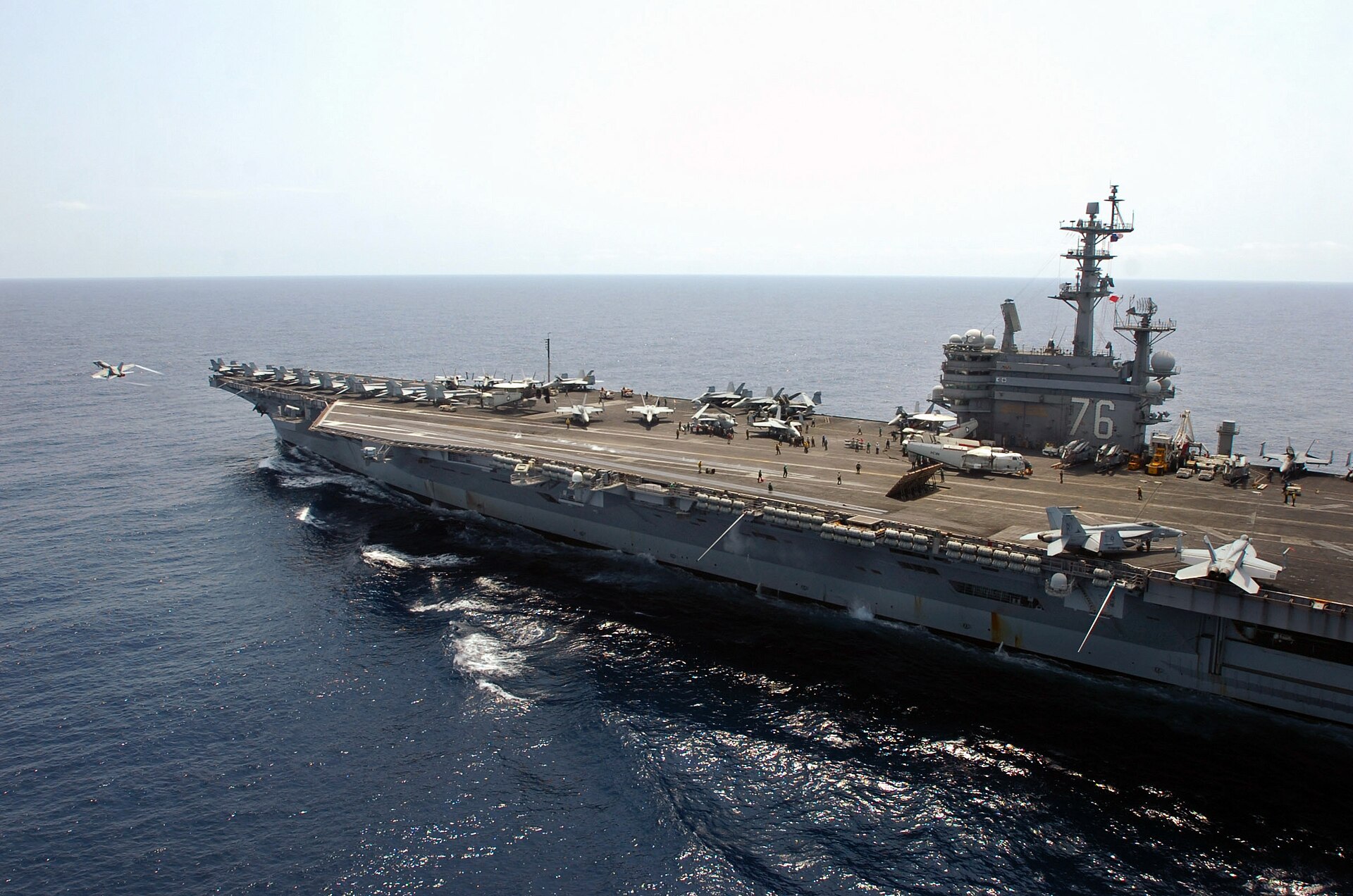
The military side of the repositioning is quieter but runs in parallel. Some US personnel at Al Udeid Air Base in Qatar — home to approximately 10,000 US troops — were advised to leave by Wednesday evening, according to Reuters via Yahoo News. A Reuters diplomat described the move as “a posture change and not an ordered evacuation.”
The US military is “quietly reducing” its footprint at Middle East posts, confirmed by a US official and a senior US military official to CBS News, and by four people with knowledge of the movements to NBC News. US military departments told NBC that the troop movements are “regular.” The UK is also reducing personnel at Al Udeid, according to Reuters.
The qualifier “regular” is doing a great deal of work. The February Beirut withdrawal was also described at the time as a routine adjustment. The June withdrawals from four Gulf countries were framed the same way. In each case, the routine adjustment preceded a strike campaign. The institutional language is identical because the institutional procedure is identical — and the procedure exists precisely because strikes follow.
CENTCOM said 135 ships had been turned around since the Hormuz blockade began on July 14, according to CBS News on October 10. The blockade, Iran’s declaration of an offensive military doctrine, and the reduction of the US military footprint are happening simultaneously. Each makes sense on its own terms; together they form a picture of preparation.
The US ordered non-emergency diplomats out of Saudi Arabia on October 22, the most concrete signal yet. Qatar’s role hosting Al Udeid adds a layer of complexity: Doha has declined to confirm the CAOC’s status while backing the base’s physical development.
The US military had planned to exit Iraq by the end of September, according to the AP on July 15. Whether that withdrawal was completed is unconfirmed in the public record. If it was, the Iraq footprint that would absorb Iranian retaliation is smaller. If it was not, American forces in Iraq remain exposed to the same militia networks that have targeted them throughout the war — networks that Iran controls and that the IRGC’s October 22 statement explicitly threatened. The movement of forces is not just preparation for what the US might do. It is also preparation for what Iran has said it will do in response.
The Diplomatic Vacuum After November 3
Every negotiating track between Washington and Tehran is either dead or paused. Iran’s Araghchi presented a seven-day roadmap via Qatar in September under which Hormuz would reopen in return for the US lifting its blockade, sanctions waivers and approximately $12 billion in frozen assets, according to Al Jazeera on September 25. The WSJ reported that Trump rejected it and expected renewed bombing after the midterms, per Hurriyet on September 26. Rezaei called the US response “insufficient,” per IRNA via CBS on October 11.
The earlier Islamabad Memorandum of June 17 had provided 60 days of toll-free passage, an end to the blockade within 30 days and a reconstruction plan of at least $300 billion, according to Iran International. On July 8, after three ships including the Saudi-flagged Wedyan were hit, Trump said the ceasefire was “over,” per The New Arab. On August 17, Trump said “No” to extending it and threatened to bomb Oman, per The Star via SCMP. The threat to a mediator state effectively shut down the Oman channel. What followed was Treasury Secretary Scott Bessent’s announcement on August 30 that new secondary sanctions would come weekly, per Korea Times and Reuters.
The result is a diplomatic picture with no active negotiation, no ceasefire framework, no mediator willing to absorb the risk of hosting talks and no American diplomatic bandwidth for Iran policy while the midterm campaign consumes Washington’s attention. The FT’s binary — “deal or attack” — is accurate because there is no third option on the table. The deal does not exist. The attack plans do.
For Saudi Arabia, the vacuum is worse than open hostility. Open hostility has a shape: targets, timelines, objectives. A vacuum has none. Riyadh does not know whether the post-midterm period will bring American strikes on Iran, a surprise diplomatic initiative, or — the outcome that would demand the most of Saudi defences — continued inaction dressed in the language of strategic patience. The UNSC presidential statement affirming Saudi Arabia’s self-defence right on October 22 provides diplomatic cover but no aircraft.
Strike Sequencing: A Comparative Timeline
| Event | Date | Gap to Strikes | Source |
|---|---|---|---|
| Non-essential staff pulled from Beirut | Feb 23 | 5 days | Military Times |
| US-Israel strikes on Iran begin | Feb 28 | — | Egyptian Streets |
| Staff withdrawn from Bahrain, Iraq, Kuwait, Lebanon | Before June strikes | Days (exact gap unreported) | Military Times |
| Operation Midnight Hammer begins | June 2026 | — | Military Times |
| Non-emergency staff ordered out of Saudi Arabia | Oct 22 | ? (Nov 3 constraint) | CBS News |
| Al Udeid personnel advised to leave | Oct 22 | ? (Nov 3 constraint) | Reuters/Yahoo News |
| Trump’s no-strike-before-midterms commitment | Oct 8 | Expires Nov 4 | The National |
| NYT-reported post-midterm strike window | After Nov 3 | — | NYT via Times of Israel |
The February gap was five days. The October gap — if there is one — is bounded by the election. If the departure order of October 22 is the analogue of the February 23 Beirut withdrawal, and the constraint holds until November 3, then the implied window opens on November 4. The data here is thin. Two precedents do not make a law. But the procedural sequence — evacuate, then strike — has been the same in every instance this year.
“Something one way or another will happen, fairly soon. Most people seem to think it’s after the election.”— Donald Trump, October 22, 2026 (Times of Israel liveblog)
The Trump “not negotiating” statement on October 22 reinforced the trajectory: no diplomatic offramp is on offer. Iran’s Araghchi roadmap was rejected in September. The Hormuz blockade, which began on July 14, remains in place. And Saudi airports — including King Fahd, attacked on October 22 — continue to take fire from the Yemeni front that Washington’s planning does not address.
Pakistan deployed troops to Saudi Arabia without a parliamentary vote, according to Reuters. Egypt’s Sisi asked parliament to authorize troops for Saudi Arabia. The UK is flying defensive air missions over Saudi Arabia. The coalition is widening — but the core question remains the one MBS posed to Trump in September, and the answer remains the same: the United States will strike Iran on its own schedule, for its own reasons, at targets of its own choosing.
India issued a travel advisory for its nationals in the kingdom that stopped short of ordering evacuation. The civilian warnings track the military signals: governments that do not have strike plans are preparing their citizens for the consequences of those that do.
CENTCOM declared Hormuz open. UKMTO logged 15 attacks in 9 days. Iran claims 7 oil tankers damaged overnight in the strait on October 22, and tanker transits have fallen from 85 a day to 4, according to reporting on the mine blockade. The gap between American declarations and the maritime reality is where the next phase of this conflict will be settled — by the decision that sits on a desk in Washington, waiting for a Tuesday in November to pass.
FAQ
Has the US struck Iran before in 2026?
Yes. The US and Israel launched strikes on Iran beginning February 28, killing Supreme Leader Ali Khamenei, according to Egyptian Streets. A second campaign, “Operation Midnight Hammer,” targeted nuclear sites in June, according to Military Times. A third round struck Larak Island launchers on August 30 and southern Iran on September 2, killing at least 11, according to Reuters via Chronicle.lu and Sahara Reporters. The NYT-reported post-midterm plan would be the fourth campaign of the year.
How many US troops are normally stationed at Al Udeid?
Approximately 10,000 US troops are stationed at Al Udeid Air Base in Qatar, according to Reuters via Yahoo News. The base hosts the Combined Air Operations Center, which coordinates US air campaigns across the Middle East. Personnel were advised to leave by Wednesday evening, but the move was described as “a posture change and not an ordered evacuation.”
What Would a Post-Midterm US Strike on Iran Mean for Saudi Oil Exports?
Saudi crude supply was already at 5.97 million barrels per day as of September, per the IEA — roughly half of capacity — due to Hormuz disruption and pipeline attacks. A US strike on Iranian energy sites could reduce Iran’s export capacity further but risks escalatory retaliation against Saudi infrastructure already under strain. Riyadh’s 2026 deficit of 245 billion riyals, per Zawya, leaves limited fiscal buffer for extended disruption.
Could the US strike Iran before November 3?
The NYT assessed there is a “small chance” of pre-midterm authorization, according to the Times of Israel. Trump’s own October 8 statement — “We will not be attacking Iran at any time prior to the midterm elections” — was categorical. Israeli security officials told Channel 12 on October 22 that there was “no change in intelligence assessment that would justify an operation in the next two to three weeks.” The constraint appears to hold.
What happened during Operation Midnight Hammer?
Operation Midnight Hammer was the June 2026 US strike campaign on Iranian nuclear sites. Before it began, the State Department withdrew non-essential staff from Bahrain, Iraq, Kuwait and Lebanon, according to Military Times. The operation followed the February strikes that killed Khamenei, making it the second major US-Israeli operation against Iran in 2026. Exact dates and casualty figures for Midnight Hammer were not detailed in publicly available primary sources at time of writing.
The House of Saud Daily Briefing
Saudi Arabia's news in 3 minutes, every morning. Free. See today's issue