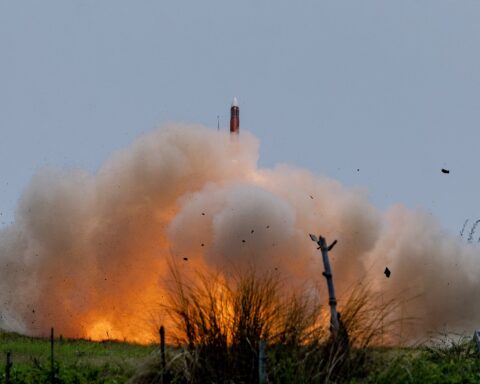
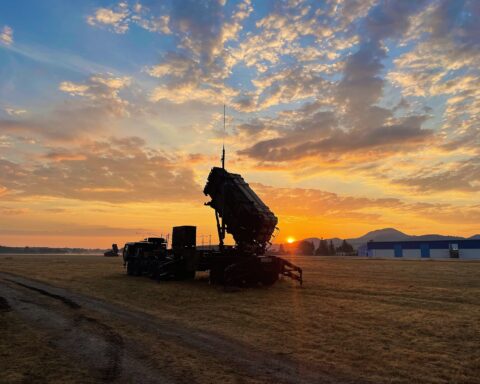
RIYADH — The Saudi-led coalition has reported seven separate attacks on or near Mecca and Medina since September 16 — intercepted cruise missiles, ballistic missiles, and drones — all of which Houthi military spokesman Yahya Saree has denied. The most sensitive incident came on October 24, when intercept debris fell at Wadi al-Mughammas, near the Grand Mosque.
The dispute has forced both sides onto ground where the stakes are religious, not territorial. Saudi Arabia, which holds the title Custodian of the Two Holy Mosques, has gathered condemnations from the Organisation of Islamic Cooperation, the head of the Grand Mosque, Pakistan’s prime minister, and the kingdom’s highest religious authority. The Houthis, whose Zaydi Shia movement frames itself as a defence of Islam, have denied all seven incidents — but each denial has been followed, within days, by another coalition intercept claim.
The House of Saud Daily Briefing
Saudi Arabia's news in 3 minutes, every morning. Free. See today's issue
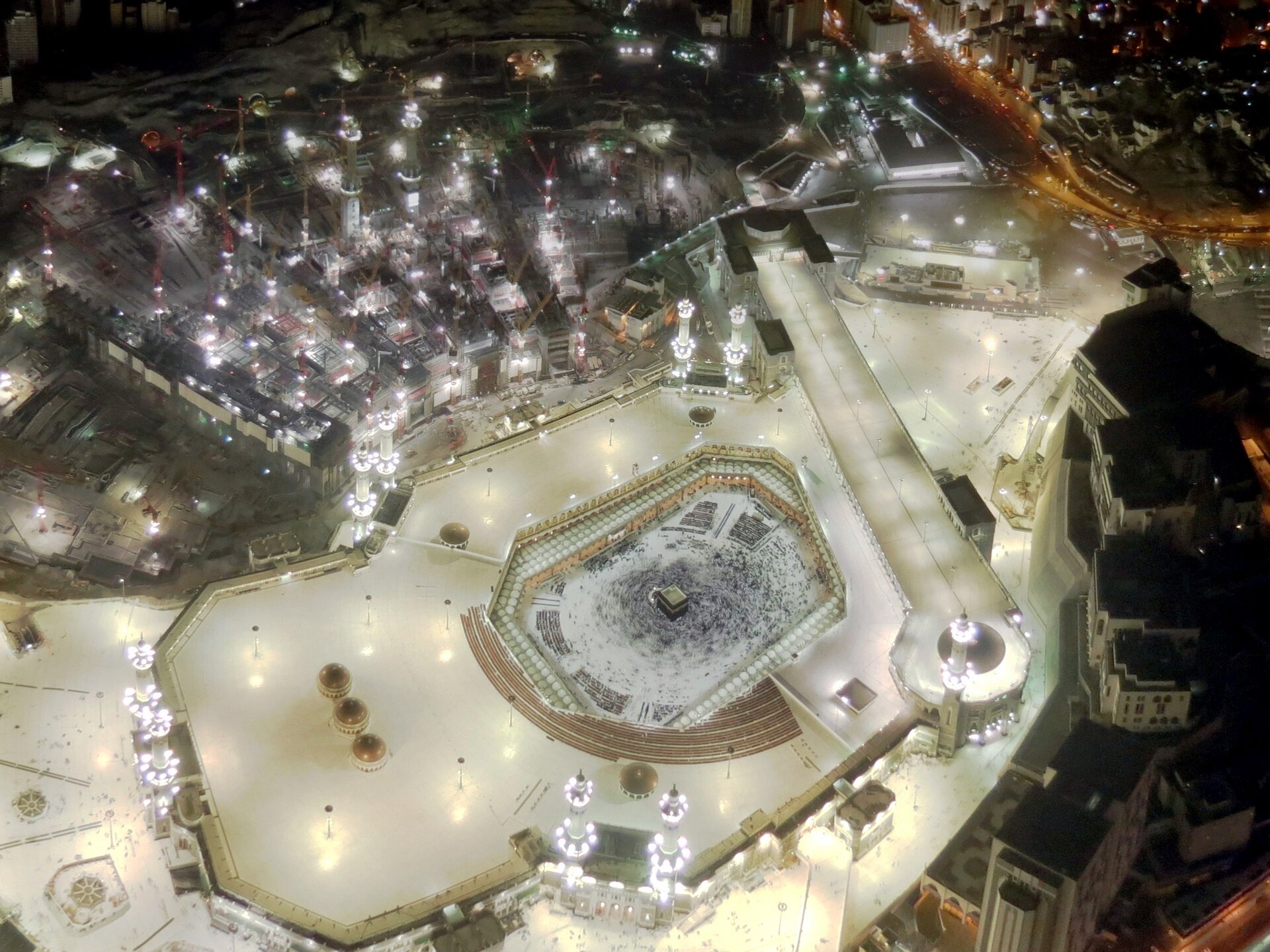
Table of Contents
7 Reported Attacks in 44 Days
The first incident in the current cycle came on September 16, when the coalition announced it had intercepted and destroyed a drone south of Mecca. Saudi civil defence issued its first alert for the city since 2017. The Organisation of Islamic Cooperation called the incident “heinous” and labelled it “terrorism that runs counter to Islamic values” (TRT World, Sep 16; Khaama Press, Sep 16).
Six days later, King Salman condemned what he called the Houthi “terrorist militia’s” attempt to repeat its targeting of Makkah. The coalition described the September 16 drone as “a black stain” on Houthi history (Khaleej Times, Sep 22; Al Jazeera, Sep 22).
On September 29, a drone knocked out a transformer at a Medina power station that supplied the Prophet’s Mosque. The coalition confirmed Houthi involvement on October 1 after analysing wreckage recovered at the site (GDN, Oct 1).
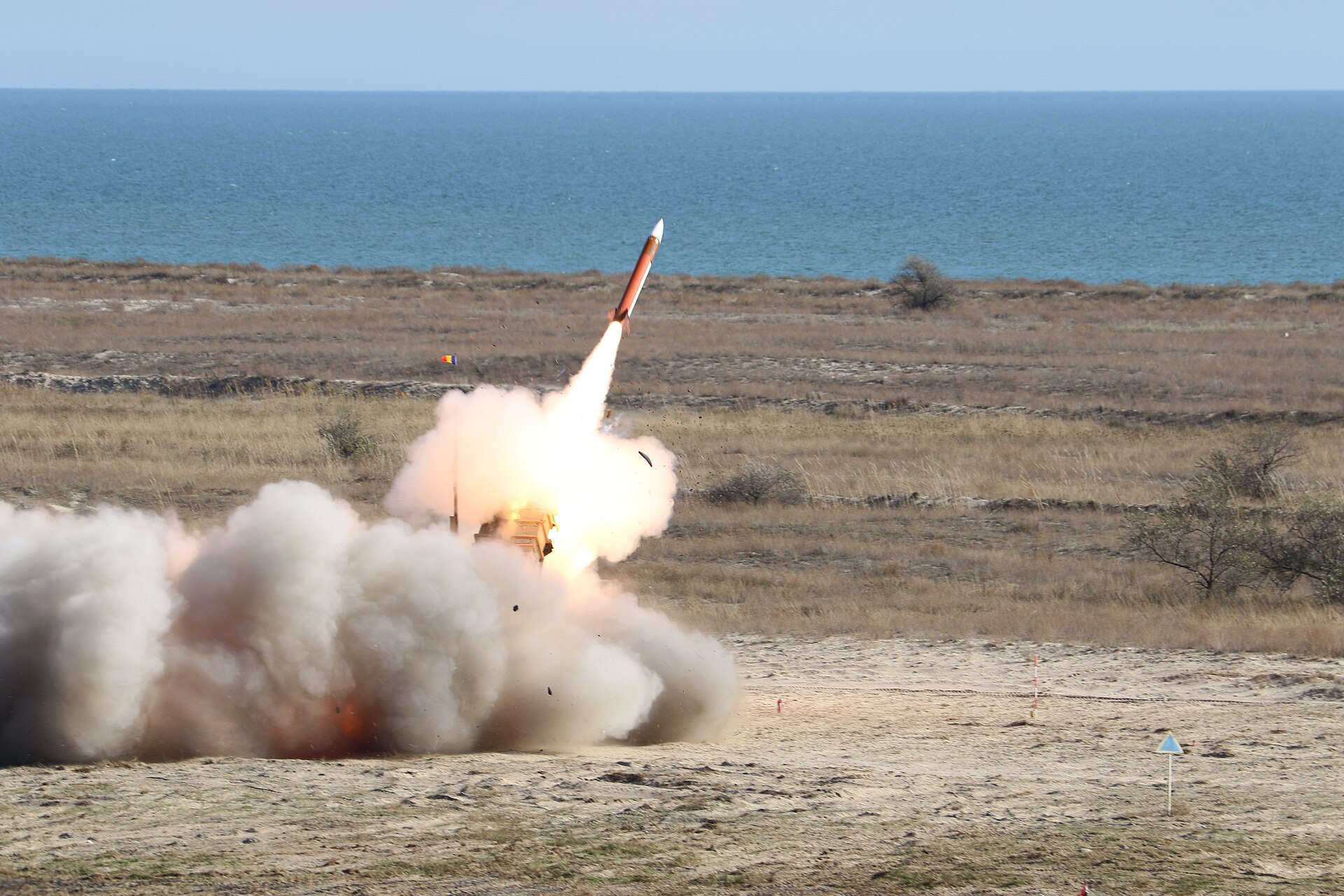
October 15 brought a direct claim from coalition spokesman Turki al-Malki, who posted on X: “Interception and destruction of a cruise missile in the Medina region.” Saree denied the claim and said the Houthis “have not carried out any operation today targeting Saudi territory” (France 24, Oct 15).
The most geographically sensitive incident came on October 24. Saudi Civil Defense reported intercepting two Houthi ballistic missiles aimed at the Mecca and Medina regions. Debris fell at four locations: Wadi al-Mughammas in the Mecca region — approximately 20 kilometres from the Grand Mosque (Masjid al-Haram) and near the plain of Arafat — Al-Nuzha in Jeddah, Wadi Jalil in Taif, and Masturah Center in Rabigh. No casualties were reported. Saree rejected the debris report (Newsy Today, Oct 24; WION News, Oct 24).
The following day, October 25, Saudi Arabia reported intercepting two more missiles targeting Makkah and Madinah. The Houthis denied the claim (The Nation Pakistan, Oct 25; Times of India, Oct 25).
The most recent incidents came on October 30, when the coalition reported intercepting a drone over the Mecca region and destroying a second drone over the Medina region. The Medina drone was the fourth reported Houthi attack on Saudi Arabia that Friday, following a ballistic missile aimed at the southern region and a cruise missile targeting the western region. Saree denied the Medina drone claim (Al Jazeera, Oct 30; Bernama/Anadolu, Oct 31).
What Did the Houthis Declare Before the Escalation?
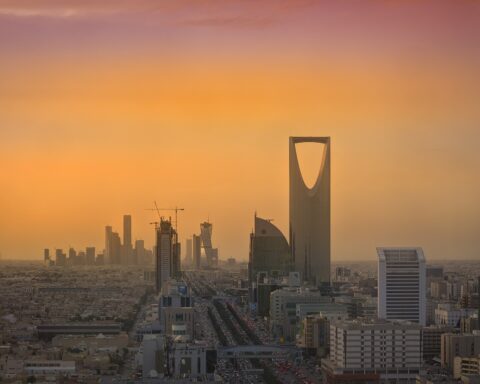
On October 11, after a Houthi attack on King Khalid International Airport in Riyadh killed 12 people and injured 309, Saree declared that all Saudi airports were potential targets — except those serving Mecca and Medina (Al Jazeera, Oct 10; Middle East Eye, Oct 11).
Eight days later, on October 19, the Houthis went further. They declared Saudi airspace unsafe for civilian aviation via the Saba news agency while maintaining their stated exemption for the two holy cities (Middle East Monitor / GNA Ghana, Oct 19).
The timeline is compressed. The October 11 airport exemption preceded the contested October incidents by days. The October 19 airspace declaration came five days before debris fell near the Grand Mosque. Saree has stated that Houthi operations target Saudi oil facilities and military bases, not holy sites, and that any operations near the holy cities are “far” from their declared target set (France 24, Oct 15).
Whether the exemption reflects genuine targeting doctrine or rhetorical positioning is the question Saudi Arabia’s evidence now forces. The Houthis follow Zaydi Shia Islam and define their movement in religious terms; targeting Mecca or Medina would undermine their own narrative (Ynetnews, Nov 1). But the coalition’s intercept reports — seven in 44 days, each denied — describe either a pattern of Houthi weapons reaching areas the Houthis say they are not targeting, or a Saudi information campaign of unusual persistence and specificity.
Debris Near the Plain of Arafat
The October 24 debris fall at Wadi al-Mughammas carried weight beyond its physical impact. The valley borders the plain of Arafat — the site where more than two million pilgrims gather for the standing ritual (wuquf) at the climax of the annual Hajj. No casualties were reported at any of the four debris sites (Newsy Today, Oct 24).
The proximity to Arafat drew the sharpest institutional responses of the 44-day dispute. OIC Secretary-General Ismail Ould Cheikh Ahmed called the October 24–25 attacks “cowardly and unacceptable” and “an assault on the entire Muslim Ummah.” He singled out the targeting of Wadi al-Mughammas near the plain of Arafat and urged “a strong and responsible stance” against Houthi extremism (Radio Pakistan, Oct 25).
Sheikh Abdulrahman Al-Sudais, head of the Grand Mosque, condemned the attacks as a flagrant breach of Sharia. He said the security of the Two Holy Mosques was a red line that must not be breached and accused the Houthis of targeting Islam’s sacred sites (Arab News, Oct 25).
Grand Mufti Sheikh Saleh al-Fawzan, who chairs the Council of Senior Scholars — Saudi Arabia’s highest religious authority — had already stated in September that the Houthis “sought to harm the sacred sites of Muslims” and called for their defence (Breitbart, Sep 25).
No intercept-related casualties have been reported in the holy cities themselves across any of the seven incidents since September 16.
How Has Saudi Arabia Used the Holy Cities Diplomatically?
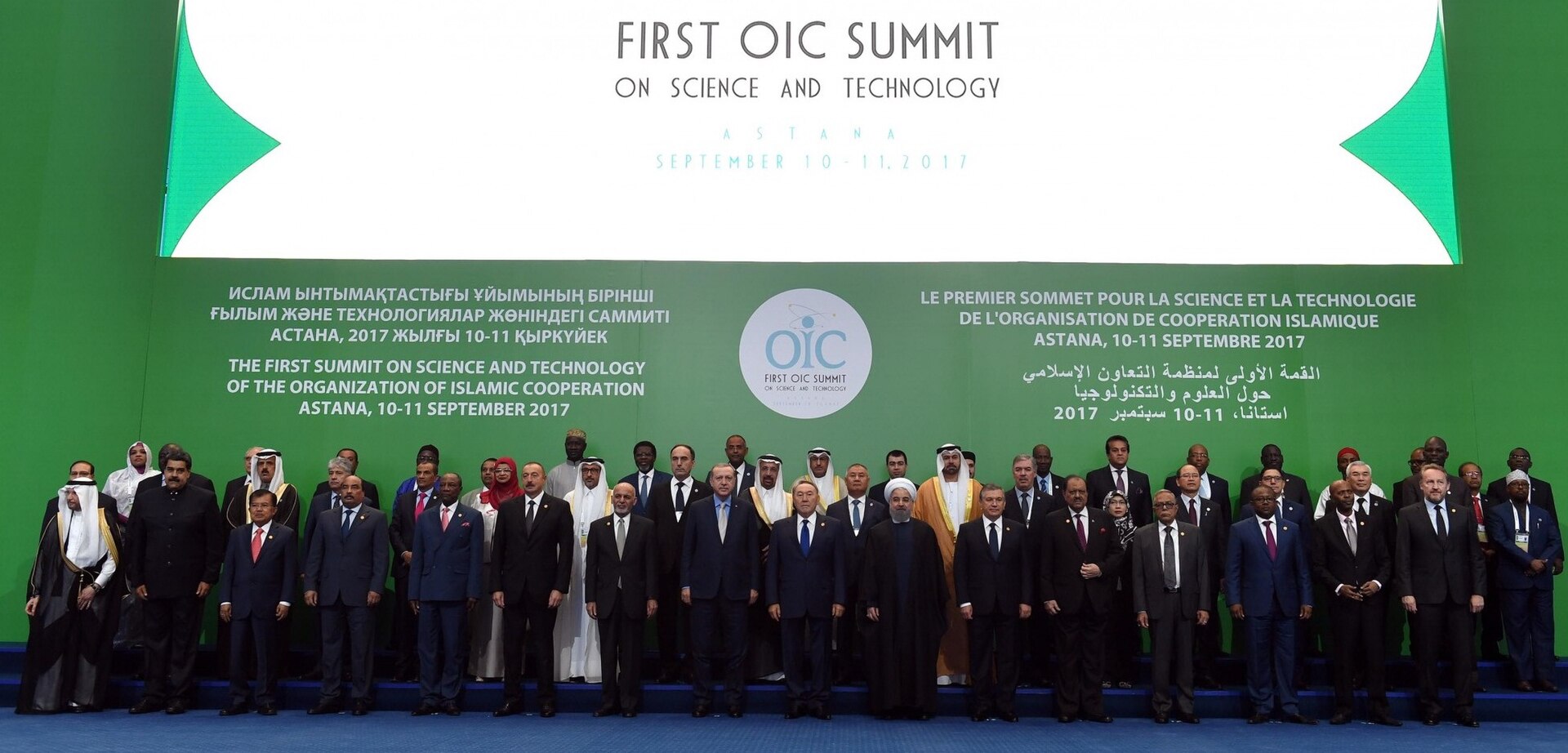
The Custodian of the Two Holy Mosques title carries obligations to the world’s Muslims and to the dozens of states that send millions of pilgrims to the kingdom each year. The coalition has framed the Houthi incidents not as attacks on Saudi territory but as assaults on Islam itself. The framing has produced measurable returns.
Pakistan’s Prime Minister Shehbaz Sharif publicly denounced the alleged Houthi attack on Medina on October 16 — the day after al-Malki’s cruise-missile claim. A condemnation from a nuclear-armed Muslim-majority state illustrated how the holy-city framing extends the conflict’s diplomatic reach beyond the Gulf (Ynetnews, Nov 1).
The OIC has condemned in three separate rounds since September: after the Mecca drone interception on September 16, the Medina power-station attack around October 1, and the October 24–25 debris incidents near the Grand Mosque (TRT World, Sep 16; Radio Pakistan, Oct 25).
Saudi deputy foreign minister for public diplomacy Rayed Krimly said Iran “continues to arm, train and support the Houthi militia” and noted that the Houthis had refused a meeting proposed by Oman in Muscat (France 24, Oct 15). The statement linked the holy-city attacks directly to Tehran’s support network.
The diplomatic effort coincides with Saudi Arabia’s broader coalition-building campaign. Turkey’s parliamentary Foreign Affairs Committee approved the Makkah Defence Pact ratification bill on October 27, and Syria confirmed negotiations to join the pact on November 1. The pact carries the name of the holy city in its title — a detail that reinforces the coalition’s framing of the war as a defence of Islamic sacred space, not merely Saudi national interest.
Yoel Guzansky, an analyst at Israel’s Institute for National Security Studies (INSS), said Saudi Arabia may be invoking the holy cities strategically to build legitimacy with states like Pakistan and Turkey. But he warned that repeatedly citing attacks on the cities could backfire if Saudi Arabia appears unable to protect them — turning the custodian title from an asset into a liability (Ynetnews, Nov 1).
The Houthi Counter-Narrative
The Houthis have denied every Saudi coalition claim of attacks near Mecca or Medina from September 16 through October 31. The language has escalated alongside the accusations.
Saree called the October 15 Medina cruise-missile claim “a shameless and brazen lie” (France 24, Oct 15). He called the October 24 debris report “a great and huge lie” (WION News, Oct 24). By October 31, the Medina drone interception was “fabricated allegations” (Bernama/Anadolu, Oct 31).
Houthi leader Abdul-Malik al-Houthi set the tone in September, calling the Mecca drone accusation an invention that itself violated Mecca’s sanctity. The argument turned the accusation back on Saudi Arabia: by invoking a false attack on sacred ground, it was the coalition that desecrated the holy city (Middle East Eye, Sep 17).
Mohammed al-Farah of the Houthi political bureau called the Mecca accusations “the biggest lie of our time” and accused Saudi Arabia of exploiting the holy sites for its war effort (Ynetnews, Nov 1).
The counter-narrative reached its most extreme form with Houthi government spokesman Omar al-Buhaiti, who alleged — without providing evidence — that Saudi Arabia and Israel intended to attack the holy sites themselves and then blame Yemen (Ynetnews, Nov 1).
Iran’s foreign ministry offered a different register after the September incidents. It said aggression against Islamic holy sites would be condemned but that an interception claim alone did not justify attributing blame to a specific party (Al Jazeera, Sep 22). The statement avoided naming or defending the Houthis while casting doubt on the coalition’s evidence.
Guzansky observed that attacking the holy cities would be against Houthi interests, as it could unite the Islamic world against them (Ynetnews, Nov 1). The Houthis’ blanket denials are consistent with that logic. Whether they are also consistent with the physical evidence — debris at four sites, a damaged power station, and seven coalition intercept reports — is a question neither side has answered to independent satisfaction.
Background
The current dispute has a direct precedent. In October 2016, the Saudi-led coalition claimed a Houthi missile was aimed near Mecca. The Houthis denied it in terms almost identical to those used in 2026. The accusation-and-denial cycle predates the current Iran-US crisis by a decade (Ynetnews, Nov 1).
The broader Houthi aerial campaign against Saudi Arabia has intensified sharply in 2026. Houthi forces have struck airports, oil infrastructure, and urban areas across the kingdom, while the coalition reports daily intercepts over cities including Riyadh and the Eastern Province.
What separates 2026 from 2016 is volume. A single contested incident in 2016 generated condemnation but no sustained diplomatic campaign. Seven reported incidents in 44 days — backed by three rounds of OIC condemnation, the intervention of the Grand Mosque imam, and the Grand Mufti’s call to defend the sacred sites — have allowed Saudi Arabia to build a cumulative case. The Houthis have answered it seven times. Each answer has been the same word: denial.
Frequently Asked Questions
Has any Houthi weapon directly struck inside the city limits of Mecca or Medina?
No. All reported incidents have involved intercepts or debris falls in the broader administrative regions of Mecca and Medina. The closest confirmed debris to a holy site fell at Wadi al-Mughammas, approximately 20 kilometres from the Grand Mosque, on October 24. The September 29 drone struck a Medina-region power station that supplied the Prophet’s Mosque but did not hit the mosque itself (Newsy Today, Oct 24; GDN, Oct 1).
Could the attacks affect the annual Hajj pilgrimage?
The next Hajj is scheduled for June 2027. The October 24 debris at Wadi al-Mughammas fell near the plain of Arafat, where the standing ritual (wuquf) takes place during the pilgrimage’s peak day. Saudi authorities have not indicated any threat to Hajj planning, and the 2026 Hajj proceeded in June without reported security incidents at the holy sites. Sustained attacks in the region would, however, raise questions for the millions of pilgrims and dozens of governments that plan years in advance. Travellers considering visiting Mecca or assessing safety conditions in Saudi Arabia should monitor official advisories.
What is the Custodian of the Two Holy Mosques title?
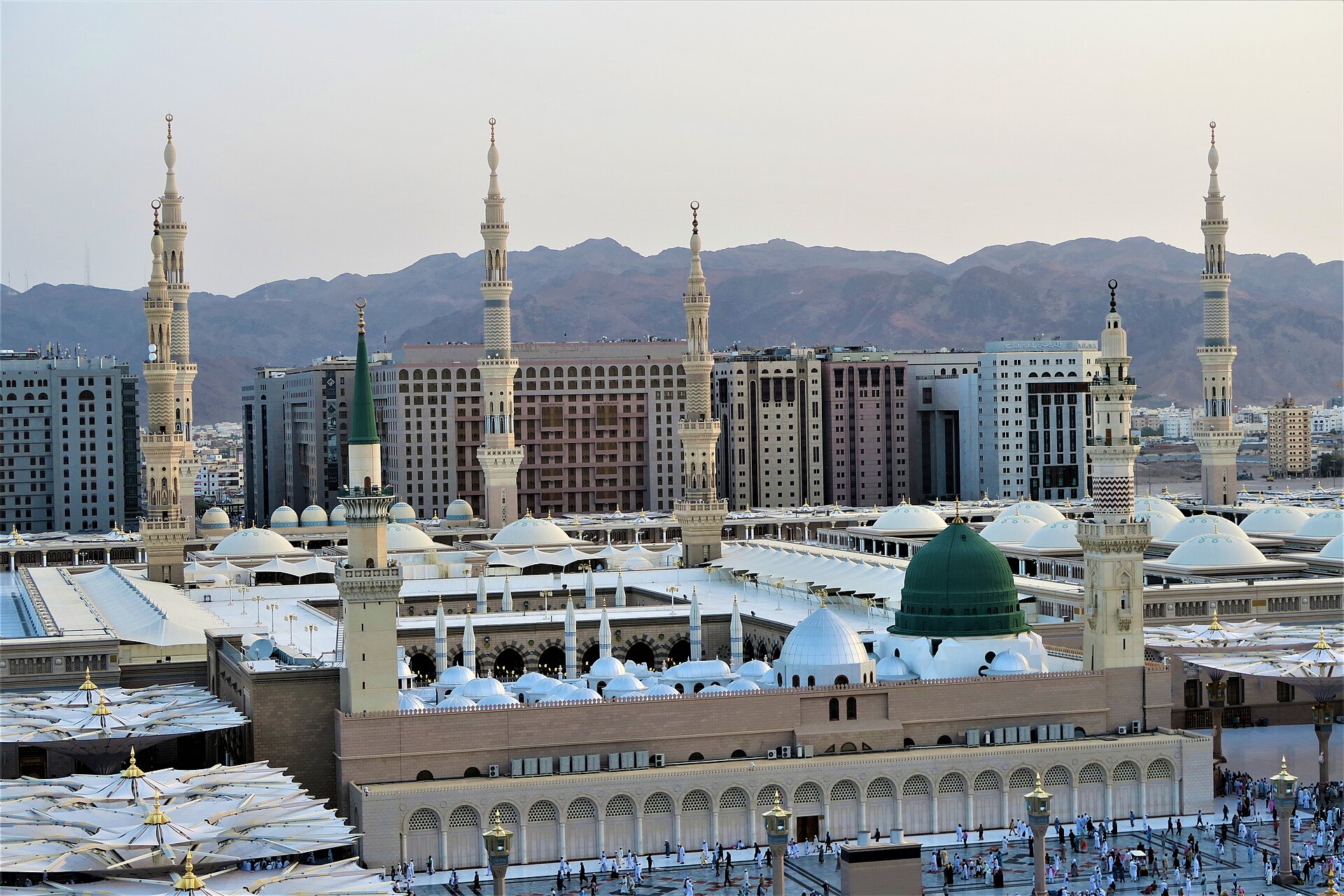
The title is held by the Saudi king and carries an obligation to protect Mecca and Medina for all Muslims, not only Saudi citizens. When the coalition frames Houthi attacks as targeting the holy cities, it invokes this custodial responsibility and positions any failure to protect the sites as a failure before the global Muslim community. The framing has produced condemnations from the OIC, the Grand Mosque imam, Pakistan’s prime minister, and the Grand Mufti (NBC News, Sep 16).
Did the 2016 Mecca missile dispute produce lasting diplomatic consequences?
The October 2016 incident — in which the coalition claimed a Houthi missile was aimed near Mecca and the Houthis denied it — generated international condemnation but not the sustained diplomatic mobilisation visible in 2026. The difference is volume: one contested incident in 2016 gave the Houthis a manageable denial, while seven incidents in 44 days have forced repeated responses and allowed Saudi Arabia to accumulate institutional condemnations from the OIC, the Grand Mosque, Pakistan, and the Council of Senior Scholars (Ynetnews, Nov 1).
Has Iran commented on the attacks near the holy cities?
Yes, after the September 16 incident. Iran’s foreign ministry said aggression against Islamic holy sites would be condemned but that an interception claim alone does not justify attributing blame to a specific party. Iran did not name or defend the Houthis (Al Jazeera, Sep 22).
The House of Saud Daily Briefing
Saudi Arabia's news in 3 minutes, every morning. Free. See today's issue