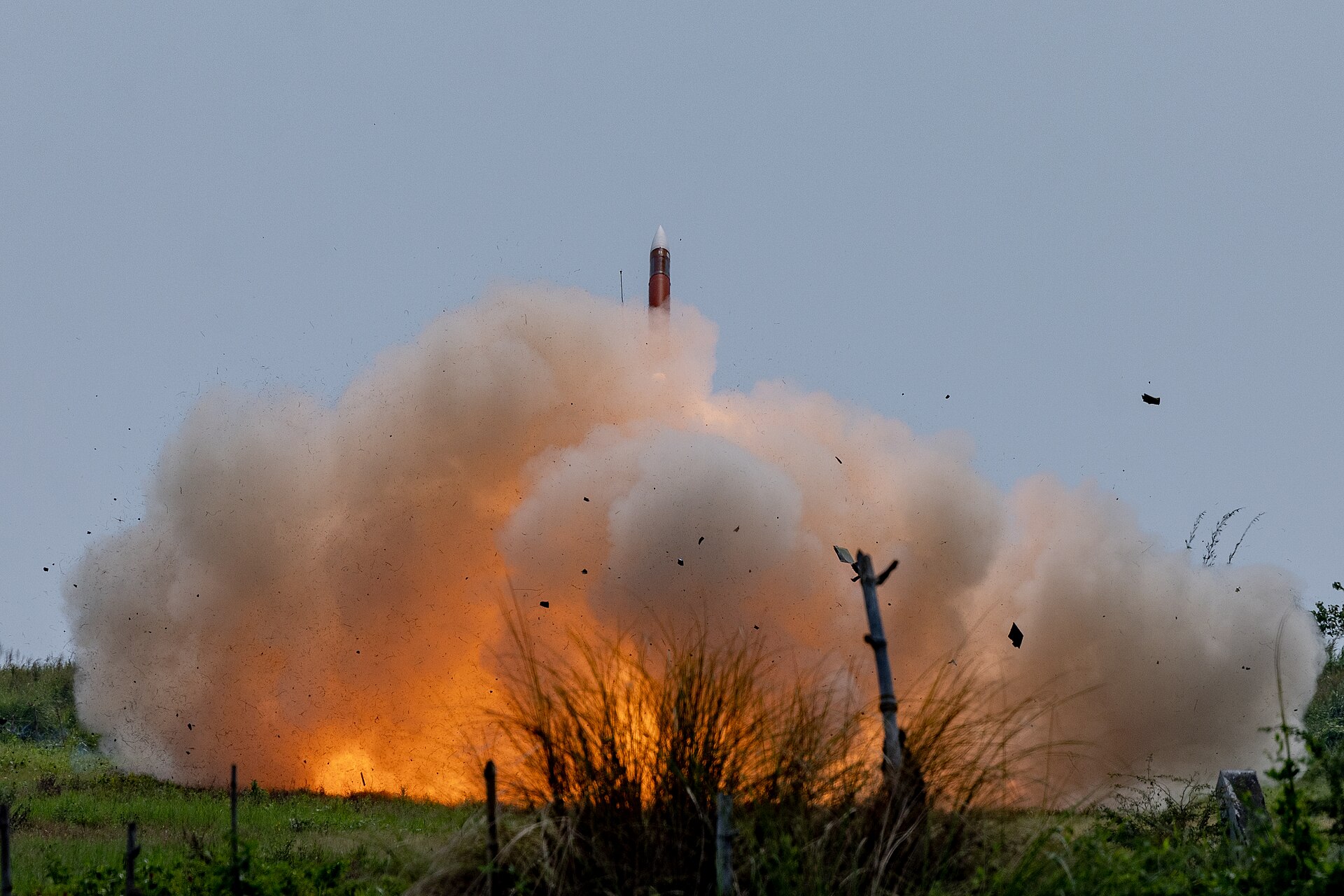

RIYADH — Russian military spy satellites passed over every Saudi target before and after all 40 confirmed Houthi and Iraqi militia strikes on the kingdom between July 1 and October 19, an AP and Washington Post investigation published October 27 found, based on analysis by Geneva-based AURORAH GeoSignal Intelligence. Saudi Deputy Minister for Public Diplomacy Rayed Krimly confirmed that Iran and the Houthis “receive intelligence from elements in Russia and China, even commercial elements sometimes,” the clearest on-record acknowledgment by a Saudi official that Moscow’s orbital assets serve Tehran’s proxy war.
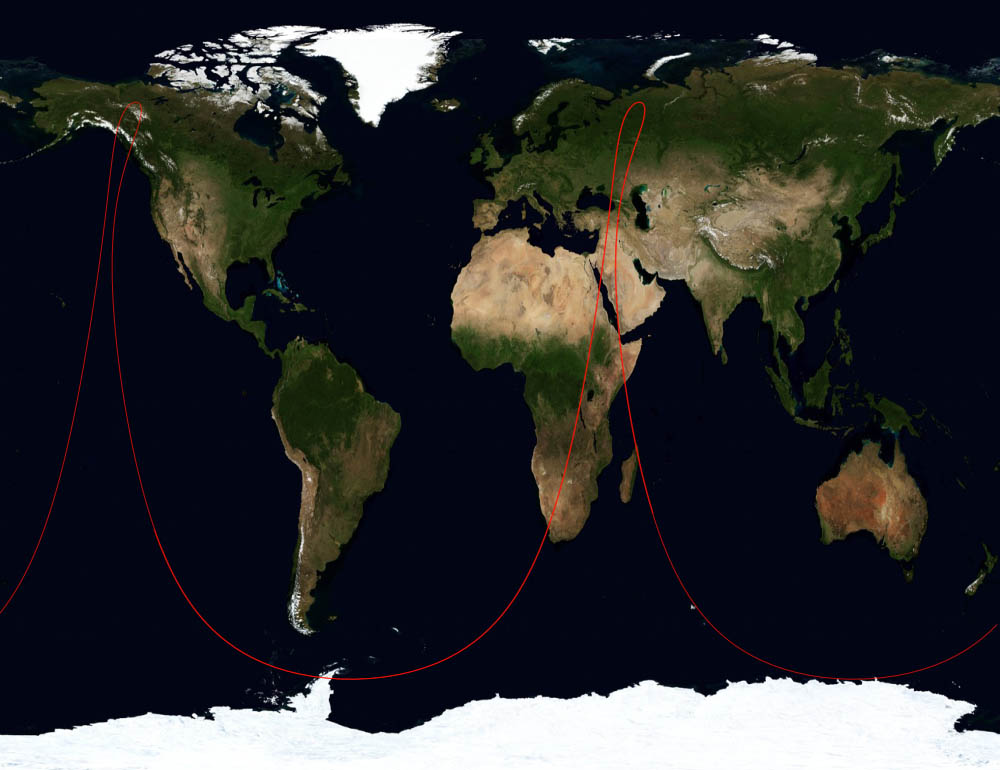
AURORAH identified 72 Russian government and military reconnaissance satellites among more than 11,000 orbiting spacecraft and mapped their trajectories against the timing of each attack, according to United24 Media. The result, in the words of AURORAH founder and chairman Nawaf Obaid, was “a 100% match,” the Moscow Times reported on October 28. The investigation arrives as Saudi Arabia prepares for the expiration of President Trump’s Iran strike moratorium on November 3, with proxy and direct attacks on the kingdom accelerating through October.
Table of Contents
Which Saudi Targets Did Russian Satellites Track?
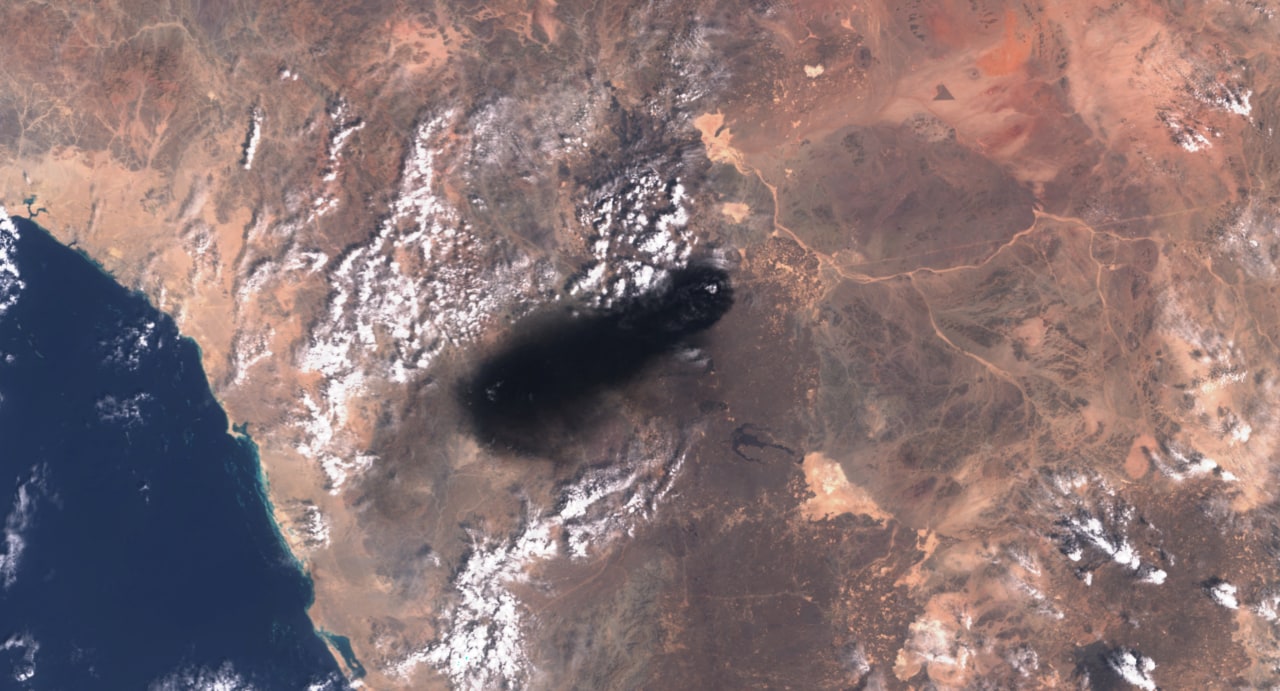
The AP investigation documented Russian satellite activity over specific Saudi infrastructure that was subsequently struck. Eleven Russian Cosmos 2600-series satellites concentrated over three sections of Saudi Arabia’s East-West Pipeline starting in July, according to United24 Media. On September 10, multiple drones launched from Iraq struck three pumping stations along that pipeline — PS8 near Afif, PS9 near Al-Dhekra, and PS11 near Al-Mesba’ah. Aramco confirmed the shutdown on September 11; the pipeline did not restart until September 22.
The House of Saud Daily Briefing
Saudi Arabia's news in 3 minutes, every morning. Free. See today's issue
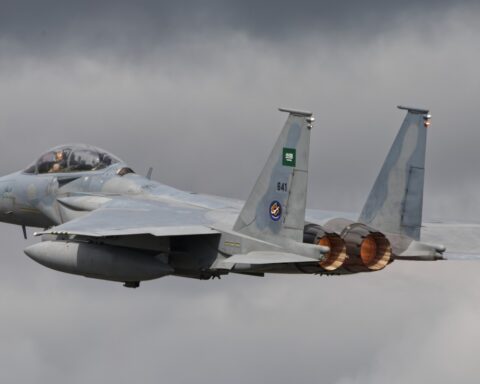
Russian satellite activity rose approximately 50 percent in the 72 hours before and after the pipeline and King Fahd Air Base attacks, compared with a July baseline, United24 Media reported. The King Fahd Air Base in Taif was also struck by the Houthis. The strike damaged hangars and an Italian Air Force Eurofighter Typhoon stationed at the base, though nearby Saudi jets were unharmed, the Times of Israel reported on October 27.
Obaid cited the Taif strike’s precision — hitting a specific foreign military aircraft at a base housing multiple air forces — as evidence that the targeting exceeded what Houthi or Iranian reconnaissance could achieve independently, the Times of Israel reported. The finding echoes a pattern documented months earlier at another Saudi base.
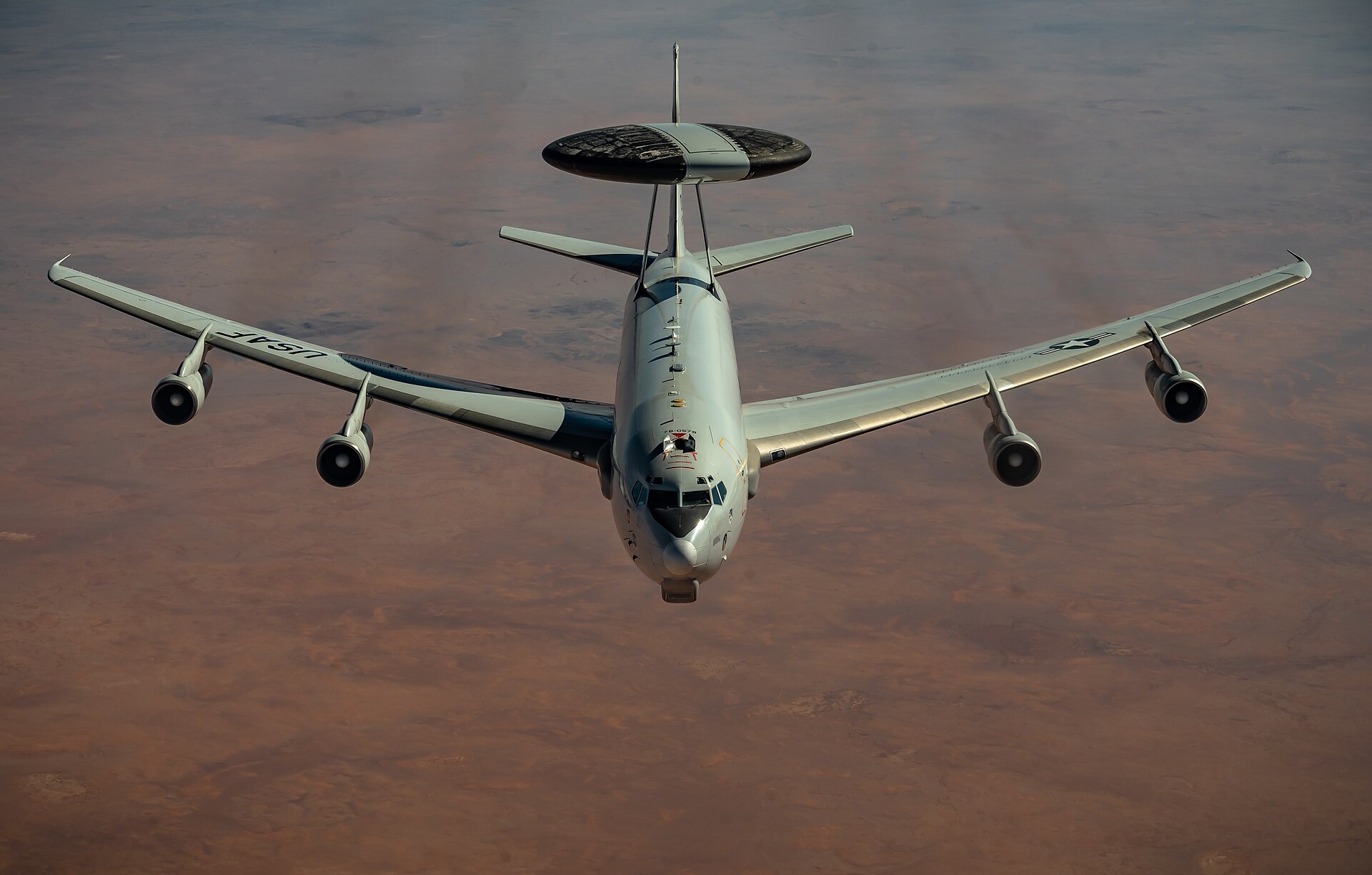
On March 27, Iran struck Prince Sultan Air Base south of Riyadh, severely damaging an E-3 Sentry AWACS surveillance aircraft and wounding 12 US service members, according to the Times of Israel. A CIA unit inside the US Embassy compound in Riyadh was also targeted in the same wave, ProtoThema reported, citing CNN’s September 16 investigation. Fourteen Russian reconnaissance satellites had passed over Prince Sultan Air Base in the days before that strike, CNN found.
The October 19 attack on the Al-Alam military training center in Shabwa, Yemen — which killed 73, with 14 reported missing; South24.net later revised the total to 79 — showed the same satellite pattern as the other 39 strikes in the dataset, according to South24.net.
How Did AURORAH Build the 40-Strike Dataset?
AURORAH mapped those 72 satellite paths against 40 missile and drone attacks by Houthis and Iran-backed Iraqi militias between July 1 and October 19, Al Jazeera reported. The Geneva-based firm identified six Russian satellite system types operating over Saudi targets, Al Jazeera reported on October 31:
- Bars-M military mapping satellites
- Persona optical reconnaissance
- Lotos-S1 electronic intelligence collectors
- Pion-NKS maritime reconnaissance
- Kondor-FKA radar imaging
- EKS/Tundra infrared early-warning platforms
For each of the 40 strikes, AURORAH documented Russian satellites positioned over the targeted area both before and after the attack, the Moscow Times reported. Obaid, a former counselor to Prince Mohammed bin Nawaf during his tenure as Saudi Ambassador to the United Kingdom from 2011 to 2016, now serves as a Visiting Senior Research Fellow in War Studies at King’s College London, the Moscow Times reported. AURORAH had produced a February 27 memo predicting strikes on Saudi infrastructure before they occurred, a finding later cited by AP, CNN, and France 24.
The correlation, however, does not constitute proof of intelligence transmission. AURORAH has not intercepted communications between Russia and Iran or its proxies, and Obaid acknowledged that attributing specific intelligence to individual satellite passes “requires additional corroboration,” South24.net and United24 Media reported. Analyst Elijah Magnier told Al Jazeera on October 31 that no publicly verified evidence establishes how Iran obtained the data, and that satellite observation alone does not demonstrate the mechanism of transfer.
Krimly Names Russia and China on the Record
Krimly’s statement, reported by the Times of Israel and Al Jazeera, constitutes Riyadh’s most explicit public language on the subject. He also said Riyadh was in ongoing dialogue with both governments: “We do discuss these matters regularly with China and Russia, and we will continue to do so.”
The phrasing “elements in Russia and China” leaves open whether Krimly was referring to state agencies, commercial satellite operators, or both. AURORAH’s dataset covers Russian government and military satellites specifically, but Krimly’s remark extends the accusation to Chinese sources as well — a dimension the 40-strike analysis does not address directly.
Separate reporting by the Maritime Executive in March documented the role of Iran’s Khayyam satellite. The platform was co-developed with Russia based on the Kanopus-V design, operating in a 300-mile orbit with one-meter resolution and approximately four daily revisits of any given area. The same report identified MizarVision, a Shanghai-based firm the Maritime Executive assessed as a likely Chinese government front company, which published annotated satellite imagery of US-associated targets one week before Iran’s Operation Epic Fury. China’s Jilin-1 commercial constellation — approximately 300 satellites with 0.5-meter resolution and live video capability — was flagged as a potential source of tactical imagery.
What Did Russia, the Houthis and the US Say?
Russia has not responded to the October 27 AP/WaPo investigation, the Moscow Times reported. In an earlier CNN investigation published September 16, Moscow denied providing any intelligence assistance to Tehran, according to ProtoThema.
An anonymous senior Houthi official told the AP that Iranian military advisers in Yemen provide targeting data derived from Russian satellite intelligence, the Times of Israel reported. Iran also supplied drone-piloting and missile-evasion equipment acquired from Russia and China or purchased commercially, the official said. He added that he did not know whether Russia or China knew their equipment was being used in Yemen.
Ahmed Nagi of the International Crisis Group told Al Jazeera that Moscow has consistently opposed stronger UN Security Council action against the Houthis — a diplomatic posture that, alongside the satellite data, suggests a pattern of at minimum tacit support.
President Trump has said he does not believe Russia and China are helping Iran. “Russia is doing very little, if anything,” he said, the Moscow Times reported. The statement sits uncomfortably against the AURORAH finding and Krimly’s on-record confirmation.
From Ukraine to Yemen — The Intelligence Pipeline
The AP investigation builds on a body of reporting that has traced Russian satellite involvement in Middle Eastern conflicts over the past two years. The Wall Street Journal reported in October 2024 that Russia provided satellite tracking data to Houthis for attacks on commercial shipping in the Red Sea, transmitted via IRGC personnel stationed in Yemen.
CNN’s September 16, 2026 investigation had established the same overflight pattern before Iran’s March 27 strike at Prince Sultan Air Base. Ukrainian President Volodymyr Zelenskyy provided a more granular timeline on March 28, stating: “We have recorded that previously they conducted imaging on 20 and 23 March.” Russian satellites imaged Prince Sultan on those dates, Diego Garcia on March 24, and the Incirlik and Al Udeid air bases on March 26, Euromaidanpress reported. Iran struck Prince Sultan the following day.
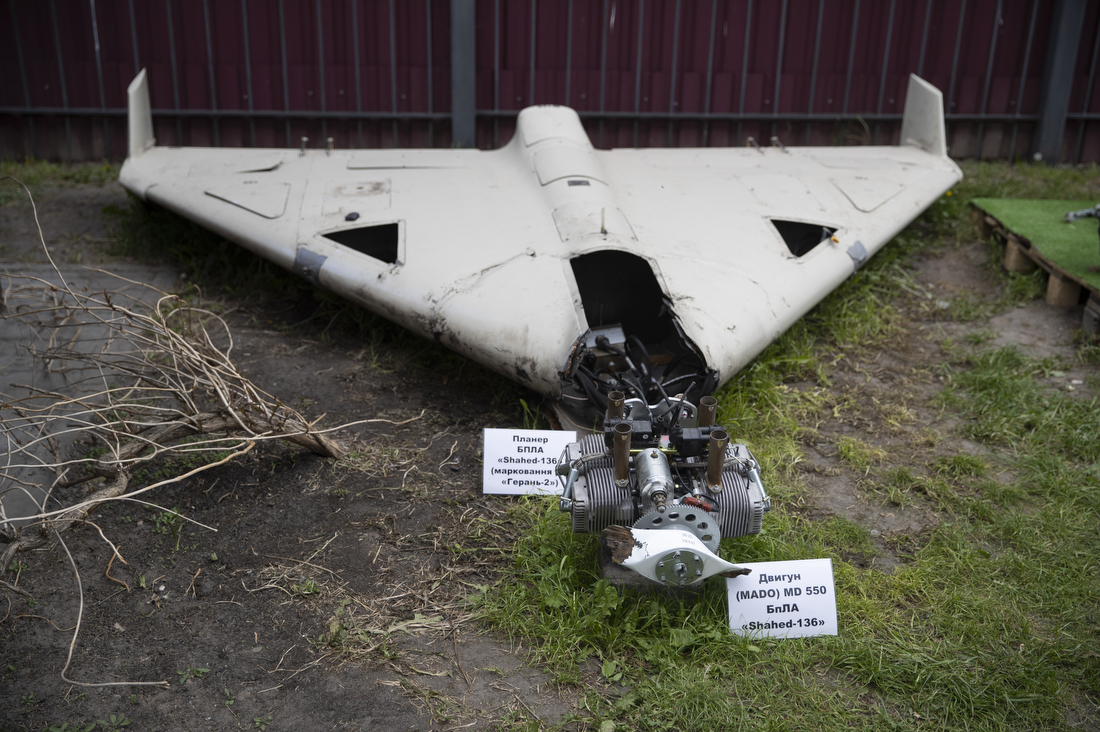
The intelligence relationship operates in both directions. Iran supplied Shahed drones to Russia beginning in 2022, later transferring engineering documentation and production tooling that allowed Russia to manufacture the systems domestically as the Geran, United24 Media reported. Moscow and Tehran signed a comprehensive strategic partnership in 2025, the Moscow Times noted — an agreement now shadowed by the satellite data.
The November 3 Window
The AP investigation’s timing — published October 27, one week before the November 3 expiration of Trump’s moratorium on US strikes against Iran — adds a geopolitical dimension to the satellite data. Saudi Arabia faces an intensifying dual track of diplomacy and military preparation, with Iran dispatching a delegation to Doha while proxy strikes continue.
The Houthis have escalated attacks through October, firing three ballistic missiles at Saudi Arabia on October 29 and claiming six separate strikes on Saudi refineries, airports and a military base the same evening. The Saudi-led coalition destroyed a drone over Riyadh on October 31. The kingdom has responded with plans for a multi-front assault on Houthi positions as Egypt authorized support for the operation.
If the AURORAH data is correct — if every one of these strikes was preceded by Russian satellite reconnaissance — then the targeting chain runs from orbit to Tehran to Sanaa to the rooftops of Riyadh. Krimly’s confirmation that Saudi Arabia raises the matter “regularly” with Moscow and Beijing suggests that diplomatic protests have not altered the pattern. The November 3 deadline may determine whether anything else does.
Frequently Asked Questions
What is AURORAH GeoSignal Intelligence?
AURORAH is a Geneva-based private intelligence firm specialising in satellite geospatial analysis — a field that tracks which satellites are in orbit, when they pass over specific coordinates, and how that timing correlates with events on the ground. Because AURORAH is a private firm rather than a government intelligence body, its findings carry the weight of open-source analysis rather than classified assessment; the AP and Washington Post investigation used the firm’s methodology as its core evidential basis. AURORAH’s chairman, Nawaf Obaid, previously served as a counselor to the Saudi Ambassador to the United Kingdom and is a Visiting Senior Research Fellow in War Studies at King’s College London.
Has Russia admitted to sharing satellite data with Iran?
No. When CNN published its September 2026 investigation, Moscow denied providing intelligence assistance to Tehran. Russia has not issued any statement on the October 27 AP/Washington Post report — a silence that contrasts with its September denial, which at least acknowledged the original accusation. The AURORAH data documents a statistical correlation between satellite positions and strike timing; without intercepted communications or documents showing an actual transfer, the mechanism — whether through Russian state channels, commercial intermediaries, or Iran’s own Khayyam satellite co-developed with Russia — has not been established.
Does the investigation cover Chinese satellites as well?
AURORAH’s 40-strike dataset covers only Russian government and military satellites. Saudi Deputy Minister Krimly named both Russia and China as intelligence sources for Iran and the Houthis, but Beijing has not commented publicly on either the investigation or Krimly’s statement. The Maritime Executive in March 2026 flagged Shanghai-based MizarVision — assessed as a likely Chinese government front — for publishing annotated imagery of US targets before Iran’s March strikes. China’s commercial Jilin-1 constellation, with approximately 300 satellites at 0.5-metre resolution and near-real-time video capability, remains a largely unquantified dimension of the intelligence supply question.
How many Russian military satellites are involved?
AURORAH identified 72 Russian government and military reconnaissance satellites among more than 11,000 spacecraft in orbit. The six system types perform distinct intelligence functions: Bars-M and Persona satellites produce high-resolution optical imagery; Lotos-S1 collects electronic signals intelligence; Pion-NKS is optimised for maritime surveillance; Kondor-FKA provides radar imaging that operates through cloud cover and darkness; and EKS/Tundra detects infrared signatures of missile launches. Of the 72, eleven — all from the Cosmos 2600 series — were documented concentrating specifically over the East-West Pipeline before the September 10 attack.
What was the East-West Pipeline attack?
On September 10, 2026, multiple drones launched from Iraq struck three pumping stations — PS8 near Afif, PS9 near Al-Dhekra, and PS11 near Al-Mesba’ah — along Saudi Arabia’s East-West Pipeline. The pipeline carries crude from the Eastern Province’s oil fields to the Red Sea port of Yanbu, providing an export route that bypasses the Strait of Hormuz entirely. Aramco confirmed the shutdown on September 11; the pipeline did not resume operations until September 22, an 11-day outage that disrupted western-route exports during a period when Strait of Hormuz shipping was already under attack.
The House of Saud Daily Briefing
Saudi Arabia's news in 3 minutes, every morning. Free. See today's issue