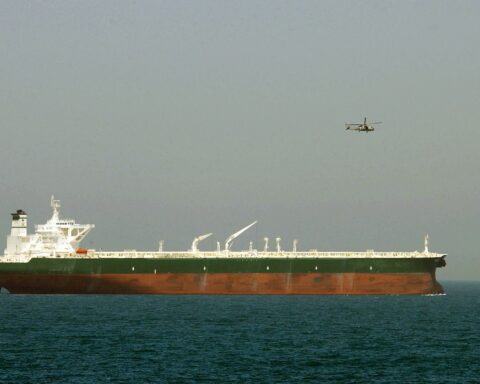
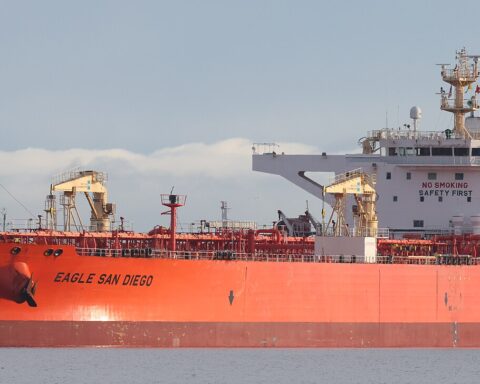
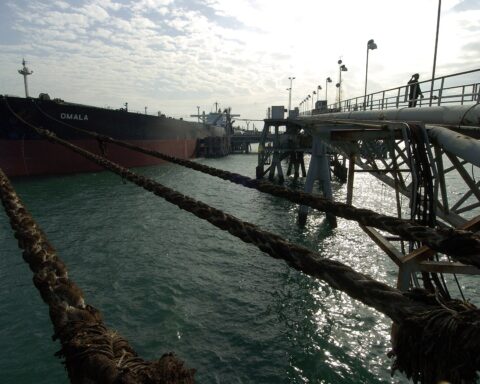
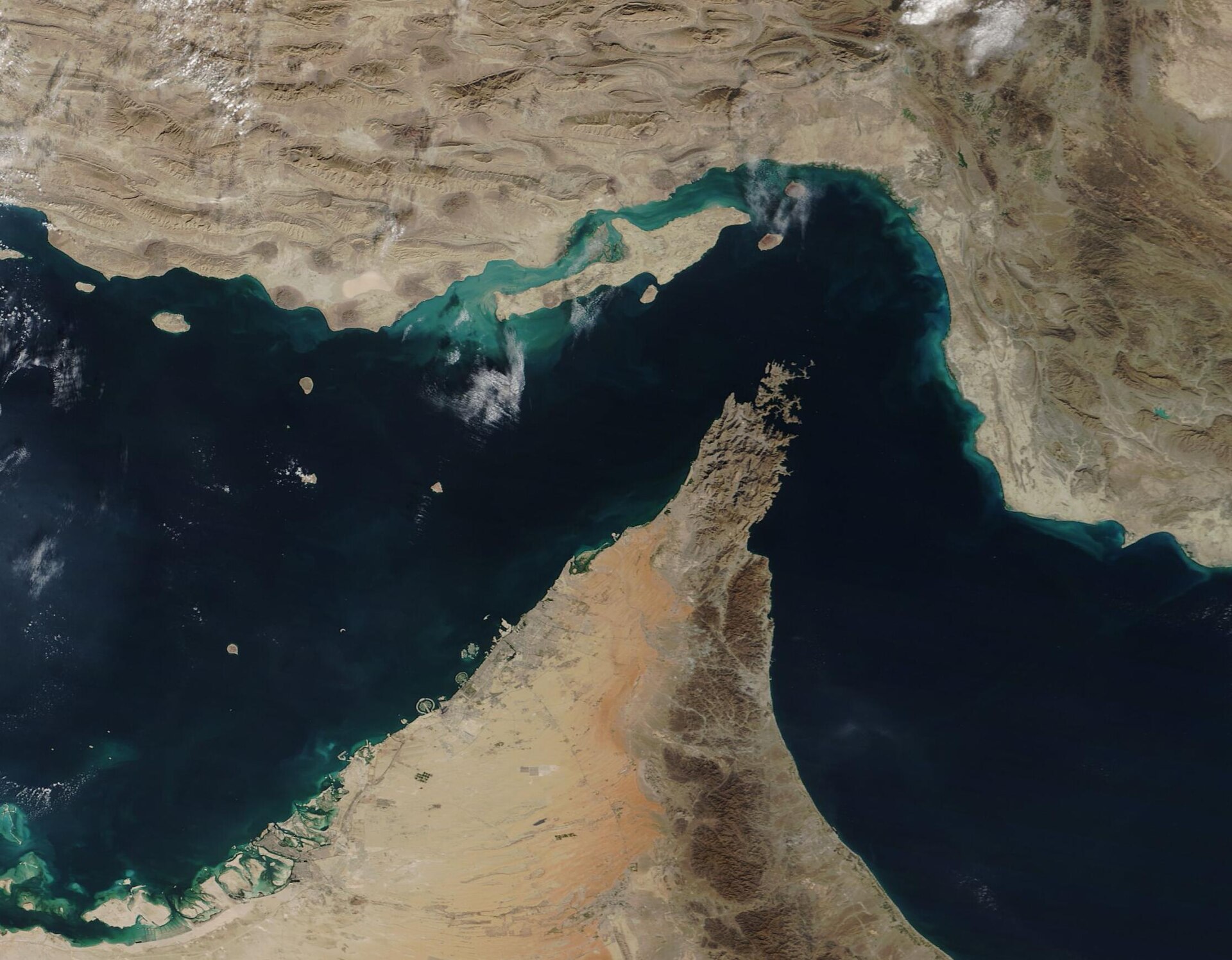
DOHA — Qatar’s LNG carrier Al Mayeda was struck by unidentified objects on Friday evening while approaching the Strait of Hormuz, Qatar Gas Transport Company (Nakilat) confirmed on November 1 — an attack that came hours after Iran had reportedly approved the vessel’s transit through Pakistani diplomatic channels. All 25 crew members, including 6 Indian nationals, were safe, and no environmental damage was reported.
The strike on the Marshall Islands-flagged vessel, which was carrying Qatari liquefied natural gas bound for Pakistan, landed as Iranian negotiators sat in Doha for a third consecutive day of talks on a proposed two-day Hormuz reopening plan. Qatar’s Foreign Ministry called the attack “a dangerous act that threatens the safety of maritime navigation and the security of global energy supplies.” Saudi Arabia issued what it described as its “strongest condemnation and denunciation” of the targeting.
The House of Saud Daily Briefing
Saudi Arabia's news in 3 minutes, every morning. Free. See today's issue
No party has claimed responsibility. The attack raises an open attribution question that complicates the Gulf’s already fragile diplomacy: if Iran approved the Al Mayeda’s passage, who fired on it?
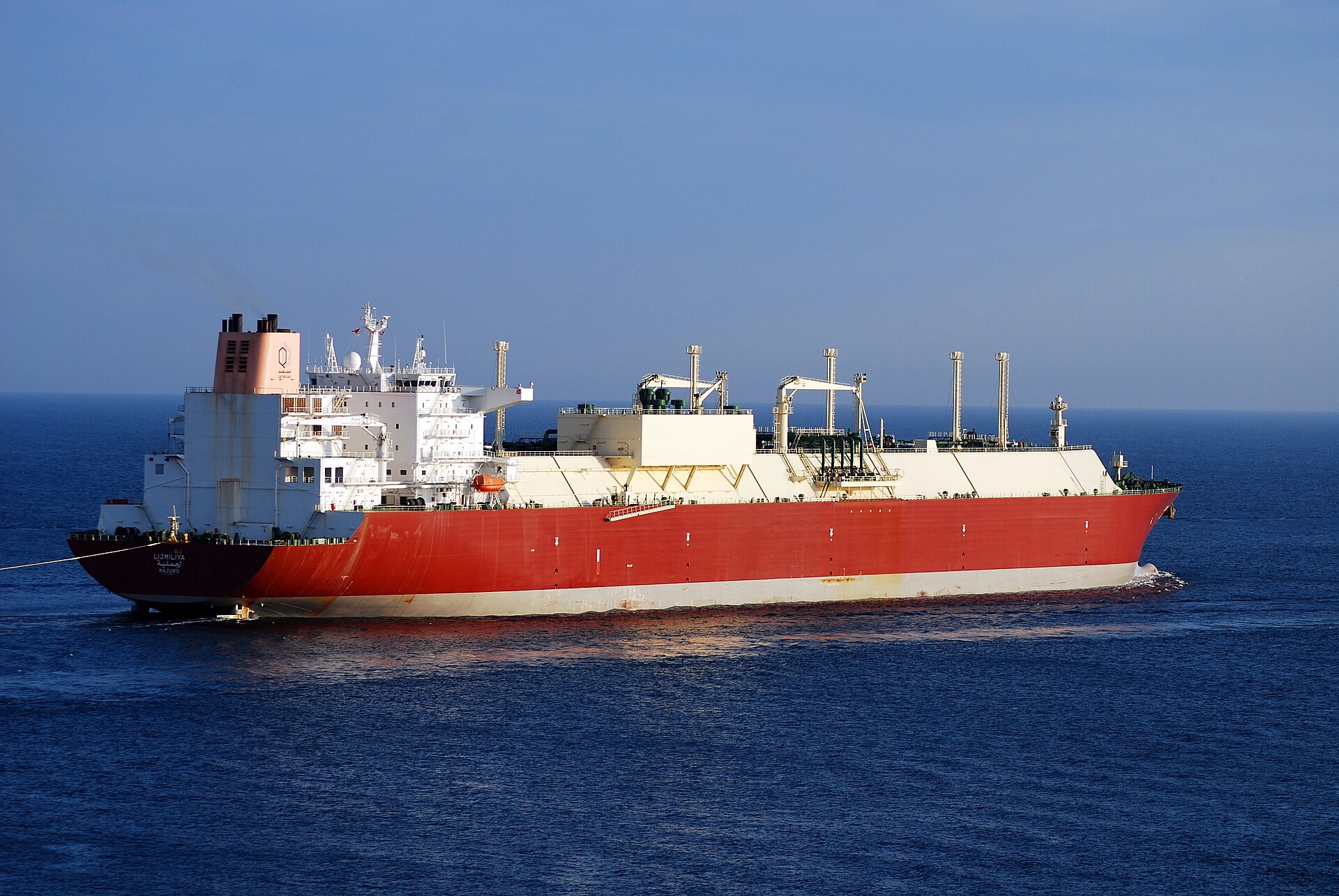
Table of Contents
What Happened to the Al Mayeda?
Nakilat reported via the Qatar Stock Exchange on November 1 that the Al Mayeda, one of its fleet of 69 LNG carriers, was “struck by unidentified objects” on the evening of October 30 while approaching the Strait of Hormuz. The vessel remained “in a safe condition, operational,” and the company said it was “assessing the impact” of the attack, according to the Qatar News Agency.
The Al Mayeda was carrying Qatari LNG bound for Pakistan, according to Siasat.com. India’s Union Shipping Minister Sarbananda Sonowal confirmed on October 31 via X that all crew were safe, describing the incident as a “projectile attack” and saying India was “monitoring the situation and in contact with the ship management company,” Siasat.com reported.
The lack of injuries or environmental damage distinguished the Al Mayeda incident from many of the attacks that have struck commercial shipping in the Gulf since the war began on February 28. But the identity of the target — a Qatari state-backed LNG carrier, operated by a company with a fleet projected to grow to 112 vessels (Seatrade Maritime) — gave the attack a diplomatic weight that extended beyond physical damage.
Did Iran Approve the Transit Before the Attack?
Bloomberg reported on November 1 that Pakistan had asked Iranian authorities for safe passage for the Al Mayeda before the attack, and that Iran “were understood to have given a green light” hours before the ship was struck. The report cited unnamed sources familiar with the matter.
If confirmed, the detail is the most consequential element of the Al Mayeda story. Pakistan has previously secured safe passage for at least two prior Qatari LNG cargoes through Iranian-controlled waters under negotiated arrangements, according to Bloomberg and OilPrice.com reporting from July and September 2026. The mechanism — Islamabad requesting transit approval from Tehran on behalf of Qatari energy shipments — reflected Pakistan’s dependence on Qatari LNG and its status as an interlocutor with Iran.
That Iran reportedly approved the Al Mayeda’s transit and the vessel was then struck by projectiles raises three distinct possibilities, none of which can be confirmed from available reporting. A rogue IRGC naval unit may have fired on the vessel without clearance from Tehran’s political leadership. A Houthi strike, extending their range from the Red Sea into the Gulf, may have hit the carrier without coordination with Iran. Or a pre-laid mine — consistent with the pattern of mine warfare that has disrupted Hormuz transit lanes throughout October — may have struck the vessel without regard to any diplomatic guarantee.
India’s description of the incident as a “projectile attack” (Siasat.com) argues against the mine hypothesis. Projectiles require an actor with a launcher and a targeting decision, narrowing the field but not resolving the question.
Qatar and Saudi Arabia Condemn the Strike
Qatar’s Foreign Ministry issued a statement via X on November 1 calling the attack “a dangerous act that threatens the safety of maritime navigation and the security of global energy supplies,” according to the Middle East Monitor. The ministry warned of “reckless and irresponsible practices” creating “regional repercussions” and said Qatar “reserves its right to take all necessary measures under international law and the UN Charter.”
The language was sharper than Doha’s response to the first attack on a Qatari LNG carrier — the Al Rekayyat, which was struck in a confirmed IRGC attack on July 6 alongside a Saudi tanker, according to The National. After that attack, Qatar summoned Iran’s deputy ambassador and Qatar Foreign Ministry Spokesman Majed Al Ansari demanded that “the Islamic Republic of Iran immediately cease all practices that undermine regional security,” The National reported on July 8.
Saudi Arabia’s Foreign Ministry expressed the Kingdom’s “strongest condemnation and denunciation” of the targeting, according to Asharq Al-Awsat. The statement, relayed via the Saudi Press Agency, affirmed Saudi Arabia’s “solidarity with the State of Qatar in all the measures it takes to protect its maritime vessels” and urged the international community to take “urgent measures to ensure maritime security and the safety of international trade.”
The Saudi response placed Riyadh alongside Qatar without attributing the attack to any party — a posture that left diplomatic options open while Iran-related talks continued on multiple tracks.
Who Attacked the Al Mayeda?
As of November 1 reporting, no party had claimed responsibility for the Al Mayeda attack. No IRGC statement was found in any source. No Houthi claim was issued. The absence of a claim was itself unusual in a conflict where the Houthis have routinely publicized their strikes and the IRGC has acknowledged mine-laying operations.
Iran’s prior position on Qatari shipping offers limited guidance. After the July 6 Al Rekayyat attack — which the IRGC was confirmed to have carried out — Iran’s Foreign Ministry called Qatar’s accusations “perplexing,” said Tehran was “diligently meeting its commitments,” and warned that commercial vessels “face risks when using routes not coordinated with Iran,” according to The National.
The Bloomberg report that Iran approved the Al Mayeda’s transit complicates any reading that places full responsibility on Tehran’s central command. CENTCOM commander Admiral Brad Cooper, in a video published on October 30, told The National that when he flew over the strait, he “saw dozens of commercial vessels transiting all types: cargo, crude oil, liquid natural gas” — and that he “didn’t see the IRGC out there, at all.”
Separately, the IRGC claimed on October 31 that four oil tankers caught fire after striking mines in the Strait of Hormuz, according to Al Jazeera — an incident unrelated to the Al Mayeda. The IRGC’s mine-laying campaign and the unattributed projectile attack on the Al Mayeda represent two distinct threat vectors operating in the same waterway, making attribution of any single incident more difficult.
Dr. Anwar Gargash, diplomatic adviser to the UAE president, said after the Al Rekayyat attack in July that it was a “clear indicator that Tehran remains incapable of committing to the requirements of de-escalation and turning the page on war,” according to The National. Whether the same judgment applies to the Al Mayeda depends on whether the attack originated from Iran at all — a question that remains open.
October 2026: The Gulf’s Worst Month for Maritime Attacks
The Al Mayeda attack came at the end of the deadliest month for commercial shipping in the Gulf since the war began. The UK Maritime Trade Operations centre recorded more than 30 incidents in October 2026, surpassing March’s total of 30 and marking it as the worst month of the conflict, The National reported on October 31.
UKMTO’s cumulative tally of maritime incidents since the war began on February 28 reached 145 by the end of October, according to The National. More than 120 commercial ships have been hit since the conflict started, per combined figures from the International Maritime Organization and UKMTO cited by Al Jazeera on November 1.
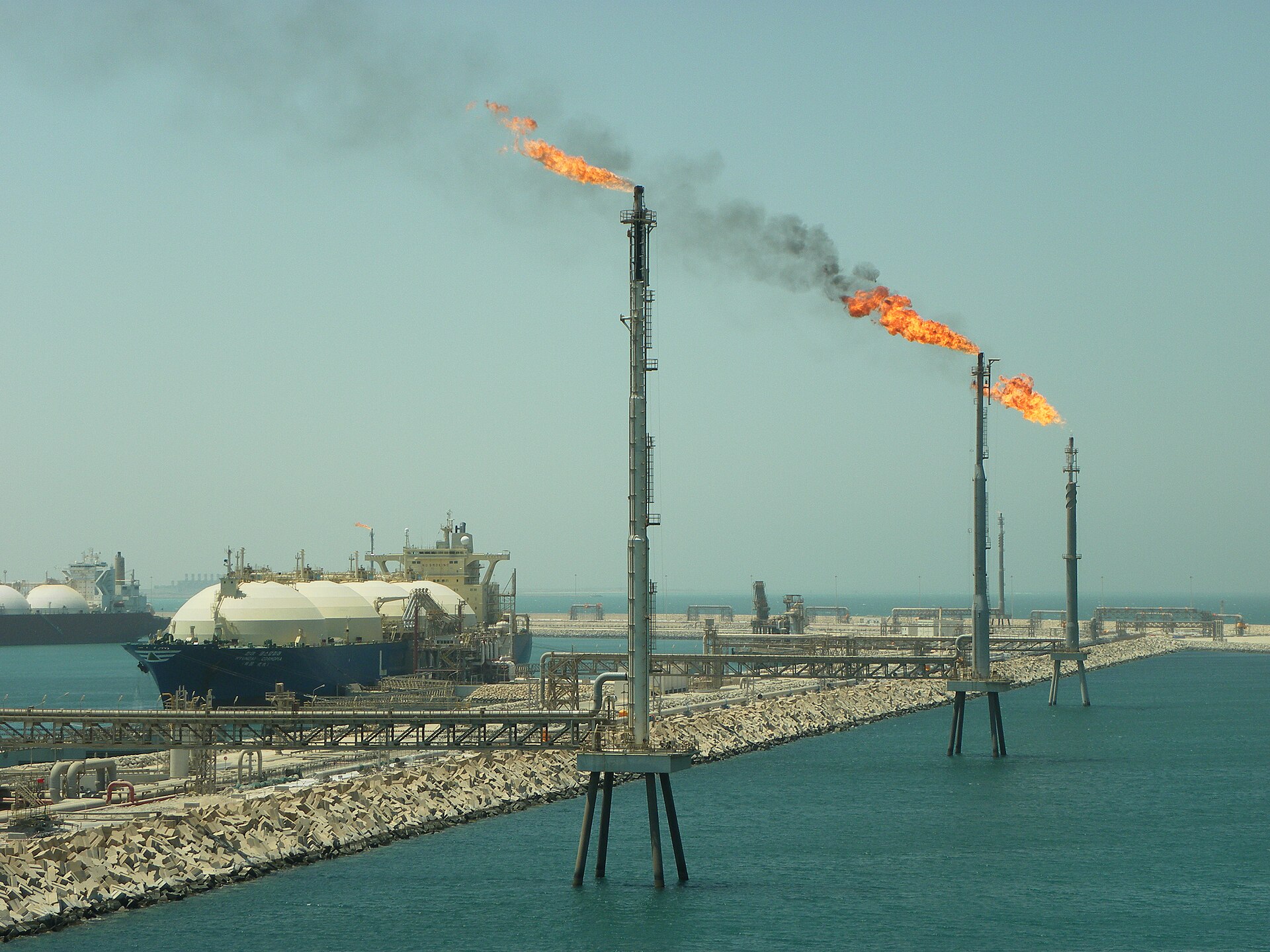
About 20 percent of global LNG exports transit the Strait of Hormuz, according to Al Araby al-Jadeed. The Al Mayeda attack struck at a supply chain already under severe pressure: QatarEnergy declared force majeure on March 4, and two liquefaction trains at Qatar’s Ras Laffan complex were hit by Iran in March, requiring an estimated three to five years to repair, according to intellinews.com.
UKMTO noted that attacks had spread beyond Hormuz transit lanes to vessels at anchor in the Persian Gulf, The National reported — a geographic expansion that raised the risk for ships waiting to enter the strait as well as those transiting it. The Al Mayeda, approaching the strait from the Gulf side, fits this pattern.
Iran’s claims of a seven-fold increase in weapons capacity — announced the same day the Al Mayeda attack became public — added to the sense that the maritime threat was intensifying rather than receding, even as diplomatic channels remained active.
Qatar’s Dual Exposure as Mediator and Target
The timing of the Al Mayeda attack placed Qatar in an extraordinary position. Qatari mediators had been in Tehran on October 30 — the same day the vessel was struck — before moving talks to Doha on October 31, according to Al Jazeera. On November 1, Iranian negotiators remained in Doha, with Foreign Minister Abbas Araghchi telling Al Jazeera that talks on the two-day Hormuz reopening proposal were ongoing and progressing.
Araghchi had described US outreach as “a positive step” but warned that “if Washington’s aim is to stir up discord, it would be another mistake,” Al Jazeera reported on October 31. The Hormuz proposal — a condensed version of the seven-day roadmap Araghchi submitted via Qatar on September 25 — includes conditions such as the US lifting its naval blockade, sanctions waivers, and the release of approximately $12 billion in frozen assets, according to Al Jazeera.
Qatar hosts Al Udeid Air Base, the largest US military installation in the Middle East, and President Trump pledged to treat any armed attack on Qatar as a threat to US security, according to gCaptain and Reuters. That security umbrella has coexisted with Qatar’s role as the primary diplomatic channel between Washington and Tehran — a role that earned Doha a potential $4.5 billion sale of US refuelling aircraft in August 2026, according to Al-Monitor and AFP.
The Al Mayeda was the second Qatari LNG carrier attacked since the war began; the Al Rekayyat, the subject of the confirmed IRGC attack on July 6 described above, was the first. Iran also attacked Qatari territory directly on July 12, injuring three people with shrapnel, according to Chronicle.lu and Reuters. Dr. Andreas Krieg, director of MENA Analytica, said after the Al Rekayyat attack that Qatar’s ability to broker diplomacy depended on trust, and that the targeting of its commercial vessels had undermined that ability, The National reported.
Whether the Al Mayeda attack was intended to pressure Qatar out of the mediator role, or whether it reflected the broader loss of targeting discipline that UKMTO has documented across more than 145 incidents, remains unanswered. For Saudi Arabia — which has expressed solidarity with Qatar and depends on Iran’s willingness to negotiate through Doha — the attack poses a risk that Qatar may recalculate its exposure. A mediator that is also a target operates under constraints that purely neutral parties do not.
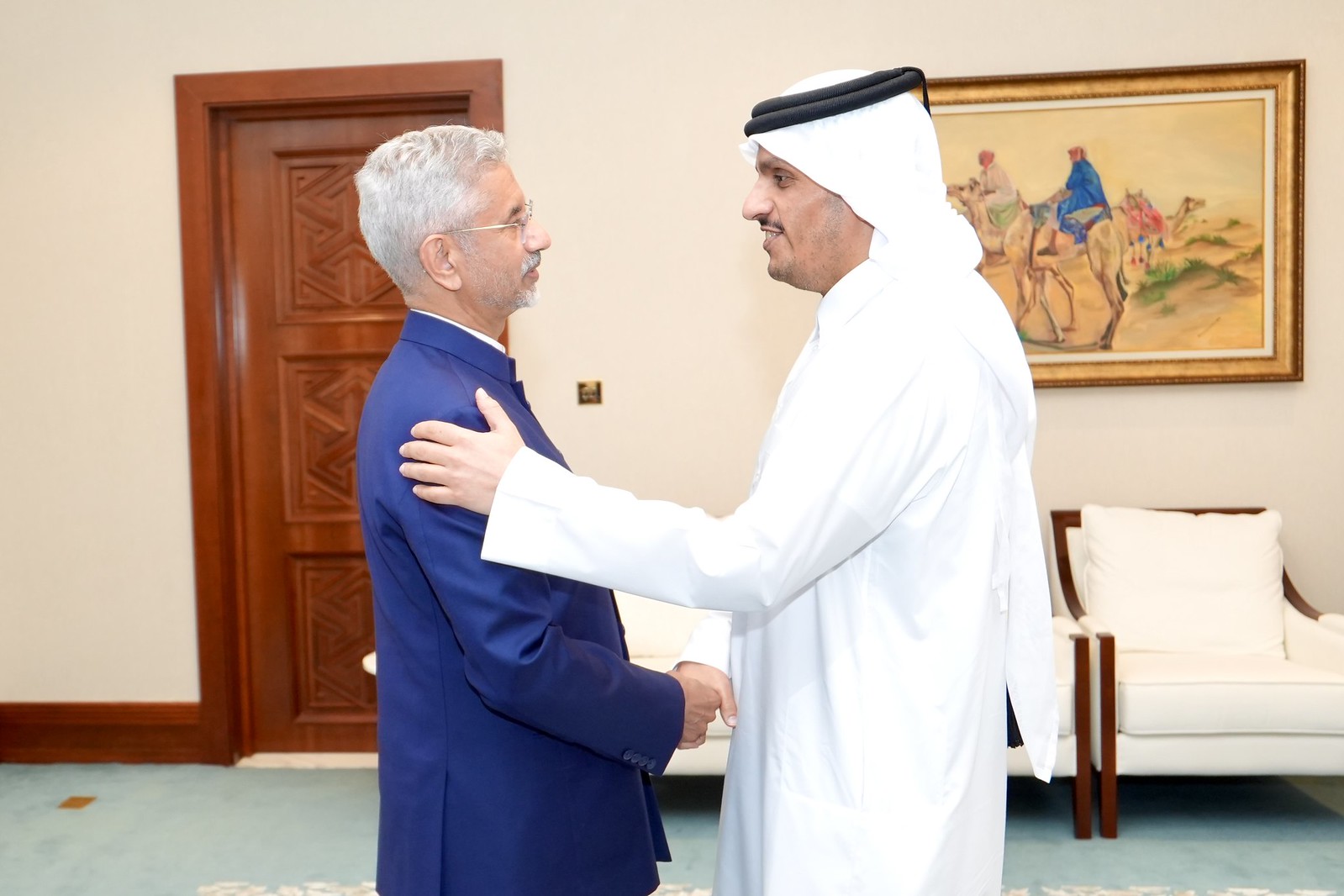
The broader trajectory of Iran’s diplomatic posture — offering talks while the maritime threat intensifies — has placed every Gulf state in the position of weighing whether engagement reduces risk or merely extends it. The Al Mayeda, struck while its transit had reportedly been approved by the very state Qatar is trying to bring to terms, made that calculation visible in a single incident.
Frequently Asked Questions
What is Nakilat and how large is its fleet?
Nakilat — formally Qatar Gas Transport Company — is the state-backed shipping arm that carries Qatar’s LNG exports. It operates 72 vessels, including 69 LNG carriers, and has orders to expand the fleet to 112, according to Seatrade Maritime and Nakilat’s Q1 2026 report. The company disclosed the Al Mayeda attack through the Qatar Stock Exchange, reflecting its status as a listed public entity and its obligation to report material events affecting fleet operations.
Has Qatar declared force majeure on LNG deliveries?
QatarEnergy declared force majeure on March 4, 2026, early in the conflict. It extended the declaration to August for some Asian and European buyers — Italy’s Edison, for example, saw 21 cargoes affected, according to intellinews.com. Two of Qatar’s liquefaction trains at Ras Laffan were damaged in Iranian strikes in March and will take an estimated three to five years to repair, limiting Qatar’s ability to restore full LNG output even if shipping lanes reopen.
What is the US military presence in Qatar?
Al Udeid Air Base near Doha is the largest US military installation in the Middle East, hosting the forward headquarters of CENTCOM’s air component. President Trump pledged in March 2026 to treat any armed attack on Qatar as a threat to US national security, according to gCaptain and Reuters. The US also approved a potential $4.5 billion sale of refuelling aircraft to Qatar in August 2026, partly in recognition of its mediator role between Washington and Tehran (Al-Monitor/AFP).
What are Iran’s conditions for reopening the Strait of Hormuz?
Iran’s seven-day roadmap, submitted via Qatar on September 25, includes the lifting of the US naval blockade (reimposed on July 14 after the Islamabad MoU collapsed), sanctions waivers, and the release of approximately $12 billion in frozen assets. A condensed two-day version was under negotiation in Doha as of November 1, with Iranian negotiators remaining in Doha for talks on the proposal.
The House of Saud Daily Briefing
Saudi Arabia's news in 3 minutes, every morning. Free. See today's issue