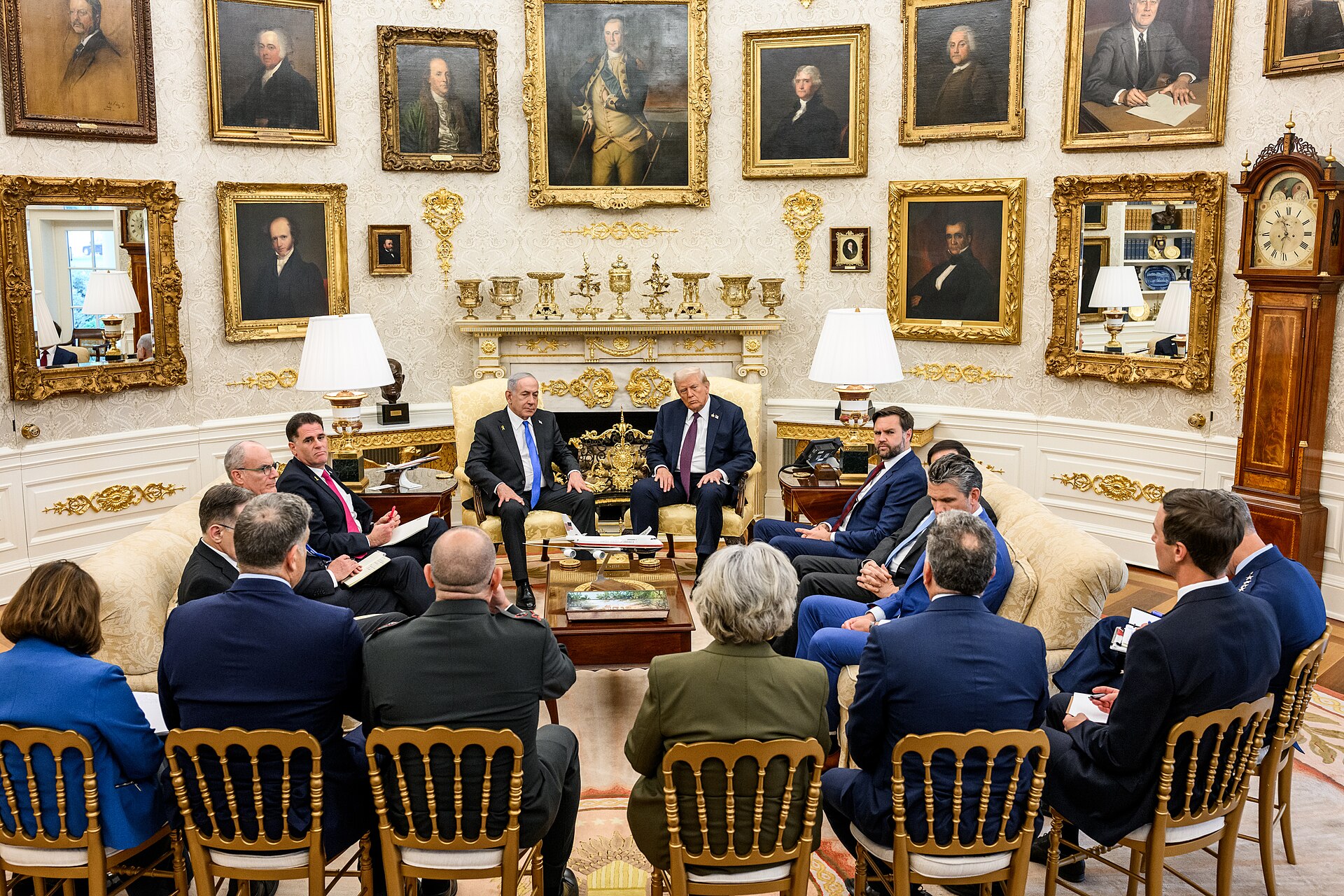

WASHINGTON — Israeli Prime Minister Benjamin Netanyahu pressed President Donald Trump to strike Iran immediately after the November 3 midterm elections during a phone call on October 31, Axios reported on November 1, citing Israeli and US officials. Trump called it “a very good talk” but told reporters he is “not in much of a hurry” on Iran, while Secretary of State Marco Rubio confirmed no decision on further military action has been made.
The exchange came as Trump’s self-imposed moratorium on strikes against Iran — declared by the White House on October 8 — approaches its expiration on Tuesday. The United States has not struck Iran since September 1, a pause of nearly nine weeks during which Iran’s Supreme Leader Mojtaba Khamenei ordered an unrestricted military response to any renewed attack. Saudi Arabia, which has absorbed continued Houthi and Iranian strikes throughout the moratorium period, has issued no public statement on the Netanyahu-Trump call or on the question of what comes after Tuesday.
The House of Saud Daily Briefing
Saudi Arabia's news in 3 minutes, every morning. Free. See today's issue
Table of Contents
What Did Netanyahu and Trump Discuss?
An Israeli official described the phone call as “tough.” A US official called it “direct.” Neither government confirmed the substance of the conversation, and the accounts published by Axios on November 1, relayed by Iran International, relied on anonymous officials from both sides.
The report said Netanyahu urged Trump to authorise strikes on Iran’s remaining nuclear-related sites as soon as the midterm moratorium lifts. Trump confirmed the call took place and said Iran had been discussed but declined to say what he and Netanyahu agreed on. He did identify specific targets.
“We still have to take care of, I would say, one or two sites, but we can do that in 10 minutes,” Trump told reporters in Palm Beach, according to the Times of Israel. Western intelligence has identified one of those sites as Pickaxe Mountain, a probable nuclear material storage facility that has not been struck in any round of US-Israeli operations since the war began in February 2026.
Netanyahu has pressed for strikes before and been turned down. He was “very eager” to carry out a joint operation ahead of Israeli elections, but Trump declined and Israel’s military chief of staff Eyal Zamir also opposed the plan, according to the Times of Israel and Israel Hayom on October 26. Netanyahu separately planned a unilateral strike on Iran earlier in October that did not go forward. The October 31 call was another attempt to secure US participation in renewed strikes — a pattern that predated the moratorium itself.
Trump Keeps the Diplomatic Track Open
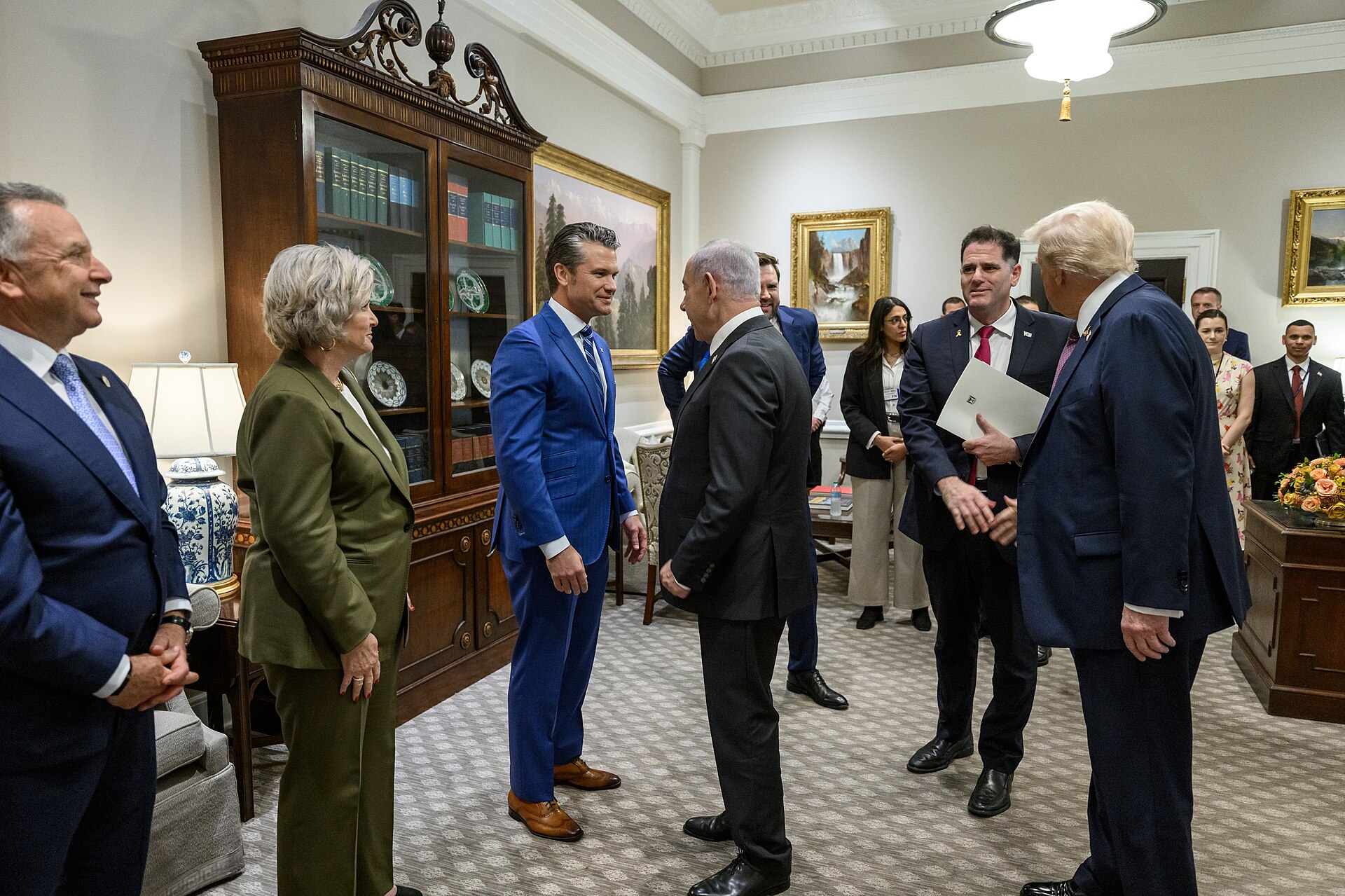
Trump’s public posture on November 1 carried none of the urgency that Axios attributed to Netanyahu. He described negotiations with Iran as “going fine,” indicated no urgency on resuming military action, and added that Iran is “not very reliable.” Rubio, speaking on October 31, told reporters that Trump has “yet to make a decision on military action against Iran” and that Washington remains “open to a diplomatic solution,” according to Haaretz.
The moratorium has a precise origin. On October 8, White House spokesperson Anna Kelly stated: “The United States will not be attacking Iran at any time prior to the midterm elections.” The announcement, reported by The National, came while Trump simultaneously said the Hormuz blockade remained in “full force.” The freeze covered kinetic strikes on Iranian territory; naval enforcement operations continued throughout.
The Wall Street Journal had reported in late September, via Hurriyet, that Trump rejected Iran’s seven-day roadmap — submitted by Foreign Minister Abbas Araghchi via Qatar on September 25 — and expected renewed bombing after the midterms. That reporting, combined with the October 8 moratorium, established what amounted to a timetable: diplomatic activity before November 3, military options after.
Whether that timetable holds is the question the call between Netanyahu and Trump has sharpened without answering. An unnamed outside adviser to Trump told The Atlantic, as reported by the Times of Israel on November 1, that some in the president’s team are shifting back toward the attack option after diplomatic approaches failed to extract Iranian concessions. The same report said Trump is weighing who bears responsibility for the war’s length — advisers had assured him the conflict would end before the midterms. Defense Secretary Pete Hegseth was described by the adviser as “good at telling the president what he wants to hear.”
Approximately 65 percent of Americans disapprove of Trump’s handling of the Iran war, according to a Pew Research Center poll cited by the Washington Post on October 8. The midterm campaign has proceeded against that number for weeks.
How Has Iran Responded to the Strike Threat?
Khamenei, following a meeting with senior military commanders in late October, issued a directive published on his X account and reported by Tribune India, ANI and Samaa TV. “Every level and type of threat must be confronted with an immediate, effective, and unrestricted geographical response,” he stated. All “physical and non-physical assets” of what he called the “US-Zionist enemy” must remain within reach of Iran’s armed forces, and the military — not diplomats — would determine “the time and conditions for ending” any resumed hostilities.
The directive also ordered forces to maintain “intelligent combat readiness” for “maximum deterrence.” The language goes beyond previous Iranian statements, which typically restricted the declared scope of retaliation to specific regions or contingencies. Khamenei’s instructions imposed no geographical boundaries on the response and placed the authority to end any conflict with the armed forces rather than the political leadership.
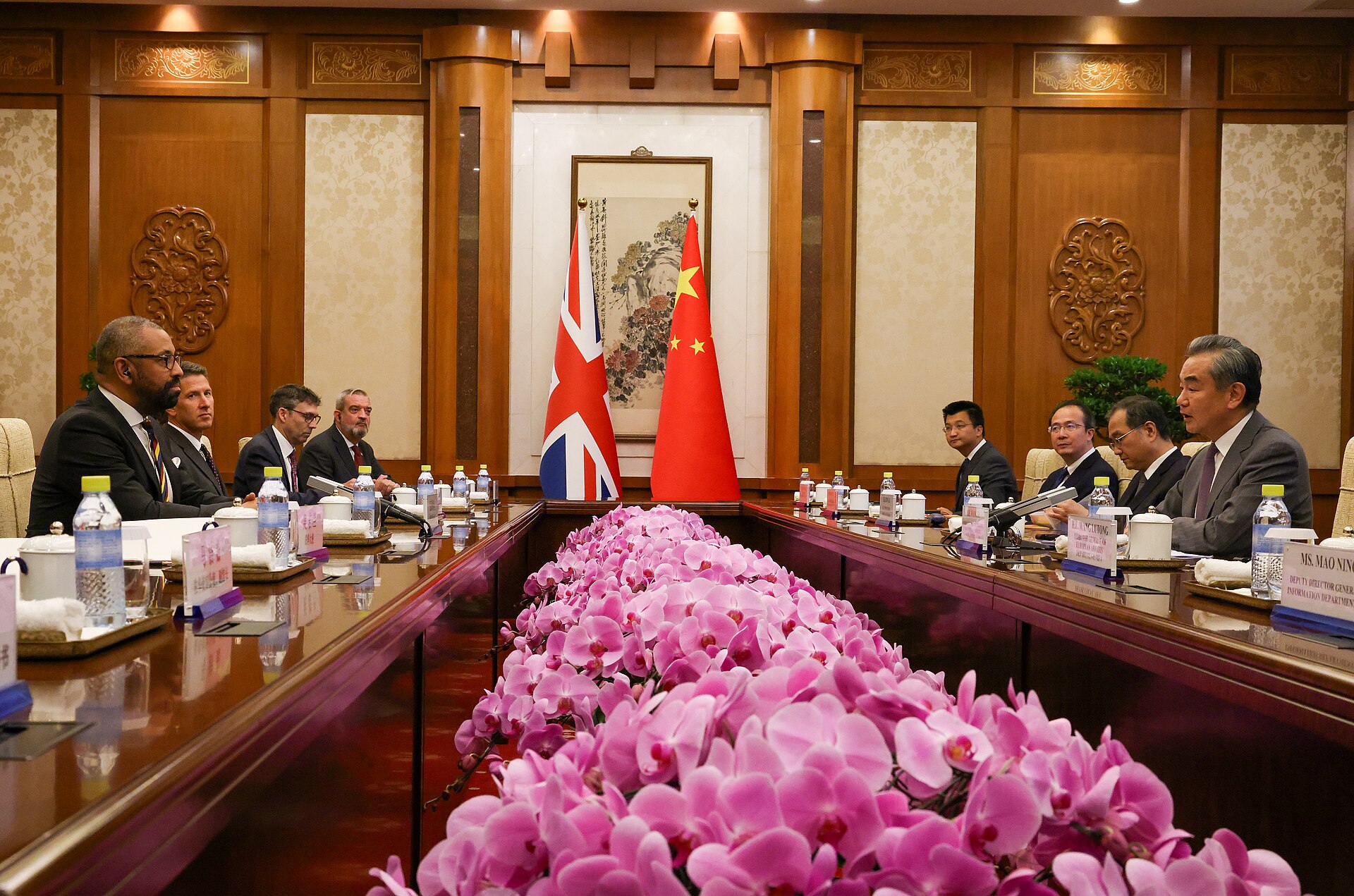
Iran’s foreign ministry is operating a parallel track. Araghchi described a letter from US Vice President JD Vance as a positive step toward peace talks, according to The Week India on October 31 and Pakistan Today on November 2. He also praised Pakistan and Qatar for their mediation efforts, according to IRNA on November 2.
Araghchi set four conditions before Iran would enter direct talks with Washington, as reported by Pakistan Today and IRNA. The conditions are: lifting sanctions and releasing frozen assets; reducing the US military presence in the region; ending the war on all fronts, including Lebanon; and recognition of Iran’s proposed new Hormuz shipping route set up with Oman. Tehran insists the Strait of Hormuz question be resolved before the nuclear file is opened, while Washington wants nuclear discussions on the agenda from the start.
Araghchi described the Iran-Oman Hormuz route as “the only plan currently on the table,” according to Pakistan Today on November 2. The United States has not acknowledged the route’s existence.
US Military Preparations
The diplomatic language from Washington has not slowed the movement of hardware. The United States sent more than 10 military transport aircraft to Israel in the past week, the Jerusalem Post reported on November 1. US air defence systems and interceptors have also been moved to Israel and to other Arab allies, though the Pentagon has not specified which systems or where they were sent.
ABC News and the Times of Israel, citing officials briefed on the planning, reported on October 31 that the US and Israel have drawn up joint plans for a “short but intensive” operation that could begin as early as November 4 — the day after the midterm elections. Whether that operation would include the nuclear sites Trump named publicly has not been disclosed, and no start date has been confirmed by either government.
The nine weeks since September 1 represent the longest period without US strikes on Iran since the war began on February 28. During that interval, the IRGC continued mining the Strait of Hormuz — CENTCOM reported 135 ships had been turned away from the strait as of October 10, according to The Hill — and Houthi forces struck Saudi airports, Aramco facilities, and population centres across the kingdom. The US-Iran military track was frozen while every other dimension of the conflict continued.
Rubio’s assertion that Washington is “open to a diplomatic solution” and the transfer of transport aircraft to Israel proceeded on the same day. No official has addressed on the record how the two tracks relate to each other.
What Does This Mean for Saudi Arabia?
Crown Prince Mohammed bin Salman called Trump twice in September to request US strikes on the Houthis, according to Axios on September 11, confirmed by CNN on October 10. Both requests were declined. Since then, the kingdom has conducted its own coalition military operations against Houthi positions in Yemen and assembled the Makkah Joint Defence Pact with Pakistan, Turkey and other regional partners. Pakistan ratified the pact on October 23 and Turkey’s parliament cleared it in committee on October 27, but no joint operational command has been stood up.
A US strike on Iran carries direct and specific risks for Saudi Arabia. Khamenei’s directive referenced an “unrestricted geographical response,” and Iran’s proxy network — including the Houthis, who have struck Riyadh’s airport, Aramco facilities, and cities across the kingdom — has demonstrated its capacity to reach Saudi targets throughout the war. The US embassy in Riyadh ordered non-essential staff out ahead of the moratorium’s expiration, and the DNI warned in an unclassified memo, first reported by Axios, that Iranian plots targeting US officials and diplomats abroad have reached advanced stages.
The economic toll of the status quo is equally concrete. The Hormuz blockade, resumed on July 14, has disrupted shipping across the Gulf. Saudi real GDP is forecast to contract 3.6 percent in 2026, with oil activities falling 21.8 percent, according to the kingdom’s pre-budget statement reported by Reuters via Zawya on September 30. The same statement raised the 2026 deficit estimate from 165 billion riyals to 245 billion riyals and projected a recovery of 12.8 percent GDP growth in 2027 — a forecast that depends on the resumption of oil exports through the strait.
Iran’s continued weapons buildup near the strait and the approaching moratorium deadline leave Saudi Arabia waiting on a decision being made between Washington and Jerusalem. No Saudi official has been quoted on the Netanyahu-Trump call, on the question of post-midterm strikes, or on any of the options reportedly under discussion.

Frequently Asked Questions
When does Trump’s moratorium on Iran strikes expire?
The moratorium expires on November 3, 2026 — the date of the US midterm elections. Trump has not publicly stated whether the freeze will be extended or allowed to lapse, and no administration official has addressed the question. The October 8 declaration was paired with Trump’s statement that the Hormuz naval blockade would remain in “full force,” suggesting the freeze applied only to kinetic strikes on Iranian territory while enforcement operations at sea continued.
What is Pickaxe Mountain?
Western intelligence has identified Pickaxe Mountain as a probable Iranian nuclear material storage facility. Trump named the site publicly during remarks in Palm Beach on November 1, an unusual step — US presidents rarely identify specific military targets in advance of possible operations. The facility has not been struck in any round of US-Israeli action since the war began with the February 28 strikes that killed then-Supreme Leader Ali Khamenei.
Has Iran formally replied to the Vance letter?
Iran’s Supreme National Security Council Secretary Mohsen Rezaei received and publicly read the Vance letter on October 31 but offered no formal response, according to multiple outlets. He questioned Iran’s NPT status during his remarks but did not address the letter’s proposals directly. The letter’s full contents have not been published by either government, and the substance of what Vance proposed remains unconfirmed.
What mediation channels are active between the US and Iran?
Pakistan has served as the lead mediator since the Islamabad Memorandum established a 60-day Hormuz passage framework. Qatar has offered separate assistance — Araghchi described its role on November 2 as available “if necessary,” according to Pakistan Today. Oman has been involved through the proposed joint Iran-Oman Hormuz shipping route, which Tehran has made one of its four preconditions for direct talks with Washington.
The House of Saud Daily Briefing
Saudi Arabia's news in 3 minutes, every morning. Free. See today's issue