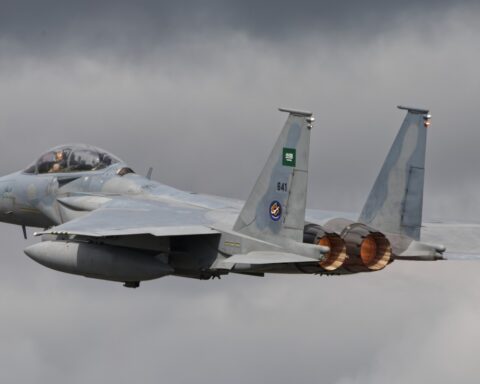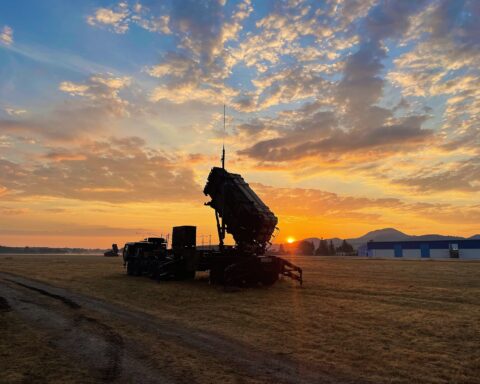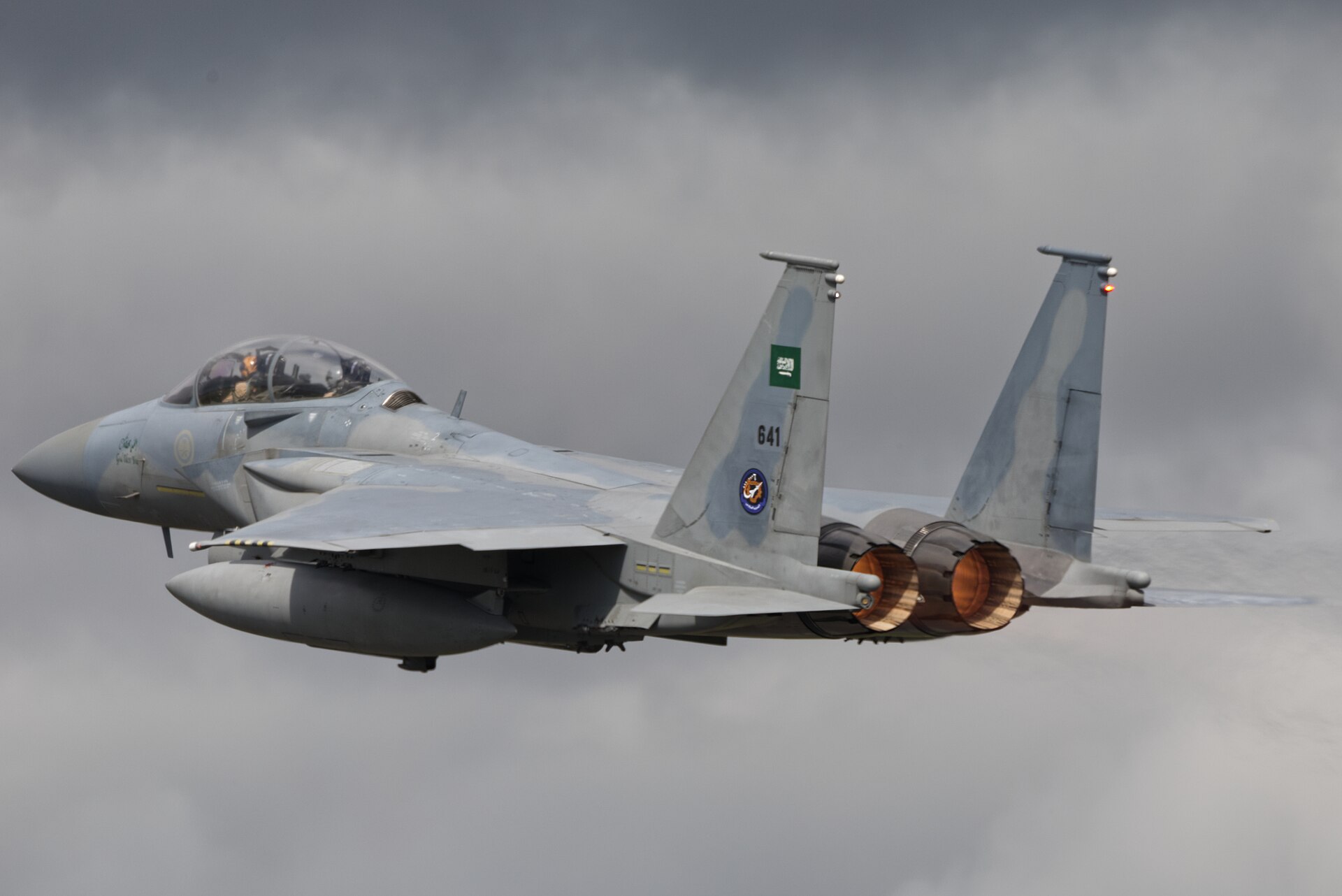

RIYADH — The Saudi-led Coalition to Restore Legitimacy in Yemen carried out what it called a “precision military operation” on Sunday, November 1, to “neutralize vital resources” sustaining the Houthis’ ballistic missile and drone programmes, spokesman Maj. Gen. Turki Al-Maliki announced through the Saudi Press Agency. The strikes came two days before President Donald Trump’s moratorium on US strikes against Iran expires on November 3, the date of the US midterm elections.
Al-Maliki warned the Houthis they would “bear the consequences” of continued attacks on civilians and said the coalition would continue “necessary military measures to deter Houthi attacks,” according to the Siasat Daily, which published the SPA statement. The coalition released no independent damage assessment, no casualty figures, and no identification of specific facilities hit, according to see.news. A Houthi military source responded by threatening Saudi Aramco facilities and urging international airlines to avoid Saudi airspace, Shafaq News reported.
Table of Contents
What Did the Coalition Target?
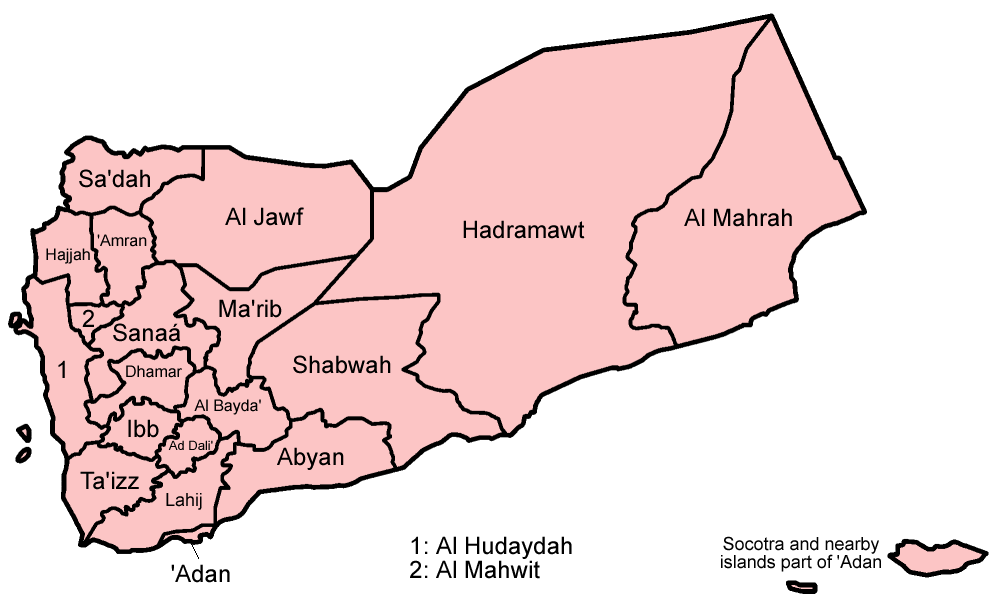
The coalition’s written statement named no locations and identified no specific facilities, according to Türkiye Today’s analysis of the text. Gulf News, drawing on footage context, reported that strikes hit resources in Hodeidah and Dhamar provinces. The two accounts do not align: the coalition’s deliberate vagueness left the question of geography to media interpretation.
The House of Saud Daily Briefing
Saudi Arabia's news in 3 minutes, every morning. Free. See today's issue
The framing of the targets offers some indication of intent. Al-Maliki’s statement centred on resources that strengthen the Houthis’ “ballistic missile and drone programmes,” according to the SPA text carried by the Siasat Daily. Asharq Al-Awsat described the operation separately as hitting “maritime support assets” that threatened “shipping lanes in the southern Red Sea.” The dual framing suggests the strikes aimed at both land-based launch infrastructure and the Houthis’ capacity to threaten commercial shipping through the Bab al-Mandab strait.
No independent damage assessment exists for the November 1 operation. The coalition has not released post-strike imagery or specific facility identifications for any of its military operations since the campaign resumed on October 4.
Houthi Claims and Threats
Houthi-affiliated Al-Masirah TV reported that coalition strikes hit an oil company station in Bajil district, Hodeidah province, wounding three civilians, and struck the Faculty of Medicine at Hodeidah University, according to Shafaq News. Neither claim has been independently confirmed.
A Houthi military source, also cited by Shafaq News, threatened Saudi Aramco facilities and urged international airlines to avoid Saudi airspace, warning investors of possible losses. The airline warning echoed EASA’s decision in early October to widen its Saudi airspace guidance after Houthi strikes on airports, according to Fortune. No formal Houthi official statement addressing the November 1 operation specifically had been issued at the time of initial reporting, according to Türkiye Today.
The Aramco threat carries weight given the Houthis’ record. On October 13, Houthi military spokesman Yahya Saree warned on Telegram that any strikes on the capital Sanaa would be met with a painful response targeting the Saudi capital Riyadh, Al Jazeera reported. The Houthis followed with sustained strikes against Saudi cities and infrastructure. The single deadliest attack came on October 10 at King Khalid International Airport, where 12 people were killed and 309 were wounded, according to Al Jazeera and GACA.
How Does This Fit the Coalition’s Air Campaign?
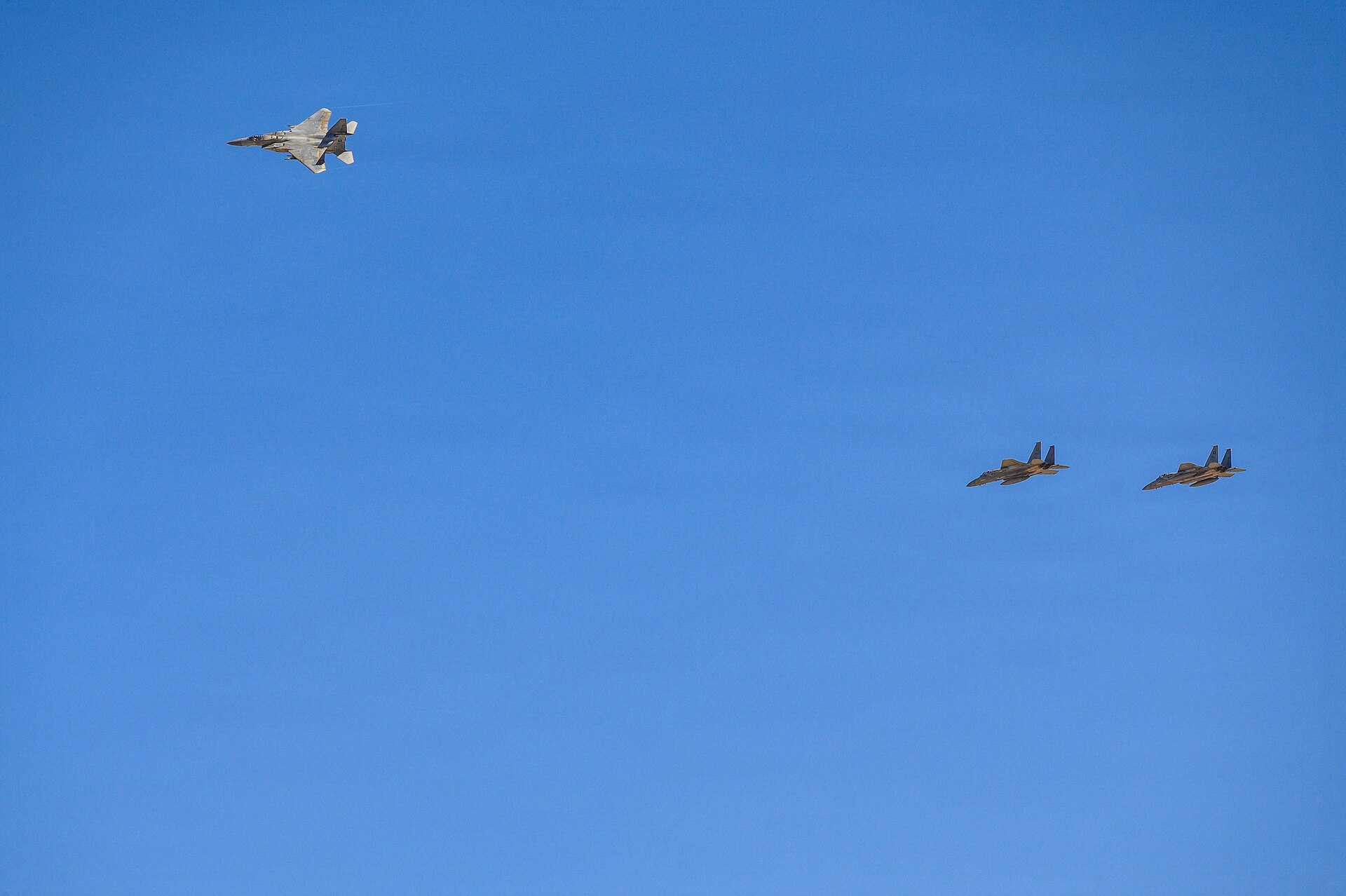
Sunday’s operation extends a pattern of escalating coalition strikes since the campaign’s launch on October 4–5, when approximately 100 fighter jets opened Operation Dawn of Yemen in support of the Yemeni government’s ground offensive, according to the Oman Observer. The Hudson Institute’s Can Kasapoğlu assessed on October 6 that the opening phase delivered more than 320 strikes but cautioned that underground Houthi missile and drone sites remained “hard to destroy” and that success required “unified command and ability to hold captured ground.” Pakistan’s defence minister said combat in Yemen “is practically being conducted by Saudi Arabia’s own forces,” according to Al Jazeera’s October 6 reporting — an acknowledgment of Riyadh’s dependence on its own military capacity even as coalition partners provided air and logistics support.
The targeting has shifted over time. On October 13, the coalition struck energy infrastructure including the Al-Sabaha central station in Sanaa, underground fuel reserves, and energy terminals across Hodeidah, Sanaa, and Dhamar — one of the few occasions where specific targets were named in advance, according to Dawn.com. On October 26 — the same day the IRGC declared the Strait of Hormuz closed — the coalition reported destroying 4 ballistic missile launchers, 5 missile storage tunnels, and 1 missile depot, according to Al Jazeera. That operation marked the most specific accounting the coalition has offered of destroyed assets. Sunday’s strikes reverted to the broader formulation of “vital resources,” a category that could encompass logistics, communications, or supply networks beyond launch systems.
Saree said on October 31 that the coalition had carried out 66 airstrikes in the preceding 24 hours and put the cumulative total at 3,755 since the latest escalation, according to Shafaq News. A separate Saree statement on October 30 cited 93 strikes in that day’s 24-hour period, Bastille Post reported. Both figures are Houthi claims covering different 24-hour time windows and have not been independently verified.
What Does the Timing Signal?
Trump announced on October 8 that the US “will not be attacking Iran at any time prior to the midterm elections” on November 3, according to The National. The coalition’s decision to carry out a named operation on Sunday — the last full day before that window opens — registers as the final major escalatory action under the moratorium, though the coalition itself made no reference to the deadline.
Crown Prince Mohammed bin Salman made two appeals to Trump in September for US strikes on the Houthis, both declined, as Axios first reported on September 11. Secretary of State Marco Rubio said on October 5 that the US “intend to live by” the US-Saudi defence agreement, according to The National, but Washington has not committed strike aircraft. A proposed $24.3 billion sale of 48 F-35A fighters was approved by the State Department on September 17, according to The Aviationist, though the aircraft will not enter service for years. The OPEC+ decision to hold December output unchanged amid the Hormuz closure adds to the economic pressure on Riyadh.
The Houthi threat to Aramco after Sunday’s strikes compounds an already constrained energy picture. The IRGC declared the Strait of Hormuz closed on October 26. Iran has tied the strait’s reopening to seven conditions, and Saudi crude output fell 2.3 million barrels per day by August, according to Reuters citing the IEA.
The Wall Street Journal reported in September that Trump expects renewed military action after the midterms, as carried by Hürriyet. Whether the November 3 expiration opens a window for direct US military involvement remains an open question. After the October 10 KKIA attack, Trump told CNN: “We may. We’re going to look at it.” He added: “They’re able to defend. The Saudis are good fighters.”
Background
The Saudi-led coalition entered the Yemen conflict in March 2015. A ceasefire held from 2022 until it collapsed in mid-2026, with the Houthis deploying expanded missile and drone capabilities, according to the BBC. The current phase began on October 4 when Yemen’s internationally recognized government launched a ground offensive backed by coalition air power under Operation Dawn of Yemen.
The escalation built through September and into October. King Salman condemned the Houthis as a “terrorist militia” over their attempts to target Makkah, according to Khaleej Times. On October 1, a drone knocked out a transformer at a Medina power station serving the Prophet’s Mosque, according to GDN. On October 8, the coalition intercepted two ballistic missiles aimed at Riyadh, according to the AP. Between October 6 and 11, Houthi attacks on KKIA and Abha killed at least 20 people across four separate incidents, according to casualty totals from GACA statements reported by the BBC. On October 11, a projectile hit KKIA’s Terminal 4, killing a Pakistani resident and injuring 11, and Dammam airport was also targeted, according to CNN. KKIA reopened on October 25 with Terminals 1 and 2 operational but continued to record severe disruption. Kasapoğlu wrote in his Hudson Institute analysis that the Houthis’ pressure on the Bab al-Mandab strait was designed to “complement denial operations in the Strait of Hormuz” — a dual chokepoint strategy that the coalition’s stated focus on “maritime support assets” appears to address.
The coalition has drawn military support from Pakistan, Turkey, France, and the United Kingdom under the Makkah Joint Defence Agreement, signed August 7, according to Al Jazeera. Prince Khalid bin Salman, the defence minister, announced on October 5 that the pact committee had agreed to “activate collective deterrence measures,” according to Al Jazeera. Turkey cleared the pact through a parliamentary committee but has not held a full ratification vote. France confirmed troops, radars, and air defences for Yanbu on September 25, also per Al Jazeera. The coalition’s air defence network has intercepted multiple missile and drone attacks over Saudi cities in recent weeks.
The United Nations reported on November 1 that more than 300,000 people had been displaced in western Yemen since the fighting resumed, a figure that encompasses civilians fleeing both the coalition’s sustained air campaign and the ongoing ground offensive by Yemeni government forces, according to Anadolu Agency.
Frequently Asked Questions
Has the coalition released battle damage imagery for any of its strikes?
The coalition has issued written statements through the Saudi Press Agency after each major operation but has not published satellite imagery, post-strike photography, or video evidence of destroyed targets since Operation Dawn of Yemen began on October 4. The absence of independent verification makes it difficult to assess the campaign’s effectiveness against what the Hudson Institute’s Kasapoğlu described as hardened underground sites.
What maritime capabilities do the Houthis have in the Red Sea?
The Houthis have deployed anti-ship missiles, naval mines, and explosive-laden unmanned surface vessels in the southern Red Sea and Bab al-Mandab strait. Iran has provided technical assistance to these maritime weapons programmes. War-risk insurance premiums for ships transiting the area rose to 6–10 percent of hull value by October 2026, brokers told the Financial Times. The coalition’s emphasis on “maritime support assets” in Sunday’s operation targets the infrastructure behind these capabilities.
How many civilians have been killed in Yemen since the offensive began?
The Houthi-run Health Ministry claimed 83 killed and 146 wounded in Yemen between the start of the offensive and October 6, a figure reported by CNN that has not been independently verified. The number does not cover the period after October 6. The UN’s displacement figure of more than 300,000 in western Yemen encompasses people fleeing both ground combat and airstrikes but does not disaggregate the causes or provide a more recent casualty count.
What international forces support the Saudi-led coalition?
Pakistan deployed approximately 8,000 troops to Saudi Arabia, according to Reuters. France confirmed troops, radars, and air defences for Yanbu on September 25, according to Al Jazeera. The United Kingdom sent an RAF Voyager tanker, according to The National. The United States approved a proposed sale of 48 F-35A fighters but has limited direct involvement to approximately 100 military advisers under a joint intelligence command, according to CNN’s October 11 reporting.
What happens when Trump’s moratorium expires on November 3?
The moratorium covered US strikes against Iran, not against the Houthis specifically, though the two are linked through Iran’s documented support for Houthi missile and drone programmes. The Wall Street Journal reported in September that Trump expects renewed military action after the midterms. No decision had been announced as of November 1. Iran’s SNSC Secretary Mohsen Rezaei called the latest US diplomatic response “insufficient” on October 11, according to IRNA as reported by CBS News, and Iran FM Abbas Araghchi’s two-day Hormuz proposal produced no agreement.
The House of Saud Daily Briefing
Saudi Arabia's news in 3 minutes, every morning. Free. See today's issue