
TEHRAN — Iran’s parliament speaker Mohammad Bagher Ghalibaf warned on Tuesday that Washington would “face a new battlefield” if it carried out another strike on Iranian soil, hours after President Masoud Pezeshkian told provincial governors that Supreme Leader Mojtaba Khamenei had granted the government “certain authorities” to pursue a diplomatic resolution to the conflict.
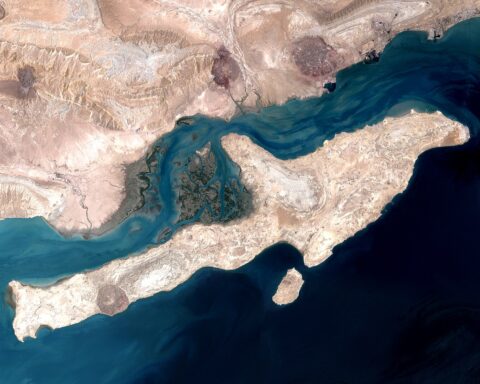
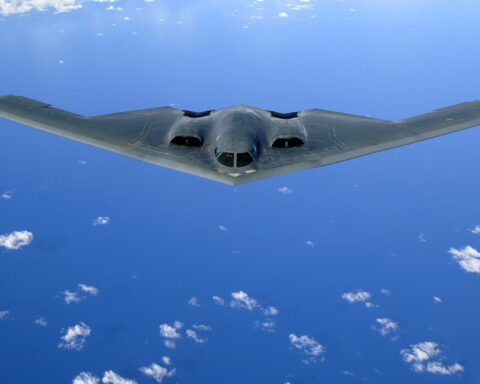
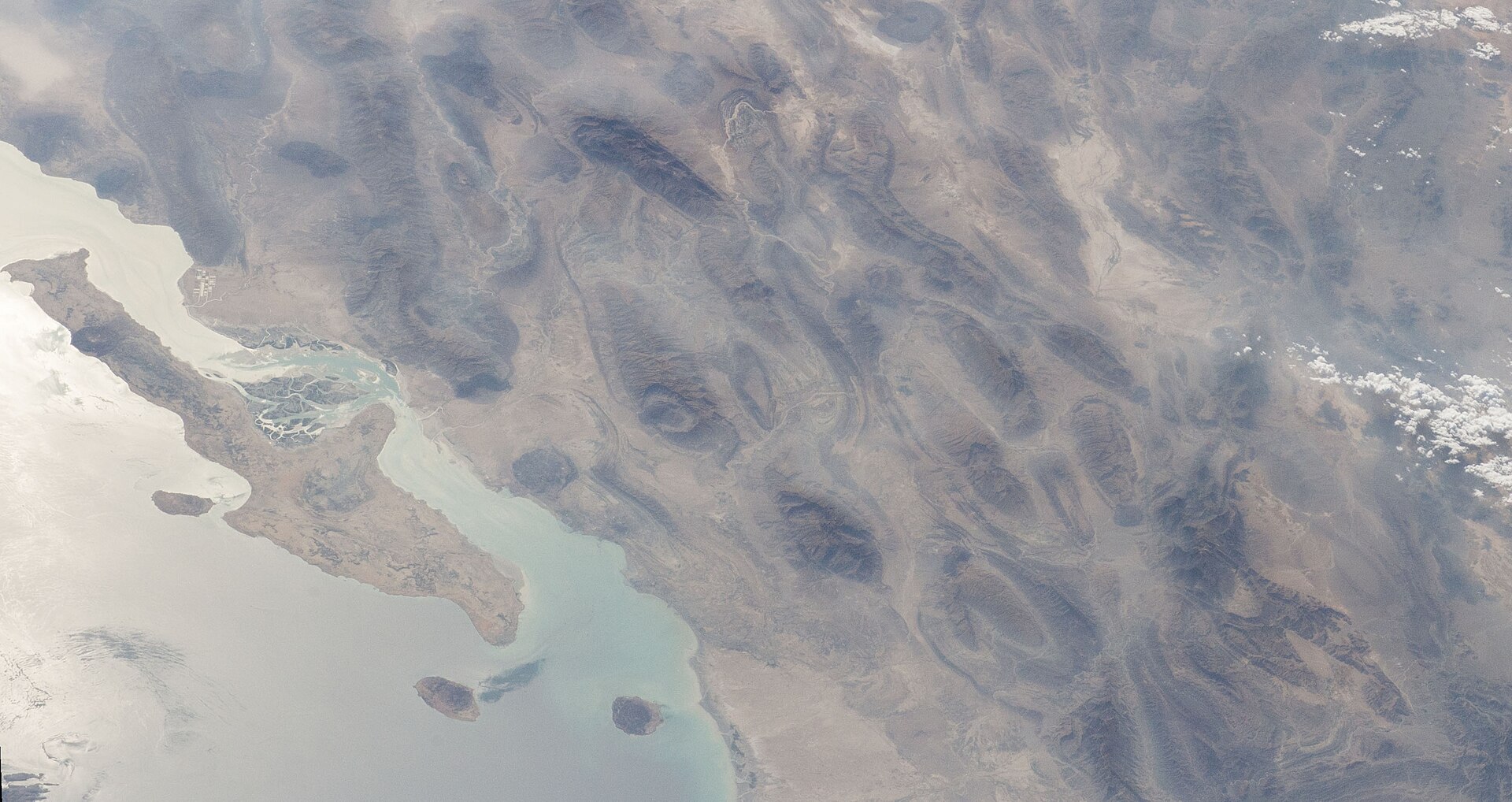
The split messaging came less than 24 hours after a US Air Force jet struck an IRGC surface-to-air missile launch system on Qeshm Island — a strike US officials described as “limited” and “defensive.” Ghalibaf’s dual role as both parliament speaker and formal head of Iran’s US negotiating team makes the contrast more than rhetorical. The man issuing the military threat is the same man tasked with reaching a deal. That arrangement, confirmed by multiple outlets including Dawn and the South China Morning Post, appears designed to keep both channels — deterrence and diplomacy — live at once.
The House of Saud Daily Briefing
Saudi Arabia's news in 3 minutes, every morning. Free. See today's issue
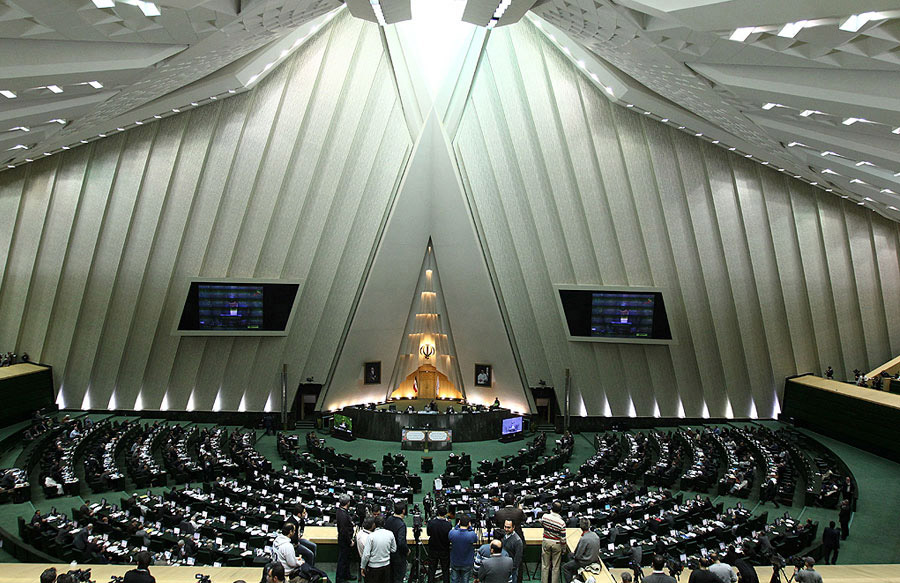
Table of Contents
- Ghalibaf Warns of ‘New Battlefield’ While Leading Negotiating Team
- Pezeshkian Says Khamenei Granted Diplomatic Authorities
- Why Is One Person Issuing Threats and Leading Talks?
- Is the Qatar Mediation Channel Still Active?
- What Did Washington Signal Before the Strike?
- Iran’s Military Establishment Sets Conditions
- Background: The Hormuz Crisis and the Road to Qeshm
- Frequently Asked Questions
Ghalibaf Warns of ‘New Battlefield’ While Leading Negotiating Team
Ghalibaf’s statement Tuesday carried a calibrated mix of threat and restraint. “If America makes another strategic mistake, it will face a new battlefield and find itself even more vulnerable,” he said, according to Jfeed. Separately, he told reporters that “the ball is now in Washington’s court to prevent war,” a phrase reported by Arab Times Online and Daily Beirut.
He went further in remarks carried by Arab Times Online: “Regional countries should know that Iran is as ready for battle as if it had its finger on the trigger, but it has given the US a strong and rational response.” The phrasing — readiness coupled with rationality — was aimed at two audiences. Gulf states received the deterrent signal. Washington received the suggestion that Tehran still preferred a negotiated outcome.
Euronews reported that Ghalibaf said senior commanders and Mojtaba Khamenei had met “last week” and decided on what he described as a response without geographical limits, including Tehran’s claimed right to determine when the conflict ends. That meeting — if accurately reported — would have taken place before the Qeshm strike, suggesting the military planning predates the latest exchange of fire.
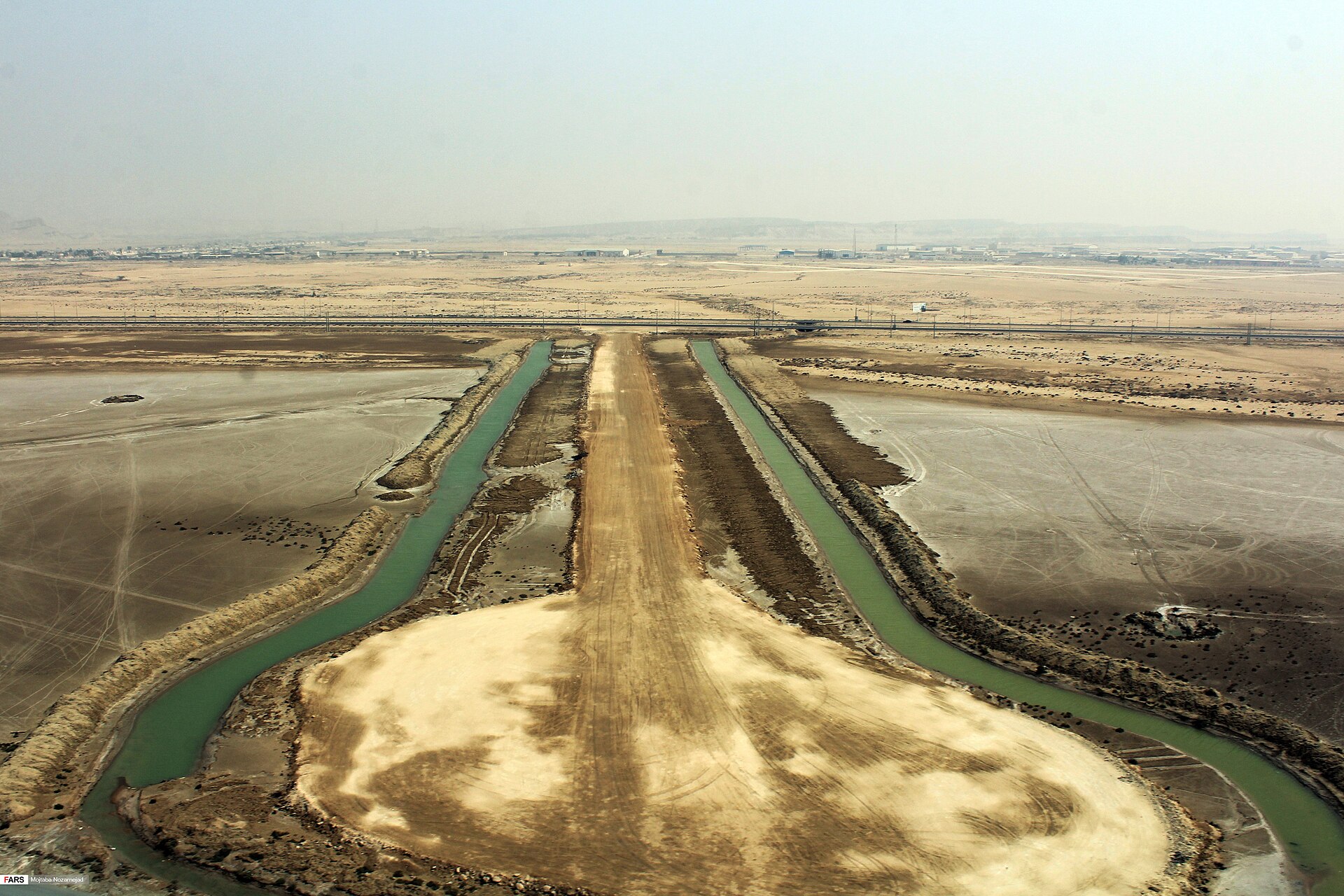
CENTCOM issued no formal statement confirming or denying the strike, according to Al Jazeera. Iran equally issued no official government acknowledgment that a strike had occurred. The Wall Street Journal, however, confirmed that the Qeshm hit was part of “a series of limited strikes Washington has secretly carried out in recent weeks,” a detail that reframes the event as part of a pattern rather than a standalone response.
Pezeshkian Says Khamenei Granted Diplomatic Authorities
At a meeting of provincial governors and mayors in Tehran on Monday, Pezeshkian said Mojtaba Khamenei had granted the government “certain authorities” to pursue diplomatic solutions. Xinhua, via UAE Vartha, used the phrase “specific executive authorities.” The scope of those authorities was not disclosed by either outlet.
Pezeshkian told the gathering that war “serves no nation’s interest” and that Tehran remained committed to dialogue, according to UAE Vartha. He also accused Washington of deliberately targeting Iran’s cross-border trade networks — a framing that cast the Qeshm strike as economic aggression rather than a military response to a SAM launch.
The delegation from Khamenei appeared to be his most visible policy shift since the Islamabad Memorandum period earlier in the year. Mojtaba Khamenei succeeded his father Ali Khamenei as Supreme Leader on March 8, 2026, after the elder Khamenei was killed on February 28. His public appearances have remained limited, and the decision to grant executive authorities to Pezeshkian — communicated through the president’s office, not through Khamenei’s own — followed the established pattern of working through intermediaries.
Why Is One Person Issuing Threats and Leading Talks?
Ghalibaf holds two positions simultaneously: speaker of Iran’s parliament and formal head of the country’s US negotiating team. That dual appointment, confirmed by NAMPA, Dawn, and the South China Morning Post, means the same official who warned of a “new battlefield” on Tuesday is the one Tehran would send to any future negotiation table.
The arrangement gives Tehran flexibility that separate officials could not. If Washington reads Ghalibaf’s threat as the dominant signal, Tehran can point to Pezeshkian’s diplomacy. If Washington dismisses the threat, Ghalibaf’s negotiating role ensures the military message still reaches the counterparty directly. Foreign Minister Abbas Araghchi, speaking to IRNA on November 2, described the mediation landscape in terms that reinforced the ambiguity: “Consultations through mediators are very intensive,” he said. “Everything depends on the political rationality of Washington.”
Araghchi also wrote on X that Iran had no hostility toward the Gulf Cooperation Council countries, valued Qatar’s and Oman’s mediation roles, and continued dialogue with Saudi Arabia, according to IranIntl’s liveblog. The message, published at 06:44 UTC on Tuesday, was directed at a different audience than Ghalibaf’s warning — Gulf capitals whose shipping and oil exports depend on whether the Strait of Hormuz reopens.
Is the Qatar Mediation Channel Still Active?
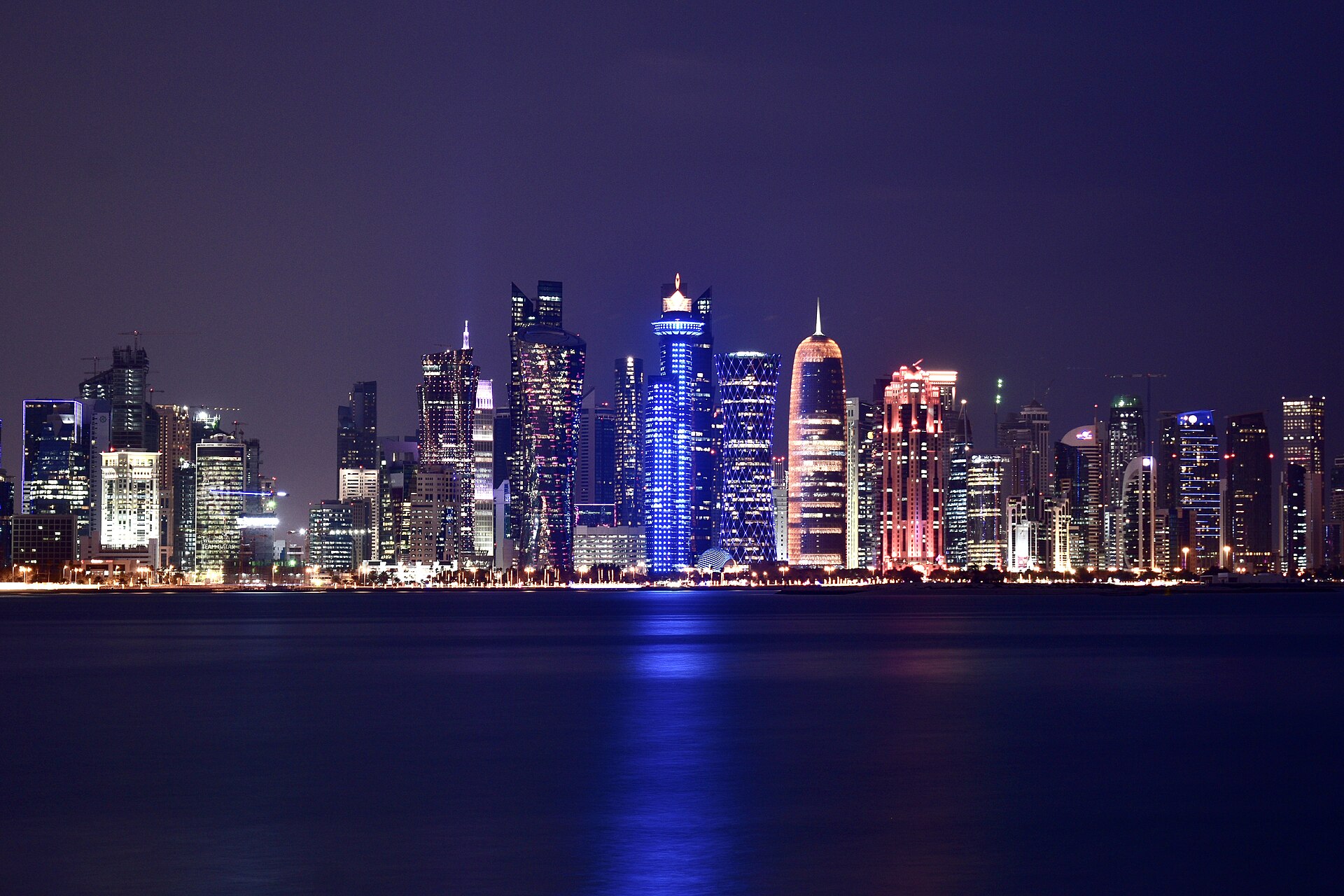
Deputy Foreign Minister Kazem Gharibabadi confirmed on Tuesday that Iran was exchanging messages with Washington via Qatar on its seven-day plan, according to IranIntl’s liveblog at 08:54 UTC. “The war was imposed on us,” he said. Qatar’s Foreign Ministry, in a statement at 10:32 UTC, said both sides were reviewing mediation proposals but that “differences remain” and talks were ongoing, IranIntl reported.
The seven-day plan traces back to a roadmap Araghchi submitted through Qatar on September 25, proposing Hormuz reopening in exchange for a US blockade lift, sanctions waivers, and the release of approximately $12 billion in frozen assets. Trump rejected that plan, and the Wall Street Journal reported at the time that Washington expected renewed bombing after the midterms.
Iran’s more recent proposal — a two-day Hormuz reopening, announced over the weekend — is narrower in scope. Foreign Ministry spokesman Esmaeil Baghaei said Tuesday that the two-day plan could be implemented once Washington met conditions, and that the ball was in the US court, according to Al Jazeera. Baghaei did not specify which conditions.
A senior Iranian official told Reuters on Tuesday that Tehran and Washington remained “far from a deal” and that Iran would not accept “excessive demands,” IranIntl reported. That assessment contradicted the more optimistic framing from both Pezeshkian and from US Vice President J.D. Vance, who on Monday told reporters: “We’ve had a number of good conversations with the Iranians. The president and I both feel pretty good about the prospects for potentially coming to a negotiated settlement,” as reported by Al Jazeera.
What Did Washington Signal Before the Strike?
The Qeshm strike came on the final day of Trump’s self-imposed moratorium on attacking Iran before the midterm elections. Trump announced on October 8, via The National’s reporting, that the US “will not be attacking Iran at any time prior to the midterm elections on 3 November.” The strike Monday night was framed by US officials as “defensive” — a response to a SAM launch against a US aircraft — rather than a proactive attack, a distinction that allowed Washington to maintain it had not technically violated the moratorium.
Trump’s own public statements Monday pointed toward restraint. On Truth Social, he wrote: “Iran wants a settlement, as soon as possible. It could happen!” Asked by reporters whether he would consider striking Iran after the midterms, he replied “no,” Al Jazeera reported. Vance’s comments about “good conversations” came the same day.
CIA Director John Ratcliffe reportedly took a different line, advising Trump to pursue neither war nor a deal and instead maintain economic pressure, according to Benzinga. That three-way split within the administration — Trump’s earlier “give Iran the hammer” rhetoric, Vance’s optimism about talks, and Ratcliffe’s counsel of sustained pressure without resolution — left Tehran with its own set of ambiguous signals to interpret.
Iran’s Military Establishment Sets Conditions
Armed Forces Chief of Staff Ali Abdollahi, speaking Tuesday at 08:41 UTC, outlined conditions for any settlement that included war reparations, sanctions removal, and recognition of Iranian authority over the Strait of Hormuz, according to IranIntl’s liveblog. “Negotiations under threat amount to coercion,” he said — a direct response to the Qeshm strike’s timing.
The conditions set a high ceiling that no US administration could plausibly meet, which may be the point. By anchoring the military’s demands well above any realistic settlement, Abdollahi gave Iran’s negotiators room to accept less while claiming the military establishment had not been overruled.
IRGC-affiliated media took a harder line. The IRGC claimed it had downed two US MQM-170 reconnaissance drones south of Qeshm and destroyed an MQ-9 east of the Strait of Hormuz using electronic warfare, Euronews reported. It later claimed two US “Lucas” drones downed over Bandar Khamir, according to IranIntl. Iranian state media IRNA reported several explosions on Qeshm in rapid succession, with witnesses saying they saw two aircraft overhead. Fars News reported explosions in Bandar Lengeh, coming from the sea, Al Jazeera reported citing both agencies. No casualties were reported.
Former Foreign Minister and lawmaker Manouchehr Mottaki added an extra-regional dimension on Sunday when he said: “If our war is to break out, it will no longer be a regional war, it will be extraregional.” He referenced US bases in the UK, Italy, Portugal, and Germany, Euronews reported. The Tehran newspaper Hamshahri followed on Tuesday by reporting that Iran had updated its “target bank” to include US support bases in Europe — a claim Euronews cited but that has not been independently confirmed.
The escalatory rhetoric from the military establishment and media contrasted with the diplomatic track, but it served a functional purpose. Iran’s negotiating position in Doha depends in part on whether Washington believes Tehran has the capacity and willingness to widen the conflict. The drone claims, the target-bank reporting, and Ghalibaf’s “no geographical limits” statement all feed that perception, regardless of their operational accuracy.
Background: The Hormuz Crisis and the Road to Qeshm
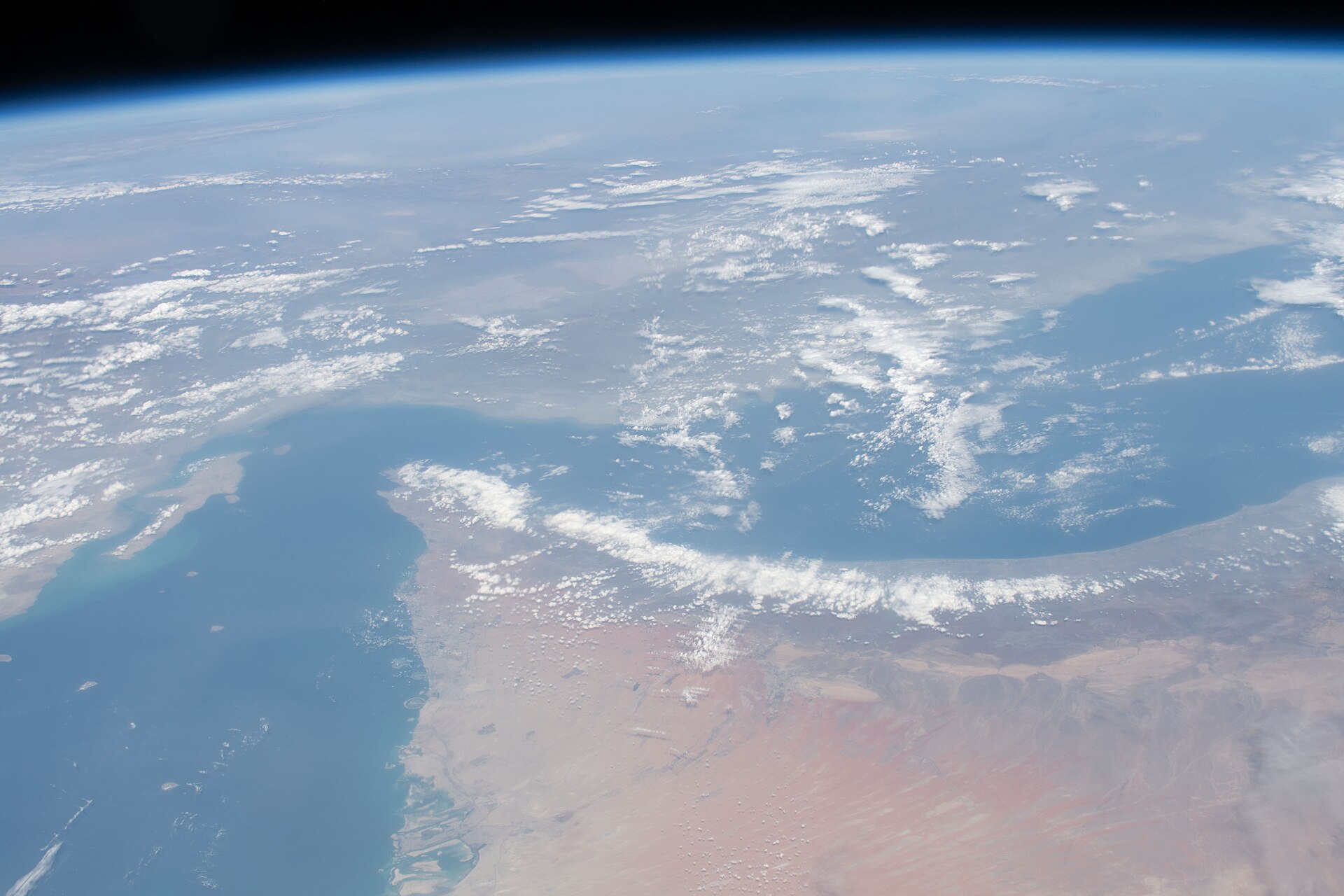
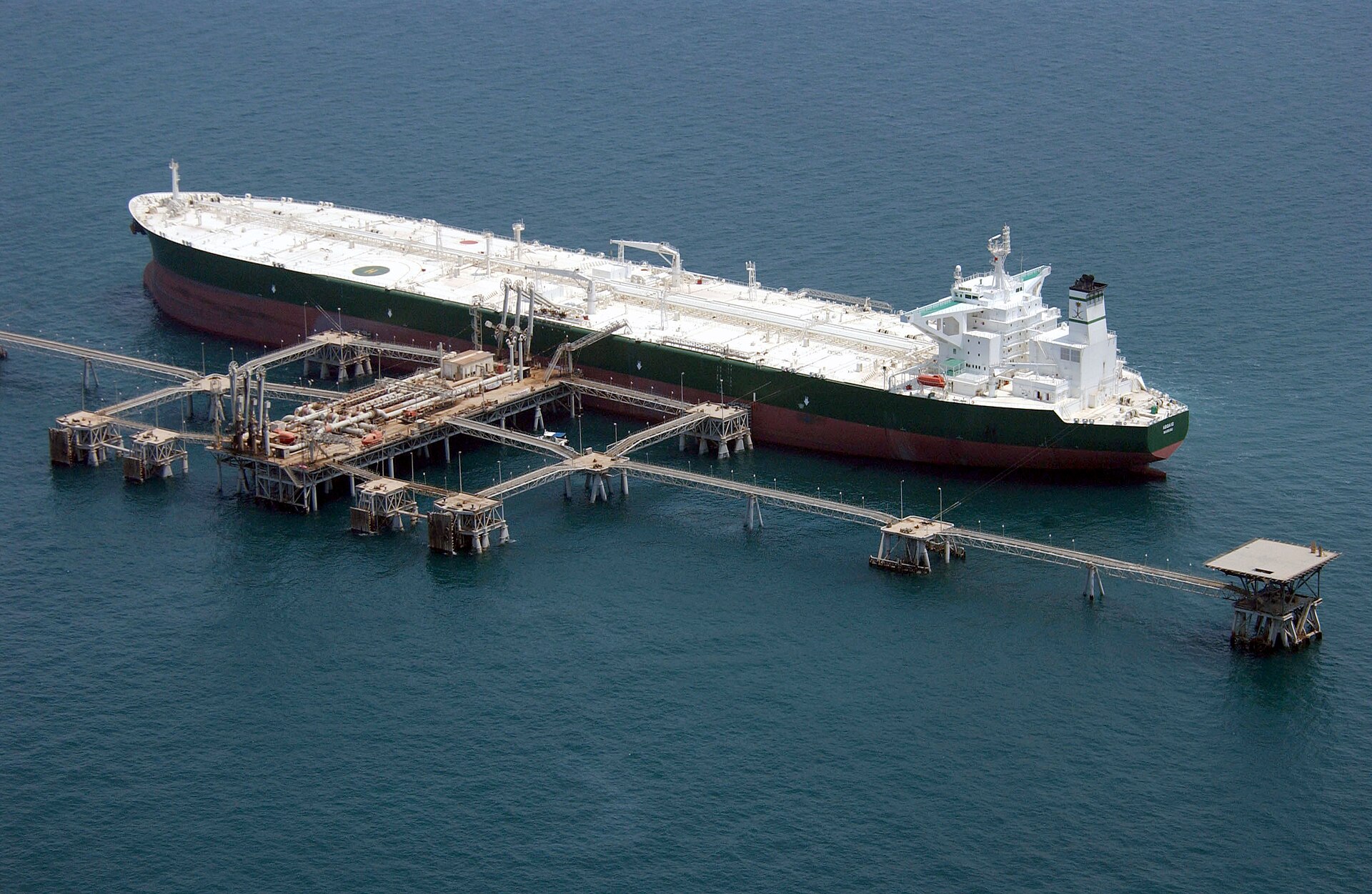
Iran resumed its blockade of the Strait of Hormuz on July 14, building on an earlier closure that began April 13. Before the blockade, the strait handled approximately 138 ship transits per day, according to the Joint Maritime Information Center. By October 10, CENTCOM reported that 135 ships had been turned around since the closure began.
The Makkah Joint Defence Agreement, signed by Saudi Arabia, Turkey, and Pakistan among others, was designed to address the security vacuum created by the blockade, but as of its last operational review it lacked a joint command structure. The moratorium Trump announced on October 8 was intended to create space for diplomacy before the November 3 midterms. Araghchi’s seven-day plan, submitted September 25 via Qatar, was the most concrete proposal either side had tabled.
The Qeshm strike on Monday night ended the moratorium period with a kinetic exchange rather than a deal. Iran fired a surface-to-air missile at a US aircraft over the Strait; the US responded by striking the launch system. Both sides appeared to treat the exchange as bounded — no formal acknowledgment, no escalation beyond the immediate tactical response. The question facing both capitals on Tuesday was whether the post-moratorium period would look like this — contained exchanges alongside continued mediation — or something larger.
Frequently Asked Questions
Has Iran formally acknowledged the US strike on Qeshm Island?
No. As of Tuesday afternoon, Iran had issued no official government statement confirming that a US strike occurred on Qeshm. State media IRNA reported “explosions” and witnesses seeing aircraft, but the government itself neither confirmed nor denied the source. This mirrors Iran’s approach after previous incidents in which ambiguity allowed space for both escalation and de-escalation. CENTCOM likewise issued no formal statement on the strike, Al Jazeera reported.
What is Iran’s two-day Hormuz plan and how does it differ from the seven-day plan?
The two-day plan, referenced by Foreign Ministry spokesman Esmaeil Baghaei on November 2-3, proposes reopening the Strait of Hormuz within 48 hours if Washington meets unspecified conditions. The seven-day roadmap, submitted by Foreign Minister Araghchi via Qatar on September 25, was broader: it proposed Hormuz reopening alongside a US blockade lift, sanctions waivers, and the release of approximately $12 billion in frozen Iranian assets. Trump rejected the seven-day plan. The two-day proposal appears to be a scaled-down version designed to produce a quick confidence-building measure rather than a comprehensive settlement.
Could Iran actually strike US bases in Europe?
Former Foreign Minister Mottaki referenced US bases in the UK, Italy, Portugal, and Germany; the Tehran newspaper Hamshahri reported that Iran had updated its “target bank” to examine European US bases. Iran’s ballistic missile range includes systems capable of reaching parts of Southern Europe, but any strike on a NATO-member base would trigger Article 5 collective defence obligations — a threshold Tehran has never tested. The rhetoric serves a deterrent purpose in the negotiation context rather than signalling an imminent operational plan.
Who is Mojtaba Khamenei and why does his delegation to Pezeshkian matter?
Mojtaba Khamenei became Iran’s Supreme Leader on March 8, 2026, after his father Ali Khamenei was killed on February 28. He has maintained a notably low public profile since assuming office. The decision to grant Pezeshkian “certain authorities” for diplomacy — communicated through the president’s office, not Khamenei’s — is one of his most visible policy interventions and suggests the Supreme Leader’s office is actively shaping the negotiating strategy rather than leaving it entirely to the foreign ministry or Ghalibaf’s team.
What role does Saudi Arabia play in the current negotiations?
Saudi Arabia is not a direct party to the Iran-US talks but is deeply affected by their outcome. Araghchi’s X post on Tuesday said Iran continued dialogue with Saudi Arabia separately from the US channel. Both the Hormuz blockade and attacks on the East-West pipeline depressed Saudi oil revenues through October, with vessel-tracking data showing exports falling to around 5.5 million barrels per day — well below the pre-crisis level of more than seven million. Riyadh’s interest lies in any outcome that restores shipping through the strait, and the Makkah Joint Defence Agreement gives it a multilateral security framework to operate within regardless of whether a US-Iran deal materialises.
The House of Saud Daily Briefing
Saudi Arabia's news in 3 minutes, every morning. Free. See today's issue