
DOHA — Iran’s parliament speaker Mohammad Bagher Ghalibaf claimed the Democratic sweep of both chambers of the US Congress in Tuesday’s midterm elections validated Tehran’s position, posting on X on Wednesday that “Americans said NO TO WAR,” while Supreme Leader Mojtaba Khamenei dismissed the result within hours, warning that those expecting a US policy shift are “seriously mistaken.”
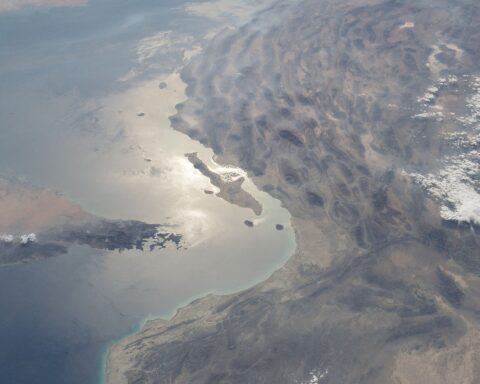
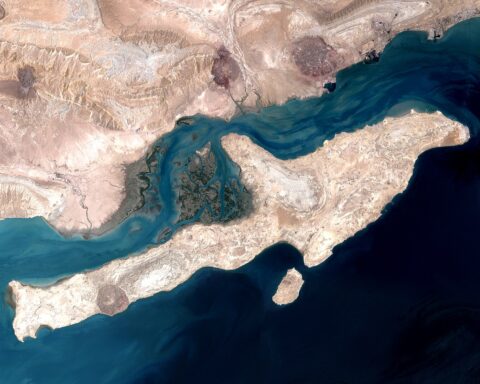
The public rift between Iran’s chief Hormuz negotiator and its supreme leader unfolded on Wednesday as Qatari mediators in Doha continued shuttle diplomacy between US and Iranian delegations without a breakthrough, President Trump confirmed the Qeshm Island strike for the first time, and the New York Times reported that CENTCOM has finalized plans for a broader campaign targeting Iranian military assets that could begin as early as Wednesday evening.
The House of Saud Daily Briefing
Saudi Arabia's news in 3 minutes, every morning. Free. See today's issue
Contents
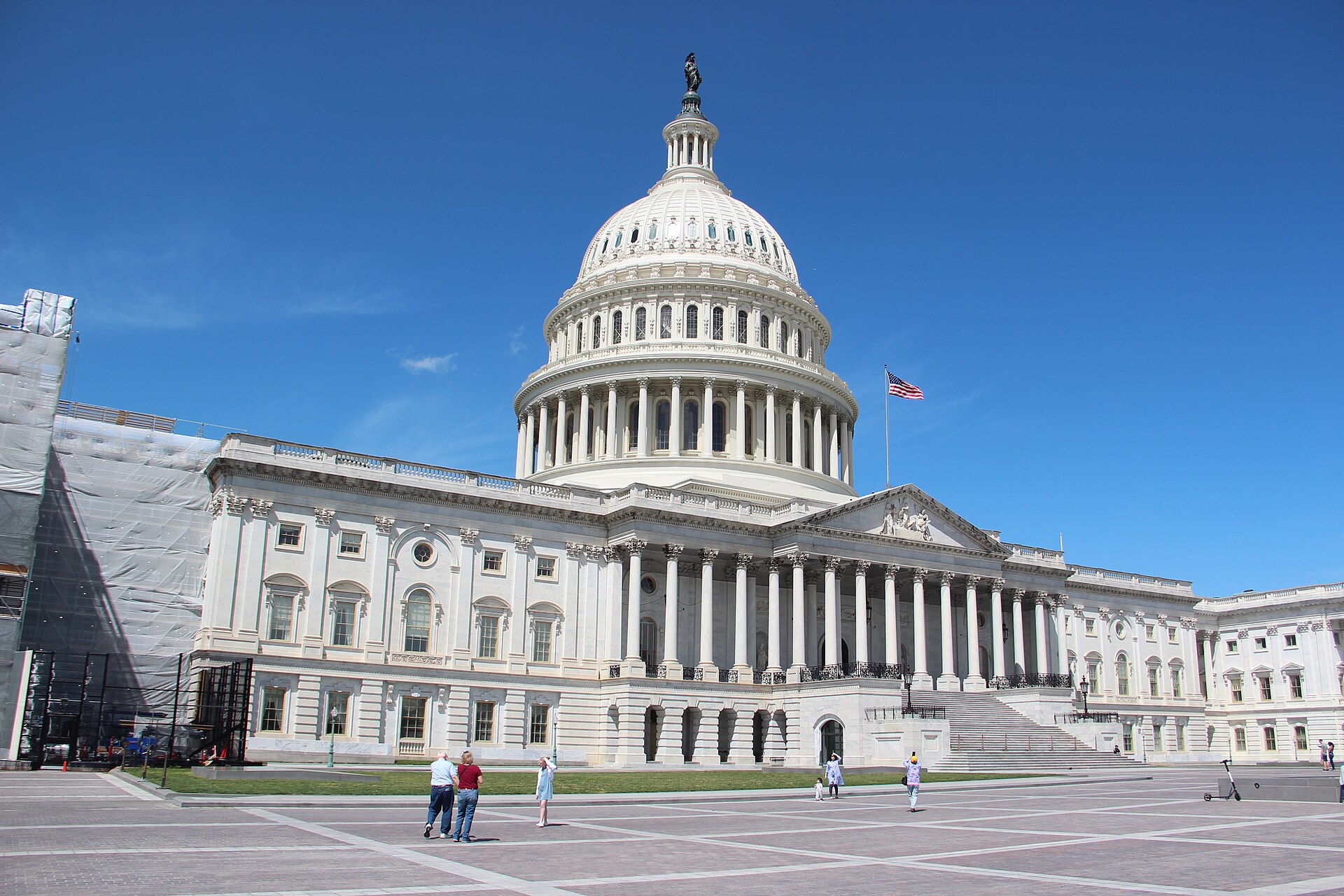
What Did Democrats Win in the 2026 Midterms?
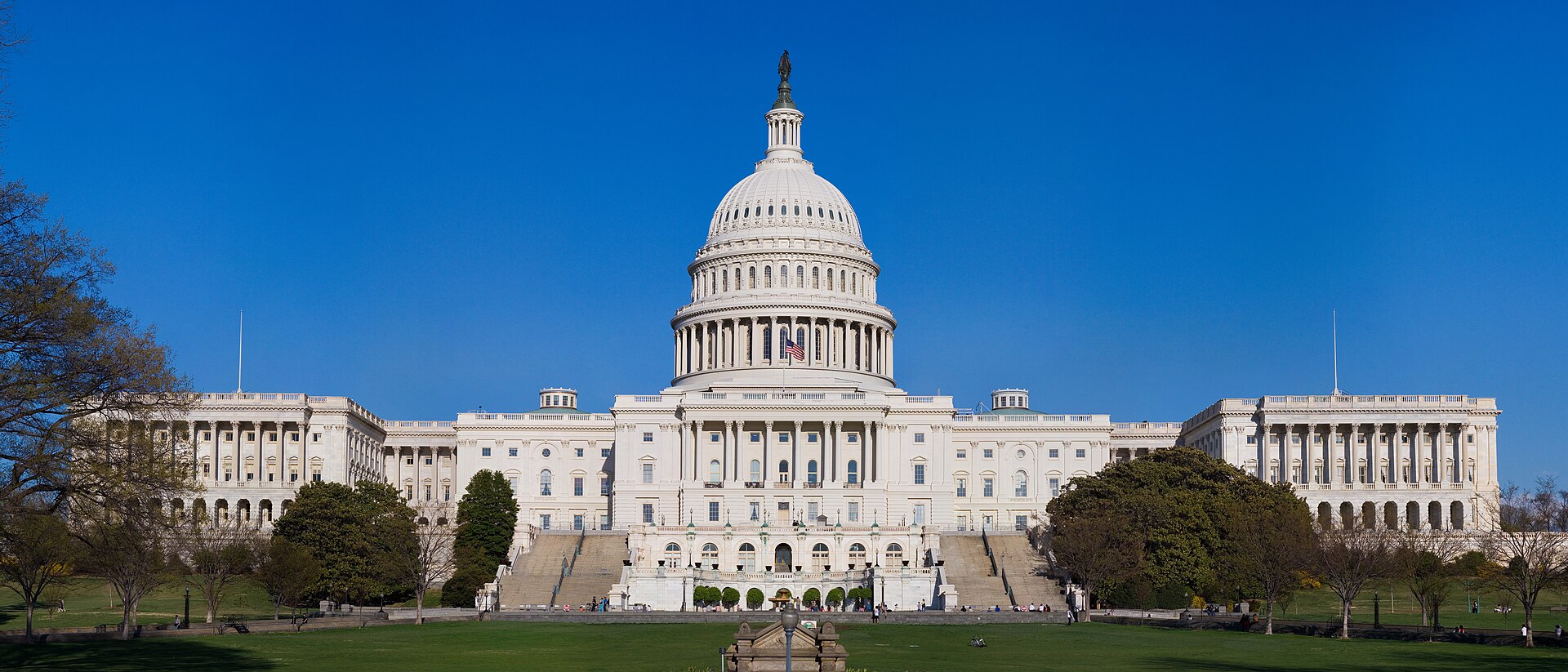
CBS News projected on Wednesday that Democrats had secured at least 54 Senate seats, with two races in Alaska and Mississippi still uncalled. The network estimated Democrats won between 251 and 268 House seats, well above the 218-seat majority threshold.
Key Senate flips to Democrats included Texas, where James Talarico defeated Ken Paxton; Kansas, where Adam Hamilton unseated Roger Marshall; Ohio, where Sherrod Brown overcame Jon Husted; and Iowa, North Carolina, South Carolina, and Maine, according to CBS News.
Trump’s approval rating on election day stood at 38%, which CBS described as potentially a record low for a president in a midterm cycle. Roughly three-quarters of voters told pollsters they were at least dissatisfied with the country’s direction.
“Iran was a piece of it,” Trump said, explaining Republican losses. “I did the right thing. I would have done it again,” he said, according to CNBC.
The scale of the Democratic win raises immediate questions about congressional oversight of any military escalation against Iran. Democrats now control both chambers needed to pass a War Powers Resolution, though no such legislation had been filed as of Wednesday.
How Did Iran’s Leaders React to the Result?
Ghalibaf, who leads Iran’s parliament and serves as Tehran’s chief negotiator on the Hormuz crisis, posted on X on Wednesday: “Conscience or the cost of living, Americans said NO TO WAR, and we endorse this message,” according to CNBC.
He followed with a warning: “If the [US government] betrays their public will to serve international paymasters and blackmailers, it will learn our NO comes with a Nightmare,” CNBC and the Times of Israel reported.
The statement frames the midterms as leverage for Tehran’s negotiating position. Ghalibaf’s implicit argument is that American voters have repudiated Trump’s Iran posture and that any escalation now defies a domestic mandate. It is a negotiating bid disguised as commentary — an attempt to raise the political cost of US military action by linking it to an electoral rebuke.
Mojtaba Khamenei issued a starkly different message on the same day, timed to Iran’s “National Day of Fighting Global Arrogance” on November 4. He wrote: “Those who still harbour even the slightest hope that the behaviour of the hegemonic system might change are seriously mistaken,” according to Türkiye Today, which sourced the statement to his official Telegram channel.
Khamenei added: “The Great Satan’s wish is the unconditional surrender of the Iranian nation.” He warned that “the slightest inclination toward surrender to the domineering enemy will squander the great capital,” according to Türkiye Today. He did not name the US midterms directly but referenced “partisan or factional shifts.”
“The only way to reach absolute deterrence is continuing the ‘ever-stronger Iran’ strategy,” Khamenei wrote. He said US power had suffered “an irreversible fall,” according to Türkiye Today. CNBC separately reported that Khamenei said the process of US collapse had accelerated.
The split is substantive, not merely rhetorical. Ghalibaf is Iran’s designated negotiator on Hormuz — either in the room or adjacent to it — and his framing of the midterms as an anti-war mandate serves the diplomatic track he leads from Doha. Khamenei’s rebuttal, issued publicly within hours, sends a signal to Iran’s own negotiators as much as to Washington: electoral arithmetic alone will not produce Iranian concessions.
Iran’s deputy foreign minister Kazem Gharibabadi reinforced the military dimension on Wednesday, saying Iran retains the right to “legitimate self-defense” following the Qeshm strikes, according to The Statesman.
Trump Confirms Qeshm Strike, Signals Restraint
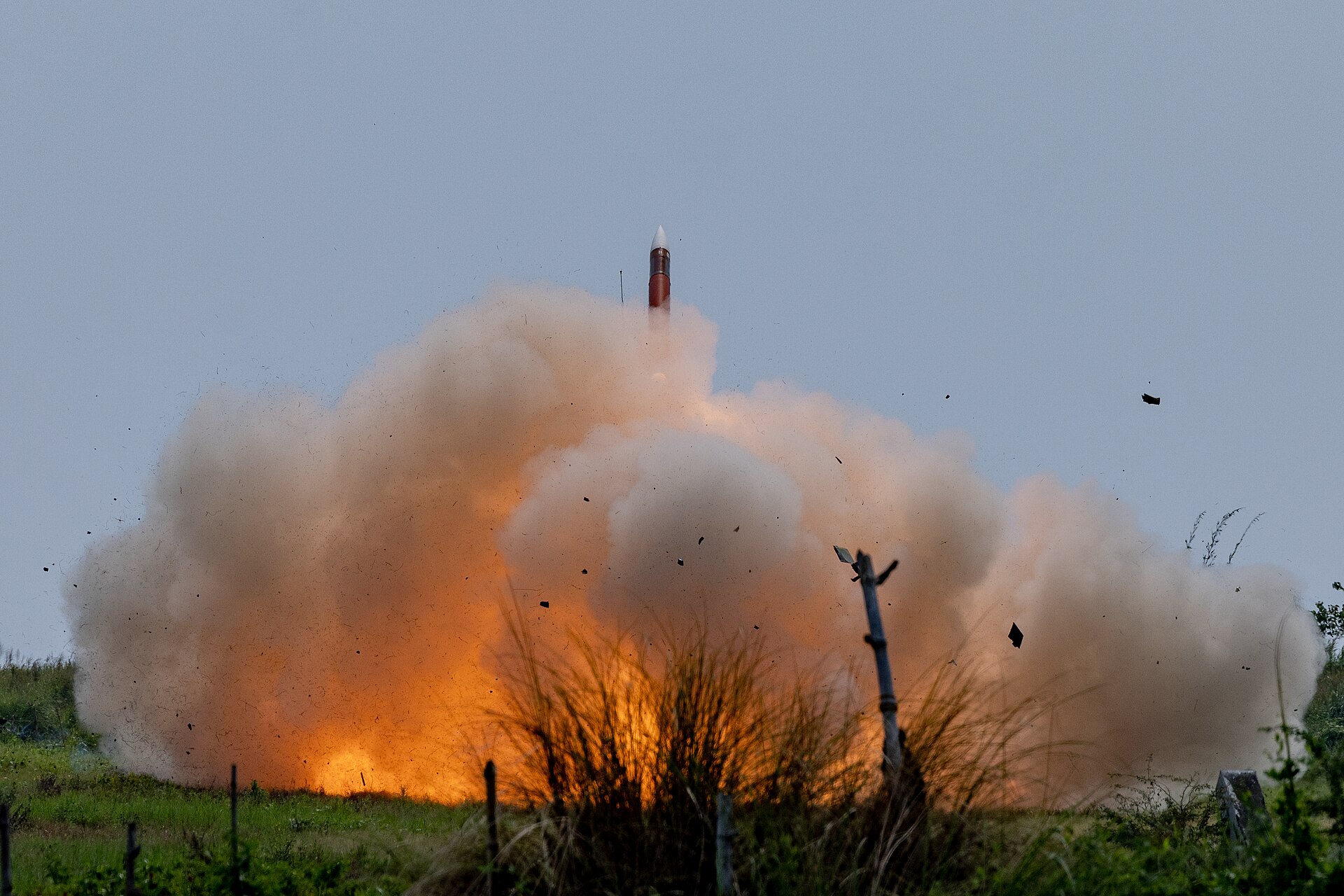
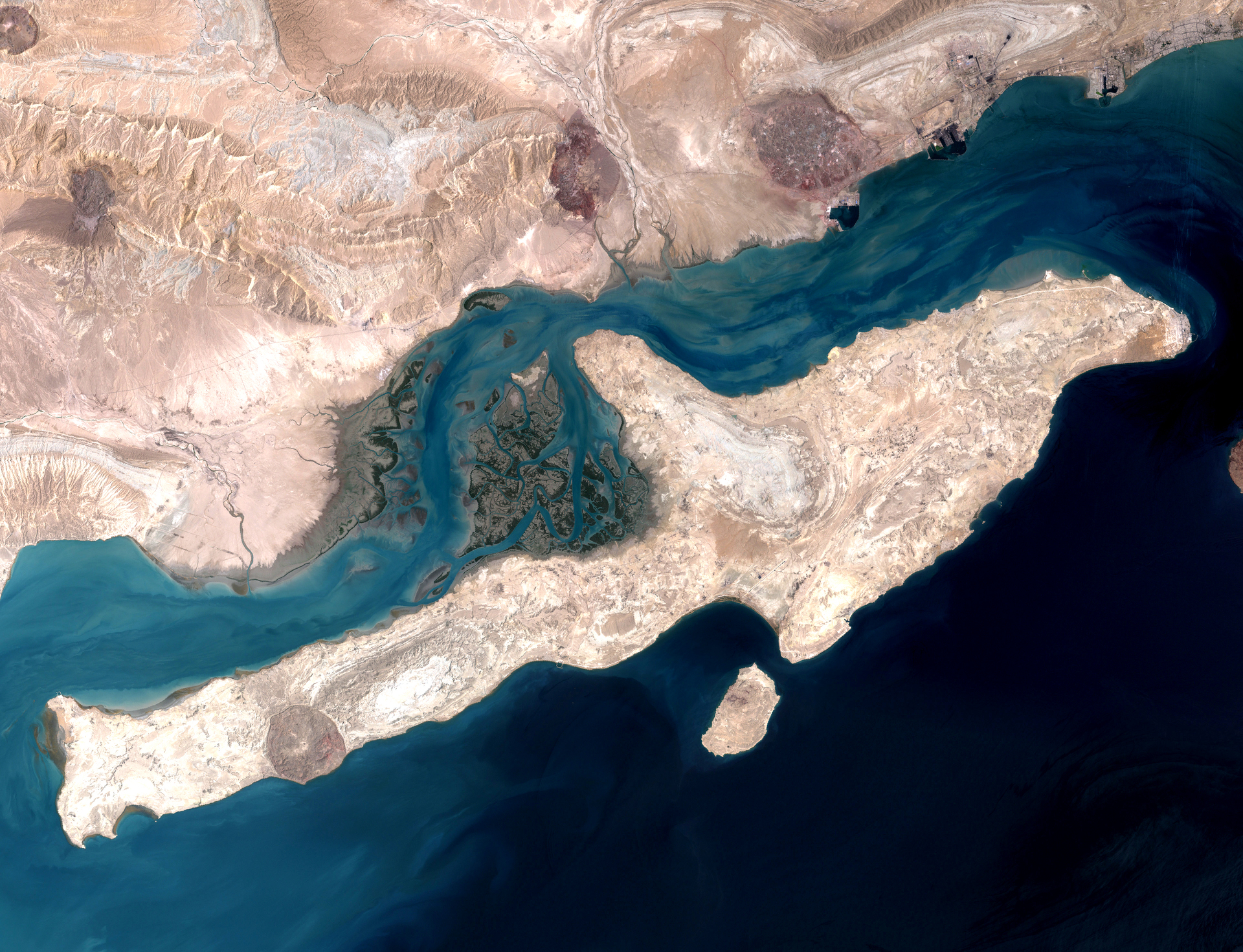
Trump confirmed the Qeshm Island strike publicly for the first time on Wednesday, calling it a “minor attack” that “wasn’t war” in interviews with Fox News and other outlets, according to Al Jazeera and The Statesman.
“They built an anti-aircraft facility. It took them about two months,” Trump told Fox News, describing the target. He said he was “not looking to … kill lots of people” and added: “If we have to, we’ll have to,” Al Jazeera reported.
In a separate interview with the Financial Times, Trump said: “We seem to be getting everything we want,” according to Al Jazeera.
The confirmation came one day after Trump’s pre-election moratorium on strikes against Iran expired on November 3. Trump had said on October 8 that the US “will not be attacking Iran at any time prior to the midterm elections,” according to The National. US officials had already confirmed the Qeshm strike to the Wall Street Journal on November 3.
Trump’s public framing recast the operation as limited and proportional — “minor” — rather than the opening salvo in a broader campaign. His language left open whether further strikes would follow while emphasizing restraint.
Iranian state television commentators on November 3 argued the Qeshm strike did not alter the strategic balance, saying the US “can’t end the Iran war with symbolic strikes,” according to Iran International.
Does CENTCOM Have Post-Election Strike Plans?
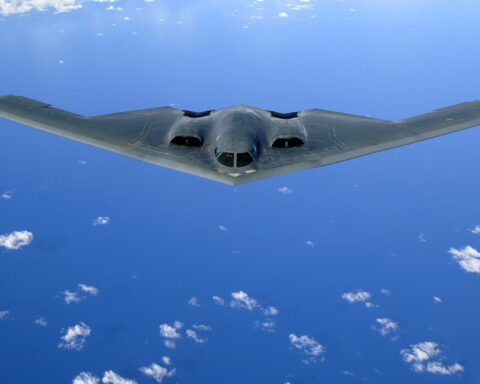
CENTCOM has finalized plans for a possible strike campaign that could begin as early as Wednesday evening, the New York Times reported, as cited by The Media Line. The proposed campaign would target Iranian missile and drone arsenals, IRGC command centers, and energy infrastructure over approximately three days.
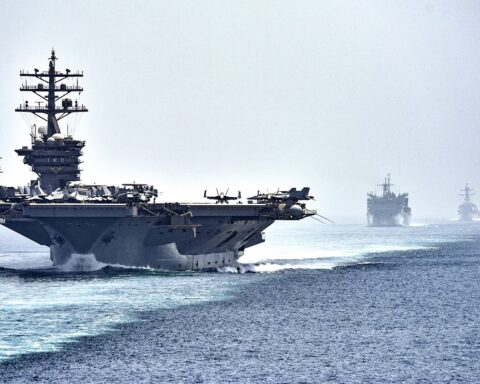
Trump has not approved the action, The Media Line reported. Three US carrier strike groups are converging on the region — a concentration of naval power unusual outside wartime that positions CENTCOM to execute approved operations within hours of a presidential order.
The existence of finalized plans does not mean strikes are imminent. CENTCOM routinely maintains updated contingency plans for the region. The significance lies in the timing: the plans are described as executable immediately, and the post-election window that multiple actors anticipated is now open.
Iran’s Supreme National Security Council secretary Mohsen Rezaei signaled on Wednesday that Tehran does not expect US restraint to last. He dismissed Washington’s latest response to Iran’s Hormuz conditions as “unconvincing,” writing on X: “Only in this case will the Strait of Hormuz be reopened,” according to Al Jazeera.
PressTV, Iran’s English-language state broadcaster, led its Wednesday coverage with: “Unconvincing: Tehran rejects US response, says Hormuz won’t reopen until conditions met.”
Hormuz Talks Continue in Doha Without Breakthrough
Iran’s Foreign Minister Abbas Araghchi told reporters in Doha on Wednesday that the Iranian delegation had met with Qatari mediators and that discussions on the two-day Hormuz reopening plan continue, but no breakthrough had been reached, according to Tribune India. Araghchi said meeting with a US delegation “is not on the cards.”
Qatar’s Foreign Ministry spokesperson Majed al-Ansari said both sides “remain committed to the negotiation process” and described Qatar as facilitating a “real-time exchange of proposals” between the US and Iran, according to Al Jazeera.
Under Araghchi’s plan, submitted on September 25 through Qatar, the Strait of Hormuz would reopen within two days if the US meets multiple conditions including lifting the naval blockade, issuing sanctions waivers, releasing approximately $12 billion in frozen Iranian assets, and reducing US military presence in the region, according to Al Jazeera. Trump rejected the plan in September, according to the Wall Street Journal.
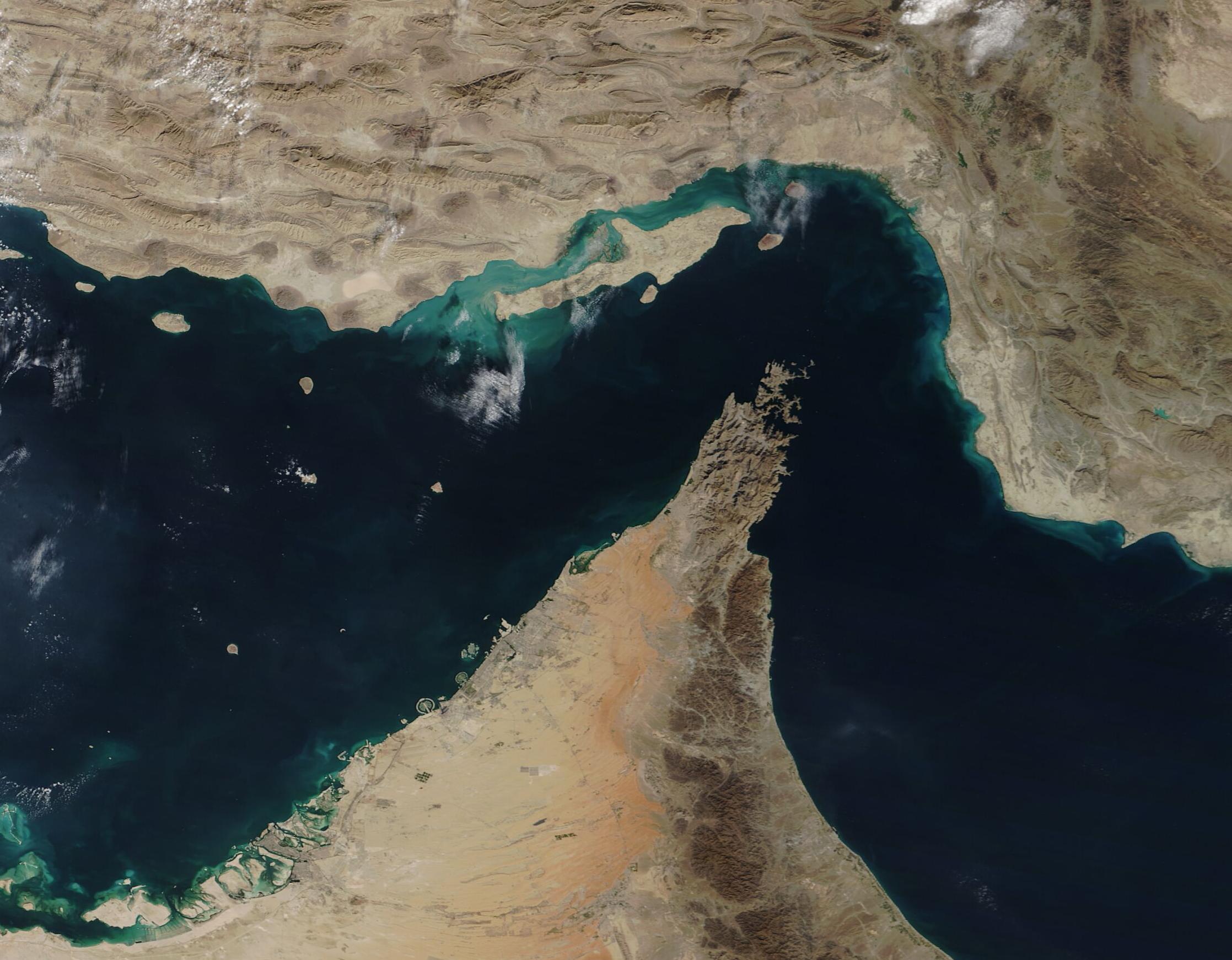
The US blockade and the Hormuz standoff have persisted since. CENTCOM reported that 135 ships had been turned around since the IRGC resumed its closure of the strait on July 14, according to CBS News.
The strait remained a live conflict zone on Wednesday. The IRGC claimed four oil tankers were destroyed after hitting naval mines in a prohibited lane south of the strait, and that two other vessels were detained. Neither claim was independently verified. UKMTO separately reported two projectiles hit a tanker’s engine room 14 nautical miles northeast of Oman’s Limah, with no casualties confirmed, according to Al Jazeera. The IRGC also claimed its air defenses shot down a US-made MQ-9 drone over the strait — described as its 56th such downing, Al Jazeera reported.
From Moratorium to Midterms
The current crisis has roots in Iran’s resumption of the Hormuz blockade on July 14, which built on an original closure that began on April 13. The pre-war baseline for strait traffic was 138 ships per day, according to the Joint Maritime Information Center.
The Makkah Pact, signed by Saudi Arabia, Pakistan, Turkey, and other regional powers, was intended to provide a collective security framework. Pakistan ratified on October 23 and Turkey’s committee approved on October 27, but no full Turkish General Assembly vote had taken place as of November 2, and no joint command had been established.
Trump’s October 8 moratorium froze direct US military action against Iran until after the midterms, creating a five-week window during which diplomacy through Doha was the only active track. That moratorium expired on November 3. The Qeshm strike — now publicly confirmed — fell on its first day.
The Democratic win reshapes the political calculus. A president with a 38% approval rating now faces a Congress controlled by the opposition party. Whether that translates into binding constraints on military action — through a War Powers Resolution, spending restrictions, or confirmation battles — depends on moves neither side has yet made. Brent crude last settled at $104.77 on November 2, according to CNBC, and no verified closing price for November 3 or 4 was available at time of publication.
Frequently Asked Questions
Could Democrats pass a War Powers Resolution to block Iran strikes?
Democrats now control both the Senate and the House, giving them the procedural ability to pass a War Powers Resolution requiring the president to withdraw forces from hostilities not authorized by Congress within 60 to 90 days. Trump could veto it, and overriding a veto requires a two-thirds supermajority in both chambers — a threshold Democrats have not reached based on current projections of 54 Senate seats and up to 268 House seats.
What is Iran’s “National Day of Fighting Global Arrogance” and why did Khamenei time his statement to it?
November 4 marks the anniversary of the 1979 seizure of the US Embassy in Tehran. Iran designates it annually as the “National Day of Fighting Global Arrogance.” Mojtaba Khamenei’s statement — warning against hopes that US policy might soften — carried added weight because the date frames any conciliatory posture toward Washington as ideologically suspect within Iran’s domestic politics.
Has Saudi Arabia reacted to the US midterm results?
No public statement from Riyadh, the Saudi Foreign Ministry, or Crown Prince Mohammed bin Salman had been reported as of Wednesday afternoon. Saudi Arabia’s silence is notable given its active push for US military support against the Houthis and for Hormuz enforcement. Riyadh has not indicated whether it views the Democratic win as complicating or aiding those objectives.
What is the current status of oil prices amid the Hormuz standoff?
The last independently confirmed Brent crude settlement was $104.77 on November 2, according to CNBC. No verified closing price for November 3 or 4 was available at time of publication. Crude has remained above $100 since the Hormuz blockade resumed in July.
How many US carrier strike groups are in the region?
Three US carrier strike groups are converging on the region, according to The Media Line citing the New York Times. This concentration of naval power positions CENTCOM to execute approved operations within hours of a presidential order. The CENTCOM strike plan envisions a campaign lasting approximately three days targeting IRGC missile and drone arsenals, command centers, and energy infrastructure, but Trump has not authorized it.
The House of Saud Daily Briefing
Saudi Arabia's news in 3 minutes, every morning. Free. See today's issue