
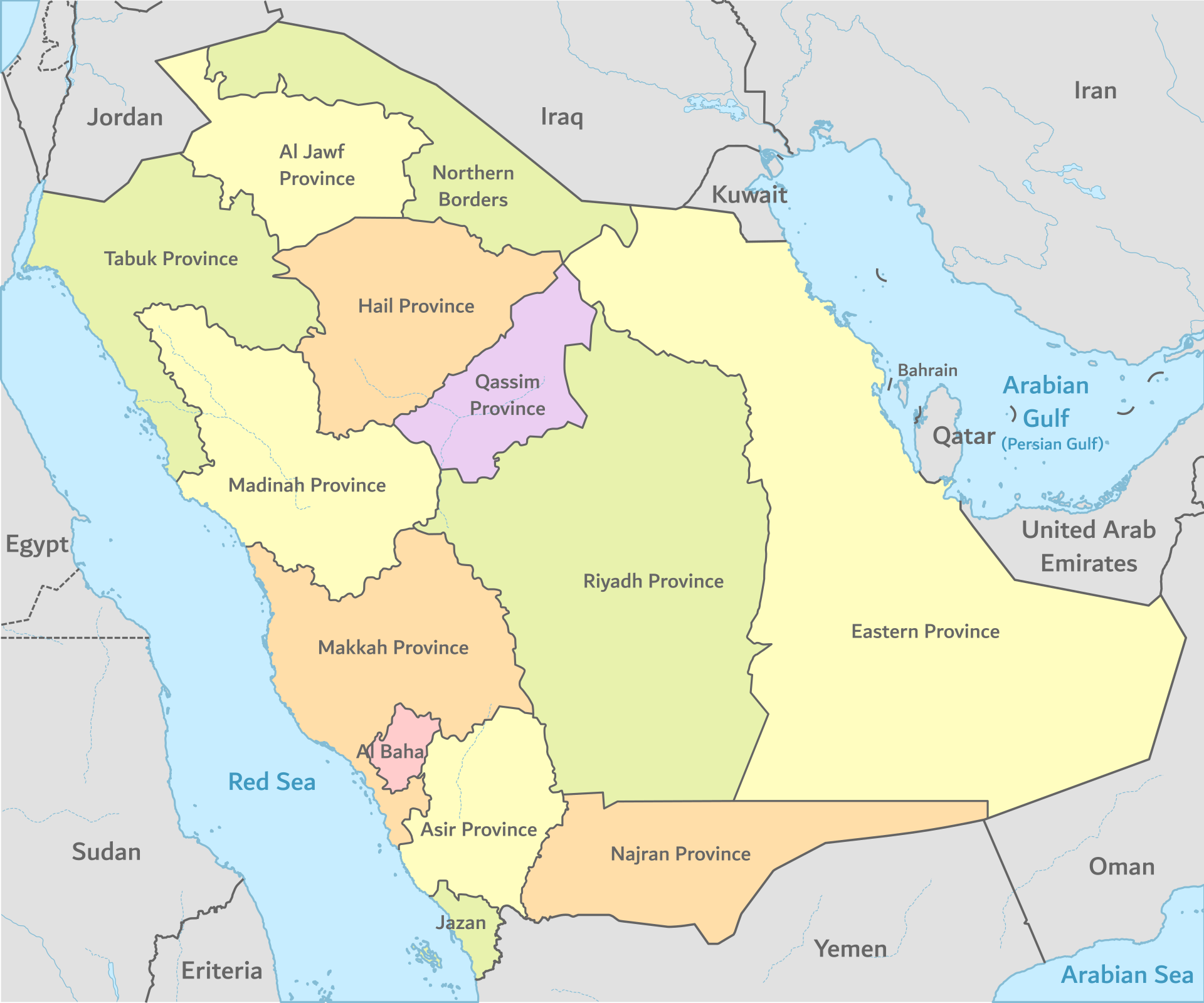
RIYADH — The Saudi-led coalition said on Sunday, November 15, 2026, that air defences intercepted and destroyed two ballistic missiles launched toward Riyadh, the Saudi capital, in what coalition spokesman Maj. Gen. Turki al-Maliki described as an attack by “the Houthi terrorist militia.” The announcement came less than two hours after al-Maliki confirmed that coalition forces had separately destroyed drones over the Eastern Province in the same morning, according to Gulf News and Anadolu Agency.
The interception of ballistic missiles aimed at Riyadh — the seat of the Saudi government — underscores the persistent threat that long-range projectiles pose to the kingdom’s most populated areas. Saudi Civil Defence said the danger had passed in Riyadh City by 05:20 AM local time (02:20 UTC), after issuing a warning through the National Early Warning Platform, Gulf News reported. No casualties or damage were reported from either the Riyadh missile interceptions or the Eastern Province drone engagements, according to Anadolu Agency, Reuters and Al Jazeera.
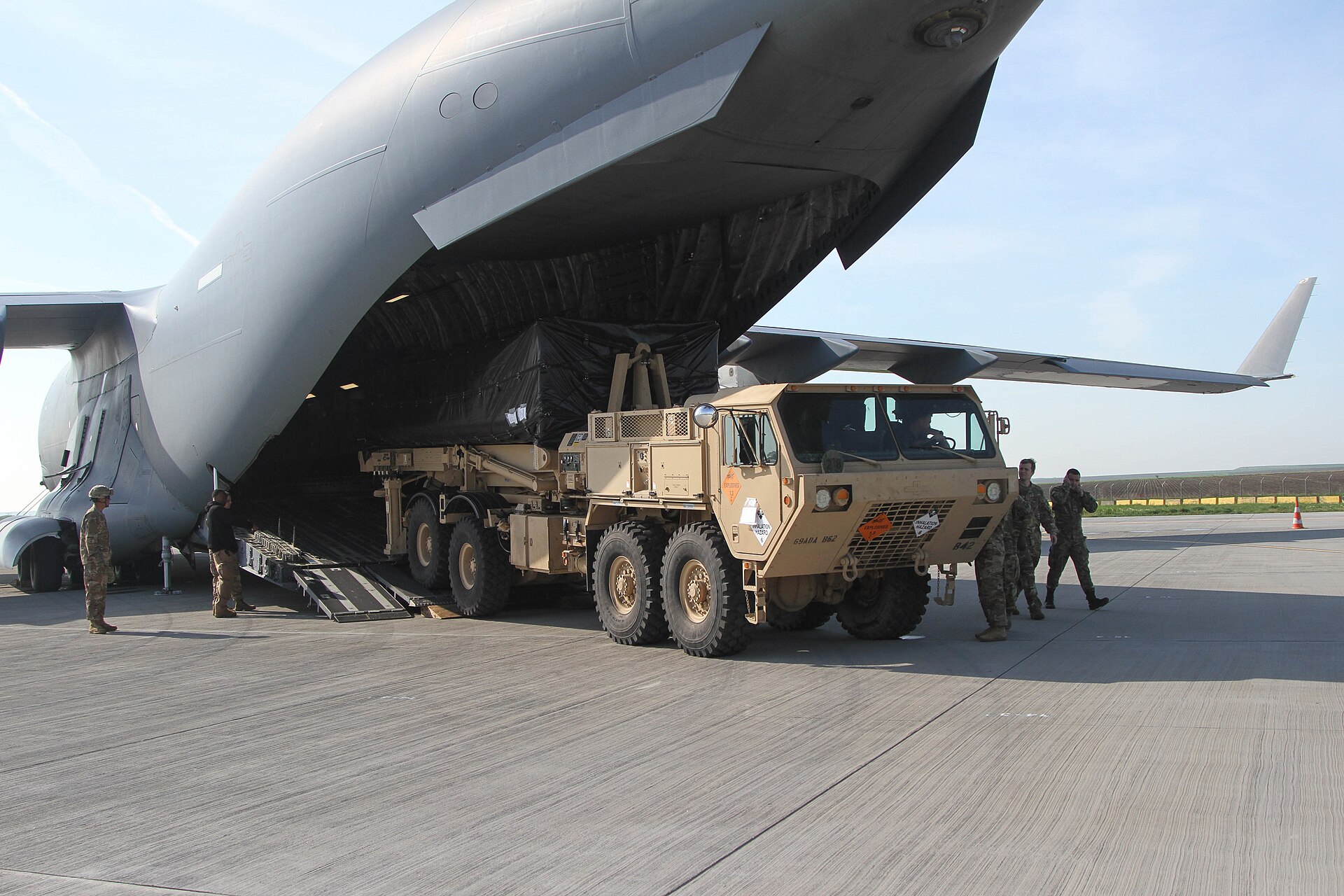
Table of Contents
What Did the Coalition Say About the November 15 Interceptions?
Coalition Joint Forces Command spokesman Maj. Gen. Turki al-Maliki announced on X at approximately 06:15 AM Saudi local time (03:15 UTC) that air defences had “intercepted and destroyed two ballistic missiles launched by the Houthi terrorist militia toward Riyadh,” according to Asharq Al-Awsat English and Gulf News. Al-Maliki did not identify the type or model of ballistic missile used in the attack. Anadolu Agency, Asharq Al-Awsat and Al Jazeera all described the projectiles as “ballistic missiles” without further specification.
The House of Saud Daily Briefing
Saudi Arabia's news in 3 minutes, every morning. Free. See today's issue
The coalition’s statement on the Riyadh interceptions was the second of two announcements al-Maliki made within the same morning. His earlier posts, beginning at approximately 04:36 AM local time (01:36 UTC), confirmed the destruction of drones over the Eastern Province — a separate engagement that is the subject of a prior report on this site. The coalition distinguished clearly between the two categories of weapon — drones aimed at the Eastern Province and ballistic missiles aimed at Riyadh — and treated the two target areas as distinct operational events, according to Anadolu Agency and Asharq Al-Awsat.
No casualties or property damage from the November 15 interceptions were reported by any source. Anadolu Agency, Reuters and Al Jazeera each stated that no injuries or damage resulted from the ballistic missile engagement over Riyadh. Reuters published its combined report on the morning’s events at 02:58 AM UTC on November 15.
Timeline of the Morning’s Events
The coalition’s two announcements and the Civil Defence response unfolded over a roughly 100-minute window on the morning of November 15. The sequence, based on times reported by Gulf News, is as follows:
| Time (local / UTC) | Event | Source |
|---|---|---|
| 04:36 AM / 01:36 UTC | Al-Maliki’s initial post confirming coalition destroyed drones over Eastern Province | Gulf News, 2026-11-15 |
| ~05:20 AM / 02:20 UTC | Saudi Civil Defence announces “the danger has passed in Riyadh City” via National Early Warning Platform | Gulf News, 2026-11-15 |
| ~05:58 AM / 02:58 UTC | Reuters publishes combined report on Riyadh missiles and Eastern Province drones | Reuters via Yahoo, 2026-11-15 |
| ~06:15 AM / 03:15 UTC | Al-Maliki announces interception and destruction of 2 ballistic missiles aimed at Riyadh | Gulf News; Asharq Al-Awsat, 2026-11-15 |
The two coalition announcements — drones over the Eastern Province at approximately 01:36 UTC and ballistic missiles over Riyadh at approximately 03:15 UTC — fell within roughly 100 minutes of each other. No source described the two engagements as a single coordinated operation, and the coalition issued separate statements for each.
Did the Houthis Claim the Riyadh Ballistic Missile Attack?
No Houthi claim for the November 15 ballistic missile attack on Riyadh was found in any source reviewed for this report. Houthi military spokesman Yahya Saree issued statements on November 15, but they addressed operations inside Yemen: Saree claimed the Houthis had downed “a Saudi coalition reconnaissance aircraft” over al-Jawf province and had fired ballistic missiles at Saudi-backed forces in Kharaz, Lahij governorate, according to Al Jazeera.
Neither of Saree’s claims referenced Riyadh, ballistic missiles aimed at Saudi territory, or the coalition’s interception announcements. The absence of a Houthi claim is consistent with a pattern in which the group has sometimes delayed or withheld statements about specific cross-border operations, though it is also possible the Riyadh attack had not yet been claimed at the time of the latest available reports. Saudi authorities at the time attributed the missiles to “the Houthi terrorist militia,” according to Asharq Al-Awsat.
In recent weeks, the Houthis have issued multiple claims for other attacks on Saudi targets. On November 13, Houthi forces claimed three drones hit King Khalid International Airport and the East-West Pipeline. On the same day, the group claimed five strikes on Saudi targets, of which the coalition confirmed intercepting two. The tempo of Houthi claims for cross-border operations has been high throughout November 2026, making the silence on the Riyadh ballistic missile attack on November 15 a point that remains unresolved.
Riyadh as a Recurring Ballistic Missile Target
The November 15 interception was the latest in a series of ballistic missile engagements over or near Riyadh in recent weeks. Saudi authorities said at least 26 people had been killed in suspected Houthi drone and missile attacks in Saudi Arabia since September 23, 2026, according to Al Jazeera.
The most recent ballistic missile incident before November 15 to cause physical effects in Riyadh occurred on November 8, when the coalition intercepted two ballistic missiles and two cruise missiles aimed at the capital. Shrapnel from one of the intercepted missiles struck a Saudi Aramco administrative building in Riyadh, causing minor damage but no casualties, according to The National.
Earlier, on October 8, the coalition reported intercepting three ballistic missiles — two aimed at Riyadh and one at Khamis Mushait — in an incident where debris damaged a kindergarten and a clinic but caused no fatalities, Al Jazeera reported. On October 14, the coalition intercepted a Houthi missile targeting Riyadh, according to Al Jazeera. Between November 10 and November 14, the coalition reported multiple further interceptions of missiles and drones aimed at the Riyadh area, according to Anadolu Agency and Al Jazeera.
| Date | Event | Source |
|---|---|---|
| Oct 8, 2026 | Coalition intercepts 3 ballistic missiles (2 at Riyadh, 1 at Khamis Mushait); debris damages kindergarten/clinic, no fatalities | Al Jazeera |
| Oct 14, 2026 | Coalition intercepts Houthi missile toward Riyadh | Al Jazeera |
| Nov 8, 2026 | Coalition intercepts 2 ballistic + 2 cruise missiles aimed at Riyadh; Aramco building damaged by shrapnel, no casualties | The National |
| Nov 10–11, 2026 | Coalition intercepts further missiles/drones aimed at Riyadh | Al Jazeera |
| Nov 13, 2026 | Coalition reports drone intercepted in Riyadh area | ANI News |
| Nov 14, 2026 | Coalition reports 2 drones intercepted aimed at Riyadh and southern regions | Anadolu Agency |
| Nov 15, 2026 | Coalition intercepts 2 ballistic missiles aimed at Riyadh; 3 drones over Eastern Province | Anadolu Agency; Al Jazeera; Reuters |

Civil Defence Response and Early Warning
Saudi Civil Defence activated the National Early Warning Platform ahead of the interceptions and subsequently issued an all-clear for Riyadh City at 05:20 AM local time (02:20 UTC) on November 15, according to Gulf News. The sequence — warning issued, interception confirmed, all-clear declared — took place before al-Maliki’s formal announcement of the ballistic missile engagement at approximately 06:15 AM local time.
The Civil Defence statement that “the danger has passed in Riyadh City” was the only official communication from Saudi civilian authorities regarding the November 15 incident. No evacuation orders, shelter-in-place directives or airport disruption notices were reported in connection with the Riyadh ballistic missile interceptions.
The US Embassy had issued a nationwide security alert on November 14, warning American citizens of the Houthi threat in Saudi Arabia. That alert, issued the day before the November 15 interceptions, cited the general risk of missile and drone attacks across the kingdom.
Wider Conflict Context
The November 15 interceptions came amid a sustained period of cross-border hostilities between the Saudi-led coalition and the Houthis. On November 14, the Houthis claimed 72 Saudi-led air strikes had hit positions across Yemen in a 24-hour period. The coalition, for its part, had reported strikes on Sanaa on November 14, according to Iranian media.
The previous day’s (November 14) interception reports had also included drones aimed at Riyadh and southern regions, according to Anadolu Agency. The pattern of nearly daily interception announcements — involving a mix of drones, ballistic missiles and cruise missiles — has been a feature of the conflict since early October 2026, when a surge of Houthi strikes on Riyadh and King Khalid International Airport killed at least 20 people between 6 and 11 October, according to multiple media reports.
On a parallel track, the broader Iran-Gulf confrontation has intensified. On November 14, the IRGC claimed two more tankers had hit mines in the Strait of Hormuz, as reported by this site. Regional diplomacy has also accelerated: Qatar and Turkey signed a mutual defence pact in Istanbul on November 13, pledging a unified stance on Gulf security.
Al-Maliki’s November 15 statements did not address the broader conflict or coalition operations in Yemen. The spokesman’s communications were limited to confirming the interception of the two ballistic missiles aimed at Riyadh and the destruction of drones over the Eastern Province.
Frequently Asked Questions
What type of ballistic missiles were fired at Riyadh on November 15?
No source identified the specific model of ballistic missile used in the November 15 attack. The coalition, Anadolu Agency, Asharq Al-Awsat and Al Jazeera all described the projectiles only as “ballistic missiles.” In past incidents, the Houthis have used Iranian-supplied or domestically modified variants of short- and medium-range ballistic missiles, but no such identification was made for the November 15 interceptions. Without a Houthi claim or debris analysis, the missile type remains unconfirmed.
How does the Saudi air defence system intercept ballistic missiles?
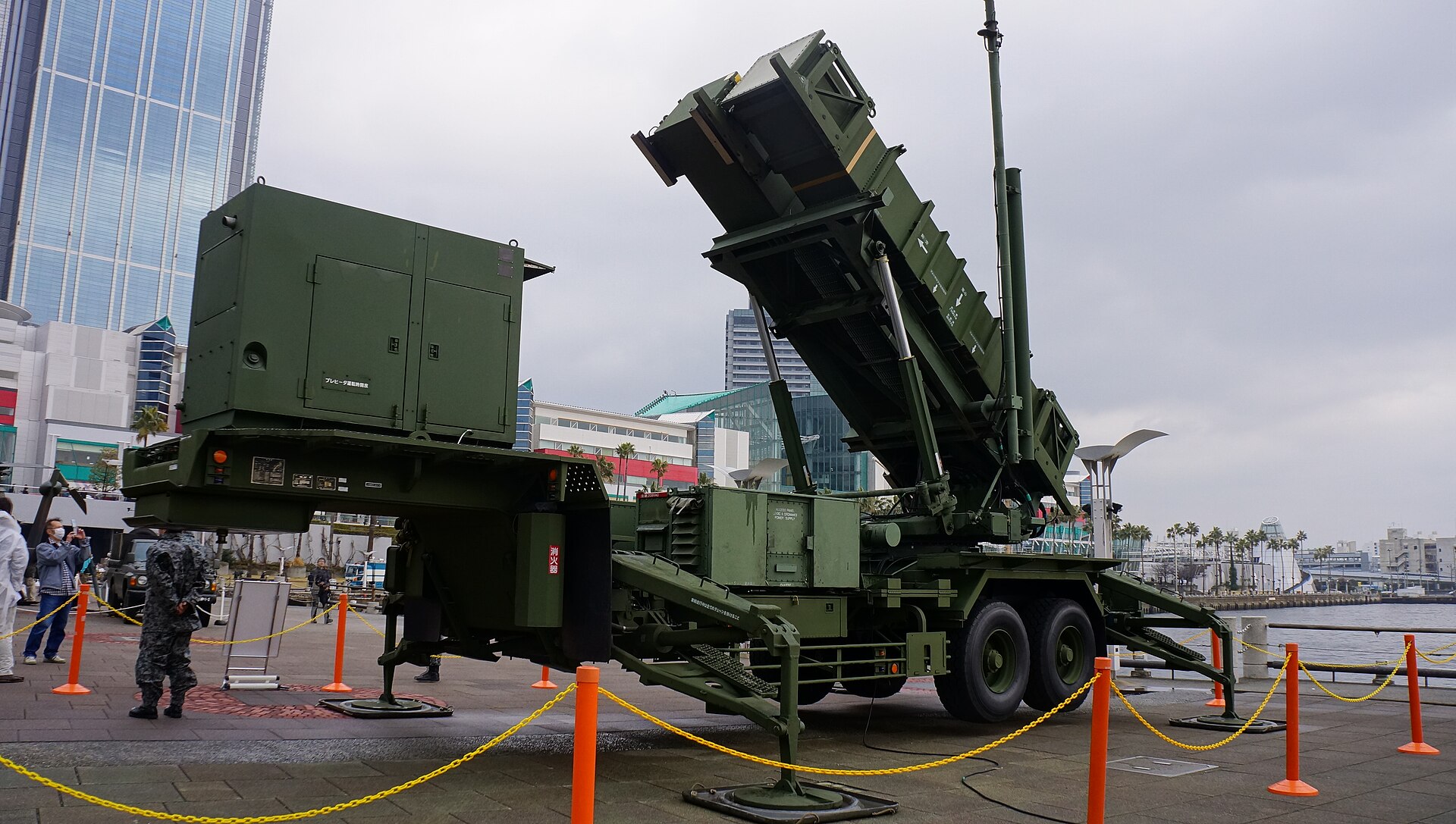
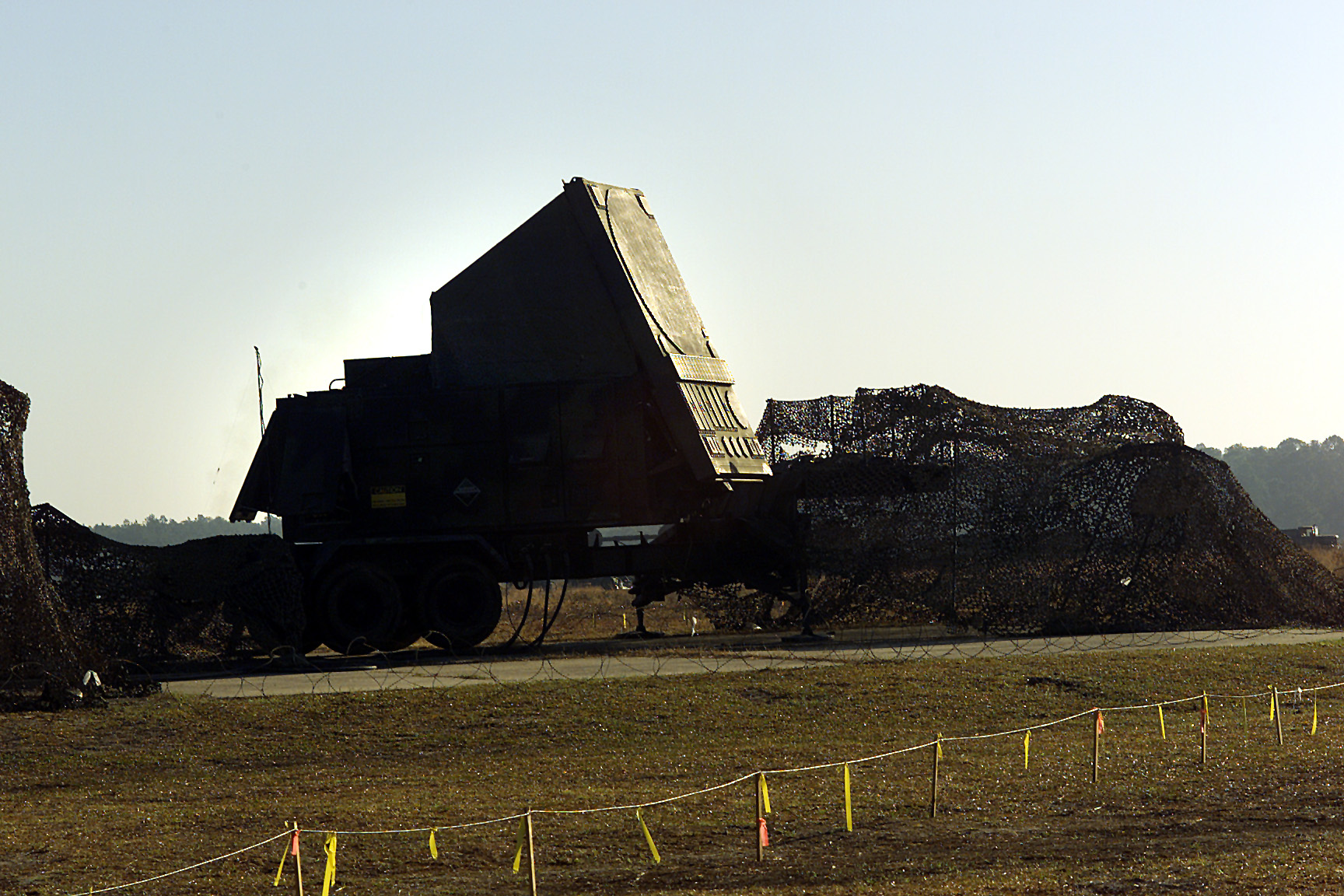
Saudi Arabia operates the Patriot missile defence system, including the PAC-3 variant designed for ballistic missile interception, as part of its layered air defence network. The kingdom has also deployed the Terminal High Altitude Area Defense (THAAD) system. In the November 15 incident, the coalition said the missiles were “intercepted and destroyed” but did not specify which system was used, according to Asharq Al-Awsat. The choice of interceptor typically depends on the altitude, speed and trajectory of the incoming missile.
Were flights at Riyadh’s airports affected by the November 15 missile attack?
No source reported flight disruptions at King Khalid International Airport or any other Riyadh-area facility in connection with the November 15 interceptions. This contrasts with October 2026, when a series of attacks prompted temporary closures and restrictions at KKIA and other airports. Saudi Civil Defence’s announcement that “the danger has passed” at 05:20 AM local time, before al-Maliki’s formal statement, suggests the threat window was brief.
How many times has Riyadh been targeted by ballistic missiles in November 2026?
Based on coalition and media reports, Riyadh has been the target of ballistic or cruise missile attacks on at least four separate occasions in November 2026: November 8 (two ballistic and two cruise missiles), November 10–11 (further missile interceptions), November 13 (drone intercepted in Riyadh area), and November 15 (two ballistic missiles). Additional drone interceptions aimed at Riyadh were reported on November 14. The cumulative frequency — with Riyadh-directed projectiles reported on the majority of days in mid-November — represents a sustained targeting tempo not seen since the early October escalation.
What has been the total death toll from Houthi attacks on Saudi Arabia in this conflict phase?
Saudi authorities said at least 26 people had been killed in suspected Houthi drone and missile attacks in Saudi Arabia since September 23, 2026, according to Al Jazeera’s November 15 reporting. The worst single incident was the October 10 strike on King Khalid International Airport, which killed 12 and wounded 309 others, according to Al Jazeera and the BBC. The November 15 interceptions produced no reported casualties, but the cumulative toll reflects the human cost of the ongoing cross-border campaign even when interceptions succeed.
The House of Saud Daily Briefing
Saudi Arabia's news in 3 minutes, every morning. Free. See today's issue