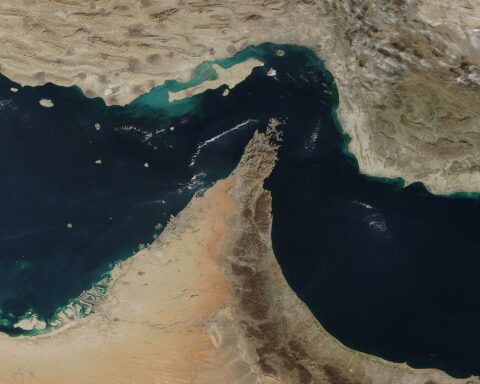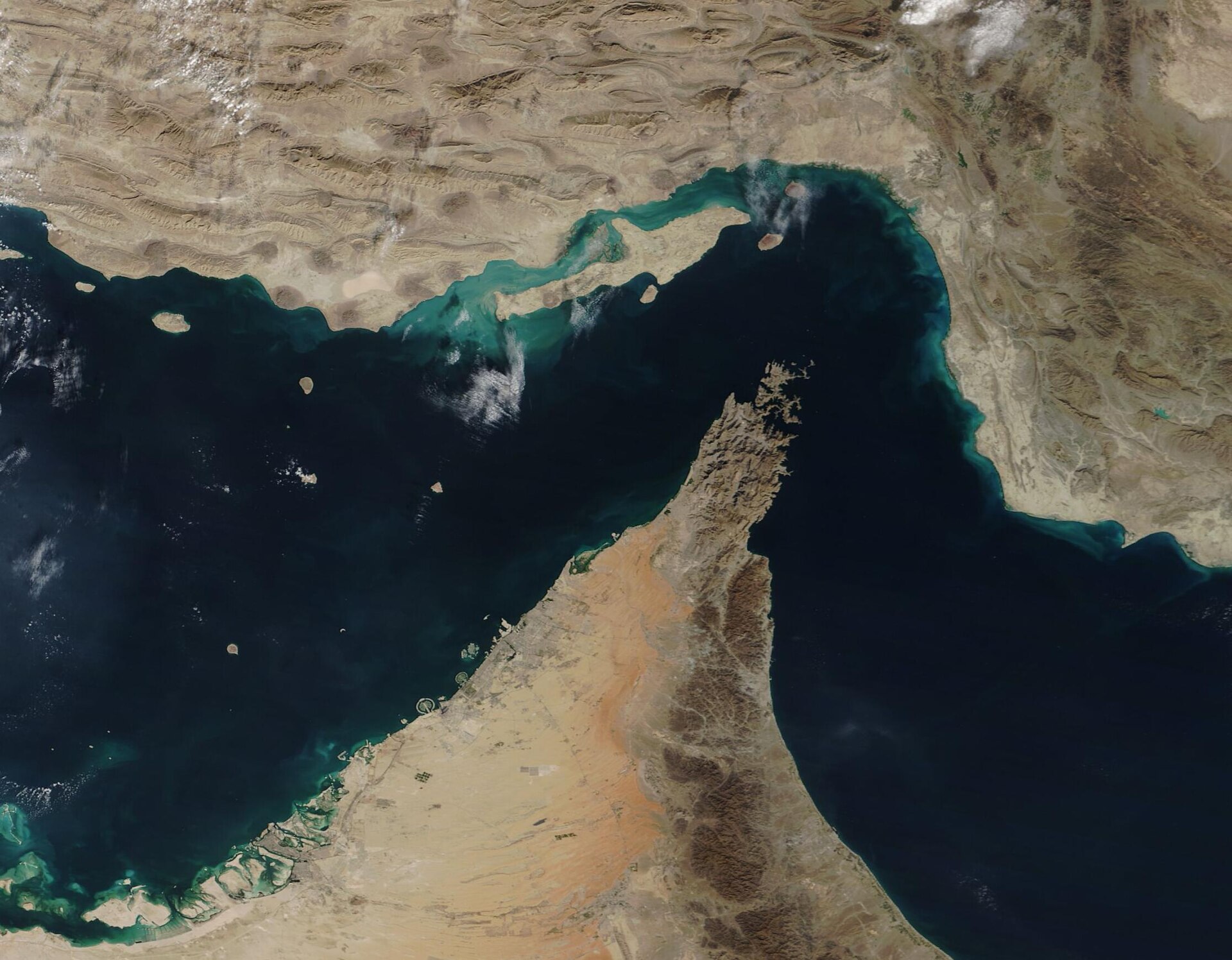

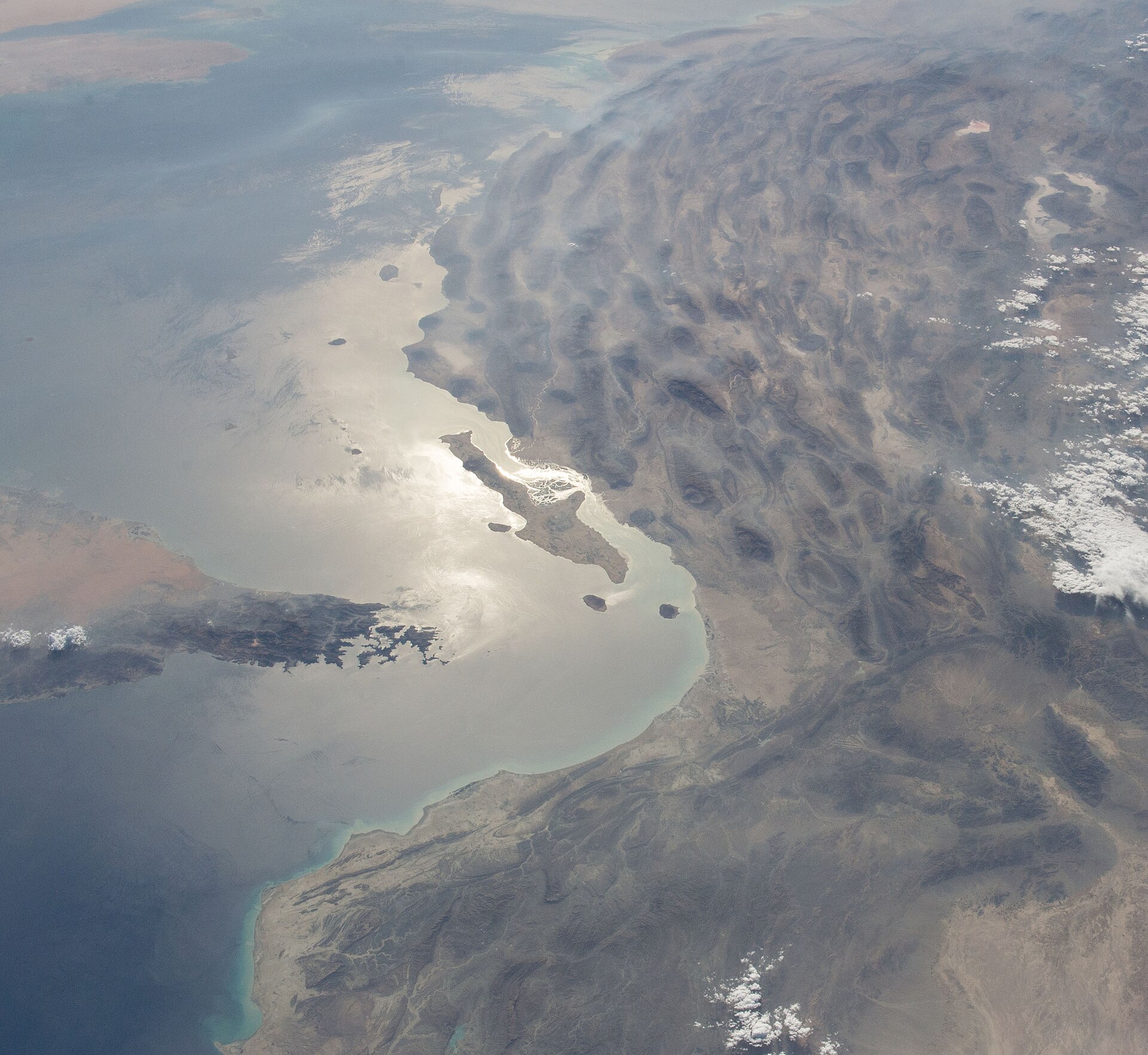
TEHRAN — Iran’s Islamic Revolutionary Guard Corps Navy said on November 14 that two oil tankers exploded and caught fire after striking naval mines in the Strait of Hormuz, according to state broadcaster IRIB and the IRGC’s Sepah News agency. The IRGC Navy said both vessels had turned off their radar and positioning systems and were navigating an unauthorized route through waters Tehran has declared restricted and dangerous.
The announcement came less than 24 hours after Iran reported three oil tankers hit mines in the same waterway on November 13. Al Jazeera’s Iran War liveblog reported a vessel catching fire in the eastern strait, calling it “the fifth such incident over the past 24 hours.” No independent maritime authority, shipping operator, or the US Central Command has confirmed any of the November 14 claims. No vessel names, flags, operators, or cargo types were disclosed by Iranian authorities.
The House of Saud Daily Briefing
Saudi Arabia's news in 3 minutes, every morning. Free. See today's issue
Table of Contents
What Did the IRGC Navy Report on November 14?
The IRGC Navy announced the incident via state broadcaster IRIB, as reported by ANI News, and through its own Sepah News agency, as reported by the Siasat Daily. Iran’s military said the tankers had entered waters declared “restricted and dangerous” and had “ignored prior warnings” before transiting the zone, according to TodayPress.tv. No vessel name, flag state, operator, cargo type, or tonnage was disclosed for either tanker, according to Azernews and Axar.az citing the Iranian navy.
Gulf News reported the incident as “Iran Revolutionary Guards Report Oil Tanker Explosions in Hormuz Strait.” IranWire described the announcement as “IRGC Claims Two More Tankers Struck Mines in the Strait of Hormuz.”
The IRGC Navy’s statement was carried exclusively through Iranian state channels — IRIB and the IRGC’s own Sepah News — and was not independently verified by any maritime authority, shipping operator, or the US military, according to ANI News and Iran International. This pattern of unverifiable claims through state media has characterized the mine-strike announcements since late October.
How Many Vessels Has Iran Reported Hit in 24 Hours?
Iranian authorities reported five tankers struck by mines in the Strait of Hormuz in under 24 hours — three on November 13 and two more on November 14 — according to IRGC Navy and Iranian navy statements compiled by Al Jazeera’s Iran War liveblog. Al Jazeera described the latest as “the fifth such incident over the past 24 hours.”
The three tankers reported hit on November 13 were the subject of a separate IRGC statement earlier that day. The two additional tankers announced on November 14 represent an acceleration — from three reported hits in one day to five in a 24-hour window.
Al Jazeera’s liveblog attributed the fifth tanker report to “Iran’s navy” without specifying whether this referred to the IRGC Navy or the regular Iranian Army Navy, known as the Artesh. The two-tanker announcement earlier on November 14 came specifically from the IRGC Navy via IRIB and Sepah News. The distinction matters: the IRGC Navy and the Artesh Navy are separate forces with different chains of command, both operating under Supreme Leader Mojtaba Khamenei. The Artesh operates through the Armed Forces General Staff, while the IRGC reports directly to the Supreme Leader.
Does CENTCOM Confirm the Mine Strikes?
The US Central Command has not confirmed any of the November 14 mine-strike claims. CENTCOM has consistently rejected Iranian mine-strike claims on specific vessels throughout the Hormuz crisis, and the two sides offer sharply divergent accounts of what is happening in the strait.
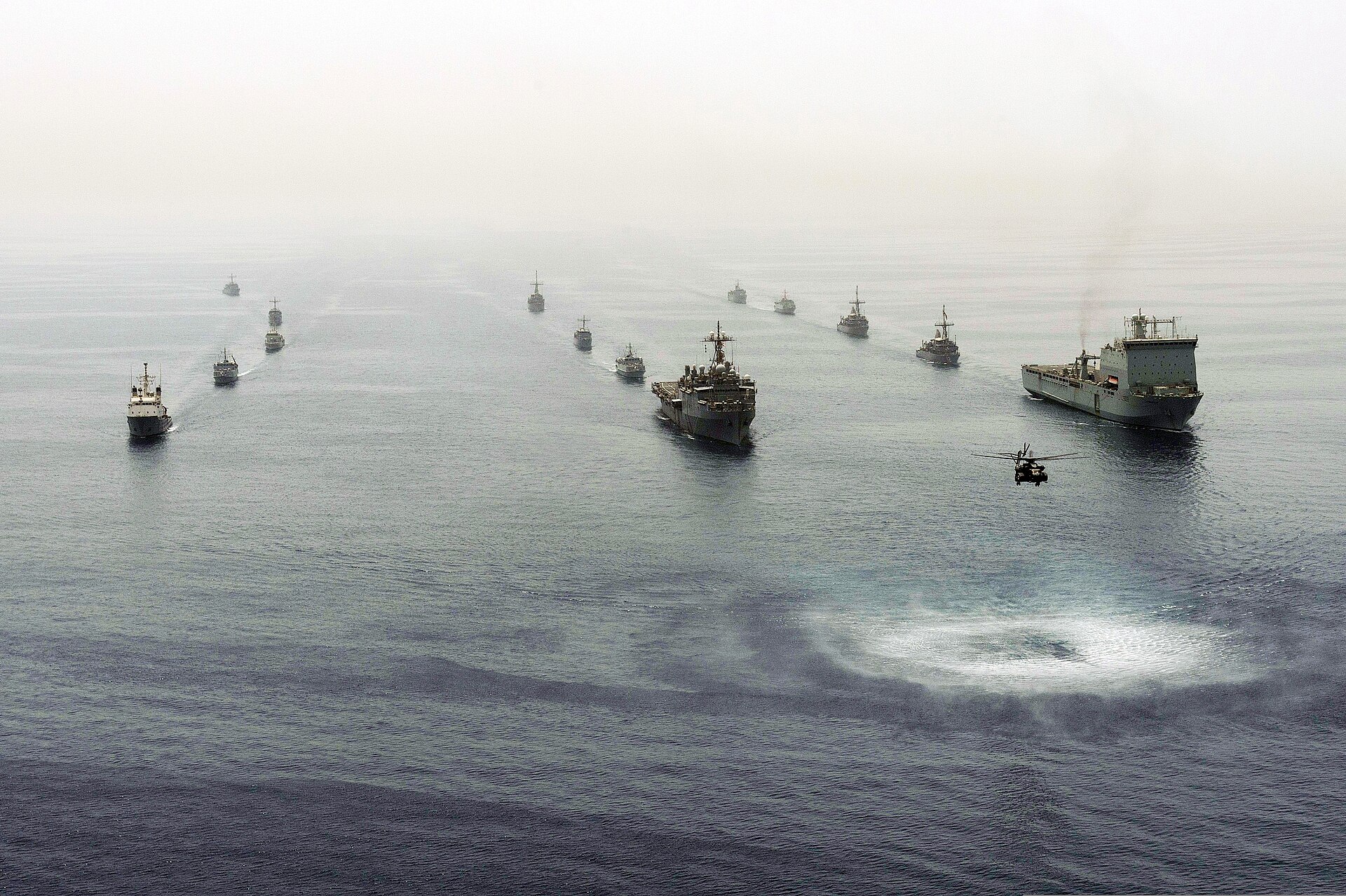
CENTCOM previously called an IRGC claim about the tanker El Gaia “false,” disputing the mine attribution, according to Shafaq News and Kurdistan 24. CENTCOM has separately declared that the main Hormuz transit lanes were cleared of Iranian mines after a months-long clearance campaign, according to Gulf News.
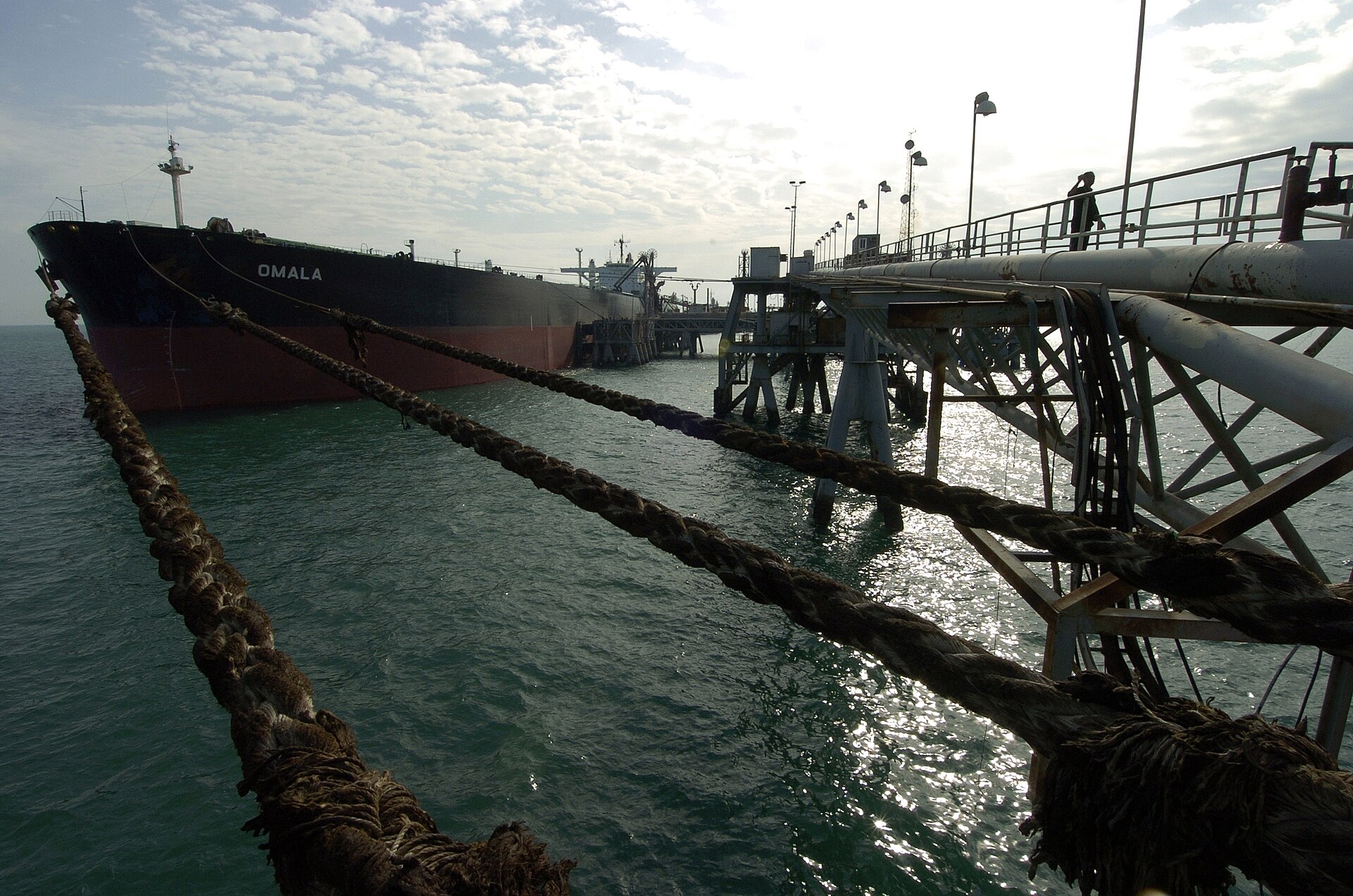
None of the five tankers Iranian authorities reported hit in the past 24 hours has been identified by name, flag, or operator by any source. No distress signals, casualty reports, or salvage operations connected to the November 14 incidents have been publicly reported by any non-Iranian source. This absence of independent corroboration has been a recurring feature since the mine campaign intensified in late October.
What Does Strait of Hormuz Traffic Data Show?
Whether individual mine-strike claims are accurate or not, commercial traffic through the Strait of Hormuz has collapsed to a fraction of pre-war levels. Multiple independent data sources confirm the scale of the disruption.
The Joint Maritime Information Centre, which tracks Hormuz shipping, established a pre-war baseline of 138 commercial transits per day. JMIC’s November 12 update described current traffic in the “single-digit to low-double-digit” range per day and estimated approximately 211 commercial vessels stationary at major anchorages east of Hormuz, according to Gulf News and Middle East Eye. JMIC recorded four tanker attacks since its previous report.
UKMTO’s weekly report released on November 13 counted 139 outbound and 169 inbound vessel transits — 308 total — over a seven-day period, according to Gulf News. By the UKMTO/UANI weekly count method, that volume represents roughly 65 percent below pre-war levels.
Independent AIS trackers recorded even steeper declines. The hormuz.now tracker showed approximately 6.3 visible commercial transits per day in the week to mid-November, against a pre-crisis daily rate of approximately 84.8. IMF PortWatch recorded 3.9 transits per day in the seven days to November 8.
The Washington Institute for Near East Policy’s Noam Raydan counted 28 to 34 confirmed and reported attacks on vessels in the Strait of Hormuz and nearby waters in October alone, and at least 113 attacks since February 28, according to Al-Monitor and Seatrade Maritime News.
Oil Prices and OPEC+ Output
Brent crude stood at approximately $96.21 on November 13, with West Texas Intermediate at $88.26, according to pomegra.io. The previous day, Brent had risen 1.2 percent to $92.63 as mine incidents provided upward support, FXStreet reported citing Commerzbank analysis.
Despite the escalation in reported mine strikes, oil was heading for a weekly loss on November 14 as rising OPEC+ output offset the Hormuz risk premium, according to Cornerstone Futures. OPEC+ members increased production substantially in October, creating a supply buffer that has limited price spikes even as Hormuz transit risks mounted.
Five vessels reportedly hit by mines in 24 hours produced no dramatic price surge. The market appears to have partly absorbed the Hormuz disruption after months of intermittent attacks, with Saudi Arabia’s East-West pipeline — running at approximately 7 million barrels per day design capacity as of March 2026, according to Bloomberg via The Star Malaysia — providing an alternative crude export route through Yanbu on the Red Sea coast.
That alternative is itself under threat. On November 13, the Houthis claimed three drone strikes targeting KKIA and the East-West Pipeline. The same day, the IRGC launched two drones at US forces in Bahrain after the collapse of diplomatic talks, indicating the escalation extends well beyond mine warfare in the strait.
The Mine Campaign Since October
The IRGC declared the Strait of Hormuz closed on October 26. Iran had originally closed the strait on April 18; the US imposed its naval blockade starting April 13. Iran re-closed the waterway on July 12, and the US blockade was reinstated on July 14. Since late October, Iranian authorities have reported a series of mine strikes on commercial vessels in and around the strait:
- October 30: Qatar’s LNG carrier Al Mayeda struck by unidentified objects — confirmed independently by Qatar’s Nakilat gas transport company via a Qatar Stock Exchange statement.
- November 2: The IRGC said two tankers hit mines; a tugboat was also struck, according to Al Jazeera.
- November 5–6: Iran’s army and IRGC claimed five oil tankers and a tugboat hit across several incidents, according to Mehr News Agency and Middle East Eye.
- November 13: Three tankers reported struck in a 24-hour period. Separately, the IRGC reported a gas carrier hit a mine and exploded in the eastern strait.
- November 14: IRGC Navy claimed two more oil tankers hit mines. Iran’s navy reported a fifth vessel struck in 24 hours.
Kelly A. Grieco and Marie-Louise Westermann of the Stimson Center wrote that the IRGC has built its mine warfare capability “around speed, redundancy and concealment.” By “dispersing its mine laying capacity across numerous, highly mobile platforms, Iran has made it much harder for the United States to locate and target the minelayers themselves,” they wrote in the Stimson Center’s 2026 report “Five Things to Know About Iranian Minelaying.”
The same analysis argued that “the United States has a greater interest in reopening the strait than in prosecuting the war,” framing the mine campaign as a strategic tool rather than a purely military one. The IRGC Aerospace Force warned of an “unlimited response” over the strait after a US strike on Iran’s Sirik coast on November 13, suggesting Tehran considers Hormuz disruption central to its broader deterrence posture.
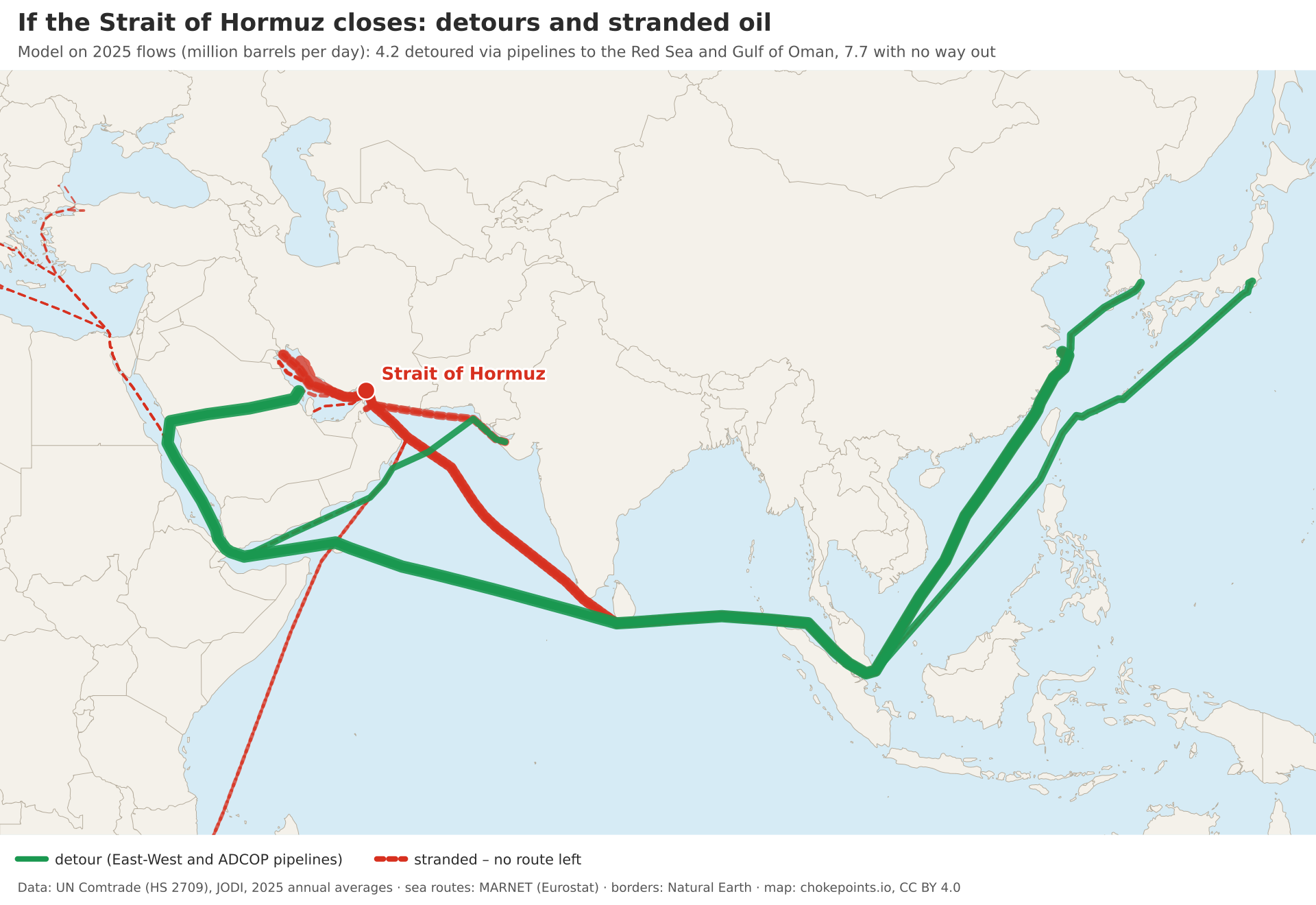
The result — whether the reported mine strikes reflect the actual scale of Iran’s campaign or overstate it — is visible in the data. Commercial traffic through one of the world’s most important maritime chokepoints has fallen to single-digit daily transits. Hundreds of vessels sit at anchor east of Hormuz. The GCC has told the UN Security Council that Iran has fired over 7,000 missiles and drones at Gulf states since the conflict began.
Frequently Asked Questions
Has any crew member been reported killed or injured in the November 14 mine strikes?
No casualties were reported for the November 14 incidents. In earlier Hormuz mine-related events, Asharq Al-Awsat and The New Arab reported a seafarer was killed in a Gulf tanker fire on November 5. India’s Ministry of External Affairs reported one Indian seafarer killed in an attack on the Indian-flagged vessel MSV Al Jusufi on November 2 off Oman, according to Arab News and Al Arabiya. The absence of casualty data for the November 14 strikes — combined with the lack of vessel identification — has contributed to skepticism about the scope of the reported incidents.
How many of the October Hormuz attacks specifically targeted crude oil tankers?
Noam Raydan of the Washington Institute for Near East Policy counted at least 19 crude oil tanker incidents among the 28 to 34 confirmed and reported attacks in the Strait of Hormuz and nearby waters in October 2026, according to Seatrade Maritime News. UKMTO separately reported 11 ships attacked in a single week to November 4, according to Middle East Eye, indicating the attack tempo continued into November regardless of vessel type.
Can Saudi Arabia export oil without using the Strait of Hormuz?
Saudi Arabia’s East-West pipeline connects the Eastern Province oil fields to the Red Sea port of Yanbu, bypassing Hormuz entirely. The pipeline reached approximately 7 million barrels per day design capacity by March 2026, with roughly 5 million bpd of crude exportable through Yanbu, according to Bloomberg via The Star Malaysia. No November throughput figure has been publicly reported. The Houthis have separately targeted the pipeline and Yanbu oil facilities, meaning the bypass route faces its own threat.
Has any non-Iranian source independently confirmed a Hormuz mine strike in recent weeks?
Qatar’s Nakilat gas transport company confirmed its LNG carrier Al Mayeda was struck by unidentified objects around October 30 — the clearest independent verification of an incident in the entire campaign, though Nakilat did not attribute the attack to mines. India’s Ministry of External Affairs confirmed one Indian seafarer was killed in an attack on the Indian-flagged vessel MSV Al Jusufi on November 2 off Oman, according to Arab News and Al Arabiya. Beyond those two confirmations, the majority of reported mine strikes since late October rest on Iranian state media accounts carried through IRIB, Sepah News, Mehr News, and IRNA. CENTCOM has declared the main transit lanes clear of mines and has called at least one specific IRGC claim “false.”
The House of Saud Daily Briefing
Saudi Arabia's news in 3 minutes, every morning. Free. See today's issue