
SANAA — Houthi military spokesman Yahya Saree claimed on November 14 that the Saudi-led coalition struck four Yemeni governorates 72 times from the air in 24 hours — three strikes every hour across Saada, Taiz, Lahij, and Al-Jawf — bringing the cumulative total to 5,020 attacks since fighting resumed, according to the Middle East Eye. The coalition has not confirmed or denied any of it, leaving the public count of an escalating air war in the hands of the force being bombed.
On the same day, Yemeni government military spokesman Col. Majed Al-Nuzaili reported 723 separate operations against Houthi positions — including 56 drone strikes, 37 warplane sorties, 89 rocket attacks, and 541 artillery operations — claiming 321 Houthi fighters killed or wounded and 117 vehicles destroyed, according to 26 September Net. Together with the air campaign tallies, the combined picture is one of a conflict generating three-digit daily counts on every front, with the World Health Organization counting 11,755 casualties and more than 320,000 people displaced as of November 8, according to Al Jazeera.
The House of Saud Daily Briefing
Saudi Arabia's news in 3 minutes, every morning. Free. See today's issue
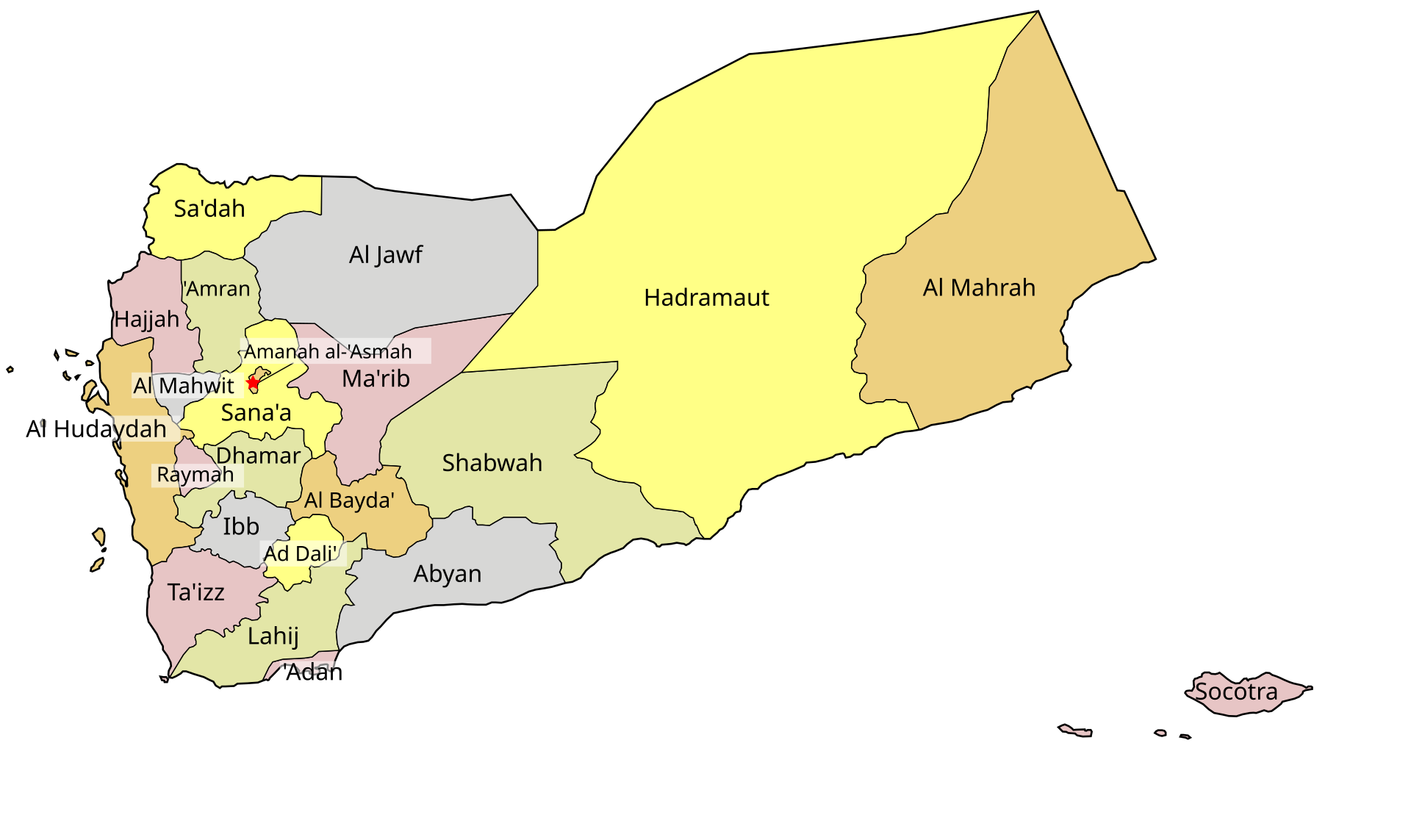
Table of Contents
What Saree Claimed on November 14
Saree posted his statement on X, declaring that coalition aircraft had “struck four Yemeni governorates from the air 72 times in 24 hours,” according to a Middle East Eye live blog that tracked the post. He named the four governorates as Saada, Taiz, Lahij, and Al-Jawf, and put the cumulative tally at 5,020 air and missile attacks since fighting resumed.
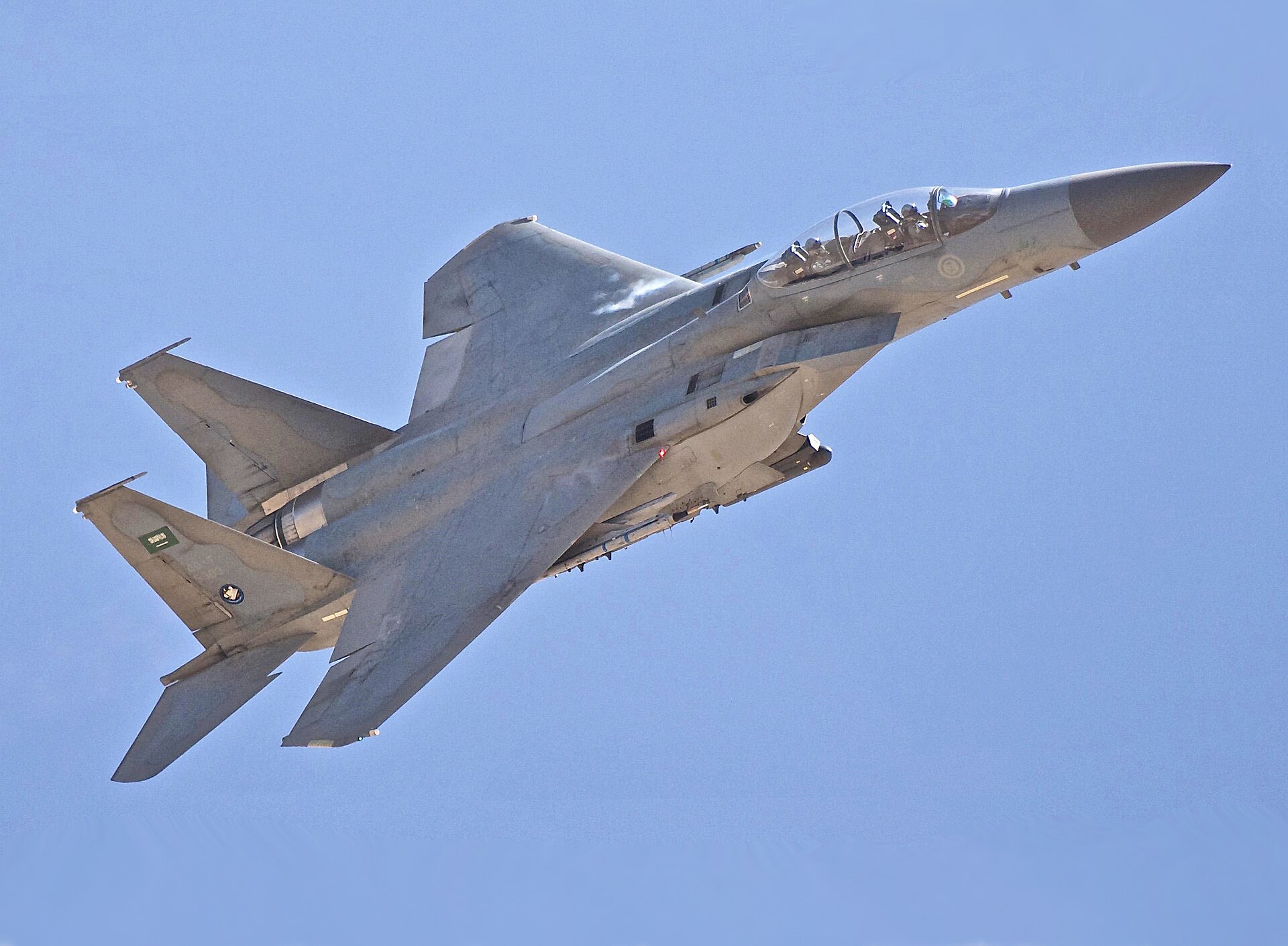
That 5,020 figure sits in a progression that can be traced through Saree’s own statements over the preceding 30 hours. On November 13, he claimed 98 strikes across five governorates — Lahij, Taiz, Saada, Al-Jawf, and Marib — and placed the cumulative total at 4,863, according to Al-Khabar Al-Yemeni. In that earlier statement, Saree specified that coalition F-15 and Typhoon warplanes were flying from Khamis Mushait and Taif air bases, with missiles launched from positions in Jizan.
Earlier on November 14, at 15:46 GMT, PressTV reported a separate Saree statement claiming 85 strikes in 24 hours and putting the cumulative figure at “nearly 5,000.” By his later post, the number had climbed to 5,020 — a net increase of 157 claimed attacks in roughly 30 hours. None of these figures have been independently verified, and the coalition has made no public response to any of the statements.
The geographic spread of the claimed strikes — Saada in the far north, Taiz and Lahij in the south, Al-Jawf in the northeast — describes an air campaign spanning hundreds of kilometres of Yemeni territory. If the claims are accurate, the coalition is striking across the full depth of Houthi-controlled and contested land, from the group’s heartland near the Saudi border to the southern governorates where Yemeni government forces are conducting daily ground operations.
Saree also accused coalition strikes of targeting civilian infrastructure, with PressTV reporting that Houthi health officials claimed Saudi aircraft shelled a health centre at Karba in Lahij, injuring two civilians. Taiz — another of the four governorates named — was the site of a reported market strike earlier on November 14 that Houthis said killed 12 people.
Why Has the Coalition Said Nothing?
On November 12, Yemen’s army spokesman Col. Majed Al-Nuzaili reported 23 airstrikes that damaged 86 heavy weapons and military vehicles; the coalition separately confirmed intercepting drones over the Riyadh region and Eastern Province, as reported by Al Jazeera. Since then — across two days in which the Houthis have claimed 98 and then 72 strikes respectively — the coalition has said nothing.
That silence is not unusual for this phase of the conflict. The coalition has generally confirmed strikes days after the Houthis claim them, and its statements tend to bundle operations over multi-day periods rather than issue running tallies. But the gap between Houthi claims and coalition confirmations has widened through November, creating an information vacuum the Houthis have filled with increasingly granular data — governorate names, aircraft types, base locations, cumulative counts — that carries the appearance of specificity even without independent verification.
Independent verification of strike numbers typically relies on local hospital records, UN agency reports, or satellite imagery, all of which are difficult to gather in an active conflict zone where internet access is sporadic and medical facilities are themselves under pressure. With the coalition declining to publish daily tallies and the Houthis releasing figures that grow more detailed by the day, the default narrative of the air campaign is being shaped by the force absorbing the strikes rather than the one delivering them.
The coalition’s November 12 statement also confirmed the interception of drones over Saudi territory, part of a pattern of Houthi retaliatory strikes reaching deep into the kingdom. On the same day Saree posted his 72-strike claim, the US Embassy issued a nationwide security alert warning American citizens in Saudi Arabia about the Houthi threat — an advisory that at minimum confirms Washington considers the security situation serious enough to publicly flag.
The Ground Campaign by the Numbers
While Saree counts air strikes, the Yemeni government’s military spokesman Col. Majed Al-Nuzaili has been issuing daily bulletins from the other side of the front lines. On November 14, Al-Nuzaili reported 723 operations against Houthi positions under Operation Dawn of Yemen, according to 26 September Net. The breakdown: 541 artillery operations, 56 drone strikes, 37 warplane sorties, and 89 rocket attacks, with 321 Houthi fighters reported killed or wounded and 117 vehicles destroyed.
The previous day’s bulletin, also published by 26 September Net, claimed 943 operations — with 877 of those, roughly 93 percent, consisting of ground artillery. The remaining 66 operations split across 21 drone strikes, 18 warplane sorties, and 27 rocket attacks, with 221 Houthi fighters reported killed or wounded and 73 vehicles destroyed.
The shift between the two days is significant. Artillery’s share of total operations dropped from 93 percent on November 13 to 75 percent on November 14, while drone strikes nearly tripled from 21 to 56 and rocket attacks more than tripled from 27 to 89. The overall number of operations fell, but the proportion of higher-impact strikes grew, and the reported casualty figure jumped from 221 to 321.
The distinction between these bulletins and Saree’s claims is critical. Al-Nuzaili’s figures describe ground and combined-arms operations conducted by Yemeni government forces — the vast majority of them artillery barrages. Saree’s figures describe coalition air strikes from fixed-wing aircraft and missiles. The two data streams track different forces on different fronts, and conflating artillery shells with bombing sorties would distort both pictures.
Taken together, however, they outline a campaign applying pressure from the air and the ground simultaneously. The Houthis are absorbing strikes from coalition jets over the north and west while fighting Yemeni government forces conducting hundreds of daily operations across the south and east — a two-front reality reflected in both sides’ escalating casualty claims.
What Does the Air-Strike Tempo Signal About Saudi Strategy?
If Saree’s cumulative figure of 5,020 strikes is even roughly accurate, the Saudi-led coalition has averaged more than 125 air attacks per day since Operation Dawn of Yemen launched on October 5 with 100 jets and an initial target list of 324 sites, according to the Saudi Gazette. That pace exceeds anything documented during the 2015–2022 campaign, according to Maged al-Madhaji, chairman of the Sana’a Center for Strategic Studies, who told Al Jazeera in October that a unified Saudi-Emirati operations room had produced a fundamentally different command structure.
The “rate and accuracy of the air strikes” is higher than the 2015-era campaign, with a unified Saudi-Emirati operations room suggesting “more unified” command. — Maged al-Madhaji, Sana’a Center for Strategic Studies, to Al Jazeera
Retired Lebanese general Elias Hanna, speaking to Al Jazeera, argued that centralized coordination of ground and air operations was “vital to military success” and pointed to a US-built “intelligence bank” of validated targets as a key enabler. An unnamed US official told Al Jazeera that 200 American advisers were stationed in Saudi Arabia, providing an institutional targeting capacity that the 2015 campaign never had. With 100 jets sustaining operations at the pace Saree’s numbers suggest, the supply of verified targets matters as much as the aircraft count.
The tempo also needs to be read against what it has not yet stopped. Even as Saree claims the coalition struck 72 times in 24 hours, the Houthis have targeted King Khalid International Airport and the East-West Pipeline on November 13, claimed strikes on Khamis Mushait and Sharurah, and launched a missile at a Saudi officers’ camp in Aden. Moroccan analyst Abdelhamid Al-Aouni warned that a “depth for depth” equation — each side striking progressively deeper into the other’s territory — represented the most dangerous dynamic the conflict could produce, according to DID Press Agency in November 2026.
The broader picture underscores the scale of the threat the coalition is attempting to dismantle. The GCC told the United Nations that Iran had fired over 7,000 missiles and drones at Gulf states since the crisis began — a figure that, set against Saree’s claimed tally of 5,020 coalition strikes, suggests the campaign has not yet achieved the attrition rate needed to outpace the Houthis’ retaliatory capacity.
The Humanitarian Cost
The World Health Organization reported as of November 8 that 2,098 people had been killed and 9,657 wounded in the conflict, for a total of 11,755 casualties, according to Al Jazeera. More than 2,000 of those casualties occurred in just nine days, with Marib and Lahij the worst-affected governorates — the same Lahij that Saree named as one of the four governorates struck 72 times on November 14.
The concentration of casualties in Marib and Lahij is not coincidental. Marib has been a primary battleground since 2015, home to strategically vital oil and gas infrastructure that both sides consider essential to hold. Lahij, stretching south from Taiz toward the port city of Aden, sits directly in the path of the Houthi ground offensive and has seen some of the heaviest fighting of the current escalation — making it both a target of coalition air power and a front line for Yemeni government ground forces.
Displacement has been equally devastating. The World Health Organization counted more than 320,000 people displaced since August 1, including almost 16,000 in the week preceding the November 8 report — more than 2,200 per day, according to Al Jazeera. Those figures predate the intensification of the past week, during which Saree has claimed hundreds of additional air strikes and the Yemeni government has reported combined operations numbering in the thousands.
How Did the Current Escalation Begin?
The ceasefire that had held since 2022 collapsed in July 2026 when Saudi forces struck Sanaa airport, prompting the Houthis to declare the truce void, according to Wikipedia’s 2026 in Yemen article. What followed was a rapid Houthi ground offensive: by September 3, Houthi forces had launched an advance through Taiz governorate, and by September 11 they controlled Hays, Al Khawkhah, Mokha, and Perim island — giving them effective control of the Bab al-Mandeb strait, one of the world’s most critical shipping chokepoints.
The coalition’s response came on October 5, when the Presidential Leadership Council launched Operation Dawn of Yemen — Al Jazeera described the launch as the first public acknowledgment that Saudi Arabia had resumed air strikes in Yemen since the 2022 ceasefire. In the 40 days since, the air campaign has — by Saree’s own Houthi-sourced count — reached 5,020 strikes, while Yemeni ground forces under Col. Al-Nuzaili have reported daily operations numbering in the hundreds.
Frequently Asked Questions
How close are Houthi forces to Aden?
Reuters reported in November 2026 that Houthi forces had advanced to within 80 kilometres of Aden, the seat of the internationally recognised Yemeni government, as cited by Kurdistan 24. That proximity helps explain both the intensity of the coalition air campaign and the Yemeni government’s daily operations bulletins — the fighting is no longer confined to traditional northern fronts but has pushed toward the government’s administrative capital.
What role does Iran play in the Houthi military campaign?
Reuters reported that the Islamic Revolutionary Guard Corps provided direct guidance to Houthi forces during their western coast advance in September 2026, as cited by Kurdistan 24. The level of operational involvement marks a shift from earlier phases of the war, when Iranian support was primarily logistical — supply of weapons, drones, and missile components rather than direct battlefield direction.
Have the Houthis denied targeting civilian sites in Saudi Arabia?
Al Jazeera reported on November 12 that the Houthis denied all claims of targeting Mecca, calling them Saudi “lies.” The denial came in response to coalition accusations that Houthi projectiles had been directed at or near the holy city, claims the coalition has cited as partial justification for the intensity of its air campaign.
What action has the UN Security Council taken on Yemen during the current escalation?
The UN Security Council voted on November 13 to extend Yemen sanctions through 2027, according to Al Jazeera. The vote came as fighting intensified across multiple fronts and as Houthi military spokesman Saree was filing daily strike claims. The sanctions regime targets individuals and entities that have violated previous UN arms embargoes against Yemen.
The House of Saud Daily Briefing
Saudi Arabia's news in 3 minutes, every morning. Free. See today's issue