
SANAA — Houthi authorities said a Saudi coalition airstrike hit a market in Yemen’s Taiz province on November 14, killing 12 civilians and wounding 14, according to a report by Tasnim News Agency — the sole outlet to publish the claim. The Houthi-run Health Ministry in Sanaa confirmed the same figures, though no independent wire service had corroborated the incident at the time of writing.
If confirmed, the attack would be the third reported strike on a market in Taiz province in twelve days, a pattern that has turned the governorate’s civilian spaces into a recurring theatre of death in a conflict where Houthi siege forces and Saudi-backed government troops operate in close quarters — and where the distinction between military and civilian targets has, by multiple accounts, effectively collapsed. The two earlier incidents, on November 2 and November 6, produced a combined reported toll of more than forty killed, with independent verification ranging from partial to nonexistent.
The House of Saud Daily Briefing
Saudi Arabia's news in 3 minutes, every morning. Free. See today's issue
Table of Contents
What Tasnim Reported
Tasnim News Agency, which is linked to Iran’s Islamic Revolutionary Guard Corps, published a single article on November 14 attributing the strike to “Saudi forces” and describing it as “a brutal attack” on a “local market” in Taiz province. The report did not name the specific market, the district, or the time the attack occurred, and it provided no satellite imagery, hospital records, or independent corroboration of any kind. Tasnim referred to the Houthi armed forces as “Yemeni armed forces” and sourced its casualty figure to “Yemen’s Health Ministry,” which is the Houthi-administered ministry in Sanaa — a distinction the article did not make.
The Houthi Health Ministry separately confirmed the same toll, but this is a second Houthi-aligned figure, not independent verification. As of publication, no Reuters, Associated Press, BBC, or Al Jazeera report had confirmed the November 14 market strike, and no statement from the Saudi-led coalition or the internationally recognised Yemeni government had addressed it.
Houthi Retaliatory Strikes on Three Governorates
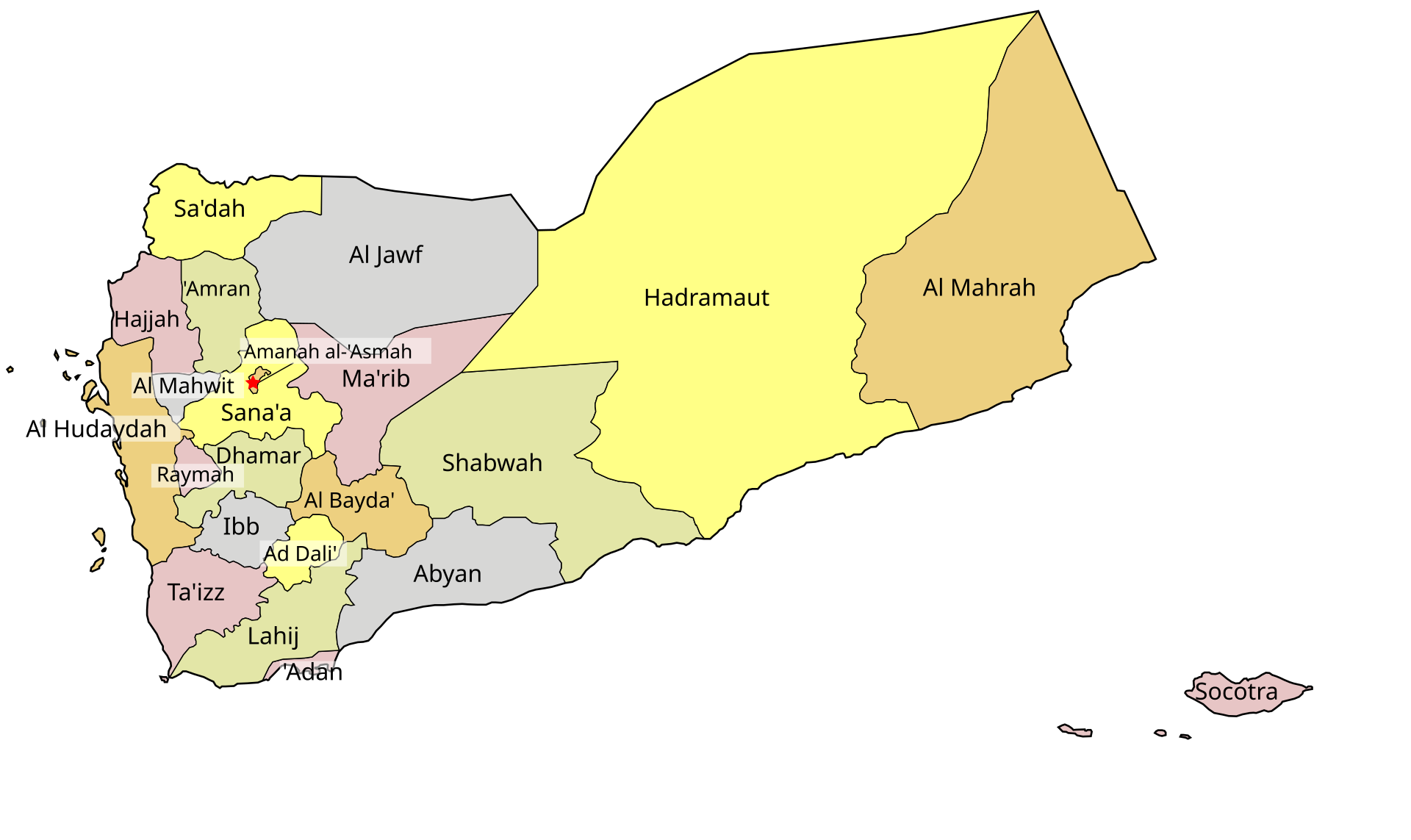
Brigadier General Yahya Saree, the Houthi armed forces spokesman, announced retaliatory operations across three Yemeni governorates in response to what he called the Taiz market attack, according to Tasnim. In Aden, Saree said drones and ballistic missiles struck weapons depots at the Ras Abbas military camp, a facility used by Saudi-backed forces. In Lahij, Houthi forces claimed strikes on “force gatherings” in the Kharz and Khawr Umayra areas, targeting units under a commander Saree named as Badr al-Harbi.
In eastern al-Jawf, Saree said two ballistic missiles were fired at force gatherings under a commander he identified as Faris al-Shammari. The Houthi spokesman provided no casualty figures, no damage assessments, and no evidence for any of the three counter-strike claims. No confirmation or denial from the targeted forces, the Saudi-led coalition, or Yemeni government military officials has been published.
The pattern is consistent with previous Houthi announcements: name the target, name the enemy commander, claim the strike, provide nothing verifiable. On November 13, Houthi forces claimed five separate strikes on Saudi territory, and on November 14 they claimed three drones hit KKIA and the East-West Pipeline — a tempo of claims that outpaces any external capacity to verify them.
Three Markets in Twelve Days
The November 14 report is the third alleged market strike in Taiz province since the start of the month, and while the sourcing varies, the pattern is independently verifiable through outlets that have no alignment with either side. The table below maps each incident against the level of independent coverage it received.
| Date | Location | Reported toll | Attribution by Houthi sources | Independent coverage |
|---|---|---|---|---|
| Nov 2 | Al-Mesrakh district | 10 killed | Saudi-backed ground forces | Antiwar.com (Dave DeCamp) |
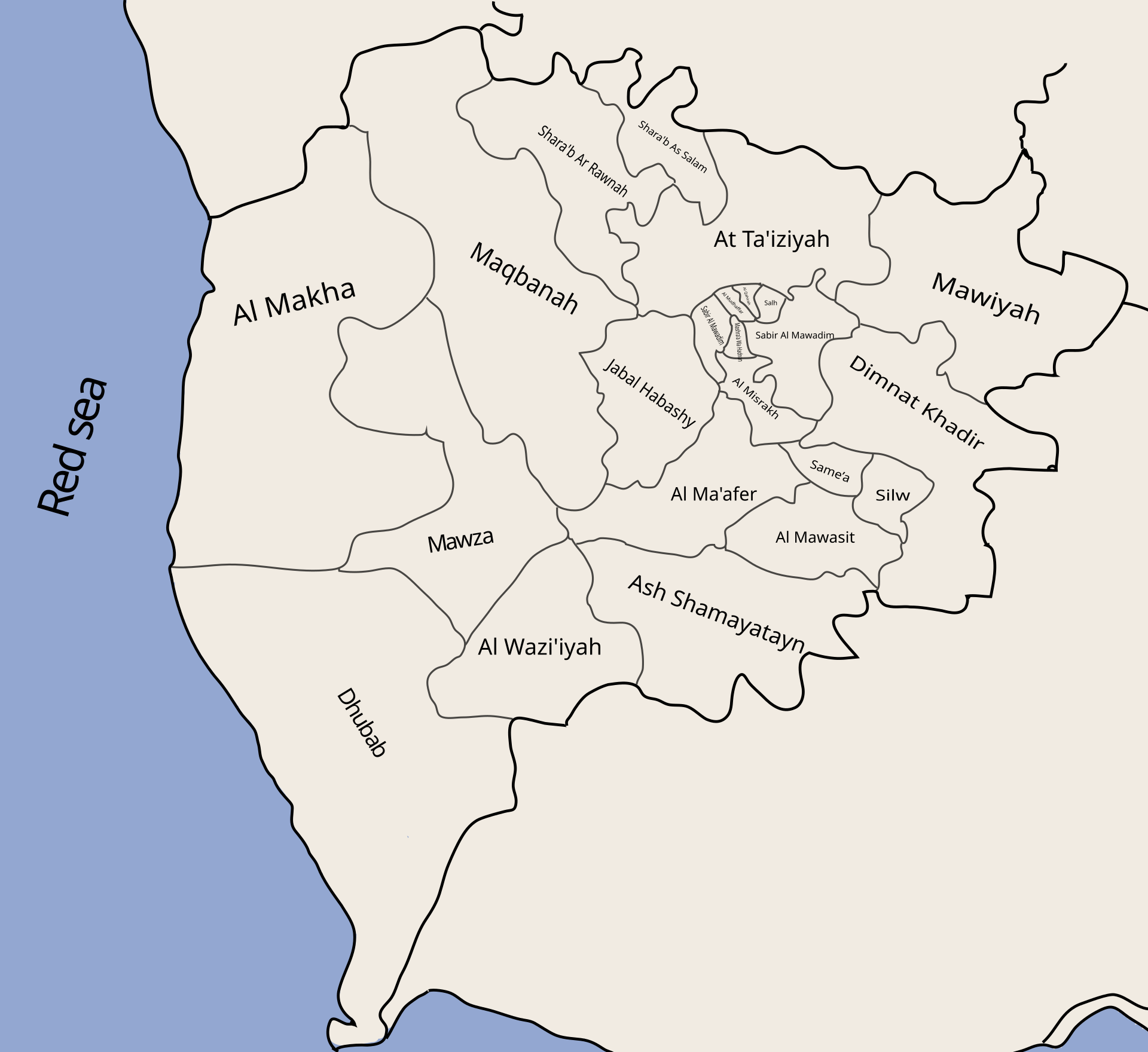
| Nov 6 | Al-Hadara market, al-Waziiya district | 30+ killed, 8 wounded | Saudi airstrikes (3 GBU-12 bombs, per Houthi press conference) | Al Jazeera (both sides blamed each other; AJZ could not verify) |
| Nov 14 | “Local market,” Taiz province (no district named) | 12 killed, 14 wounded | Saudi forces | None as of publication |
Each incident occurred in territory where the lines between Houthi and government control are blurred or actively shifting — a dynamic explored in detail after the November 6 al-Hadara market attack. Al-Mesrakh had recently been captured by Houthi forces when the November 2 strike was reported, according to Antiwar.com. Al-Waziiya, where the November 6 attack took place, is Houthi-controlled territory, according to Al Jazeera — yet the Yemeni government’s military spokesman, Colonel Majed al-Nazili, accused the Houthis themselves of carrying out the al-Hadara market attack and called it “a war crime,” according to Al Jazeera’s November 6 report. Al Jazeera stated it could not verify either side’s claim.
The GBU-12 fragment claim from the November 6 attack — in which Al Masirah TV, the Houthi television network, displayed what it said were remains of US-made laser-guided bombs recovered from the scene — has not been independently verified. The Saudi-led coalition issued no response to that strike.
Why Is Taiz the Deadliest Governorate in Yemen?
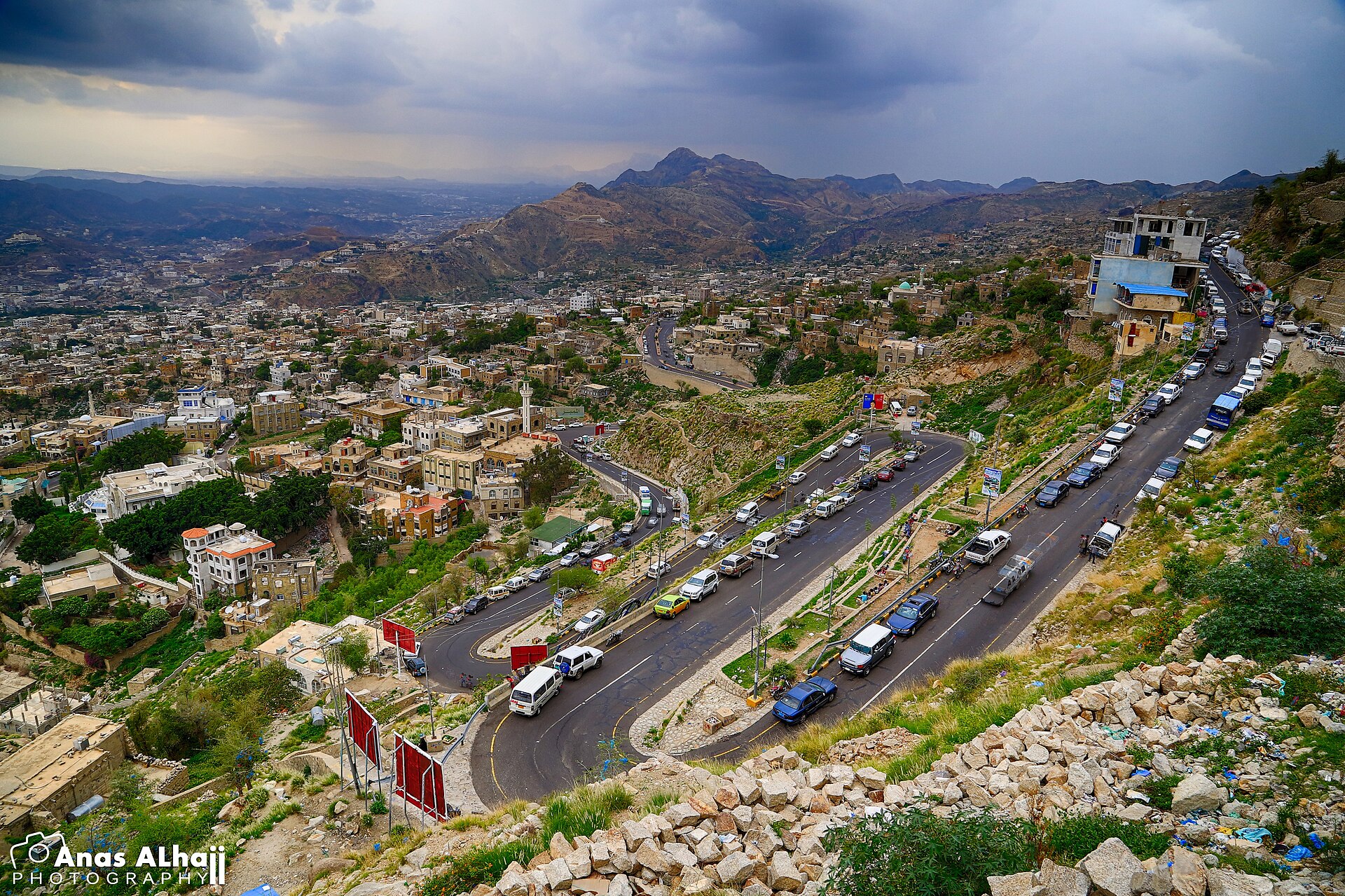
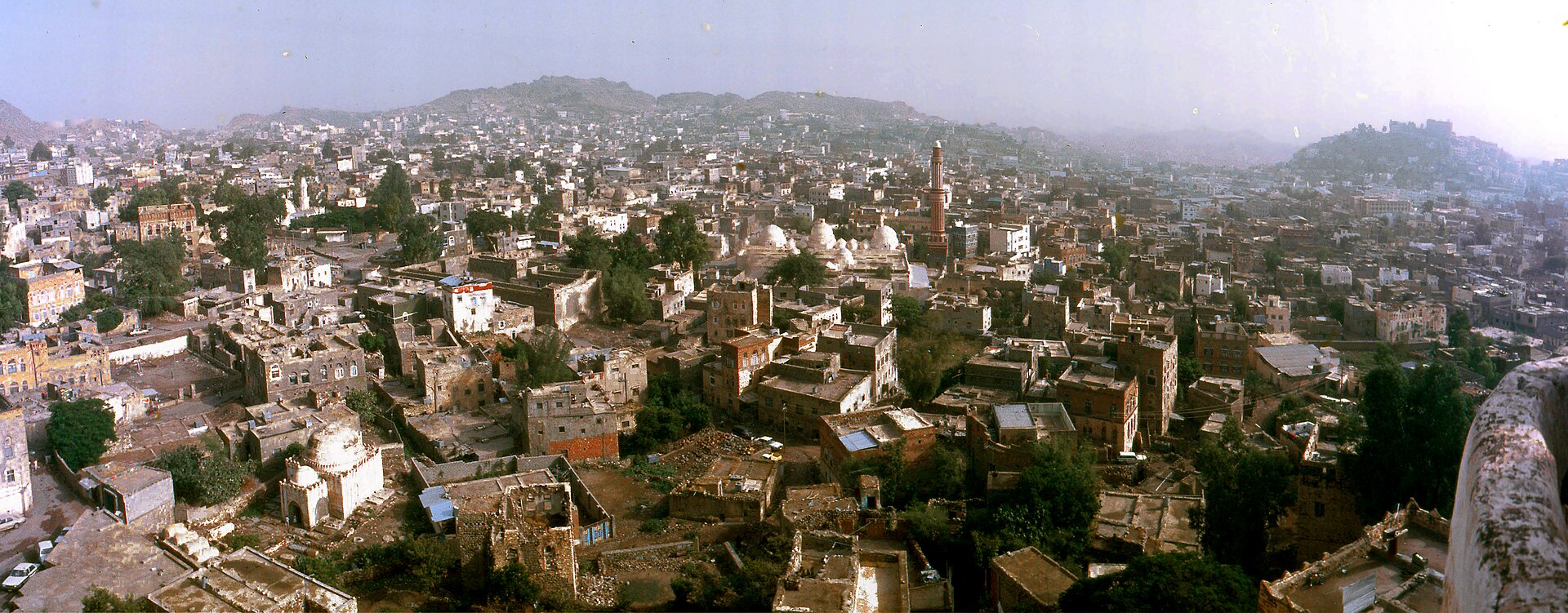
The city of Taiz, Yemen’s third-largest, has been under some form of Houthi encirclement continuously since 2015, now entering its eleventh year, according to Al Jazeera. The city centre has remained in government hands throughout, but the October 2026 escalation tightened the ring to a degree that aid agencies describe as catastrophic. By early October, Houthi forces had cut the main Taiz–al-Turbah road after capturing several surrounding districts between September 13 and October 10, with fighting concentrated on Jabal Han mountain to the west, according to Al Jazeera’s October 4 report.
By November 4, the siege had lasted more than thirty days, with the city’s population of about 1.5 million unable to leave or receive supplies, according to Al Jazeera. Salah al-Majidi of the Taiz Siege Affairs Department described the humanitarian situation as “catastrophic,” Al Jazeera reported on November 7. ACLED data, via secondary sources, records more than 500 civilian fatalities in Taiz governorate since 2017.
Thomas Bonnie James, an assistant professor of politics and international relations at the University of Aberdeen, told Al Jazeera on November 7 that the Yemeni government’s “Operation Dawn of Yemen” aims to pressure the Houthis rather than achieve total victory, and that taking Sanaa would be exceptionally difficult. That assessment helps explain why the fighting in Taiz — caught between a siege and an air campaign, between ground offensives and retaliatory strikes — has produced the kind of civilian toll that market attacks represent in concentrated, unbearable form.
What Do the Humanitarian Numbers Show?
Tom Fletcher, the UN Emergency Relief Coordinator, said on November 3 that all roads into Taiz city had been cut off by fighting, and that nearly 250,000 people had lost access to essential health care — including 186,000 children under five and 23,000 pregnant women. Twelve hospitals faced closure, Fletcher added, as supply lines that had functioned even during earlier phases of the siege were severed by the October ground offensive.
Health services in the city are failing under the strain of lack of supplies and access to the city.
OCHA (UN Office for the Coordination of Humanitarian Affairs), November 3, 2026
Fletcher called on all parties to allow humanitarian access. The Office for the Coordination of Humanitarian Affairs reported on November 12-13 that more than 333,000 people had been displaced across Yemen since August, with Taiz governorate accounting for more than 140,000 of them, according to Anadolu Agency’s account of the OCHA data. The UN Human Rights Office separately verified 289 civilian casualties across Yemen since August: 72 killed and 217 injured, according to Anadolu Agency.
Human Rights Watch, in an October 29 report, documented Houthi forces blocking food and medicine into Taiz city, with cooking gas prices rising approximately 400 percent. The World Food Programme was unable to reach more than 600,000 dependent residents, and health workers described severe shortages of medicine, fuel for generators, and other critical supplies, according to HRW. HRW warned that the siege may constitute the war crime of using starvation as a method of warfare — a determination that, if formalised, would carry consequences under international humanitarian law.
The UN Security Council extended Yemen sanctions to 2027 on November 13, a decision that came amid escalating Houthi strike claims across Saudi Arabia and intensifying ground combat in Taiz and other southern governorates. Yemeni government forces reported 877 operations in a single 24-hour period on November 12, of which 88 percent were ground artillery — a pace that makes the distinction between frontline and civilian space in a governorate like Taiz functionally meaningless for the people caught inside it.
Frequently Asked Questions
Has any independent source confirmed the November 14 Taiz market strike?
No. As of publication, the only sources are Tasnim News Agency and the Houthi-run Health Ministry in Sanaa. Neither Reuters, the Associated Press, Al Jazeera, nor the BBC has published a report on the November 14 incident. Tasnim did not provide the name of the market, the district, the time of the attack, or any photographic or documentary evidence. The Saudi-led coalition and the internationally recognised Yemeni government have issued no statement on the alleged strike.
What is the total civilian toll from market strikes in Taiz this month?
Combining the three reported incidents — November 2 in al-Mesrakh (10 killed, per Antiwar.com citing Houthi media), November 6 in al-Hadara market (30-plus killed, per Al Jazeera, with responsibility disputed), and November 14 (12 killed, per Tasnim only) — the aggregate claimed toll exceeds 52 killed, though no single independent source has verified all three events. The November 6 attack remains the deadliest, and Al Jazeera reported that it could not determine which side was responsible.
Who controls the areas where the market strikes occurred?
Al-Waziiya district, where the November 6 attack took place, is Houthi-controlled, according to Al Jazeera. Al-Mesrakh had recently been captured by Houthi forces before the November 2 strike, according to Antiwar.com. The November 14 report did not specify a district, making it impossible to assess territorial control at the site. Taiz city centre remains government-held, but surrounding districts have shifted repeatedly between Houthi and government forces since September 2026.
What international legal standards apply to attacks on markets?
Under international humanitarian law, markets are presumed civilian objects and direct attacks on them are prohibited. The principle of distinction, codified in Additional Protocol I to the Geneva Conventions, requires all parties to distinguish between civilian objects and military objectives at all times. The presence of combatants near a market does not make the market itself a lawful target unless it is being used to make an effective contribution to military action — a threshold that requires case-by-case assessment, not blanket justification. The International Criminal Court has jurisdiction over war crimes in situations referred by the UN Security Council, though Yemen has not been referred.
What distinguishes the scale and duration of the Taiz siege?
Taiz has been under partial Houthi encirclement continuously since 2015, now entering its eleventh year, according to Al Jazeera. The current intensified phase, which began when Houthi forces cut the main Taiz–al-Turbah road in October 2026, had left the city’s population of about 1.5 million unable to receive supplies, according to Al Jazeera’s November 4 report. While some goods had intermittently entered through informal routes during earlier phases of the siege, the October 2026 road cuts severed those supply lines. Human Rights Watch warned on October 29 that the conditions may constitute the war crime of using starvation as a method of warfare. The UN reported more than 140,000 people displaced from Taiz governorate since August 2026, according to OCHA data cited by Anadolu Agency.
The House of Saud Daily Briefing
Saudi Arabia's news in 3 minutes, every morning. Free. See today's issue