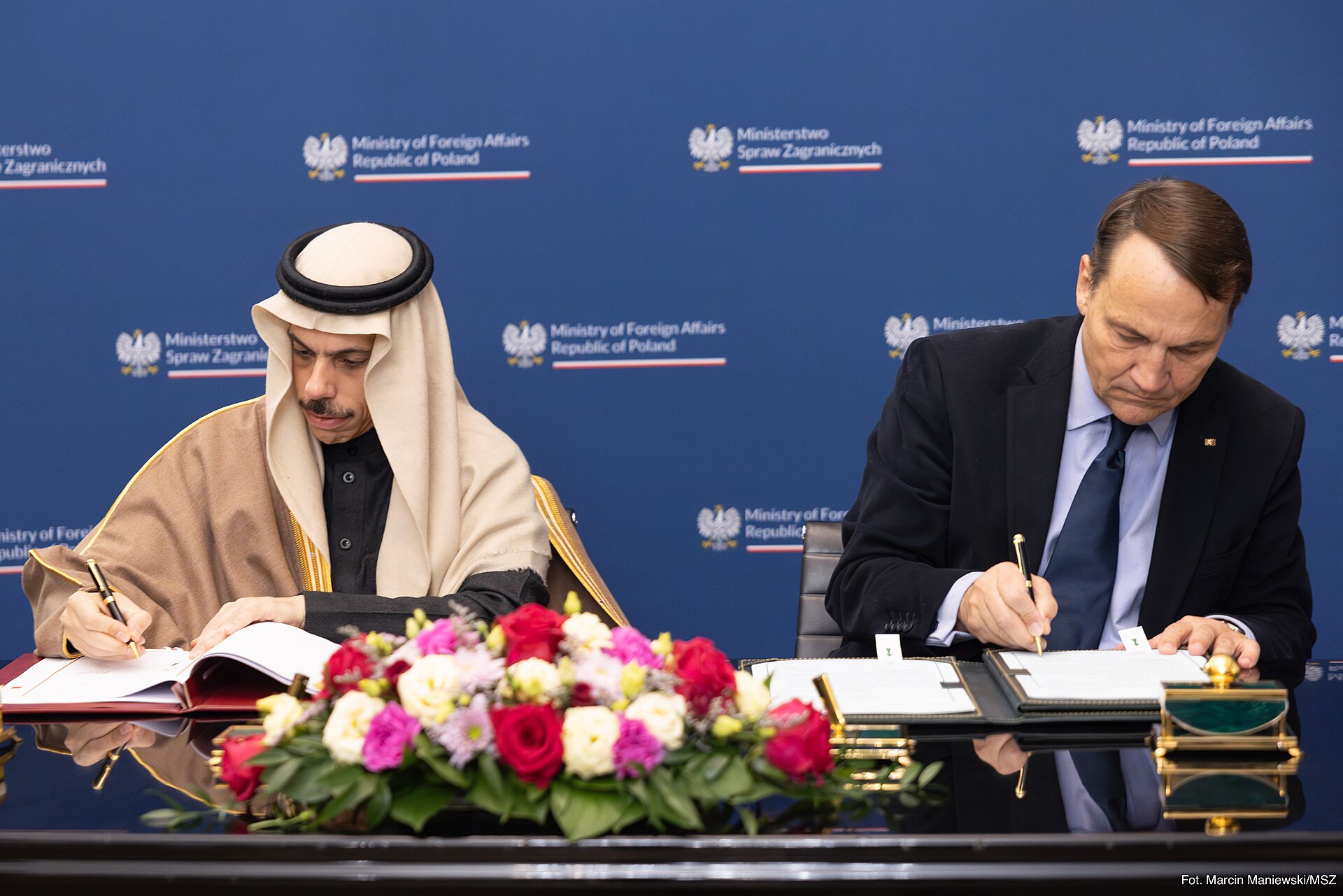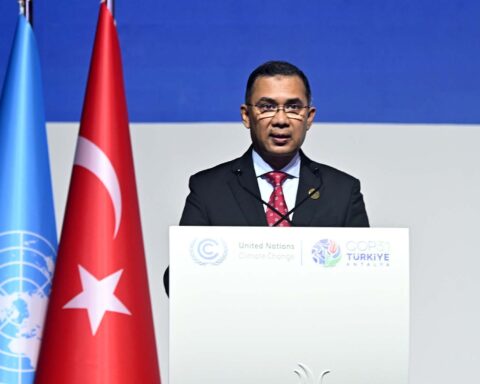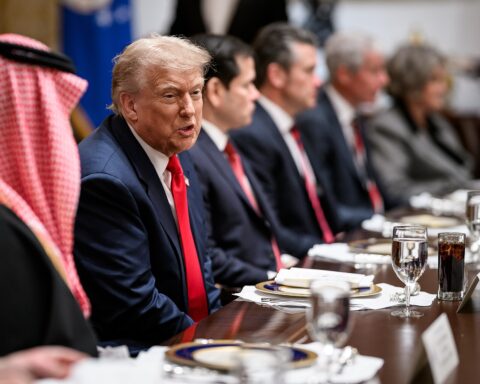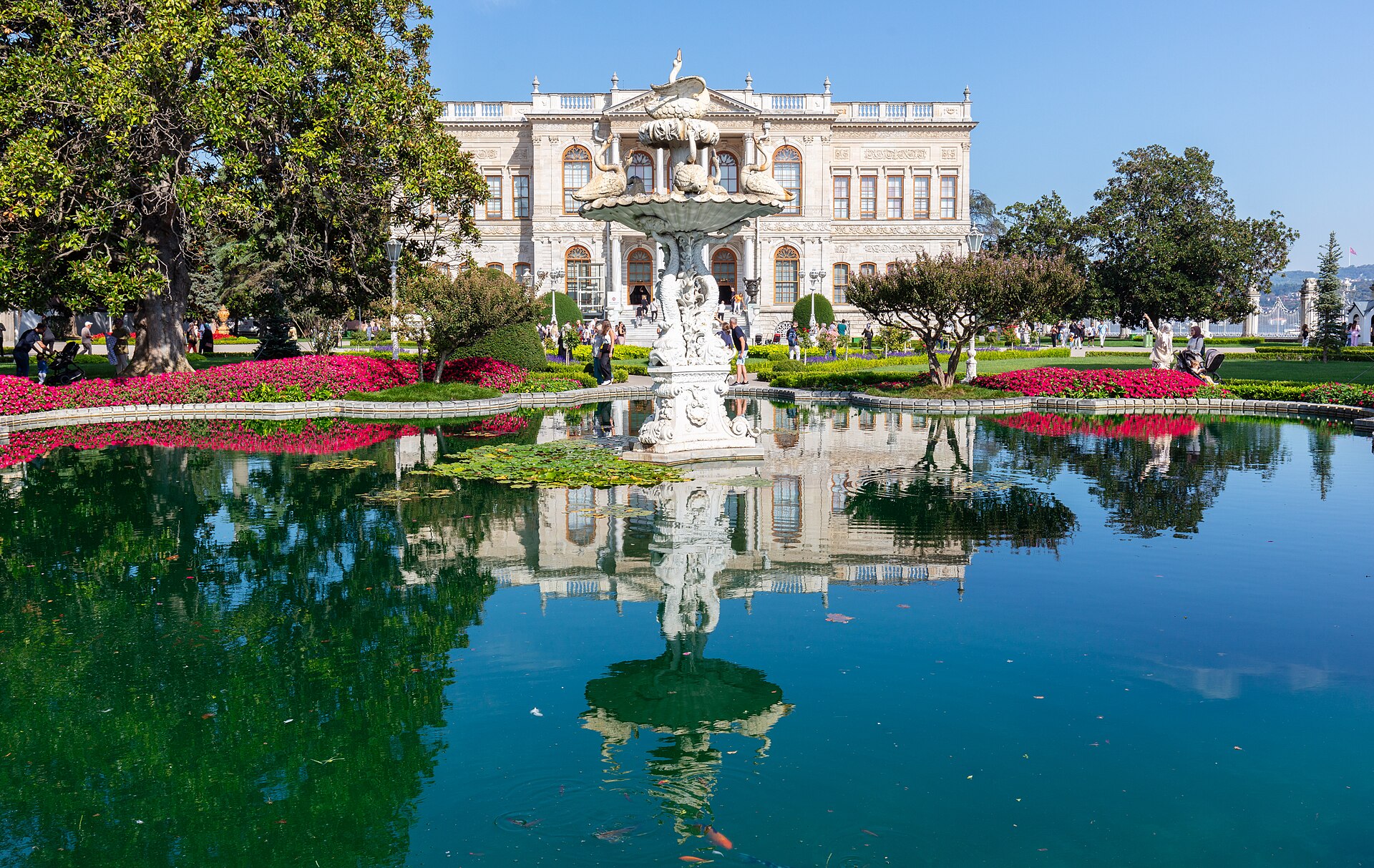

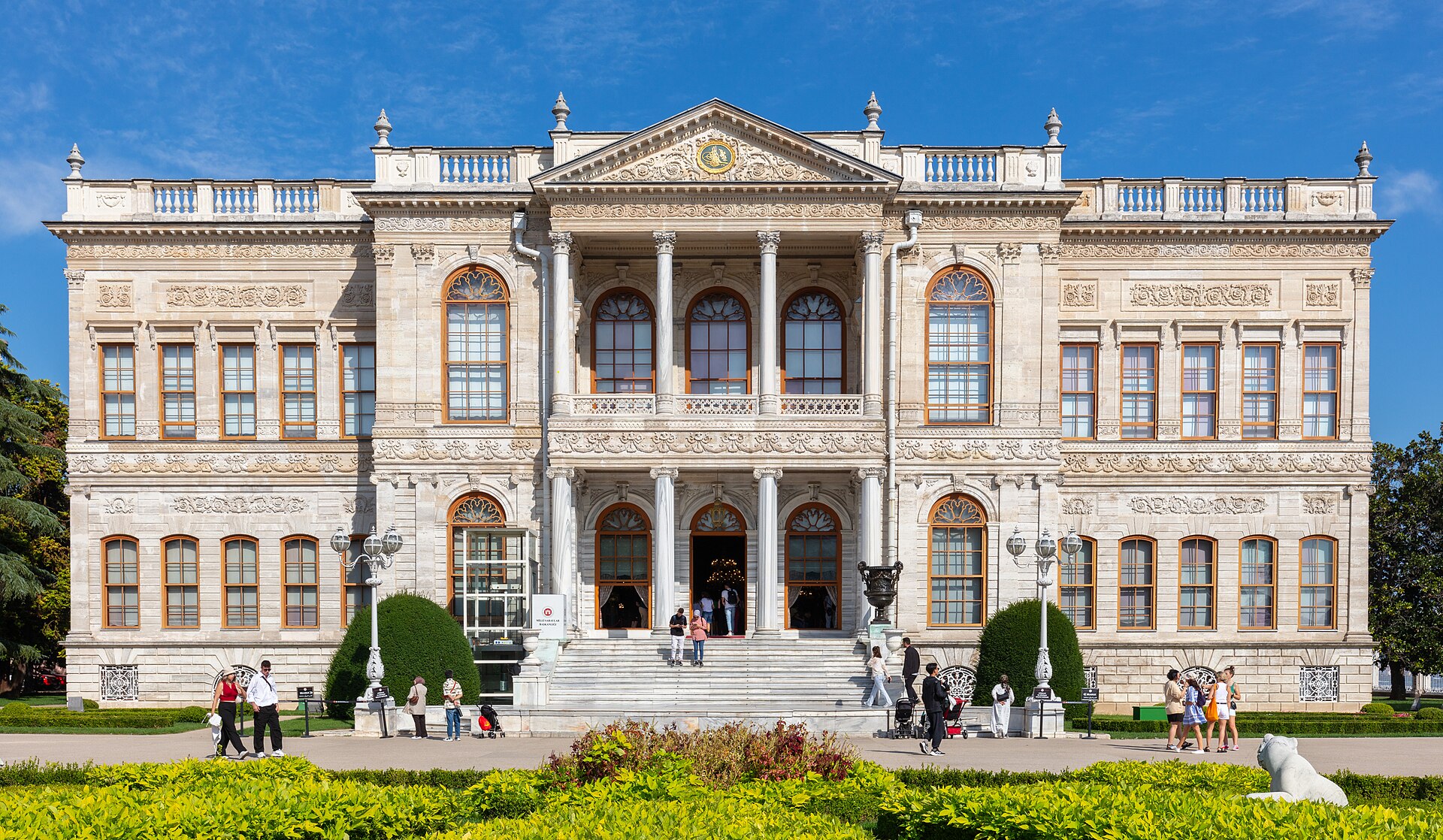
ISTANBUL — Turkey and Qatar signed a mutual defence agreement at Dolmabahçe Palace on November 13, pledging a “unified stance in confronting any external armed attack” on either country, in a ceremony that leaves President Recep Tayyip Erdogan treaty-bound to defend both Doha and Riyadh — two capitals whose governments blockaded each other less than a decade ago. Turkey’s parliamentary approval of the separate Makkah Pact — Turkey’s mutual defence treaty with Saudi Arabia and Pakistan that treats an armed attack on one member as an attack on all three — took legal effect the following day, November 14, when the ratification law was published in Turkey’s official gazette, completing a process that began when the Grand National Assembly voted 279 to 119 on November 5, according to The National.
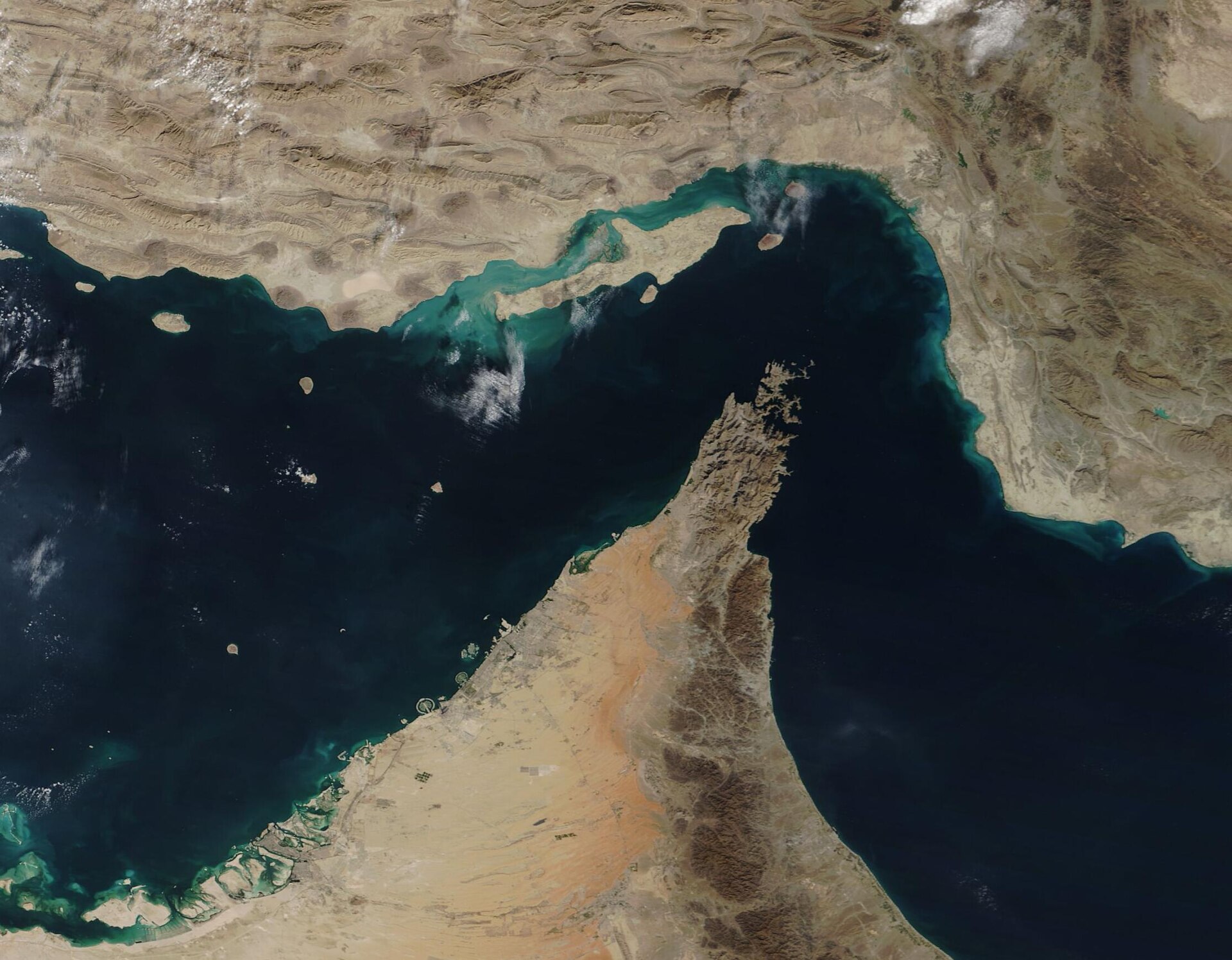
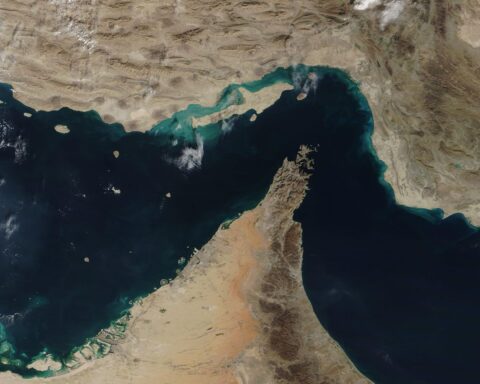
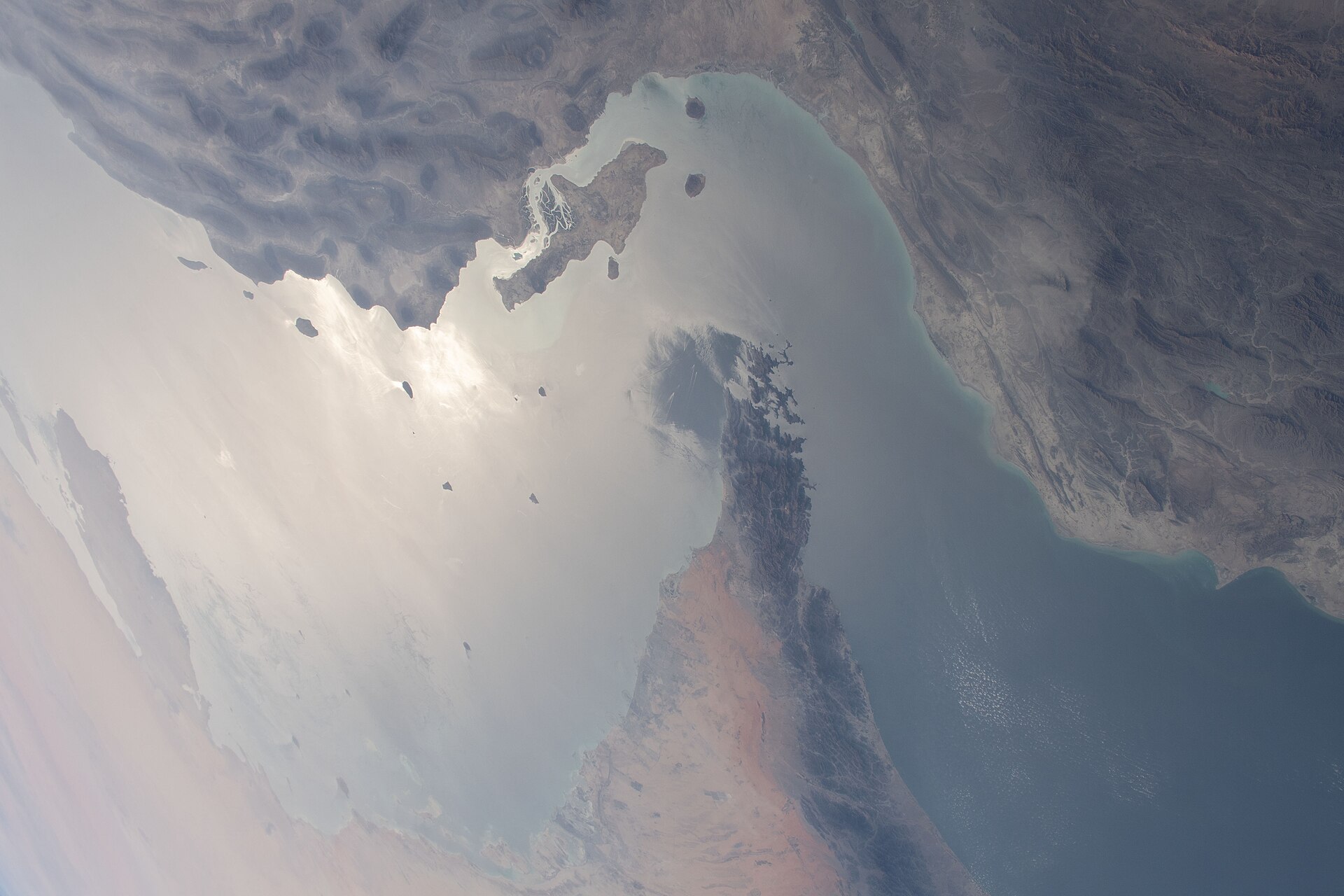
Erdogan and Emir Sheikh Tamim bin Hamad Al Thani signed the pact during the 12th session of the Turkey-Qatar Supreme Strategic Committee, alongside four other agreements covering education, consumer protection, and a memorandum on peace and conflict resolution signed by Turkish Foreign Minister Hakan Fidan and Qatari Foreign Minister Mohammed bin Abdulrahman Al Thani, according to Turkiye Today. The joint communiqué called for “the swift and full resumption of safe, secure and unimpeded passage through the Strait of Hormuz” — where shipping has fallen roughly 65 percent below pre-war levels according to UKMTO data cited by Gulf News — and stated that the US-Iran conflict “must be resolved through dialogue and diplomacy.”
The House of Saud Daily Briefing
Saudi Arabia's news in 3 minutes, every morning. Free. See today's issue
Saudi Arabia, the GCC Secretariat, the UAE, Bahrain, Iran and the Houthis have issued no public statements on the agreement as of November 14, according to searches of official channels and state media. Erdogan’s framing — that Turkey and Qatar would “continue working together to prevent the resurgence of war in the Gulf region, build a basis for dialogue, and achieve peace,” per statements from the Turkish presidency relayed by Al Jazeera — positions Ankara as a mediator rather than a combatant in a region where Gulf states have absorbed more than 7,000 Iranian missiles and drones since the US-Iran conflict began.
Table of Contents
What Does the Qatar-Turkey Pact Commit To?
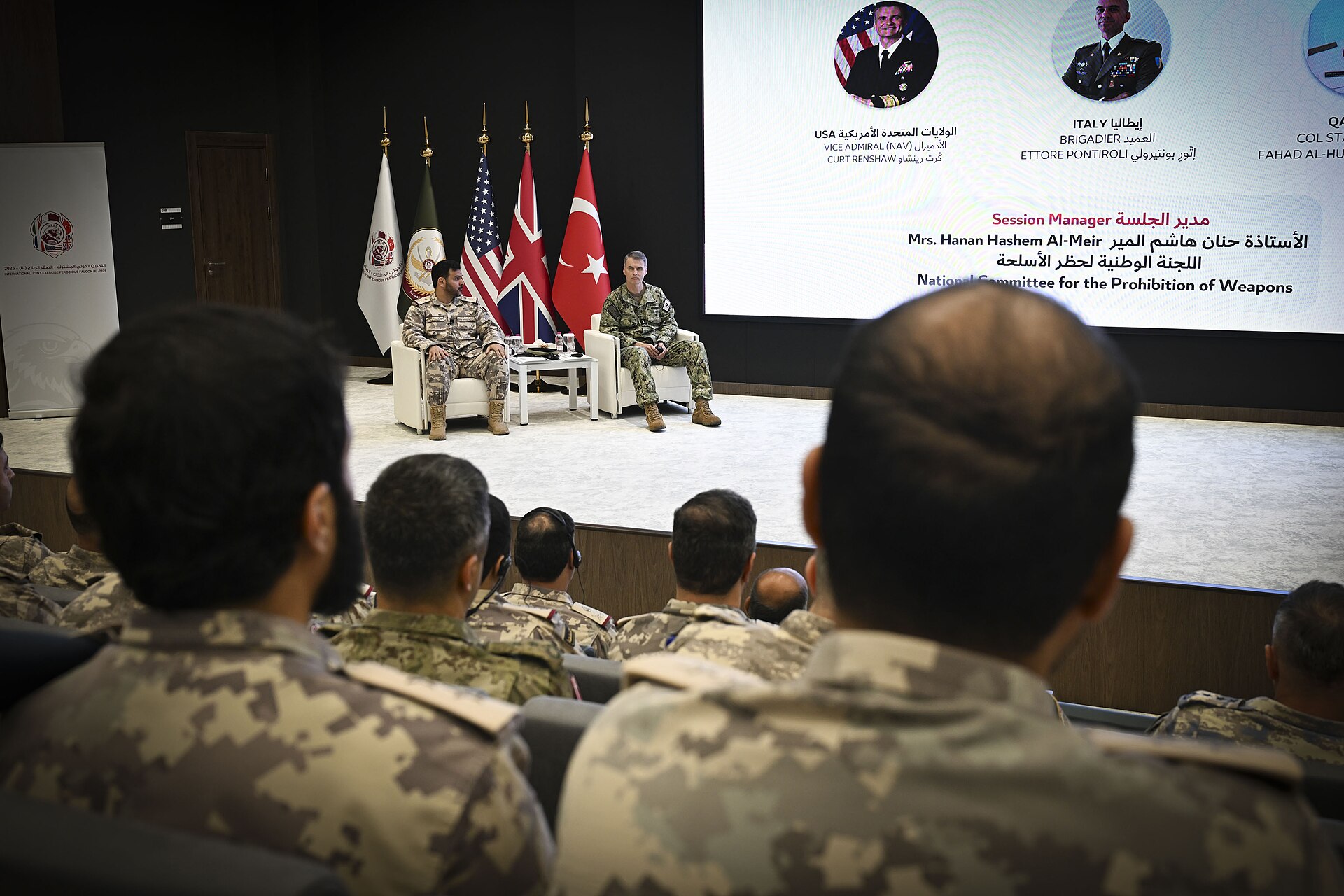
The core defence commitment, per the joint communiqué published by the Peninsula Qatar, is “a unified stance in confronting any external armed attack targeting either party or both of them” — language that frames the pact as a consultation and coordination framework rather than an automatic military trigger. Both sides committed to consult on security threats and defence policies, expand joint military exercises, pursue defence-industry cooperation, and exchange personnel for training, according to the communiqué and Turkiye Today.
The full operational text has not been publicly released. Gulf News reported that “details of how the mutual defence commitments would be implemented were not immediately clear,” and Turkiye Today confirmed that authorities had not yet disclosed the specific provisions, leaving open the possibility that a classified annex establishes binding operational obligations beyond what the communiqué contains. Erdogan described the deal as adding “a new dimension” to the partnership, while Sheikh Tamim praised it as a “strategic partnership” and discussed “ways to build on what has been achieved and identify priorities for joint action in the coming period,” according to Al Jazeera.
Analyst Abdulla Banndar Al-Etaibi told Al Jazeera the pact’s goal was to “raise the cost of any potential aggression,” framing it as deterrence rather than a binding warfighting commitment, and stressed that the agreement “is not against any particular country.” He added that “producing weapons locally and securing spare parts is now a strategic necessity, not just an economic choice.” Analyst Mahjoob Zweiri told the same outlet the agreement reflected “a high level of trust between Doha and Ankara” — a trust the two governments consider tested by the 2014 bilateral military framework and by Turkey’s response during the 2017 Gulf blockade.
How Does It Differ From the Makkah Agreement?
The distinction matters because the Makkah Pact signed by Turkey, Saudi Arabia and Pakistan on August 7 carries binding mutual defence language that the Qatar bilateral does not match in its public formulation. The Makkah treaty’s Article 2 treats “an externally originating armed attack” on any member as an attack on all three, with assistance activated “after an objective assessment” and “within available resources, including military means,” according to the full text published by Middle East Eye. France 24 drew the line explicitly: the Makkah Pact uses the “attack on one is an attack on all” clause, while the Qatar bilateral commits only to a “unified stance” — a phrase that could mean anything from a joint press conference to a military deployment, depending on how much pressure the moment demands.
The Makkah Pact also carries governance infrastructure the Qatar agreement lacks — a Strategic Political and Defence Committee meeting twice yearly, a permanent Secretariat headquartered in Saudi Arabia, a first Secretary General from Pakistan, and a ten-year bar on withdrawal, per the Middle East Eye text. The Qatar-Turkey agreement’s governance structure, duration and withdrawal terms remain unpublished, which means the institutional depth behind that “unified stance” pledge is unknowable from public sources. Turkey’s Defence Minister Yasar Guler has placed a practical ceiling on both commitments. Speaking to Star TV on October 23, he said “the primary objective of our potential military support for Saudi Arabia would be to strengthen deterrence” — the Qatar model — and was explicit that Turkey does “not envisage entering into any clashes with the Houthis,” according to Daily Sabah. The message is consistent across both partnerships: Turkey offers presence, training and deterrence, not frontline combat.
| Feature | Makkah Pact (Turkey-Saudi Arabia-Pakistan) | Qatar-Turkey Mutual Defence Agreement |
|---|---|---|
| Signed | August 7, 2026 | November 13, 2026, Istanbul |
| Core clause | “An externally originating armed attack against any party shall be considered an attack against all” | “A unified stance in confronting any external armed attack” |
| Qualifiers | “After an objective assessment”; “within available resources, including military means” | Not published |
| Governing body | Strategic Political and Defence Committee (FMs, DefMins, chiefs of staff), meets twice yearly | None disclosed |
| Withdrawal | 10-year bar, then 3 months’ notice | Not published |
| Full text public | Yes (16 articles, via Middle East Eye) | No |
Turkey’s Base in Qatar and the 2017 Precedent
Turkey has maintained a military presence in Qatar since December 2014, when Turkish Defence Minister Ismet Yilmaz and Qatari Defence Minister Major General Hamad bin Ali al-Attiyah signed a framework agreement covering troop deployment, joint training, reciprocal use of ports and airspace, and defence-industry cooperation — but containing no mutual defence clause, according to Hürriyet Daily News. The accord was published in Turkey’s Official Gazette on June 8, 2015. The November 2026 pact adds the one element that framework lacked: a written commitment to stand together against an external attack.
The 2017 Gulf blockade is the foundational precedent for why this pact carries weight beyond its ambiguous legal language. When Saudi Arabia, the UAE, Bahrain and Egypt blockaded Qatar on June 5, 2017, their 13-point demands included closing the Turkish base — a demand Erdogan called “unacceptable,” according to Daily Sabah. Turkey’s parliament voted to deploy troops to the base on June 7, 2017, Amwaj Media reported, and Erdogan refused the blockading states’ demand throughout the crisis. That intervention cemented Turkey as Qatar’s most reliable regional security partner and demonstrated Ankara’s willingness to oppose Saudi pressure on Doha at real political cost — a track record that gives the “unified stance” language more operational credibility than the communiqué alone would support.
The reversal since 2017 is where the story gains its sharpest edge for Riyadh. Saudi Arabia, which demanded the Turkish base’s closure and refused to allow Turkey to build military bases on its own soil during the blockade, now seeks what Amwaj Media described as a “Qatar-style” Turkish military presence through the Makkah Pact. Turkish FM Fidan appears to have managed the sequencing consciously: he met Qatar’s Deputy Prime Minister and Minister of State for Defence Affairs in Ankara on November 5, the same day Turkey’s parliament ratified the Makkah treaty, according to Turkiye Today. Fidan described the Makkah framework as sitting “at the intersection of our strategic foreign policy priorities” and said countries sharing a “regional solutions to regional problems” vision could join in the future.
Defence Industry, Trade and the Limits of Turkish Protection
The pact sits within a broader economic and industrial architecture that both governments are building at pace. Bilateral Turkey-Qatar trade reached $1.3 billion in 2025, with the communiqué setting a target of $5 billion “in the near future,” and Turkish contractors have completed 206 projects worth $20.8 billion in Qatar, according to the communiqué and Turkiye Today. The communiqué also flagged readiness for “concrete energy collaborations, particularly in LNG trade” — stated intent rather than a signed deal, but one that aligns Turkey, a net energy importer, with one of the world’s largest LNG producers at a moment when Iran’s conditions for reopening Hormuz have stalled Gulf energy exports.
The Badr Memorandum of Understanding, signed by Turkey, Qatar, Pakistan and Indonesia in Doha on October 21, adds a defence-industry cooperation layer covering joint production, research and development, and training, according to Al Jazeera. Analyst Arda Mevlutoglu told Al Jazeera that the emerging architecture suggested “we may be witnessing the emergence of an interconnected network of defence and security arrangements.” Saudi Arabia is not a party to the Badr MoU, meaning the defence-industrial pipeline runs through Doha rather than Riyadh — a distinction that may matter more than the mutual defence language over the next decade.
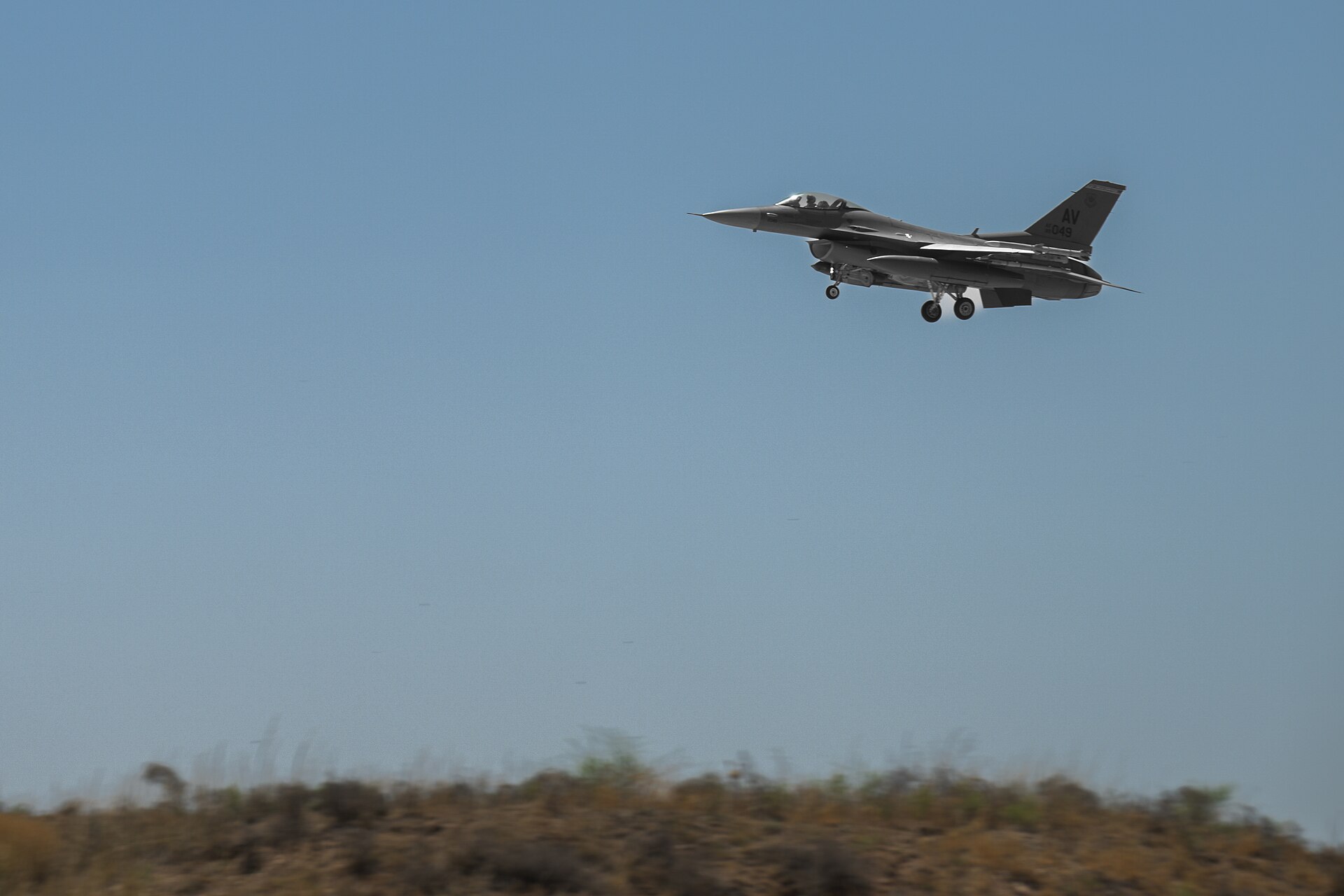
The military reality, however, imposes hard limits on what Turkey can deliver against the Gulf’s most acute threat. Qatar hosts Al Udeid Air Base — the largest US military installation in the Middle East, home to CENTCOM’s forward headquarters and approximately 8,000 personnel, according to Gulf News. Iran’s June 2025 attack on Al Udeid showed that “the presence of U.S. troops on Qatari soil did not, by itself, prevent an attack,” Defense One reported. Turkish F-16s stationed at Dukhan Air Base since July 2024 are not tied to Al Udeid, and Turkey lacks the anti-ballistic missile systems that the Iranian threat demands, Amwaj Media noted — a gap the new pact does not close.
Why Has Saudi Arabia Said Nothing?
No Saudi Press Agency or Saudi MFA statement on the Qatar-Turkey bilateral appeared as of November 14, according to Gulf News and searches of official channels — a silence shared by the GCC Secretariat, the UAE, Bahrain, Iran and the Houthis. The quiet tracks with Riyadh’s established posture of treating the new Gulf security arrangements as non-exclusive: Saudi FM Prince Faisal bin Farhan held separate calls with Qatar’s Sheikh Mohammed bin Abdulrahman Al Thani and Turkey’s Hakan Fidan on regional de-escalation on August 26, Asharq Al-Awsat reported, suggesting Riyadh was engaged on these questions well before the November 13 ceremony and has kept its public focus on threats to Hormuz and Bab al-Mandeb.
Iran’s handling of the Makkah Pact in August offers the clearest guide to how Tehran is reading the Qatar bilateral. Foreign Ministry spokesman Esmaeil Baqaei told his weekly press conference that “countries in the region cannot rely on the claim of security provided by the U.S. as in the past” and that there was “no reason to worry that this treaty will be against Iran,” Naharnet reported. The harder line came from parliament: Ebrahim Rezaei, a member of the National Security and Foreign Policy Commission, wrote on X on August 7 that “the Saudis should know that a paper agreement with Turkey and Pakistan will not bring them security,” according to OneIndia. The official reading was that the pact reflects Gulf states losing faith in Washington rather than ganging up on Tehran — and a Qatar-Turkey deal that names no enemy and calls for dialogue with Iran fits that reading even more comfortably. No Iranian statement on the November 13 bilateral has appeared, even as the IRGC warns of unlimited responses over the Strait of Hormuz.
Steven Cook of the Council on Foreign Relations read the broader pattern as a structural break, writing in a CFR essay that “the U.S.-led Middle East order is over.” Cook also noted that Saudi Arabia’s failure to request Turkish help after a Houthi strike on a Jazan refinery, days after the Makkah signing in August, reflected Riyadh’s doubts that Turkey and Pakistan would actually fight on the Arabian Peninsula — a gap between political architecture and military credibility that the Qatar bilateral, with its unpublished terms and absent governance structure, does not yet close.
In June 2017, Erdogan called the demand to close the Turkish base in Qatar “unacceptable” and reinforced it with deployed troops, according to Daily Sabah. Nine years and two mutual defence pacts later, he signed pledges to defend both sides of that blockade within 24 hours — Doha on November 13, with Saudi Arabia effectively covered from November 14 — while his defence minister publicly ruled out sending Turkish troops to fight anyone. The loudest response from anywhere in the Gulf, as of the second day, was silence.
Frequently Asked Questions
Does the pact require Turkey to defend Qatar against an Iranian missile attack?
The published communiqué commits both sides to a “unified stance” against external armed attacks and to consultation on security threats, but no specific obligations regarding missile defence, air cover or naval operations appear in the public documents. Analyst Yusuf Alabarda suggested to Al Jazeera that Turkish weapons and air defences could be deployed to Qatar under the new framework, though this is analyst speculation rather than an announced commitment, and Turkey currently lacks the anti-ballistic missile systems needed to counter Iran’s ballistic arsenal — the weapons Iran has used twice against Qatar-based targets.
Could Qatar join the Makkah Pact?
Turkish FM Hakan Fidan has said countries sharing a “regional solutions to regional problems” vision could join the Makkah framework, according to Turkiye Today. Qatar has not publicly indicated interest in joining. The Badr MoU signed in Doha on October 21 provides Qatar with a defence-industry cooperation pathway that complements the Makkah structure without requiring Doha to join the mutual defence treaty itself — meaning Fidan may be packaging complementary instruments rather than offering formal Makkah membership.
Has the United States responded to the Turkey-Qatar pact?
No State Department, CENTCOM or White House statement on the Qatar-Turkey mutual defence agreement had been identified as of November 14. Given that Al Udeid Air Base — housing CENTCOM’s forward headquarters and approximately 8,000 US personnel — sits on Qatari soil, the absence of a known American reaction is a reporting gap rather than confirmed indifference. Qatar’s approach to security has consistently involved layering multiple guarantors rather than replacing any one of them, a strategy the bilateral with Turkey extends rather than revises.
Does Turkey’s parliament need to ratify the Qatar bilateral separately?
This has not been confirmed. The Makkah Pact required a parliamentary vote — clearing 279 to 119 on November 5 — and Turkey’s constitution generally requires legislative approval for treaties that impose binding obligations. The Qatar-Turkey bilateral has not yet been submitted to the Grand National Assembly, and its full text has not been published. Whether it will follow the Makkah Pact’s ratification path, or whether Erdogan’s office regards it as an executive agreement, has not been announced.
The House of Saud Daily Briefing
Saudi Arabia's news in 3 minutes, every morning. Free. See today's issue