
Table of Contents
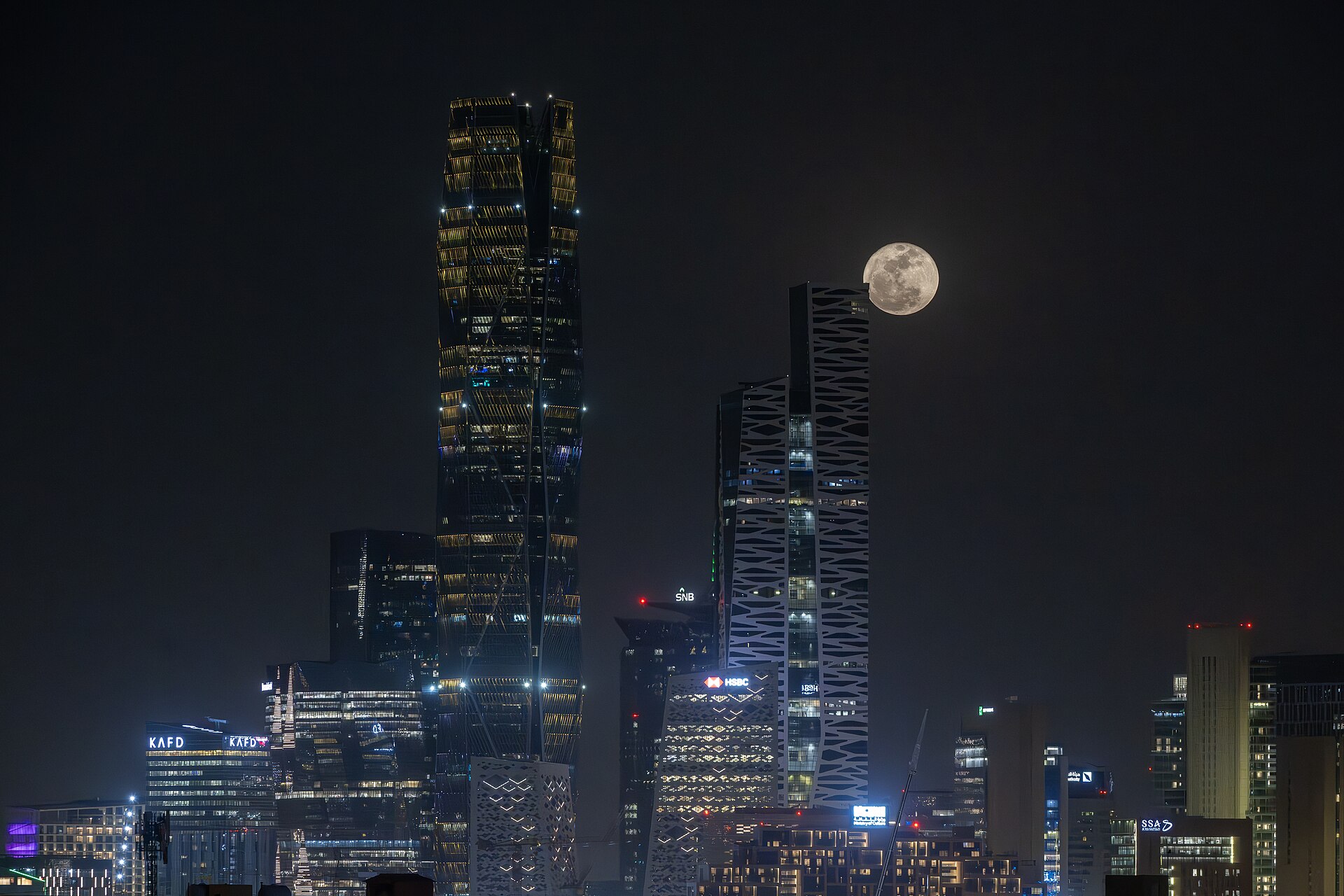
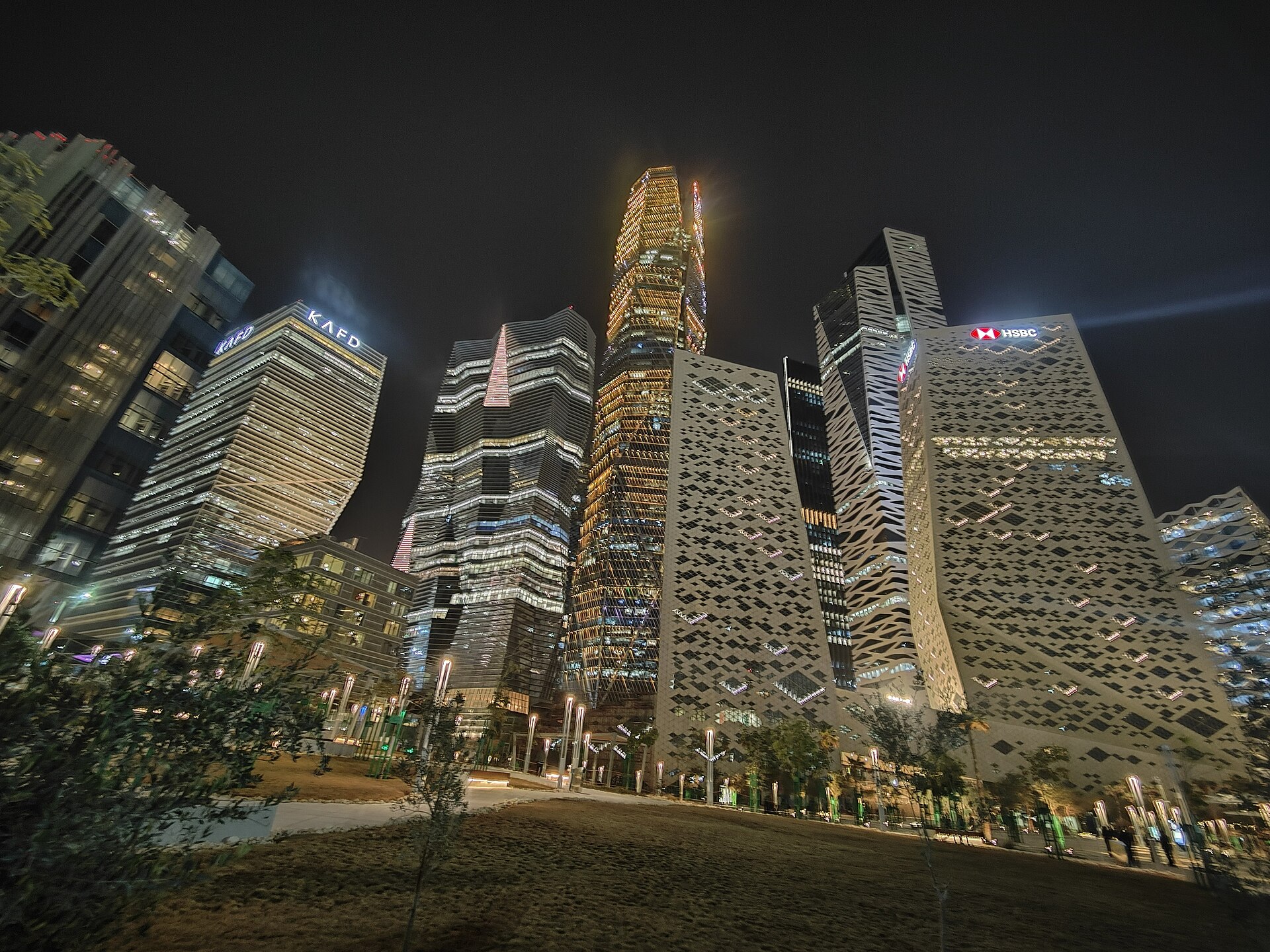
RIYADH — A suspected Houthi missile caused damage to the Public Investment Fund Tower in Riyadh’s King Abdullah Financial District on November 19, 2026, according to Reuters, which cited three sources familiar with the matter. The 385-metre tower — the tallest building in Riyadh — sustained facade and window damage across seven to eight floors, Reuters reported via Iran International English and Gulf Business. No immediate casualties were reported. KAFD entrances were closed and occupants evacuated.
The strike marks the second time in 11 days that a high-rise in KAFD has been damaged in a Houthi attack. On November 8, the Aramco Tower in the same financial district had its windows blown out across several floors, with the Energy Ministry describing “limited damage” and no casualties. The repeated targeting of Riyadh’s flagship financial district raises direct questions about Saudi Arabia’s push to position itself as a global financial centre — a campaign already set back by the postponement of the Future Investment Initiative conference to 2027.
The House of Saud Daily Briefing
Saudi Arabia's news in 3 minutes, every morning. Free. See today's issue
What Happened to the PIF Tower on November 19?
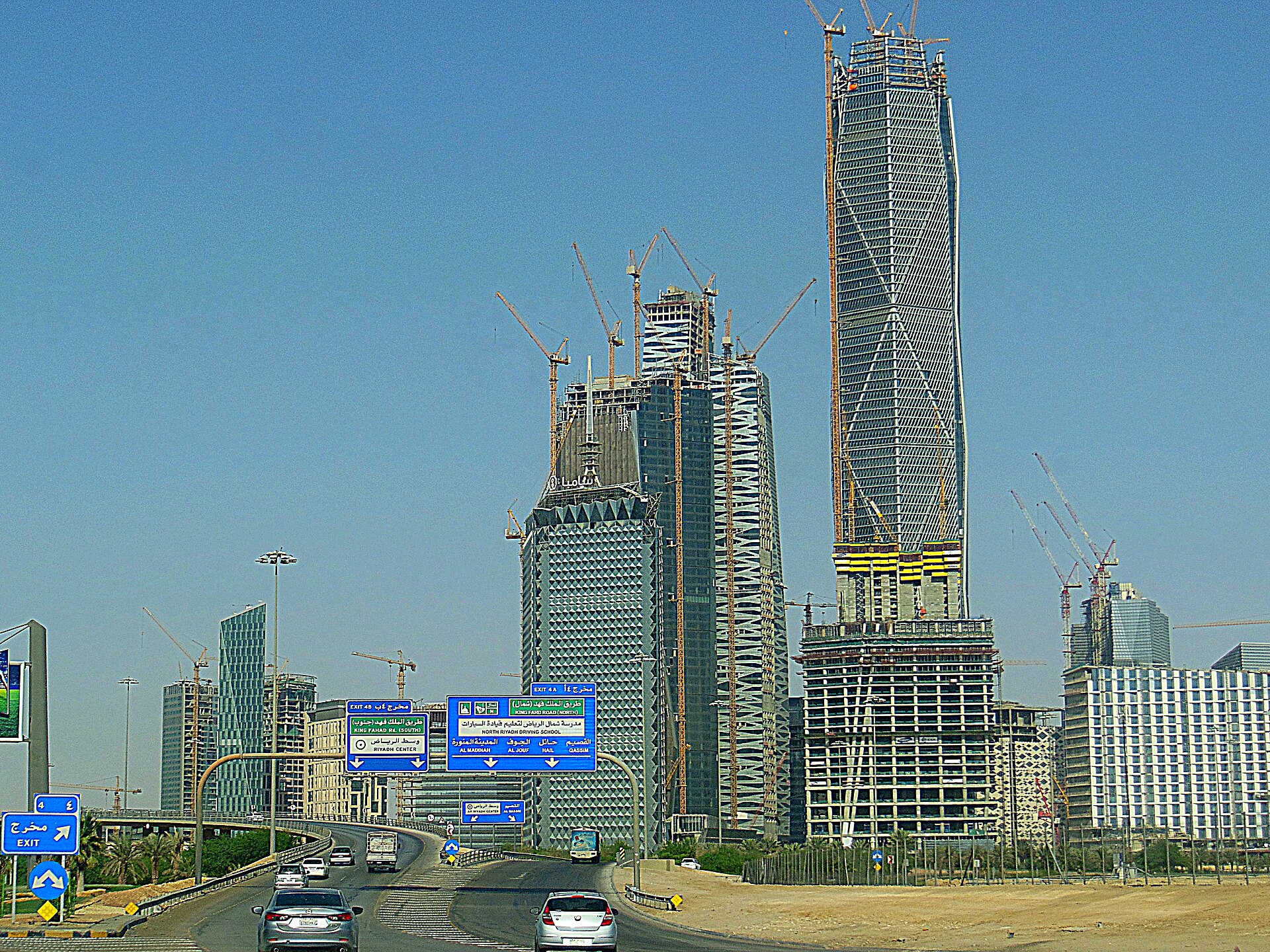
The PIF Tower, completed in 2021 and designed by Omrania and HOK, sustained facade and window damage across seven to eight floors on November 19, Reuters reported, citing three people familiar with the incident. The tower, formerly known as the CMA Tower, serves as the headquarters of Saudi Arabia’s sovereign wealth fund and stands at the centre of KAFD’s financial plaza. Floor counts vary by source: Skyscraper Center gives 72 above-ground floors; Wikipedia and HOK’s own project page cite 80 stories.
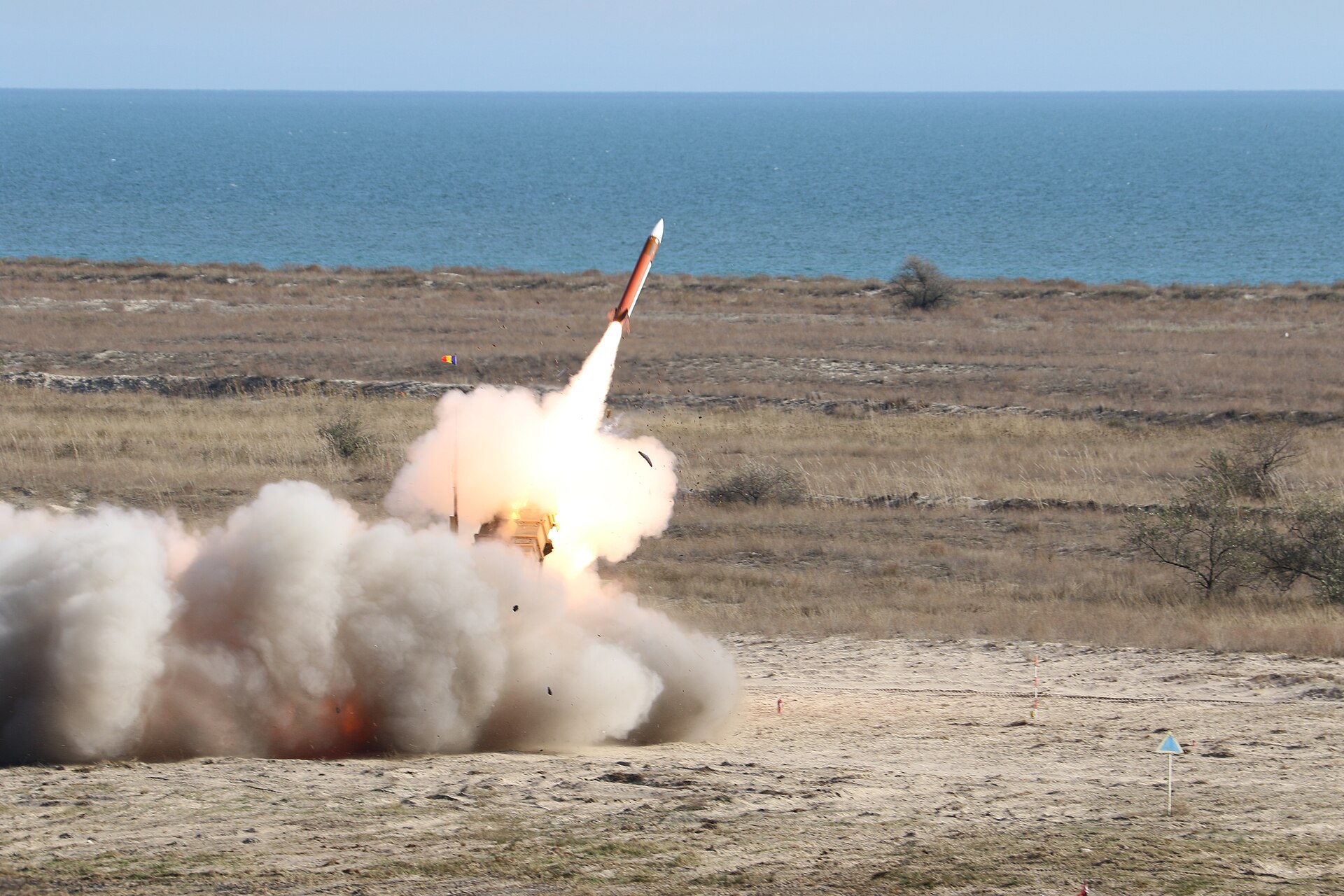
The Saudi-led coalition said it “dealt with a missile threat launched toward Riyadh” and that an initial assessment indicated debris had fallen and caused material damage, the extent of which was still being determined, according to a statement reported by the Union Bulletin and Voice of Emirates. Whether the damage to the PIF Tower resulted from a direct missile hit or from debris after an interception attempt remains unresolved. The Financial Times reported the same day that the cause of the damage had not been determined.
KAFD entrances were closed and occupants of the complex were evacuated, Reuters reported via Iran International English. No immediate casualties were reported across multiple outlets. The Public Investment Fund said it would respond to Reuters’ request for comment but had not issued a public statement as of initial reporting.
How Did the Coalition Respond?
The coalition’s characterisation was consistent with past statements that have framed strikes on Saudi targets as interceptions rather than direct hits — though the Financial Times noted the cause of the PIF Tower damage had not been conclusively established.
Separately on November 19, the coalition intercepted four ballistic missiles fired toward southern Saudi Arabia and destroyed a missile launch platform in Yemen’s Saada province, according to Arab Times Online. The destruction of a launch platform in Saada suggests the coalition is targeting the Houthi missile supply chain in parallel with defending Saudi airspace, though the tempo of attacks on Riyadh has not slowed.
The broader volley on November 19 came one day after the coalition said it destroyed a Houthi cruise missile over Riyadh on November 18, and two days after it reported three drones over Makkah and Riyadh on November 17. Riyadh has now been targeted on at least three consecutive days.
Saudi Arabia has committed to a six-month military campaign against the Houthis extending into 2027, according to officials cited by a November 19 report. The PIF Tower incident adds urgency to the question of whether Saudi air defences can shield the kingdom’s commercial and financial centres from an adversary that has shown the ability to reach central Riyadh repeatedly.
What Did the Houthis Claim?
Houthi military spokesman Yahya Saree claimed that the group targeted Riyadh’s international airport and financial district with cruise missiles on November 19, according to TASS and The Siasat Daily. Saree said the strikes achieved “accurate and direct hits” and described them as retaliation for Saudi targeting of Yemeni civilian infrastructure.
Saree did not specifically name the PIF Tower in transcribed reports. The identification of the building as the structure that sustained damage came from Reuters’ Saudi sources, not from the Houthi side. This distinction matters: Houthi claims routinely describe broad target areas — “the financial district,” “the airport” — rather than individual buildings, and the gap between what the group says it aimed at and what was actually hit is often unresolvable from open sources.
The Houthi military media’s framing of the strikes as retaliation fits a pattern seen throughout the Iran-Saudi conflict since February 2026. The group has claimed attacks on KKIA, Aramco facilities and other civilian infrastructure as responses to coalition strikes on Yemeni territory, including operations in Sanaa and Saada provinces. The retaliatory framing serves a domestic and regional messaging function for the Houthis, positioning their long-range missile capability as a deterrent rather than an act of aggression.
Second KAFD High-Rise Hit in 11 Days
The PIF Tower and the Aramco Tower are two separate buildings within KAFD. On November 8, windows were blown out across several floors of the Aramco Tower after a Houthi missile attack. The Saudi Energy Ministry described the incident as an “attempted attack on an administrative building” with “limited damage” and no deaths or injuries, according to The New Arab and Middle East Eye.
The two strikes have damaged the two most prominent corporate towers in Riyadh’s most ambitious urban development. KAFD was designed as the centrepiece of Saudi Arabia’s drive to attract international banks, asset managers and financial technology firms. Its tenants include Aramco, PIF and the Capital Market Authority. The repeated strikes on the district send a signal that is difficult for international firms weighing a Riyadh presence to ignore.
The escalation in targeting follows a pattern that has moved from military and energy infrastructure toward economic and commercial centres. Earlier in the conflict, Houthi strikes focused on airports, Aramco processing facilities and military bases in the south. The shift to KAFD — a district with no military function — represents a widening of the target set that parallels the Houthi strategy of imposing economic costs to pressure Riyadh.
The broader economic costs of the conflict are already substantial. Saudi Arabia has revised its 2026 budget deficit upward to 245 billion riyals, with a forecast real GDP contraction of 3.6 percent, according to Reuters via Zawya. The repeated disruption to KAFD adds reputational damage to the fiscal toll.
Why the PIF Tower Matters to Vision 2030
The Public Investment Fund manages approximately $900 billion in assets as of end-2025, according to The National and AGBI, with a target of $2 trillion by 2030. Some 76 percent of PIF’s investments are domestic, according to AGBI, making it the single largest vehicle for Vision 2030’s economic diversification programme. PIF is the entity behind NEOM, the Red Sea tourism project, the entertainment authority Qiddiya, and dozens of other domestic mega-projects.
Crown Prince Mohammed bin Salman oversees PIF directly. A strike on its headquarters is a strike on the physical centre of Saudi Arabia’s post-oil economic strategy. The tower’s height — 385 metres, the tallest in Riyadh according to Skyscraper Center — makes it both a landmark and an unavoidable point of reference for anyone assessing Riyadh’s exposure to the conflict. PIF’s domestic investment focus means the fund’s performance is inseparable from the Saudi economy’s trajectory.
The Future Investment Initiative, the annual conference hosted by PIF that draws thousands of international investors and executives, was postponed from its October 26-29 dates to 2027, according to Gulf News and Al Jazeera. The postponement came amid escalating attacks on Riyadh. The FII is the most visible annual event in Saudi Arabia’s campaign to attract foreign capital, and its cancellation was itself a measure of the conflict’s economic toll.
What Does the Strike Mean for Saudi Arabia’s Financial Hub Ambitions?
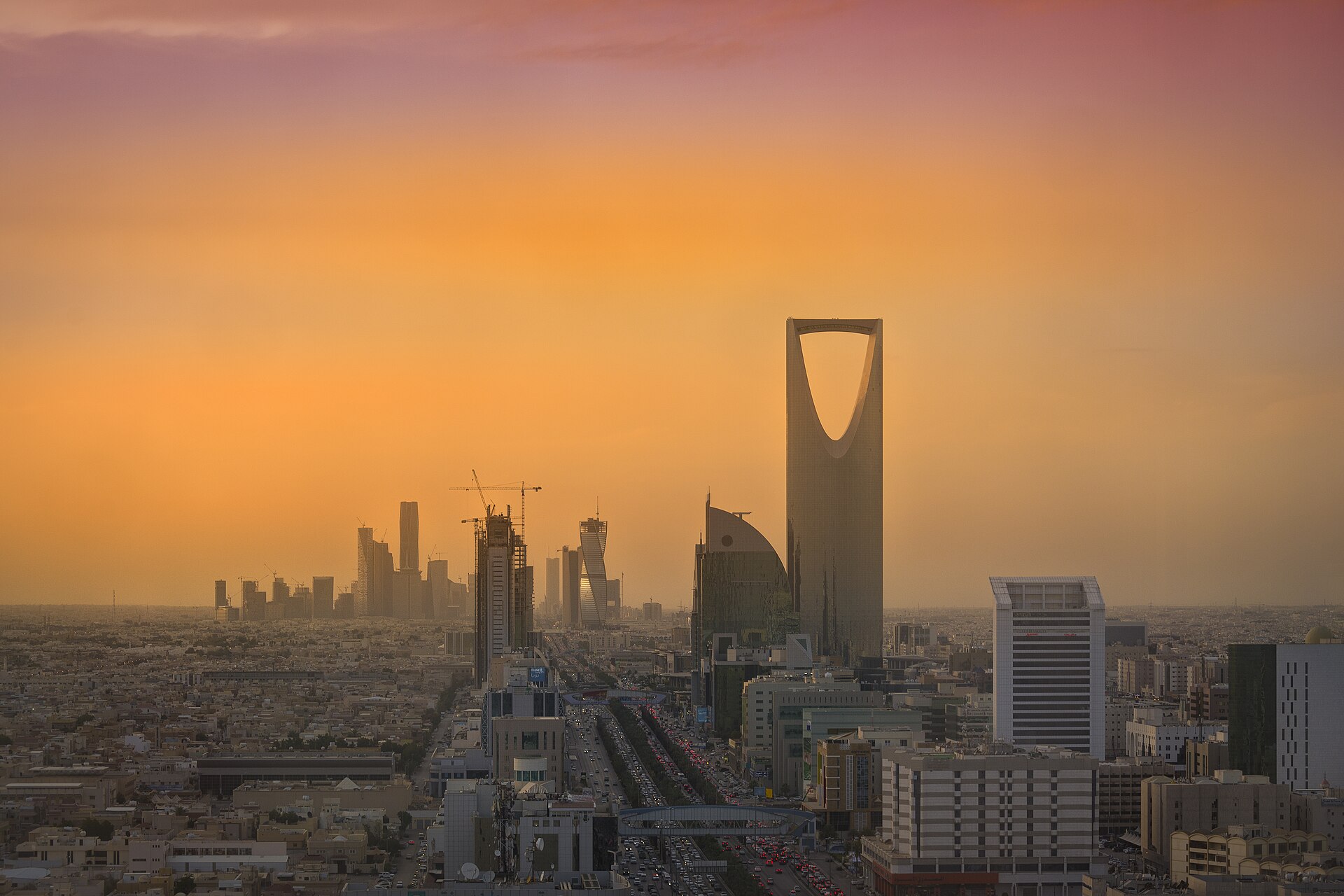
The Financial Times reported on November 19 that the series of strikes on Riyadh had damaged Saudi Arabia’s push to become a financial hub. The assessment is straightforward: international banks and asset managers weigh physical security when choosing where to locate regional headquarters, and two missile-damaged skyscrapers in the designated financial district within 11 days is not a data point that reassures.
Saudi Arabia had been pressing international firms to establish their Middle East headquarters in Riyadh. Some firms complied. The question now is whether staff already relocated to Riyadh will stay, and whether firms that had not yet moved will reconsider. The extension of European airspace warnings over the Gulf to January 2027 and the disruption of commercial aviation into Saudi Arabia compound the problem.
The postponement of FII to 2027 removed the most prominent annual event in Saudi Arabia’s investor outreach calendar. The conference draws thousands of international investors and executives, including sovereign wealth funds and large financial institutions that PIF invests alongside. Its absence for an entire year, combined with physical damage to PIF’s own headquarters, creates a compounding visibility problem for the kingdom’s financial-centre ambitions.
The coalition’s posture — framing the PIF Tower damage as the result of intercepted debris rather than a direct hit — is itself a signal of the tension between the military’s need to demonstrate effective air defence and the economic reality that debris from an interception and a direct hit produce similar outcomes for the district’s commercial tenants.
| Date | Building | Damage Reported | Casualties | Source |
|---|---|---|---|---|
| Nov 8 | Aramco Tower | Windows blown out, several floors | None reported | New Arab / MEE |
| Nov 19 | PIF Tower | Facade and windows, 7-8 floors | None reported | Reuters via Iran Intl / Gulf Business |
Frequently Asked Questions
Was the PIF Tower struck directly by a missile or by interception debris?
This has not been determined. The Saudi-led coalition said the damage resulted from debris after it dealt with a missile threat. Reuters’ sources described damage consistent with a strike on the building. The Financial Times reported on November 19 that whether the damage came from a direct hit or debris was unresolved. Both accounts should be read together.
How tall is the PIF Tower and where is it located?
The PIF Tower stands 385 metres tall with 72 floors, making it the tallest building in Riyadh, according to Skyscraper Center. It is located in King Abdullah Financial District (KAFD), a purpose-built financial zone in northern Riyadh. The tower was completed in 2021 and was formerly known as the CMA Tower. Travellers arriving by air typically land at King Khalid International Airport, about 20 kilometres northeast of KAFD.
Where does PIF rank globally among sovereign wealth funds?
PIF ranked as the world’s fifth-largest sovereign wealth fund in 2024, according to AGBI. The fund manages approximately $900 billion in assets against a $2 trillion target by 2030. Its focus on domestic Saudi projects — 76 percent of the portfolio — means damage to its headquarters carries direct implications for Saudi Arabia’s economy, not just its financial markets.
Is KAFD still operational after the two strikes?
KAFD entrances were closed and occupants evacuated on November 19 as a precaution, according to Reuters via Iran International English. The district was not permanently shut. After the November 8 Aramco Tower strike, the Energy Ministry described “limited damage” and operations continued. KAFD houses multiple government and corporate tenants beyond the two buildings that sustained damage. For those planning travel to Saudi Arabia, official advisories from home governments should be monitored.
What is the Public Investment Fund’s current size?
PIF managed approximately $900 billion in assets as of end-2025, according to The National and AGBI. Its stated target is $2 trillion by 2030. PIF ranked as the world’s fifth-largest sovereign wealth fund in 2024, according to AGBI. Some 76 percent of its investments are in domestic Saudi projects, making it the central financial engine of the Vision 2030 diversification programme.
The House of Saud Daily Briefing
Saudi Arabia's news in 3 minutes, every morning. Free. See today's issue