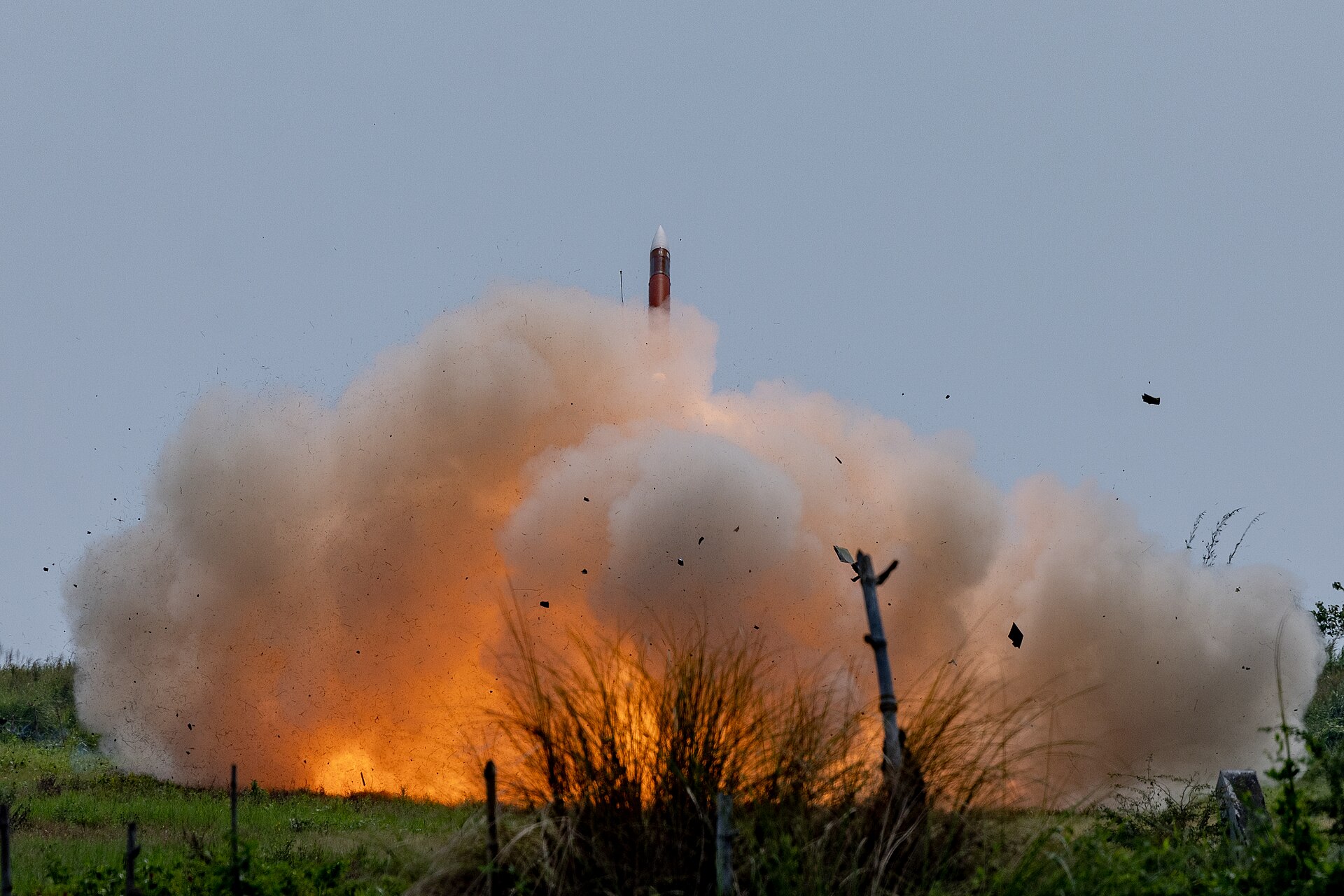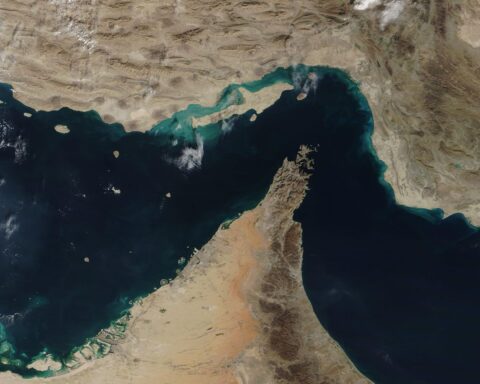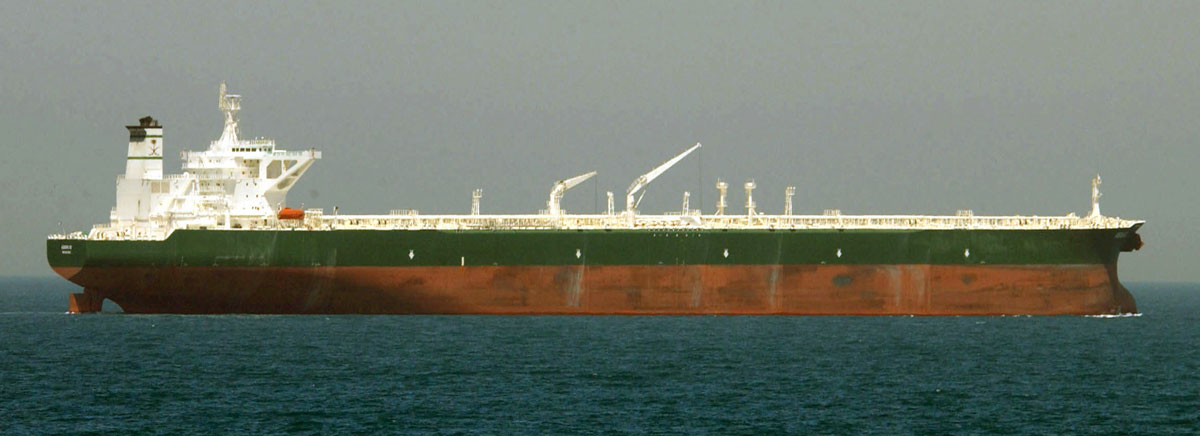

DHAHRAN — Oil flows through the Strait of Hormuz fell to approximately 10 million barrels a day by November 10, down from 13.4 million barrels a day at the start of the month, according to Kpler tracking data cited by Bloomberg on November 19. The decline followed what the United Kingdom Maritime Trade Operations centre described as approximately one Iranian attack per day in the strait through the first 19 days of November, Bloomberg reported.
The fall compounds a year-long erosion of Gulf crude exports. Arabian Gulf crude shipments dropped 27.6 percent year-on-year to 531.3 million tonnes in January through October 2026, according to Banchero Costa data compiled with LSEG and reported by Hellenic Shipping News on November 21. The Gulf’s share of global seaborne crude fell from 39.8 percent to 30.6 percent over the same period, Banchero Costa said, as loadings shifted “to terminals that can be reached without transiting the Strait of Hormuz.”
The House of Saud Daily Briefing
Saudi Arabia's news in 3 minutes, every morning. Free. See today's issue
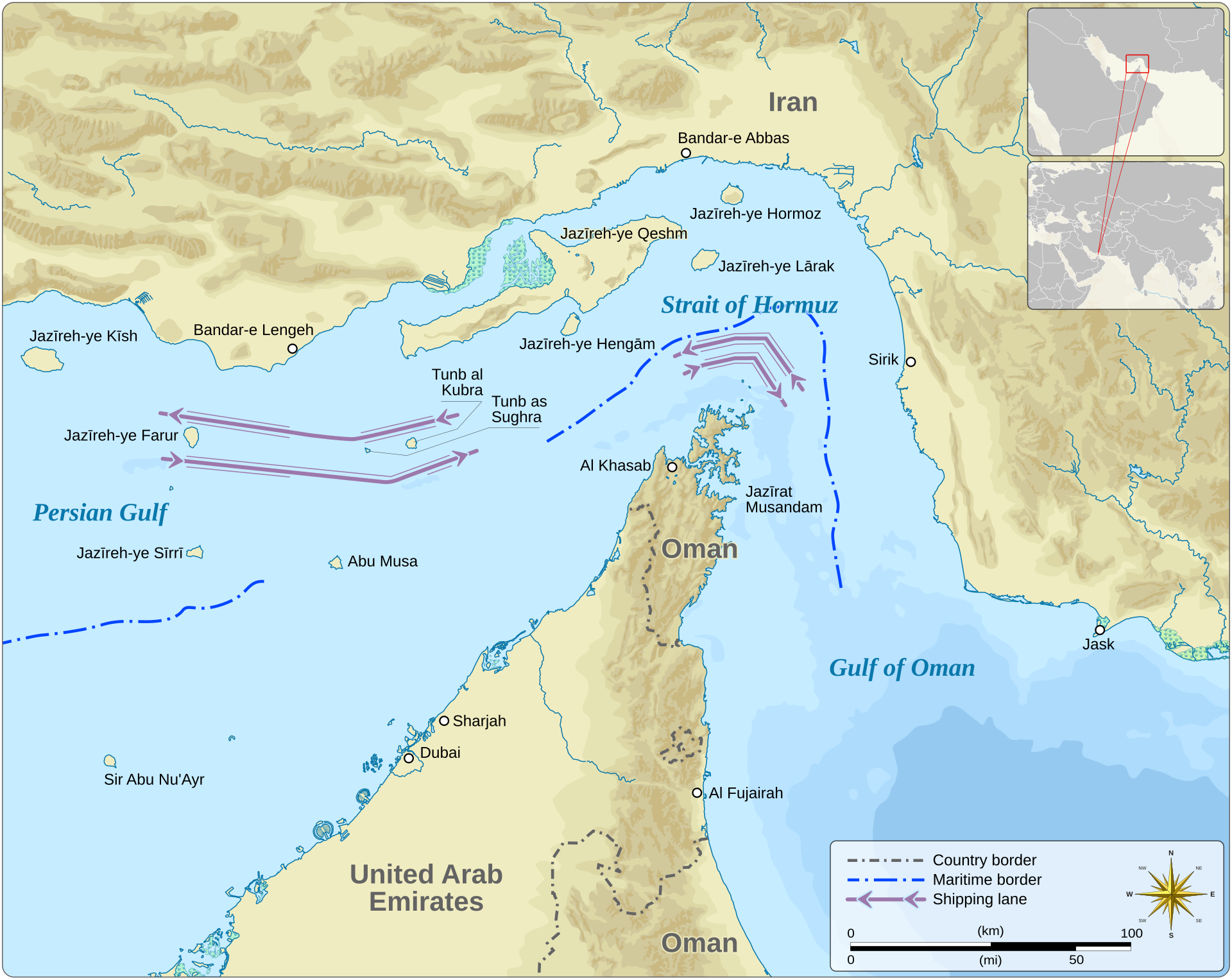
Table of Contents
- How Far Have Hormuz Oil Flows Fallen in November?
- Attacks Reach Highest Weekly Total Since Mid-October
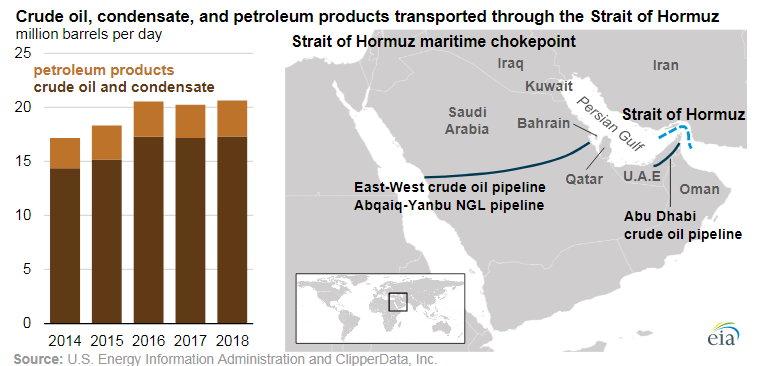
- Saudi Arabia Reroutes Crude Through Yanbu and East-West Pipeline
- Why Are Refined Products Lagging Crude’s Recovery Through Hormuz?
- Does Iran’s Vessel Blacklist Target Routes Rather Than Volumes?
- Background
- Frequently Asked Questions
How Far Have Hormuz Oil Flows Fallen in November?
UKMTO’s weekly overview published on November 20 recorded 115 outbound and 148 inbound transits through Hormuz in the seven days to November 18, down from 139 outbound and 169 inbound the previous week, according to gCaptain. UKMTO described combined traffic as “approximately 65 percent below pre-conflict levels.”
Kpler’s broader tracking series tells a similar story. In early October, Hormuz oil tanker crossings averaged 13 a day against approximately 50 before the war, Kpler reported on November 3. Middle East Gulf crude clearance excluding Iranian-origin cargoes — blocked by the United States naval blockade — fell from approximately 420 million barrels per month before the conflict to 6 million barrels in March 2026, then recovered to 307 million barrels in October, or approximately 9.9 million barrels a day, according to Kpler.
The November reversal is visible in very large crude carrier loadings. Middle East Gulf VLCC loadings fell to 7.4 million barrels a day in the first half of November from 9.3 million barrels a day across October, Kpler reported on November 13. Saudi Arabia accounted for the bulk of the decline, Kpler said.
Kpler estimated on October 7 that cumulative Middle East crude and condensate outages had passed 2 billion barrels since the war began, with 5 million barrels a day remaining offline against February 2026 levels. OilPrice described November as “the worst month for attacks on tankers in the area since the war began.”
Attacks Reach Highest Weekly Total Since Mid-October
The volume decline tracked a sharp increase in maritime attacks. Bloomberg reported on November 19, citing UKMTO data, that Iran had carried out approximately 14 attacks in Hormuz through November 19, averaging about one a day.
Maritime intelligence firm Windward recorded five tankers struck near Hormuz between November 11 and 18. Windward said the pattern “highlights Iran’s continued strategy of maritime attrition, and it is unlikely to ease unless diplomatic conditions change,” according to OilPrice on November 19.
Martin Kelly of Orbital Risk Intelligence told gCaptain on November 20 that shipping experienced 15 attacks and piracy-related incidents in the seven days to November 20, a 50 percent increase from the previous week and the highest weekly total since mid-October. Seven of those strikes involved six vessels in the Persian Gulf, the Strait of Hormuz and the Gulf of Oman, Kelly said.
Kelly also noted that four tankers were hit within 13 nautical miles of Khasab over three days, according to gCaptain on November 20.
Since the United States–Iran ceasefire expired on August 17, UKMTO has recorded six total vessel losses, 22 vessels that required assistance and 31 that were confirmed to have continued their voyages, gCaptain reported on November 20.
The attacks have thinned the pool of available tankers. The combined capacity of ballasting supertankers and Suezmaxes en route to the Gulf of Oman fell to 71 million barrels as of November 16, down 40 percent from the end of August, according to Tankertrackers.com data cited by Bloomberg on November 17.
“There are not enough vacant tankers to take oil out of the region.”
— Samir Madani, co-founder, Tankertrackers.com, via Bloomberg, November 17, 2026
Signal Group Senior Market Analyst Maria Bertzeletou wrote in Signal Group’s Tanker Market Monitor for the week of November 17 that “security risks continue to weigh on tanker operations in the Gulf,” adding that “repeated attacks continue to restrict the pool of owners willing to accept Gulf employment, while elevated war-risk insurance costs and operational delays add to voyage expenses and limit effective vessel availability.”
Saudi Arabia Reroutes Crude Through Yanbu and East-West Pipeline
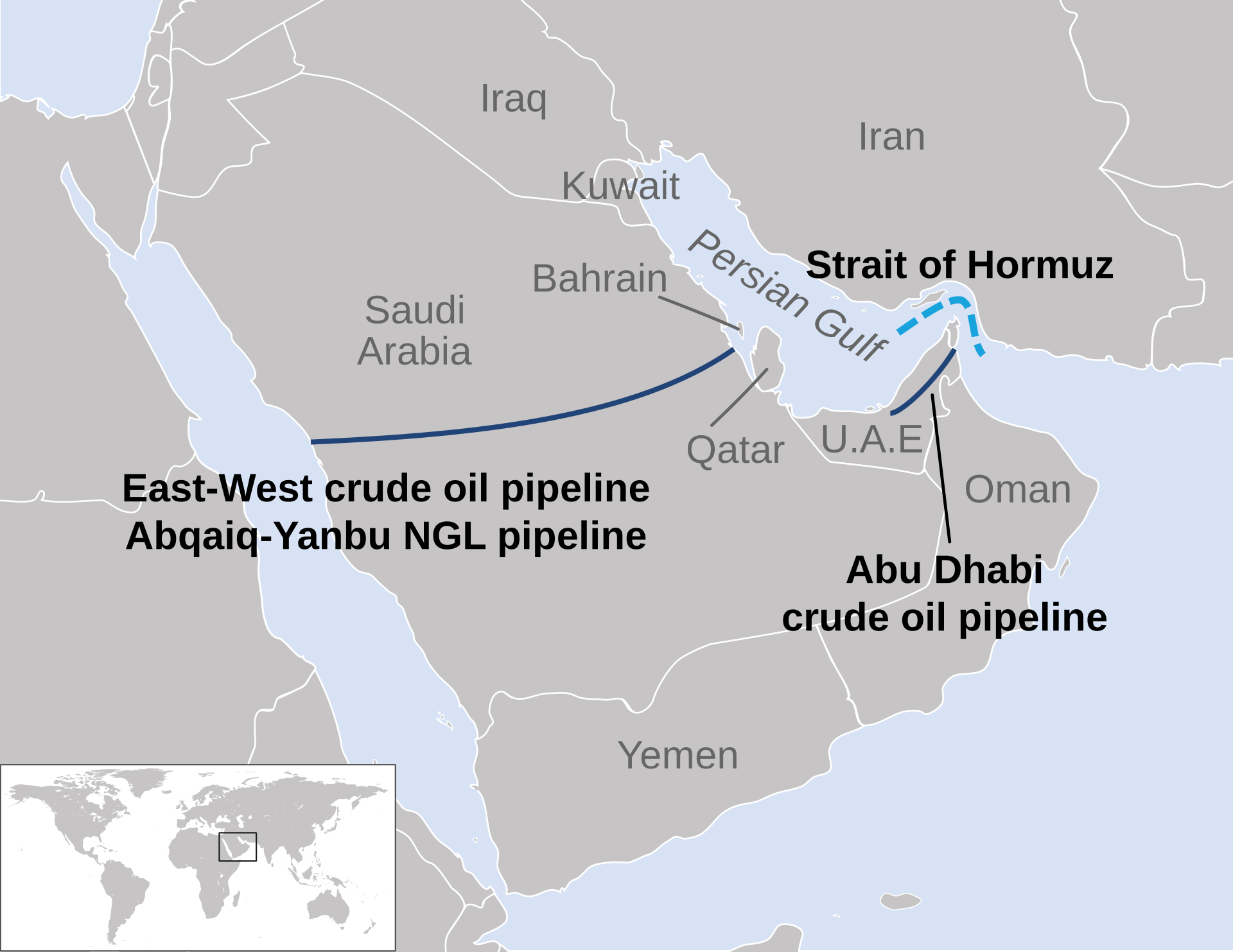
Saudi Arabia has responded by rerouting crude away from Hormuz. Aramco’s East-West pipeline is running at 5.8 million barrels a day, Saudi Energy Minister Prince Abdulaziz bin Salman said on October 6, with Yanbu-to-Sumed flows to Europe at approximately 1.3 million barrels a day in November, according to Kpler data published November 13. Saudi Arabia told European refiners it would meet their full crude requirements next month, Kpler reported on November 13.
The shift is reflected in terminal data compiled by Banchero Costa with LSEG and published by Hellenic Shipping News on November 21.
| Terminal | Share of Gulf Crude Loadings (Jan–Oct 2026) |
|---|---|
| Fujairah | 25.9% |
| Yanbu | 19.6% |
| Ras Tanura | 11.1% |
| Basrah | 9.9% |
| Sohar | 9.4% |
About nine-tenths of Saudi crude lifted by higher-risk tankers after the war began loaded at Yanbu or in Egypt, according to Kpler. Saudi Arabia’s share of higher-risk Gulf loadings fell to 1.4 million barrels per month from 5.3 million barrels before the war, Kpler said on November 3.
The rerouting has not shielded Saudi Arabia from price pressure. Saudi Aramco cut its December Arab Light official selling price for Asia by $2 a barrel to a discount of $6.50 a barrel to the Oman-Dubai average, the steepest discount to the Middle East benchmark since May 2020, according to Zawya, citing Reuters, on November 10. Kpler confirmed the pricing on November 12.
Crude transport costs have risen from approximately $5 a barrel before the war to as much as $30 a barrel at peak, according to OilPrice on November 10. HSBC raised its fourth-quarter Saudi crude production forecast to 8.3 million barrels a day from 6.3 million barrels a day and its 2027 forecast to 9.8 million barrels a day, according to Zawya, citing Reuters.
Signal Ocean analyst Georgios Sakellariou told Bloomberg that the situation had become routine. “It seems like the new normal: something like a war, but not exactly a war, with attacks on ships virtually every day,” Sakellariou said. “Oil is going out, but being certain about the volumes is complicated by the attacks and the secrecy.”
Saudi Arabia’s 2026 budget deficit was revised upward to 245 billion riyals, with real GDP forecast to fall 3.6 percent on a 21.8 percent drop in oil activities, according to Reuters via Zawya on September 30.
Why Are Refined Products Lagging Crude’s Recovery Through Hormuz?
While crude flows have partially recovered through bypass routes, refined product shipments through Hormuz remain well below pre-war normal levels, with industry estimates citing figures of roughly 35 to 40 percent, according to analysts tracking Gulf flows in November 2026.
Ole Hansen, Head of Commodity Strategy at Saxo Bank, wrote in a November 5 note that Middle East crude exports had returned closer to pre-war levels via all routes combined, while refined product flows through Hormuz remained severely constrained. His assessment included bypass-route volumes such as the East-West pipeline. Hormuz-only crude flows remain far below pre-war volumes, as the Kpler and UKMTO data above show.
Hansen added that “without sustained positive signals from both Washington and Tehran, the recent decline could prove vulnerable to a reversal,” according to a Saxo Bank note published on November 5.
The divergence between crude and liquefied natural gas adds a further dimension. Qatar restarted Hormuz LNG cargoes “on a dark basis” in early September, Kpler reported on October 1, and 31 laden LNG tankers exited Hormuz in October, the highest monthly total since the war began, according to S&P Global data reported by Reuters on November 10. LNG volumes remain below pre-war levels, Kpler reported, sitting between crude, which has recovered most through bypass infrastructure, and refined products, which remain the most constrained.
The pattern carries a specific cost for Saudi Arabia. The kingdom has no LNG export income to offset the squeeze on crude volumes and prices — a gap that Qatar, with its recovering LNG trade, does not share. Meanwhile, the destination data reflects the depth of disruption: Arabian Gulf crude loadings to China fell 39.4 percent year-on-year in January through October 2026, while loadings to Japan fell 52.4 percent, according to Banchero Costa data compiled with LSEG.
Does Iran’s Vessel Blacklist Target Routes Rather Than Volumes?
Iran has designated 240 vessels on its Non-Compliance List as of November 2, including 130 of 231 Gulf shuttle tankers — 56 percent of the fleet, according to Vortexa. Iran added 114 vessels in its November 2 update alone.
“Iran has designated more than half the tankers involved in Gulf shuttle operations.”
— Claire Jungman, Director of Maritime Risk and Intelligence, Vortexa, November 17, 2026
The designations have measurably altered transit patterns. For tankers in the September–October tranche, weekly Hormuz transits fell from 21.7 to 15.6 — a 28 percent decline — while the wider oil-tanker fleet’s transits rose 31 percent over the same period, Vortexa reported on November 17. Vortexa concluded that “Iran’s restrictions are having a greater impact on how oil moves than on how much oil moves.”
Gulf shuttle relay oil volume excluding Iran rose from 5.7 million barrels a day in August to 8.5 million barrels a day in October, according to Vortexa. Iran reportedly exempted vessels flagged to Iraq, Qatar, China and India from Hormuz transit restrictions, Kpler reported on November 13, suggesting Tehran is managing who transits the strait rather than blocking it entirely.
Even as Washington maintains that it has total control of Hormuz, Energy Intelligence reported on November 20 that Iran is signaling it may challenge the United States naval blockade in order to resume oil exports. The 14-tanker convoy Iran staged at Kharg Island in mid-November tested the blockade’s limits, while the latest mine strikes on supertankers in Hormuz demonstrated Iran’s capacity to impose costs even as volumes partially recover.
Madani of Tankertrackers.com offered a supply-side framing. “It’s one thing to bring the oil out into the Gulf of Oman via the Strait of Hormuz, but it seems like there isn’t enough to take the oil out of the Gulf of Oman,” he told Bloomberg on November 17. The tanker shortage suggests the November decline may persist even if the attack pace eases.
Background
Iran first closed the Strait of Hormuz on February 28, 2026, with full enforcement from March 2 to 4. Iran re-closed the strait on April 18 following the collapse of initial diplomatic efforts and again on July 12; the United States reimposed its naval blockade two days later, on July 14. The Iran–US ceasefire, which held from late June to August 17, temporarily eased transit conditions before attacks resumed at an accelerating pace.
Arabian Gulf crude now reaches global markets through a combination of Hormuz transits — still the largest single route — and bypass infrastructure including Saudi Arabia’s East-West pipeline to Yanbu, the UAE’s Fujairah terminal and Iraq’s Basrah exports. The shift has redrawn the region’s export geography, with Banchero Costa data showing Fujairah overtaking all other Gulf terminals in loading share during 2026.
The absence of a United States military backstop for the Saudi-led coalition campaign has left Gulf producers to absorb the cost of rerouting and discounting, while Iran’s selective exemptions for Iraq, Qatar, China and India — countries with which it maintains transit channels — suggest the attrition is targeted rather than indiscriminate. The non-obvious consequence: Saudi Arabia bears both the volume squeeze and the price discount while lacking the LNG income that partially insulates Qatar.
Frequently Asked Questions
What did the IEA say about global oil supply?
The International Energy Agency’s November Oil Market Report said global oil markets “will return to a surplus this quarter, with a more substantial build in 2027,” according to OilPrice on November 19. The IEA warned that “attacks on shipping undermine maritime security, which is pivotal to a sustained recovery.” IEA Director Fatih Birol said at the agency’s World Energy Outlook 2026 release on November 19 that confidence in shipping oil through Hormuz has been “shattered,” according to Energy Intelligence.
What is Goldman Sachs’s oil price forecast?
Goldman Sachs Research projected Brent crude would “fall from around $92 per barrel today to $78 by early December 2027” and “average $88 per barrel in 2027” in its base case, according to OilPrice on November 19.
How depleted are global supply buffers?
ADNOC Chief Executive Sultan Al Jaber said at ADIPEC 2026 that “the global energy system needs to be more resilient as the Middle East crisis has forced nearly 1 billion barrels of crude draws from inventories,” adding that “the world has eroded its supply buffers,” according to OilPrice on November 10. Saudi Aramco Chief Executive Amin Nasser said at the World Petroleum Congress energy conference in Riyadh in October 2026 that “re-filling inventories while meeting demand could take up to two years,” according to OilPrice on November 10.
What has Kuwait said about Iran’s maritime attacks?
Kuwait wrote to the International Maritime Organization that “such actions undermine the security and stability of the region and constitute a clear breach of international law,” adding that “Kuwait reiterates its demands that the Islamic Republic of Iran immediately cease its unlawful attacks,” according to Bloomberg via gCaptain on November 19.
The House of Saud Daily Briefing
Saudi Arabia's news in 3 minutes, every morning. Free. See today's issue