
RIYADH — Saudi Arabia’s coalition intercepted a Houthi ballistic missile targeting western Saudi Arabia in the early hours of Sunday, triggering a civil defense alert for the Mecca region, while hours earlier Bahrain reported that an Iranian aerial attack had set fire to a civilian industrial facility — twin assaults across the Gulf that prompted Manama to demand the United Nations Security Council enforce its resolution condemning Tehran’s aggression. The November 22 interception extends a repeated pattern of coalition air defense engagements against projectiles headed toward the area surrounding Islam’s holiest city — a pattern that began on September 15 — that Houthi military officials have repeatedly denied.
Bahrain’s decision to invoke Resolution 2817 — the March 2026 Security Council measure condemning Iranian attacks on Gulf states — alongside its reservation of the right to self-defense under both the UN Charter and the GCC joint defense agreement, escalates the diplomatic stakes for Tehran at a moment when it is already fighting a multi-front aerial war across the Gulf. The GCC secretary-general backed Bahrain within hours, declaring the island kingdom’s security inseparable from that of all six member states, framing what Bahrain described as an Iranian strike not as a bilateral incident but as an offense against the collective.
The House of Saud Daily Briefing
Saudi Arabia's news in 3 minutes, every morning. Free. See today's issue
Table of Contents
- What Did the Coalition Intercept Near Mecca?
- Bahrain Says Iran Struck Civilian Facility, Manama Demands UN Action
- Why Do the IRGC’s Own Strike Claims Contradict Each Other?
- GCC Solidarity and Regional Condemnation
- Repeated Mecca-Area Alerts Since September
- What Else Happened During Saturday’s Wider Barrage?
- Frequently Asked Questions
What Did the Coalition Intercept Near Mecca?
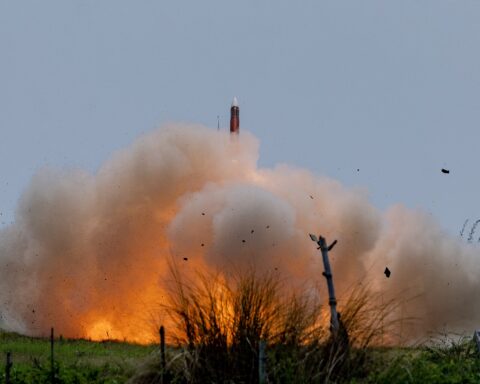
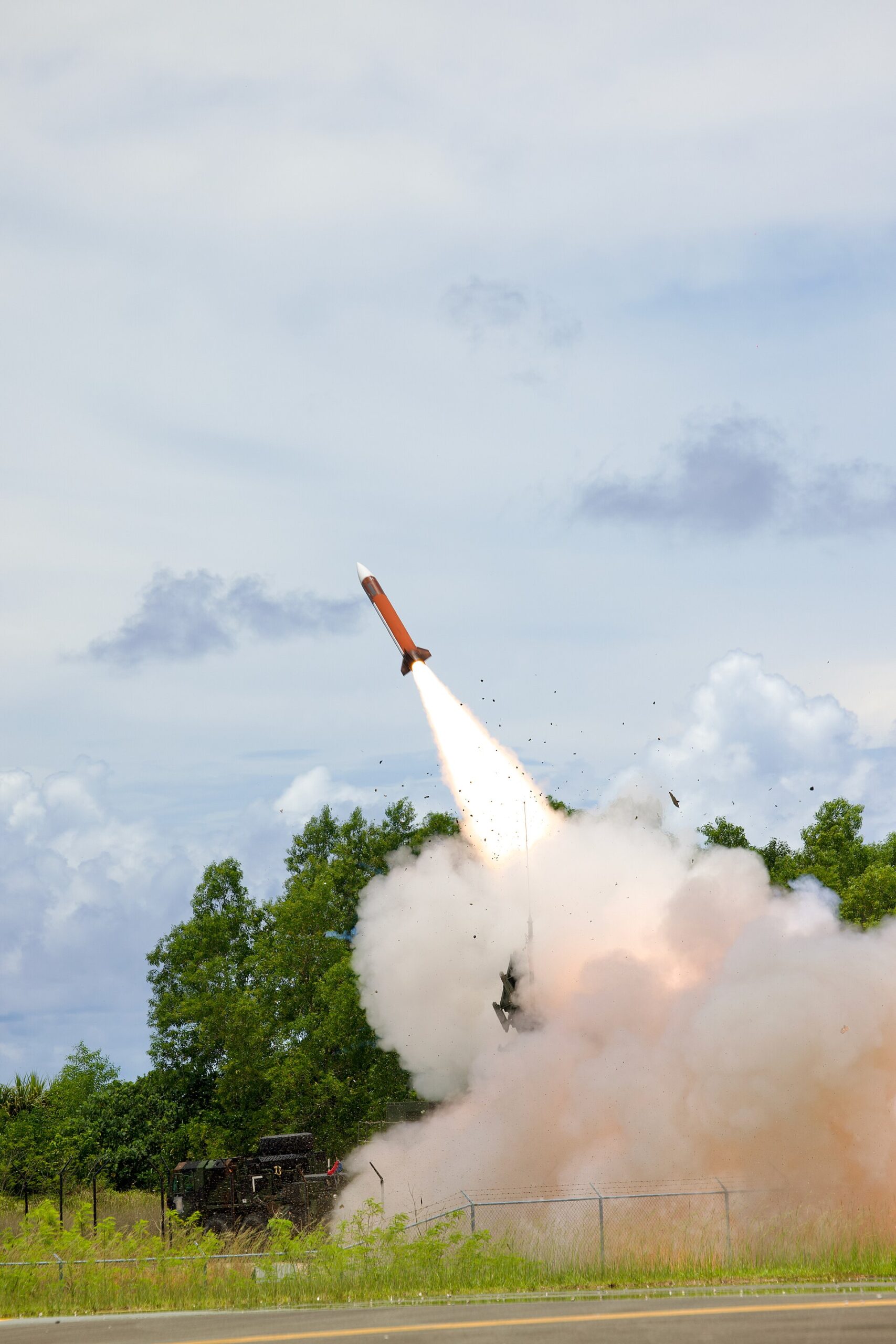
The Saudi-led coalition announced that its air defenses “intercepted and destroyed a ballistic missile launched by Yemen’s Houthi group toward western Saudi Arabia,” according to a statement carried by Anadolu Agency on November 22. Saudi Civil Defense had issued an alert “warning of danger in the Mecca region” approximately two hours earlier, at around 23:43 Riyadh time Saturday evening, before the coalition confirmed the successful interception at roughly 01:42 local time early Sunday, as Iran International’s liveblog recorded.
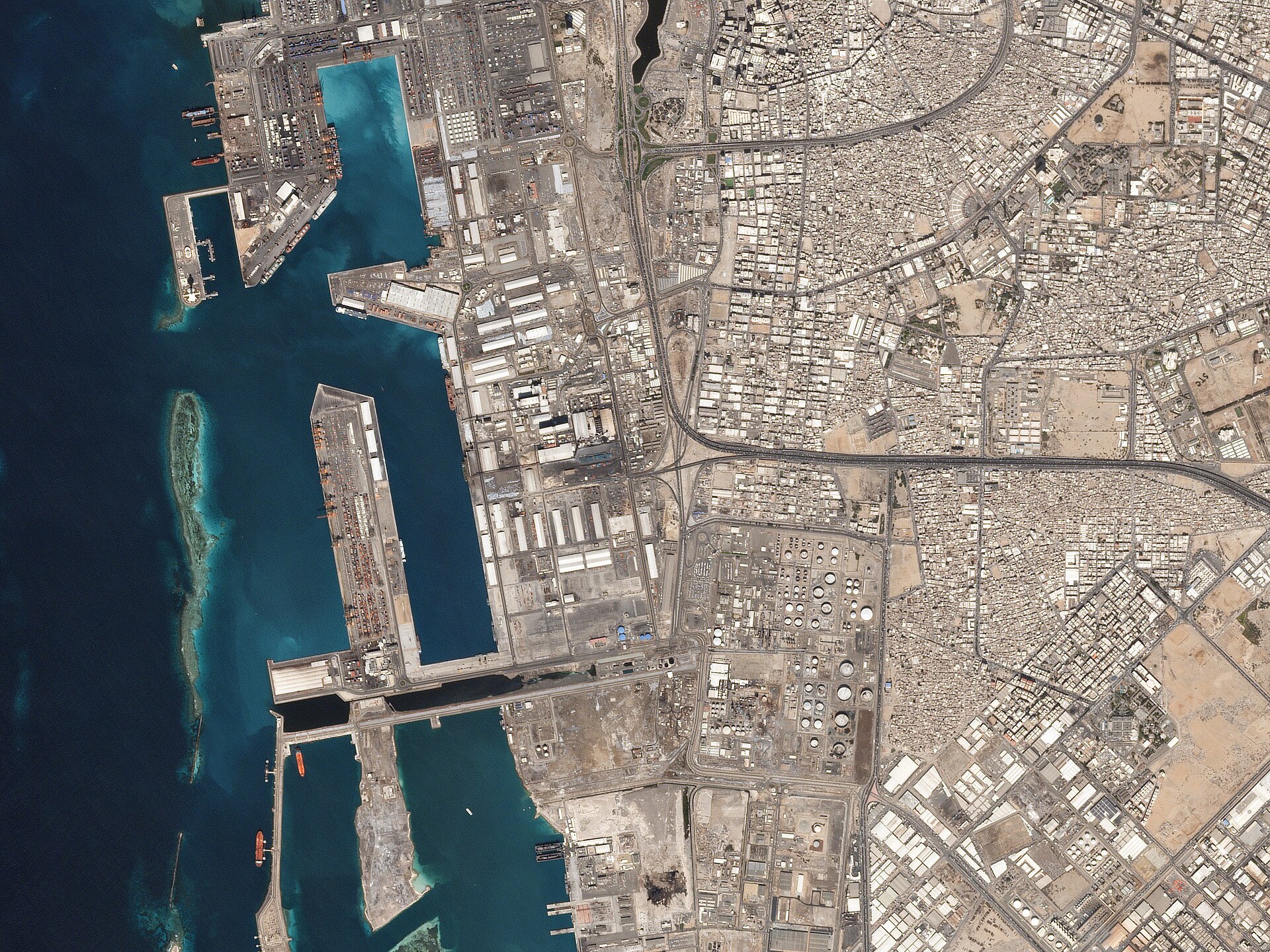
No Houthi claim of responsibility for the November 22 missile has surfaced. Houthi military spokesman Yahya Saree has previously called Saudi accusations of Mecca targeting “a blatant lie” and “fabrications and lies,” telling Middle East Eye after a November 15 interception that “our operations target their oil facilities and military bases.” Saree has specifically cited East-West Pipeline pump stations and Yanbu oil facilities as the kind of infrastructure Ansarullah strikes — targets spread across western Saudi Arabia but distinct from the holy city.
Whether the missile’s trajectory would have carried it toward Mecca itself, or toward another target in the western region, remains unanswered by any public statement. The coalition said only “western Saudi Arabia,” while civil defense warned the broader Mecca administrative region — an area stretching from Jeddah on the Red Sea coast to Taif in the Hejaz mountains, encompassing both population centers and energy infrastructure. What the alert made plain is that coalition defenses had to activate emergency protocols for a zone that includes the Grand Mosque — and Saturday’s incoming fire was not limited to Saudi skies.
Bahrain Says Iran Struck Civilian Facility, Manama Demands UN Action
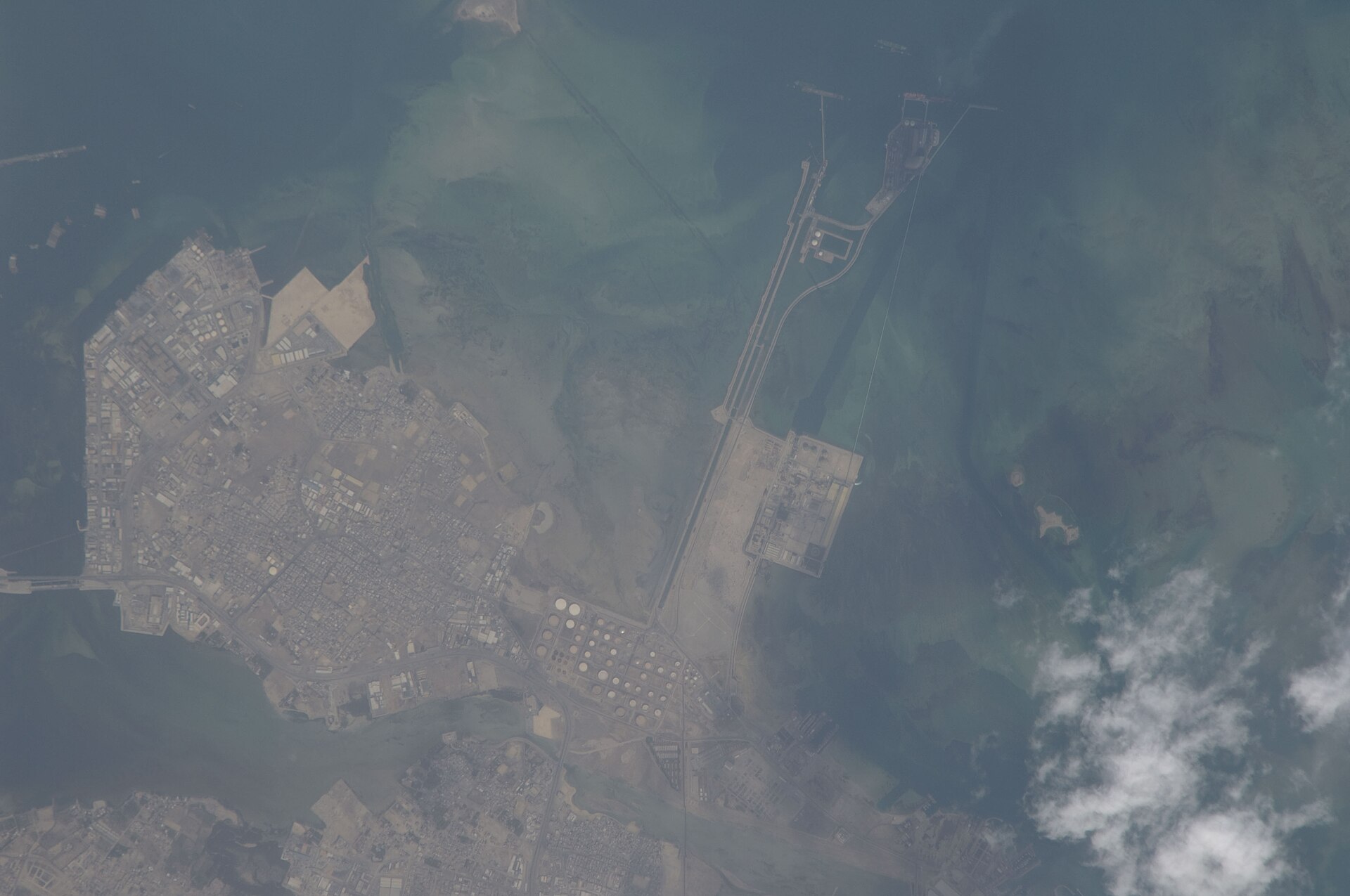
Bahrain’s Interior Ministry announced on Saturday that an Iranian attack had sparked a fire at a civilian industrial facility, calling the strike “heinous Iranian aggression” and reporting preliminary material damage with no injuries, according to Al Jazeera, Rudaw, and Iran International. The ministry said “a civilian industrial facility was targeted, causing a fire at the site” but did not identify the facility or disclose its location. Bahrain’s Defence Force said separately that its air defenses had “intercepted several Iranian aerial attacks” late Saturday, with debris from interceptions causing “minor property damage” and no casualties.
Two residents told AFP they observed smoke rising over Sitra Island, on Bahrain’s eastern coast — an area home to several industrial facilities including a refinery operated by state oil company Bapco, TRT World reported. The Interior Ministry has not confirmed Sitra as the fire’s location, and the witness accounts remain unofficial. The incident came during what has become a resumed November attack cycle targeting Bahrain, with Iranian strikes also hitting the island on November 13 and November 17 before Saturday’s escalation to civilian infrastructure.
Bahrain’s Foreign Ministry rejected the IRGC’s assertion that it had struck US military installations, stating that “the facility was used solely for civilian purposes,” Iran International reported. Manama called on the UN Security Council to enforce Resolution 2817 — adopted March 11, 2026, condemning Iranian attacks on Gulf states — and said Bahrain reserves the right of self-defense under both the UN Charter and the GCC joint defense agreement. That dual invocation couples international law with regional mutual defense, raising the political cost for Tehran of any further strikes on Bahraini civilian infrastructure and setting the legal groundwork for a collective response.
Saturday’s fire is the latest in a string of Iranian attacks on Bahrain stretching back to February 28, 2026. Previous incidents with confirmed civilian damage include a Bapco refinery-area explosion that injured 32 people on March 9, a Seef District tower strike that killed one woman and injured eight on March 10, a Muharraq fuel depot fire on March 12, and strikes on the Bahrain Aluminium Company that injured two on March 28, according to contemporaneous reports compiled by researchers covering the conflict. The pattern of civilian harm undermines Tehran’s repeated assertions that its operations target only US and coalition military assets — a discrepancy that grows sharper when measured against the IRGC’s own account of what it claims to have struck.
Why Do the IRGC’s Own Strike Claims Contradict Each Other?
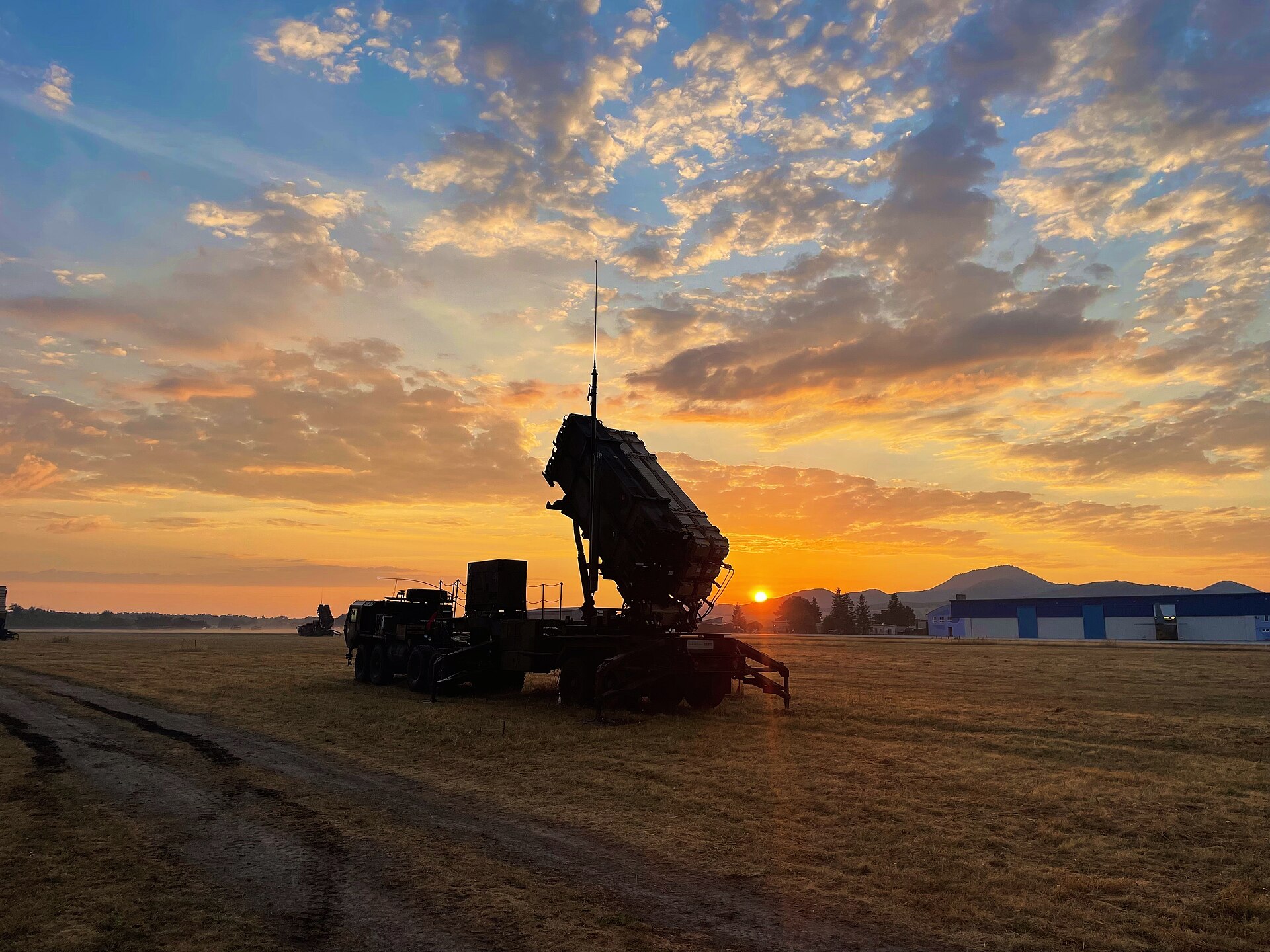
The Islamic Revolutionary Guard Corps issued two separate statements about its Bahrain operation Saturday that named different targets — a discrepancy neither Tehran nor the IRGC has explained. The first, distributed via Fars News at approximately 19:40 UTC, claimed strikes on Sheikh Isa Air Base and the US naval facility in Juffair, according to TRT World and Iran International. A second statement, issued roughly an hour later at 20:37 UTC through official IRGC channels, said the Aerospace Force had carried out a combined missile and drone attack on “two radars of Patriot air defense systems of the US Army” at the Al-Riffa and Awali bases in Bahrain, TASS and Iran International reported.
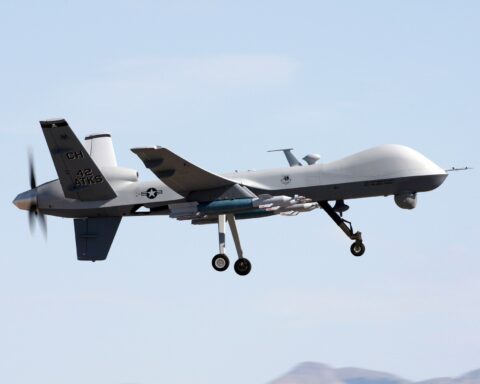
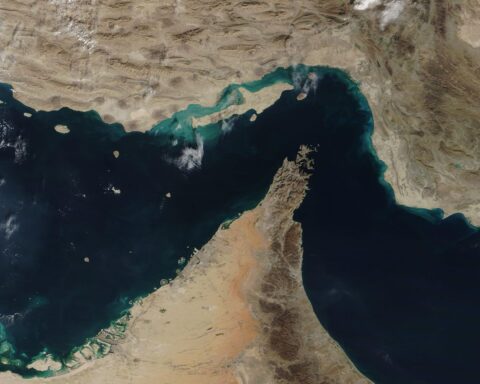
The two sets of claimed targets are geographically distinct: Sheikh Isa Air Base occupies Bahrain’s southern desert, Juffair hosts the US Fifth Fleet on the northeastern coast, Al-Riffa sits in the central highlands, and Awali is an inland oil-town settlement. Neither claim has been independently verified, and no explanation for the discrepancy has been offered by Iranian officials. The stated justification in both was identical — alleged violations of Iranian airspace by US drones, plus what the IRGC described as a US attack on a radar installation on Hengam Island in the Strait of Hormuz. The IRGC’s official statement cited MQ-1 unmanned aircraft, per Mehr News Agency and IRNA; Iran’s regular army separately claimed that MQ-9 drones were involved, an account NBC News reported.
The IRGC also warned that Iranian airspace constitutes a “red line,” threatening “a harsher response” if further violations occur, ANI reported. That language mirrors previous IRGC escalatory rhetoric that has preceded strike cycles across the Gulf, including attacks that have targeted commercial shipping near Hormuz and military installations in multiple GCC states.
Iran’s state news agency IRNA offered a competing account of the facility fire itself, claiming that an interceptor missile launched from the US Fifth Fleet base had crashed on Sitra Island and started the blaze, attributing the incident to what it called “a recurring malfunction in the Patriot air defence system,” Al Jazeera and TRT World reported. IRNA cited an outlet called “Bahrain News” as its source — a claim that remains unverified and stands against Bahrain’s own attribution of the fire to Iranian aggression. The competing narrative fits a broader pattern in Iranian state media: after each attack cycle since February, Tehran has alternated between denying strikes altogether, claiming to have hit only military targets, and blaming damage on US equipment failures, often within the same news cycle.
No US Central Command response to the specific November 21–22 IRGC claims about Patriot radar sites at Al-Riffa and Awali has been found. After similar Iranian claims following strikes on November 13 and November 17, CENTCOM issued denials stating that Iranian “one-way attack drones” had been “shot down” with “no injuries or damage to US equipment,” according to JNS and TFTC. The silence from Washington left the diplomatic field to the Gulf states themselves — and they did not hesitate.
GCC Solidarity and Regional Condemnation
GCC Secretary-General Jassim Mohamed AlBudaiwi expressed “full solidarity” with Bahrain within hours of Saturday’s attacks, saying “Bahrain’s security and territorial integrity are part of the security of all GCC states” and backing “all measures” Bahrain takes in response, Al Jazeera reported. Jordan also condemned the Iranian strikes, joining the GCC in calling the attacks violations of international law, according to Reuters and Al Jazeera via secondary outlets.
The speed of the GCC response — AlBudaiwi’s statement arrived the same evening — reflects a Gulf diplomatic rhythm that has hardened across nine months of Iranian attacks. Each Iranian strike on a Gulf state now triggers near-automatic solidarity statements from the bloc, a development that has transformed what began as bilateral incidents into a standing multilateral confrontation between the six GCC member states and Tehran. The GCC collectively submitted evidence of Iranian aerial attacks to the United Nations earlier in November, a referral that set the stage for Bahrain’s specific demand that the Security Council act on its own resolution.
The regional dynamic extends beyond diplomacy into economics. Iran’s sustained campaign across the Gulf — encompassing strikes on Bahrain, Kuwait, and contested naval operations in the Strait of Hormuz — has forced Gulf states to recalibrate investment timelines and absorb security costs that compound with each new attack cycle. What started in February as a shock has become an attritional burden distributed across the entire GCC, and the solidarity statements now carry the weight of shared material stakes — stakes that increase each time air-raid warnings sound in the approaches to Islam’s holiest city.
Repeated Mecca-Area Alerts Since September
The November 22 interception extends an escalatory pattern that began on September 15, 2026, when Saudi Civil Defense issued its first wartime alert for the Mecca area after a drone was destroyed south of the city, approximately 70 kilometers from Jeddah, according to Business Today India. Since then, western Saudi Arabia and the Mecca region have faced a drumbeat of incoming threats that has made emergency alerts for the holiest city in Islam a near-fortnightly occurrence.
On September 24, the coalition shot down six Houthi ballistic missiles, with alerts issued for Mecca, Jeddah, Yanbu, and Taif, Al Jazeera reported. In late October, a Houthi barrage was intercepted near Mecca, with debris falling in Mecca province across the areas of Jeddah, Taif, Rabigh, and Wadi al-Mughammas, again per Al Jazeera. On November 11–12, debris from two intercepted missiles landed in the Mecca area including Sabuhah village — approximately 35 kilometers northeast of the Grand Mosque — and Wadi al-Mughammas, roughly 21 kilometers to its east, the Times of Israel and Jerusalem Post reported. On November 15, four drones were intercepted over Mecca and Medina, Gulf News and Anadolu Agency reported, the incident after which Saree called the coalition’s claims “a blatant lie.”
No confirmed Houthi projectile has struck Mecca city itself in any of these incidents, and coalition air defenses have engaged every reported threat before impact. But the debris footprint has been narrowing: fragments have landed as close as 21 kilometers from the Grand Mosque, and the near-fortnightly frequency of alerts has normalized emergency warnings for a city that receives millions of pilgrims annually. The coalition has not disclosed how many of the intercepted projectiles were specifically aimed at Mecca versus other western Saudi targets such as the Yanbu oil complex or East-West Pipeline pump stations, a question of trajectory data that only military intelligence can answer and that Saturday’s broader barrage makes all the more pressing.
What Else Happened During Saturday’s Wider Barrage?
The Mecca-region missile was part of a broader weekend of attacks across Saudi Arabia and the Gulf. On Saturday, the coalition intercepted three ballistic missiles aimed at Riyadh and two drones — one targeting the capital’s region and another headed for southern Saudi Arabia, Anadolu Agency reported. Saudi Civil Defense issued five separate alerts covering Najran, Riyadh, Al-Sulayyil, and Jazan before announcing the danger had passed. The scale of overnight intercepts across Saturday and early Sunday — at least four ballistic missiles and two drones, counting the three Riyadh missiles Saturday and the Mecca-region missile early Sunday — suggests a coordinated Houthi salvo designed to stretch coalition defenses across multiple axes simultaneously.
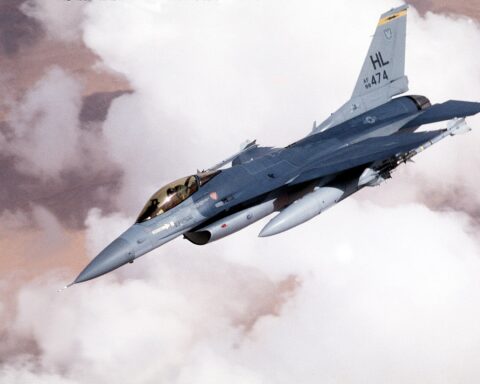
The Iran-US aerial confrontation also intensified on Saturday. Iran’s army claimed a missile had damaged a US F-16 fighter jet during operations over the Gulf, a claim that CENTCOM denied. Separately, the IRGC said its air defense forces had intercepted and destroyed “a reconnaissance drone” over waters off the coast of Bushehr province, Anadolu Agency and Rudaw reported — an incident that adds to a running tally of drone encounters between Iranian and American forces that the IRGC has repeatedly cited as justification for strikes on US-linked bases in Bahrain and beyond.
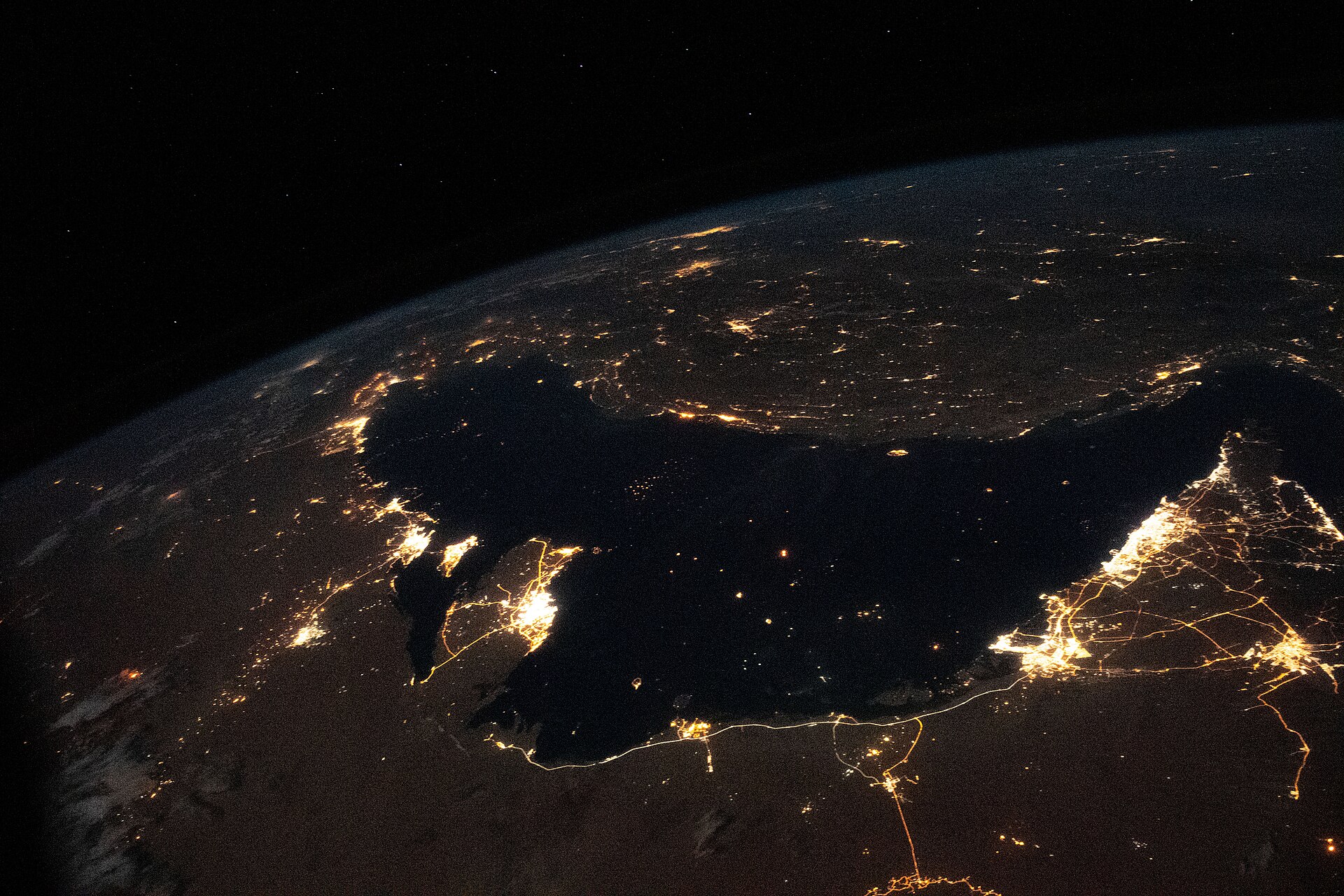
Taken together, the 24 hours spanning Saturday evening through early Sunday saw Houthi ballistic missiles and drones targeting at least three Saudi regions simultaneously, an Iranian strike that Bahrain says set a civilian facility ablaze, Iranian claims of shooting down a US drone and hitting US radar sites, and a Bahraini demand that the UN Security Council enforce its own resolution. The tempo reflects a conflict that is no longer episodic but continuous, with multiple fronts active on any given day and the distinction between Iranian and Houthi operations — always contested by both groups — growing harder to draw with each overlapping barrage.
Frequently Asked Questions
What is UN Security Council Resolution 2817?
Resolution 2817 was adopted on March 11, 2026, in direct response to Iran’s initial wave of attacks on Gulf states that began February 28. The resolution condemned Iranian strikes on GCC member states and demanded an immediate cessation of attacks on sovereign territory and civilian infrastructure. Bahrain’s invocation of the resolution on November 21 matters because it frames Tehran’s continued strikes — nine months after the resolution’s adoption — as ongoing defiance of a binding Security Council directive, strengthening the legal basis for potential enforcement action or additional sanctions measures.
Has any Houthi projectile actually struck the city of Mecca?
The distinction between the city of Mecca and the Mecca administrative region matters for assessing Houthi intent: the administrative region stretches from Jeddah on the Red Sea coast to Taif in the Hejaz mountains, encompassing the East-West Pipeline pump stations and Yanbu oil complex that Houthi spokesman Yahya Saree has explicitly acknowledged as targets. The holy city itself lies within that larger zone, but the coalition has not disclosed whether any intercepted projectile was specifically aimed at the Grand Mosque or at the energy and military infrastructure spread across the same administrative area. No confirmed Houthi projectile has struck Mecca city in any reported incident since September 15, 2026. Debris from interceptions has, however, landed as close as 21 kilometers from the Grand Mosque at Wadi al-Mughammas, the Times of Israel and Jerusalem Post reported.
What is Sitra Island and why is it relevant?
Sitra is a low-lying island on Bahrain’s eastern coast, connected to the main island by a causeway and home to Bahrain’s largest industrial zone, including Bapco’s primary refinery and multiple petrochemical operations that form the backbone of the country’s energy sector. AFP sources reported smoke rising over Sitra on Saturday night, though Bahrain’s Interior Ministry has not confirmed the fire’s location. If the Sitra identification is accurate, Saturday’s fire would represent the second time Iranian attacks have affected the island’s industrial area — a Bapco refinery-zone explosion injured 32 people on March 9 and forced the company to declare force majeure on certain export contracts.
Has CENTCOM confirmed or denied the IRGC’s claims about hitting US equipment in Bahrain?
In previous attack cycles, the gap between IRGC strike claims and eventual CENTCOM denials has ranged from hours to days. After similar Iranian claims following strikes on November 13 and November 17, CENTCOM eventually issued denials stating that Iranian “one-way attack drones” had been “shot down” with “no injuries or damage to US equipment,” JNS and TFTC reported. No US Central Command statement on the November 21–22 claims about Patriot radar sites at Al-Riffa and Awali had been found as of publication — consistent with that prior pattern rather than a confirmation of Iranian operational success.
What is the GCC joint defense agreement that Bahrain cited?
The Joint Defence and Economic Cooperation Treaty commits all six GCC member states — Saudi Arabia, Bahrain, Kuwait, Qatar, Oman, and the UAE — to treat an armed attack on any one member as an attack on all, and to coordinate collective military responses accordingly. Bahrain’s explicit citation of the agreement alongside its UN Charter self-defense claim on Saturday signals that Manama expects operational solidarity from Gulf partners, beyond the diplomatic statements and expressions of support that have followed each previous Iranian strike. The agreement underpinned the formation of the Saudi-led coalition’s military operations and was referenced in the GCC’s collective November referral of Iranian attacks to the United Nations.
The House of Saud Daily Briefing
Saudi Arabia's news in 3 minutes, every morning. Free. See today's issue